DataM resources that are widely useful for your reference. We have curated special links for you to browse through

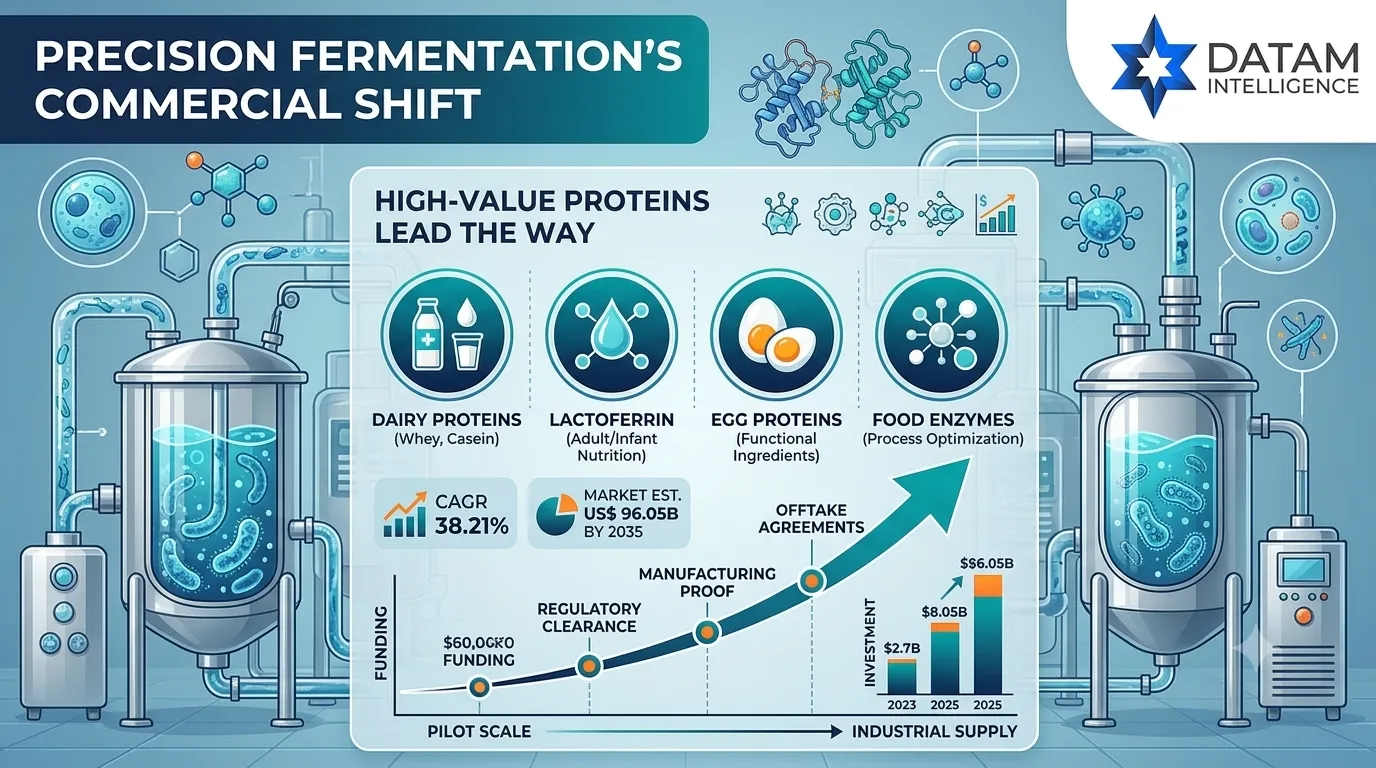
Precision fermentation is entering a new commercialization phase, where companies are shifting from technology validation toward scalable ingredient production. Rising investments, industrial partnerships and demand for high-value proteins are accelerating opportunities across dairy proteins, lactoferrin, egg proteins and specialty enzymes.
July 21, 2026

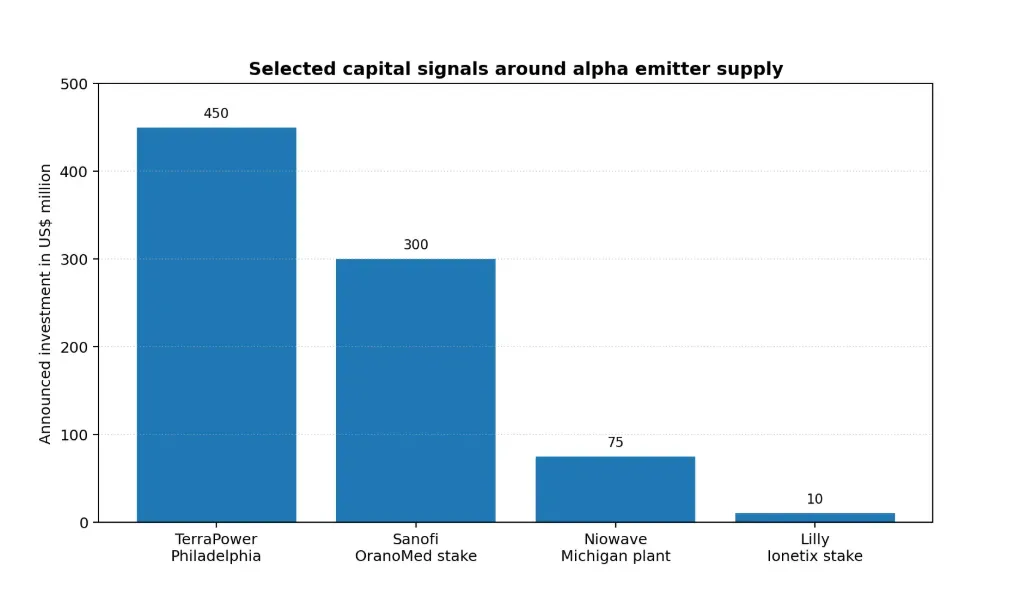
Growing demand for targeted alpha therapy is driving major investments in Actinium-225 production capacity. New isotope manufacturing facilities are strengthening the radiopharmaceutical supply chain and supporting the future of precision cancer treatments.
July 21, 2026

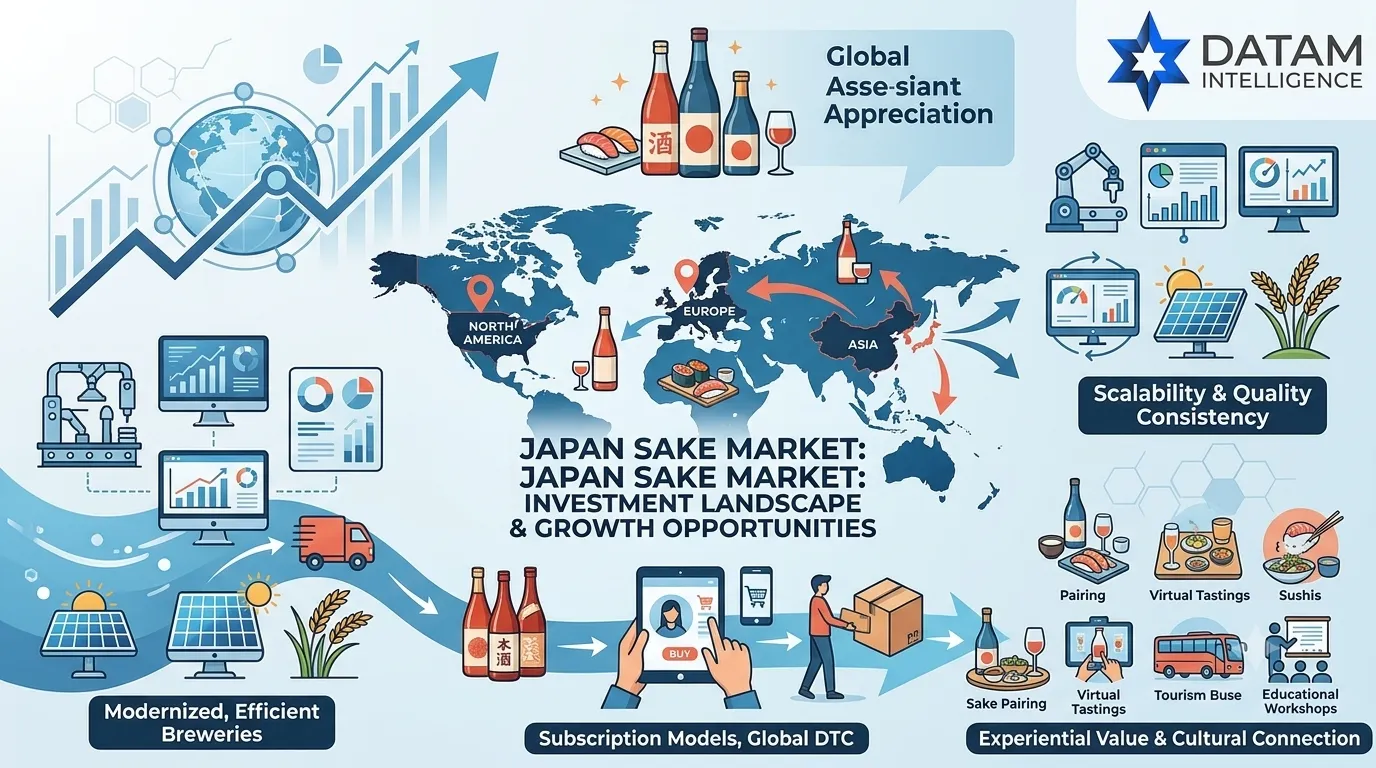
The Japanese sake industry is evolving through premiumization, global expansion, tourism-driven demand, and changing consumer preferences. Explore emerging investment opportunities, growth trends, and strategic opportunities shaping the future of Japan’s sake market.
July 20, 2026

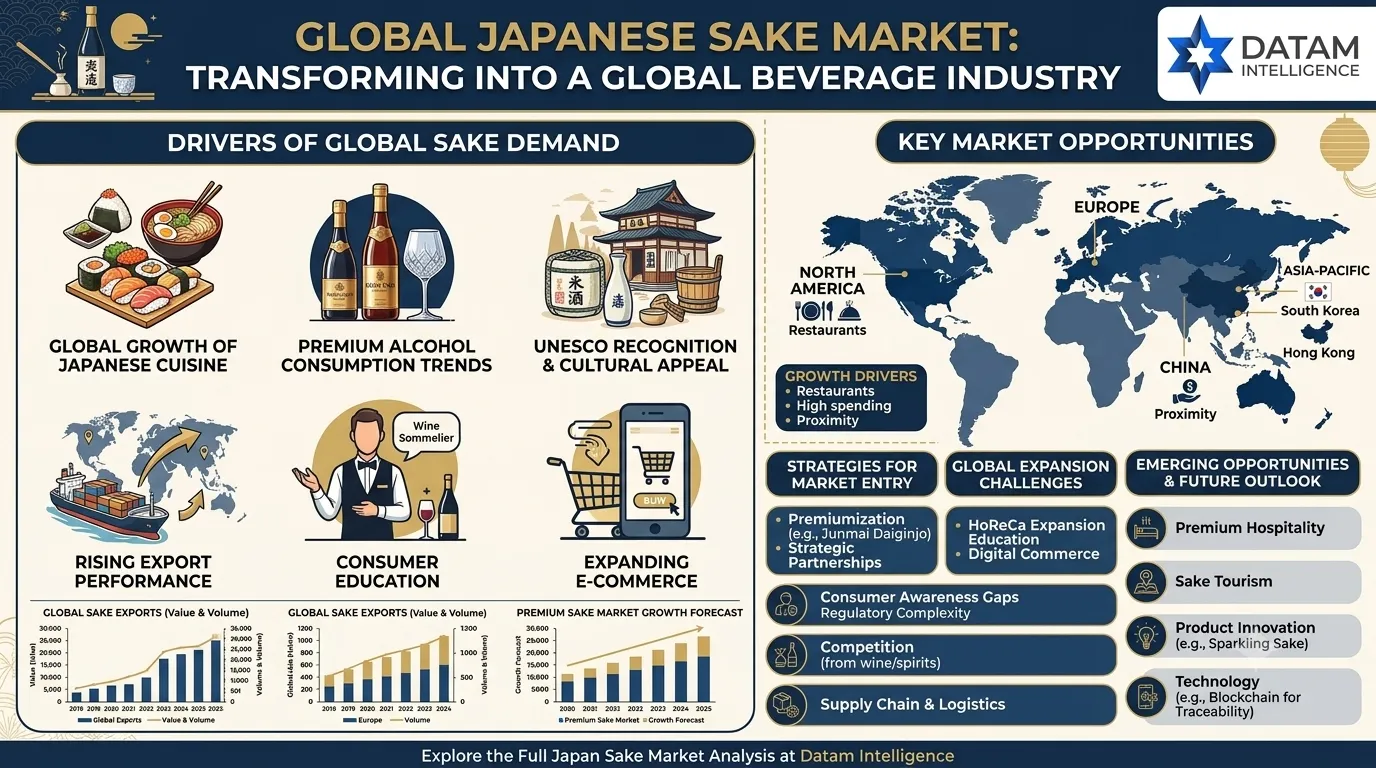
Japanese sake is no longer a niche traditional beverage confined to domestic consumption. Rising global demand for premium alcoholic beverages, growing interest in Japanese cuisine, and expanding international distribution networks are creating new growth opportunities for sake producers worldwide. This article explores the market entry strategies, export trends, distribution models, and investment opportunities driving the global expansion of Japanese sake brands.
July 20, 2026

The global memory chip market is entering a new growth cycle fueled by artificial intelligence (AI), hyperscale data centers, cloud computing, and next-generation semiconductor technologies. From High Bandwidth Memory (HBM) and DDR5 DRAM to advanced NAND flash storage, memory chips have become the backbone of AI infrastructure. This article explores the key trends, growth drivers, challenges, and investment opportunities shaping the memory chip market between 2026 and 2035.
July 18, 2026

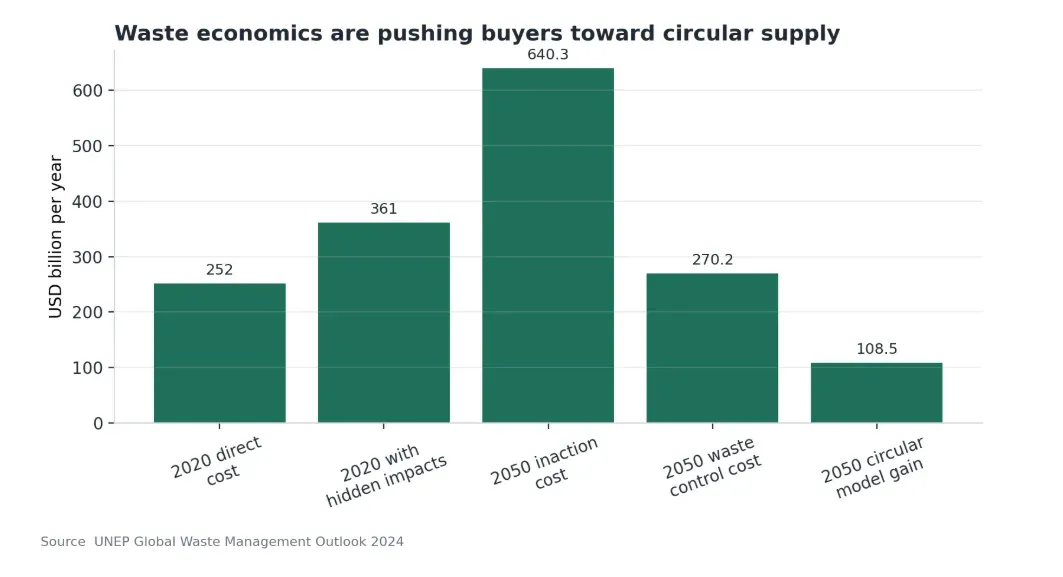
As material shortages, price volatility, and regulatory pressures reshape global supply chains, procurement teams are turning to circularity as a resource security strategy. From recycled plastics and battery materials to critical minerals recovery, companies are leveraging circular supply models to reduce dependence on virgin resources, improve resilience, and secure long-term access to strategic inputs. This shift marks a transition from traditional waste management to a procurement-led approach focused on material availability, compliance, and commercial value.
July 17, 2026