


Asia-Pacific vaginal health probiotic supplement market Size
The Asia-Pacific vaginal health probiotic supplements market is gaining strategic importance as women’s intimate health becomes a more visible part of preventive wellness, gut health and functional nutrition. Consumers across China, India, Japan, South Korea and Australia are increasingly seeking non-antibiotic, microbiome-supportive products for vaginal pH balance, urinary tract health, bacterial vaginosis support, menopause wellness and general feminine hygiene.
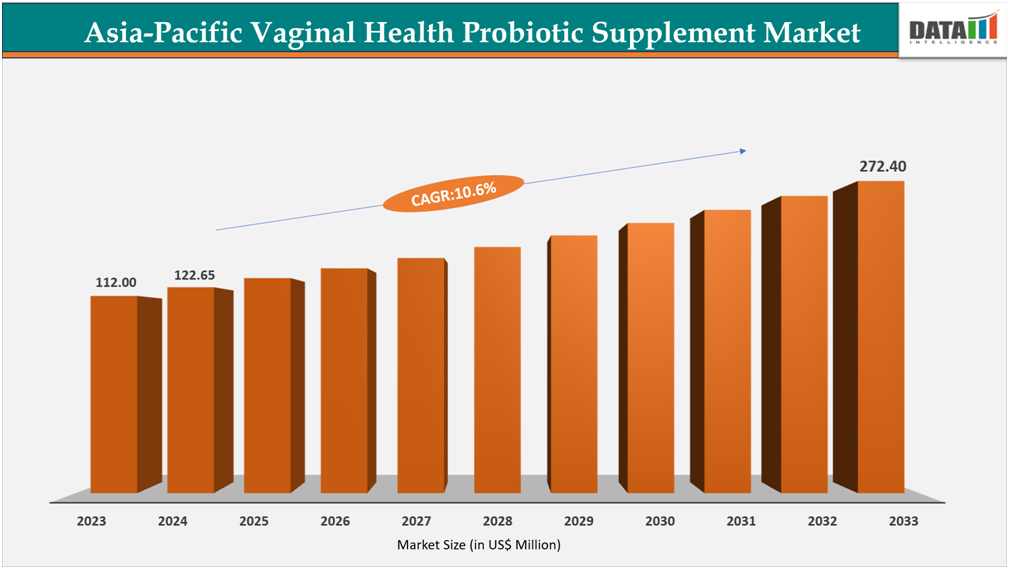
Asia-Pacific Vaginal Health Probiotic Supplements Market is valued at US$ 135.65 million in 2025 and is projected to reach US$ 368.53 million by 2035, growing at a CAGR of 10.6% during 2026–2035.
The market is commercially attractive because it connects three strong consumer themes: women’s self-care, microbiome science and functional supplementation. Clinical strain positioning, discreet online purchase behavior, pharmacy-backed trust and new delivery formats such as gummies, chewables, capsules, sachets and suppositories are helping the category move beyond niche feminine care into mainstream nutraceuticals.
Key Takeaways
- The Asia Pacific Vaginal Health Probiotic Supplements market size 2026 is estimated at US$ 150.03 million, supported by rising women’s health awareness and wider probiotic supplement adoption.
- The Asia Pacific Vaginal Health Probiotic Supplements market forecast 2035 is projected at US$ 368.53 million, indicating a strong long-term opportunity in feminine microbiome care.
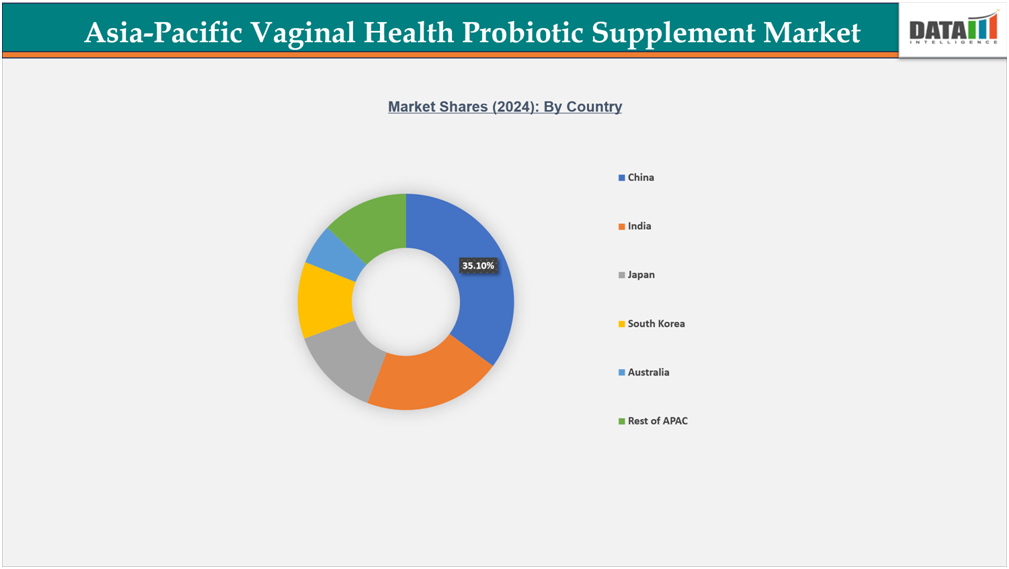
- China held the largest regional share at 35.10% in 2024, supported by strong healthcare access, awareness and high demand for intimate health solutions.
- Oral supplements accounted for 68.68% share in 2024, making them the preferred form due to ease of use, privacy and consumer familiarity.
- India is the fastest-growing market, driven by rising women’s health awareness, digital health education, pharmacy access and increasing acceptance of preventive intimate care.
- Clinically researched strains such as Lactobacillus rhamnosus GR-1, Lactobacillus reuteri RC-14 and Lactobacillus crispatus are strengthening evidence-based product positioning.
- Asia Pacific Vaginal Health Probiotic Supplements pricing and adoption trends are increasingly shaped by clinical validation, format convenience, e-commerce privacy and claims credibility.
Market Scope
| Metrics | Details |
| Market Size in 2026 | US$ 150.03 Million |
| Market Size by 2035 | US$ 368.53 Million |
| CAGR | 10.60% |
| Historic Years | 2023-2024 |
| Base Year | 2025 |
| Forecast Period | 2026-2035 |
| Segments Covered | Form, Application, End User and Country |
| Largest Market | China |
Asia Pacific Vaginal Health Probiotic Supplements Growth Drivers
Women’s Intimate Health Is Becoming a Preventive Wellness Category
Women’s intimate health has historically been under-addressed in many Asia-Pacific markets due to stigma, limited awareness and low product visibility. This is changing as younger urban consumers, pharmacy chains, women’s wellness brands and online health platforms normalize discussions around vaginal microbiome balance, urinary health and pH support.
Probiotic supplements are benefiting from this shift because they are positioned as natural, preventive and microbiome-supportive products. This positioning is especially relevant for consumers seeking alternatives or complements to conventional intimate care products.
Clinical Evidence Is Improving Product Credibility
Clinical validation is one of the most important Asia Pacific Vaginal Health Probiotic Supplements growth drivers. Strains such as Lactobacillus rhamnosus GR-1 and Lactobacillus reuteri RC-14 are widely used in feminine health formulations and have been linked in the source content with support for bacterial vaginosis and urinary tract health positioning.
In China, a prospective controlled pilot study from Jiangxi evaluated Lactobacillus crispatus chen-01 in women with high-risk HPV infection. The study enrolled 100 women and reported reduced HPV viral load, improved clearance rates and reduced vaginal inflammation after six months, without notable adverse reactions. This type of evidence is strengthening the investment case for strain-specific vaginal microbiome products.
Supplement Adoption Is Expanding Across Asia-Pacific
The region has a strong base for probiotic adoption due to fermented food culture, rising supplement usage and growing preventive health awareness. South Korea’s health functional foods segment reached approximately US$ 2.08 billion in production value in 2021, with probiotics representing 14.7% of the segment and growing 25.6% in value.
India’s probiotics market nearly doubled over five years to reach INR 2,070 crore by 2025, with a 22% annual growth rate in May 2025 according to the source content. These signals show that probiotic familiarity is expanding, creating a stronger foundation for women’s health-specific products.
Maternal Health and Reproductive Wellness Support Market Expansion
The region’s large maternal population creates a strong base for probiotic supplements positioned around pregnancy, postpartum wellness and reproductive health. India recorded around 23 million live births in 2022, while China recorded about 9.6 million births in 2022.
As antenatal and postnatal care access improves, healthcare professionals and pharmacies have more opportunities to introduce safe, preventive and microbiome-focused supplements to women during important life stages.
Consumer Demand Trends
Asia Pacific Vaginal Health Probiotic Supplements consumer demand trends show strong commitment to probiotic use. According to the source content, 35% of women consume probiotics once daily, while 20% consume them multiple times a day. Together, daily users account for 55% of the market, while another 27% consume probiotics a few times per week.
Consumer format preferences also show a strong probiotic foundation. Around 55% of women consume yogurt, 37% take regular probiotics, 22% rely on fermented foods and 8% choose synbiotics. This demonstrates that consumers are not starting from zero awareness. Many already understand probiotics through food, supplements and fermented diets.
Women also show stronger supplement adoption than men in older age groups. Nutritional supplement use among women aged 51 to 70 reached 65.1%, compared with 42.5% among men in the same age group. This supports menopause wellness, healthy aging and long-term feminine health positioning.
Ingredient Innovation and Format Segmentation
Asia Pacific Vaginal Health Probiotic Supplements ingredient innovation is shifting the category from generic probiotic claims toward strain-specific, multi-benefit and consumer-friendly formats.
Lactobacillus-Based Formulations
Lactobacillus strains are central to vaginal microbiome positioning because healthy vaginal flora is strongly associated with Lactobacillus dominance. Lactobacillus rhamnosus GR-1, Lactobacillus reuteri RC-14 and Lactobacillus crispatus are gaining attention in evidence-backed feminine health products.
Multi-Strain Probiotic Supplements
Multi-strain products are gaining traction because brands can position them across vaginal microbiota balance, urinary health, digestive wellness and immune support. This multi-benefit strategy works well for consumers seeking whole-body wellness rather than single-condition products.
Synbiotic Formulations
Synbiotics combine probiotics with prebiotics to support probiotic survival and activity. This format is attractive for premium brands seeking stronger microbiome claims and differentiated efficacy positioning.
Gummies, Chewables and Sachets
Gummies, chewables and sachets are expanding consumer access because they are easier to consume and more lifestyle-friendly than conventional capsules. These formats are especially relevant for younger consumers, e-commerce brands and wellness-focused DTC models.
Topical Supplements and Suppositories
Topical supplements and suppositories are gaining traction due to localized delivery and fast-acting positioning. However, cultural sensitivity, privacy concerns and country-specific regulatory classification may influence adoption rates.
Plant-Based and Non-Dairy Capsules
Plant-based and non-dairy vaginal health probiotic capsules are emerging to target vegetarian, lactose-intolerant and wellness-focused consumers. These formats align with clean-label, functional nutrition and broader plant-based supplement trends.
Pricing and Adoption Trends
Asia Pacific Vaginal Health Probiotic Supplements pricing and adoption trends are influenced by strain type, dosage, clinical evidence, delivery format, brand trust and channel access. Premium products usually command higher pricing when they include clinically researched strains, cranberry extract, collagen, biotin, vitamin C, synbiotics or multi-benefit feminine wellness positioning.
Adoption is strongest where products offer privacy, credibility and convenience. E-commerce plays a major role because women can research sensitive health concerns privately, compare products and access subscription-based purchasing. Pharmacy chains remain important because they offer trust, pharmacist guidance and healthcare-adjacent credibility.
Price sensitivity remains a barrier in emerging markets. Smaller pack sizes, sachets, localized manufacturing and pharmacy-led affordable brands may help expand adoption beyond premium urban consumers.
Regulatory Claims Analysis and Boundaries
Asia Pacific Vaginal Health Probiotic Supplements regulatory claims analysis is critical because these products sit between dietary supplements, intimate health and condition-support positioning. Brands must be careful when making claims related to bacterial vaginosis, urinary tract infections, HPV, infection prevention or treatment.
Responsible claims usually focus on:
| Claim Area | Safer Commercial Positioning |
| Vaginal Microbiome Support | Helps support healthy vaginal flora |
| Vaginal pH Balance | Supports normal intimate pH balance |
| Urinary Tract Health | Supports urinary wellness |
| Feminine Wellness | Supports daily intimate health |
| Menopause Support | Supports women during life-stage transitions |
| Digestive and Immune Health | Provides broader probiotic wellness benefits |
Disease treatment claims require local regulatory review and stronger clinical substantiation. Companies that provide strain transparency, dosage information, evidence references and compliant labeling are better positioned to build trust.
Adoption Barriers
Cultural Stigma Still Affects Purchase Behavior
In several Asia-Pacific markets, intimate health remains a sensitive topic. Consumers may avoid in-store purchases or delay seeking support due to embarrassment or lack of education. Digital channels, discreet packaging and pharmacist-supported counseling can reduce this barrier.
Clinical Standardization Remains Uneven
Probiotic outcomes depend on strain, dose, delivery format, product stability and individual microbiome conditions. Lack of standardization can create confusion among consumers and healthcare professionals.
Regulatory Differences Increase Market Entry Complexity
Asia-Pacific is not a single regulatory market. Each country has different supplement registration, claims, labeling and advertising rules. This creates complexity for multinational brands and regional launches.
Premium Pricing Can Limit Mass Adoption
Clinically positioned probiotic supplements often carry higher prices. Brands targeting India, Southeast Asia and price-sensitive consumer groups need accessible formats and localized distribution strategies.
Segmentation Analysis
Segmented by Form (Oral Supplements and Topical Supplements), by Application (Bacterial Vaginosis Prevention and Support, Menopause Support and Healthy Aging, Infection Prevention and Vaginal Microbiome Support, Urinary Tract Health and Vaginal pH Balance, General Vaginal Health and Hygiene), by End User (Pre-Menopausal Women, Peri-Menopausal Women and Post-Menopausal Women), and by Country - Share, Trends, and Forecast to 2035.

By Form
Oral supplements dominate the market due to ease of use, familiarity and privacy. The oral supplements segment accounted for 68.68% share in 2024. It was valued at US$ 84.23 million in 2024 and is expected to reach US$ 191.02 million by 2032, growing at a CAGR of 10.9%.
Topical supplements are gaining attention because they offer localized support and faster-acting positioning. Suppositories and topical probiotic products are likely to grow in markets where consumers are more comfortable with intimate health products and where regulatory frameworks allow clear positioning.
By Application
Bacterial vaginosis prevention and support is a major application area because BV and vaginal microbiome imbalance are common concerns. Urinary tract health and vaginal pH balance are also strong demand areas, especially among women seeking preventive solutions.
Menopause support and healthy aging are emerging as important opportunities due to high supplement adoption among older women. General vaginal health and hygiene products address consumers looking for daily feminine wellness support.
By End User
Pre-menopausal women represent a large demand base due to recurring concerns around vaginal pH, reproductive health and urinary wellness. Peri-menopausal women are increasingly targeted with microbiome and hormonal transition support. Post-menopausal women represent a growing opportunity for healthy aging, intimate comfort and long-term wellness products.
Retail Channel Analysis
E-Commerce and DTC Platforms
Online channels are becoming highly important because they provide privacy, product education, user reviews and subscription options. DTC brands can explain the vaginal microbiome, strain benefits and usage guidance more effectively online than in physical retail.
Pharmacy Chains
Pharmacies remain a trusted channel, especially for products positioned around BV support, urinary tract health and women’s intimate wellness. Pharmacist recommendation can improve credibility and adoption.
Specialty Health Stores
Specialty wellness retailers attract consumers already buying probiotics, vitamins and functional supplements. These outlets are useful for premium and clinically positioned products.
Supermarkets and Hypermarkets
Mass retail can expand access but requires simplified packaging, clear claims and strong brand recognition. Products in this channel must communicate benefits quickly and discreetly.
Clinics and Maternal Health Touchpoints
Gynecology clinics, maternal health programs and postpartum wellness channels can support professional introduction of probiotic supplements, especially where clinical credibility matters.
Asia Pacific Vaginal Health Probiotic Supplements Regional Analysis
China
China is the largest market, holding 35.10% revenue share in 2024. The China vaginal health probiotic supplements market was valued at US$ 43.05 million in 2024 and is estimated to reach US$ 95.61 million by 2032, growing at a CAGR of 10.6%.
Demand is supported by high prevalence of gynecological concerns, rising health awareness and advanced healthcare infrastructure. A public health survey covering more than 37,000 women across multiple provinces reported vaginitis prevalence of around 32%, highlighting the need for preventive vaginal microbiome support.
India
India is the fastest-growing market. Rising women’s health awareness, expanding e-commerce, social media education and government reproductive health initiatives are improving acceptance of vaginal health supplements.
Cultural stigma remains a barrier, but younger urban consumers are increasingly open to nutraceuticals and natural microbiome support. Probiotic supplements fit well with India’s shift toward preventive self-care and digital wellness purchasing.
Competitive Landscape and Asia Pacific Vaginal Health Probiotic Supplements Top Companies

The Asia-Pacific vaginal health probiotic supplement market is fragmented, with global pharmaceutical companies, regional nutraceutical brands, probiotic ingredient suppliers and DTC wellness startups competing for share.
Key companies and brands include Bayer’s Canesten, AB-Biotics, Kaneka Corporation, Himalaya Wellness, Swisse, Biome Australia, Lemme, HealthyHey Nutrition and PanTheryx.
Bayer’s Canesten benefits from strong trust in feminine care. AB-Biotics and Kaneka Corporation are well positioned in B2B probiotic strain supply and clinically studied ingredients. Himalaya Wellness has strong regional distribution and natural wellness credibility. Swisse and Biome Australia are strong in pharmacy and wellness retail. Lemme and HealthyHey Nutrition are capturing digital-first consumers with targeted women’s wellness messaging. PanTheryx adds product development momentum through women’s probiotic formats across capsules and gummies.
Vendor Comparison
| Company or Brand | Strategic Positioning | Competitive Strength |
| Bayer Canesten | Feminine care and intimate health | Established trust and women’s health credibility |
| AB-Biotics | Probiotic ingredient supplier | Clinically studied strains and B2B formulation support |
| Kaneka Corporation | Functional ingredients and probiotics | Ingredient innovation and technical formulation capability |
| Himalaya Wellness | Regional wellness and natural health | Strong India and Asia-Pacific retail presence |
| Swisse | Premium wellness supplements | Brand recognition and pharmacy distribution |
| Biome Australia | Microbiome and probiotic supplements | Women’s intimate health portfolio expansion |
| Lemme | DTC lifestyle wellness | Digital marketing and younger consumer appeal |
| HealthyHey Nutrition | Targeted supplement brand | Online distribution and niche wellness positioning |
| PanTheryx | Women’s probiotic innovation | Multi-format product launches and strain-led formulations |
Competitive differentiation will depend on strain evidence, product format, discreet branding, claims compliance, pricing accessibility, pharmacy trust and e-commerce execution.
Product Launch Examples and Recent Developments
In May 2026, Biome Australia expanded women’s intimate-health probiotic portfolios across Asia-Pacific, supporting demand for clinically targeted vaginal microbiome and urinary-health formulations.
In April 2026, awareness initiatives around women’s reproductive and microbiome health supported broader preventive-health adoption and probiotic supplement consumption trends across Asia-Pacific.
In February 2026, leading regional nutraceutical manufacturers introduced multi-strain vaginal-health probiotic supplements designed to support vaginal microbiota balance, infection prevention and feminine wellness management.
In January 2026, multinational supplement companies accelerated strategic acquisitions of regional probiotic manufacturers to strengthen women’s-health product portfolios and expand Asia-Pacific distribution.
In December 2025, companies launched plant-based and non-dairy vaginal-health probiotic capsules targeting vegetarian, lactose-intolerant and wellness-focused consumers.
In November 2025, female-health supplement brands expanded mergers and collaborative R&D programs focused on advanced probiotic strains, vaginal pH balance and microbiome-support innovations.
In October 2025, gummies, chewables and sachet-based probiotic delivery formats gained wider adoption, improving consumer convenience and supporting feminine-health supplement penetration across retail and e-commerce channels.
Market Opportunities
For supplement manufacturers, the strongest opportunity lies in targeted women’s health probiotic products that address vaginal microbiome support, urinary tract health, pH balance, menopause wellness and pregnancy-adjacent care.
For ingredient suppliers, demand is rising for clinically researched Lactobacillus strains, synbiotic systems, stability technologies and formulation support across capsules, gummies, sachets and topical formats.
For retailers, the category offers premiumization opportunities across pharmacies, online wellness platforms, women’s health aisles and beauty-from-within sections.
For investors, the market provides exposure to women’s health, microbiome science, nutraceuticals and digital wellness retail. Repeat consumption, high engagement and expansion across China and India strengthen long-term growth potential.
For healthcare providers, pharmacists and women’s wellness platforms, vaginal health probiotic supplements support education-led preventive care and microbiome health engagement.
Report Benefits
The report helps supplement manufacturers identify high-growth applications, preferred formats and country-level demand signals. Ingredient suppliers can assess opportunities for Lactobacillus strains, synbiotics and women’s health-specific ingredients. Investors can evaluate market sizing, growth outlook, competitive fragmentation and digital channel potential. Retailers can understand positioning across pharmacy, e-commerce and specialty wellness channels. Strategy teams can benchmark Asia Pacific Vaginal Health Probiotic Supplements growth drivers, consumer demand trends, regulatory claims analysis and competitive positioning through 2035.
Why Choose DataM?
Data-Driven Insights: Dive into detailed analyses with granular insights such as pricing, market shares and value chain evaluations, enriched by interviews with industry leaders and disruptors.
Post-Purchase Support and Expert Analyst Consultations: As a valued client, gain direct access to our expert analysts for personalized advice and strategic guidance, tailored to your specific needs and challenges.
White Papers and Case Studies: Benefit quarterly from our in-depth studies related to your purchased titles, tailored to refine your operational and marketing strategies for maximum impact.
Annual Updates on Purchased Reports: As an existing customer, enjoy the privilege of annual updates to your reports, ensuring you stay abreast of the latest market insights and technological advancements. Terms and conditions apply.
Specialized Focus on Emerging Markets: DataM differentiates itself by delivering in-depth, specialized insights specifically for emerging markets, rather than offering generalized geographic overviews. This approach equips our clients with a nuanced understanding and actionable intelligence that are essential for navigating and succeeding in high-growth countries.
Value of DataM Reports: Our reports offer specialized insights tailored to the latest trends and specific business inquiries. This personalized approach provides a deeper, strategic perspective, ensuring you receive the precise information necessary to make informed decisions. These insights complement and go beyond what is typically available in generic databases.
Target Audience
- Probiotic supplement manufacturers
- Women’s health brands
- Nutraceutical companies
- Probiotic ingredient suppliers
- Pharmaceutical companies
- Pharmacy chains
- Online wellness retailers
- Gynecology-focused health companies
- Direct-to-consumer (DTC) supplement brands
- Investors in nutraceutical and wellness sector
- Product development teams
- Procurement heads
- Strategy and planning departments




























































