Sample DataM resources that are widely useful for your reference. We have curated special links for you to browse through

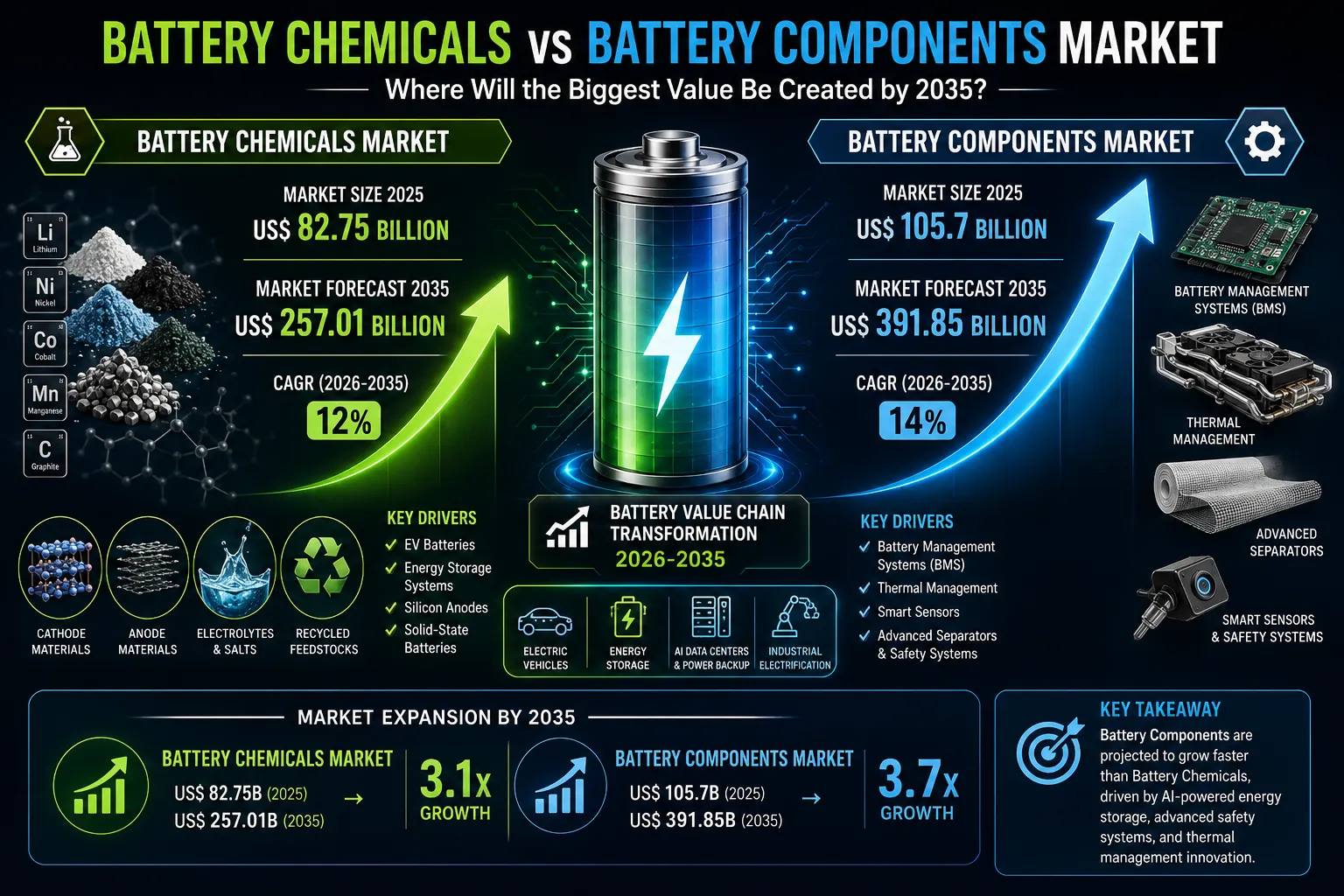
The battery industry in 2026 is moving into a more selective, more strategic, and more capital-disciplined phase. The last cycle was dominated by gigafactory announcements and capacity expansion. The next cycle will be shaped by supply chain control, material localization, technology differentiation, manufacturing yield, recycling integration, and the ability to serve both mobility and stationary storage demand.
June 19, 2026

The global rare neurological disease drugs market is undergoing rapid transformation driven by precision medicine, orphan drug incentives, and escalating treatment costs. As demand rises for therapies targeting conditions such as spinal muscular atrophy (SMA), multiple sclerosis-related rare syndromes, Huntington’s disease, and lysosomal storage disorders, pricing competitiveness has become a decisive factor for payers, healthcare providers, and investors. This article analyzes leading pharmaceutical brands, their pricing strategies, and how competitive positioning is reshaping access, adoption, and long-term market share in the rare neurological disease treatment landscape.
June 19, 2026
The Japan electronics market is entering a pivotal growth phase, driven by rapid advancements in semiconductors, artificial intelligence, industrial automation, and next-generation consumer technologies. As one of the world’s most technologically advanced ecosystems, Japan continues to play a critical role in global electronics supply chains, supported by strong R&D capabilities, precision manufacturing expertise, and strategic government initiatives such as Society 5.0. Between 2026 and 2032, the industry is expected to witness steady expansion, fueled by rising demand for EV electronics, smart devices, and AI-enabled infrastructure. For manufacturers, investors, and technology leaders, Japan represents a high-value market defined by innovation, resilience, and long-term growth potential.
June 18, 2026

As energy costs rise and grid reliability becomes increasingly important, manufacturing facilities are turning to Battery Energy Storage Systems (BESS) to gain greater control over their energy consumption. By reducing peak demand charges, enhancing operational resilience, and supporting renewable energy integration, BESS is helping manufacturers improve efficiency, lower costs, and achieve long-term sustainability goals.
June 18, 2026