


How AI Is Making Healthcare More Accessible and Cost-Effective for Millions
The healthcare sector is entering a new era where artificial intelligence is helping providers deliver more efficient, affordable, and accessible care. Industry experts believe AI-powered technologies can significantly reduce healthcare costs while improving patient outcomes through automation, predictive analytics, and digital health platforms.
Healthcare systems worldwide continue to face challenges including rising medical expenses, workforce shortages, and unequal access to quality care. In India, these issues are particularly evident in rural and underserved regions where access to specialists remains limited. AI-enabled healthcare solutions are increasingly being viewed as a practical way to bridge these gaps.
AI applications are already supporting healthcare providers in areas such as medical imaging, disease prediction, patient monitoring, and clinical decision support. Advanced algorithms can analyze large volumes of patient data within seconds, helping doctors identify health risks earlier and make more informed treatment decisions.
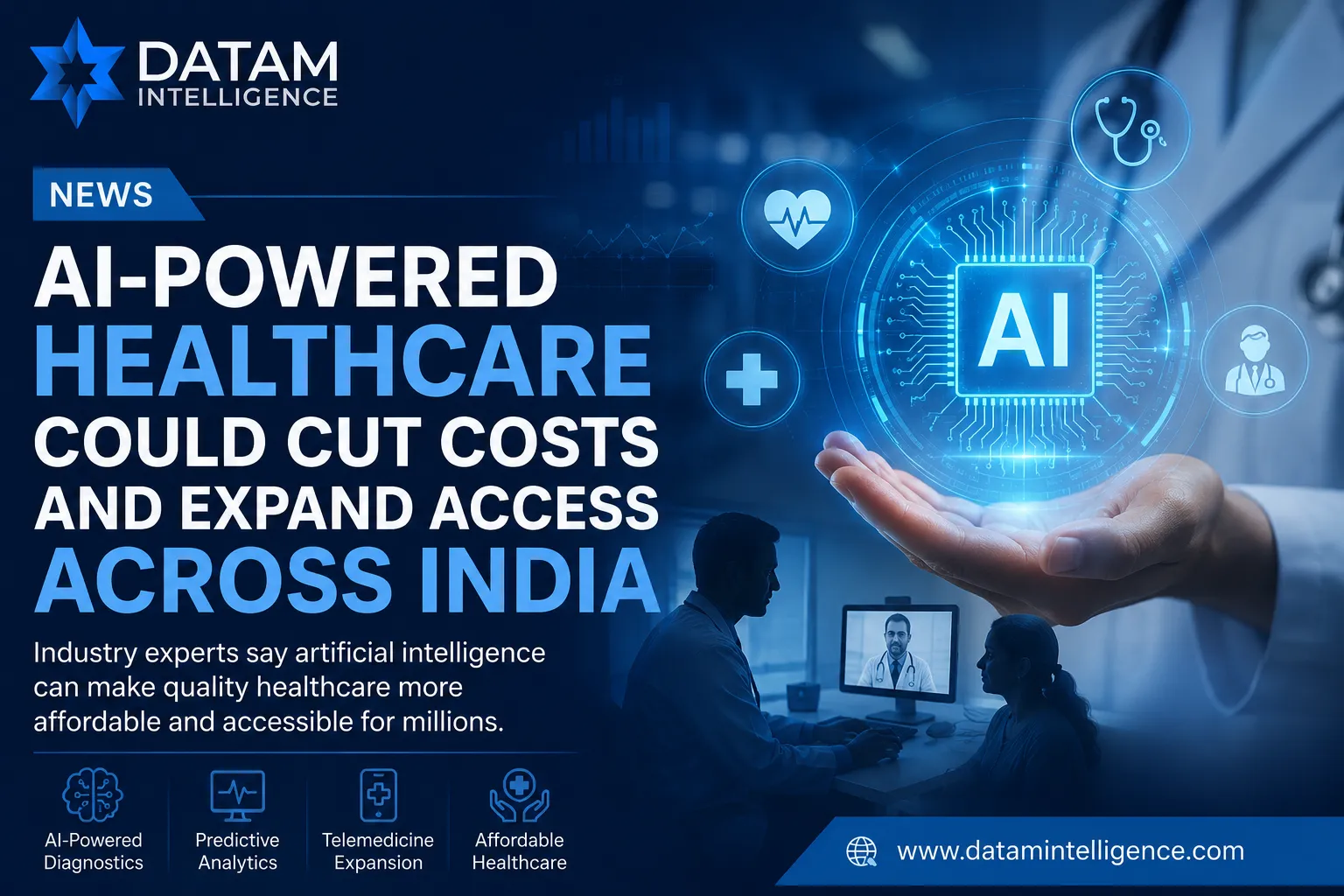
Telemedicine platforms powered by AI are also expanding healthcare reach beyond traditional hospital settings. Digital consultations, symptom assessment tools, and remote monitoring technologies are enabling patients to receive timely medical guidance regardless of location. Healthcare experts note that such technologies are particularly valuable for populations with limited access to specialist care.
The growing adoption of wearable devices and connected health applications is further strengthening preventive healthcare. AI systems can continuously monitor patient vitals, detect anomalies, and alert healthcare professionals before conditions become critical. This proactive approach has the potential to reduce hospital admissions and lower overall treatment costs.
Industry leaders also emphasize that AI can streamline administrative workflows, reduce documentation burdens, and optimize resource allocation within hospitals. By automating repetitive tasks, healthcare professionals can dedicate more time to patient care, improving both efficiency and service quality.
Recent investments in AI healthcare infrastructure demonstrate increasing confidence in the sector's growth potential. Public and private organizations are actively investing in AI innovation hubs, research initiatives, and digital health ecosystems aimed at accelerating healthcare transformation. Telangana, for example, has positioned itself as an emerging AI innovation center through multiple initiatives supporting healthcare technology development.
Despite its promise, experts caution that responsible implementation remains essential. Ensuring data privacy, transparency, fairness, and regulatory compliance will be critical for building trust and maximizing the benefits of AI-powered healthcare solutions. Research continues to highlight the importance of addressing bias and maintaining ethical standards as AI adoption expands across the healthcare ecosystem.
As healthcare systems seek sustainable ways to improve access and affordability, AI is increasingly being recognized as a strategic enabler of next-generation care delivery. With continued investment, innovation, and regulatory oversight, AI-driven healthcare solutions could play a pivotal role in making quality healthcare more affordable and accessible for millions of people.
News source: https://www.thehindu.com/news/national/telangana/ai-can-make-access-to-healthcare-affordable/article71179623.ece