


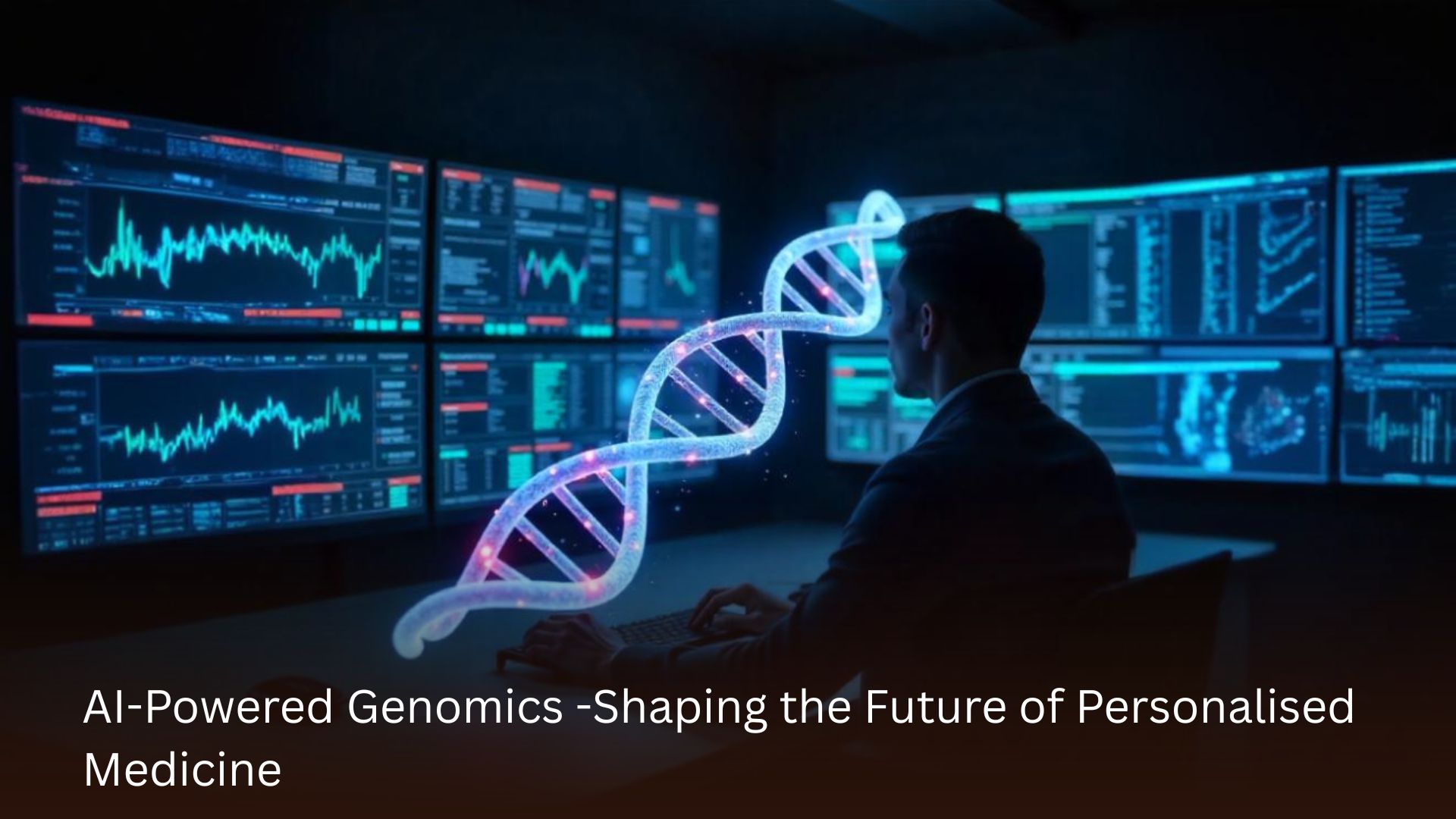
AI-powered genomics is transforming healthcare, moving it from a one-size-fits-all model to personalized, precision medicine that is changing the way illnesses are predicted, diagnosed, and treated. This convergence of artificial intelligence with genomics is creating a revolution in patient care by tailoring medical interventions according to an individual's unique genetic makeup, environmental exposures, and lifestyle factors.
The Changing Face of Healthcare
The healthcare sector is under considerable strain, with over 4.5 billion people worldwide lacking access to essential health services and an ongoing shortage of skilled professionals. Rising costs, disrupted supply chains, and complex regulations further challenge the system, demanding innovative breakthroughs. AI-powered genomics offers hope by enabling a new level of precision and efficiency in diagnosing and treating disease.
Genomics and it’s Critical Role
Genomics, the comprehensive study of an individual's entire genetic material, is essential to understanding how particular gene variations affect health and responses to medication. Insights from genomic sequencing are increasingly accessible as costs fall, revealing how unique genetic factors drive disease risks and drug sensitivity. AI plays a pivotal role as these vast data sets require advanced technologies like machine learning to spot meaningful patterns and predict outcomes faster.
The Power of AI in Genomic Analysis
AI, particularly machine learning and deep learning, helps decipher complex genomic data, uncover genetic variants linked to diseases, and predict how patients might respond to specific treatments. AI-driven algorithms can sift through large-scale datasets to identify biomarkers, inform clinical decisions, and suggest optimal treatment plans. For example, DeepMind’s AI can predict 3D protein structures from genetic data, offering crucial insights into drug interactions and new targeted therapies.
Personalised Medicine: Tailoring Healthcare
Personalised medicine leverages AI and genomics to customize healthcare for each individual, improving diagnostic accuracy and enabling precise patient stratification. Pharmacogenomics, the study of how genes affect drug response, paves the way for medicines tailored to the patient’s genetic profile, reducing adverse reactions and improving outcomes. In oncology, non-invasive techniques like liquid biopsy use AI-analysed data from tumor DNA found in bodily fluids, allowing frequent, comprehensive monitoring and more effective treatment planning.
Real-World Impact and Industry Momentum
The adoption of AI-powered genomics is growing rapidly across the globe, driven by technological progress, supportive government policies, and increased investment. Major players like Tempus, Foundation Medicine, and Colour Genomics are using AI-genomics platforms to provide better, data-driven patient care. Additionally, tech giants such as NVIDIA and Google are developing software and collaborating to accelerate advanced drug discovery, enhance diagnostics, and personalize therapies through AI-led innovations.
Healthcare institutions like the Mayo Clinic and Mount Sinai are integrating AI, genomic analysis, and electronic health records to provide clinicians with comprehensive patient insights, guiding more effective and personalized care decisions.
Barriers to Widespread Adoption
Despite its promises, AI-powered genomics faces several challenges:
- Data privacy and security must be robustly maintained to build patient trust.
- Reducing bias in AI models requires increasing the diversity of genomic datasets for fairer outcomes.
- Affordability remains a concern, as advanced sequencing technology and AI integration still involve significant costs, especially in resource-limited settings.
- Technical obstacles, such as data inaccessibility, fragmentation, accuracy, and the need for better system integration, must be addressed for greater adoption.
- Legal, regulatory, and ethical implications regarding the use and sharing of sensitive patient data require clear, consistent frameworks.
Resolving these issues is essential for the broad and equitable adoption of personalised medicine.
The Future of Personalised, Data-Driven Health
AI-powered genomics is setting the stage for a paradigm shift in healthcare. By enabling the prediction, prevention, and treatment of disease based on a person's unique genetic makeup, the medical community moves closer to delivering true precision medicine.
Recent regulatory approvals reflect the growing maturity of the sector, with agencies like the FDA endorsing numerous personalized therapies in the past year alone. Strategic alliances, increased funding, and robust policy support are encouraging the integration of these technologies into daily clinical practice worldwide.
Conclusion
The convergence of AI and genomics is paving the way for an era of personalized medicine that promises more accurate diagnoses, better treatment outcomes, and improved patient experiences. By addressing current challenges and building a supportive ecosystem with strong partnerships, data integrity, and regulatory alignment, the healthcare sector is poised to transform how diseases are prevented, detected, and managed. The future of healthcare is clear: AI-powered genomics will be central to a smarter, more individualised, and effective approach to medicine.