


Recycled Polypropylene Market Size & Forecast
The Global Recycled Polypropylene (rPP) Market reached US$ 5.26 billion in 2025 and is expected to reach US$ 24.1 billion by 2035, growing with a CAGR 16.42% during the forecast period 2026-2035.
The recycled polypropylene market is evolving from its current state of a recycled resin market into an advanced circular materials market characterized by certified, traceable, and engineered performance materials. There are multiple demand drivers including recycled content regulations, brand owner commitments, plastic waste reduction goals, and carbon reduction requirements compared to virgin PP. This represents a massive growth opportunity since the world plastics value chain is under-recycling on a global basis; according to the OECD report, only 9% of the plastic waste stream is being recycled, whereas almost 50% goes into landfills.
Recycled Polypropylene Market Key Takeaways
- Market Set for Strong Growth, The global Recycled Polypropylene (rPP) market was valued at US$ 5.26 billion in 2025 and is projected to reach US$ 24.1 billion by 2035, expanding at a robust CAGR of 16.42% during 2026–2035.
- Massive Untapped Recycling Opportunity, According to OECD data cited in the report, only 9% of global plastic waste is recycled, while nearly 47-50% ends up in landfills, creating a significant opportunity for rPP adoption and circular economy initiatives.
- Packaging Remains the Largest Demand Driver, Rigid packaging applications such as containers, trays, caps, closures, crates, and pallets dominate demand. In the U.S. alone, over 2 billion pounds of polypropylene waste enter the waste stream annually, yet only around 8% is recycled.
- Regulatory Pressure Accelerating Adoption, The European Union requires all packaging to be recyclable by 2030, while India has increased plastic packaging recycling targets to 60–80% from 2027-28 onward, driving demand for recycled-content materials such as rPP.
- Asia-Pacific Leads the Global Market, Asia-Pacific is both the largest and fastest-growing region, supported by strong packaging production, automotive manufacturing, and plastic waste availability. China generated approximately 63 million tons of plastic waste in 2019, but only 18.9 million tons were recycled.
- Shift Toward Premium, Certified rPP Grades, The market is evolving from low-cost recycled resin to high-performance, certified, odor-controlled, food-contact, and traceable rPP materials. Companies offering advanced sorting, washing, deodorizing, compounding, and certification capabilities are expected to gain a competitive advantage.
Recycled Polypropylene Market Overview
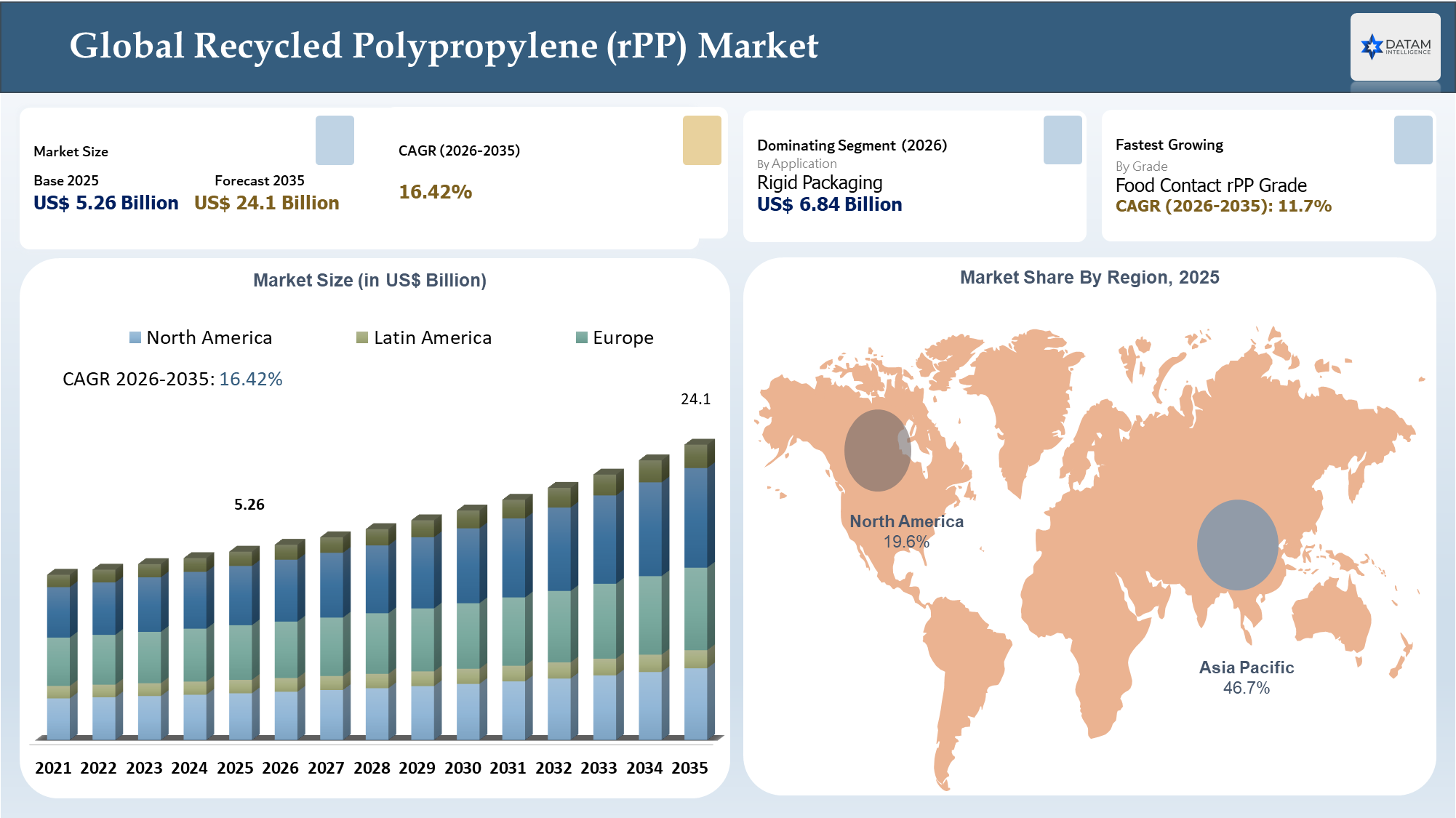
Regulatory actions are positively influencing the business environment, particularly in the European Union, where all forms of packaging must be recyclable by the year 2030. In addition, rPP is becoming commercially relevant in several end-use applications, such as rigid packaging, flexible packaging, automotive parts, consumer products, building products, textiles, and industrial containers. Companies with advanced sorting, washing, deodorizing, compounding, certification, and traceability processes will benefit as more customers shift from recycled resins to performance rPPs.
Recycled Polypropylene Market AI Impact Analysis
AI technology is increasingly emerging as a strategic means in the Recycled Polypropylene (rPP) Market, particularly through enhanced feedstock detection, separation precision, process efficiency, quality management, and traceability. Through AI-enhanced optical sorting, computer vision, and sensing technology, recyclers gain an advantage in the accurate separation of polypropylene from mixed plastic waste, leading to lower contamination rates. Predictive analysis ensures optimized processing, including washing, extrusion, deodorizing, and compounding, by ensuring proper management of melt flow index, color variation, odor potential, moisture, and mechanical performance. It is particularly critical for the production of high-quality recycled rPP grades used in packaging, automotive industry, consumer products, and electronics. In terms of traceability, AI technology facilitates the connection between origin of the waste, batch quality information, recycled content claims, and certification documentation in the recycling value chain. Brand owners and converters can also benefit from the use of AI procurement technologies in relation to better supplier assessment, availability predictions, and price management.
Recycled Polypropylene (rPP) Industry Trends and Strategic Insights
- rPP is transitioning from using recycled polymer at lower prices to utilizing a sustainable source of material through the mandate for recycled content, commitment to ESG factors and pressure from brand owners to minimize reliance on virgin polypropylene.
- Both packaging and automotive industries will continue to be the most economically feasible segments due to the need for high volume use of recycled polymers at reduced costs, lower carbon emissions and better compliance.
- Quality of the material will be key in influencing supplier choice as consumers would prefer odor-free, consistent colored and certified rPP over standard post-consumer recycled polymer.
Recycled Polypropylene Market Scope
| Metrics | Details | |
| 2025 Market Size | US$ 5.26 Billion | |
| 2035 Projected Market Size | US$ 24.1 Billion | |
| CAGR (2026-2035) | 16.42% | |
| Largest Market | Asia-Pacific | |
| Fastest Growing Market | Asia-Pacific | |
| By Source | Post-Consumer rPP, Post-Industrial rPP, Automotive Scrap Derived rPP, Electrical and Electronic Waste Derived rPP, Others | |
| By Grade | Standard rPP Grade, High Impact rPP Grade, Food Contact rPP Grade, High Purity rPP Grade, Odor Controlled rPP Grade, UV Stabilized rPP Grade, Flame Retardant rPP Grade, Reinforced rPP Grade | |
| By Application | Rigid Packaging, Flexible Packaging, Automotive Components, Consumer Goods and Houseware, Building and Construction Products, Electrical and Electronics Components, Textile Fibers and Nonwovens, Industrial Crates, Pallets and Containers, Agriculture and Horticulture Products, Others | |
| By Product Form | Pellets, Flakes, Regrind, Compounds | |
| By Manufacturing Process | Injection Molding, Extrusion, Blow Molding, Film Extrusion, Sheet Extrusion, Fiber Spinning, Thermoforming, Compounding | |
| By End User | Packaging Manufacturers, Automotive OEMs and Tier Suppliers, Consumer Goods Manufacturers, Construction Product Manufacturers, Electrical and Electronics Manufacturers, Textile and Nonwoven Producers, Industrial Product Manufacturers, Agriculture Product Manufacturers | |
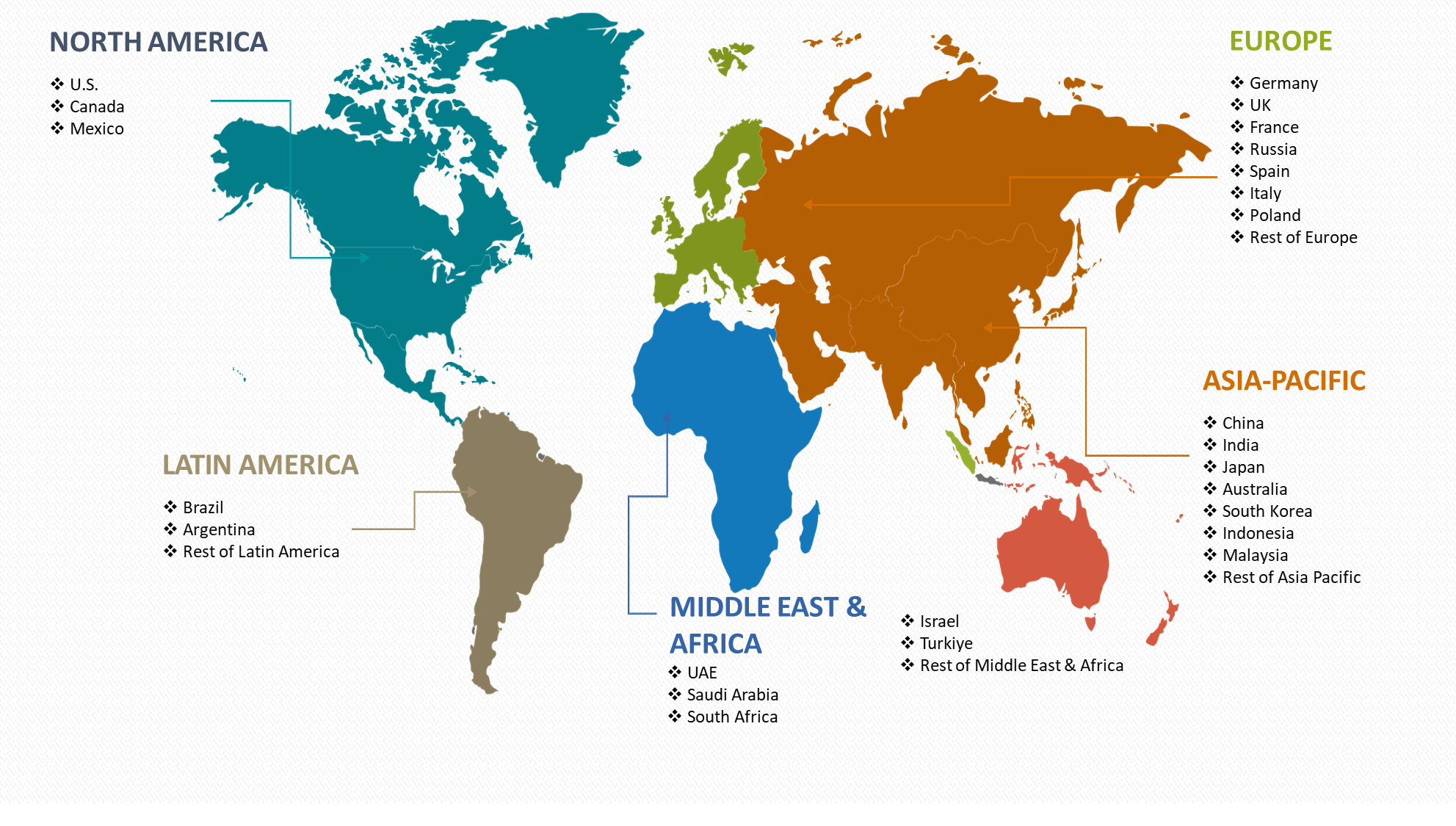
| By Region | North America | U.S., Canada, Mexico |
| Europe | Germany, UK, France, Spain, Italy, Poland | |
| Asia-Pacific | China, India, Japan, Australia, South Korea, Indonesia, Malaysia | |
| Latin America | Brazil, Argentina | |
| Middle East and Africa | UAE, Saudi Arabia, South Africa, Israel, Turkiye | |
| Report Insights Covered | Competitive Landscape Analysis, Company Profile Analysis, Market Size, Share, Growth | |
Recycled Polypropylene Market Disruption Analysis
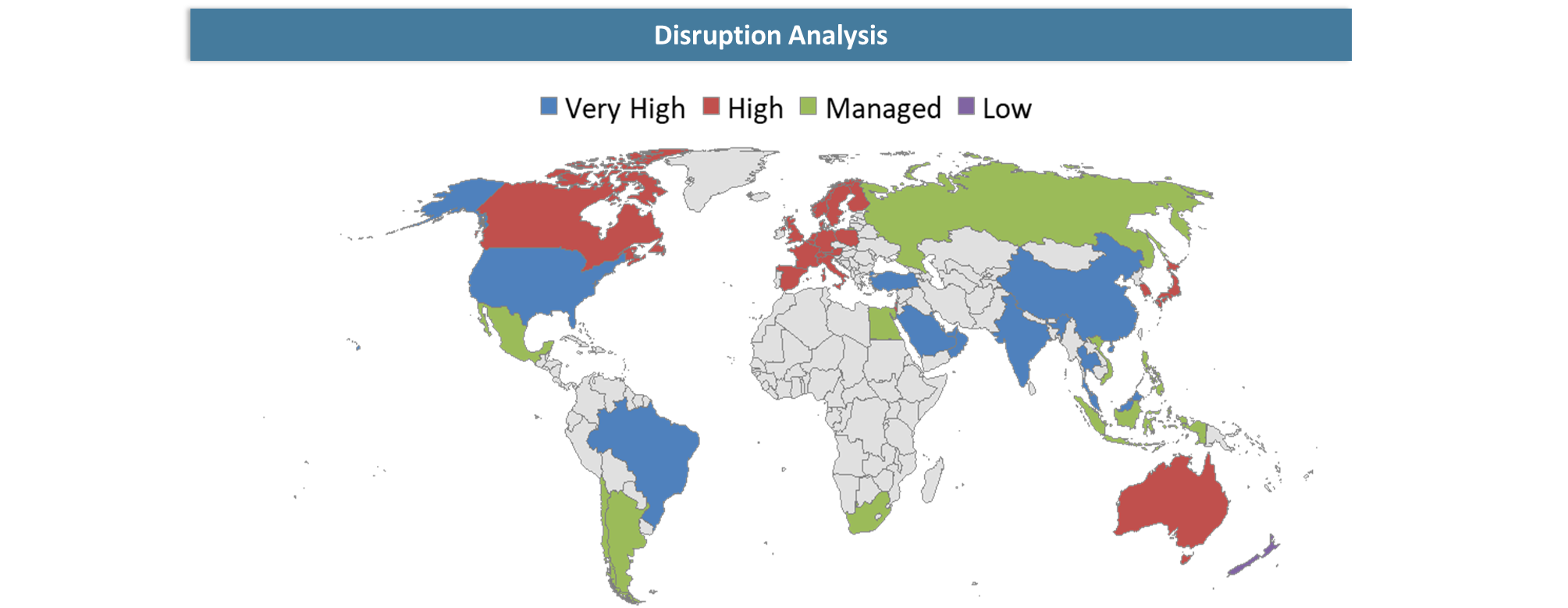
rPP Shifts from Recycled Resin to Certified Circular Material Platform
The Recycled Polypropylene (rPP) Market is experiencing disruption with the move from commodity recycled resin to certified and engineered circular materials. Consumers no longer choose rPP solely on price; now, they expect uniform quality, documented recycled content, odor management, color fastness, mechanical properties, and regulatory compliance. This is compelling producers to adopt sophisticated sorting, cleaning, deodorizing, compounding, and purifying processes.
Regulation is also contributing to disruption in the market through recycled content requirements, extended producer responsibility policies, and packaging waste legislation. In turn, brand owners and converters are compelled to establish a dependable source of rPP. Simultaneously, users in the automotive, packaging, appliance, and industrial sectors are seeking ready-to-use formulations to replace virgin polypropylene in their products.
Disruption in the coming era will be driven by companies that can integrate feedstock assurance, certification, digital traceability, and custom compounding.
Recycled Polypropylene Market BCG Matrix: Company Evaluation

The Recycled Polypropylene rPP Market includes several companies that may be considered as Stars owing to their robust circular polymer investments, technology strengths, recycled content strengths, and applications to premium-value uses. Veolia has a unique strength through its waste management and recycled resins platform, while LyondellBasell Industries Holdings B.V. has a unique polymer focus and robust customer relationships. On the other hand, PureCycle has a purification technology strength for higher-quality recycled polypropylene. Finally, Repsol continues to build up its strength in recycled polyolefins through Reciclex.
KW Plastics and MBA Polymers Inc. may be classified as Cash Cows because of their mature mechanical recycling capabilities and relevance in the recycled resin supply chain. GCR, Campine nv, Reliance Industries Limited, and NUREL SA may be classified as Question Marks because of their strong future potential with the need to grow scale, certify products, expand geographically, and adopt rPP in specific applications. None of the listed players should be classified as weak players in the market because of their relevance in the emerging circular economy polypropylene supply chain.
Recycled Polypropylene Market Dynamics
Regulatory Push for Circular Plastics and Waste Reduction
Regulatory Pressure will Become one of the Important Drivers of Growth for the Recycled Polypropylene rPP Market, as stricter measures will be implemented regarding reducing plastic waste, making the product easily recyclable, using a higher percentage of recycled content, and increasing producer responsibility. According to EU Packaging and Packaging Waste Regulations, all the packaging on the EU market must become economically recyclable by 2030, alongside higher usage of recycled plastics and less dependence on virgin material. It is directly generating demand for rPP used in rigid packaging, closures, crates, containers, consumer goods, and non-food packaging. The global requirement for more regulations is clear from OECD findings showing that only 9% of the world plastic waste is being recycled, while around 47% ends up in landfills.
Limited Traceability Across Informal Recycling Supply Chains
Inadequate traceability along the informal recycling chain represents another significant constraint on the growth of the Recycled Polypropylene rPP Market, particularly with respect to post-consumer PP waste flows. In numerous developing countries, PP waste materials are recycled via a complex informal recycling chain, which makes it challenging to establish their source, contamination levels, chemical exposure, the ratio of recycled materials, and chain of custody. Consequently, the capacity of rPP manufacturers to comply with documentation mandates from brand owners, automotive firms, and packaging companies is constrained. OECD identifies traceability from the point of origin, controlling contamination, and verifying chemical composition as some of the critical concerns for recycled plastics. The Global Plastics Outlook released by OECD indicates that only 9 % of PP waste was recycled in 2019.
Recycled Polypropylene Market Segmentation Analysis
The Global Recycled Polypropylene (rPP) Market is segmented based on the source, grade, manufacturing process, product form, application, end user, and region/countries.
Rigid Packaging Leads rPP Demand as Brands Shift Toward Recycled-Content, Compliance-Ready Packaging
This category is predicted to retain its dominant sub-segment position within the Recycled Polypropylene rPP Market owing to high levels of demand for caps & closures, tubs, containers, trays, crates, pallets, household packaging and industrial packaging. Due to its physical properties, PP is well-suited to rigid packaging applications where durability, chemical resistance, lightweighting, impact strength and processability features can be exploited without compromising performance.
Its relevance as a segment is based on its commercial viability. Rigid PP packaging makes up a substantial portion of recyclable materials as polypropylene comprises close to two billion pounds of annual waste in the U.S., with the material commonly being present in yogurt cups, takeout food containers and household packaging. Despite this fact, 60-65% of U.S. households lack the ability to recycle their polypropylene waste, presenting an opportunity for collection and reuse as a component of rigid packaging.
In addition to these factors, rigid packaging is considered a commercially viable application due to low penetration rates of plastic packaging recycling, at only 13.6% in 2018 compared to landfilling over 69%..
Recycled Polypropylene Market Geographical Penetration
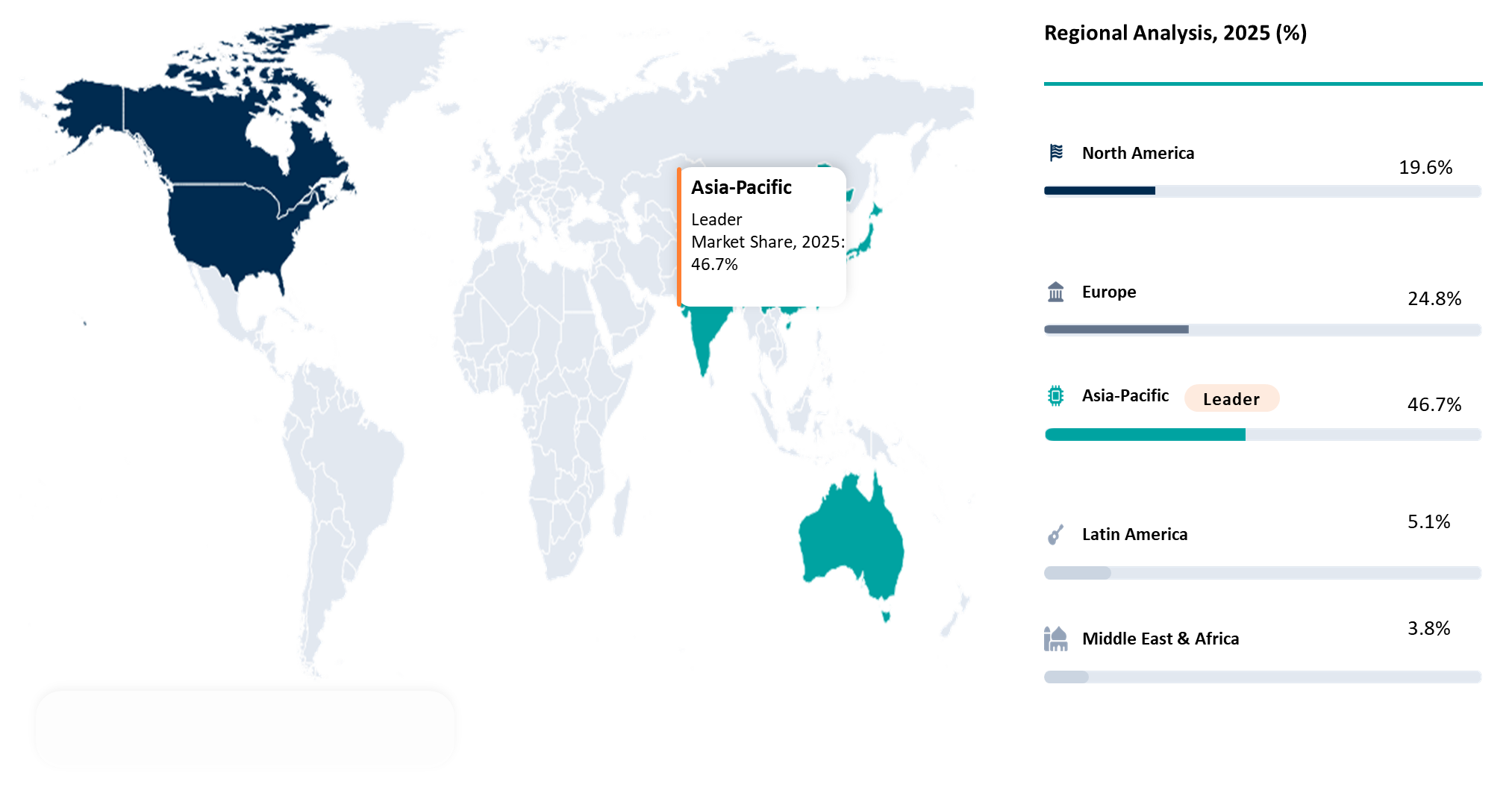
North America Recycled Polypropylene rPP Market
North America is an advanced yet promising market for Recycled Polypropylene (rPP). This is due to existing recycling firms, high packaging demand, brand owners’ increased recycled content commitments, and higher usage of rPP in rigid packaging applications, automobiles, consumer goods, crates, pallets, and industrial goods. The U.S. offers an extensive polypropylene recycling opportunity, with the Polypropylene Recycling Coalition indicating that more than 2 billion pounds of polypropylene go into the municipal solid waste stream yearly, with only around 8% being recycled.
North America’s growth potential is further reinforced by poor plastic packaging recycling performance. According to the U.S. Plastics Pact, the average national recycling rate of plastic packaging was just 13.3% in the U.S., while participating businesses employed 11% average post-consumer recycled or responsibly sourced biobased content. Canada also presents a robust feedstock source, with Statistics Canada reporting 5,152 kilotonnes of wasted plastics in 2022.
In summary, North America will experience substantial rPP development through post-consumer resin demand, enhanced recycling infrastructure, packaging circularity objectives, vehicle lightweighting, and the transition to certified traceable rPP grades.
U.S. Recycled Polypropylene (rPP) Market Trends
The U.S. represents a promising market for rPP due to an abundance of PP waste; increased rigid packaging consumption; and investments in brand owners' commitment to recycled content. In addition, the U.S. produces more than two billion pounds of polypropylene annually, creating a lucrative feedstock market for PP recyclers and compounders. However, PP recycling is relatively immature, leaving much room for higher-value rPP, sorting infrastructure development, and certification of recycled content.
Rigid packaging, caps and closures, foodservice packaging, consumer goods packaging, crates, pallets, automotive parts, and various industrial applications drive rPP demand. For instance, according to The U.S. Plastics Pact report, the national plastic packaging recycling rate is only 13.3%; however, the pact members use 11% average post-consumer recycled or responsibly sourced biobased material in their packaging.
All in all, there is a lot of potential for rPP penetration in the U.S., which will be driven by PCR demand; infrastructure developments; packaging circularity initiatives; brand owners' commitments; and transition towards traceable, odorless, and ready-to-use rPP grades.
Asia-Pacific Recycled Polypropylene rPP Market
Asia Pacific is an important geographical region that presents significant potential opportunities for the Recycled Polypropylene (rPP) Market because of its robust waste plastics base, high levels of packaging production, increasing production activities in the automobile industry, consumer goods industry, and regulatory pressure regarding plastic waste management. In terms of demand, China continues to be an important market for rPP since the World Bank has found out that China produced about 63 million tons of waste plastics in 2019, out of which only 18.9 million tons of waste were recycled.
India will present an important opportunity owing to growing Extended Producer Responsibility (EPR) targets which encourage use of recycled content in packaging applications. As per government statistics, the plastic packaging recycling target has increased to 60-80 % from 2027-28 onwards, based on type of packaging.
The key demand segments include rigid packaging, caps and closures, crates and pallets, automotive industry, appliance industry, textiles, and other consumer goods. The cost-effective nature and recycling benefits of rPP have been crucial drivers of demand in this context.
Japan Recycled Polypropylene (rPP) Market Trends
Japan offers an example of a high-quality market for recycled polypropylene, due to advanced packaging practices, auto manufacturing industry, consumer goods production and government legislation that emphasizes plastics recycling. In 2023, Japan produced 7.69 million tons of plastic waste, out of which only 1.7 million tons of plastic material was recycled. However, Japan uses only about 460,000 tons of recycled material domestically. This means that there is a significant challenge in developing recycled polymers locally.
The most promising applications for rPP in Japan include use in rigid packaging, caps & closures, auto interiors, appliances, industrial packaging and consumer goods. Moreover, the recently introduced in Japan Plastic Resource Circulation Act as of April 2022 requires municipalities and producers to improve plastic waste collection and recycling programs.
To summarize, the opportunities of using rPP in Japan do not depend merely on volumes. High quality and certified grades that can meet all requirements, are low odor, and ready for application should perform well in Japan.
Recycled Polypropylene Market Competitive Landscape
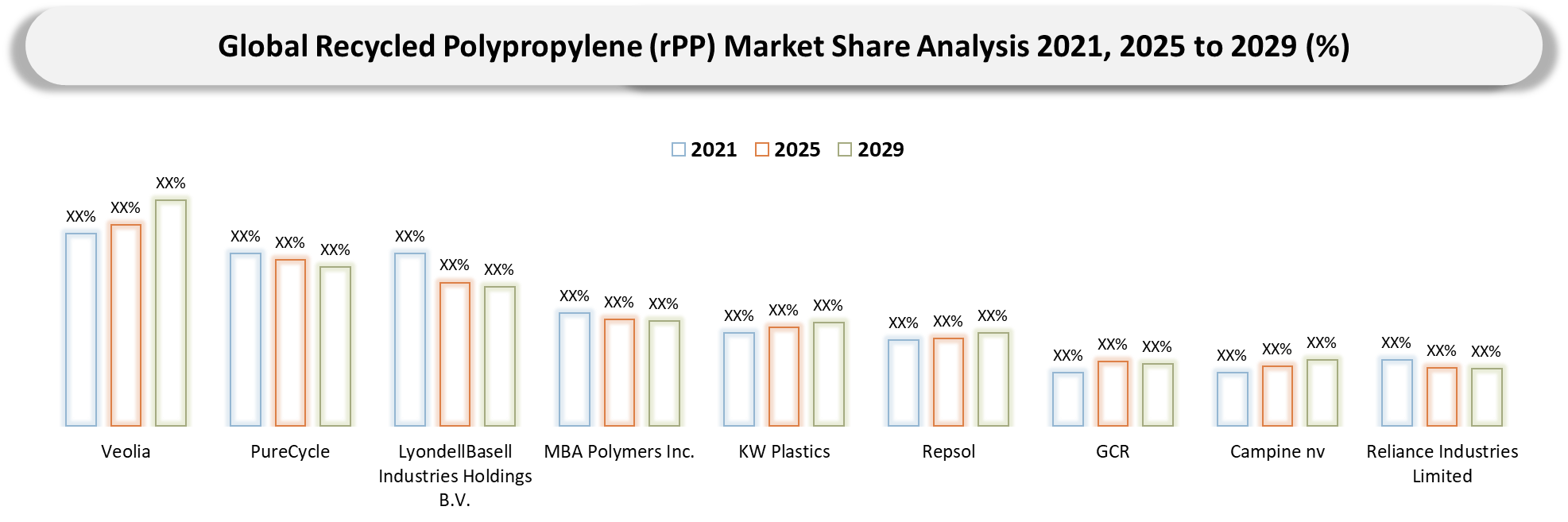
- In the Recycled Polypropylene (rPP) Market, companies with superior recycling capability, feedstock availability, polymeric knowledge, and expertise in application-specific products dominate. Veolia, PureCycle, and LyondellBasell Industries Holdings B.V. have a strong presence due to their circular polymer solutions, purification technology, and recycled content products for packaging, automotive, and industrial uses.
- MBA Polymers Inc., KW Plastics, Repsol, GCR, Campine nv, Reliance Industries Limited, and NUREL SA are other key players in the market with their strengths in mechanical recycling, rPP compounds, certified materials, and regional supply chain logistics.
- The competition in the market is evolving from basic rPP supply to high-quality consistency, odor control, color management, traceability, and certification. Companies that provide ready-to-use rPP grades with adequate documentation will have an edge in obtaining long-term contracts with brand owners, converters, and automotive manufacturers.
Key Developments in the Recycled Polypropylene (rPP) Market
- August 2026: PureCycle Technologies continued advancing its commercial-scale recycled polypropylene operations, focusing on production reliability, resin quality and output as customer demand increases.
- July 2026: PureCycle Technologies partnered with Mitsui & Co. and RM TOHCELLO to bring recycled polypropylene into flexible packaging applications in Japan, with a commercial agreement targeted for 2027.
- July 2026: PureCycle Technologies and Motherson successfully produced a Class-A automotive bumper prototype containing 30% recycled polypropylene, demonstrating the potential of rPP in demanding automotive applications.
- June 2026: PureCycle Technologies advanced food-contact post-consumer recycled polypropylene applications to support New Jersey's 2027 recycled-content requirements, strengthening opportunities for rPP in packaging.
- June 2026: PureCycle Technologies and IPL Schoeller partnered to develop a sustainable reusable container for Cleveland Kitchen, expanding the use of recycled polypropylene in food and reusable packaging.
- April 2026: Veolia continued expanding its circular plastics activities, developing high-PCR-content recycled materials for packaging, automotive, construction, appliances and industrial applications.
- April 2026: Veolia continued developing recycled polypropylene materials with automotive partners, including grades containing 40% post-consumer recycled PP for vehicle-interior applications.
- February 2026: LyondellBasell updated its 2030 circularity targets, aiming to produce and market 800,000 metric tons annually of recycled and renewable-based polymers by 2030, reinforcing its long-term circular-plastics strategy.
- 2026: LyondellBasell continued progressing its MoReTec chemical-recycling technology, alongside mechanical-recycling initiatives, to increase the availability of circular polymer feedstocks.
Recycled Polypropylene Market White Space Opportunities
White Spaces in the Recycled Polypropylene (rPP) market white spaces move beyond the conventional recycling of resin supply and focus on quality control, certifications, traceability, application engineering and circular material adoption. Whereas many rPP recyclers provide ordinary recycled PP pellets or flakes, several white spaces have emerged in the provision of food-contact rPP, odor-free rPP, color-consistent rPP, automotive grade compounds, post-consumer certified rPP and traceable recycled content.
One such white space would be offering customers in brand owner, packaging manufacturer, automotive supplier and consumer goods sectors with applications ready rPP instead of the basic recycled resin material. These suppliers must be capable of feedstock procurement, advanced sorting, washing, deodorizing, compounding, certification facilitation and batch level traceability.
Other promising white spaces include the creation of high-end rPP compounds used in the manufacturing of interior car parts, appliances, rigid packaging, crates, electrical parts, packaging containers, and other durable goods. Many customers are in need of recycled materials that do not compromise on product quality.
The critical white space is therefore in positioning rPP not only as a recycled material but as a circular material platform which reduces virgin PP dependence, meets customer's recycled content demands, and makes ESG claims.
DMI Opinion
As per the DataM analysis, apart from the rise in volume of plastic recycling, the growth of the Recycled Polypropylene (rPP) market will depend on the suppliers’ ability to provide consistent, certified, traceable, and application-based recycled polypropylene grades. As the brand owners, packaging companies, automobile suppliers, and consumer goods manufacturers start moving from their sustainability objectives to using the recycled content, there is going to be an increase in demand for rPP that meets the requirements.
According to DataM, the post-consumer rPP, post-industrial rPP, food contact grade rPP, automobile grade rPP, odor-controlled rPP, color consistent rPP, and high-impact rPP compounds have the highest potential. The suppliers who have an ability to sort, wash, deodorize, compound, track batches, certify, and maintain long-term feedstock sources will be able to gain competitive advantage. It is evident that the rPP market is not just limited to the recycled polymer business, but it can also be considered as a quality-oriented circular material business.
Why Choose DataM?
- Recycled Polypropylene and Certification Knowledge: Includes post-consumer rPP, post-industrial rPP, food-grade rPP, automotive rPP, rPP with certified recycled content, chain of custody information, GRS, RecyClass, ISCC PLUS, FDA, EFSA compliance requirements related to the use of recycled polypropylene.
- Positioning of rPP Suppliers and Recyclers: Lists the main players within the sector in terms of their recycling capacity, material sources, sorting and washing capacity, deodorizing process, compounding capability, grades of rPP, certification status, market sectors and geographic reach.
- Recycling Market Trends and Developments: Considers mandatory recycled content laws, circular economy laws, sustainability targets among brand owners, fluctuations in virgin polypropylene prices, the availability of post-consumer plastic scrap, the growing need for sustainable materials, and odor control, compounded rPP.
- Competition Strategies: Considers the main competitive strategies among leading suppliers such as capacity increase, partnership with brand owners, investments in sorting equipment, development of premium post-consumer rPP and rPP compounds, certification programs, geographic expansion and long-term supply agreements.
- Cost Analysis and Price and Application Benchmarking: Considers the price structure of recycled polypropylene by grades, quality, sources, colors and certification types, comparing costs of commodity rPP, premium post-consumer rPP, food-grade rPP and engineering compounds for packaging, automotive applications and consumer goods manufacturing.
Target Audience 2026
- Recycled Polypropylene Resin Producers
- Plastic Recycling Companies
- Polypropylene Compounders
- Packaging Manufacturers
- Automotive OEMs and Tier Suppliers
- Consumer Goods and Houseware Manufacturers
- Electrical and Electronics Manufacturers
- Building and Construction Product Manufacturers
- Textile and Nonwoven Producers
- Industrial Crates, Pallets and Container Manufacturers
- Waste Management and Sorting Companies
- Plastic Resin Distributors and Traders
- Sustainability and Procurement Teams
- Brand Owners Using Recycled Packaging
- Investors and Private Equity Firms
- Circular Economy and Recycling Technology Providers





























































