


Primary Biliary Cholangitis Treatment Market Size and Overview
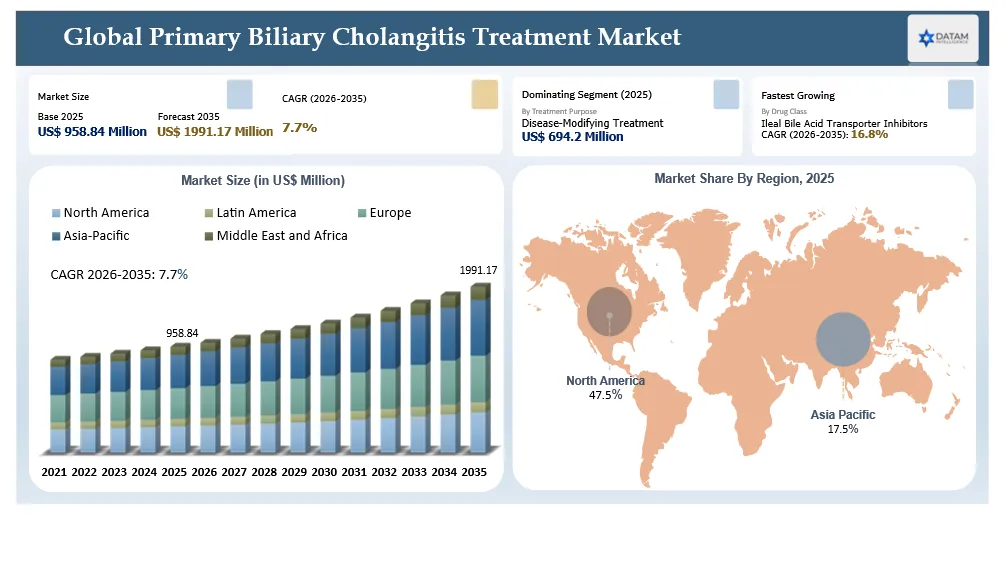
The global primary biliary cholangitis treatment market reached US$ 958.84 million in 2025 and is expected to reach US$ 1991.17 million by 2035, growing with a CAGR of 7.7% during the forecast period 2026-2035.
Growth reflects a structural transition from long-standing dependence on ursodeoxycholic acid toward targeted second-line therapies and dedicated symptom-management options. Improved disease recognition, broader biochemical screening and earlier identification of patients with an inadequate response to first-line therapy are expanding the treatment-eligible population. Ursodeoxycholic acid continues to anchor disease-modifying treatment, while PPAR agonists, IBAT inhibitors, bile acid sequestrants and supportive therapies are creating a more differentiated treatment pathway. However, variable biochemical response, progressive fibrosis and limited therapeutic options for patients with decompensated cirrhosis continue to create significant unmet need.
Recent approvals have materially reshaped the market’s regulatory and competitive profile. The US FDA approved IQIRVO in June 2024 and LIVDELZI in August 2024 for adults with an inadequate response to ursodeoxycholic acid or intolerance to the therapy. LYNAVOY received US approval in March 2026 as the first medicine specifically indicated for cholestatic pruritus associated with PBC. Disease-modifying therapies retain market leadership, while IBAT inhibitors are expected to generate the strongest growth. Future competitive advantage will depend on sustained biochemical response, effective pruritus control, suitability across disease stages, long-term safety and evidence of improved transplant-free survival. Payer access will increasingly require proof that premium therapies delay cirrhosis progression, reduce complications and improve patient-reported quality of life.
Primary Biliary Cholangitis Treatment Market Key Takeaways
- Sustained Market Expansion Through 2035: The global primary biliary cholangitis treatment market was valued at US$958.84 million in 2025 and is projected to reach US$1,991.17 million by 2035, registering a CAGR of 7.7% during 2026-2035.
- Disease-Modifying Treatments Maintain Market Leadership: Disease-modifying treatments accounted for an estimated 72.4% market share, equivalent to approximately US$694.2 million in 2025, supported by established ursodeoxycholic acid use and increasing adoption of second-line therapies.
- IBAT Inhibitors Become the Primary Growth Engine: Ileal bile acid transporter inhibitors are projected to register a CAGR of 16.8% during 2026-2035, supported by the March 2026 US approval of LYNAVOY as the first treatment specifically approved for cholestatic pruritus associated with PBC.
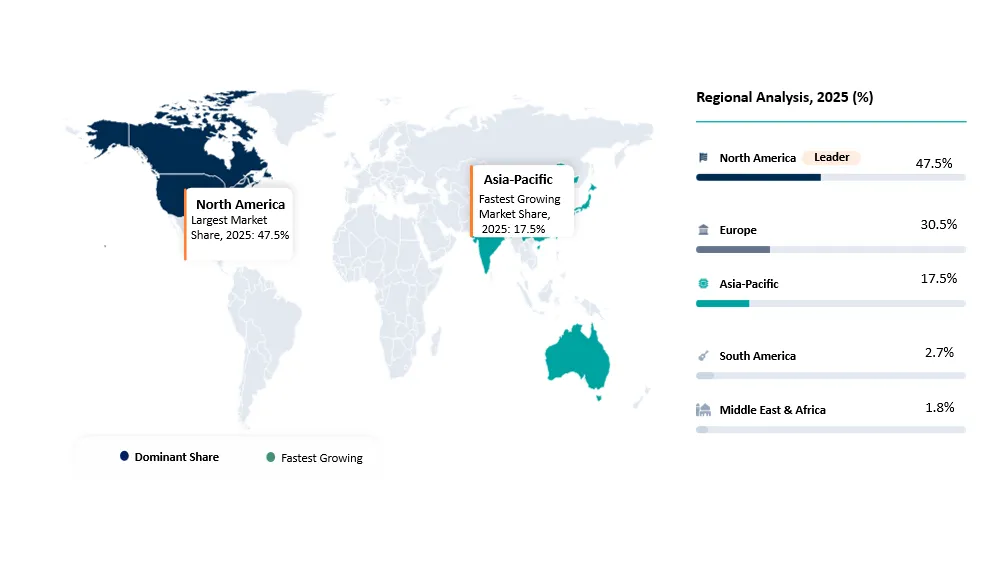
- North America Maintains Regional Dominance: North America accounted for an estimated 47.5% of the global market in 2025, equivalent to approximately US$455.45 million, supported by established hepatology infrastructure, stronger diagnostic penetration, specialty-drug reimbursement and early adoption of IQIRVO, LIVDELZI and LYNAVOY.
- Treatment Differentiation Reshapes Competitive Strategy: Future market leadership will depend on biochemical response, effective pruritus control, tolerability, suitability across disease stages and evidence of improved transplant-free survival rather than incremental reductions in liver-enzyme levels alone.
Primary Biliary Cholangitis Treatment Market Industry Trends and Strategic Insights
- The market is transitioning from a predominantly ursodeoxycholic acid-led model into a multi-segment specialty market comprising first-line control, biochemical inadequate-response management and symptom-directed therapy. This transition expands both the addressable population and lifetime treatment value.
- IQIRVO and LIVDELZI are redefining second-line competition around PPAR-driven biochemical control. Market-share capture will depend less on mechanism novelty and more on comparative response depth, tolerability, treatment persistence, specialist confidence and reimbursement execution.
- OCALIVA’s U.S. withdrawal has redistributed the second-line opportunity toward newer entrants while raising the evidence threshold for hepatic safety. Manufacturers must now demonstrate robust benefit-risk profiles across cirrhosis stages and long-term clinical practice.
- LYNAVOY creates a separate commercial pathway for cholestatic pruritus, enabling treatment among symptomatic patients regardless of biochemical control. Symptom severity, sleep disruption and quality-of-life impairment will become increasingly relevant patient-identification and access criteria.
- Sustainable competitive advantage will require evidence extending beyond alkaline phosphatase reduction. Products demonstrating fibrosis control, fewer decompensation events, transplant-free survival and lower lifetime disease-management costs will secure stronger pricing, formulary positioning and treatment-sequencing preference.
Primary Biliary Cholangitis Treatment Market Scope
| Metrics | Details | |
| 2025 Market Size | US$ 958.84 Million | |
| 2035 Projected Market Size | US$ 1991.17 Million | |
| CAGR (2026-2035) | 7.7% | |
| Largest Market | North America | |
| Fastest Growing Market | Asia-Pacific | |
| By Treatment Purpose | Disease-Modifying Treatment, Cholestatic Pruritus Treatment, Other Symptom and Complication Management | |
| By Drug Class | Ursodeoxycholic Acid Therapy, Peroxisome Proliferator-Activated Receptor Agonists, Ileal Bile Acid Transporter Inhibitors, Farnesoid X Receptor Agonists, Bile Acid Sequestrants, Other Supportive Treatments | |
| By Treatment Line | First-Line Treatment, Second-Line Treatment, Subsequent-Line and Symptomatic Treatment | |
| By Treatment Regimen | Monotherapy, Combination Therapy | |
| By Drug Type | Branded Drugs, Generic Drugs | |
| By Route of Administration | Oral, Parenteral, Others | |
| By Disease Stage | Non-Cirrhotic PBC, Compensated Cirrhotic PBC, Decompensated Cirrhotic PBC, End-Stage PBC Requiring Liver Transplantation | |
| By Distribution Channel | Hospital Pharmacies, Retail Pharmacies, Specialty Pharmacies, Online Pharmacies, Others | |
| By Region | North America | U.S., Canada, Mexico |
| Europe | Germany, UK, France, Spain, Italy, Poland | |
| Asia-Pacific | China, India, Japan, Australia, South Korea, Indonesia, Malaysia, Singapore, Vietnam, Thailand, Philippines, Taiwan | |
| South America | Brazil, Argentina | |
| Middle East and Africa | Israel, Saudi Arabia, UAE, Turkiye, South Africa, Nigeria | |
| Report Insights Covered | Competitive Landscape Analysis, Company Profile Analysis, Market Size, Share, Growth | |
Why does this report matter in 2026?
The primary biliary cholangitis treatment market has gained strategic importance in 2026 following the rapid commercialization of IQIRVO and LIVDELZI, the withdrawal of Ocaliva in the United States and the approval of LYNAVOY for cholestatic pruritus. The treatment pathway is transitioning from reliance on ursodeoxycholic acid and broad symptom management toward differentiated therapies targeting biochemical response, disease progression and treatment-related quality of life.
Increasing clinical development of PPAR agonists, ileal bile acid transporter inhibitors and other novel disease-modifying and symptom-directed therapies will intensify competition. Companies must determine which mechanism, patient segment, clinical endpoint and treatment position can deliver meaningful differentiation from established therapies. Evidence connecting biochemical response with transplant-free survival and reduced disease progression will be particularly important.
Greater disease awareness, earlier diagnosis and improved identification of patients with inadequate response to ursodeoxycholic acid are expanding commercial opportunities. However, treatment sequencing, premium pricing, reimbursement, long-term safety and real-world outcomes will influence uptake. The report provides decision-ready intelligence on competitive positioning, patient segmentation, pipeline threats, treatment switching and emerging commercial opportunities across the evolving global PBC treatment landscape.
Primary Biliary Cholangitis Treatment Market White Space & Investment Opportunities
- Earlier Identification of Inadequate Ursodeoxycholic Acid Responders: Invest in predictive biomarkers and clinical decision-support tools that identify high-risk patients before irreversible fibrosis progression.
- Next-Generation Disease-Modifying Therapies: Develop differentiated mechanisms capable of improving biochemical response while demonstrating credible benefits in fibrosis progression, transplant-free survival and long-term liver outcomes.
- Dedicated Pruritus Treatment Platforms: LYNAVOY’s approval validates a distinct commercial segment for cholestatic pruritus, creating opportunities for therapies offering faster relief, better tolerability and improved sleep outcomes.
- Combination and Treatment-Sequencing Strategies: Generate evidence defining the optimal positioning of ursodeoxycholic acid, PPAR agonists and symptom-directed therapies across inadequate responders, intolerant patients and advanced-risk populations.
- Geographic Expansion Beyond Major Markets: Improve diagnosis, specialist access, reimbursement and treatment availability across Asia-Pacific, Latin America and selected Middle Eastern markets where PBC remains underdiagnosed and undertreated.
- Real-World Evidence and Outcome-Based Access: Build longitudinal registries linking biochemical response, symptom improvement and fibrosis risk with clinical outcomes to strengthen payer negotiations, guideline positioning and premium reimbursement.
Primary Biliary Cholangitis Treatment Market Future Transformation
The primary biliary cholangitis treatment market will evolve from a largely linear ursodeoxycholic acid pathway toward risk-stratified, multidimensional care. IQIRVO and LIVDELZI have expanded second-line disease-modifying choice, while LYNAVOY establishes cholestatic pruritus as a distinct therapeutic and commercial segment. Future treatment algorithms will increasingly differentiate patients by biochemical response, fibrosis risk, symptom burden, treatment tolerance and probability of progression. This shift will support earlier escalation, more individualized sequencing and potential combination strategies rather than prolonged reliance on inadequate first-line control.
Commercial transformation will be shaped by evidence quality rather than product availability. Manufacturers must demonstrate durable effects on progression, transplant-free survival, pruritus, quality of life and healthcare utilization, alongside long-term safety. Biomarkers, digital monitoring and predictive analytics could identify high-risk patients and accelerate specialist intervention. Payers will demand sequencing economics and comparative evidence as premium therapies compete for patients. Market leadership will favor companies combining differentiated mechanisms, symptom-focused innovation, access strategies and longitudinal evidence capable of influencing guidelines and reimbursement.
Primary Biliary Cholangitis Treatment Market Buyer Decision-Making Criteria
Major Buyer Decision-Making Criteria:
- Biochemical Response and Disease-Progression Control
- Reduction in Cholestatic Pruritus and Symptom Burden
- Safety, Tolerability and Long-Term Clinical Evidence
- Fibrosis Risk and Treatment Eligibility
- Compatibility with Ursodeoxycholic Acid
- Treatment Sequencing and Combination Potential
- Dosing Convenience and Monitoring Requirements
- Pricing, Reimbursement and Budget Impact
- Guideline Support and Physician Experience
- Patient Adherence and Manufacturer Support
In the primary biliary cholangitis treatment market, prescribing, purchasing and formulary decisions are primarily driven by a therapy’s ability to improve biochemical response, reduce progression risk and deliver patient-relevant benefits. Hepatologists, hospitals and payers assess efficacy among patients with an inadequate response or intolerance to ursodeoxycholic acid, while also considering fibrosis stage, baseline alkaline phosphatase and bilirubin levels, symptom burden and cirrhosis status.
Safety, long-term tolerability and compatibility with ursodeoxycholic acid remain central evaluation criteria. Pruritus relief, quality-of-life improvement, dosing frequency and monitoring requirements also influence adherence and treatment persistence. Payers examine acquisition cost, eligible patient numbers, avoided disease progression and potential reductions in hospitalization or transplantation-related expenditure. Therapies supported by robust comparative evidence, clear positioning within the treatment sequence, guideline inclusion, reliable supply and comprehensive patient-support services will be better positioned to secure formulary access and sustained adoption.
Primary Biliary Cholangitis Treatment Market Economic & Investment Analysis
The global primary biliary cholangitis treatment market offers attractive investment potential as care shifts from dependence on ursodeoxycholic acid toward targeted disease-modifying and symptom-specific therapies. Commercialization of IQIRVO and LIVDELZI has validated the second-line opportunity, while LYNAVOY has established cholestatic pruritus as a distinct pharmaceutical segment. High development costs, small patient populations, prolonged outcome studies and demanding regulatory evidence create entry barriers favoring companies with established hepatology, rare-disease and clinical-development capabilities.
Market expansion will be supported by earlier diagnosis, identification of inadequate ursodeoxycholic acid responders and intervention among patients at risk of fibrosis progression. Investment is concentrating on PPAR agonists, bile-acid modulators, pruritus therapies, biomarkers and combination strategies. Commercial returns require durable benefits beyond biochemical response: delayed progression, symptom reduction and improved quality of life. Companies are therefore prioritizing licensing, regional commercialization partnerships, patient-finding programs and longitudinal real-world evidence. Assets offering defensible clinical differentiation, favorable sequencing economics and strong reimbursement potential are positioned to attract acquisition, licensing and institutional investment.
Primary Biliary Cholangitis Treatment Market Investment Trends
- Investment is shifting toward differentiated disease-modifying therapies capable of improving biochemical response and demonstrating credible effects on fibrosis progression, liver-related complications and transplant-free survival.
- Capital allocation is increasing across PPAR agonists and other novel mechanisms targeting patients with inadequate response or intolerance to ursodeoxycholic acid, where unmet need and premium-treatment potential remain concentrated.
- Cholestatic pruritus is emerging as a standalone investment opportunity following LYNAVOY’s approval, encouraging development of symptom-directed therapies focused on itch relief, sleep quality and treatment persistence.
- Pharmaceutical companies are pursuing licensing, acquisition and co-commercialization strategies to secure late-stage PBC assets, accelerate geographic expansion and reduce the development risk associated with rare-disease portfolios.
- Investment is expanding into biomarkers, predictive analytics and longitudinal patient registries that can support earlier risk stratification, optimized treatment sequencing and payer-ready real-world evidence.
- Commercial investment is increasingly directed toward specialist networks, patient-finding programs, reimbursement infrastructure and market-access partnerships in underdiagnosed regions rather than relying solely on conventional sales-force expansion.
Strategic Indicators for Global Primary Biliary Cholangitis Treatment Market
High Regulation Impact
The primary biliary cholangitis treatment market faces high regulatory scrutiny because therapies are administered chronically and must demonstrate an acceptable benefit-risk profile across patients with different fibrosis stages, biochemical responses and cirrhosis status. Regulators increasingly expect evidence beyond short-term alkaline phosphatase improvement, including durability, liver-related outcomes, symptom benefit and long-term safety. Accelerated approvals of IQIRVO and LIVDELZI established pathways for new disease-modifying therapies, while Ocaliva’s United States withdrawal reinforced the consequences of unresolved safety and confirmatory-evidence concerns. Developers must plan robust post-marketing studies, cirrhosis-specific risk management, drug-interaction assessment and patient-reported outcome measurement, increasing development costs, timelines and evidence-generation requirements globally.
High Investment Activity
Investment activity is increasing as primary biliary cholangitis evolves into a commercially differentiated rare-disease market with disease-modifying and symptom-specific opportunities. IQIRVO and LIVDELZI have validated demand among inadequate ursodeoxycholic acid responders, while LYNAVOY has opened a dedicated segment for cholestatic pruritus. Capital is moving toward next-generation PPAR agonists, bile-acid pathway modulators, combination regimens, biomarkers and digital patient-identification platforms. Pharmaceutical companies are pursuing licensing, regional commercialization partnerships and acquisitions to secure late-stage assets and hepatology capabilities. Investors favor programs with clear patient segmentation, measurable differentiation, manageable safety profiles and credible potential to improve disease progression, quality of life or treatment sequencing.
Pricing Volatility
Pricing volatility is expected to remain moderate as the market combines low-cost generic ursodeoxycholic acid with premium branded disease-modifying and pruritus therapies. Net prices will vary according to indication breadth, population, differentiation, dosing duration, payer rebates and country-specific health-technology assessments. Competition between IQIRVO and LIVDELZI may increase formulary negotiation and rebate pressure within second-line treatment, while LYNAVOY’s symptom-specific positioning may support a value framework. International reference pricing and uneven reimbursement will create geographic variation. Manufacturers demonstrating durable biochemical response, reduced progression risk, meaningful pruritus improvement and lower healthcare utilization will be better positioned to defend premium pricing and limit erosion.
High Market-Access Pressure
Market-access pressure is high because payers are likely to restrict premium therapies to defined patients with inadequate response or intolerance to ursodeoxycholic acid. Coverage decisions may consider alkaline phosphatase and bilirubin levels, treatment duration, fibrosis status, cirrhosis, symptom severity and prior therapy. Competing second-line products will face comparative evaluation despite limited head-to-head evidence, increasing reliance on indirect comparisons and real-world outcomes. Payers will assess whether treatment delays progression, improves pruritus, reduces complications and avoids transplantation-related expenditure. Strong health-economic models, clear sequencing logic, specialist documentation tools, patient-support services and evidence generated across subgroups will be essential for broad and sustained reimbursement.
High New Drug-Class Adoption
Primary biliary cholangitis is entering a period of drug-class adoption as treatment expands beyond ursodeoxycholic acid. PPAR agonists have created new disease-modifying options for inadequate responders and intolerant patients, while ileal bile acid transporter inhibition has established a targeted approach to cholestatic pruritus. Adoption will depend on biochemical efficacy, symptom benefit, safety in advanced disease, dosing convenience and compatibility with therapy. Hepatologists will differentiate products according to treatment objective rather than view all therapies as interchangeable. Classes supported by sequencing evidence, patient-reported outcomes, real-world persistence and credible links between biochemical improvement and long-term clinical benefit should achieve faster commercial uptake.
Regional Expansion Opportunity
Regional expansion potential is significant because primary biliary cholangitis is diagnosed worldwide, while specialist access, treatment availability and reimbursement remain uneven. The United States offers commercial potential through established hepatology networks, specialty pharmacies and premium-drug reimbursement pathways. Europe provides a treated population but requires country-specific health-technology assessment, pricing negotiation and sequencing alignment. Japan offers opportunity through liver-disease care and an aging population, while China and Asia-Pacific markets present longer-term potential as diagnosis and specialist capacity improve. Successful expansion will require local epidemiology, regulatory planning, payer engagement, physician education, patient-finding initiatives and regional partnerships rather than a uniform global launch model.
Government Policy Support
Government policy support is expressed through orphan-drug incentives, expedited regulatory programs, rare-disease funding and public healthcare reimbursement. These mechanisms can reduce development risk and accelerate review for therapies addressing inadequate ursodeoxycholic acid response, disease progression or severe cholestatic pruritus. Health systems also influence market formation through diagnostic standards, specialist referral pathways, clinical guidelines and reimbursement criteria. Policy support remains uneven because premium chronic therapies must compete with healthcare priorities and budgets. Companies should align evidence plans with regulator and payer expectations, contribute to disease registries and support diagnosis while avoiding dependence on orphan status alone to secure pricing or access.
Value-Based Pricing Intelligence
Value-based pricing in primary biliary cholangitis will increasingly depend on clinical and economic outcomes rather than mechanism novelty. Disease-modifying therapies must connect biochemical response with lower progression risk, fewer liver-related complications and delayed transplantation to justify premium reimbursement. Symptom-directed products must demonstrate pruritus reduction, improved sleep, better quality of life and sustained adherence. Pricing potential will differ across inadequate ursodeoxycholic acid responders, intolerant patients, fibrosis groups and patients with severe symptom burden. Manufacturers combining differentiated outcomes, convenient dosing, limited monitoring requirements and real-world evidence will be better positioned to negotiate favorable formulary access, preserve net price and support value-based agreements.
AI Impact Analysis of Primary Biliary Cholangitis Treatment Market
Artificial intelligence is reshaping the primary biliary cholangitis treatment market by improving patient identification, clinical-trial design and therapeutic development. Machine-learning models can combine liver biochemistry, autoantibody profiles, imaging, fibrosis indicators and longitudinal records to detect underdiagnosed patients and predict inadequate response to ursodeoxycholic acid earlier. Sponsors can use AI-enabled trial optimization to identify eligible participants, select higher-risk cohorts, model endpoint probability and reduce recruitment delays in a geographically dispersed rare-disease population. Computational drug discovery may also accelerate target validation, molecule screening and indication expansion across disease-modifying and pruritus-focused therapies.
Commercial value will depend on converting predictions into clinical decisions. AI-supported pathways could help specialists sequence ursodeoxycholic acid, PPAR agonists and symptom-directed therapies based on biochemical response, fibrosis risk, tolerability and itch burden. Manufacturers can apply analytics to forecast switching, identify treatment gaps and generate payer-ready real-world evidence. However, fragmented datasets, small populations, algorithmic bias and limited external validation may restrict adoption. Leaders should invest in interoperable data, explainable models, prospective validation and hepatology-network partnerships. Advantage will accrue to companies using AI to improve measurable outcomes, not merely automate commercial activity.
Disruption Analysis of Primary Biliary Cholangitis Treatment Market
The primary biliary cholangitis treatment market is undergoing structural disruption as care moves from a largely single-product pathway centered on ursodeoxycholic acid to a differentiated model combining biochemical control, symptom relief and risk-based sequencing. The 2024 approvals of IQIRVO and LIVDELZI introduced competing PPAR-directed therapies for patients with inadequate response or intolerance to ursodeoxycholic acid, weakening dependence on legacy second-line options. Ocaliva’s United States withdrawal in November 2025 accelerated switching, reset prescriber expectations around safety and created a near-term contest for specialist access, formulary position and real-world evidence.
Disruption is also separating disease modification from symptom management. LYNAVOY’s 2026 approval for cholestatic pruritus establishes a dedicated commercial category alongside therapies aimed primarily at biochemical response. Competitive advantage will depend on durable clinical benefit, itch reduction, combination use and earlier identification of high-risk patients. Manufacturers must therefore now compete across multiple decision points rather than a single efficacy endpoint. Portfolio strategies should prioritize comparative evidence, patient-reported outcomes, sequencing economics and global launch timing. Pipeline entrants must show clear differentiation from established PPAR therapies and evidence connecting biochemical improvement to long-term outcomes.
Primary Biliary Cholangitis Treatment Market BCG Matrix: Company Evaluation
STAR
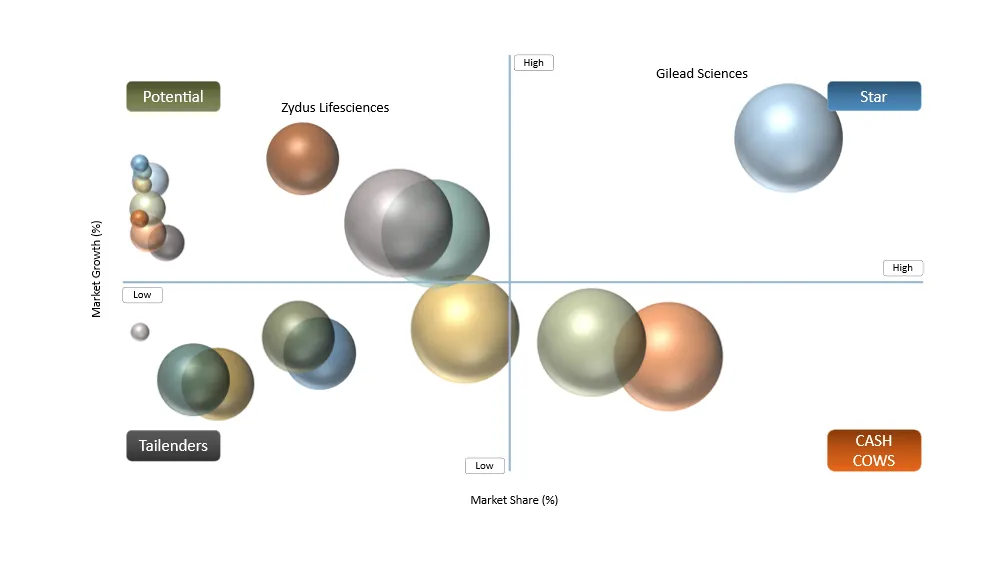
Gilead Sciences, Ipsen and Alfasigma are positioned in the Star category due to their approved differentiated therapies, expanding geographic reach and ability to influence the evolving PBC treatment pathway. Gilead holds a strong position through LIVDELZI, which combines biochemical response with evidence of pruritus improvement. Ipsen competes through IQIRVO, supported by robust alkaline phosphatase reduction, expanding real-world evidence and ongoing lifecycle-development programs targeting broader PBC populations.
Alfasigma strengthened its position by acquiring worldwide development, manufacturing and commercialization rights to LYNAVOY from GSK. The FDA-approved therapy establishes a differentiated symptom-focused franchise by specifically addressing cholestatic pruritus. Sustained evidence generation, reimbursement coverage, specialist engagement and international regulatory execution will determine whether these companies convert early clinical differentiation into durable market leadership.
POTENTIAL
Zydus Lifesciences, Kowa Company, Mirum Pharmaceuticals, COUR Pharmaceuticals, Asahi Kasei, Calliditas Therapeutics, Cascade Pharmaceuticals, Parvus Therapeutics and Umecrine Cognition are positioned in the Potential category because of their involvement in emerging biochemical-control, immunomodulatory and symptom-directed approaches.
Their portfolios span PPAR modulation, IBAT inhibition, NOX1/4 inhibition, antigen-specific immune tolerance, regulatory T-cell therapy and neurosteroid-pathway modulation. Competitive advancement will depend on positive late-stage outcomes, regulatory approvals, hepatic safety and meaningful differentiation from IQIRVO, LIVDELZI and LYNAVOY. Companies demonstrating alkaline phosphatase normalization, fibrosis stabilization, durable pruritus or fatigue improvement and convenient long-term administration could transition toward the Star category through successful clinical execution, strategic partnerships and effective specialist-market commercialization.
Primary Biliary Cholangitis Treatment Market Dynamics
Driver Impact Analysis
| Driver | Market Growth Impact (%) | Demand Concentration | Impacted Use Case | Strategic Impact |
Expansion of Targeted Second-Line Therapies | 13.4% | High in North America and Europe | IQIRVO and LIVDELZI for adults with inadequate response or intolerance to ursodeoxycholic acid | Expands treatment beyond ursodeoxycholic acid and establishes PPAR-targeted therapies as a major commercial category. |
Large Ursodeoxycholic Acid Inadequate-Responder Population | 11.8% | High among patients with persistent alkaline phosphatase elevation and progression risk | Treatment escalation, combination therapy and long-term biochemical control | Creates a clearly identifiable treatment-eligible population and supports sustained demand for premium second-line medicines. |
Improving Diagnosis and Biochemical Risk Stratification | 9.7% | High in specialist hepatology markets and among middle-aged women | Antimitochondrial-antibody testing, biochemical monitoring and earlier treatment escalation | Expands the diagnosed population and enables earlier identification of patients at risk of fibrosis and hepatic complications. |
Growing Focus on Pruritus and Patient-Reported Outcomes | 8.9% | High among symptomatic patients despite biochemical control | LYNAVOY and emerging symptom-directed therapies for cholestatic pruritus | Creates an additional treatment segment beyond disease control and increases commercial focus on sleep, daily functioning and quality of life. |
Driver: Expansion of Targeted Second-Line Therapies
The introduction of IQIRVO and LIVDELZI has transformed the PBC market by expanding treatment beyond ursodeoxycholic acid for adults with an inadequate response or intolerance. Their differentiated PPAR mechanisms offer once-daily oral treatment and clinically meaningful biochemical control, creating a defined second-line commercial segment. Rapid post-launch uptake demonstrates strong specialist demand, with illustrated 2025 revenues reaching approximately US$210 million for IQIRVO and US$371 million for LIVDELZI.
Growth is being reinforced by wider geographic approvals, specialist education and systematic identification of patients with persistent alkaline phosphatase elevation. Competition will increasingly focus on biochemical normalization, pruritus improvement, hepatic safety and treatment persistence rather than mechanism alone. Confirmatory studies evaluating decompensation, transplantation and survival will be critical for sustaining premium reimbursement. Companies generating credible long-term outcomes evidence and integrating therapy into clear escalation pathways will be better positioned to capture share across North America and Europe while supporting subsequent expansion into underserved markets.
Restraint Impact Analysis
| Restraint | Drag on Market Growth (%) | Primary Impact Area | Impacted Use Case | Strategic Impact |
Limited Long-Term Clinical Outcomes Evidence | 10.8% | Regulatory Confirmation, Physician Confidence and Payer Evaluation | Long-Term Use of IQIRVO and LIVDELZI | Restricts broad adoption until confirmatory studies demonstrate reduced hepatic decompensation, transplantation and mortality beyond biochemical improvement. |
High Cost and Reimbursement Uncertainty for Targeted Therapies | 9.6% | Pricing, Health Technology Assessment and Formulary Access | Second-Line PPAR-Targeted and Symptom-Directed Therapies | Limits access unless manufacturers demonstrate durable biochemical response, symptom improvement and reduced progression-related healthcare costs. |
Delayed Diagnosis and Inconsistent Treatment Escalation | 8.4% | Primary-Care Awareness, Specialist Referral and Biochemical Monitoring | Identification of Ursodeoxycholic Acid Inadequate Responders | Reduces the treatment-eligible population and delays intervention among patients at risk of fibrosis, cirrhosis and liver-related complications. |
Hepatic Safety and Advanced-Disease Treatment Restrictions | 7.9% | Clinical Eligibility, Safety Monitoring and Specialist Management | Treatment of Patients With Cirrhosis or Hepatic Decompensation | Narrows the addressable population and increases monitoring requirements, limiting uptake among patients with advanced disease and the greatest clinical need. |
Restraint: Limited Long-Term Clinical Outcomes Evidence
IQIRVO and LIVDELZI entered major markets primarily on evidence of improved alkaline phosphatase and bilirubin, biochemical measures associated with PBC progression. However, reductions in hepatic decompensation, transplantation, liver-related mortality and overall mortality have not yet been confirmed. Dependence on surrogate endpoints creates uncertainty for physicians and payers evaluating whether early biochemical improvement translates into durable disease modification and meaningful clinical benefit.
Long-term confirmatory studies will therefore shape prescribing confidence, reimbursement durability and competitive positioning. Evidence gaps may encourage restrictive eligibility criteria, enhanced monitoring requirements and cautious treatment escalation, particularly among patients with cirrhosis or complex comorbidities. Products demonstrating sustained biochemical control alongside lower fibrosis progression, fewer liver-related events and improved transplant-free survival will gain a material advantage. Until these data mature, manufacturers must support adoption through robust real-world evidence, patient registries and transparent safety surveillance while aligning economic models with measurable reductions in long-term disease-management burden.
Primary Biliary Cholangitis Treatment Market Segment Analysis
The global primary biliary cholangitis treatment market is segmented based on the treatment purpose, drug class, treatment line, treatment regimen, drug type, route of administration, disease stage, distribution channel and region.
Disease-Modifying Therapies Maintain Market Leadership as IBAT Inhibitors Reshape the PBC Treatment Landscape
Disease-modifying treatment dominated the market in 2025, generating an estimated US$694.2 million and accounting for approximately 72.4%. Leadership reflects the broad use of ursodeoxycholic acid as first-line therapy and increasing adoption of second-line PPAR agonists among patients with inadequate biochemical response or intolerance. Competitive intensity strengthened after the FDA approved IQIRVO in June 2024 and LIVDELZI in August 2024, expanding treatment choice beyond established bile-acid and FXR-directed approaches. Oral therapies consequently represent the principal route of administration, supported by chronic dosing requirements and convenient outpatient management.
Ileal bile acid transporter inhibitors are projected to be the fastest-growing drug class, advancing at an estimated CAGR of 16.8% during 2026-2035. Growth is supported by the March 2026 FDA approval of LYNAVOY, the first US-approved medicine specifically targeting cholestatic pruritus associated with PBC. GSK reports that pruritus affects up to 89% of people with PBC, indicating a sizeable symptom-management opportunity. Future value creation will increasingly depend on treatment differentiation across biochemical response, pruritus reduction, tolerability, cirrhosis eligibility and long-term clinical outcomes rather than incremental liver-enzyme improvement alone.
Primary Biliary Cholangitis Treatment Market Geographical Penetration
U.S. Primary Biliary Cholangitis Treatment Market Landscape
The U.S. represents a strategically important PBC treatment market, supported by specialist hepatology infrastructure, broad access to biochemical testing and an expanding portfolio of targeted therapies. PBC affects approximately 40 per 100,000 people in the U.S., with the disease occurring predominantly among women. Ursodiol remains the first-line treatment, but inadequate biochemical response or intolerance creates substantial demand for second-line therapies. The FDA’s 2024 accelerated approvals of IQIRVO (elafibranor) and LIVDELZI (seladelpar) introduced differentiated PPAR-targeted options for eligible adults, shifting competition toward biochemical response, tolerability and long-term prevention of liver-related outcomes.
The competitive environment changed further following the withdrawal of OCALIVA’s PBC indication in November 2025 and the FDA approval of LYNAVOY (linerixibat) in March 2026, the first U.S. therapy specifically approved for cholestatic pruritus associated with PBC. Market expansion will depend on improved diagnosis, earlier risk stratification and greater treatment of patients with persistent biochemical abnormalities or debilitating symptoms. Competitive differentiation will increasingly require evidence of durable disease modification, fibrosis control, symptom improvement and favorable hepatic safety. Payer decisions are expected to emphasize treatment eligibility, biochemical response, monitoring requirements, long-term outcomes and overall therapy cost.
Canada Primary Biliary Cholangitis Treatment Market Outlook
Canada represents an attractive specialty-care market for PBC, supported by a comparatively high diagnosed disease burden, established hepatology networks and growing availability of targeted therapies. Approximately 13,000 Canadians are affected by PBC, equivalent to 31.8 cases per 100,000 people, according to information reported alongside Ipsen’s 2025 Canadian approval announcement. Ursodeoxycholic acid remains the first-line treatment, but incomplete biochemical response and intolerance create a clinically important second-line population. Health Canada conditionally approved IQIRVO (elafibranor) in April 2025 and LYVDELZI (seladelpar) in October 2025 for adults inadequately controlled by or unable to tolerate ursodeoxycholic acid.
Market development will increasingly depend on converting federal authorization into consistent provincial reimbursement and specialist adoption. Canada’s Drug Agency recommended reimbursement of IQIRVO with clinical criteria or conditions in June 2025 and issued a similar recommendation for LYVDELZI in January 2026. Competition will therefore centre on eligible-patient identification, biochemical response, hepatic safety, symptom improvement and evidence supporting long-term disease modification. Provincial formulary negotiations, negotiated pricing and differences in treatment access may influence uptake speed across Canada. Commercial opportunity remains concentrated among ursodeoxycholic acid inadequate responders and patients requiring improved control of pruritus, fatigue and progression risk.
Japan Primary Biliary Cholangitis Treatment Market Outlook
Japan represents a clinically significant PBC market supported by nationwide disease surveillance, established hepatology expertise and routine use of biochemical monitoring. Ursodeoxycholic acid remains the treatment foundation, while bezafibrate is frequently added for patients with an inadequate biochemical response, reflecting a treatment pathway that differs from markets relying primarily on newly approved PPAR therapies. A 2026 nationwide study covering 2,579 registered patients found that the male proportion increased to 20.6% among patients diagnosed after 2021, while mean diagnosis age reached 61.8 years, highlighting an ageing and increasingly diverse treated population.
Future market expansion will depend on improved management of ursodeoxycholic acid inadequate responders, persistent pruritus and patients at risk of fibrosis progression. Ipsen is conducting a Japan-only Phase III study of elafibranor, while Kowa is developing pemafibrate K-808 for PBC. Japanese research published in 2025 demonstrated biochemical and GLOBE-score improvements with pemafibrate-based therapy, supporting continued PPAR-focused development. Linerixibat also received Japanese orphan-drug designation in June 2025, strengthening the prospective symptom-management pipeline. Commercial differentiation will depend on locally generated efficacy data, hepatic safety, symptom relief, reimbursement positioning and compatibility with Japan’s established ursodeoxycholic acid and fibrate-based treatment pathway.
Germany Primary Biliary Cholangitis Treatment Market Trends
Germany is emerging as a key European market for newer PBC therapies, supported by specialist hepatology centres, statutory health-insurance coverage and a structured orphan-drug assessment pathway. Ursodeoxycholic acid remains the first-line standard, while the European authorizations of IQIRVO (elafibranor) in September 2024 and LYVDELZI (seladelpar) in February 2025 expanded second-line options for adults with an inadequate response or intolerance. Germany’s G-BA completed benefit assessments for elafibranor in April 2025 and seladelpar in September 2025, moving competition toward biochemical response, tolerability, symptom improvement and negotiated reimbursement positioning.
Symptom management represents an important emerging growth area. A 2026 German PBC Registry analysis found pruritus in 23% of 515 patients, yet only 22.5% of affected patients received antipruritic therapy, indicating a meaningful treatment gap. The positive July 2026 CHMP opinion for LYNAVOY (linerixibat) could strengthen competition in cholestatic-pruritus management following European Commission authorization. Market uptake will depend on long-term outcomes evidence, specialist prescribing, payer-recognized additional benefit and the ability to demonstrate value beyond surrogate biochemical endpoints.
Primary Biliary Cholangitis Treatment Market Competitive Landscape
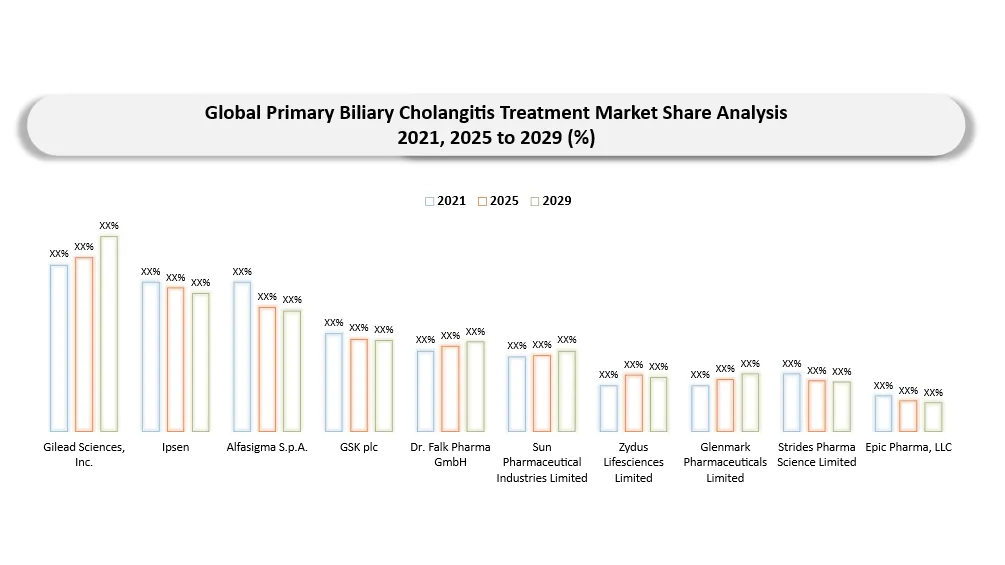
- The global primary biliary cholangitis treatment market is transitioning from long-standing dependence on ursodeoxycholic acid toward a more differentiated therapeutic landscape addressing inadequate biochemical response and persistent symptoms. Gilead Sciences and Ipsen lead second-line competition through LIVDELZI and IQIRVO, respectively, with differentiated PPAR-targeted mechanisms competing on alkaline phosphatase reduction, normalization rates, pruritus improvement, tolerability and physician confidence. GSK-originated LYNAVOY, with commercialization rights transferred to Alfasigma, establishes a distinct symptom-focused position by addressing cholestatic pruritus. The withdrawal of OCALIVA has further concentrated competitive attention on these newer therapies and created switching opportunities among previously treated patients.
- Competitive intensity also extends across the established ursodeoxycholic acid segment, where Dr. Falk Pharma, Sun Pharmaceutical Industries, Mitsubishi Tanabe Pharma, Daewoong Pharmaceutical, Intas Pharmaceuticals and regional generic manufacturers compete through brand recognition, availability, dosage flexibility and pricing. Commercial leadership will depend on securing specialist adoption, reimbursement and geographic expansion while demonstrating durable biochemical control, symptom improvement and hepatic safety. Companies generating evidence for fibrosis stabilization, reduced clinical progression and improved quality of life will gain the strongest positioning as treatment pathways become increasingly individualized and outcome-focused.
Key Companies of Primary Biliary Cholangitis Treatment Market
- Gilead Sciences, Inc. (United States)
- Ipsen (France)
- Alfasigma S.p.A. (Italy)
- GSK plc (United Kingdom)
- Dr. Falk Pharma GmbH (Germany)
- Sun Pharmaceutical Industries Limited (India)
- Zydus Lifesciences Limited (India)
- Glenmark Pharmaceuticals Limited (India)
- Strides Pharma Science Limited (India)
- Epic Pharma, LLC (United States)
- Mitsubishi Tanabe Pharma Corporation (Japan)
- Daewoong Pharmaceutical Co., Ltd. (South Korea)
- Abbott India Limited (India)
- Mayoly (France)
- Intas Pharmaceuticals Ltd. (India)
- PRO.MED.CS Praha a.s. (Czech Republic)
- Pharmanovia (United Kingdom)
- Teofarma S.r.l. (Italy)
- AFT Pharmaceuticals Limited (New Zealand)
- Krka, d. d., Novo mesto (Slovenia)
Primary Biliary Cholangitis Treatment Market Major Pain Points
- Delayed Diagnosis and Patient Underidentification: Early PBC may be asymptomatic or present with nonspecific fatigue and pruritus. Inconsistent testing for alkaline phosphatase and antimitochondrial antibodies can delay diagnosis, risk stratification and timely treatment initiation.
- Incomplete Response to First-Line Therapy: A clinically significant proportion of patients do not achieve adequate biochemical control with ursodeoxycholic acid, leaving them exposed to continued cholestasis, fibrosis progression and liver-related complications.
- Heterogeneous Disease Progression: Differences in age, sex, fibrosis stage, biochemical response and autoimmune overlap complicate prognosis, treatment sequencing and identification of patients requiring earlier therapeutic escalation.
- Limited Long-Term Outcomes Evidence: Newer PPAR-targeted therapies have demonstrated biochemical improvements, but evidence confirming reductions in liver decompensation, transplantation and mortality remains under development.
- Persistent Symptom Burden: Pruritus, fatigue, sleep disruption and cognitive difficulties may continue despite biochemical improvement. Limited symptom-specific treatment options weaken quality-of-life outcomes and create unmet demand beyond disease control.
- Complex Pricing, Reimbursement and Access Requirements: Premium therapies must demonstrate durable biochemical response, hepatic safety, symptom improvement and credible long-term clinical value. Differences in national reimbursement criteria, specialist access and monitoring infrastructure may restrict adoption across markets.
Primary Biliary Cholangitis Treatment Market Recent Developments
- April 2026: Alfasigma completed its licensing agreement with GSK and acquired worldwide exclusive rights to develop, manufacture and commercialize linerixibat. GSK received an upfront payment of US$300 million and an additional US$100 million linked to FDA approval.
- March 2026: The FDA approved LYNAVOY (linerixibat) for cholestatic pruritus in adults with PBC. The approval established the first US medicine specifically indicated for PBC-associated cholestatic pruritus and introduced IBAT inhibition into the commercial treatment landscape.
- November 2025: Alfasigma’s subsidiary Intercept officially withdrew OCALIVA from the US commercial market following its voluntary withdrawal announcement. The exit created switching opportunities for IQIRVO and LIVDELZI in second-line PBC treatment.
- October 2025: Health Canada granted conditional marketing authorization to LYVDELZI for adults with PBC who respond inadequately to ursodeoxycholic acid or cannot tolerate it. The approval expanded Gilead’s commercial presence in a country with a comparatively high diagnosed PBC burden.
- April 2025: Health Canada conditionally approved IQIRVO for use with ursodeoxycholic acid in adults with an inadequate response or as monotherapy in patients unable to tolerate ursodeoxycholic acid.
- February 2025: The European Commission granted conditional marketing authorization to LYVDELZI for adults with PBC inadequately controlled by or intolerant to ursodeoxycholic acid. The authorization intensified European competition between seladelpar and elafibranor.
Analyst View / Opinion on Primary Biliary Cholangitis Treatment Market
- The market is moving from a largely ursodeoxycholic acid-led treatment model toward a segmented specialty-care market covering first-line therapy, biochemical inadequate responders and symptom-directed treatment. This transition is expanding the commercially addressable population while increasing treatment sequencing complexity.
- IQIRVO and LIVDELZI are expected to drive near-term market growth, supported by demand for second-line options and rapid specialist adoption. Their similar launch timing will make comparative biochemical response, pruritus benefit, safety and payer access central determinants of market share.
- The withdrawal of OCALIVA’s U.S. PBC indication has created a competitive opening for newer therapies but also increased regulatory scrutiny of hepatic safety and confirmatory outcomes. Long-term evidence will materially influence prescribing confidence and product durability.
- LYNAVOY expands the market beyond disease progression control into symptom-focused treatment, creating an additional revenue pool among patients with persistent cholestatic pruritus, including those whose biochemical markers are adequately controlled.
- North America and Europe will remain the primary commercialization markets, while Japan and other Asia-Pacific countries offer longer-term expansion potential. Competitive advantage will depend on reimbursement coverage, specialist engagement, patient identification and evidence demonstrating reduced progression-related healthcare burden.
Primary Biliary Cholangitis Treatment Market Target Audience
| INDUSTRY | WHO SHOULD BUY THIS REPORT? | REASON TO BUY THIS REPORT |
| Pharmaceutical and Biotechnology | PBC Drug Developers and Commercial Pharmaceutical Companies | To assess market potential, patient opportunities, treatment gaps and competitive positioning across approved and investigational PBC therapies. |
| Disease-Modifying Therapy Development | PPAR Agonist, Bile Acid Modulator and Immunology-Focused Companies | To benchmark emerging mechanisms, clinical differentiation, development timelines and competitive threats within disease-modifying treatment. |
| Pruritus and Symptom Management | Ileal Bile Acid Transporter Inhibitor and Symptom-Directed Therapy Developers | To evaluate opportunities in cholestatic pruritus, fatigue, sleep disruption and other patient-relevant outcomes insufficiently addressed by disease-modifying therapies. |
| Diagnostics and Biomarkers | Liver-Disease Diagnostic, Biomarker and Clinical Decision-Support Companies | To assess opportunities in earlier diagnosis, treatment-response monitoring, fibrosis-risk stratification and identification of inadequate ursodeoxycholic acid responders. |
| Healthcare Providers | Hepatologists, Gastroenterologists, Hospitals, Liver Clinics and Specialty-Care Networks | To understand treatment evolution, patient-selection criteria, treatment sequencing, clinical evidence and emerging standards of PBC care. |
| Payers and Market-Access Organizations | Health Insurers, Pharmacy Benefit Managers and Reimbursement Consultants | To evaluate treatment eligibility, pricing, reimbursement requirements, budget impact and evidence expectations for premium PBC therapies. |
| Investment and Financial Services | Private Equity Firms, Venture Capital Firms and Institutional Investors | To assess market attractiveness, pipeline value, licensing opportunities, commercial risks and investment potential across the PBC ecosystem. |
| Market Research and Consulting | Consulting, Competitive Intelligence and Market-Research Firms | To support market-entry planning, portfolio strategy, competitive benchmarking, opportunity assessment and client advisory engagements. |
| Research Organizations | Clinical Research Organizations, Research Institutes and Universities | To analyze clinical-trial activity, patient-recruitment opportunities, biomarker development and unmet research requirements. |
| Government and Industry Bodies | Regulatory Agencies, Liver-Disease Associations and Healthcare Policymakers | To support treatment-access policies, clinical guidelines, disease-awareness initiatives, screening pathways and PBC care programs. |
Why Choose DATAM?
- Data-Driven Insights: Access granular PBC intelligence covering market size, treatment-class shares, pricing, diagnosed and treated populations, clinical pipelines, competitive positioning and regional access dynamics, supported by primary interviews with industry experts.
- Post-Purchase Support and Expert Analyst Consultations: Engage directly with our healthcare analysts for customized guidance on patient segmentation, treatment sequencing, portfolio positioning, market entry, competitor assessment and commercialization strategies.
- White Papers and Case Studies: Receive periodic insights on PBC treatment innovation, clinical developments, product launches, cholestatic pruritus management, market-access strategies and evolving hepatologist adoption patterns.
- Annual Updates on Purchased Reports: Stay informed through annual updates covering regulatory approvals, clinical readouts, pipeline changes, licensing agreements, pricing developments and competitive shifts. Terms and conditions apply.
- Specialized Focus on Emerging Markets: Gain country-specific intelligence on PBC diagnosis, ursodeoxycholic acid response patterns, treatment availability, reimbursement, hepatology infrastructure and commercial opportunities across high-growth emerging markets.
- Value of DataM Reports: Obtain tailored insights addressing specific business questions related to inadequate ursodeoxycholic acid responders, therapy differentiation, treatment switching, competitive threats, market access and investment priorities beyond the intelligence available through generic databases.
What DATAM Uniquely Provides
- In-depth segmentation of the primary biliary cholangitis treatment market by treatment purpose, drug class, treatment line, treatment regimen, drug type, route of administration, disease stage, distribution channel and region.
- Competitive analysis of leading PBC companies covering biochemical response, symptom improvement, safety, mechanism of action, dosing convenience, pipeline maturity, portfolio positioning and commercialization strategy.
- Comprehensive assessment of diagnosed and treatment-eligible populations, inadequate ursodeoxycholic acid responders, intolerant patients, fibrosis risk, cholestatic pruritus burden, unmet clinical needs and regional treatment-access dynamics.
- Actionable intelligence on pricing, reimbursement, regulatory pathways, treatment eligibility, sequencing economics, market-access barriers, licensing activity and investment opportunities.
- Analyst forecasts identifying high-growth treatment classes, commercially attractive patient segments, geographic opportunities and emerging competitive threats across the evolving PBC treatment landscape.



























































