


Powder Coating Market Size
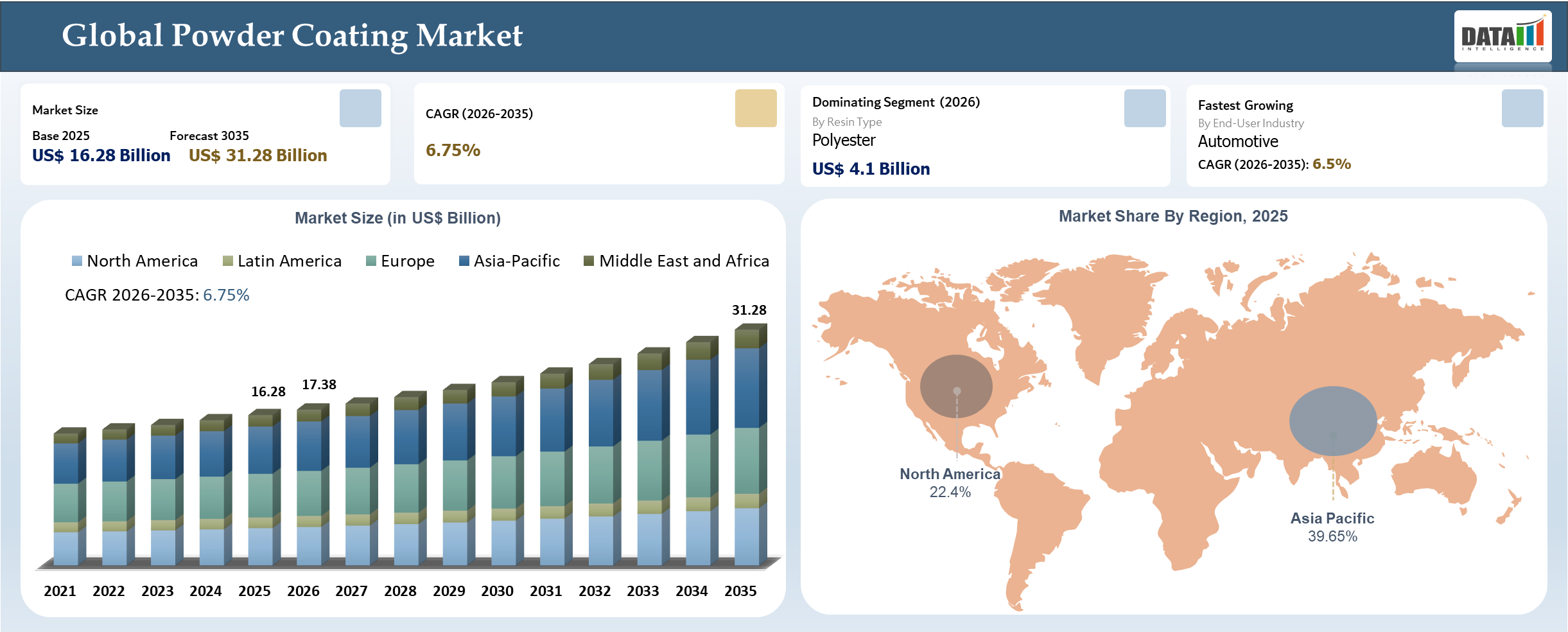
The global Powder coating market reached US$ 16.28 billion in 2025 and is expected to reach US$ 31.28 billion by 2035, growing with a CAGR of 6.75% during the forecast period 2026-2035. The powder coatings market has been experiencing substantial growth because of the rising need for sustainable coating systems. Powder coatings find applications in many industries, including automotive, buildings, home appliances, and industrial equipment. The use of powder coatings is favored by the lack of volatile organic compounds in the formulation of powder coatings. Prominent companies are focusing on promoting innovations related to low temperature curing and increased coating durability technology.
Powder Coating Industry Trends and Strategic Insights
The powder coating industry is currently experiencing a significant move towards environmentally friendly coating materials that are energy efficient and have a low VOC content due to environmental legislation and industrial decarbonization initiatives.
The sector’s fast development is transforming demand trends in the automotive industry (particularly in electric vehicles), construction, and appliance industries.
Innovations in the industry include low-temperature curing powder coating, UV-curing powder coating, and advanced finishes that are applied to plastic and medium density fiberboard substrates.
Market Scope
| Metrics | Details | |
| 2025 Market Size | US$ 16.28 Billion | |
| 2035 Projected Market Size | US$ 31.28 Billion | |
| CAGR (2026-2035) | 6.75% | |
| Largest Market | Asia-Pacific | |
| Fastest Growing Market | Asia-Pacific | |
| By Resin Type | Thermoset, Thermoplastic | |
| By Coating Technology | Electrostatic Spray Coating, Fluidized Bed Coating, Others | |
| By Substrate Type | Metals, Plastics, Glass, Medium Density Fiberboard (MDF), Others | |
| By End-User Industry | Automotive, Architectural & Construction, Furniture, Electronics and Appliances, Energy & Power, Others | |
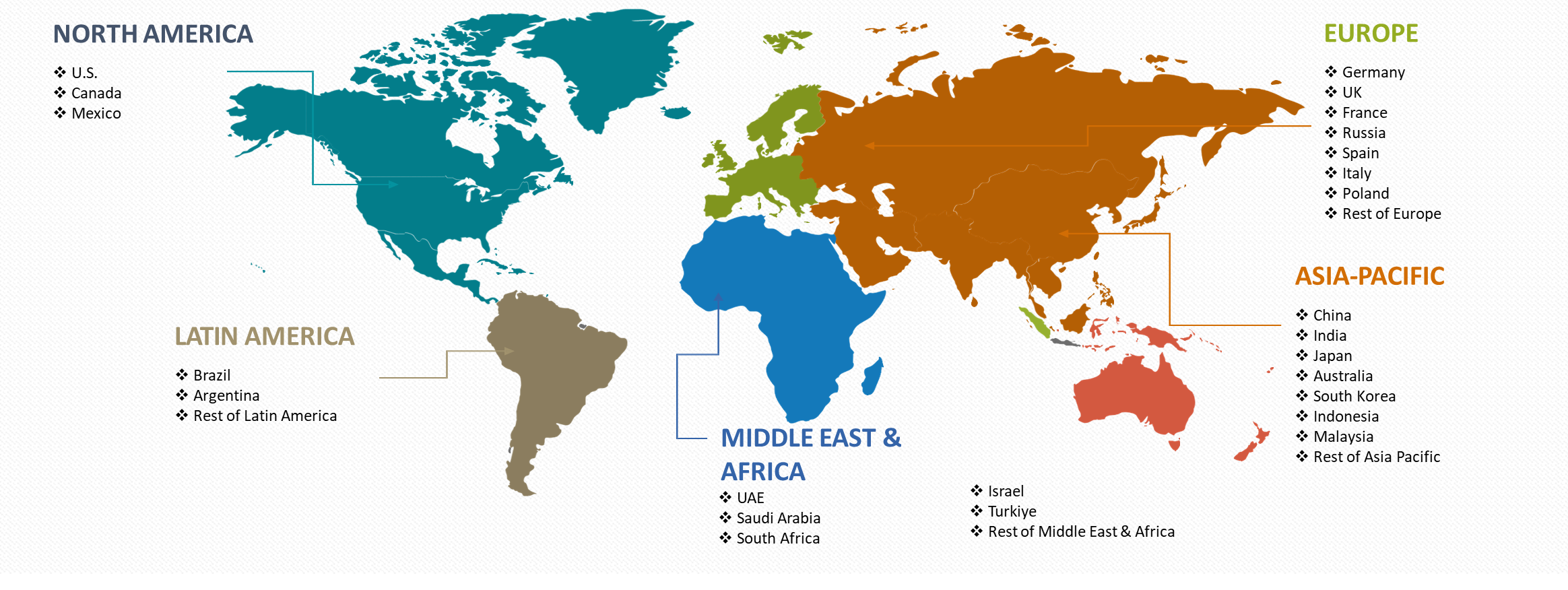
| By Region | North America | U.S., Canada, Mexico |
| Europe | Germany, UK, France, Spain, Italy, Poland | |
| Asia-Pacific | China, India, Japan, Australia, South Korea, Indonesia, Malaysia | |
| Latin America | Brazil, Argentina | |
| Middle East and Africa | UAE, Saudi Arabia, South Africa, Israel, Turkiye | |
| Report Insights Covered | Competitive Landscape Analysis, Company Profile Analysis, Market Size, Share, Growth | |
Disruption Analysis
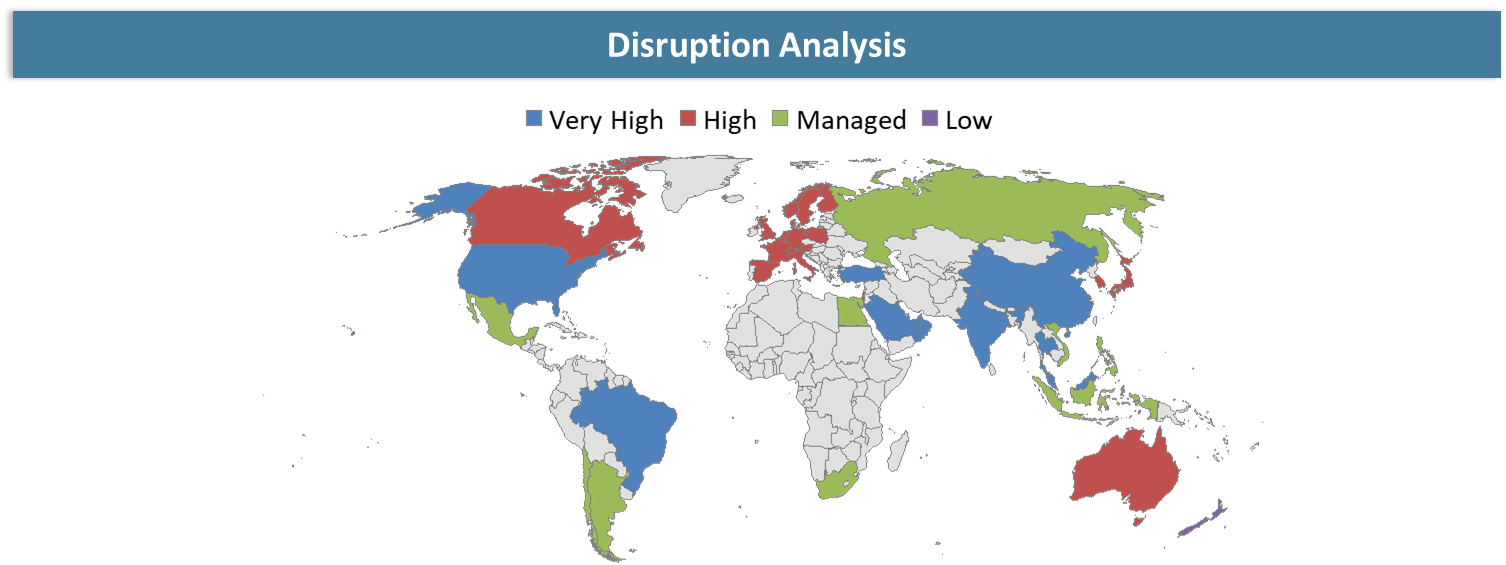
Shift from Conventional High-Temperature Powder Coating Systems to Low-Temperature and UV-Curable Technologies Reshaping Application Scope
Disruptive change in the powder coating industry is arising from the switch from the old systems of using high temperatures in the process to using more modern low temperature and UV systems. These changes are allowing the use of heat sensitive substrates like MDF and plastics among others. The industry is also being pressured by the increasing government regulations requiring companies to reduce their VOC emissions, pushing them to move away from solvent based coatings to the powder coatings.
Automation and digitalization through robotic spraying and smart curing among other innovations have led to improvements in efficiency. Organizations that do not embrace sustainable, efficient and multi substrate coatings may not be able to survive in an increasingly competitive environment.
BCG Matrix: Company Evaluation
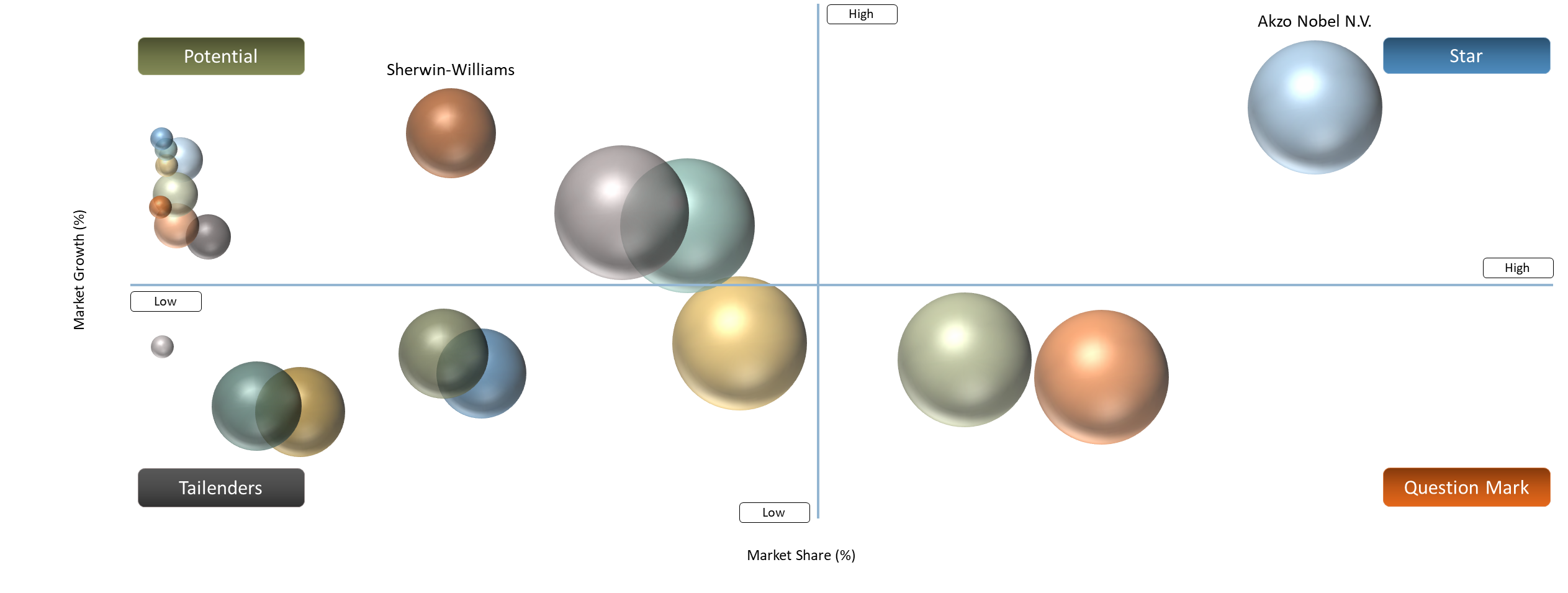
The global coatings giants, including Akzo Nobel, PPG Industries, and Axalta Coating Systems, fall under the category of Stars owing to their powerful global powder coating product lines, significant market share, and presence in rapidly growing sectors like electric vehicles, construction, and industrial growth in the Asia Pacific region.
Diversified coatings manufacturers, like Nippon Paint Holdings and Kansai Nerolac Paints, fall into the category of Question Marks as they operate in high growth regions/segments; however, they do not have much penetration in the global powder coatings market when compared to existing players.
Coatings firms, like Sherwin-Williams and Jotun, are referred to as Cash Cows on account of their stable demand from industries, mature product portfolio, and steady revenues from existing clientele.
Regional/local powder coatings firms and manufacturers are considered Tailenders, as they have no or minimal penetration in the global market, less innovation capacity, and poor economies of scale compared to their multinational counterparts.
Market Dynamics
Strong Demand From Automotive & EV Industry, Accelerating Powder Coating Adoption
The rapid rise of the automotive industry, especially in the area of electric vehicles, has been fueling demand for powder coatings because of their excellent strength, durability against corrosion, and weight. Powder coatings have become popular in vehicle components like wheels, body parts, battery cases, and undercarriage areas, which require lasting protection and performance finishing.
Due to strict environmental regulations, the trend of adopting powder coatings in place of liquid coatings has gained popularity among the automotive industry participants in order to be more environmentally friendly and to increase efficiency. The growing list of companies offering solutions in the area includes Axalta Coating Systems, Akzo Nobel, and PPG Industries.
High Initial Curing Temperature Requirement Limiting Substrate Compatibility and Market Expansion
Though it is true that powder coating provides great environmental benefits and has high durability, the problem of using the high temperatures involved during the curing process, which lie in the range from 160°C to 220°C, hinders its use in other industries. Therefore, the usage of these coatings is confined mainly to those substrates capable of withstanding the high temperatures, especially metals. In such a way, the industries demanding lower temperatures in coating processes will always use the liquid paints and coatings.
On top of this, the cost of high energy consumed during the curing process also affects the usage of these products. Companies such as Akzo Nobel and PPG Industries have been working on developing low-temperature curing powders to overcome such challenges but without much success so far.
Segmentation Analysis
The global Powder coating market is segmented based on resin type, coating technology, substrate type, end-user industry and region.
Polyester Resin Emerging as the Core Value Driver in Powder Coating Market for Durable Outdoor Applications
Polyester resins account for the most prominent share and are extensively popular across the entire powder coatings market owing to their high UV-resistance properties and low costs. They are primarily favored for outdoor applications and building structures where performance and longevity aspects are highly essential. Unlike other resin types, polyester coating provides the best combination of performance and price, thus being the ideal choice for widespread industrial purposes.
In order to facilitate additional applications, including automotive and industrial sectors, major companies are constantly improving their polyester powder technology in order to enhance mechanical resistance to external influences. Companies like Akzo Nobel, PPG Industries, and Sherwin-Williams have developed new products and solutions based on polyester resins to meet the growing needs of infrastructure construction and automotive industries. Furthermore, rapid urbanization and increased construction activities across the globe make polyester resins even more popular in general market conditions.
Geographical Penetration
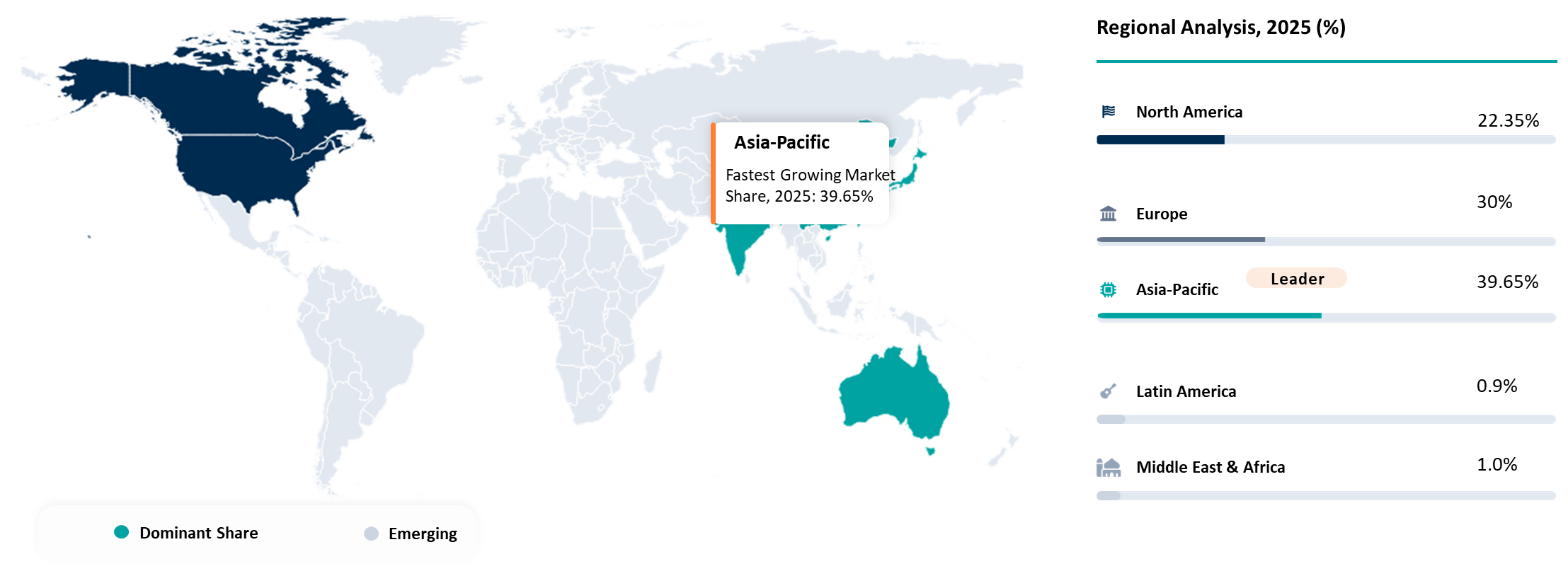
Asia-Pacific Leading Powder Coating Market Growth Through Manufacturing Dominance and Infrastructure Expansion
The Asia-Pacific region dominates and grows the fastest in the global powder coating industry because of the region’s well-developed industrial sector, high industrialization rate, and huge demands from sectors like automotive, construction, and appliance industry. The countries in the region are increasingly switching towards powder coatings because of various advantages, including cost-effectiveness, environmental friendliness, and better durability than liquid coatings in high-volume industrial uses.
This region sees an excellent trend in powder coating adoption owing to rapid urbanization, infrastructure development, and increasing number of EV and automotive manufacturing ecosystem. The governments’ initiative towards making their industries sustainable and greener is pushing them towards using low VOC paints. Further, there is significant growth in the production of raw materials for powder coatings at an inexpensive price.
Further, Asia-Pacific is turning into an important production center for powder coating materials due to the availability of large quantities of raw materials and low-cost manufacturing. This region also houses many major players such as Akzo Nobel, PPG Industries, Nippon Paint, and Kansai Nerolac that are increasing their manufacturing and research capabilities for powder coatings.
China Powder Coating Market Trends
China takes the lead in the powder coatings market of Asia Pacific owing to its robust manufacturing sector and industrial infrastructure. It is one of the largest consumers of powder coatings in the automotive industry, household appliances, building & construction, and infrastructure segments. Urbanization along with increased industrial production forms the basis for demand. Growing trends towards eco-friendly powder coatings with zero VOC emissions are helping increase usage even more. Powder coating is seeing an increased demand in the manufacture of electric vehicles in the automotive segment. Domestic production ensures cost-effective production and implementation of large volumes.
India Powder Coating Market Outlook
India has emerged as a growing powder coatings market owing to the growth in the infrastructure and industry segments. An increasing usage trend can be observed in the automobile, construction, furniture, and appliances sectors. Growth in EV manufacturing has further added fuel to the demand for powder coatings as they have properties like durability and resistance against corrosion. The government’s projects like the smart city program and industrial corridors have helped boost powder coating applications on the back of infrastructural developments. Sustainability concerns are also playing an important role in switching from liquid coating solutions to powder coatings. Growth in “Make in India” programs will enhance the indigenous manufacturing capabilities of powder coatings in the country.
Competitive Landscape
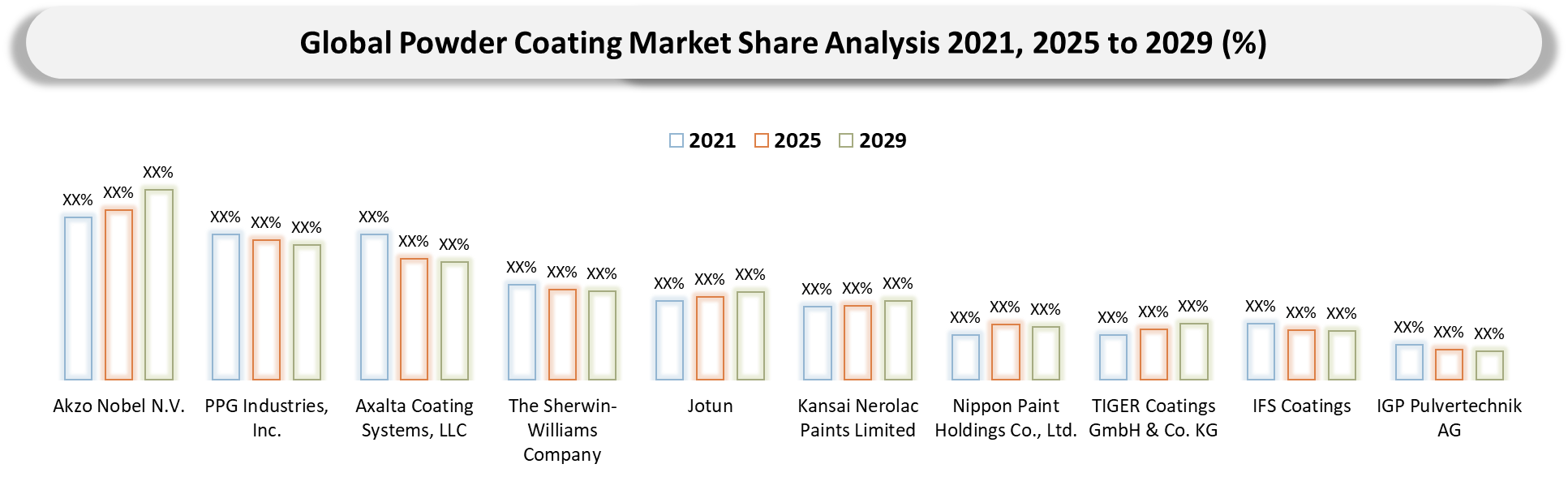
- The powder coatings sector comprises a mix of international diversified coatings firms and powder coatings firms, thus forming an extremely competitive, innovative, environmentally sustainable, and geographically expanding landscape. Competition within the sector will be driven by the development of low-temperature cure technology, ultraviolet light-curable coatings, and entry into rapidly growing end-use sectors like electric cars, construction, and household appliances.
- Some of the key market players are Akzo Nobel N.V., PPG Industries, Inc., Axalta Coating Systems, LLC, The Sherwin-Williams Company, Jotun, Kansai Nerolac Paints Limited, Nippon Paint Holdings Co., Ltd., TIGER Coatings GmbH & Co. KG, IFS Coatings, and IGP Pulvertechnik AG. While specialist companies have emerged as market leaders in specialist sections of the powder coatings market, multinationals have taken control of global powder coatings operations.
Key Developments
- Mar 2026: PPG Industries, Inc. launched next-generation low-VOC powder coatings focused on energy-efficient curing systems.
- April 2025: AkzoNobel expanded its Interpon powder coatings portfolio with a stronger focus on sustainable, low-VOC and architectural-grade coatings for façade and infrastructure applications.
- Oct 2025: Axalta Coating Systems Ltd. unveiled new EV battery safety coatings designed to improve thermal protection and electrical insulation in electric vehicle battery systems, targeting enhanced resistance to extreme heat and reduced risk of thermal runaway in high-voltage applications.
- Mar 2025: Kansai Helios Coatings GmbH announced the establishment and expansion of a new powder coatings manufacturing facility in Johnstown, Ohio, USA, as part of a USD 20+ million investment.
- Mar 2025: Sherwin-Williams Company continued expansion of its industrial powder coatings manufacturing footprint, including new production capabilities aimed at supporting growing demand in construction, appliances, and general industrial end-use markets through localized supply expansion initiatives.
- Nov 2025: AkzoNobel N.V. + Axalta Coating Systems announced a major all-stock merger agreement to create a global coatings leader with ~$17B revenue scale, combining complementary industrial and powder coating portfolios and targeting ~$600M cost synergies.
- Feb 2024: AkzoNobel N.V. completed a major capacity expansion at its Como, Italy powder coatings plant (the company’s largest powder coatings manufacturing site globally), adding four new production lines including automotive primers and architectural coatings, along with advanced bonding equipment to improve efficiency, consistency, and sustainable production performance.
Why Choose DataM?
• Technological Innovations: Covers advancements in powder coating chemistry and application technologies, including low-temperature curing systems, ultra-low VOC formulations, high-transfer-efficiency electrostatic spray systems, and automation-integrated coating lines that improve energy efficiency, reduce waste, and enhance finish consistency across industrial and automotive applications.
• Product Performance & Market Positioning: Assesses how leading manufacturers differentiate powder coating portfolios based on corrosion resistance, UV stability, chemical durability, adhesion performance, and aesthetic finishes (matte, gloss, textured, metallic). It also highlights performance-driven segmentation across architectural, automotive, appliance, and general industrial applications.
• Real-World Evidence: Highlights practical deployment of powder coatings in automotive EV components, building façades, aluminum extrusions, consumer appliances, and industrial machinery, demonstrating improved lifecycle performance, reduced coating defects, enhanced weather resistance, and compliance with environmental regulations in real operating conditions.
• Market Updates & Industry Changes: Tracks key developments such as capacity expansions, new powder coating plant investments, sustainability-driven product launches, tightening global VOC and emissions regulations, and regional manufacturing shifts across North America, Europe, and Asia-Pacific influencing supply chain localization.
• Competitive Strategies: Analyzes how global players such as PPG, AkzoNobel, Sherwin-Williams, Axalta, and Kansai Helios are strengthening competitiveness through portfolio expansion, mergers and acquisitions, regional production scaling, R&D investments in sustainable coatings, and partnerships with OEMs in automotive and construction sectors.
• Pricing & Market Access: Explains pricing dynamics influenced by resin systems (epoxy, polyester, hybrid), performance grade (standard vs super-durable), and application method. It also evaluates distribution strategies through direct OEM supply, distributor networks, and localized production hubs that improve market accessibility and reduce logistics costs.
• Market Entry & Expansion: Identifies growth opportunities driven by infrastructure development, green building adoption, EV manufacturing expansion, and industrial automation trends. It also outlines OEM strategies for entering emerging markets through local production facilities, joint ventures, and after-sales technical service expansion to strengthen customer retention.
Target Audience 2026
Automotive OEMs & Tier Suppliers: Vehicle manufacturers and component suppliers using powder coatings for durable, corrosion-resistant, and high-performance finishing across EV parts, wheels, chassis, and structural components.
Construction & Infrastructure Companies: EPC contractors, real estate developers, and façade system providers using architectural powder coatings for aluminum profiles, steel structures, bridges, and building exteriors requiring long-term weather resistance and aesthetics.
Appliance & Consumer Goods Manufacturers: Producers of home appliances, furniture, HVAC systems, and electrical equipment applying powder coatings for decorative finishes, scratch resistance, and cost-efficient mass production.
Industrial Machinery & Equipment Manufacturers: OEMs in heavy machinery, agriculture equipment, and industrial systems using powder coatings for chemical resistance, thermal stability, and long service life protection.
Powder Coating Manufacturers & Service Providers: Resin formulators, coating producers, and contract coaters driving innovation in low-VOC, low-temperature cure, and high-durability powder coating systems, while also providing application services to OEMs.




























































