


Arrowroot Starch Market Overview
The Global Arrowroot Starch Market reached US$ 215.29 Million in 2025 and is expected to reach US$ 349.82 Million by 2035, growing with a CAGR of 4.8% during the forecast period 2026-2035. The Arrowroot Starch Market is evolving from being a natural starch niche to becoming a specialty ingredient that is gaining momentum through clean label, gluten-free and digestive health trends. Arrowroot starch is preferred due to its thickening, binding and stabilizing properties while being gluten-free, allergy-friendly and easily digestible. It is finding uses in bakery products, sauces, soups, baby food, nutraceuticals and personal care products as manufacturers seek alternatives to traditional starches.
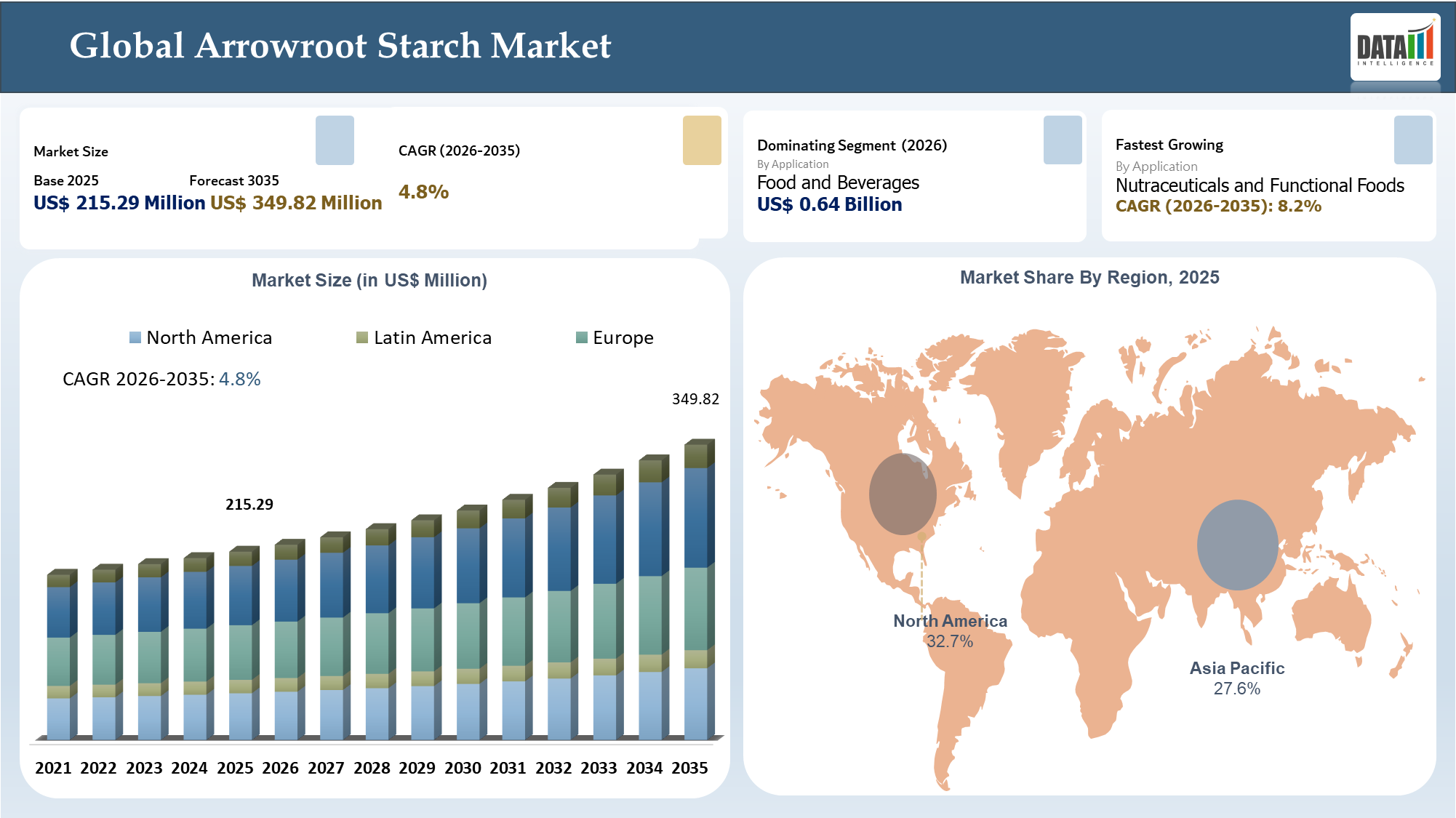
Preference towards familiar ingredients is promoting growth in the Arrowroot Starch Market. According to the U.S. Food and Drug Administration, gluten-free products should have below 20 ppm of gluten, thus making arrowroot starch popular in food applications. Furthermore, there are about 1 million individuals with celiac disease in the world, creating a consistent requirement for gluten-free ingredients. The market for organic products in the United States stood at USD 71.6 billion in 2024, creating a need for quality plant-based ingredients.
Why This Report Matters in 2026
Enterprise buyers, food ingredient manufacturers and procurement teams enter 2026 with increasing pressure to align product portfolios with evolving consumer demand for clean-label, gluten-free and plant-based ingredients. Arrowroot starch is gaining strategic importance beyond traditional culinary applications as manufacturers seek natural thickening and stabilizing solutions that support healthier formulations and ingredient transparency. Procurement teams require a clearer understanding of supply dynamics, regional production trends, pricing movements and emerging application areas to secure long-term sourcing strategies.
Food and beverage companies are also facing a practical formulation challenge. Manufacturers must evaluate how arrowroot starch competes with corn starch, tapioca starch, potato starch and other specialty ingredients across bakery, confectionery, dairy alternatives, infant nutrition and convenience foods. Each application carries different implications for texture, functionality, consumer acceptance, labeling requirements and production costs. A comprehensive market perspective helps buyers compare ingredient strategies instead of viewing arrowroot starch as a niche substitute.
Market development is becoming increasingly outcome-driven as consumers and regulators emphasize natural ingredients, allergen-free formulations and sustainable sourcing practices. Food processors, nutraceutical companies, pharmaceutical manufacturers and personal care brands need reliable benchmarks on regional opportunities, supply chain dynamics, competitive positioning and application priorities. The report supports clients in identifying where demand is accelerating, which companies are strengthening their market presence and which investment priorities should be addressed first to capture growth opportunities while enhancing product innovation and long-term business resilience.
AI Impact Analysis
Implications of AI for the Arrowroot Starch Market have become increasingly pertinent from aspects of raw material procurement through process efficiency, quality assurance, product formulations, and demand prediction. Artificial Intelligence could assist manufacturers to analyze the quality of arrow root rhizomes, their ability to yield starch, moisture, granule size, purity, viscosity, gel strength, and functionality to ensure batch consistency and minimize dependence on manual testing.
From the standpoint of production process, AI could play a vital role in the optimization of washing, peeling, grinding, starch extraction, filtering, sedimentation, drying, and milling. The use of Artificial Intelligence technology could help decrease losses incurred in processing, enhance recovery rate, reduce energy consumption and water usage while regulating the variations in texture, whiteness, microbial count, and moisture level.
AI can also be used from the point of view of commercialization for clean-label product design, organic ingredients, pricing, supply chain planning, and formulation based on individual customers’ requirements. Such an approach will prove useful in various fields, such as baking and confectionary products, sauces, soups, gravies, dairy products, frozen products, baby food, gluten-free products, nutraceuticals, cosmetics, and personal care. It can be concluded that companies implementing AI to enhance ingredient performance, operational efficiency, traceability, and formulation in applications will have competitive advantages in the Arrowroot Starch Market.
Arrowroot Starch Market Industry Trends and Strategic Insights
- The arrowroot starch market is anticipated to continue its significance in view of its clean label attributes, absence of gluten, ease of digestion, and functionality for thickening, bonding, stabilization and improved texture in various food & beverages, infant food, nutraceuticals, pharmaceuticals and personal care applications.
- The growing consumer preference towards natural, plant-based, allergy-friendly, non-GMO, and easy-to-digest substances may contribute positively towards the consumption of arrowroot starch as an alternative to conventional starch ingredients like corn starch, wheat flour, artificial thickeners and other starches.
- The rising demand for gluten-free bakery products, sauces, soups, gravies, dairy alternatives, baby food, and clean-label packaged foods is likely to generate business opportunities for organic and regular arrowroot starch manufacturers.
- The Asia-Pacific region is anticipated to maintain its significance in terms of being a source of arrowroot production, root-based starch crops, food processing activities, and natural starch-based ingredient consumption in traditional foods, processed foods and personal care items.
- The key players operating in this industry may be able to secure a competitive position by opting for organic certifications, consistent quality starch content, particle size customization, moisture content management, traceability, bulk shipments and collaborations with food, nutraceutical, cosmetic and specialty ingredient producers.
Key Takeaways
- USD 349.82 million is the 2035 market opportunity. The market’s expansion from USD 215.29 million in 2025 reflects growing demand for clean-label ingredients, gluten-free formulations and naturally derived starch alternatives across food, nutraceutical and personal care applications.
- North America currently leads consumption, while Asia-Pacific represents the fastest-growing region. Expanding food processing activities, rising health awareness and increasing use of root-based ingredients are strengthening regional demand across India, China, Japan and Southeast Asia.
- Consumer preference is shifting from conventional starches toward premium natural ingredients. Manufacturers are increasingly adopting arrowroot starch because of its digestibility, allergen-friendly profile and suitability for clean-label and gluten-free products.
- Functional performance is becoming a major competitive advantage. Thickening, binding, stabilizing, moisture retention and texture enhancement capabilities are driving adoption in bakery products, sauces, soups, dairy alternatives and infant nutrition.
- Organic and specialty-grade arrowroot starch are emerging as high-value growth segments. Demand from grain-free, Paleo and health-conscious consumers is creating opportunities for certified organic and premium ingredient suppliers.
- Advanced applications are expanding beyond food ingredients. Pharmaceuticals, nutraceuticals, cosmetics and personal care formulations are increasingly utilizing arrowroot starch for its natural and hypoallergenic characteristics.
- Supply chain reliability and quality consistency are becoming strategic priorities. Moisture control, particle-size customization, traceability and organic certification are differentiating suppliers and influencing purchasing decisions among food and specialty ingredient manufacturers.
- AI is beginning to enhance production efficiency and formulation capabilities. Artificial intelligence can optimize starch extraction, quality assurance, yield management and demand forecasting, enabling manufacturers to improve consistency and reduce processing losses.
- Supply-side constraints and price volatility remain important challenges. Dependence on tropical cultivation regions, harvest variability and competition from corn, tapioca and potato starch alternatives are reshaping sourcing and procurement strategies.
- The market is transitioning from a commodity starch category to a premium specialty ingredient business. Companies capable of delivering application-specific solutions, organic certifications and formulation support are expected to strengthen their competitive positioning in the global Arrowroot Starch Market.
Market Scope
| Metrics | Details | |
| 2025 Market Size | US$ 215.29 Million | |
| 2035 Projected Market Size | US$ 349.82 Million | |
| CAGR (2026-2035) | 4.8% | |
| Largest Market | North America | |
| Fastest Growing Market | Asia-Pacific | |
| By Source | Arrowroot Rhizome, Cassava Based Substitute, Tapioca Based Substitute, Potato Based Substitute, Blended Root Starch | |
| By Nature | Native Starch, Modified Starch, Pregelatinized Starch, Hydrolyzed Starch | |
| By Processing Type | Powder, Granules, Liquid, Syrup, Gel | |
| By Form | Powder, Granules, Liquid Slurry | |
| By Grade | Food Grade, Pharmaceutical Grade, Cosmetic Grade, Industrial Grade | |
| By Function | Thickening, Stabilizing, Binding, Gelling, Texturizing, Moisture Retention, Gluten Free Formulation, Clean Label Formulation | |
| By Application | Food and Beverages, Pharmaceuticals and Excipients, Nutraceuticals and Functional Foods, Cosmetics and Personal Care, Paper Processing, Textile Processing, Adhesives and Bioplastics, Animal Feed, Pet Food and Pet Nutrition, Clinical and Medical Nutrition | |
| By Distribution Channel | Direct B2B Sales, Ingredient Distributors, Specialty Ingredient Suppliers, Online B2B Platforms, Supermarkets and Hypermarkets, Specialty Stores, E Commerce | |
| By Packaging Type | Bulk Bags, Paper Bags, Plastic Pouches, Drums, Retail Packs | |
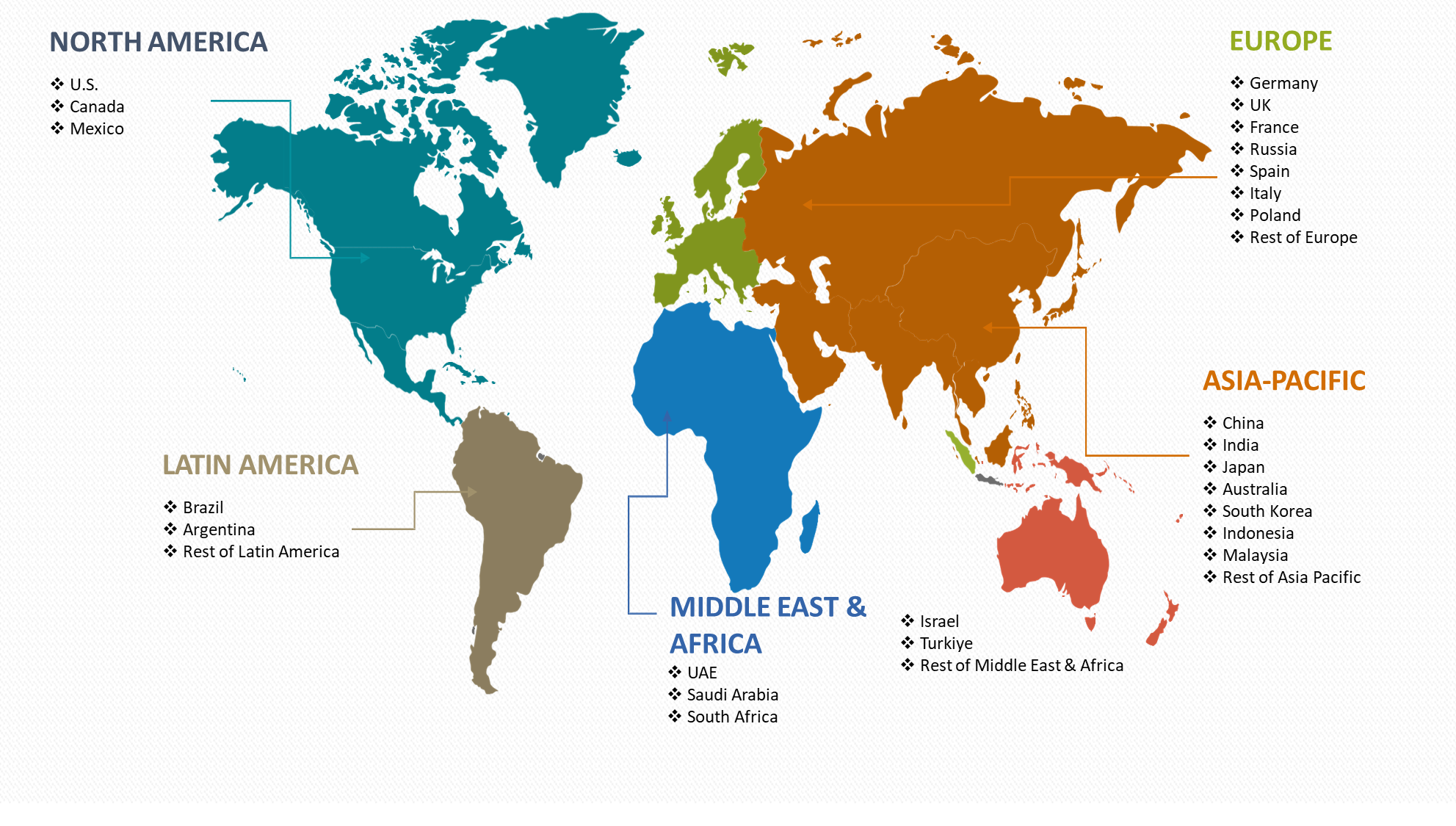
| By Region | North America | U.S., Canada, Mexico |
| Europe | Germany, UK, France, Spain, Italy, Poland | |
| Asia-Pacific | China, India, Japan, Australia, South Korea, Indonesia, Malaysia | |
| Latin America | Brazil, Argentina | |
| Middle East and Africa | UAE, Saudi Arabia, South Africa, Israel, Turkiye | |
| Report Insights Covered | Competitive Landscape Analysis, Company Profile Analysis, Market Size, Share, Growth | |
Disruption Analysis
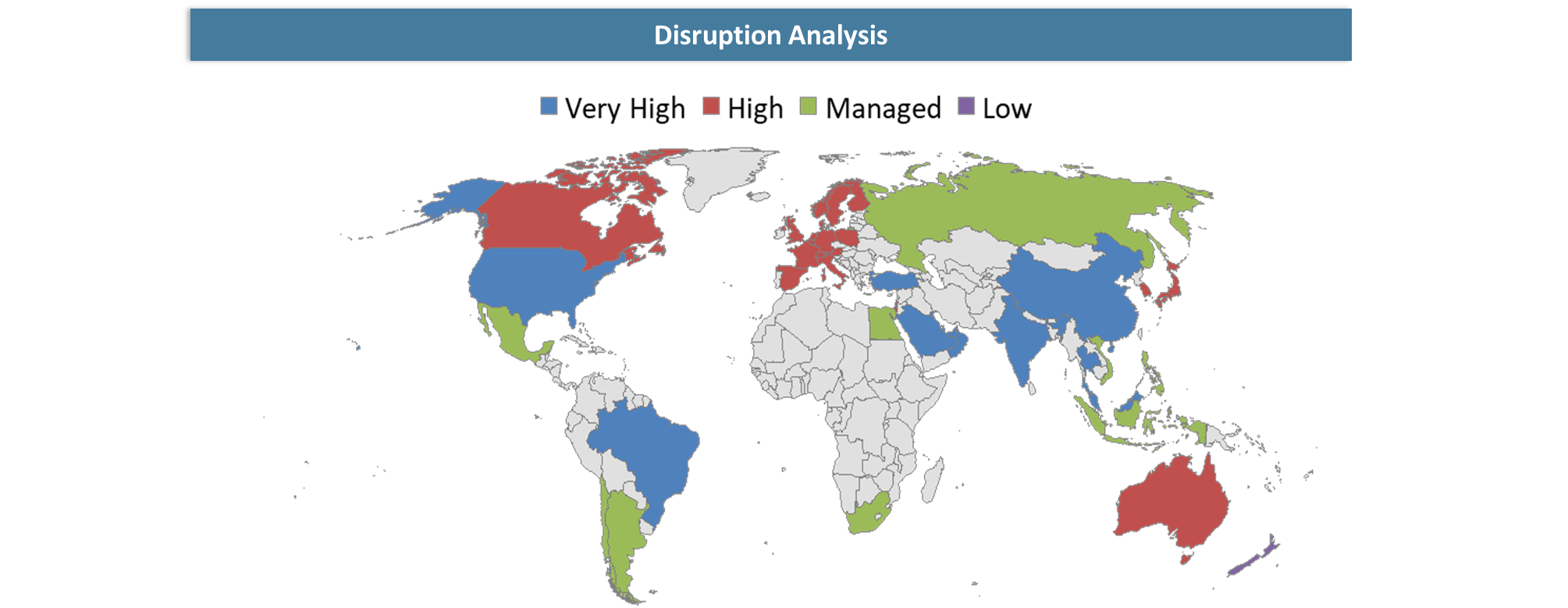
Transition from Commodity Starch to Premium Clean Label Ingredient Solutions Driving Market Disruption
Disruption within the Arrowroot Starch Market includes the transition from low-value starch uses to premium, clean-label, and application-specific ingredients. Buyers are no longer purchasing starch solely based on cost and availability; buyers are now considering factors like digestibility, safety from allergens, performance in texture, organic status, traceability, and application suitability for sensitive markets including infant formulas, gluten-free baking products, supplements, and natural personal care products.
An important disruptive factor includes the displacement of starches traditionally used in premium products including corn starch, wheat starch, and modified starches. Arrowroot starch becomes relevant when manufacturers require a natural thickener and flavor enhancer, as well as a cleaner ingredient listing in their products.
On the other hand, the disruption that will face the market will be that of supply-side constraints. Cultivation will not be consistent, quality will be a limiting factor, scale and high cost prices might become limiting. Companies that have managed to establish supply chains, process, control moisture and particle size, and prove organic status will find themselves at an advantage.
Another disruption will emerge when the suppliers start giving formulation assistance, private labels, organic products and application specific products.
BCG Matrix: Company Evaluation

According to the BCG matrix method for strategy alignment, the market leaders of the Arrowroot Starch Market are companies that offer high-quality ingredients, broad distribution channels, clean label products, and consistent quality products. Companies like Royal Ingredients Group, Bob's Red Mill Natural Foods, Namaste Foods, NutriBoost BV, and Jeeva Organic Private Limited have a strong position in the market because they provide ingredients that are readily available, organic and natural, have a good reputation, and cater to food, health, and specialty ingredients consumers.
The growth market firms, such as Vehgro, Green Jeeva LLC, Essential Organic Ingredients, JK Botanicals, Jairamdass Khushiram, and Aryan International, are growing by offering organic ingredients, bulk supplies, export products, and specialty food ingredients. The growing need for gluten-free, allergy-friendly, clean label, and plant-based starch ingredients makes these companies increasingly relevant.
Newly emerging or specialized companies like Purenso Select, AW Aromatics Ltd., KANWAY, Farmspice Traders Private Limited, ValleySpice, Just Jaivik, and OnlineOrganics are gaining importance by supplying ingredients locally, providing retail packs, offering natural food items, and catering to niche markets.
Other companies like Peakvalley maintain their relevance through local production, traditional ingredients, and small-scale specialty food products.
Why This Report Matters in 2026
Food ingredient manufacturers and procurement teams enter 2026 facing increasing demand for clean-label, gluten-free and plant-based formulations without compromising texture, stability or product performance. Arrowroot starch is no longer viewed as a niche thickening ingredient because consumer preferences are rapidly shifting toward natural, allergen-friendly and easily digestible alternatives to conventional starches. Buyers need better visibility into sourcing strategies, application suitability and premium ingredient positioning across food, nutraceutical and personal care industries.
Product development and formulation teams are also navigating important ingredient selection decisions. Manufacturers must evaluate where arrowroot starch delivers the greatest value compared with corn starch, tapioca starch, potato starch and modified starch alternatives. Each option carries different implications for labeling claims, digestive health positioning, texture performance, organic certification requirements and production costs. A comprehensive market view allows buyers to identify the most commercially viable ingredient pathways instead of treating all starch solutions as interchangeable commodities.
Arrowroot starch adoption is becoming increasingly application driven as consumers, retailers and regulators place greater emphasis on ingredient transparency, allergen management and clean-label formulations. Bakery, infant nutrition, dairy alternatives, nutraceuticals, pharmaceuticals and personal care manufacturers require reliable benchmarks on supplier capabilities, regional production trends, organic certification availability and distribution strategies. The report supports stakeholders in identifying where demand is accelerating, which suppliers are strengthening their market position and which application opportunities should be prioritized to improve product differentiation and long-term growth potential.
Market Dynamics
Growth of Gluten Free and Digestive Friendly Food Categories
Growth in gluten-free and digestible food types is an important driver for the market. This is driven by the increasing demand for natural alternatives to wheat-based thickeners, refined flour and artificial stabilizers in food products. The Arrowroot starch is naturally gluten-free, grain-free and flavor-neutral, along with being easy to digest.
The functionality of the starch is useful in the manufacture of gluten-free baking products, baby foods, soups, sauces, gravies, snacks, alternative dairy and premium wellness foods. The starch is effective in offering texture, binding, thickening and stabilization functionalities, without developing an unwanted mouth-feel or flavor, that is important in gluten-free products.
Further, there is an increase in consumption of food types such as plant-based, paleo, allergen-friendly and minimally processed food types. There is an increased correlation between digestive health and the quality of food, leading to brands incorporating the Arrowroot starch in formulations for functional benefits as well as for safe ingredient claims.
Price Premium Over Conventional Starch Alternatives
The price premium that comes from using arrowroot starch rather than regular starch competitors makes it one of the significant restraints in the market. In comparison to regular starches like corn starch, tapioca starch, potato starch, and cassava starch, arrowroot starch is made on a considerably smaller scale due to low levels of cultivation and processing. This raises the cost of sourcing raw materials, production costs, and even retail prices of the end product.
For big volume users such as food manufacturing, baking, sauces manufacturing companies, and industrial uses, cost remains the key concern when making their purchasing decisions. Given that there is no difference between the functionality of regular starches and that of arrowroot starch, many choose the former for mass production products.
This is especially true in emerging markets and industrial use since buyers tend to care more about practicality than premiumness. Therefore, arrowroot starch works better in niche uses such as baby foods, organic, clean-label, gluten-free, etc..
Segment Analysis
The Global Arrowroot Starch Market is segmented based on source, nature, processing type, form, grade, function, application, distribution channel, packaging type, and region/countries.
Rising Clean Label, Gluten Free and Digestive Health Demand Strengthening Food and Beverage Dominance in the Arrowroot Starch Market
The Food and Beverages segment is the most popular application market for Arrowroot Starch, driven by growing demands for clean label, gluten-free, organic, and digestive-friendly formulations. The usage of arrowroot starch is prevalent as a thickening, stabilizing, binding, and texturizing agent for bakery goods, sauces, soups, gravies, dairy substitutes, baby foods, and convenience foods.
There are strong demand drivers in this space driven by consumers and regulatory actions. The U.S. FDA mandates that foods labeled as gluten-free should contain gluten content of 20 ppm or less, thus driving up the demand for naturally gluten-free starches like arrowroot starch. Around one percent of the world's population suffers from celiac disease, ensuring continuous demand for gluten-free food ingredients in the future. Moreover, the market size for organic products in the U.S. was reported to be around USD 71.6 billion in 2024, indicating healthy consumer expenditures in natural food ingredients.
The food purchases made based on health factors further validate the demand for the application of arrowroot starch in this segment. As per the findings of the 2024 Food and Health Survey conducted by IFIC, consumers look for digestive health benefits, aging, weight control, and energy while purchasing foods and beverages.
Geographical Penetration
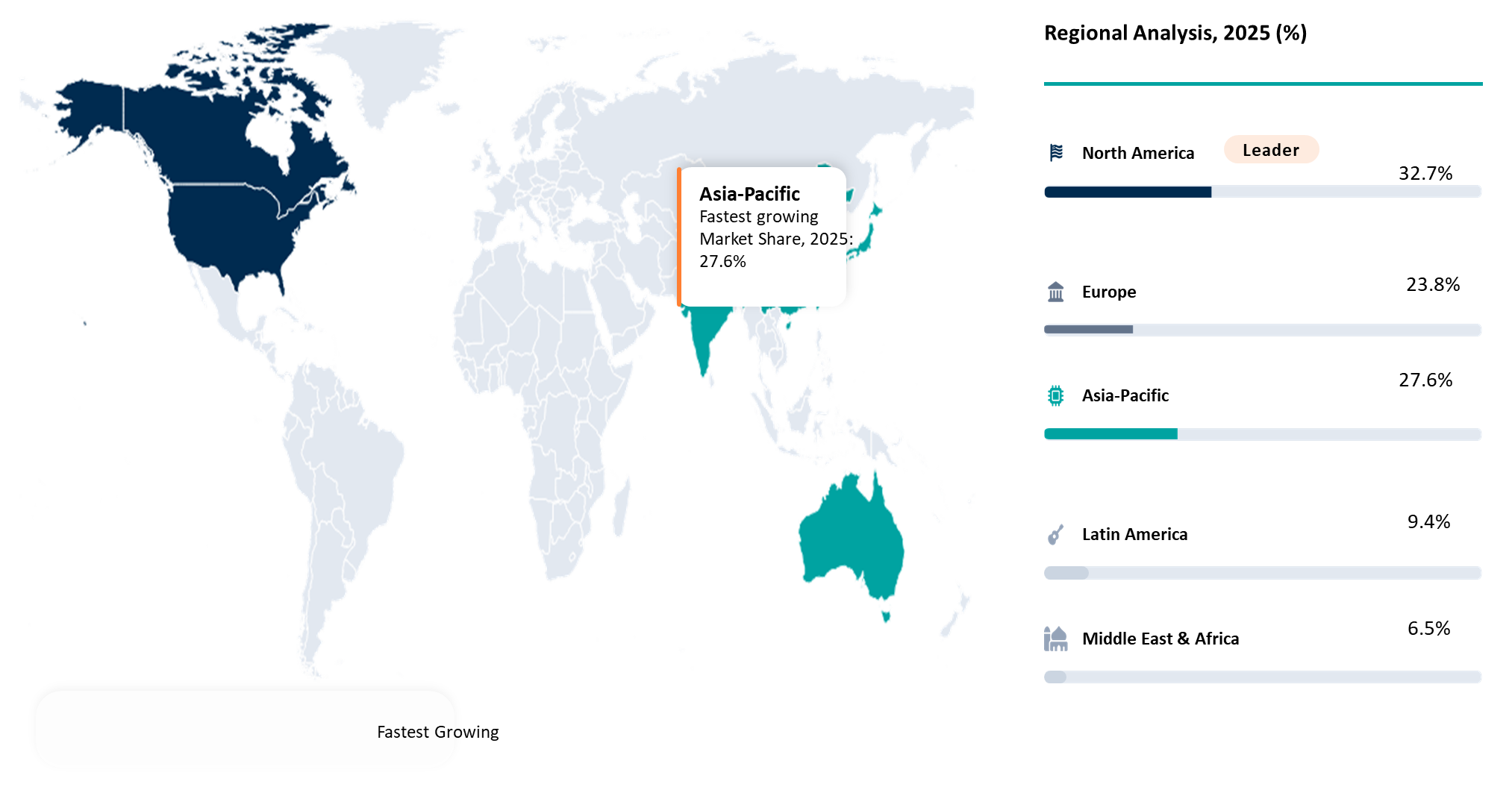
North America Arrowroot Starch Market: Clean Label and Gluten-Free Demand Supporting Growth
North America appears to be an excellent market for arrowroot starch. This is because there is a growing demand for clean-label, gluten-free, organic, and digestion-friendly products. The U.S. Food and Drug Administration mandates that any food product marketed as gluten-free should have gluten concentration lower than 20 parts per million. This is expected to drive demand for naturally gluten-free ingredients like arrowroot starch.
North America also boasts a well-established organic food industry. According to research, sales of U.S. certified organic food products rose to $71.6 billion in 2024. There is also substantial spending on natural and certified products in the region. In addition, USDA reports that U.S. organic food sales increased to $65.4 billion in 2024. Sales of all types of organic foods increased this year.
Organic farming in Canada further stimulates demand for arrowroot starch in the region. For example, according to Statistics Canada, the value of farm-gate sales of certified organic fruits and vegetables rose to $171.8 million in 2024. Moreover, the total volume of organic vegetables produced was 49.1 million kg in 2024.
U.S Arrowroot Starch Market Trends
There are robust demand drivers within the U.S with significant demand for gluten-free, organic, clean-label ingredients and digestive-friendly ingredients. According to the FDA, any food that is labeled "gluten-free" cannot exceed 20 ppm of gluten content. As a result, manufacturers will continue to incorporate naturally gluten-free starches such as arrowroot starch into their food formulations.
Furthermore, there is robust demand within the U.S. for certified organic foods. Organic food products in the U.S. accounted for USD 71.6 billion worth of sales in 2024, whereas the USDA stated that in 2024, produce made up 33% of organic food sales in the U.S. This indicates that consumers are willing to pay premiums for certified and natural ingredients.
Another factor driving the premium starch market includes food reformulations in baby and toddler products. A study in the U.S. revealed that 71% of baby and toddler food products offered in major grocery stores were ultra-processed, making ingredient reformulations necessary.
Canada Arrowroot Starch Market Outlook
Canada appears to be a developing market for arrowroot starch owing to the increase in consumer preference for organic, gluten-free, and clean label products. Consumers in Canada prefer foods with a short list of easily recognized ingredients. The inclusion of arrowroot starch can be considered for bakery, sauces, soups, baby food, dairy substitutes, and health-based packaged foods.
As reported by Statistics Canada, the production of organically grown vegetables in Canada was at 49.1 million kilograms in 2024, while the organically grown fruit and vegetables' farm gate value was USD 171.8 million. There is high potential for natural and organic ingredient value chains.
Furthermore, there is an increasing demand for arrowroot starch in gluten-free and allergen-friendly products owing to its thickening, binding, and texture-improving properties without using wheat-based products. The market for arrowroot starch can also be boosted by the well-developed health foods retail industry in Canada and the rising interest in digestive wellness.
Competitive Landscape
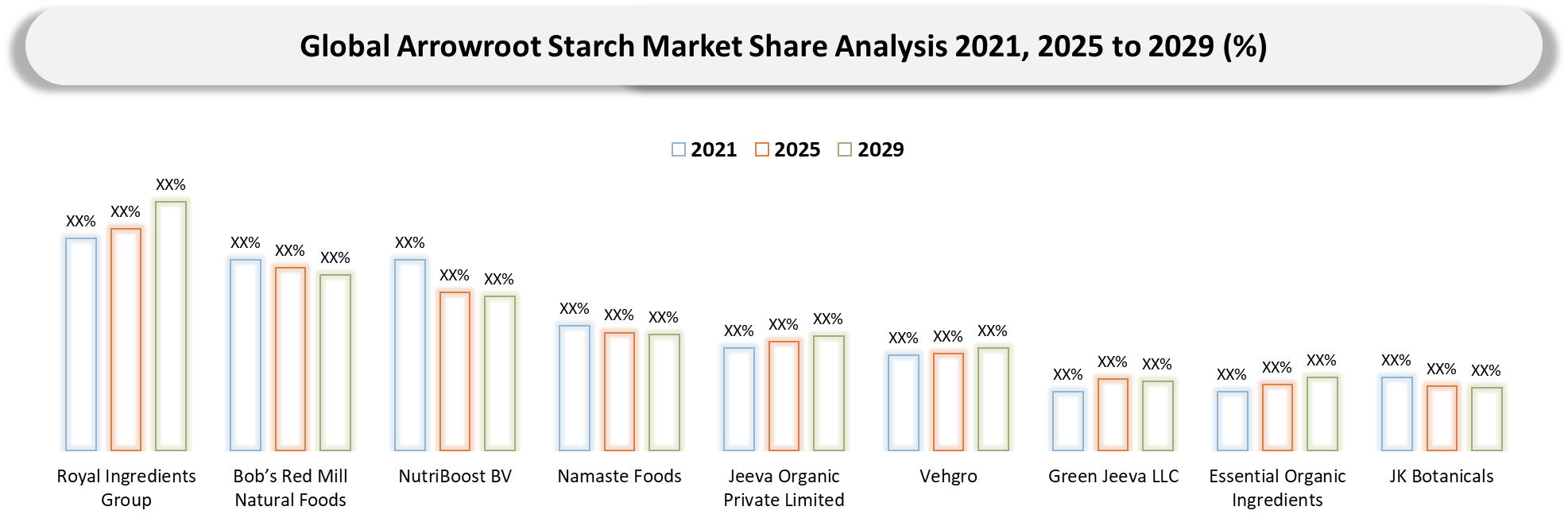
- The Arrowroot Starch industry is partially fragmented, with competition based on quality, organic certification, sourcing, price, and application-specific effectiveness. The difference from other commodity starch industries lies in the fact that in Arrowroot starch industry, competition revolves around issues of clean label marketing, digestibility, absence of allergens, and consistency in texture and purity. Competitors offer different kinds of food Grade, pharmaceutical Grade, and specialty Arrowroot starch for use in bakery, infant formula, nutraceuticals and cosmetic products.
- Major participants such as Royal Ingredients Group, Bob’s Red Mill Natural Foods Inc, Namaste Foods and NutriBoost BV are well-positioned with their extensive distribution networks, superior brand awareness, and wide customer base. Major manufacturers have better brand positioning in natural food and specialty ingredient markets.
- Jeeva Organic Private Limited, Vehgro, Green Jeeva LLC and Essential Organic Ingredients are mid-size firms which compete in terms of their ability to source organically, produce private-label products, provide export opportunities, and offer specific products. Regional players emphasize small-batch processing and close business relations with health food manufacturers.
- Buyers are demanding traceability, consistent moisture levels, fine particles, and consistent formulation performance. Players with abilities to ensure quality control, clean sourcing and technical support are expected to be favored in the market.
Recent Developments
- April 2026 - Royal Ingredients Group positioned arrowroot starch as a gluten-free thickener for soups, sauces and baking, supporting clean label and digestive-friendly food formulations.
- March 2026 - Bob’s Red Mill Natural Foods strengthened retail positioning of arrowroot starch for gluten-free baking, sauces and natural food applications.
- February 2026 - Namaste Foods highlighted arrowroot starch as Gluten Free Certified, Non-GMO Project Verified and allergen-friendly for specialty diet formulations.
- January 2026 - Jeeva Organic Private Limited expanded visibility of bulk organic arrowroot powder for food, nutraceutical and wellness ingredient applications.
- December 2025 - Green Jeeva LLC promoted arrowroot powder as a clean-label bulk ingredient for texture enhancement and digestive-friendly formulations.
- October 2025 - Vehgro strengthened wholesale availability of organic arrowroot powder for private label and specialty food manufacturers.
- August 2025 - Essential Organic Ingredients expanded application positioning of organic arrowroot powder for sauces, gravies, gluten-free baking and food thickening.
- June 2025 - NutriBoost BV enhanced its specialty ingredient portfolio by supplying arrowroot starch for organic food and wellness product manufacturers.
- April 2025 - Aryan International strengthened export-focused organic arrowroot powder supply for food and natural ingredient buyers.
- February 2025 - KANWAY increased product positioning of arrowroot powder for food, herbal and wellness-based ingredient applications.
- November 2024 - JK Botanicals continued supplying arrowroot powder as part of its botanical and natural ingredient portfolio.
- September 2024 - OnlineOrganics expanded availability of organic arrowroot starch powder across natural food and wellness retail channels.
- July 2024 - Just Jaivik promoted organic arrowroot powder for clean label and health-focused food applications.
- May 2024 - Purenso Select strengthened retail positioning of arrowroot starch powder for natural food and wellness consumers.
White Space Opportunities
White space opportunities for DataM in the Arrowroot Starch Market come through applications beyond its primary uses as a thickening and binding agent. Whereas most firms continue to offer arrowroot starch as an ordinary natural starch, high-profit opportunities await in gluten-free baking, baby food, allergen-friendly foods, medical nutrition, nutraceuticals, cosmetics, personal care products, and packaged clean-label foods.
All of these products require ingredients that digest easily, have a neutral taste, are allergen-friendly, finely milled, and remain stable when incorporated into various formulations. Those firms that will provide better purity, organically certified varieties, traceable products, customized milling, and formulation assistance for unique applications are certain to set themselves apart from regular starch suppliers.
One particular area worth targeting is the marketing of arrowroot starch as a specialized clean-label ingredient. Suppliers of organic and non-GMO varieties, humidity-controlled products, bulk supplies, and source-traceable offerings are likely to find themselves preferred by manufacturers of packaged foods, infant formulas, nutraceutical products, and cosmetics and personal care items.
DMI Opinion
According to DataM, the Arrowroot Starch Market is not limited solely by the availability of raw arrowroot. It is characterized by the ability of the manufacturer to provide the product with uniform consistency, texture, viscosity, moisture control and application-oriented performance. The arrowroot starch market will evolve from being a simple starch provider into becoming a specialist source of clean-label additives that are suitable for the preparation of gluten-free, allergy-friendly, plant-based, and easy-to-digest products.
According to DataM, those companies that can guarantee consistency of their products, organic certification, traceability, reliable supply, high quality standards and competitiveness in price will have a better chance of success. High margin applications like infant food, gluten-free bakery products, functional foods, nutraceuticals, pharmaceuticals and cosmetic products will be influential in deciding the future of the market. Hence the Arrowroot Starch Market should be considered as the root starch additive market.
Why Choose DataM?
- Innovation in Ingredient and Process: Addresses advancements made in native arrowroot starch, organic arrowroot starch, clean label starches, specialized root starch ingredients, optimal particle size, moisture content management, extraction techniques, and application-specific formulations.
- Industry Positioning of Key Competitors: Assesses prominent firms in terms of their product lineup, sources of arrowroot, processing technology, food-Grade requirements, organic certification, export opportunities, pricing, packaging options, and end-use applications.
- Market Trends & Dynamics: Reveals current market trends including gluten-free products, allergy-friendly ingredients, clean label formulation, baby foods, plant-based foods, digestive-friendly ingredients, natural thickeners, and increased utilization of arrowroot starch in food, nutraceuticals, and cosmetics.
- Strategic Approaches of Leading Companies: Evaluates strategic approaches taken by leading companies that include organic cultivation, consistency in quality, capacity upGrade s, private labeling, distribution networks, new ingredient introductions, and partnerships with food, nutraceutical, pharmaceutical, and cosmetic producers.
- Pricing and Availability of Arrowroot Starch Market: Offers information on price volatility, availability of raw materials, starch purity, production costs, export/import activities, food-Grade compliance, and geographical availability of arrowroot starch.
Target Audience
- Food and beverage ingredient manufacturers
- Arrowroot starch producers and root starch processors
- Gluten free and clean label food manufacturers
- Bakery and confectionery manufacturers
- Infant nutrition and baby food companies
- Nutraceutical and functional food brands
- Pharmaceutical excipient manufacturers
- Cosmetics and personal care companies
- Organic ingredient manufacturers and suppliers
- Foodservice and HoReCa ingredient buyers
- Ingredient distributors and specialty ingredient suppliers
- Food technology and formulation R&D teams
- Procurement, sourcing and supply chain teams
- Retail Private Label Food Manufacturers
- Plant based and natural ingredient companies
- Paper, textile and industrial starch application companies
- Agricultural processing and root crop processing companies
- Investors, private equity and venture capital firms
- Market intelligence and consulting firms
- Contract manufacturers and private label producers


























































