


Asian LNG Prices Climb as Middle East Tensions Raise Global Energy Market Concerns
Asian liquefied natural gas (LNG) prices have advanced to their highest levels since March, reflecting growing uncertainty across global energy markets as geopolitical tensions in the Middle East continue to influence fuel trade flows and supply expectations. Energy traders, utilities, and industrial buyers across Asia are increasingly evaluating supply risks as volatility returns to the LNG market.
The latest market movement highlights the strategic importance of the Middle East in global LNG supply. A significant share of the world's LNG exports passes through critical maritime routes connected to the region. Any perceived threat to shipping activity or export infrastructure can rapidly affect pricing sentiment across Asia, Europe, and other major importing regions.
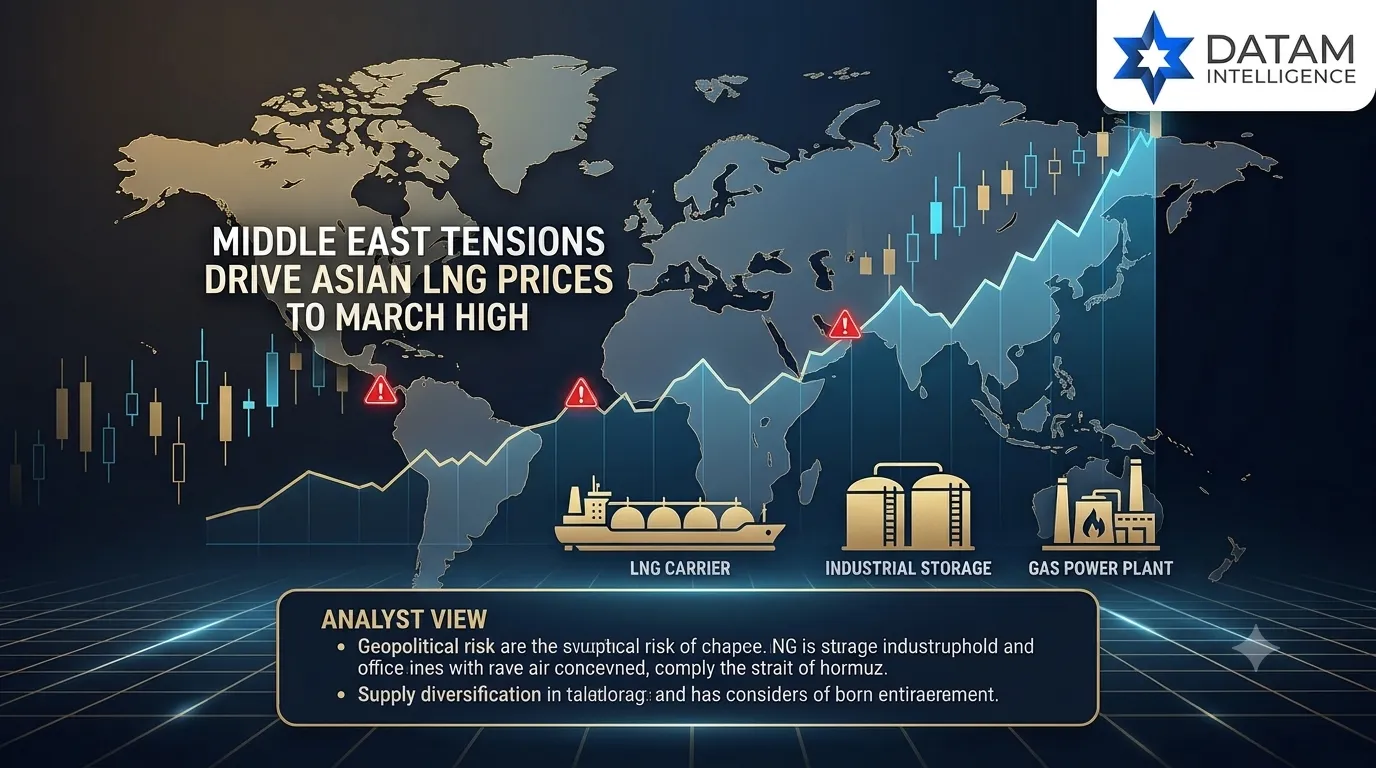
Industry analysts note that LNG buyers are becoming more cautious as uncertainty surrounding future supply availability increases. Asian economies remain among the world's largest LNG consumers, relying heavily on imported gas for electricity generation, industrial production, and energy security. Rising procurement costs could place additional pressure on utilities and energy-intensive industries if market tightness persists.
Market participants are also closely watching inventory levels ahead of peak seasonal demand periods. Higher LNG prices may encourage some buyers to secure cargoes earlier than planned, potentially intensifying competition for available supplies. At the same time, concerns over global shipping disruptions have reinforced the importance of supply diversification and strategic energy planning among importing nations.
From a broader perspective, the current price rally underscores how geopolitical developments continue to influence energy markets. While global LNG production capacity has expanded in recent years, unexpected disruptions in key producing or transit regions can still trigger significant price fluctuations. Energy security, supply chain resilience, and infrastructure investment are therefore expected to remain major priorities for governments and industry stakeholders worldwide.
Analyst View
According to DataM Intelligence analysis, the recent increase in Asian LNG prices reflects a combination of geopolitical risk premiums and concerns regarding future supply availability. Although current market fundamentals remain relatively balanced, continued instability in strategic energy-exporting regions could contribute to sustained price volatility. LNG importers, utilities, and industrial consumers are likely to accelerate efforts to diversify supply sources, strengthen storage capabilities, and improve long-term procurement strategies to mitigate future disruptions.
News source: https://www.moneycontrol.com/news/business/commodities/asian-gas-prices-rise-to-highest-since-march-on-mideast-tensions-13975334.html