


Ulcerative Colitis Treatment Market Overview
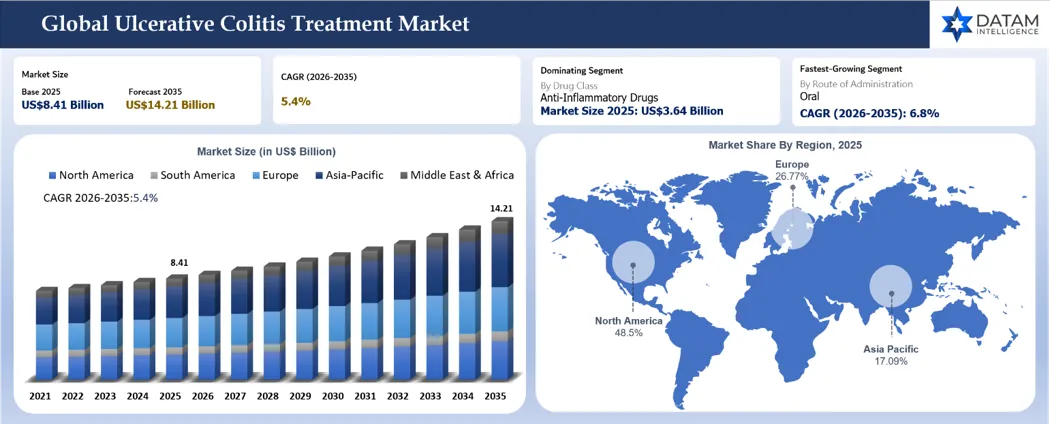
The global ulcerative colitis treatment market reached US$8.41 billion in 2025 and is expected to reach US$14.21 billion by 2035, growing with a CAGR of 5.4%during the forecast period 2026-2035.
Market growth is moving beyond rising diagnosis rates toward greater treatment intensity, earlier use of advanced therapies and longer-term maintenance treatment. 5-ASA drugs and corticosteroids remain widely used because of established clinical familiarity, affordability and broad availability across oral and rectal formulations. However, incomplete response, steroid dependence, relapse and cumulative safety concerns create clear treatment-escalation opportunities for biologics and targeted small-molecule therapies.
The approvals and wider use of RINVOQ, SKYRIZI, TREMFYA, OMVOH, VELSIPITY, ZEPOSIA and ENTYVIO have expanded the advanced-treatment landscape for moderate-to-severe ulcerative colitis. Adoption is being supported by improvements in clinical remission, endoscopic response, mucosal healing and steroid-free disease control across biologic-naïve and treatment-experienced populations. Competitive differentiation increasingly depends on mechanism of action, speed of response, durability, safety, route of administration, dosing convenience and positioning within treatment sequencing.
The next competitive inflection point will involve therapies capable of delivering deeper and more durable remission while reducing systemic immunosuppression and treatment failure. Anti-TL1A antibodies, next-generation IL-23 therapies, gut-selective agents, precision biomarkers and microbiome-directed approaches could broaden future treatment options. Commercial leadership will depend on sustained clinical and endoscopic remission, corticosteroid-free control, reduced hospitalization and colectomy risk, manageable long-term safety, patient-reported outcomes and payer evidence demonstrating improved quality of life and lower overall healthcare utilization.
Ulcerative Colitis Treatment Market Key Takeaways
- Sustained Market Expansion Through 2035: The global ulcerative colitis treatment market was valued at approximately US$8.41 billion in 2025 and is projected to reach approximately US$14.21 billion by 2035, registering a CAGR of 5.4% during 2026-2035.
- Anti-Inflammatory Drugs Maintain Market Leadership: Anti-inflammatory drugs generated an estimated US$3.64 billion in 2025, supported by established use of 5-ASA therapies, corticosteroids and other first-line treatments across mild-to-moderate ulcerative colitis.
- Oral Therapies Emerge as a Key Growth Engine: Oral treatments are projected to register an estimated 6.8% CAGR during 2026-2035, driven by increasing adoption of JAK inhibitors, S1P receptor modulators and other convenient targeted small-molecule therapies.
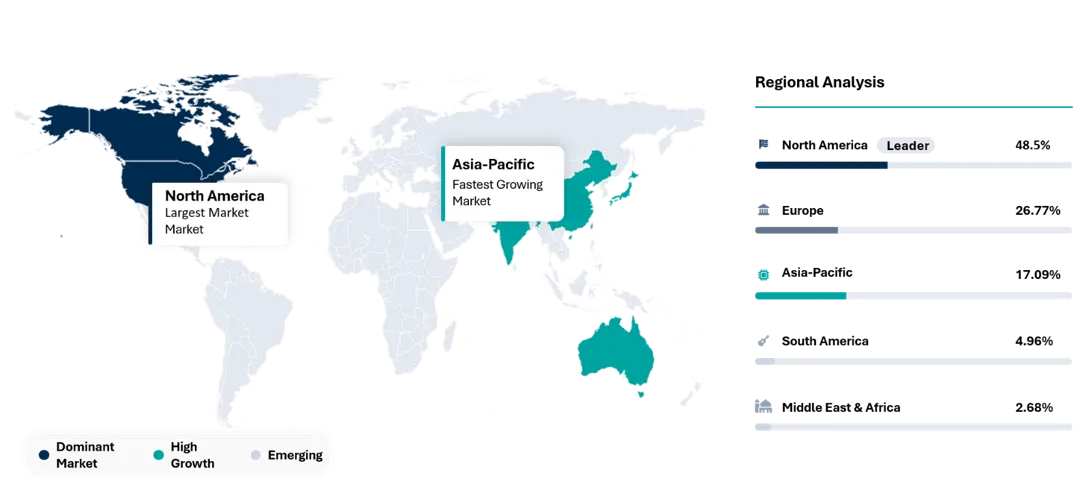
- North America Maintains Regional Dominance: North America accounted for approximately 48.5% of the market, equivalent to around US$4.08 billion in 2025, supported by high diagnosis rates, advanced biologic adoption, specialist infrastructure and strong pharmaceutical presence.
- Precision Treatment Reshapes Competitive Strategy: Future leadership will increasingly depend on steroid-free remission, mucosal healing, durable response, pediatric expansion and treatment convenience, while IL-23 inhibitors, anti-TL1A therapies and next-generation targeted agents reshape treatment sequencing.
Ulcerative Colitis Treatment Market Scope
| Metrics | Details | |
| 2025 Market Size | US$8.41 Billion | |
| 2035 Projected Market Size | US$14.21 Billion | |
| CAGR (2026-2035) | 5.4% | |
| Largest Market | North America | |
| Fastest Growing Market | Asia-Pacific | |
| By Disease Type | Left-sided Colitis, Proctosigmoiditis, Ulcerative Proctitis, Pancolitis or Universal Colitis, Fulminant Colitis | |
| By Drug Class | Anti-Inflammatory Drugs, Immunosuppressant, Anti-TNF Biologics, Calcineurin Inhibitors and Others | |
| By Route of Administration | Oral, Intravenous, Intramuscular | |
| By Distribution Channel | Retail Pharmacies, Hospital Pharmacies, Online Pharmacies | |
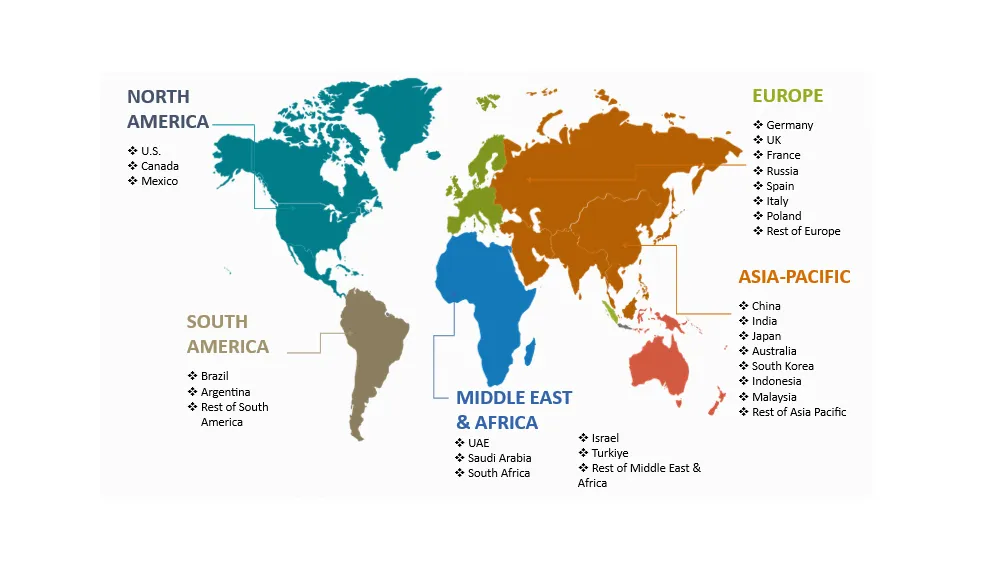
| By Region | North America | U.S., Canada, Mexico |
| Europe | Germany, UK, France, Spain, Italy, Poland | |
| Asia-Pacific | China, India, Japan, Australia, South Korea, Indonesia, Malaysia, Singapore, Vietnam, Thailand, Philippines, Taiwan | |
| South America | Brazil, Argentina | |
| Middle East and Africa | Israel, Saudi Arabia, UAE, Turkiye, South Africa, Nigeria | |
| Report Insights Covered | Competitive Landscape Analysis, Company Profile Analysis, Market Size, Share, Growth | |
Ulcerative Colitis Treatment Market White Space & Investment Opportunities
- Earlier Diagnosis and Objective Disease Assessment: Invest in non-invasive biomarkers, stool-based testing, intestinal ultrasound, digital symptom monitoring and AI-supported risk stratification to identify disease activity earlier, predict progression and detect patients at risk of hospitalization, steroid dependence or colectomy.
- Treatments for Mild-to-Moderate but Persistently Active Disease: Develop therapies for patients who remain symptomatic despite 5-ASA treatment but do not yet qualify for advanced biologics or targeted systemic therapies. This group represents an opportunity for safer oral, locally acting and steroid-sparing treatment options.
- Next-Generation Non-TNF and Precision Therapies: Advance IL-23, anti-TL1A, gut-selective, microbiome-directed and other precision immunology approaches capable of delivering deeper remission with improved safety and lower systemic immunosuppression.
- Durable Steroid-Free Remission: Invest in therapies that maintain long-term clinical and endoscopic remission without repeated corticosteroid exposure. Durable steroid-free disease control remains a major unmet need because many patients experience relapse, treatment switching or secondary loss of response.
Ulcerative Colitis Treatment Market Buyer Decision-Making Criteria
Major Buyer Decision-Making Criteria:
- Clinical Remission and Durability of Response
- Endoscopic Improvement and Mucosal Healing
- Corticosteroid-Free Remission
- Speed of Treatment Response
- Prevention of Relapse and Disease Progression
- Effectiveness Across Disease Severity Levels
- Effectiveness in Biologic-Naïve and Biologic-Experienced Patients
- Safety, Tolerability and Long-Term Clinical Evidence
- Suitability Across Age Groups and Treatment Lines
- Route of Administration, Dosing Convenience and Treatment Burden
- Monitoring Requirements and Drug Interaction Risk
- Reduction in Hospitalization and Colectomy Risk
- Improvement in Quality of Life and Daily Functioning
- Pricing, Reimbursement and Healthcare Budget Impact
- Guideline Positioning, Physician Experience and Patient-Support Services
Ulcerative Colitis Treatment Market BCG Matrix: Company Evaluation
STAR
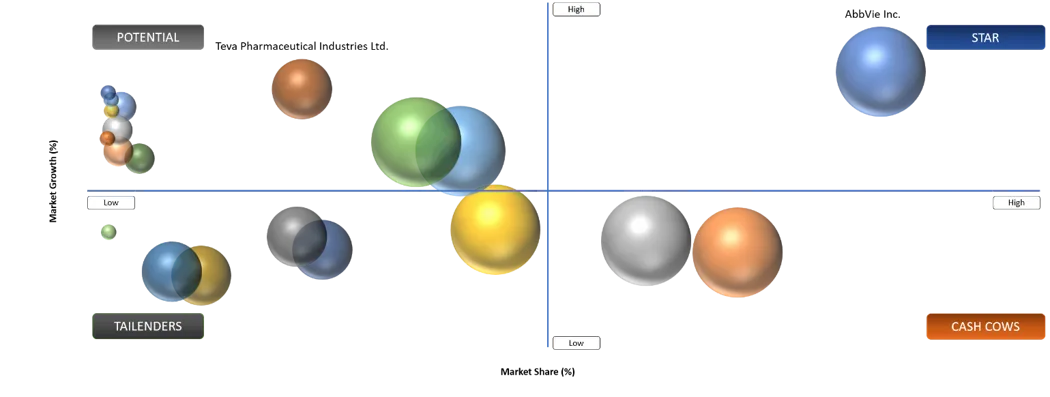
AbbVie Inc., Johnson & Johnson, Takeda Pharmaceutical Company Limited and Pfizer Inc. are positioned in the Star category based on their approved advanced therapies, established inflammatory bowel disease franchises, broad commercialization infrastructure and continued investment in ulcerative colitis treatment expansion. AbbVie maintains a strong position through RINVOQ and SKYRIZI, supported by continuing long-term clinical and real-world evidence generation across ulcerative colitis and Crohn’s disease. Johnson & Johnson strengthened its position through TREMFYA, with 2026 QUASAR long-term data demonstrating sustained clinical, endoscopic and histologic outcomes through three years in patients with moderately to severely active ulcerative colitis.
Takeda remains highly influential through ENTYVIO, a gut-selective biologic with an established adult ulcerative colitis franchise and continued pediatric expansion. In June 2026, the U.S. FDA accepted Takeda’s supplemental application for intravenous ENTYVIO in patients aged two years and older, following Phase III KEPLER results in which 47.3% of randomized pediatric patients achieved clinical remission at Week 54. Pfizer reinforces advanced oral treatment competition through VELSIPITY and continues to expand its immunology pipeline, including Phase II development of ritlecitinib in ulcerative colitis. Future Star leadership will depend on treatment sequencing, pediatric expansion, convenient administration, durable steroid-free remission, mucosal healing, long-term safety, payer access and real-world treatment persistence.
POTENTIAL
Teva Pharmaceutical Industries Ltd., Ferring Pharmaceuticals, Bausch Health Companies Inc. and Viatris Inc. are positioned in the Potential category based on their pipeline opportunities, established conventional treatment portfolios, biosimilar participation and ability to strengthen their positions as ulcerative colitis treatment increasingly shifts toward targeted biologic and oral advanced therapies. Teva represents the strongest pipeline-led opportunity through duvakitug, an anti-TL1A monoclonal antibody being developed with Sanofi. Positive Phase IIb maintenance results reported in February 2026 demonstrated durable clinical and endoscopic efficacy, while Phase III programs are ongoing. Teva also secured a $400billion strategic funding agreement with Blackstone Life Sciences in March 2026 to support duvakitug development.
Ferring maintains an established gastroenterology presence through PENTASA and CORTIMENT MMX for mild-to-moderate ulcerative colitis, while Bausch Health, through Salix, participates through APRISO, COLAZAL and UCERIS. Viatris participates through HULIO, an adalimumab biosimilar indicated for moderately to severely active ulcerative colitis in adults. Compared with the Star companies, these players currently have less differentiated exposure to newer IL-23, JAK, S1P and gut-selective advanced treatment classes, although Teva’s anti-TL1A program could materially alter competitive positioning following successful Phase III development and regulatory approval. Progression toward the Star category will depend on differentiated clinical outcomes, regulatory approvals, portfolio modernization, biosimilar penetration, geographic expansion, payer acceptance, treatment persistence and the ability to compete with increasingly effective targeted therapies.
Ulcerative Colitis Treatment Market Dynamics
Driver Impact Analysis
| Driver | Market Growth Impact (%) | Demand Concentration | Impacted Use Case | Strategic Impact |
| Expansion of Advanced Biologic and Targeted Therapy Options | 14.8% | High across North America and Europe; increasing across Asia-Pacific | Treatment of moderate-to-severe and refractory ulcerative colitis | Expands treatment choice beyond conventional therapy and accelerates adoption of IL-23, JAK, S1P and gut-selective biologics |
| Expansion of Pediatric Treatment Eligibility | 12.6% | High in the U.S. and Europe; gradually expanding in Japan and other developed markets | Treatment of children and adolescents with moderate-to-severe ulcerative colitis | Broadens the addressable treated population and creates lifecycle-expansion opportunities for established biologics |
| Increasing Use of IL-23-Targeted Therapies | 11.7% | Strongest in the U.S. and major European markets | Biologic-naïve and biologic-experienced moderate-to-severe patients | Strengthens competition around durable clinical remission, endoscopic response and mucosal healing |
Driver: Expansion of Advanced Biologic and Targeted Therapy Options
Expansion of advanced biologic and targeted therapy options is a major growth driver for the ulcerative colitis treatment market, particularly among patients with moderate-to-severe or refractory disease. Treatment pathways are increasingly moving beyond corticosteroids, 5-ASA drugs and conventional immunomodulators toward anti-TNF agents, integrin inhibitors, IL-12/23 and IL-23 inhibitors, JAK inhibitors and S1P receptor modulators. These therapies offer improved clinical remission, endoscopic response, mucosal healing and steroid-sparing potential. Growing availability of multiple mechanisms also supports personalized treatment sequencing after treatment failure. Continued regulatory approvals, pediatric expansion, convenient oral options and long-term efficacy data are accelerating specialist adoption and strengthening competition.
Restraint Impact Analysis
| Restraint | Drag on Market Growth (%) | Primary Impact Area | Impacted Use Case | Strategic Impact |
Safety Warnings and Monitoring Requirements for JAK Inhibitors and Other Advanced Therapies | 13.2% | Prescribing confidence, patient eligibility and long-term treatment persistence | Moderate-to-severe ulcerative colitis patients receiving JAK inhibitors or other systemic therapies, particularly those with infection, cardiovascular, malignancy or thromboembolic risks | Narrows eligible patient populations and increases screening, laboratory monitoring and pharmacovigilance requirements |
High Cost of Biologic and Targeted Therapies | 11.6% | Reimbursement, affordability and treatment access | Patients requiring long-term biologic, IL-23, integrin, JAK or S1P-targeted treatment | Limits adoption in cost-sensitive markets, increases payer restrictions and strengthens pressure for biosimilar and lower-cost alternatives |
Loss of Response and Treatment Discontinuation in Long-Term Therapy | 9.8% | Treatment persistence, sequencing and disease control | Patients experiencing primary non-response, secondary loss of response or intolerance to biologics and targeted therapies | Drives repeated switching between therapies, increases treatment complexity and raises the need for better biomarkers and personalized treatment selection |
Restraint: Safety Warnings and Monitoring Requirements for JAK Inhibitors and Other Advanced Therapies
Safety warnings and monitoring requirements for JAK inhibitors and other advanced therapies remain an important restraint in the ulcerative colitis treatment market. JAK inhibitors can require careful patient selection because of risks including serious infections, malignancy, major cardiovascular events and thrombosis, while biologics may require screening for tuberculosis, hepatitis and other infections before treatment initiation. These requirements increase laboratory testing, physician oversight and pharmacovigilance throughout therapy. Patients with advanced age, cardiovascular risk factors, recurrent infections or prior malignancy may face additional prescribing restrictions. Consequently, safety considerations can delay treatment initiation, reduce eligible populations and encourage physicians to prioritize therapies with more favorable risk-benefit profiles.
Ulcerative Colitis Treatment Market Geographical Penetration
U.S. Ulcerative Colitis Treatment Market Landscape
The U.S. ulcerative colitis treatment market is characterized by adoption of advanced biologics and targeted oral therapies, supported by specialist access, insurance coverage and frequent regulatory activity. Treatment has expanded beyond conventional aminosalicylates and corticosteroids toward anti-TNF agents, integrin inhibitors, IL-23 therapies, JAK inhibitors and S1P receptor modulators. In August 2026, the FDA approved STELARA for moderately to severely active ulcerative colitis in pediatric patients aged two years and older, strengthening pediatric treatment options. Competition remains intense among AbbVie, Johnson & Johnson, Takeda, Pfizer and Eli Lilly, with differentiation increasingly centered on durable remission, mucosal healing, safety and convenient administration.
Japan Ulcerative Colitis Treatment Market Outlook
Japan’s ulcerative colitis treatment market is supported by a diagnosed patient base, universal health coverage and participation from domestic and multinational pharmaceutical companies. Clinical practice increasingly incorporates biologics and targeted small molecules for moderate-to-severe disease, while established 5-ASA therapies remain important in earlier treatment lines. Takeda is a domestic participant through ENTYVIO. In July 2026, the company applied in Japan to shorten intravenous ENTYVIO maintenance dosing from every eight weeks to every four weeks for adults with reduced response and to expand use to pediatric ulcerative colitis patients. Competition is increasingly focused on treatment durability, safety, pediatric access and reimbursement.
Ulcerative Colitis Treatment Market Competitive Landscape
- The global Ulcerative Colitis Treatment Market is led by AbbVie Inc., Johnson & Johnson, Takeda Pharmaceutical Company Limited, Pfizer Inc., Eli Lilly and Company and Bristol Myers Squibb through differentiated advanced therapies including RINVOQ, SKYRIZI, TREMFYA, STELARA, ENTYVIO, VELSIPITY, XELJANZ, OMVOH and ZEPOSIA. AbbVie continues to strengthen its gastroenterology franchise through long-term clinical evidence for risankizumab and upadacitinib, while Johnson & Johnson is expanding IL-23-based competition through TREMFYA and lifecycle development of STELARA. Takeda maintains a strong gut-selective biologic position through ENTYVIO, including ongoing pediatric expansion, while Pfizer competes through oral S1P and JAK inhibition with VELSIPITY and XELJANZ. Eli Lilly reinforces IL-23 competition through OMVOH, which has demonstrated durable ulcerative colitis disease-control outcomes through four years.
- Competitive differentiation is increasingly shifting toward IL-23 inhibition, gut-selective biologics, oral targeted therapies, anti-TL1A mechanisms, durable steroid-free remission, mucosal healing and convenient maintenance dosing. Teva Pharmaceutical Industries Ltd. and Sanofi are emerging as important pipeline competitors through duvakitug, an anti-TL1A monoclonal antibody currently in Phase III development for moderately to severely active ulcerative colitis, potentially introducing another differentiated mechanism into treatment sequencing. Ferring Pharmaceuticals and Bausch Health Companies Inc. maintain established positions through conventional gastroenterology therapies, while Viatris Inc. supports treatment access through biosimilars and lower-cost therapeutic alternatives. Market leadership will increasingly depend on sustained clinical and endoscopic remission, corticosteroid-free disease control, pediatric expansion, long-term safety, payer reimbursement, treatment persistence, biosimilar pressure and geographic commercialization.
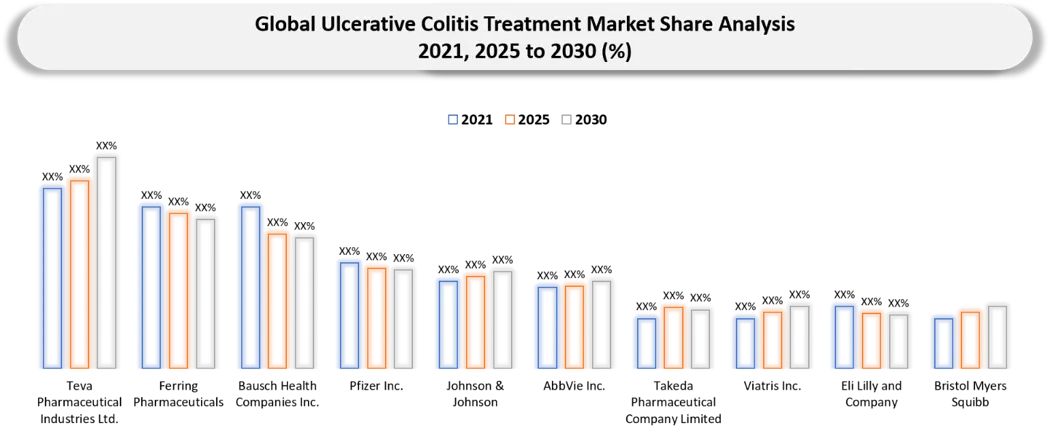
Key Companies of Ulcerative Colitis Treatment Market
- Teva Pharmaceutical Industries Ltd. (Israel)
- Ferring Pharmaceuticals (Switzerland)
- Bausch Health Companies Inc. (Canada)
- Pfizer Inc. (U.S.)
- Johnson & Johnson (U.S.)
- AbbVie Inc. (U.S.)
- Takeda Pharmaceutical Company Limited (Japan)
- Viatris Inc. (U.S.)
- Eli Lilly and Company (U.S.)
- Bristol Myers Squibb (U.S.)
Ulcerative Colitis Treatment Market Recent Developments
- August 2026: The U.S. FDA approved Johnson & Johnson’s STELARA (ustekinumab) for adults and pediatric patients aged two years and older with moderately to severely active ulcerative colitis, expanding advanced biologic treatment options for younger patients.
- July 2026: Takeda Pharmaceutical Company Limited submitted an application in Japan to expand ENTYVIO (vedolizumab) to pediatric patients with moderate-to-severe ulcerative colitis and to allow four-week intravenous maintenance dosing for adults experiencing reduced effectiveness with the standard eight-week interval.
- July 2026: Teva Pharmaceutical Industries confirmed that recruitment remained on track for the Phase III duvakitug program in ulcerative colitis, advancing the anti-TL1A therapy being jointly developed with Sanofi toward potential regulatory registration.
- June 2026: The European Medicines Agency’s CHMP adopted a positive opinion for STELARA to treat moderately to severely active ulcerative colitis in pediatric patients aged two years and older who had an inadequate response to or were intolerant of conventional or biologic therapy.
What DATAM Uniquely Provides
- In-depth segmentation of the Ulcerative Colitis Treatment Market by disease type, drug class, route of administration, age group, gender, disease severity, treatment modality, disease duration, treatment setting, distribution channel and region.
- Competitive analysis of leading ulcerative colitis companies covering clinical remission, endoscopic improvement, mucosal healing, corticosteroid-free remission, response durability, relapse prevention, safety, mechanism of action, dosing convenience, pipeline maturity and commercialization strategy.
- Comprehensive assessment of diagnosed and treatment-eligible populations, moderate-to-severe patients, refractory populations, biologic-experienced and biologic-naïve patients, prior-treatment status, disease extent, disease duration, hospitalization risk, colectomy risk, comorbidities, unmet clinical needs and regional treatment-access dynamics.
- Actionable intelligence on pharmaceutical pricing, reimbursement, regulatory pathways, treatment-response assessment, therapy sequencing, patient-support programs, Market -access barriers, licensing activity, strategic partnerships, biosimilar competition and investment opportunities.
- Analyst forecasts highlighting high-growth drug classes, commercially attractive patient populations, regional expansion opportunities and emerging competitive threats across 5-ASA drugs, corticosteroids, immunomodulators, anti-TNF therapies, integrin inhibitors, IL-12/23 and IL-23 inhibitors, JAK inhibitors, S1P receptor modulators and emerging anti-TL1A therapies.



























































