


Real Estate Market Overview
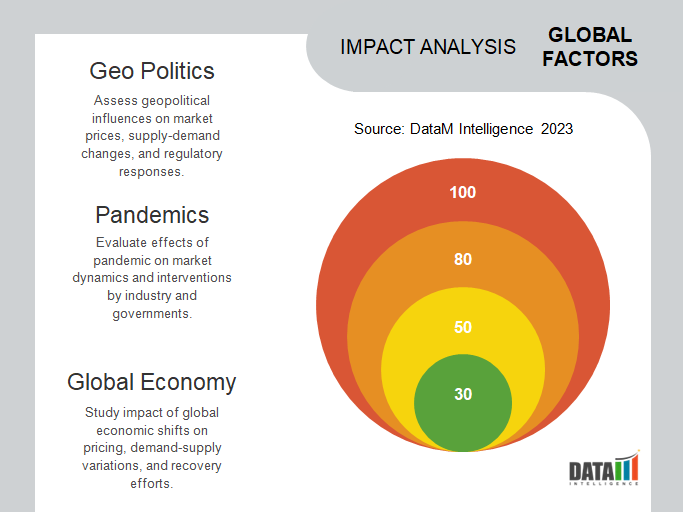
Global Real Estate Market reached USD 32,557.5 Billion in 2025 and is expected to reach USD 44,880.6 Billion by 2033, growing with a CAGR of 4.1% during the forecast period 2026-2033. The incorporation of artificial intelligence (AI) and Internet of Things (IoT) technology, which provides a centralized platform for automating numerous building activities such as lighting, security systems and energy management, is positively impacting market growth.
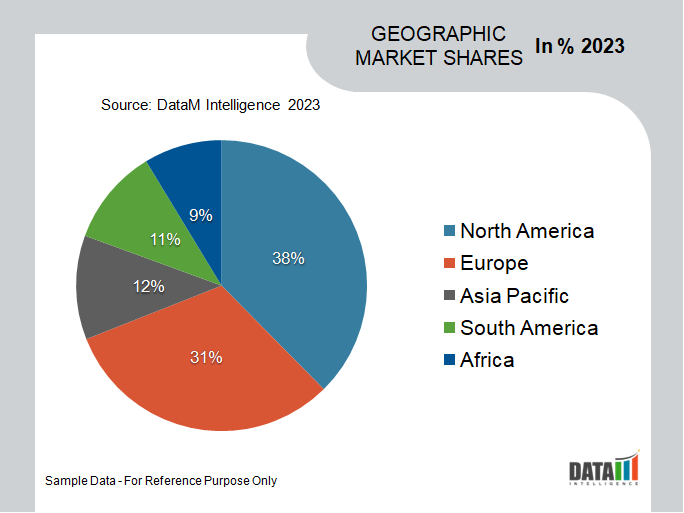
Furthermore, increased demand for contemporary and trendy office spaces, as well as a growing trend of urban and semi-urban lodging, are driving market expansion. In 2022, North America is expected to account for over 40% of the global real estate market. Several developing firms are establishing themselves in the real estate market in U.S.
For example, Facilio, a New York-based property technology enterprise, has raised USD 35 million in its most recent fundraising round in order to expand and improve its technology. The investment allow the company to extend its sales and marketing efforts, allowing more businesses to achieve success through a predictive, connected real estate operations model.
Real Estate Market Scope
| Metrics | Details |
| CAGR | 4.1% |
| Size Available for Years | 2025-2033 |
| Forecast Period | 2026-2033 |
| Data Availability | Value (US$) |
| Segments Covered | Property, Type, Business, Mode and Region |
| Regions Covered | North America, Europe, Asia-Pacific, South America and Middle East & Africa |
| Fastest Growing Region | Asia-Pacific |
| Largest Region | Asia-Pacific |
| Report Insights Covered | Competitive Landscape Analysis, Company Profile Analysis, Market Size, Share, Growth, Demand, Recent Developments, Mergers and Acquisitions, New Property Launches, Growth Strategies, Revenue Analysis, Porter’s Analysis, Pricing Analysis, Regulatory Analysis, Supply-Chain Analysis and Other key Insights. |
Real Estate Market Dynamics
The Rising Government Investments
Various government measures in various nations are likely to assist the growth of the global real estate sector. Several initiatives have been made by the Government of India, in partnership with the governments of several states, to promote development in the sector. The Smart City Project, which aspires to build 100 smart cities, provides an opportunity for real estate.
The Reserve Bank of India (RBI) announced in October 2021 that the benchmark rate of interest would remain at 4%, providing a significant boost to the country's real estate sector. Low mortgage interest rates are expected to increase housing demand and raise sales by 35-40% over the 2021 holiday season. The measures taken will have a positive effect on market growth.
The Rising Search for Homes and Online Real Estate Services
Potential clients began to increase their house search and purchase activity, encouraging the real estate market's growth. According to the National Association of Realtors, waiting sales in U.S. metro regions were up about 30% by August 2020, after falling more than 30% in April 2020. Furthermore, the internet's effect has raised customer awareness of online real estate services.
Online real estate services allow buyers and renters to explore houses from the comfort of their own homes in an easy and time-efficient approach. To acquire market share, key firms are providing various services such as live-streaming rooms. According to Alibaba, more than 5,000 real estate brokers from over 100 cities in China have embraced the live-streaming rooms method, allowing homebuyers to view homes and make deals of their own homes.
Economic Uncertainty and Fluctuations in Interest Rate
Economic risks, such as recessions, changes in GDP growth and international trade conflicts, can all have an impact on the real estate market. During uncertain economic times, consumer confidence and expenditure declined, resulting in lower property demand and investment. Interest rate changes can have a big impact on the real estate market.
The price of monthly mortgage payments is affected by interest rates. A period of high interest rates will raise the cost of mortgage payments and reduce demand for home purchases. Renting is more attractive than owning due to high interest rates. If homeowners with large variable mortgages, interest rates have a greater impact. Extremely low interest rates, on the other hand, can cause asset bubbles and instability in the housing market.
Real Estate Market Segment Analysis
The global real estate market is segmented based on property, type, business, mode and region.
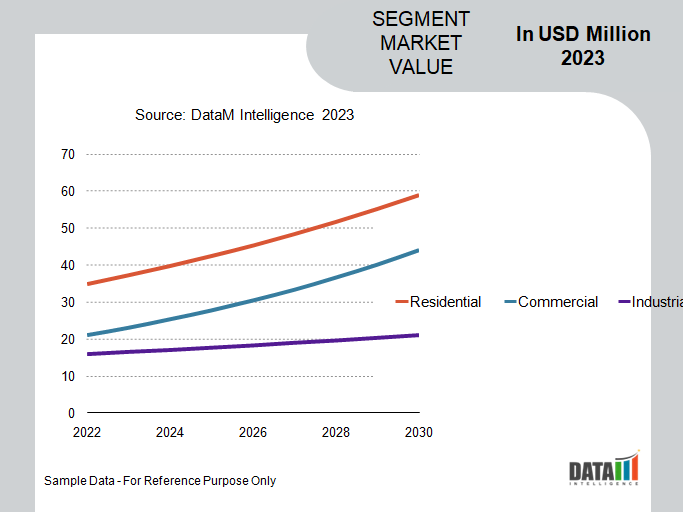
The Inclination Towards Homeownership drives Residential Property Growth
During the forecast period, residential property is expected to hold around 33.4% of the global real estate market. The millennial generation has been driving the growth, as they have been more interested in homeownership in recent years. According to Apartment List's Homeownership Study, the homeownership percentage among millennials has risen from 40% in 2020 to 47.9% in 2021.
Residential real estate has remained an appealing financial commodity for both domestic and international investors. The chance for capital appreciation and rental income, particularly in premium locations, buyers' enthusiasm. There was a growing interest in environmentally friendly and sustainable residential properties. Buyers were becoming more interested in residences with energy-efficient features and green certifications.
Global Real Estate Market Geographical Penetration
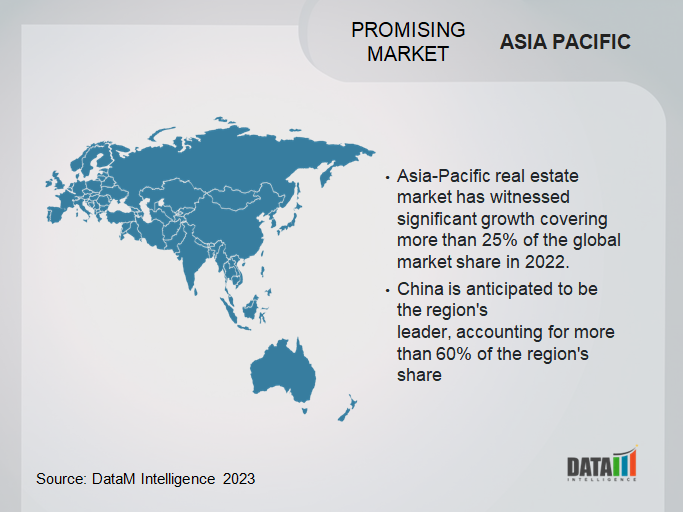
The Rising Investments in Asia-Pacific
Asia-Pacific real estate market has witnessed significant growth covering more than 25% of the global market share in 2022. China is anticipated to be the region's leader, accounting for more than 60% of the region's share. Shanghai is actively promoting technology sectors, which is driving the high need for Business Parks. Landlords should actively pursue tenant rebalancing, with a concentration on industries with long-term development prospects.
The growing number of tourists in developing nations such as India, the Philippines, Indonesia, Thailand and Vietnam is expected to promote regional market growth. In Australia, landlords in regional malls are devoting up to 40% of Gross Lettable Area to experiential retail, childcare and innovative facilities in order to capitalize on localised shopping, reflecting the future of retail as an enhanced community role.
Furthermore, according to a Colliers analysis, investments in the commercial office sector in India increased 53% from the same time last year between January-September 2022. Overall, overall investments in Indian real estate reached US$3.6 billion from January to September 2022, an increase of 18% over the same period previous year. Office sector investments accounted for nearly half of total investments.
Major Key Players
The major global players include American Tower Corporation, Aston Pearl Real Estate Broker, Ayala Land Inc. (Ayala Corporation), Cbre Group Inc., Colliers International, Gecina Inc., Jones Lang Lasalle Incorporated, Prologis Inc., Reliance Relocation Services and Simon Property Group Inc..
Key Developments
- In 2026, major global real estate markets continued moderate recovery following interest rate adjustments by central banks, with residential property sales stabilizing in key geographies such as the United States, Europe, and parts of Asia, supported by easing mortgage rates and improving buyer confidence.
- In 2026, demand for flexible workspaces and mixed‑use developments remained strong as hybrid and remote work models persisted, prompting developers to repurpose traditional office spaces into flexible, amenity‑rich environments.
- In early 2026, institutional and private investors increased allocations toward logistics, industrial, and data center real estate, driven by sustained e‑commerce growth, cloud computing expansion, and robust demand for storage and fulfillment facilities.
- In 2025, housing markets in several countries saw price corrections and inventory build‑ups, especially in high‑cost coastal cities, as affordability challenges pushed buyers to more affordable suburban and secondary locations.
- In 2025, investment activity in sustainable and green real estate increased significantly, with developers and funds prioritizing energy‑efficient buildings, ESG‑aligned developments, and properties with strong environmental certifications to meet tenant and investor demand.
- In 2025, rising interest rates in many markets impacted commercial office leasing, leading to increased vacancy rates and downward rental pressure, particularly in traditional central business districts (CBDs).
- In 2025, the industrial and logistics segment emerged as a sector outperformer, capturing record investment volumes driven by last‑mile distribution facilities and reshoring of manufacturing operations.
- In 2025, digital transformation tools such as proptech platforms, AI‑enabled valuation models, and virtual property tours became increasingly mainstream, enhancing transparency, transaction efficiency, and consumer engagement.
Why Purchase the Report?
- To visualize the global real estate market segmentation based on property, type, business, mode and region, as well as understand key commercial assets and players.
- Identify commercial opportunities by analyzing trends and co-development.
- Excel data sheet with numerous data points of real estate market-level with all segments.
- PDF report consists of a comprehensive analysis after exhaustive qualitative interviews and an in-depth study.
- Product mapping available as Excel consisting of key products of all the major players.
The global real estate market report would provide approximately 69 tables, 65 figures and 201 Pages.
Target Audience 2026
- Manufacturers/ Buyers
- Industry Investors/Investment Bankers
- Research Professionals
- Emerging Companies





























































