


Rare Disease Therapeutics Market Size and Overview
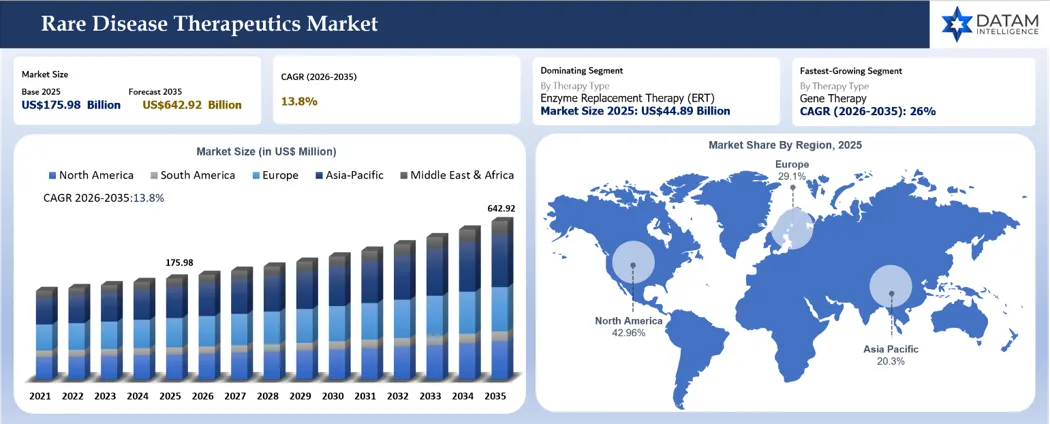
The rare disease therapeutics market reached US$175.98 billion in 2025 and is expected to reach US$642.92 billion by 2035, growing with a CAGR of 13.8% during the forecast period 2026-2035.
Market growth is moving beyond chronic symptom management toward disease-modifying, precision and potentially curative therapies across inherited, neurological, metabolic, hematological and immunological rare diseases. Conventional supportive treatments remain clinically important because of established physician familiarity, broader availability and predictable reimbursement pathways. However, limited efficacy, lifelong treatment burden, progressive disease, irreversible organ damage and substantial unmet need are accelerating adoption of gene therapies, enzyme replacement therapies, monoclonal antibodies, RNA-based therapeutics and targeted small-molecule drugs. Rare disease treatment is increasingly shifting toward genetically defined patient populations where molecular diagnosis, biomarker identification and earlier therapeutic intervention can materially improve clinical outcomes and expand treatment eligibility.
The expanding use of Zolgensma, Evrysdi, Spinraza, Fabhalta, Nexviazyme, Takhzyro, Skyclarys, Qalsody, Elevidys and other targeted rare disease therapies is broadening treatment options across spinal muscular atrophy, Pompe disease, hereditary angioedema, Friedreich ataxia, amyotrophic lateral sclerosis, Duchenne muscular dystrophy and other orphan indications. Adoption is increasingly supported by improvements in genetic diagnosis, newborn screening, specialist referral pathways and regulatory incentives for orphan-drug development. Competitive differentiation increasingly depends on magnitude and durability of clinical benefit, safety, dosing convenience, route of administration, breadth of eligible patient populations, manufacturing scalability, reimbursement, regulatory exclusivity and the ability to demonstrate long-term value relative to high treatment costs.
The next competitive inflection point will involve therapies capable of correcting underlying genetic or molecular defects while reducing dependence on lifelong treatment. Gene editing, next-generation viral and non-viral delivery systems, antisense oligonucleotides, siRNA platforms and precision biologics are expanding the addressable opportunity across ultra-rare disorders. Companies able to integrate patient identification, companion diagnostics, specialized manufacturing, evidence generation and innovative reimbursement models are likely to achieve stronger commercial positioning as the market increasingly shifts from symptom control toward durable disease modification and potentially one-time treatment.
Rare Disease Therapeutics Market Key Takeaways
- The Global Rare Disease Therapeutics Market was valued at approximately US$175.98 billion in 2025 and is projected to reach approximately US$642.92 billion by 2035, registering a CAGR of 13.8% during 2026-2035.
- Enzyme Replacement Therapy (ERT) is estimated to be the dominant therapy segment, accounting for approximately 25.51% of the market in 2025, equivalent to nearly US$44.89 billion, supported by established use across lysosomal storage and inherited metabolic disorders.
- Gene Therapy is expected to be the fastest-growing therapy segment, with an indicative CAGR of approximately 26.0% during 2026-2035, driven by increasing adoption of one-time and potentially disease-modifying treatments for monogenic rare disorders.
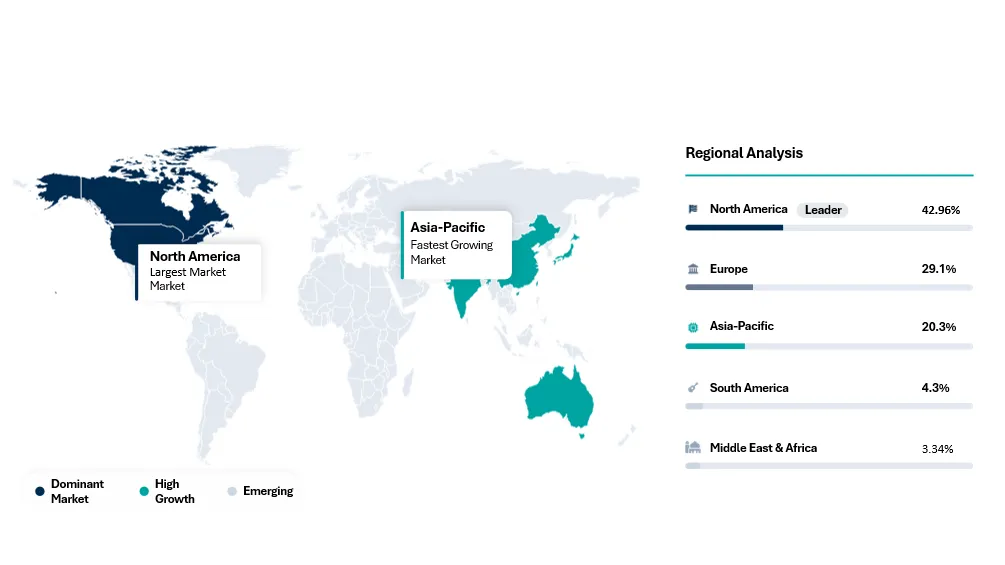
- North America remains the largest regional market, accounting for approximately 42.96% of the global market in 2025, supported by strong orphan-drug incentives, advanced genomic diagnostics, specialist treatment infrastructure and rapid adoption of high-value innovative therapies.
- Market growth is increasingly shifting from symptomatic and chronic disease management toward precision, disease-modifying and potentially curative treatments, supported by advances in gene therapy, RNA-based therapeutics, newborn screening, genomic testing and earlier patient identification.
Rare Disease Therapeutics Market Scope
| Metrics | Details | |
| 2025 Market Size | US$175.98 Billion | |
| 2035 Projected Market Size | US$ 642.92 Billion | |
| CAGR (2026-2035) | 13.8% | |
| Largest Market | North America | |
| Fastest Growing Market | Asia-Pacific | |
| By Therapy Type | Enzyme Replacement Therapy (ERT), Gene Therapy, Monoclonal Antibodies, RNA-based Therapies, Small Molecule Drugs, Others | |
| By Disease Type | Spinal Muscular Atrophy (SMA), Gaucher Disease, Sickle Cell Disease (SCD), Duchenne Muscular Dystrophy (DMD), Fabry Disease, Others | |
| By End User | Hospitals, Specialty Centers, Others | |
| By Region | North America | U.S., Canada, Mexico |
| Europe | Germany, UK, France, Spain, Italy, Poland | |
| Asia-Pacific | China, India, Japan, Australia, South Korea, Indonesia, Malaysia, Singapore, Vietnam, Thailand, Philippines, Taiwan | |
| South America | Brazil, Argentina | |
| Middle East and Africa | Israel, Saudi Arabia, UAE, Turkiye, South Africa, Nigeria | |
| Report Insights Covered | Competitive Landscape Analysis, Company Profile Analysis, Market Size, Share, Growth | |
Rare Disease Therapeutics Market White Space & Investment Opportunities
- Next-Generation Gene and Gene-Editing Therapies: Invest in durable gene replacement, gene editing and vector-engineering platforms targeting monogenic rare disorders with limited or no disease-modifying treatment options. Opportunities are strongest where one-time therapies can replace chronic lifelong treatment.
- Therapies for Ultra-Rare and Underserved Disorders: Expand development toward diseases with extremely small patient populations that remain commercially underpenetrated. Platform-based development, shared manufacturing infrastructure and biomarker-led patient identification can improve the economics of serving ultra-rare indications.
- RNA-Based and Precision-Medicine Platforms: Develop antisense oligonucleotides, siRNA, mRNA and other RNA-based approaches that can selectively correct or suppress disease-causing molecular pathways. Modular RNA platforms offer opportunities for faster adaptation across genetically defined rare diseases.
- Earlier Diagnosis and Treatment Initiation: Invest in newborn screening, genomic testing, digital referral pathways and specialist diagnostic networks that identify eligible patients earlier and reduce diagnostic delays. Earlier diagnosis can materially improve treatment outcomes and expand the addressable treated population.
- Value-Based Access and Reimbursement Models: Build outcomes-linked reimbursement, annuity payment and risk-sharing models for high-cost rare disease therapies. These approaches can reduce payer resistance, improve patient access and support broader commercialization of advanced gene and cell-based treatments.
Rare Disease Therapeutics Market Buyer Decision-Making Criteria
Major Buyer Decision-Making Criteria:
- Clinical Efficacy and Magnitude of Therapeutic Benefit
- Safety and Long-Term Adverse-Event Profile
- Durability of Response and Treatment Persistence
- Disease-Modifying or Curative Potential
- Regulatory Approval and Orphan Drug Designation
- Patient Eligibility and Genetic/Biomarker Requirements
- Treatment Cost, Reimbursement and Payer Coverage
- Route of Administration, Dosing Frequency and Treatment Convenience
Rare Disease Therapeutics Market BCG Matrix: Company Evaluation
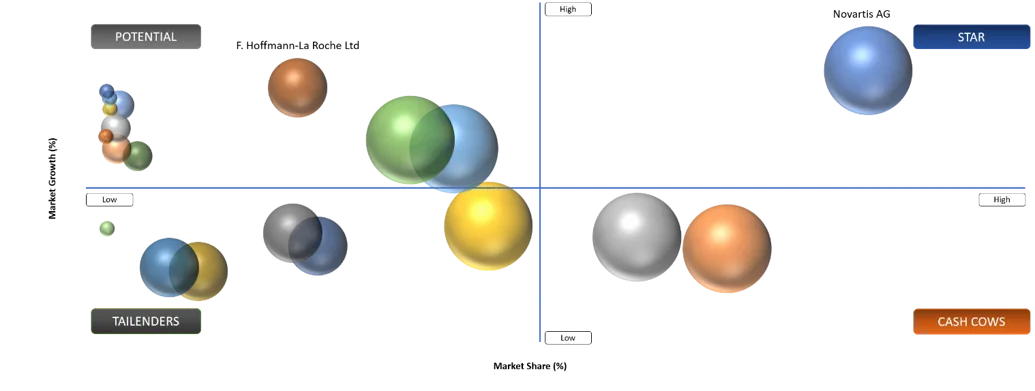
STAR
Novartis AG, Sanofi S.A., Takeda Pharmaceutical Company Limited and Amgen Inc. are positioned in the Star category based on their broad commercial rare-disease portfolios, established global treatment infrastructure, exposure across multiple orphan indications and continued investment in next-generation therapies. Novartis maintains a particularly strong position across genetic and complement-mediated disorders through Zolgensma, Fabhalta and Ilaris. In Q2 2026, Fabhalta generated US$225 million, increasing 88% at constant currency, while the Zolgensma Group generated US$365 million, up 20%, supported by continued expansion in SMA and complement-driven diseases. Sanofi has one of the market’s broadest rare-disease portfolios spanning hemophilia, Pompe disease, Fabry disease, acid sphingomyelinase deficiency and other inherited disorders. In Q1 2026, ALTUVIIIO sales reached €325 million, up 42.2% at CER, while Nexviazyme/Nexviadyme reached €208 million, up 13.3%.
Takeda retains substantial scale across hereditary angioedema, lysosomal storage disorders and other rare conditions. Its rare-disease business reported ¥380.5 billion in revenue, while TAKHZYRO grew 5.9% at CER and had treated approximately 6,700 patients worldwide; LIVTENCITY grew 47.7% at CER. Amgen has strengthened its position following expansion into rare autoimmune and inflammatory diseases through TEPEZZA, KRYSTEXXA, UPLIZNA and TAVNEOS. In Q2 2026, TEPEZZA generated US$576 million, KRYSTEXXA US$400 million and UPLIZNA US$335 million, with UPLIZNA increasing 90% year-on-year. These companies are positioned to maintain leadership through indication expansion, geographic penetration, lifecycle management and continued investment across gene therapy, enzyme replacement, complement inhibition and precision biologics.
POTENTIAL
F. Hoffmann-La Roche Ltd, Biogen Inc., Pfizer Inc. and Sarepta Therapeutics, Inc. are positioned in the Potential category, reflecting significant opportunities to expand their positions through neurological rare diseases, hemophilia, genetic medicines and next-generation precision therapeutics. Roche continues to build around Evrysdi for spinal muscular atrophy; in the first half of 2026, Evrysdi sales reached CHF968 million, increasing 17%, demonstrating continued commercial momentum across the SMA treatment landscape. Biogen retains a differentiated rare-neurology franchise led by SPINRAZA, SKYCLARYS and QALSODY. During the first half of 2026, SKYCLARYS generated US$318.6 million, up 25.3%, supported by continued international expansion, while QALSODY adoption also increased as additional markets launched the therapy.
Pfizer has further expanded its hemophilia position through HYMPAVZI; in June 2026, the FDA expanded the therapy's indication to include patients aged six years and older, including additional hemophilia A and B populations with inhibitors. Sarepta remains strategically important in precision genetic medicine through ELEVIDYS and its exon-skipping Duchenne muscular dystrophy portfolio. In Q2 2026, Sarepta reported US$328.7 million in net product revenue, including US$230.6 million from PMO therapies and US$98.1 million from ELEVIDYS, while continuing to advance siRNA programs in DM1 and FSHD. However, its future position will depend heavily on regulatory execution, ELEVIDYS safety and label management, pipeline diversification and successful translation of its genetic-medicine capabilities beyond Duchenne muscular dystrophy. Across the Potential group, competitive upside will increasingly depend on indication expansion, durable clinical outcomes, regulatory approvals, reimbursement, patient identification and the ability to scale highly specialized treatments globally.
Rare Disease Therapeutics Market Dynamics
Driver Impact Analysis
| Driver | Market Growth Impact (%) | Demand Concentration | Impacted Use Case | Strategic Impact |
Rising Diagnosis Rates and Expansion of Genetic Testing for Rare Diseases | 16.4% | High across genetic centers, specialty hospitals, pediatric centers and reference laboratories | Earlier diagnosis, patient identification and treatment eligibility assessment | Expands the identifiable patient pool, shortens diagnostic journeys and increases treatment initiation for genetically defined rare diseases. |
Growing Adoption of Gene Therapy and Other Disease-Modifying Treatments | 15.1% | High among patients with inherited neurological, hematological and metabolic disorders | Spinal muscular atrophy, Duchenne muscular dystrophy, hemophilia and other monogenic disorders | Shifts treatment from chronic symptom management toward potentially durable or one-time therapies, supporting premium-value treatment adoption and pipeline investment. |
Increasing Regulatory Incentives and Orphan-Drug Development Activity | 13.7% | High among pharmaceutical and biotechnology companies developing therapies for small patient populations | Orphan-drug development, accelerated approvals, indication expansion and precision therapeutics | Reduces development barriers, improves commercial attractiveness of niche indications and accelerates investment in gene, RNA, enzyme-replacement and targeted therapies. |
Driver: Rising Diagnosis Rates and Expansion of Genetic Testing for Rare Diseases
Improved access to next-generation sequencing, whole-exome sequencing, newborn screening and molecular diagnostics is significantly increasing identification of patients with rare genetic disorders. Earlier and more accurate diagnosis reduces prolonged diagnostic journeys and enables faster referral to specialty centers, genetic counseling and disease-specific treatment. This is particularly important for conditions such as spinal muscular atrophy, Duchenne muscular dystrophy, Fabry disease and Gaucher disease, where timely intervention can materially influence outcomes. Expanding genetic-testing infrastructure, greater physician awareness and broader reimbursement are therefore increasing the diagnosed patient pool and supporting sustained demand for targeted rare disease therapeutics.
Restraint Impact Analysis
| Restraint | Drag on Market Growth (%) | Primary Impact Area | Impacted Use Case | Strategic Impact |
High Treatment Costs and Limited Reimbursement Coverage | 15.6% | High across gene therapies, enzyme replacement therapies and ultra-rare disease treatments | Treatment initiation, long-term therapy continuation and access to advanced therapies | Restricts patient access, increases payer scrutiny and delays adoption of high-cost therapies, particularly in markets with limited reimbursement infrastructure. |
Small Patient Populations and Difficulties in Clinical Trial Recruitment | 13.8% | High across ultra-rare genetic, neurological and metabolic disorders | Clinical development, patient enrollment, evidence generation and regulatory submissions | Extends development timelines, increases trial costs and limits the availability of statistically robust clinical evidence for new therapies. |
Delayed Diagnosis and Limited Rare Disease Specialist Infrastructure | 12.5% | High in underserved regions and among patients with complex or poorly recognized rare conditions | Disease identification, specialist referral, treatment eligibility and therapy initiation | Reduces the diagnosed and treatable patient pool, delays therapeutic intervention and limits commercial penetration outside established rare-disease treatment centers. |
Restraint: High Treatment Costs and Limited Reimbursement Coverage
High treatment costs remain a major restraint in the Rare Disease Therapeutics Market, particularly for gene therapies, enzyme replacement therapies and other advanced orphan drugs that often require substantial upfront or lifelong expenditure. Limited reimbursement, complex payer authorization and uncertainty around long-term clinical benefit can delay treatment initiation and restrict patient access. The challenge is particularly significant in countries with fragmented insurance coverage or limited specialist funding. Manufacturers are increasingly required to support value-based agreements, patient-assistance programs and outcomes-linked reimbursement models. Persistent affordability concerns can therefore slow commercial uptake despite strong clinical demand and regulatory approval.
Rare Disease Therapeutics Market Geographical Penetration
U.S. rare disease therapeutics market Landscape
The U.S. represents the most commercially advanced rare disease therapeutics market, supported by a large biotechnology ecosystem, established orphan-drug incentives, specialized treatment centers and rapid adoption of gene, RNA and targeted therapies. Regulatory momentum remains particularly strong: 23 of the FDA’s 46 novel drug approvals in 2025, received orphan-drug designation, highlighting the increasing importance of rare diseases within pharmaceutical innovation.
Market growth is increasingly shifting toward first-in-disease and disease-modifying therapies. In 2026, the FDA approved the first treatments for conditions including Alexander disease and glycogen storage disease type Ia, alongside continued expansion of advanced genetic medicines. Competitive advantage increasingly depends on patient identification, genomic diagnosis, specialist referral networks, manufacturing scalability, reimbursement agreements and the ability to demonstrate durable clinical benefit sufficient to justify premium treatment pricing.
Japan rare disease therapeutics market Outlook
Japan represents a strategically important rare disease therapeutics market within Asia-Pacific, supported by strong universal healthcare infrastructure, formal orphan-drug incentives and an expanding framework for designated intractable diseases. As of April 2026, Japan recognized 348 designated intractable diseases, providing an established pathway for diagnosis, treatment support and medical-expense assistance. Japan's orphan-drug framework generally applies to therapies targeting fewer than 50,000 patients or designated intractable diseases with substantial unmet medical need.
Commercial attractiveness is further supported by incentives including development subsidies of up to 50% of eligible expenses, priority regulatory review and a 10-20% premium in drug pricing for qualifying orphan products. Growth opportunities are strongest across genetic, neurological, metabolic and immunological disorders, while successful commercialization increasingly requires Japan-specific clinical development, specialist-center engagement, patient registries, reimbursement positioning and partnerships with domestic pharmaceutical organizations.
Rare Disease Therapeutics Market Competitive Landscape
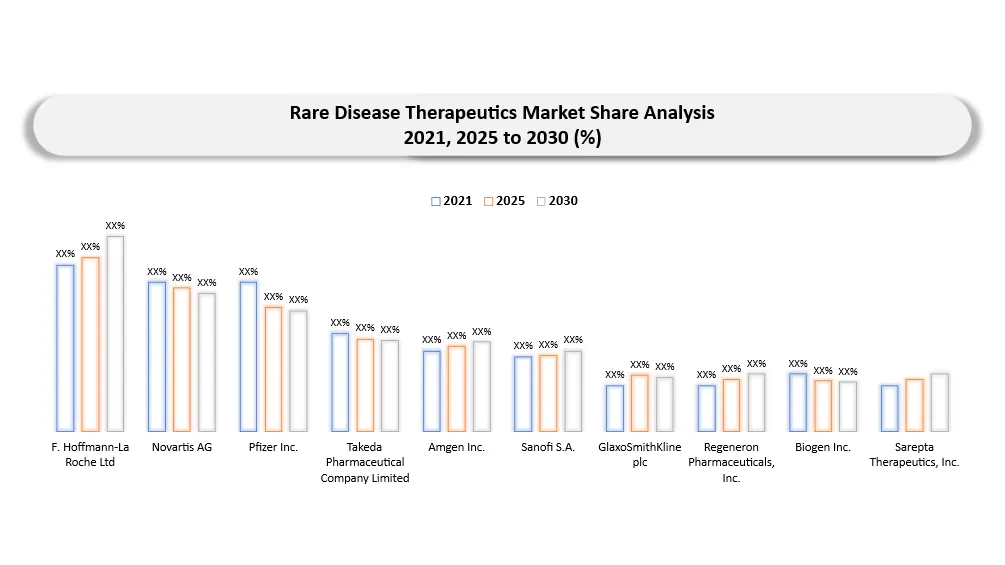
- The Rare Disease Therapeutics Market is characterized by strong competition among large pharmaceutical companies and specialist biotechnology firms focused on orphan diseases, genetic medicines and targeted biologics. Novartis, Sanofi, Takeda and Amgen maintain strong positions through diversified commercial portfolios and broad geographic reach, while Roche, Biogen, Pfizer and Sarepta are strengthening their presence through pipeline expansion and indication extensions. Competitive differentiation increasingly depends on clinical efficacy, durability of response, safety, regulatory exclusivity, reimbursement access and patient identification. Future leadership will be shaped by gene therapy, RNA-based therapeutics, precision medicines, lifecycle management and strategic partnerships that accelerate development and commercialization.
Key Companies in the Rare Disease Therapeutics Market
- F. Hoffmann-La Roche Ltd (Switzerland)
- Novartis AG (Switzerland)
- Pfizer Inc. (United States)
- Takeda Pharmaceutical Company Limited (Japan)
- Amgen Inc. (United States)
- Sanofi S.A. (France)
- GlaxoSmithKline plc (United Kingdom)
- Regeneron Pharmaceuticals, Inc. (United States)
- Biogen Inc. (United States)
- Sarepta Therapeutics, Inc. (United States)
Rare Disease Therapeutics Market Recent Developments
- September 2026: The U.S. FDA approved Zanvastro (zilganersen) for pediatric and adult patients with Alexander disease, making it the first FDA-approved treatment for this rare progressive neurological disorder. The therapy directly targets the underlying disease mechanism associated with abnormal glial fibrillary acidic protein accumulation, marking an important advance in disease-modifying treatment for ultra-rare neurological conditions.
- August 2026: The U.S. FDA granted accelerated approval to Genglycos (pariglasgene brecaparvovec-opnr), developed by Ultragenyx Pharmaceutical, for patients aged eight years and older with glycogen storage disease type Ia (GSDIa). Genglycos became the first FDA-approved therapy for GSDIa and represents a significant commercial milestone for gene therapy in inherited metabolic disorders.
- July 2026: Novartis received European Commission approval for Itvisma (onasemnogene abeparvovec) for patients aged two years and older, including adolescents and adults with 5q spinal muscular atrophy (SMA). The approval made Itvisma the first gene-replacement therapy in the EU covering this broad SMA population and expanded Novartis' gene-therapy franchise across age groups.
What DATAM Uniquely Provides
- In-depth segmentation of the Rare Disease Therapeutics Market by therapy type, disease type, end user and region, with additional analysis of enzyme replacement therapies, gene therapies, monoclonal antibodies, RNA-based therapies, small-molecule drugs and emerging precision-medicine approaches across major orphan diseases.
- Competitive analysis of leading rare disease therapeutics companies covering commercial portfolios, approved indications, mechanism of action, route of administration, clinical efficacy, safety profile, regulatory approvals, orphan-drug designations, reimbursement status, geographic availability, strategic partnerships, licensing activities, pipeline development and commercialization strategies.
- Comprehensive assessment of clinical adoption and treatment opportunities across spinal muscular atrophy, Gaucher disease, sickle cell disease, Duchenne muscular dystrophy, Fabry disease and other rare disorders, including analysis of diagnosis rates, patient identification, treatment eligibility, unmet medical needs, treatment sequencing, access barriers, specialty-care infrastructure and opportunities for next-generation gene, RNA and targeted therapies.




























































