


Oligonucleotide Therapy Market Size and Overview
The oligonucleotide therapy market reached US$10.44 Billion in 2025 and is expected to reach US$57.59 Billion by 2035, growing with a CAGR of 18.6% during the forecast period 2026-2035.
The oligonucleotide therapy market encompasses pharmaceutical products and therapeutic platforms that use short, synthetically produced nucleic acid sequences to modulate gene expression, RNA processing, or protein production for the treatment or prevention of disease. These therapies are designed to bind selectively to specific RNA or nucleic acid targets, enabling precise intervention at the molecular level.
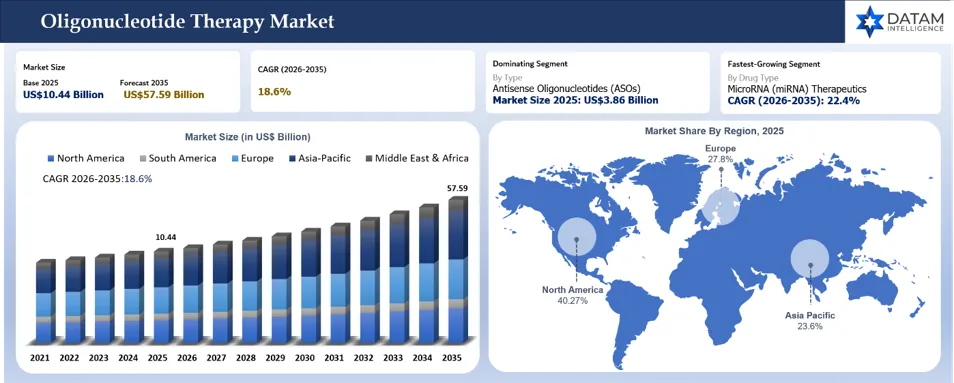
The market includes antisense oligonucleotides (ASOs), small interfering RNA (siRNA), microRNA-based therapeutics, aptamers, ribozymes and other emerging oligonucleotide modalities, including RNA-editing and splice-modulating approaches. Applications span neurological and neurodegenerative disorders, rare genetic diseases, cardiovascular and metabolic diseases, oncology, infectious diseases and kidney disorders.
The market covers commercially approved therapies and clinical-stage oligonucleotide drug candidates, along with associated delivery technologies such as GalNAc conjugates, lipid nanoparticles and antibody-oligonucleotide conjugates. It primarily reflects revenues generated from therapeutic products and excludes oligonucleotides used solely for research, diagnostics, PCR, sequencing, gene synthesis or other non-therapeutic laboratory applications.
Oligonucleotide Therapy Market Key Takeaways
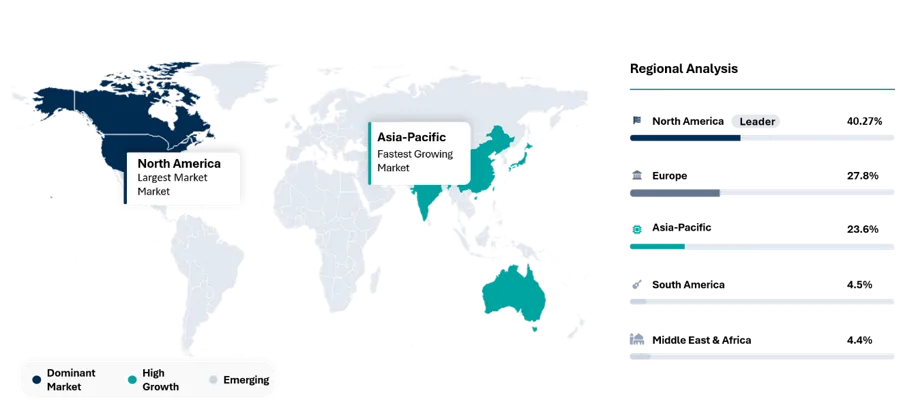
- North America holds the leading regional position, supported by a strong biotechnology ecosystem, multiple approved oligonucleotide therapies, extensive clinical development activity and the presence of leading RNA-focused companies.
- Asia Pacific is emerging as a high-growth region, supported by expanding biotechnology investment, clinical research activity, oligonucleotide manufacturing capabilities and increasing adoption of RNA-targeted therapeutics.
- Small interfering RNA and antisense oligonucleotides remain the most commercially validated modalities, with increasing development across rare diseases, cardiovascular disorders, neurological conditions and metabolic diseases.
- Advancements in GalNAc conjugation, antibody-oligonucleotide conjugates, RNA editing, splice modulation and extrahepatic delivery are expanding the addressable therapeutic scope beyond traditional liver-directed applications.
- Major growth opportunities exist in long-acting therapies, personalized oligonucleotides for ultra-rare diseases, extrahepatic delivery systems and programmable RNA-editing platforms.
Oligonucleotide Therapy Market Scope
| Metrics | Details | |
| 2025 Market Size | US$10.44 Billion | |
| 2035 Projected Market Size | US$57.59 Billion | |
| CAGR (2026-2035) | 18.6% | |
| Largest Market | North America | |
| Fastest Growing Market | Asia-Pacific | |
| By Type | K ATP-Hyperinsulinism, GDH-Hyperinsulinism, GK-Hyperinsulinism, SCHAD-Hyperinsulinism, UCP2-Hyperinsulinism, HNF4A And HNF1A-Hyperinsulinism, MCT1-Hyperinsulinism | |
| By Drug Type | Diazoxide, Octreotide, Nifedipine, Other Drug Types | |
| By Route Of Administration | Oral, Intravenous, Subcutaneous | |
| By Distribution Channel | Hospital Pharmacies, Retail Pharmacies, Online Pharmacies | |
| By Region | North America | U.S., Canada, Mexico |
| Europe | Germany, UK, France, Spain, Italy, Poland | |
| Asia-Pacific | China, India, Japan, Australia, South Korea, Indonesia, Malaysia, Singapore, Vietnam, Thailand, Philippines, Taiwan | |
| South America | Brazil, Argentina | |
| Middle East and Africa | Israel, Saudi Arabia, UAE, Turkiye, South Africa, Nigeria | |
| Report Insights Covered | Competitive Landscape Analysis, Company Profile Analysis, Market Size, Share, Growth | |
Oligonucleotide Therapy Market White Space & Investment Opportunities
Extrahepatic Delivery Platforms for Difficult-to-Reach Tissues:
Invest in next-generation delivery technologies capable of transporting oligonucleotides efficiently beyond the liver into skeletal muscle, brain, heart, lung and other tissues. Opportunities are attractive for antibody-oligonucleotide conjugates, peptide conjugates, lipid nanoparticles and receptor-targeted systems that improve cellular uptake and endosomal escape. Platforms offering higher tissue specificity, lower systemic exposure and durable target engagement could significantly broaden the addressable disease universe for antisense and siRNA therapies.
RNA Editing and Programmable RNA-Modulation Platforms:
Develop RNA-editing technologies capable of correcting or modifying disease-associated RNA without permanently altering genomic DNA. Investment opportunities exist in ADAR-mediated editing, splice modulation, allele-selective silencing and other programmable RNA approaches targeting neurological, metabolic and rare genetic diseases. Platforms demonstrating precision, reversibility, durable efficacy and scalable delivery could create a differentiated therapeutic class beyond conventional gene silencing.
Long-Acting Oligonucleotide Therapies for Chronic Diseases:
Invest in chemical modification and conjugation technologies that extend oligonucleotide half-life and reduce treatment frequency. Opportunities are particularly attractive in cardiovascular, metabolic and neurological diseases where quarterly, semiannual or less-frequent dosing could improve adherence and treatment persistence. Long-duration therapies with predictable pharmacodynamics and convenient administration may support expansion of oligonucleotides from rare diseases into larger chronic-disease populations.
Personalized Oligonucleotides for Ultra-Rare Genetic Disorders:
Develop rapid-design antisense platforms capable of creating individualized therapies for patients with ultra-rare pathogenic variants. White-space opportunities include accelerated sequence design, manufacturing, toxicology assessment and regulatory pathways that reduce development timelines for n-of-one or very small patient populations. Integrated genomic diagnosis and oligonucleotide design platforms could enable highly targeted treatment where conventional drug-development economics are challenging.
AI-Enabled Oligonucleotide Design and Target Optimization:
Invest in artificial intelligence and computational platforms that improve sequence selection, predict off-target interactions, optimize chemistry and identify high-value RNA targets. AI-driven design could reduce discovery timelines, improve candidate quality and lower attrition during preclinical development. Platforms combining genomic, transcriptomic and structural data with experimental validation may become strategically important for companies seeking to scale oligonucleotide discovery across multiple therapeutic areas.
Oligonucleotide Therapy Market Buyer Decision-Making Criteria
Major Buyer Decision-Making Criteria:
- Clinical Efficacy and Magnitude of Therapeutic Response
- Durability of Gene Silencing or RNA Modulation
- Safety and Off-Target Effect Profile
- Tissue-Specific Delivery and Target Engagement
- Dosing Frequency and Treatment Convenience
- Ability to Address Previously Undruggable Targets
- Clinical Evidence and Regulatory Approval Status
- Treatment Cost and Reimbursement Availability
- Long-Term Patient Outcomes and Treatment Persistence
- Manufacturing Quality and Supply Reliability
Oligonucleotide Therapy Market BCG Matrix: Company Evaluation
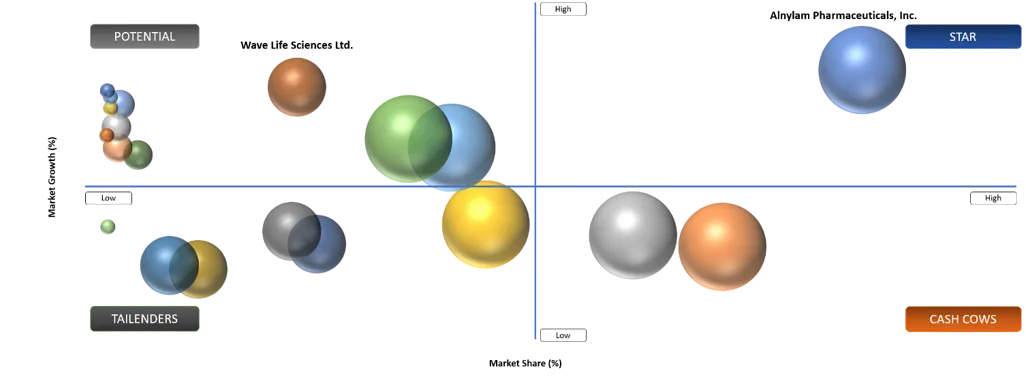
STAR
Alnylam Pharmaceuticals can be positioned in the Star category of the oligonucleotide therapy market due to its established leadership in RNA interference therapeutics, commercialized product portfolio, broad clinical pipeline and strong proprietary technology platform. The company has successfully translated siRNA science into multiple approved therapies and continues expanding into cardiovascular, metabolic, neurological and rare diseases. Its competitive strength is supported by advanced GalNAc conjugation technology, long-duration gene silencing and growing experience in scalable oligonucleotide manufacturing. Alnylam also maintains collaborations and licensing relationships that extend the reach of its RNAi platform across therapeutic areas. Continued investment in next-generation delivery, broader patient populations and less-frequent dosing could strengthen its commercial position as RNA interference increasingly moves beyond rare diseases into larger chronic-disease markets.
POTENTIAL
Wave Life Sciences can be positioned in the Potential category of the oligonucleotide therapy market because of its diversified pipeline spanning RNA editing, RNA interference, splicing and allele-selective antisense silencing. The company's PRISM platform supports development across liver, muscle and central nervous system diseases, providing multiple opportunities for future pipeline expansion. Its clinical portfolio includes WVE-006 targeting SERPINA1 for alpha-1 antitrypsin deficiency, WVE-007 targeting INHBE for obesity, WVE-N531 for Duchenne muscular dystrophy and WVE-003 targeting mutant huntingtin in Huntington's disease. Wave's emerging RNA-editing and extra-hepatic delivery capabilities could broaden the addressable scope of oligonucleotide medicines beyond traditional liver-directed therapies. Continued clinical validation, successful delivery into additional tissues and progression of its pipeline toward later-stage development could strengthen the company's competitive position in next-generation oligonucleotide therapeutics.
Oligonucleotide Therapy Market Dynamics
Driver Impact Analysis
| Driver | Market Growth Impact (%) | Demand Concentration | Impacted Use Case | Strategic Impact |
Increasing Regulatory Approvals and Clinical Validation of Oligonucleotide Therapies | 19.2% | Commercialization and treatment adoption | Antisense oligonucleotide and siRNA therapies for rare, neurological and genetic diseases | Continued regulatory approvals are validating oligonucleotide technologies and reducing perceived development risk. FDA approval of newer antisense therapies, including donidalorsen in 2025 and Zanvastro for Alexander disease in 2026, demonstrates expanding therapeutic applicability and encourages further pipeline investment. |
Advances in Targeted Delivery and Oligonucleotide Chemistry | 16.8% | Drug delivery and therapeutic efficacy | Liver-directed and emerging extrahepatic RNA-targeted therapies | Improvements in chemical modification, conjugation, tissue targeting and nuclease resistance are increasing potency, durability and dosing convenience. FDA notes that oligonucleotide therapeutics can have prolonged pharmacodynamic effects, with some technologies supporting dosing intervals extending to six months or longer. |
Driver: Increasing Regulatory Approvals and Clinical Validation of Oligonucleotide Therapies
Growing regulatory acceptance of antisense oligonucleotide and siRNA medicines is a major driver of the oligonucleotide therapy market. Successful approvals demonstrate that RNA-targeted technologies can deliver clinically meaningful outcomes across rare, neurological, cardiovascular and genetic diseases. The FDA approved donidalorsen for hereditary angioedema in August 2025 and approved the antisense therapy Zanvastro for Alexander disease in September 2026, further validating the modality. Increasing regulatory familiarity, expanding clinical pipelines and clearer development pathways are reducing technology risk, encouraging pharmaceutical investment and supporting broader commercialization of oligonucleotide therapies across previously underserved patient populations.
Restraint Impact Analysis
| Restraint | Drag on Market Growth (%) | Primary Impact Area | Impacted Use Case | Strategic Impact |
Limited Extrahepatic Delivery Efficiency | 18.4% | Drug delivery and tissue targeting | Oligonucleotide therapies targeting brain, skeletal muscle, lung, heart and other non-liver tissues | Efficient delivery outside the liver remains a major technical challenge for antisense and siRNA therapies. Limited cellular uptake, endosomal escape and tissue-specific distribution can reduce therapeutic exposure and restrict expansion into broader neurological, muscular and cardiopulmonary indications. |
Safety, Toxicity and Off-Target Effects | 14.7% | Clinical development and regulatory approval | Chronic-dose antisense oligonucleotide and siRNA therapies | Sequence-dependent off-target activity, tissue accumulation, immune responses and chemistry-related toxicities can require extensive preclinical and clinical safety evaluation. These risks can delay development, increase trial costs and narrow the therapeutic window of promising oligonucleotide candidates. |
High Development and Manufacturing Complexity | 11.9% | Manufacturing scalability and commercialization | Personalized oligonucleotides and therapies for small rare-disease populations | Complex synthesis, purification, analytical characterization and CMC requirements can increase development costs and complicate scale-up. The challenge is particularly significant for individualized antisense therapies serving very small patient populations, potentially limiting commercial scalability and broader market accessibility. |
Restraint: Limited Extrahepatic Delivery Efficiency
Limited delivery efficiency beyond the liver remains a major restraint for the oligonucleotide therapy market. While GalNAc-based delivery has significantly improved targeting of hepatocytes, effective transport of antisense oligonucleotides and siRNA into tissues such as the brain, skeletal muscle, heart and lungs remains challenging. Poor cellular uptake, endosomal entrapment, rapid clearance and limited tissue penetration can reduce therapeutic efficacy and require higher doses. These constraints increase development complexity, safety monitoring requirements and clinical failure risk. As a result, difficulties in achieving reliable extrahepatic delivery may restrict pipeline expansion and slow commercialization across broader neurological, muscular and cardiovascular indications.
Oligonucleotide Therapy Market Segment Analysis
The global oligonucleotide therapy market is segmented based on type, application, end-user, and region.
Application: The neurodegenerative disorders segment is dominating the oligonucleotide therapy market with a 40.21% share in 2025
The neurodegenerative disorders segment is currently the dominant force in the oligonucleotide therapy market, primarily due to the high unmet medical need, aging populations, and significant advancements in RNA-targeted therapeutics. This segment encompasses a variety of debilitating conditions, including spinal muscular atrophy (SMA), amyotrophic lateral sclerosis (ALS), Parkinson’s disease, Huntington’s disease, and Alzheimer’s disease, all characterized by progressive neuronal degeneration and limited treatment options. Several approved therapies exemplify the transformative potential of oligonucleotides in this field.
For instance, Spinraza (nusinersen), approved in 2016, was the first FDA-approved therapy for SMA, functioning by modifying SMN2 gene splicing to produce functional SMN protein critical for motor neuron survival. Qalsody (tofersen), approved in April 2023, addresses ALS patients with SOD1 gene mutations by reducing the production of the toxic SOD1 protein, directly targeting the genetic cause of the disease. In December 2023, eplontersen (Wainua) received approval for hereditary transthyretin-mediated amyloidosis, an antisense oligonucleotide that reduces TTR protein accumulation in tissues. Additionally, Brineura (cerliponase alfa), approved in 2017, provides enzyme replacement for CLN2, a form of Batten disease, slowing progression in pediatric patients.
In April 2025, Biogen Inc. announced that the U.S. Food and Drug Administration (FDA) granted Fast Track designation to BIIB080, an investigational antisense oligonucleotide (ASO) therapy targeting tau, for the treatment of Alzheimer’s disease. Fast Track designation is intended to facilitate the development and expedite the review of investigational drugs that treat serious conditions and address unmet medical needs. These reflect regulatory encouragement for innovative RNA-targeted therapies.
The oncology segment is the fastest-growing segment in the oligonucleotide therapy market, with a 27.01% share in 2025
The oncology segment is currently the fastest-growing segment in the oligonucleotide therapy market, fueled by the rising global prevalence of cancer, rapid advancements in RNA-targeted therapeutics, and increased regulatory support for innovative treatments. The growth in this segment is evident from the significant rise in FDA approvals for RNA-based therapeutics, including antisense oligonucleotides (ASOs), small interfering RNAs (siRNAs), and aptamers, which increased from 14 ASOs and 7 siRNAs in 2024 to 23 approved nucleic acid drugs by 2025.
A landmark approval in 2024 was Rytelo (imetelstat), an oligonucleotide telomerase inhibitor for myelodysplastic syndrome, demonstrating the clinical potential of oligonucleotides in hematologic cancers. Innovations in delivery technologies, such as antibody-oligonucleotide conjugates, have further enhanced specificity and efficacy, particularly in targeting solid tumors, overcoming previous limitations of RNA therapies.
Oligonucleotide Therapy Market Geographical Penetration
U.S. Oligonucleotide Therapy Market Landscape
The United States represents a major market for oligonucleotide therapies, supported by strong biotechnology research, regulatory activity, established commercialization infrastructure and the presence of leading RNA-therapy developers such as Alnylam Pharmaceuticals, Ionis Pharmaceuticals, Sarepta Therapeutics and Arrowhead Pharmaceuticals. DataM Intelligence notes that the FDA had approved 22 oligonucleotide therapies as of April 2025, reflecting increasing clinical acceptance of antisense and RNA interference medicines. In February 2026, the FDA also introduced a draft framework intended to accelerate development of individualized therapies for ultra-rare diseases, specifically including RNA-based therapies such as antisense oligonucleotides. Continued development across neurological, cardiovascular, metabolic and rare genetic disorders, together with improvements in targeted delivery and longer-duration gene silencing, is strengthening the country's oligonucleotide therapy ecosystem.
Japan Oligonucleotide Therapy Market Outlook
Japan represents an important Asia-Pacific market for oligonucleotide therapies, supported by an advanced pharmaceutical industry, established regulatory pathways and growing research in RNA-targeted medicines. The country has already approved established oligonucleotide products such as Spinraza (nusinersen) for spinal muscular atrophy, while PMDA guidance also covers inclisiran sodium, an siRNA-based therapy used for hypercholesterolemia, demonstrating commercial adoption across both rare and chronic diseases. Japan's development environment is further supported by regulatory mechanisms for innovative medicines; as of August 2026, PMDA continued maintaining its list of products receiving Sakigake designation for accelerated development and review. Growing academic research, domestic biotechnology innovation and increasing development of antisense, RNA interference and RNA-targeting platforms are expected to support broader adoption of oligonucleotide medicines in Japan.
Oligonucleotide Therapy Market Competitive Landscape
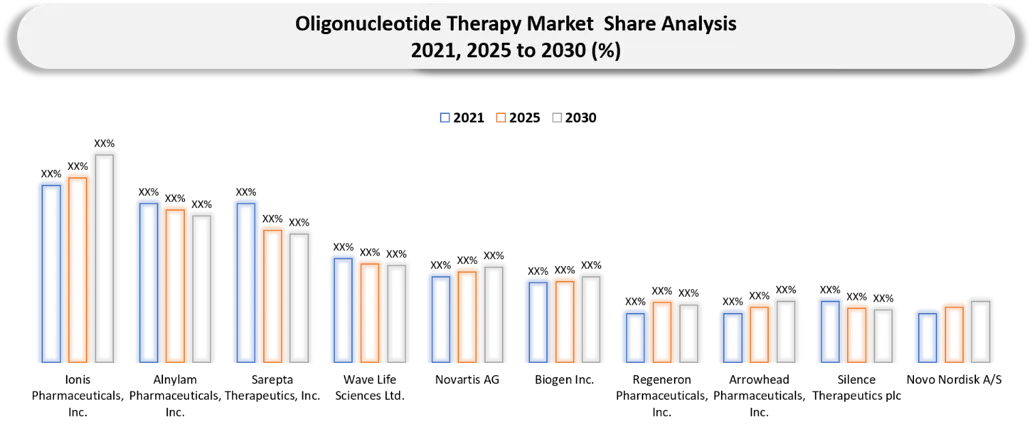
- The global oligonucleotide therapy market is characterized by strong competition among specialized RNA therapeutics companies and large pharmaceutical groups investing in antisense oligonucleotides, small interfering RNA, RNA editing, exon-skipping and targeted oligonucleotide delivery technologies. Ionis Pharmaceuticals and Alnylam Pharmaceuticals remain prominent platform-driven participants, supported by established expertise in antisense and RNA interference technologies, respectively. Ionis continues to expand its commercial and clinical portfolio across neurological, cardiometabolic and rare diseases, while advancing ligand-conjugated antisense technologies designed to improve tissue targeting and potency.
- Competition is increasingly shifting toward differentiated delivery systems, longer dosing intervals, extra-hepatic targeting and therapies capable of reaching previously difficult tissues. Wave Life Sciences is developing programs across RNA editing, RNA interference, splicing and allele-selective silencing, while Silence Therapeutics is advancing siRNA candidates across hematological and cardiometabolic indications.
- Large pharmaceutical companies are also strengthening their positions through acquisitions, licensing agreements and research collaborations. In February 2026, Novartis completed its acquisition of Avidity Biosciences, adding its muscle-targeted Antibody Oligonucleotide Conjugate platform and three late-stage neuromuscular programs. Competitive differentiation is therefore increasingly based on clinical efficacy, tissue-specific delivery, safety, dosing convenience, intellectual property, manufacturing scalability, pipeline depth and the ability to expand oligonucleotide therapies beyond rare diseases into larger neurological, cardiovascular, metabolic and other chronic-disease populations.
Key Companies of Oligonucleotide Therapy Market
- Ionis Pharmaceuticals, Inc. (United States)
- Alnylam Pharmaceuticals, Inc. (United States)
- Sarepta Therapeutics, Inc. (United States)
- Wave Life Sciences Ltd. (Singapore)
- Novartis AG (Switzerland)
- Biogen Inc. (United States)
- Regeneron Pharmaceuticals, Inc. (United States)
- Arrowhead Pharmaceuticals, Inc. (United States)
- Silence Therapeutics plc (United Kingdom)
- Novo Nordisk A/S (Denmark)
- AstraZeneca PLC (United Kingdom)
- Roche Holding AG (Switzerland)
- Sanofi (France)
- Eli Lilly and Company (United States)
- Takeda Pharmaceutical Company Limited (Japan)
- GSK plc (United Kingdom)
- Amgen Inc. (United States)
- Astellas Pharma Inc. (Japan)
- Sirnaomics Ltd. (United States)
- OliX Pharmaceuticals, Inc. (South Korea)
Oligonucleotide Therapy Market Recent Developments
- September 2026: Sirnaomics received favorable written feedback from the U.S. FDA on its optimized Phase 2b study design for STP705, a combination siRNA therapy being developed for squamous cell carcinoma in situ. The proposed study will assess STP705 alongside its individual siRNA components, pixofisiran and lixadesiran, and placebo, supporting further clinical and regulatory development of the company's RNA interference platform.
- September 2026: ProQR Therapeutics dosed the first participant in a Phase 1 clinical trial of AX-0811, a next-generation RNA-editing oligonucleotide designed to modulate NTCP. The candidate is being developed for cholestatic liver diseases, including biliary atresia, with the study evaluating safety, tolerability, pharmacokinetics and pharmacodynamic biomarkers in healthy volunteers.
- August 2026: Aligos Therapeutics announced that the first participant was dosed in a Phase 1 study of ALG-170675, an investigational antisense oligonucleotide targeting chronic hepatitis B virus infection. The candidate has been designed to inhibit hepatitis B surface antigen RNA while stimulating immune activity, with single- and multiple-ascending-dose cohorts planned.
- July 2026: Sirius Therapeutics dosed the first patient in a Phase 1/2a trial of SRSD384, an INHBE-targeting siRNA being developed for obesity and metabolic disease. The program is evaluating SRSD384 as a non-incretin approach intended to promote fat reduction while preserving lean muscle mass, both as monotherapy and in combination with tirzepatide.
- June 2026: Servier enrolled the first U.S. patient in a Phase Ib/II first-in-human study evaluating an antisense oligonucleotide therapy for KCNT1-related developmental and epileptic encephalopathy. The trial is assessing safety, tolerability, pharmacokinetics and pharmacodynamics in children with the rare genetic epilepsy and is enrolling across the United States, Europe and Japan.
What DATAM Uniquely Provides
- In-depth segmentation of the Oligonucleotide Therapy Market by type, application, end user and region, with additional assessment of antisense oligonucleotides, small interfering RNA, microRNA, aptamers, ribozymes and other emerging oligonucleotide platforms.
- Competitive analysis of leading oligonucleotide therapy companies covering marketed and pipeline product portfolios, mechanism of action, target genes, therapeutic indications, delivery technologies, dosing approach, clinical efficacy, safety profile, development stage and commercialization strategy.
- Comprehensive pipeline assessment across oncology, neurodegenerative disorders, cardiovascular diseases, kidney diseases, infectious diseases and rare genetic disorders, including analysis of clinical-stage candidates, regulatory milestones, product approvals, trial progression and emerging therapeutic targets.
- Technology and innovation benchmarking covering GalNAc conjugation, lipid nanoparticle delivery, antibody-oligonucleotide conjugates, RNA interference, RNA editing, exon skipping, splice modulation and extra-hepatic delivery approaches, with evaluation of their clinical and commercial potential.
- Strategic intelligence on licensing agreements, collaborations, acquisitions, research partnerships, manufacturing capabilities, intellectual property positioning and investments by pharmaceutical and biotechnology companies active in oligonucleotide therapeutics.
- Commercial opportunity assessment covering target patient populations, treatment adoption, competitive intensity, unmet clinical needs, pricing and reimbursement considerations, regional access dynamics and potential expansion of oligonucleotide therapies from rare diseases into larger chronic-disease indications.
- Analyst insights and forecasts highlighting high-potential therapeutic areas, emerging technology platforms, next-generation delivery systems, pipeline catalysts, competitive positioning and white-space opportunities shaping the future of the oligonucleotide therapy market.




























































