


Myelofibrosis Therapeutics Market Size and Overview
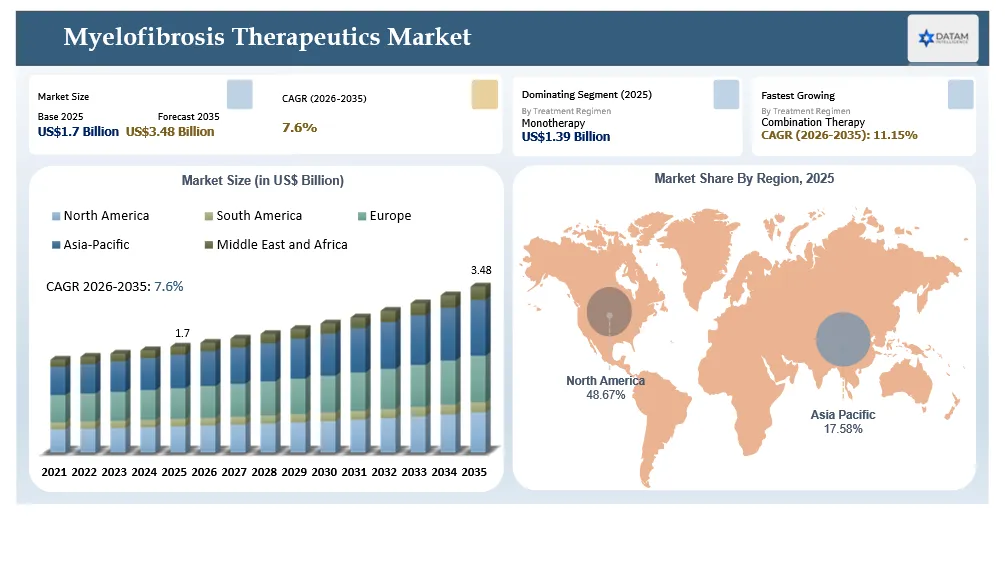
The global myelofibrosis therapeutics market reached US$1.7 billion in 2025 and is expected to reach US$ 3.48 billion by 2035, growing with a CAGR of 7.6% during the forecast period 2026-2035.
The myelofibrosis therapeutics market is undergoing a structural transition from predominantly symptom-directed JAK inhibition toward a more differentiated treatment model shaped by cytopenic profile, prior therapy exposure and emerging disease-modifying strategies. Current treatment remains anchored by Jakafi/Jakafi XR, Inrebic, Vonjo and Ojjaara, which have expanded therapeutic choice across intermediate- and high-risk disease, anemia-associated MF and severe thrombocytopenia. Competitive differentiation is increasingly centered on platelet eligibility, anemia benefit, transfusion burden, durability of spleen and symptom response and treatment convenience.
The development landscape is broadening beyond conventional JAK-STAT inhibition. Late-stage and emerging programs target XPO1, telomerase, MDM2-p53, BET proteins, activin signaling, LSD1, PIM kinases and inflammatory pathways, frequently in combination with ruxolitinib. This is shifting competition toward deeper biological control, including restoration of hematopoiesis, reduction of marrow fibrosis and potential suppression of the malignant clone.
Commercial leadership is concentrated among Incyte, GSK, Sobi and Bristol Myers Squibb, while Novartis, Karyopharm, Geron, Kartos, Takeda and other pipeline developers are increasing competitive pressure through differentiated late-stage assets.
Myelofibrosis Therapeutics Market Key Takeaways
- Expanding Therapeutic Adoption Supports Market Growth: The global Myelofibrosis Therapeutics Market stood at US$1.7 billion in 2025 and is projected to reach US$3.48 billion by 2035.
- JAK Inhibitors Define the Current Treatment Landscape: Jakafi/Jakafi XR, Inrebic, Vonjo and Ojjaara remain the key approved therapies, differentiated by anemia, thrombocytopenia and dosing profile.
- Cytopenic Disease Represents a Major Unmet Need: Around 70% of patients are cytopenic at diagnosis, reinforcing demand for therapies improving anemia, thrombocytopenia and transfusion dependence.
- Late-Stage Pipeline Is Broadening Beyond JAK Inhibition: Phase 3 development spans XPO1, MDM2, telomerase, BET, activin and interferon pathways, intensifying mechanism-based competition.
- Competitive Leadership Is Becoming More Differentiated: Incyte, GSK, Sobi and Bristol Myers Squibb lead through approved therapies, while Novartis strengthens positioning through Phase 3 pelabresib development.
Myelofibrosis Therapeutics Industry Trends and Strategic Insights
- Increasing adoption of phenotype-specific JAK inhibitors is expanding treatment access across patients with anemia, thrombocytopenia and differing prior-treatment histories, strengthening demand for differentiated MF therapies.
- Advancement of late-stage combination and non-JAK programs is creating new commercial opportunities across XPO1, telomerase, MDM2, BET and activin-pathway mechanisms.
- Persistent anemia, thrombocytopenia and transfusion dependence are accelerating development of therapies capable of improving hematopoiesis without exacerbating treatment-related myelosuppression.
- Growing emphasis on disease modification is shifting investment toward therapies targeting marrow fibrosis, malignant-clone suppression, durable hematologic recovery and delayed progression beyond conventional symptom control.
- Market participants are intensifying licensing, acquisitions and strategic collaborations to strengthen MF pipelines, access differentiated mechanisms and improve positioning ahead of the next wave of late-stage therapeutic launches.
Myelofibrosis Therapeutics Market Scope
| Metrics | Details | |
| 2025 Market Size | US$1.7 Billion | |
| 2035 Projected Market Size | US$3.48 Billion | |
| CAGR (2026-2035) | 7.6% | |
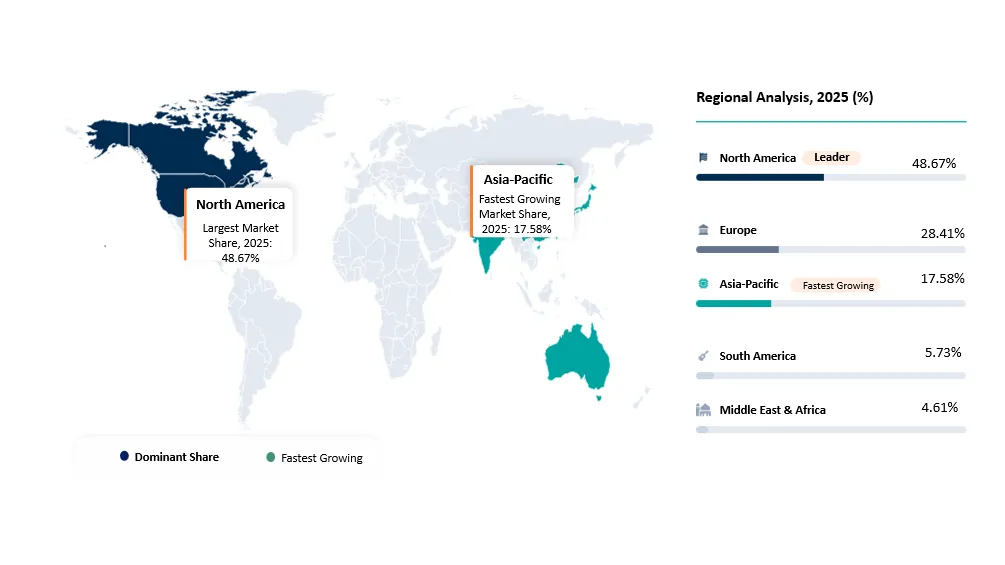
| Largest Market | North America | |
| Fastest Growing Market | Asia-Pacific | |
| By Drug Class | JAK Inhibitors, Erythropoiesis-Stimulating Agents, Immunomodulatory Agents, Cytoreductive Agents, Androgen-Based Therapies, Interferon-Based Therapies, Corticosteroids and Others | |
| By Disease Type | Primary Myelofibrosis, Post-Polycythemia Vera Myelofibrosis and Post-Essential Thrombocythemia Myelofibrosis | |
| By Disease Risk | Low Risk, Intermediate-1 Risk, Intermediate-2 Risk and High Risk | |
| By Treatment Line | First-Line Therapy, Second-Line Therapy and Third-Line and Later Therapy | |
| By Treatment Regimen | Monotherapy and Combination Therapy | |
| By Route of Administration | Oral, Subcutaneous, Intravenous and Others | |
| By Transplant Eligibility | Allogeneic Transplant Candidates and Non-Transplant Candidates | |
| By Platelet Count | ≥100 × 10⁹/L, 50-<100 × 10⁹/L and <50 × 10⁹/L | |
| By Anemia Burden | No Clinically Significant Anemia, Non-Transfusion-Dependent Anemia and Transfusion-Dependent Anemia | |
| By Patient Age Group | 18-64 Years, 65-74 Years and 75 Years and Above | |
| By Treatment Setting | Hospital-Based Hematology and Oncology Care, Outpatient Specialty Hematology and Oncology Clinics and Specialized Transplant Centers | |
| By Distribution Channel | Hospital Pharmacies, Specialty Pharmacies, Retail Pharmacies, Online Pharmacies and Others | |
| By Region | North America | U.S., Canada, Mexico |
| Europe | Germany, UK, France, Spain, Italy, Poland | |
| Asia-Pacific | China, India, Japan, Australia, South Korea, Indonesia, Malaysia, Singapore, Vietnam, Thailand, Philippines, Taiwan | |
| South America | Brazil, Argentina | |
| Middle East and Africa | Israel, Saudi Arabia, UAE, Turkiye, South Africa, Nigeria | |
| Report Insights Covered | Competitive Landscape Analysis, Company Profile Analysis, Market Size, Share, Growth | |
Why does this report matter in 2026?
2026 represents a critical inflection point for the myelofibrosis therapeutics market as competition expands beyond established JAK inhibition toward differentiated combinations and non-JAK mechanisms. The May 2026 approval of Jakafi XR strengthened the ruxolitinib franchise and increased lifecycle competition around dosing convenience and treatment persistence. At the same time, late-stage programs including selinexor plus ruxolitinib, navtemadlin, imetelstat, pelabresib and elritercept are intensifying pressure on existing treatment algorithms and creating new opportunities across post-JAK, anemia-associated and difficult-to-treat populations.
The competitive benchmark is also shifting from spleen and symptom control toward hematologic improvement, transfusion independence, cytopenia management, durability and potential disease modification. This report matters in 2026 because companies need timely intelligence on regulatory milestones, pipeline differentiation, treatment sequencing and emerging white spaces to anticipate competitive threats, prioritize assets and position therapies.
Myelofibrosis Therapeutics Market White Space & Investment Opportunities
- Post-JAK Inhibitor and Suboptimal-Response Populations present a major white-space opportunity for therapies capable of delivering durable spleen and symptom control after inadequate response, intolerance or loss of benefit with existing JAK inhibitors. Late-stage development of selinexor, imetelstat, navtemadlin and pelabresib shows increasing investment interest in this treatment gap.
- Anemia and Transfusion-Dependent Myelofibrosis remain high-value investment areas, particularly for therapies that improve hemoglobin, reduce transfusion requirements and restore effective hematopoiesis without worsening thrombocytopenia.
- Severe Thrombocytopenia and Multi-Cytopenic Disease offer attractive opportunities for agents with limited myelosuppression and activity in patients with very low platelet counts, where treatment flexibility remains restricted.
- Disease-Modifying Therapies represent one of the largest strategic white spaces, with investment increasingly directed toward approaches capable of reducing marrow fibrosis, suppressing malignant hematopoietic clones and delaying disease progression or leukemic transformation.
- Non-JAK and Rational Combination Strategies are creating new investment opportunities across XPO1, telomerase, MDM2, BET, LSD1, PIM and activin-pathway targeting, enabling developers to compete beyond conventional JAK–STAT inhibition.
Myelofibrosis Therapeutics Market Future Market Transformation
The myelofibrosis therapeutics market is expected to undergo substantial transformation over the coming decade as treatment shifts from predominantly symptom-directed JAK inhibition toward more individualized, mechanism-driven and potentially disease-modifying approaches. Future competition will increasingly focus on improving outcomes in patients with anemia, thrombocytopenia, transfusion dependence and inadequate response or intolerance to existing JAK inhibitors. Emerging therapies targeting XPO1, telomerase, MDM2–p53, BET proteins, activin signaling and other non-JAK pathways are expanding the therapeutic landscape and strengthening the role of combination strategies.
The competitive benchmark is also expected to move beyond spleen-volume reduction and symptom control toward durable hematologic improvement, transfusion independence, preservation of platelet counts, reduced marrow fibrosis and delayed disease progression. As more late-stage assets advance, market leadership will depend not only on efficacy, but also on safety in cytopenic patients, treatment sequencing, convenience, durability and the ability to demonstrate meaningful biological disease modification. This evolution is likely to make myelofibrosis treatment increasingly phenotype-specific, combination-oriented and outcome-driven.
Myelofibrosis Therapeutics Market Buyer Decision-Making Criteria
- Clinical Efficacy Across Spleen Volume and Symptom Endpoints
- Anemia Improvement and Transfusion Independence Potential
- Safety Profile and Risk of Treatment-Emergent Cytopenias
- Effectiveness in Thrombocytopenic and Post-JAK Inhibitor Patients
- Durability of Response and Potential for Disease Modification
- Route of Administration, Dosing Convenience and Monitoring Burden
- Reimbursement Access, Treatment Cost and Overall Clinical Value
Myelofibrosis Therapeutics Market Economic & Investment Analysis
The myelofibrosis therapeutics market offers attractive investment potential because of persistent unmet need, long treatment duration and increasing differentiation across anemia, thrombocytopenia, transfusion dependence and post-JAK inhibitor failure. Existing commercial franchises benefit from high clinical familiarity, regulatory validation and specialist prescribing patterns, while newer entrants face meaningful barriers related to hematologic safety, demonstration of durable benefit and the need to differentiate against established JAK inhibitors. Investment interest is increasingly shifting toward therapies capable of improving cytopenias, extending response durability and addressing underlying disease biology rather than providing symptom control alone.
From an economic perspective, late-stage development across XPO1, telomerase, MDM2, BET, activin and other non-JAK mechanisms is broadening the future value pool and creating opportunities for licensing, acquisition and combination-development strategies. Companies with differentiated assets in post-JAK disease, anemia-associated MF and thrombocytopenic populations may command stronger strategic value because these segments retain substantial unmet need. Future investment attractiveness will increasingly depend on regulatory progress, clinical differentiation, payer acceptance, manufacturing scalability and the ability to demonstrate durable hematologic improvement, reduced transfusion burden and credible disease-modifying benefit.
Myelofibrosis Therapeutics Market Trends
- Growing Shift Toward JAK-Based Combination Therapies as developers seek deeper spleen, symptom and hematologic responses beyond JAK inhibitor monotherapy.
- Rising Investment in Non-JAK Targeted Mechanisms including XPO1, telomerase, MDM2, BET, activin, LSD1 and PIM pathways.
- Increasing Focus on Cytopenia-Oriented Treatment Strategies targeting anemia, thrombocytopenia, transfusion dependence and preservation of hematopoietic function.
- Greater Emphasis on Disease-Modifying Therapies aimed at reducing marrow fibrosis, suppressing malignant clones and delaying disease progression or leukemic transformation.
Strategic Indicators for Myelofibrosis Therapeutics Market
High Regulation Impact
The myelofibrosis therapeutics market is characterized by a high regulatory impact because new therapies must demonstrate robust efficacy, hematologic safety and clinically meaningful benefit across complex patient populations. Regulatory evaluation increasingly focuses on spleen-volume reduction, symptom response, anemia improvement, transfusion dependence, cytopenia management and long-term safety. Developers must also address treatment-related myelosuppression, dose modifications and risks associated with chronic therapy. The presence of multiple approved JAK inhibitors raises the efficacy benchmark for new entrants, while emerging non-JAK and combination therapies require clear evidence of differentiation. As pipelines advance, regulatory success will increasingly depend on durable responses, favorable benefit-risk profiles and credible disease-modifying potential.
High Investment Activity
Investment activity in the myelofibrosis therapeutics market is increasing as pharmaceutical and bioTransplant Eligibility companies expand development beyond established JAK inhibitors toward differentiated combination and non-JAK approaches. Capital is being directed toward late-stage programs targeting XPO1, telomerase, MDM2, BET proteins, activin signaling and epigenetic pathways, with particular emphasis on anemia, thrombocytopenia, transfusion dependence and post-JAK treatment settings. Strategic acquisitions, licensing agreements and pipeline partnerships are also strengthening competitive positioning. Companies are increasingly investing in biomarker-driven development, disease-modifying strategies and combination regimens designed to improve hematopoiesis, deepen clinical responses and address populations with limited treatment options.
Supply Chain Disruption
The myelofibrosis therapeutics market faces moderate supply chain vulnerability because several therapies depend on specialized active pharmaceutical ingredients, biologic manufacturing processes, sterile fill-finish capacity and tightly controlled cold-chain or specialty distribution networks. Disruptions in raw-material sourcing, contract manufacturing capacity or international logistics can affect production continuity and regional product availability. Rare-disease treatment volumes also limit manufacturing redundancy compared with high-volume therapeutic areas, increasing dependence on qualified suppliers and production sites. For emerging therapies, scale-up complexity and regulatory requirements for manufacturing changes can further constrain flexibility. Companies with diversified manufacturing networks, validated backup suppliers and resilient specialty-pharmacy distribution infrastructure are therefore better positioned to reduce supply-related commercial risk.
Pricing Volatility
Myelofibrosis therapeutics market is characterized by relatively high treatment costs and moderate pricing pressure rather than short-term commodity-style price volatility. Pricing is influenced by clinical differentiation, treatment duration, orphan-drug positioning, payer coverage, competitive intensity and the ability to demonstrate value in high-unmet-need patient populations such as those with anemia, thrombocytopenia or post-JAK inhibitor failure. As additional targeted and combination therapies enter the market, manufacturers may face greater pressure from payers to justify premium pricing through superior efficacy, hematologic benefit, durability, safety or disease-modifying potential. Rebates, formulary positioning and treatment sequencing may increasingly affect net realized prices, particularly as therapeutic alternatives expand and competition within defined MF patient segments intensifies.
Procurement Pressure
The myelofibrosis therapeutics market faces medium-to-high procurement pressure as hospitals, specialty pharmacies and payers increasingly evaluate therapies on clinical differentiation, total treatment cost, reimbursement coverage and long-term value. Procurement decisions are influenced by efficacy across spleen and symptom endpoints, anemia benefit, platelet eligibility, safety, dosing convenience and positioning within treatment guidelines. The presence of multiple JAK inhibitors has increased formulary comparison and strengthened payer scrutiny, particularly where products compete for similar patient populations. As new combination and non-JAK therapies enter the market, manufacturers will need stronger pharmacoeconomic evidence, predictable supply and favorable contracting strategies to secure formulary access and maintain competitive positioning.
FDA Approvals
| Brand and Generic Name | Sponsor | Current Owner | Approval Date | MOA |
| Jakafi XR (Ruxolitinib) | Incyte Corporation | Incyte Corporation | May, 2026 | JAK1 and JAK2 inhibitor; suppresses dysregulated JAK-STAT signaling |
| Ojjaara (Momelotinib) | GlaxoSmithKline LLC | GSK plc | September, 2023 | JAK1/JAK2 and ACVR1 inhibitor; ACVR1 inhibition reduces hepcidin and increases iron availability for erythropoiesis |
| Vonjo (Pacritinib) | CTI BioPharma Corp. | Swedish Orphan Biovitrum AB (Sobi) | February, 2022 | JAK2, IRAK1 and ACVR1 inhibitor; also inhibits FLT3 while sparing JAK1 at clinically relevant concentrations |
| Inrebic (Fedratinib) | Impact Biomedicines, Inc. | Bristol Myers Squibb | August, 2019 | Selective JAK2 inhibitor; inhibits wild-type and mutationally activated JAK2 and downstream STAT signaling |
| Jakafi (Ruxolitinib) | Incyte Corporation | Incyte Corporation | November, 2011 | JAK1 and JAK2 inhibitor; inhibits cytokine-mediated JAK-STAT signaling |
Regional Expansion Opportunity
The myelofibrosis therapeutics market offers meaningful regional expansion opportunities as diagnosis improves, access to molecular testing broadens and newer targeted therapies gain regulatory and reimbursement coverage across major healthcare markets. North America remains the most commercially mature region, supported by established hematology networks, multiple approved JAK inhibitors and strong uptake of novel therapies. Europe presents additional opportunity through expanding access to targeted treatments and specialist myeloproliferative neoplasm centers, although reimbursement remains country-specific. Asia-Pacific, particularly Japan and China, is becoming increasingly important as awareness of myelofibrosis rises, clinical-trial participation expands and access to advanced hematology care improves. Future regional growth will depend on local regulatory approvals, payer access, physician education, diagnostic infrastructure and the ability of manufacturers to establish effective commercialization partnerships tailored to country-specific treatment pathways.
Government Policy Support
The myelofibrosis therapeutics market benefits from government policies that support rare-disease drug development, hematologic oncology research and accelerated access to therapies addressing significant unmet medical need. Regulatory incentives such as orphan-drug designation, expedited review pathways and structured development support can encourage investment in novel JAK and non-JAK therapies while reducing development uncertainty. Public funding for cancer research, genomic diagnostics and precision medicine is also strengthening the clinical infrastructure required for earlier disease identification and patient stratification. In addition, national reimbursement frameworks and health-transplant eligibility assessment systems play an important role in expanding access to high-cost targeted therapies. As governments increase focus on rare cancers and precision hematology, supportive regulatory and reimbursement policies are expected to remain important enablers of clinical development, treatment adoption and regional market expansion.
Pipeline Analysis
| Sponsor | Intervention | Clinical Stage | MoA | RoA | Modality | |||
| Karyopharm Therapeutics Inc. | Selinexor + Ruxolitinib | Phase 3 | XPO1 inhibition combined with JAK1/JAK2 inhibition | Oral | Small Molecule Combination | |||
| Kartos Therapeutics, Inc. | Navtemadlin + Ruxolitinib | Phase 3 | MDM2 inhibition restores p53 activity combined with JAK1/JAK2 inhibition | Oral | Small Molecule Combination | |||
| Novartis Pharmaceuticals | Pelabresib + Ruxolitinib | Phase 3 | BET protein inhibition combined with JAK1/JAK2 inhibition | Oral | Small Molecule Combination | |||
| Geron Corporation | Imetelstat | Phase 3 | Direct telomerase inhibition targeting malignant hematopoietic clones | Intravenous | Oligonucleotide Therapeutic | |||
Chengdu Zenitar Biomedical Transplant Eligibility Co., Ltd. | Flonoltinib + Ruxolitinib | Phase 3 | Kinase pathway inhibition combined with JAK1/JAK2 inhibition | Oral | Small Molecule Combination | |||
| PharmaEssentia Corporation | Ropeginterferon Alfa-2b | Phase 3 | Interferon receptor activation suppressing malignant myeloproliferative signaling | Subcutaneous | Recombinant Protein | |||
Takeda Pharmaceutical Company Limited | Elritercept | Phase 3 | Activin receptor type IIA ligand trapping to promote erythropoiesis | Subcutaneous | Fusion Protein | |||
| Bristol Myers Squibb | Luspatercept | Phase 3 | TGF-β superfamily ligand trapping to enhance erythroid maturation | Subcutaneous | Fusion Protein | |||
| Sumitomo Pharma America, Inc. | Nuvisertib (TP-3654) | Phase1/2 | Selective PIM1 kinase inhibition targeting malignant signaling and fibrosis | Oral | Small Molecule | |||
University of Hong Kong / Merck & Co., Inc. | Bomedemstat + Ruxolitinib | Phase 2 | LSD1 inhibition combined with JAK1/JAK2 inhibition | Oral | Small Molecule Combination | |||
Icahn School of Medicine at Mount Sinai / Dompé | Reparixin | Phase 2 | CXCR1/CXCR2 inhibition reducing inflammatory signaling | Oral | Small Molecule | |||
Icahn School of Medicine at Mount Sinai / Novartis | Canakinumab | Phase 2 | IL-1β neutralization reducing inflammatory cytokine signaling | Subcutaneous | Monoclonal Antibody | |||
Ajax Therapeutics / Eli Lilly and Company | AJ1-11095 | Phase 1 | Type II JAK2 inhibition targeting mutant and activated JAK2 signaling | Oral | Small Molecule | |||
| Telios Pharma, Inc. | TL-895 + Ruxolitinib | Phase 1/2 | BTK pathway inhibition combined with JAK1/JAK2 inhibition | Oral | Small Molecule Combination | |||
| iOnctura SA | Roginolisib + Ruxolitinib | Phase 1/2 | PI3Kδ inhibition combined with JAK1/JAK2 inhibition | Oral | Small Molecule Combination | |||
| HOVON / Active Biotech AB | Tasquinimod ± Ruxolitinib | Phase 1/2 | S100A9-directed immunomodulation targeting the inflammatory marrow microenvironment | Oral | Small Molecule | |||
Chia Tai Tianqing Pharmaceutical Group Co., Ltd. | TQ05105 + TQB3617 | Phase 1/2 | Targeted kinase pathway inhibition suppressing abnormal myeloproliferative signaling | Oral | Small Molecule Combination | |||
| Suzhou Junjing BioSciences Co., Ltd. | WJ01024 + Ruxolitinib | Phase 1/2 | Targeted pathway inhibition combined with JAK1/JAK2 blockade | Oral | Small Molecule Combination | |||
University of Kansas Medical Center / Menarini Group / Sobi | Tagraxofusp + Pacritinib | Early Phase 1 | CD123-targeted cytotoxic activity combined with JAK2/IRAK1 inhibition | Intravenous + Oral | Fusion Protein + Small Molecule | |||
AI Impact Analysis of Myelofibrosis Therapeutics Market
The growing use of artificial intelligence and advanced analytics is beginning to influence the myelofibrosis therapeutics market across drug discovery, biomarker identification, clinical-trial design and patient stratification. AI-enabled analysis of genomic, transcriptomic, clinical and real-world datasets can support identification of disease-driving pathways, predict treatment response and help distinguish patient populations most likely to benefit from specific therapies or combinations. These capabilities are increasingly relevant as the MF pipeline expands beyond JAK inhibition into XPO1, telomerase, MDM2, BET, activin, LSD1 and other targeted mechanisms.
Disruption Analysis of Myelofibrosis Therapeutics Market
The myelofibrosis therapeutics market is undergoing competitive disruption as treatment moves beyond JAK inhibitor monotherapy toward combination regimens, phenotype-specific therapies and non-JAK mechanisms. Current competition is increasingly shaped by the ability to address anemia, severe thrombocytopenia, transfusion dependence and inadequate JAK inhibitor response, rather than spleen and symptom control alone.
Late-stage development of selinexor, imetelstat, navtemadlin, pelabresib and elritercept is raising the competitive benchmark through differentiated mechanisms and patient targeting. At the same time, emerging strategies aimed at malignant-clone suppression, marrow-fibrosis reduction and improved hematopoiesis could disrupt established treatment sequencing if they demonstrate credible disease-modifying benefit. Competitive advantage is therefore shifting toward companies capable of combining durable efficacy, cytopenia improvement, tolerable hematologic safety and clear positioning across frontline and post-JAK settings.
Myelofibrosis Therapeutics Market BCG Matrix: Company Evaluation
STAR
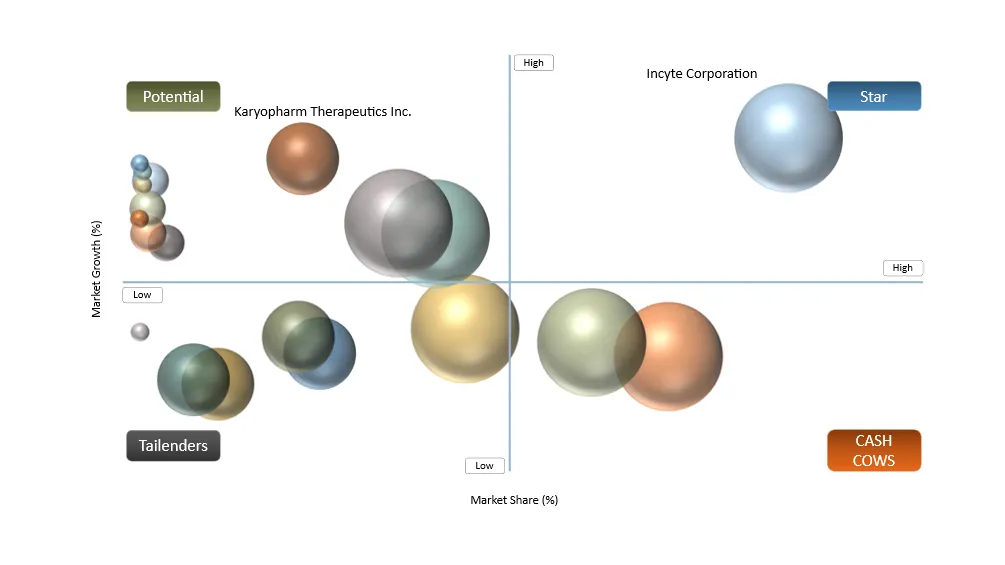
Incyte Corporation, GSK plc, Bristol Myers Squibb, Swedish Orphan Biovitrum AB (Sobi) and Novartis AG are positioned in the Star category based on their established presence, regulatory maturity and strong strategic positioning in the myelofibrosis therapeutics market. Incyte, GSK, Bristol Myers Squibb and Sobi benefit from approved MF therapies including Jakafi/Jakafi XR, Ojjaara, Inrebic and Vonjo, respectively, while Novartis maintains a strong global MF position and late-stage development exposure through pelabresib. Their competitive advantage is supported by established hematology commercialization capabilities, physician familiarity, broad clinical evidence and the ability to address differentiated patient populations including patients with anemia, thrombocytopenia and varying treatment histories.
POTENTIAL
Karyopharm Therapeutics Inc., Geron Corporation, Ipsen S.A., Takeda Pharmaceutical Company Limited, PharmaEssentia Corporation and Eli Lilly and Company are positioned as Potential competitors due to their advancing MF pipelines and differentiated mechanisms targeting major unmet needs. Their programs span XPO1 inhibition, telomerase inhibition, MDM2-p53 signaling, activin pathway modulation, interferon-based approaches and next-generation JAK2 inhibition. These companies could strengthen their competitive position as the market shifts toward combination strategies, anemia improvement, post-JAK treatment, durable hematologic responses and potential disease modification beyond conventional JAK inhibitor monotherapy.
Myelofibrosis Therapeutics Market Dynamics
Driver Impact Analysis
| Driver | Market Growth Impact (%) | Demand Concentration | Impacted Use Case | Strategic Impact |
Broader Adoption of Phenotype- Differentiated JAK Inhibitor Therapies | 8.6% | High across North America and Europe, particularly intermediate- and high-risk MF | Treatment of splenomegaly, constitutional symptoms, anemia and thrombocytopenia across differentiated patient profiles | Broader Adoption of Phenotype-Differentiated JAK Inhibitor Therapies |
Increasing Treatment Demand Across Cytopenic and Transfusion-Dependent MF Populations | 7.8% | High among anemia-dominant, thrombocytopenic and transfusion-dependent patients | Anemia improvement, transfusion reduction, platelet preservation and long-term hematologic management | Increasing Treatment Demand Across Cytopenic and Transfusion-Dependent MF Populations |
Rapid Advancement of Late-Stage Combination and Non-JAK Targeted Programs | 7.2% | Concentrated in post-JAK, suboptimal-response and progressive MF populations | JAK inhibitor combinations, telomerase inhibition, XPO1 inhibition, MDM2 targeting and BET-directed treatment | Rapid Advancement of Late-Stage Combination and Non-JAK Targeted Programs |
Driver: Broader Adoption of Phenotype-Differentiated JAK Inhibitor Therapies
Broader adoption of phenotype-differentiated JAK inhibitor therapies is a major growth driver in the myelofibrosis therapeutics market because treatment selection is increasingly aligned with individual clinical characteristics rather than a uniform approach. Ruxolitinib, fedratinib, pacritinib and momelotinib provide differentiated value across patients with splenomegaly, constitutional symptoms, anemia, thrombocytopenia and varying treatment histories. This enables physicians to match therapy more closely to platelet count, anemia burden, prior JAK inhibitor exposure and overall disease risk. As a result, more patients can remain on active pharmacologic treatment despite cytopenias or intolerance to earlier options. Availability of multiple JAK-pathway agents also supports treatment sequencing across frontline and later-line settings, expanding the addressable treated population. Commercially, this broadens demand across distinct patient subgroups and strengthens lifecycle opportunities for manufacturers. Continued differentiation around hematologic benefit, safety, dosing convenience and post-JAK activity is expected to sustain competitive intensity and market expansion.
Restraint Impact Analysis
| Restraint | Drag on Market Growth (%) | Primary Impact Area | Impacted Use Case | Strategic Impact |
Persistent Gap Between Symptom Control and True Disease Modification | 4.9% | Clinical Value and Long-Term Treatment Outcomes | Long-term management of progressive MF, marrow fibrosis and post-JAK disease | Limits differentiation of current therapies because spleen and symptom improvement does not consistently translate into fibrosis reversal, clonal suppression or delayed progression. |
Dose-Limiting Myelosuppression Across Clinically Fragile Patient Populations | 4.4% | Treatment Eligibility and Persistence | Treatment of patients with anemia, thrombocytopenia, transfusion dependence and advanced cytopenias | Restricts dosing intensity, increases treatment modification and discontinuation risk and narrows effective treatment options in high-unmet-need MF populations. |
Restricted Commercial Scale Due to Rare-Disease Prevalence and Patient Heterogeneity | 3.8% | Patient Identification and Commercial Expansion | Development and commercialization across primary MF, post-PV MF and post-ET MF | Limits addressable patient volume and increases development complexity because treatment needs vary substantially by disease risk, cytopenic profile and prior JAK inhibitor exposure. |
Restraint: Persistent Gap Between Symptom Control and True Disease Modification
The persistent gap between symptom control and true disease modification remains a key restraint in the myelofibrosis therapeutics market. Current JAK inhibitor therapies can provide meaningful reductions in splenomegaly and constitutional symptoms, but their ability to consistently reverse bone marrow fibrosis, suppress the malignant hematopoietic clone or prevent long-term disease progression remains limited. As a result, many patients continue to experience worsening cytopenias, transfusion dependence, progressive marrow failure or eventual leukemic transformation despite symptomatic benefit. This limits the long-term clinical value of existing treatment strategies and creates uncertainty around sustained disease control. From a commercial perspective, therapies that primarily improve symptoms may face increasing differentiation pressure as emerging agents target telomerase, MDM2, BET, XPO1 and other disease-relevant pathways. The market therefore requires treatments capable of combining symptom relief with measurable biological modification, durable hematologic improvement and evidence of delayed progression or survival benefit.
Myelofibrosis Therapeutics Market Segment Analysis
The global myelofibrosis therapeutics market is segmented based on the drug class, disease type, filtration type, treatment line, treatment regimen, route of administration, transplant eligibility, platelet count, anemia burden, patient age group, treatment setting, distribution channel and region.
By Treatment Regimen
Monotherapy
Monotherapy remains the dominant treatment approach in myelofibrosis, supported by the established clinical use of JAK inhibitors such as Jakafi, Inrebic, Vonjo and Ojjaara. These therapies form the backbone of treatment across multiple patient profiles and are selected according to disease risk, platelet count, anemia burden, prior treatment exposure and tolerability. Their established regulatory status, physician familiarity and broad use across first-line and subsequent treatment settings continue to support segment leadership. However, limitations related to persistent cytopenias, incomplete symptom control and limited disease modification are creating pressure for more differentiated therapeutic strategies.
By Treatment Regimen
Combination Therapy
Combination therapy is emerging as the fastest-growing treatment approach, driven by increasing efforts to improve outcomes beyond JAK inhibitor monotherapy. Development programs are combining established JAK inhibitors with differentiated mechanisms targeting XPO1, MDM2, BET, telomerase and other disease-relevant pathways. These strategies aim to generate deeper spleen and symptom responses, improve hematologic outcomes and potentially influence underlying disease biology. The segment is expected to gain importance as late-stage clinical programs progress and treatment strategies increasingly shift toward multi-mechanism, phenotype-directed approaches.
Myelofibrosis Therapeutics Market Geographical Penetration
U.S. Myelofibrosis Therapeutics Market Landscape
The United States remains the most strategically important market for myelofibrosis therapeutics, supported by multiple approved JAK inhibitors, specialist hematology infrastructure and rapidly advancing late-stage programs. In May 2026, the FDA approved Jakafi XR, a once-daily extended-release formulation of ruxolitinib, for adults with intermediate or high-risk primary or secondary MF, strengthening Incyte’s established franchise and adding dosing convenience. Competitive pressure also intensified in 2026 through Karyopharm’s Phase 3 SENTRY study of selinexor plus ruxolitinib. Among 353 randomized patients, 49.8% achieved SVR35 at Week 24 with the combination versus 28.0% with ruxolitinib alone, although the symptom-score co-primary endpoint was not met. These developments position the U.S. at the forefront of competition around combination therapy, deeper spleen responses, post-JAK strategies, hematologic benefit and potential disease modification.
Canada Myelofibrosis Therapeutics Market Outlook
Canada is becoming increasingly important for MF therapeutics as access to newer targeted treatments expands through national health-Transplant Eligibility assessment and provincial reimbursement. On January 8, 2025, Canada’s Drug Agency issued a final recommendation to reimburse Ojjaara (momelotinib) with clinical criteria and conditions for eligible adults with intermediate or high-risk primary or secondary MF and moderate-to-severe anemia. Access progressed further in November 2025, when Quebec became the first Canadian province to publicly reimburse Ojjaara for newly diagnosed and previously treated MF patients with moderate-to-severe anemia. Canadian reimbursement assessment also emphasized cost-effectiveness, recommending that momelotinib pricing should not exceed the cost of the least expensive reimbursed JAK inhibitor without stronger evidence supporting a premium. This demonstrates how future Canadian competition will depend on anemia differentiation, comparative clinical value, reimbursement evidence and successful provincial formulary access.
Japan Myelofibrosis Therapeutics Market Outlook
Japan represents an important MF therapeutics market because of its elderly patient profile, substantial anemia burden and increasing participation in next-generation clinical development. A peer-reviewed Japanese real-world study published in May 2026 evaluated 836 MF patients and reported a median age of 73 years, with 59.9% experiencing anemia and 18.7% thrombocytopenia. Among 281 JAK inhibitor-treated patients, anemia was present in 66.9% and thrombocytopenia in 22.8%, highlighting the need for therapies capable of controlling MF without further compromising hematopoiesis. Japan’s pipeline relevance also strengthened in July 2026, when the official Japanese clinical-trial registry listed the Phase 3 MANIFEST-3 study evaluating pelabresib plus ruxolitinib in JAK inhibitor-naïve adults with primary, post-PV or post-ET MF. These developments reinforce Japan as an important market for anemia-focused therapies and next-generation JAK-based combinations.
Myelofibrosis Therapeutics Market Competitive Landscape
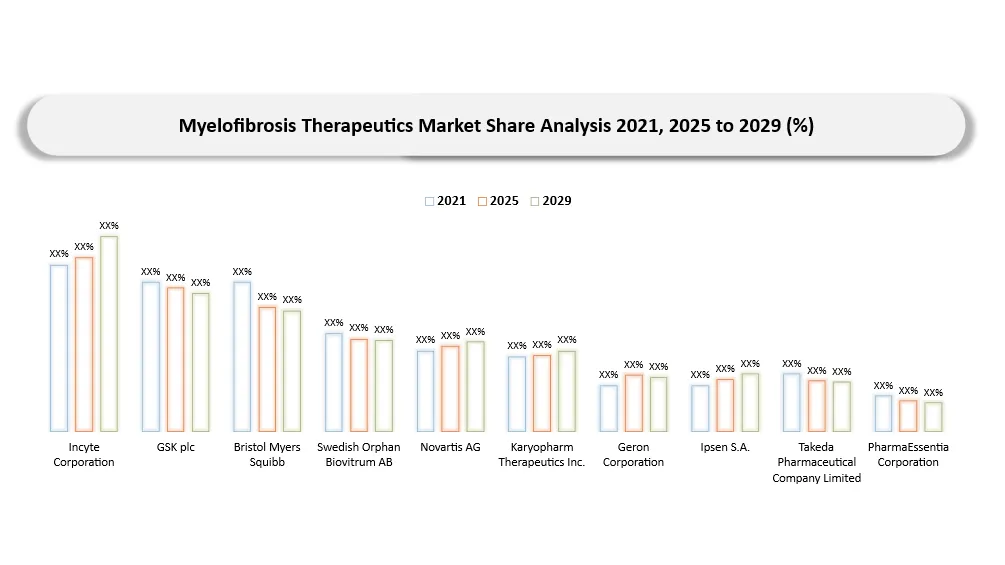
- Competition is led by established JAK inhibitor franchises, with Incyte, GSK, Sobi and Bristol Myers Squibb holding strong positions through approved therapies including Jakafi/Jakafi XR, Ojjaara, Vonjo and Inrebic.
- Competitive differentiation is increasingly phenotype-driven, with treatment selection shaped by anemia, thrombocytopenia, transfusion burden, prior JAK inhibitor exposure and overall disease risk rather than spleen and symptom control alone.
- Late-stage pipeline competition is intensifying, led by selinexor, navtemadlin, pelabresib, imetelstat, ropeginterferon alfa-2b and elritercept, creating potential pressure on established JAK inhibitor treatment sequences.
- Non-JAK mechanisms are becoming a major source of disruption, with development expanding across XPO1, telomerase, MDM2, BET, activin, LSD1 and PIM pathways, frequently through combination strategies with ruxolitinib.
- Future competitive leadership will be determined by disease-modifying potential, durable hematologic improvement, transfusion independence, efficacy in cytopenic and post-JAK populations and the ability to delay progression while maintaining acceptable long-term safety.
Key Companies of Myelofibrosis Therapeutics Market
- Incyte Corporation (United States)
- GSK plc (United Kingdom)
- Bristol Myers Squibb (United States)
- Swedish Orphan Biovitrum AB (Sweden)
- Novartis AG (Switzerland)
- Karyopharm Therapeutics Inc. (United States)
- Geron Corporation (United States)
- Ipsen S.A. (France)
- Takeda Pharmaceutical Company Limited (Japan)
- PharmaEssentia Corporation (Taiwan)
- Eli Lilly and Company (United States)
- Merck & Co., Inc. (United States)
- Sumitomo Pharma Co., Ltd. (Japan)
- Chengdu Zenitar Biomedical Technology Co., Ltd. (China)
- Chia Tai Tianqing Pharmaceutical Group Co., Ltd. (China)
- Suzhou Junjing BioSciences Co., Ltd. (China)
- iOnctura SA (Switzerland)
- Active Biotech AB (Sweden)
- Telios Pharma, Inc. (United States)
- Keros Therapeutics, Inc. (United States)
Myelofibrosis Therapeutics Market Major Pain Points
- Limited Disease Modification: Current therapies largely improve splenomegaly and symptom burden but do not consistently reverse marrow fibrosis, suppress malignant clones or prevent long-term disease progression.
- Persistent Cytopenias and Transfusion Dependence: Anemia, thrombocytopenia and transfusion requirements remain major clinical challenges, often limiting treatment choice, dose intensity and long-term therapeutic benefit.
- Suboptimal Outcomes After JAK Inhibitor Failure: Patients who become refractory, intolerant or lose response to JAK inhibitors continue to face limited effective treatment options and poor clinical outcomes.
- Balancing Efficacy With Hematologic Toxicity: Achieving deeper spleen, symptom and disease-control responses without worsening anemia or thrombocytopenia remains a major challenge for both monotherapy and combination development.
Myelofibrosis Therapeutics Market Recent Developments
- August 2026: Takeda advanced elritercept into Phase 3 development for anemia in patients with myelofibrosis receiving ruxolitinib, strengthening competition in anemia-directed treatment strategies.
- August 2026: Karyopharm Therapeutics confirmed progress toward an sNDA submission for selinexor plus ruxolitinib following Phase 3 SENTRY results in myelofibrosis.
- June 2026: Ipsen agreed to acquire Kartos Therapeutics, gaining navtemadlin, a Phase 3 MDM2 inhibitor being developed in combination with ruxolitinib for myelofibrosis.
- June 2026: Eli Lilly and Company presented initial Phase 1 data for AJ1-11095, a Type II JAK2 inhibitor designed to target mutant and activated JAK2 signaling in myelofibrosis.
- May 2026: Incyte Corporation received FDA approval for Jakafi XR, a once-daily extended-release formulation of ruxolitinib for adults with intermediate- or high-risk myelofibrosis.
Analyst View / Opinion on Myelofibrosis Therapeutics Market
- The market is moving beyond conventional JAK inhibitor monotherapy, with future value increasingly concentrated in combination regimens and non-JAK mechanisms capable of delivering deeper and more durable clinical responses.
- Cytopenic patient populations will remain central to competitive differentiation, as anemia, thrombocytopenia and transfusion dependence continue to influence treatment selection, dosing flexibility and long-term therapeutic outcomes.
- Post-JAK inhibitor disease represents one of the most attractive strategic opportunity areas, creating significant commercial potential for therapies that can restore response after intolerance, resistance or inadequate benefit from existing JAK inhibitors.
- Disease modification is likely to become the next major competitive benchmark, with greater emphasis on marrow-fibrosis improvement, malignant-clone suppression, hematologic recovery and delayed disease progression rather than symptom control alone.
- Companies combining strong hematology commercialization capabilities with differentiated late-stage assets will be best positioned to gain share, particularly where therapies demonstrate durable efficacy, manageable myelosuppression, broader patient eligibility and clear treatment-sequencing advantages.
Myelofibrosis Therapeutics Market Target Audience
| INDUSTRY | WHO SHOULD BUY THIS REPORT? | REASON TO BUY THIS REPORT |
| Pharmaceutical Companies | Hematology and Oncology Drug Manufacturers | To benchmark approved therapies, assess competitive positioning and identify opportunities across JAK inhibitors, anemia-directed therapies and emerging non-JAK mechanisms. |
| BioTransplant Eligibility Companies | Clinical-Stage and Pipeline-Focused Biotech Developers | To evaluate pipeline white spaces, emerging mechanisms, clinical differentiation and partnership opportunities in myelofibrosis. |
| Healthcare Providers | Hematologists, Oncologists and Specialized MPN Treatment Centers | To understand evolving treatment sequencing, patient stratification and therapeutic options across anemia, thrombocytopenia and post-JAK settings. |
| Investors and Private Equity | Healthcare Investors, Venture Capital Firms and Private Equity Funds | To identify high-potential assets, late-stage pipeline opportunities, acquisition targets and emerging therapeutic mechanisms with strong strategic value. |
| Contract Research Organizations | CROs and Clinical Development Service Providers | To assess active clinical development, trial-design priorities and demand for myelofibrosis-focused clinical research services. |
| Payers and Market Access Organizations | Health Insurers, HTA Bodies and Reimbursement Decision-Makers | To evaluate comparative clinical value, treatment costs, reimbursement positioning and potential budget impact of emerging therapies. |
| Licensing and Business Development Teams | Pharma BD, Alliance Management and Portfolio Strategy Teams | To identify licensing targets, partnership opportunities and potential portfolio gaps across current and emerging myelofibrosis treatments. |
| Regulatory and Consulting Firms | Regulatory Advisors, Strategy Consultants and Competitive Intelligence Teams | To monitor regulatory milestones, pipeline advancement, competitor strategy and changing treatment standards across the myelofibrosis landscape. |
Why Choose DATAM?
- Therapy-Level Competitive Intelligence: Gain granular intelligence across approved myelofibrosis therapies, late-stage pipeline assets, mechanisms of action, treatment sequencing, clinical differentiation and competitive positioning.
- Patient-Segment and Unmet-Need Analysis: Understand opportunities across anemia, thrombocytopenia, transfusion dependence, post-JAK inhibitor failure and other clinically challenging MF populations.
- Pipeline and Regulatory Tracking: Monitor Phase 1-3 assets, FDA milestones, regulatory submissions, licensing activity, acquisitions and emerging mechanisms that could reshape the myelofibrosis treatment landscape.
- Data-Driven Strategic Insights: Access decision-ready analysis covering epidemiology, treatment adoption, competitive benchmarking, market dynamics, white-space opportunities and future therapeutic transformation.
- Post-Purchase Analyst Support: Engage directly with DataM analysts for customized discussions on competitors, pipeline assets, patient opportunity mapping, treatment positioning and strategic questions relevant to your organization.
- Custom Research and Scenario Analysis: Extend the study through tailored company benchmarking, clinical-trial comparisons, target opportunity profiles, asset-screening frameworks and market-entry assessments.
- Annual Report Updates: Receive updates on major approvals, pipeline changes, competitive developments and treatment-landscape shifts to keep strategic decisions aligned with the evolving MF market. Terms and conditions apply.
- Specialized Rare-Disease and Hematology Focus: DataM combines therapeutic-area intelligence with commercial analysis to identify clinically meaningful opportunities across established treatments and emerging disease-modifying approaches.
What DATAM Uniquely Provides
- Deep Myelofibrosis Treatment Segmentation: Detailed analysis across disease type, treatment line, therapy class, patient risk profile and clinically important subgroups such as anemia, thrombocytopenia and post-JAK inhibitor populations.
- Therapy and Pipeline Competitive Benchmarking: Comparative assessment of approved and investigational MF therapies based on mechanism, clinical stage, efficacy differentiation, hematologic benefit, safety, treatment burden and positioning strategy.
- Patient Opportunity and White-Space Mapping: Identification of high-value unmet-need areas including transfusion dependence, severe thrombocytopenia, inadequate JAK inhibitor response, disease progression and potential disease-modifying opportunities.
- Regulatory, Pricing and Market Access Intelligence: Analysis of approvals, reimbursement dynamics, treatment costs, payer considerations, regulatory milestones and procurement factors influencing commercial uptake.
- Strategic Pipeline and Investment Analysis: Tracking of late-stage assets, licensing activity, acquisitions, partnerships and emerging targets including XPO1, telomerase, MDM2, BET and activin pathways.
- Forward-Looking Analyst Insights: Decision-ready perspectives on treatment sequencing, competitive disruption, future therapeutic standards, regional opportunities and the factors most likely to determine long-term market leadership.




























































