


Hot Chocolate Market Size
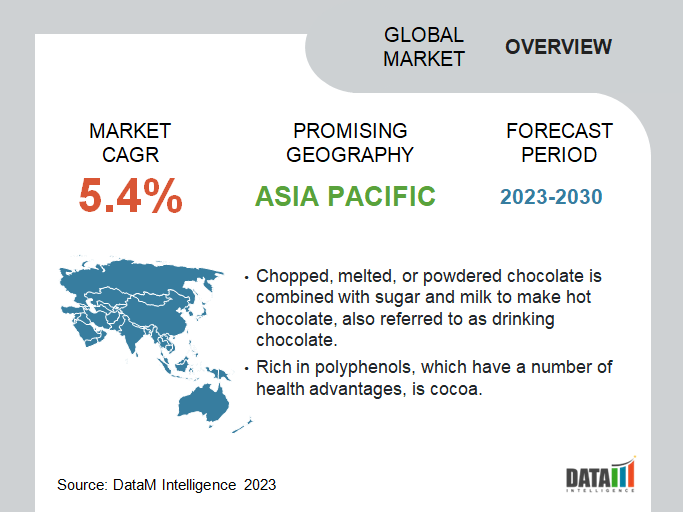
Global Hot Chocolate Market reached USD 4,436.6 million in 2025 and is projected to witness lucrative growth by reaching up to USD 6,757.5 million by 2033. The market is growing at a CAGR of 5.4% during the forecast period (2026-2033).
Hot chocolate demand is anticipated to increase over the forecast period due to consumers' shifting preferences for nutritive foods and beverages as a result of changing lifestyles and eating habits.
Antioxidants that are found in nature called polyphenols are well known for enhancing blood flow, reducing inflammation, and lowering blood pressure. According to a YouGov survey of 1,000 US adults aged 21 and over, hot chocolate is the country's preferred winter beverage. 34% of Americans say hot chocolate is their favorite holiday beverage. Men (30%), women (35%), and people under the age of 50 (34%) all rank it as their top choice for hot chocolate.
Market Scope
| Metrics | Details |
| CAGR | 5.4 % |
| Size Available for Years | 2025-2033 |
| Forecast Period | 2026-2033 |
| Data Availability | Value (USD ) |
| Segments Covered | Type, Distribution Channel, and Region |
| Regions Covered | North America, Europe, Asia-Pacific, South America and Middle East & Africa |
| Fastest Growing Region | Asia-Pacific |
| Largest Region | North America |
| Report Insights Covered | Competitive Landscape Analysis, Company Profile Analysis, Market Size, Share, Growth, Demand, Recent Developments, Mergers and Acquisitions, New Product Launches, Growth Strategies, Revenue Analysis, Porter’s Analysis, Pricing Analysis, Regulatory Analysis, Supply-Chain Analysis and Other key Insights. |
To know more Insights - Download Sample
Market Dynamics
Increased Demand For Flavored Hot Chocolate And The Growth Of Coffee Shops Is Expected To Drive The Market Growth
The rising demand for flavored hot chocolate and the rising number of coffee shops drive the global hot chocolate market growth. Over the projected period, technical improvements such as utilizing cocoa powder with various tastes are expected to propel the global hot chocolate market's growth. For instance, on January 27, 2023, The Chocolate Professor released the more recent hot chocolates follow confectionery industry trends, which include a shift towards less sugar, healthier ingredients, single-origin cacao, and ingredient lists free of artificial flavors and preservatives.
On the other hand, Starbucks is rapidly expanding in China due to the country's vast tea-drinking populace. To capitalize on this opportunity, the company plans to open around 600 outlets per year. Consumer preferences for nutritional items are likely to shift as a result of increased cardiovascular disease rates and an increase in the number of weight-loss programs, boosting demand for hot chocolate as a healthy option.
Market Segmentation Analysis
The global hot chocolate market is segmented based on type, distribution channel and region.
Offline Segment Accounts For The Highest Share In Global Hot Chocolate Market
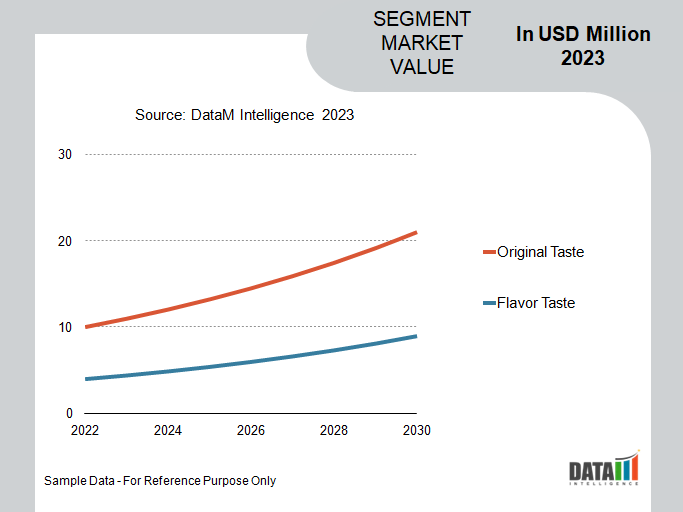
The offline distribution channel segment had a significant share of more than 38% during the predicted period. In the coming years, high product availability at supermarkets, hypermarkets, and convenience stores is likely to benefit hot chocolate sales through the offline channel. While the popularity of online sales channels is gradually increasing, approximately 83 % of consumers prefer the offline channel because it allows them to feel, touch, and taste the product, resulting in hot chocolate sales being driven by the offline channel. The high visibility of the product at supermarkets, hypermarkets, and convenience stores is a crucial factor favoring hot chocolate sales through the offline channel. Furthermore, the growing number of retailers in countries like India, China, and Brazil would witness market growth in the next years.
Market Geographical Share
Asia-Pacific is Expected To Be The Dominating Region During The Forecast Period.
By region, the global hot chocolate market is segmented into North America, South America, Europe, Asia-Pacific, Middle-east and America.
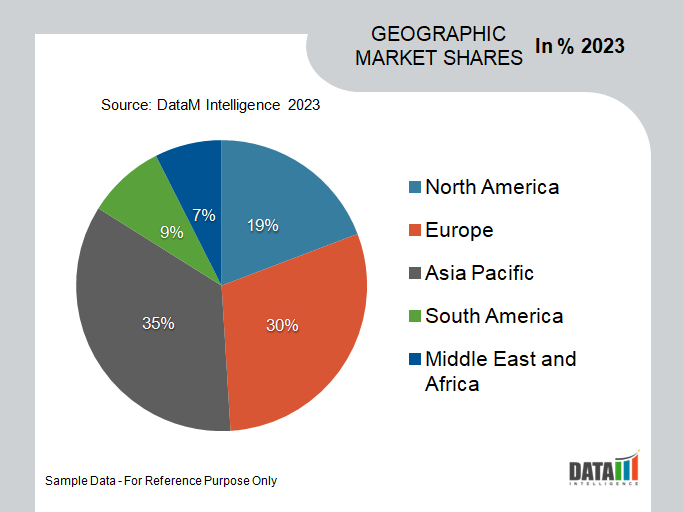
In 2022, Asia Pacific accounted for about 36.9% of worldwide sales. Cocoa consumption can aid in preventing diabetes, obesity, and stress. The key factor likely to boost demand for hot chocolate in the future years is rising consumer knowledge of the health advantages of cocoa. Furthermore, due to changing eating patterns and a desire for chocolate drinks, an increase in the number of fast-service restaurants in India and China is likely to open up opportunities for hot chocolate shortly. For instance, on July 8, 2021, Harbinger Foods, India, launched Artisanal Chocolate with an aspiration to create an ‘Indian, world-class, luxurious chocolate brand’.
Hot Chocolate Companies
The major global players include Cadbury, W.T Lynch Foods, Starbucks, Chocomize, Land O” Lakes, Chek Hup Sdn. Bhd, The Hershey Company, Nestlé S.A., Swiss Miss, and GODIVA Chocolaiter.
Nestle S.A. – Overview
- Nestlé S.A. is a Swiss multinational food and drink processing conglomerate corporation.
- Nestle S.A has a presence of more than 2,000 brands and a presence in 188 countries, including baby foods, bottled water, cereals, chocolates and confectionery, coffee, culinary products, chilled and frozen foods, dairy products, nutritional products, ice cream and pet products are among the company's product offerings.
- Nestle S.A. provides direct-to-consumer meal delivery services, sausages and nutritional goods. Aero, Alpo, Milky Bar, Nestle Ice Cream, Cerelac, Nescafe, Nespresso, Nestea, Häagen-Dazs, Milo, Maggi, Buitoni, Cailler, Movenpick, Freshly, Purina, Boost, Gerber and Kit Kat are a few of its well-known brands.
- The company achieved about 1,03,543.97 USD million in revenue in 2023.
Vegan hot chocolates are a prominent trend in this market. With the growing popularity of plant-based chocolate, it's the ideal opportunity to elevate the hot chocolate category from a purely hedonistic beverage to one that promotes health and wellness. These beverages are also high in vitamins and minerals and have low fat, making them perfect for people with slow digestive systems. Another significant trend is rising consumer demand. In England, for instance, hot chocolate nearly surpassed both coffee and tea.
Key Developments
- May 2026: Nestlé expanded premium hot chocolate product lines in North America and Europe, focusing on functional ingredients such as reduced sugar, added protein, and plant-based cocoa formulations to meet rising health-conscious consumer demand.
- April 2026: Lindt & Sprüngli launched a new seasonal hot chocolate range featuring single-origin cocoa blends, strengthening its position in the premium indulgence beverage segment across global retail channels.
- March 2026: Mondelez International expanded its cocoa beverage portfolio through strategic product innovation under brands like Cadbury, targeting convenience store and ready-to-drink hot chocolate segments.
- February 2026: Barry Callebaut increased cocoa supply chain investments and sustainability programs to support rising global demand for hot chocolate and cocoa-based beverage formulations.
- January 2026: Starbucks introduced upgraded seasonal hot chocolate offerings across global outlets, incorporating specialty cocoa blends and dairy-free alternatives to expand consumer choice.
- December 2025: The Hershey Company strengthened its instant hot chocolate mix portfolio with new flavor extensions and improved solubility formulations targeting mass-market retail expansion.
- November 2025: Unilever expanded its beverage division innovation pipeline, supporting hot chocolate and cocoa-based drink mixes aligned with comfort beverage consumption trends.
- October 2025: Kraft Heinz Company optimized distribution of instant hot cocoa products across e-commerce and retail platforms, leveraging digital sales growth in the hot beverages category.
- September 2025: Cargill enhanced cocoa sourcing sustainability initiatives and supply chain resilience programs to support stable raw material availability for hot chocolate manufacturers worldwide.
- August 2025: Tata Consumer Products expanded its beverage portfolio in emerging markets, introducing affordable instant hot chocolate mixes tailored to price-sensitive consumers in Asia-Pacific regions.
Why Purchase the Report?
- To visualize the global hot chocolate market segmentation based on type, distribution channel, and region, as well as understand key commercial assets and players.
- Identify commercial opportunities by analyzing trends and co-development.
- Excel data sheet with numerous data points of hot chocolate market-level with all segments.
- PDF report consists of a comprehensive analysis after exhaustive qualitative interviews and an in-depth study.
- Product mapping available as Excel consisting of key products of all the major players.
The global hot chocolate market report would provide approximately 77 tables, 82 figures and 195 Pages.
Target Audience
- Manufacturers/ Buyers
- Industry Investors/Investment Bankers
- Research Professionals
- Emerging Companies



























































