


Hafnium Market Size & Forecast 2035
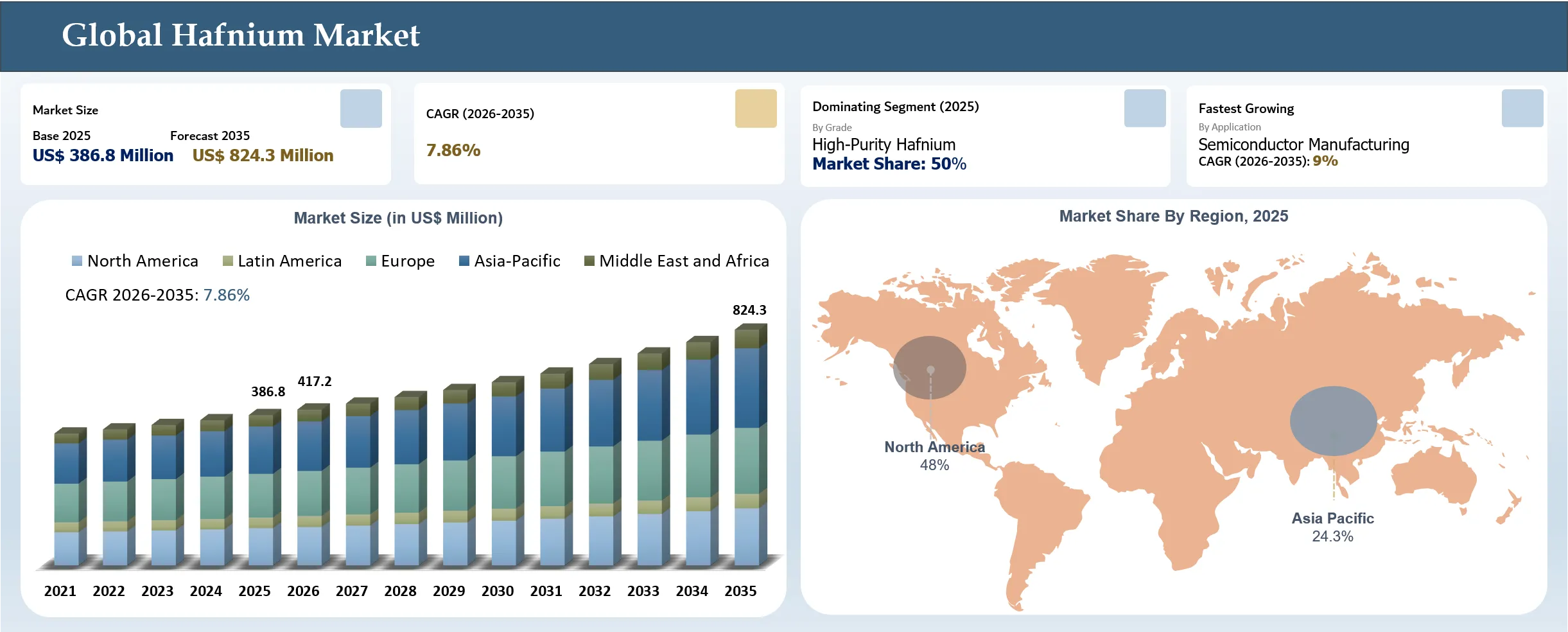
The global Hafnium market size reached USD 386.8 million in 2025 and is expected to reach USD 824.3 million by 2035, growing with a CAGR of 7.86% during the forecast period 2026-2035. The market is expanding steadily due to growing consumption of pure hafnium in advanced semiconductor fabrication processes, since hafnium oxide is used extensively as a high-k dielectric material for next-generation integrated circuits. Increased investments in aerospace engines, gas turbines, and defense applications lead to rising demand for superalloys and ultra-high-temperature ceramics made from hafnium due to its high thermal stability and good oxidation resistance properties. SEMI predicts that the sales of semiconductor manufacturing equipment will break a new record in 2026 and will amount to US$165.9 billion, marking a year-on-year growth of 23.2%. Moreover, the nuclear industry contributes to the growing demand for hafnium as well, since the IEA estimates that there are 62 nuclear reactors under construction worldwide as of February 2025, according to IAEA PRIS data. The industry players have been emphasizing ensuring the availability of the critical minerals supply chain, increasing refining capacities, and making high-purity hafnium materials to help develop strategic industries such as electronics, aerospace, and energy. However, the industry has continued to face challenges such as inadequate primary sources, reliance on the zirconium production process, and the separation process of hafnium from zirconium.
Expansion in the geographic diversity in the production capacity of Hafnium is expected to help enhance resilience in the supply chain and decrease the dependency on one dominant player. In May 2026, according to a Manila Times article, Critical Metals Corp. (CRML) announced its strategy to become a leading global supplier of hafnium by developing the Tanbreez project in Greenland and a refinery in Romania, which will help the company decrease China's current 75% China’s share in global hafnium supply. It was emphasized that the global demand for hafnium is expected to grow by almost 70% by 2030 owing to advanced semiconductors, artificial intelligence data centers, aerospace superalloys, and nuclear applications. The production capacity of the refinery is anticipated to reach 120 – 150 tonnes of hafnium annually, and that of the Tanbreez project is expected to be 130,000 tonnes of concentrate per annum.
U.S. Critical Minerals Funding Initiative Creates White-Space Opportunities Across Hafnium Mining, Processing, and Supply Chain Development
In February 2026, the U.S. government launched a Critical Minerals Support Program offering up to USD 500 million in funding per project to strengthen domestic production, processing, recycling, and supply chain security for critical minerals, including hafnium. The largest share of funding is expected to support domestic mining and mineral processing projects, particularly those focused on developing new extraction facilities, refining capacity, separation technologies, and downstream processing infrastructure to reduce dependence on foreign suppliers. Additional investments are directed toward critical mineral recycling, advanced processing technologies, feasibility studies, and commercial-scale project development. The program is expected to benefit strategic mineral projects such as hafnium, rare earth elements, lithium, cobalt, nickel, and other defense and technology-related materials.
Companies involved in critical mineral development, including Critical Metals Corp. (CRML) through its Tanbreez Project in Greenland, USA Rare Earth through its Round Top Critical Minerals Project in Texas, MP Materials through its Mountain Pass rare earth facility in California, and NioCorp Developments through the Elk Creek Critical Minerals Project in Nebraska, are positioned to benefit from increasing government support for domestic resource development. Equipment suppliers and technology providers such as Metso, FLSmidth, and Hatch are expected to gain opportunities through mineral processing equipment, engineering services, and plant development activities, while testing and certification companies including SGS, Intertek, and Bureau Veritas may benefit from higher demand for mineral analysis, metallurgical testing, and project qualification services. The funding initiative is expected to strengthen the U.S. critical minerals ecosystem by accelerating domestic production capacity, improving supply chain resilience, and creating growth opportunities for industries dependent on strategic materials, including semiconductors, aerospace, defense, nuclear energy, artificial intelligence infrastructure, and advanced manufacturing.
Hafnium Market Key Takeaways
- North America held the largest share of the global hafnium market in 2025, accounting for approximately 48% of total revenue.
- The high-purity hafnium segment dominated overall product demand, capturing roughly 50% of the market share in 2025. High-purity material adoption is further supported by defense applications, as global military expenditure increased by 2.9% in 2025 to reach USD 2.9 trillion.
- China currently controls 75% of the global hafnium supply chain, highlighting significant regional centralization risks. In contrast, worldwide demand for hafnium is forecasted to surge by nearly 70% by 2030 across advanced semiconductor, aerospace, and energy industries.
- In February 2026, the U.S. government launched its Critical Minerals Support Program, offering funding up to USD 500 million per project. This initiative explicitly funds domestic extraction, refining facilities, separation technology, and downstream recycling for strategic materials, including hafnium.
Hafnium Market Industry Trends and Strategic Insight
- Increasing semiconductor-grade hafnium oxide demand driven by advanced node manufacturing. The transition toward smaller semiconductor process nodes is strengthening demand for high-purity hafnium oxide (HfO₂), which is used as a high-k dielectric material in advanced transistors to improve gate control and reduce leakage current.
- Supply chain concentration remains a critical strategic concern. Hafnium is not mined as a standalone mineral and is primarily recovered as a by-product of zirconium refining, with zircon containing zirconium and hafnium at an approximate ratio of 50:1.
- Aerospace and defense manufacturers are increasing the use of hafnium-containing materials in turbine blades, combustion components, and ultra-high-temperature ceramics due to hafnium’s high melting point, oxidation resistance, and ability to withstand extreme thermal environments.
- Hafnium continues to play a strategic role in nuclear reactor control systems because of its strong neutron absorption capability.
- Governments are prioritizing domestic processing capabilities and diversified sourcing for critical minerals used in semiconductors, defense, and energy infrastructure.
Hafnium Market Scope
| Metrics | Details | |
| 2025 Market Size | USD 386.8 Million | |
| 2035 Projected Market Size | USD 824.3 Million | |
| CAGR (2026-2035) | 7.86% | |
| Largest Market | North America | |
| Fastest Growing Market | Asia-Pacific | |
| By Product Type | Hafnium Metal, Hafnium Oxide (Hafnia / HfO₂), Hafnium Carbide, Hafnium Nitride, Hafnium Alloys, Others | |
| By Grade | High-Purity Hafnium, Ultra-High-Purity Hafnium, Commercial-Grade Hafnium | |
| By Form | Powder, Sponge, Bar & Rod, Sheet & Plate, Other Forms | |
| By Application | Semiconductor Manufacturing, Nuclear Energy, Aerospace & Defense, Plasma Cutting Equipment, Optical Coatings, Industrial Ceramics, Other | |
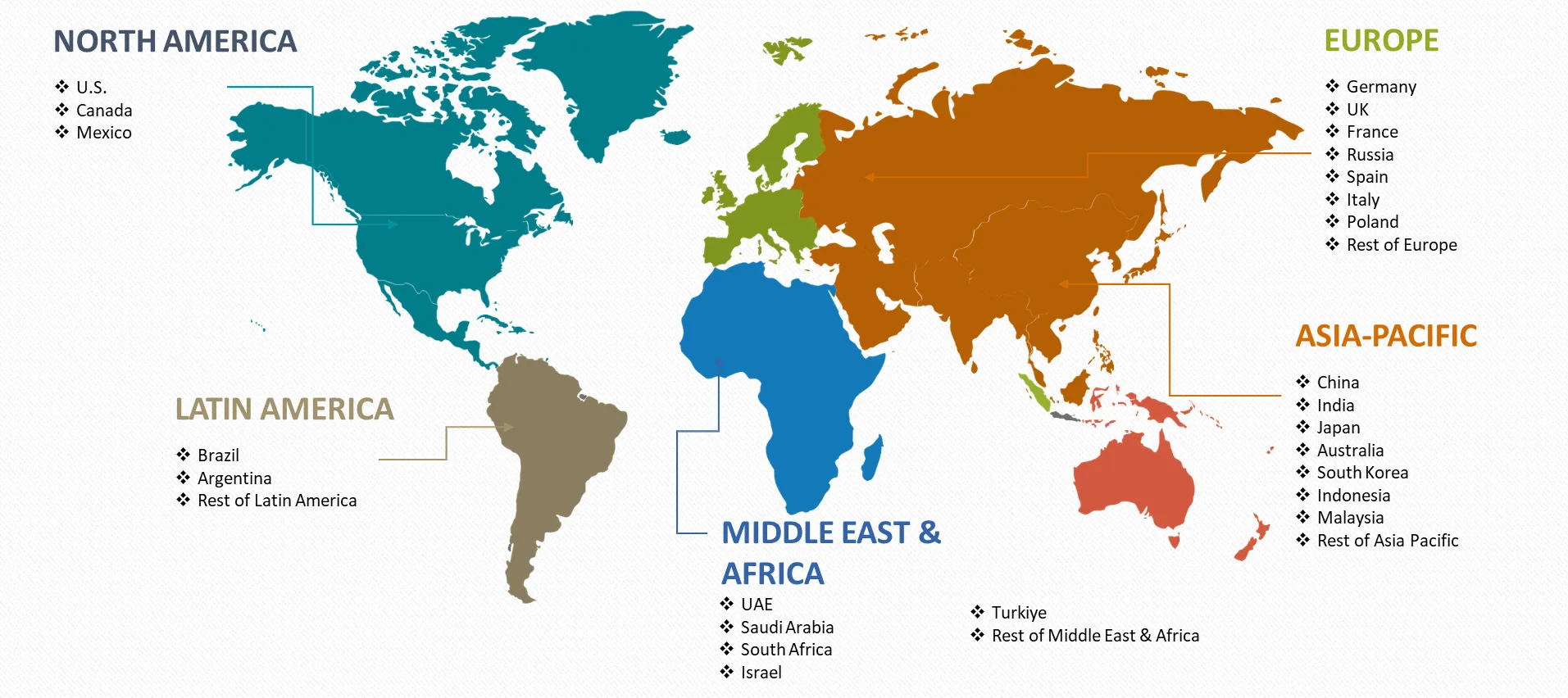
| By Region | North America | U.S., Canada, Mexico |
| Europe | Germany, UK, France, Spain, Italy, Poland | |
| Asia-Pacific | China, India, Japan, Australia, South Korea, Indonesia, Malaysia | |
| Latin America | Brazil, Argentina | |
| Middle East and Africa | UAE, Saudi Arabia, South Africa, Israel, Türkiye | |
| Report Insights Covered | Competitive Landscape Analysis, Company Profile Analysis, Market Size, Share, Growth | |
Hafnium Market Disruption Analysis
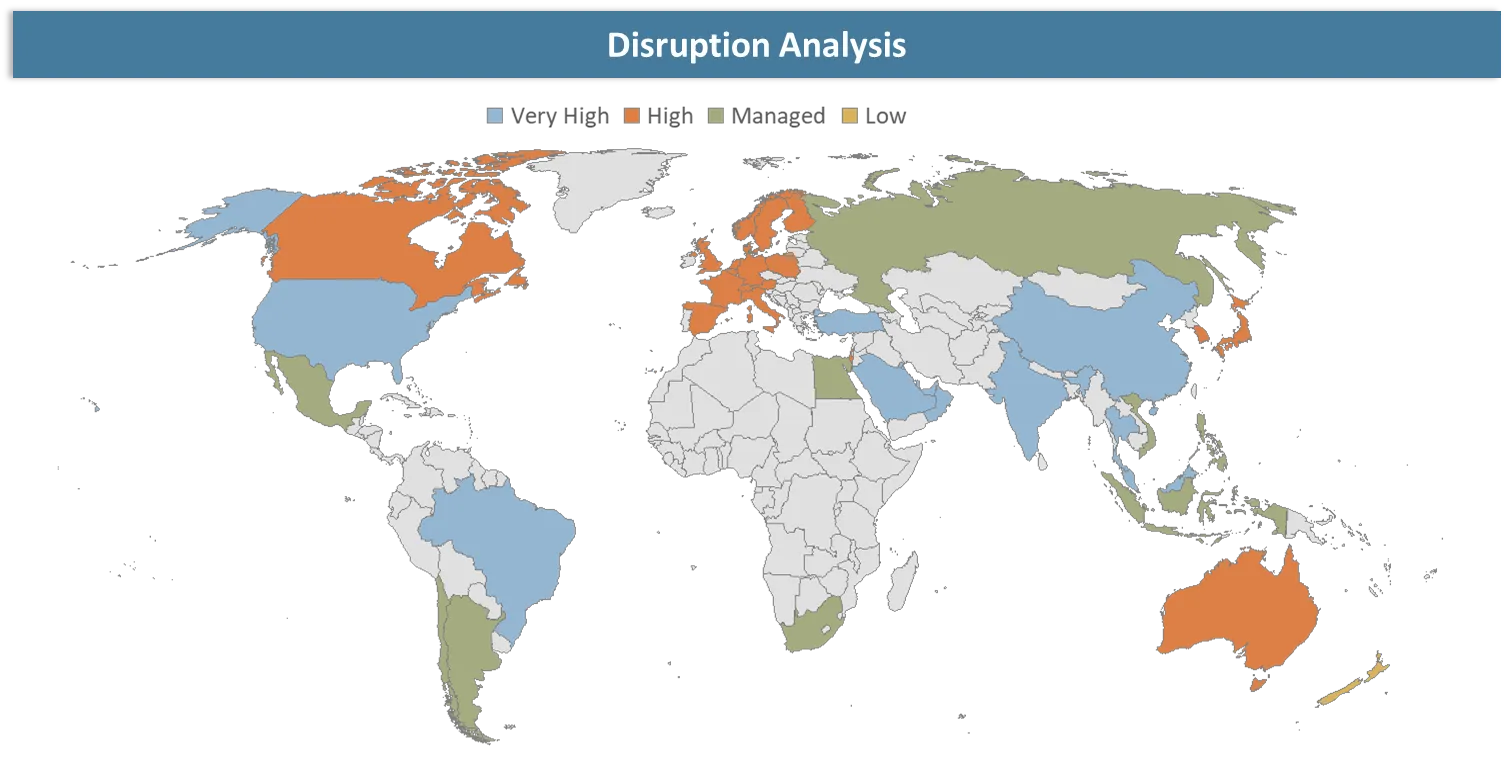
Supply Chain Dependency on Zirconium Processing Reshaping Hafnium Availability and Pricing Dynamics
Disruption in the Hafnium Market is primarily associated with its dependence on the supply chain of zirconium, since hafnium is not produced independently but is usually mined as a by-product from the process of separating zirconium. This means that there is a structural constraint concerning supply, whereby changes in the production and supply of zircon, demand for zirconium, and separation facilities directly affect the supply, cost structure, and price structure of hafnium. The U.S. Geological Survey (USGS) Mineral Commodity Summaries 2026 highlighted that the production of hafnium is still closely associated with zirconium, whereby the supply chain depends on a few areas involved in producing and refining zircon. This poses problems to industries looking for a continuous source of electronic hafnium oxide and hafnium alloys.
Consequently, businesses and the government have started giving more emphasis on zirconium supply security, hafnium refining, and strategic mineral sourcing. This market shift is turning hafnium from being a specialty metal with low volume to being a strategically sourced metal, where refining ability and purity of production will be important competitive parameters.
Hafnium Market BCG Matrix: Company Evaluation
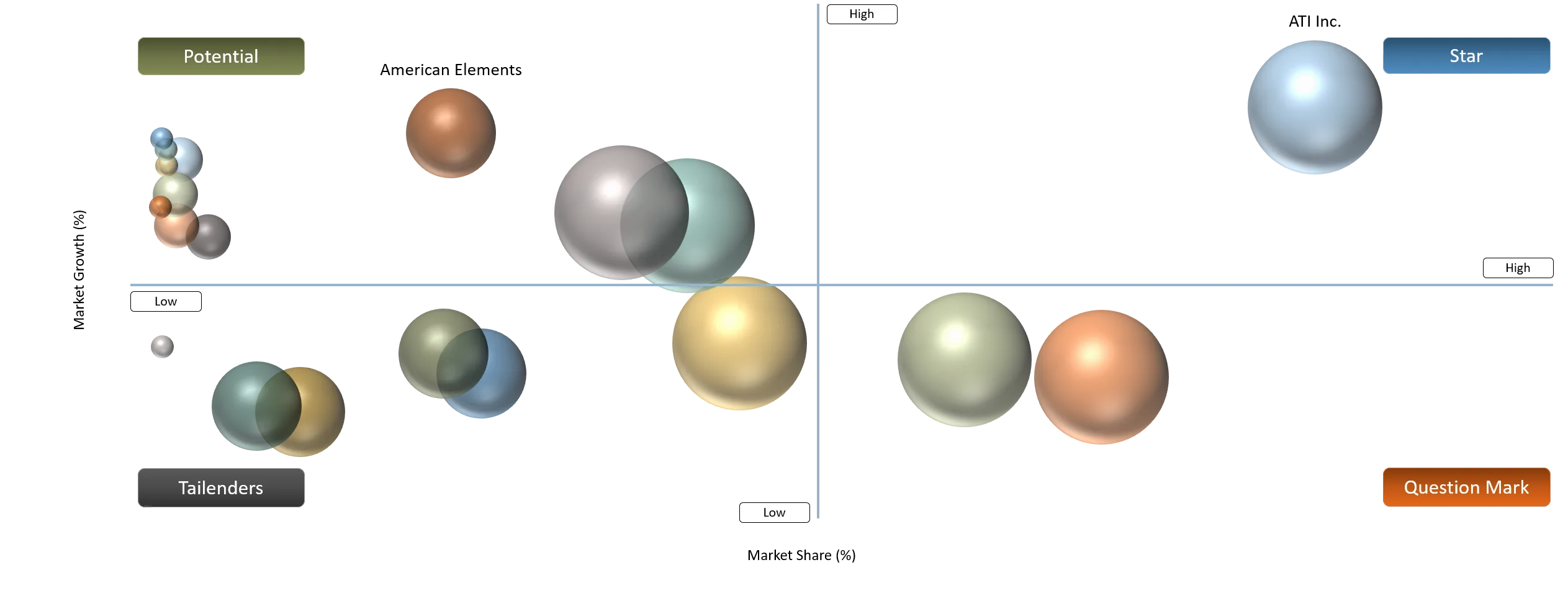
Stars include ATI Inc., Framatome, and Materion Corporation are positioned as Stars due to their strong presence in high-value hafnium applications, including aerospace superalloys, nuclear materials, semiconductor-grade materials, and advanced metal processing. These companies benefit from established technical capabilities, long-term customer relationships, and increasing demand for hafnium-based materials in strategic industries. Question Marks include Orano Mining, Tosoh Corporation, and H.C. Starck Solutions are categorized as Question Marks because they possess strong technological capabilities but operate in highly specialized segments of the hafnium value chain.
Potential include American Elements, Stanford Advanced Materials, and Goodfellow Corporation are placed in the Potential category due to their broad supply of high-purity hafnium products, including hafnium metal, hafnium oxide, powders, sputtering targets, and research-grade materials. These companies benefit from increasing demand from semiconductor research, advanced ceramics, and industrial applications but primarily operate as specialty material suppliers rather than large-scale hafnium producers. Tailenders include LTS Research Laboratories is positioned as a Tailender because its hafnium activities are primarily focused on laboratory-scale and specialty chemical supply rather than large-volume industrial production.
Hafnium Market Dynamics
Driver Impact Analysis
| Driver | Growth Impact (%) | Demand Concentration | Impacted Use Case | Strategic Impact |
Rising demand for advanced semiconductor devices is increasing the consumption of high-purity hafnium oxide (HfO₂). | 40% | Concentrated in advanced semiconductor manufacturing hubs including Taiwan, South Korea, Japan, the United States, and Europe. | High-k dielectric layers in advanced logic chips, Gate-All-Around (GAA) transistors, FinFET devices, and memory components. | Strengthens hafnium’s role as a strategic semiconductor material and increases demand for ultra-high-purity hafnium oxide supply chains. |
Expansion of nuclear power infrastructure is driving hafnium demand due to its high neutron absorption capability for reactor control rods and nuclear safety components. | 25% | Concentrated in countries expanding nuclear capacity such as China, France, the United States, India, and Russia. | Nuclear reactor control rods, neutron-absorbing components, and reactor safety systems. | Supports long-term demand stability and reinforces hafnium’s importance as a critical material for nuclear energy applications. |
Growing aerospace and defense applications are accelerating the adoption of hafnium-containing superalloys and ultra-high-temperature ceramics for extreme thermal environments. | 25% | Concentrated in aerospace and defense manufacturing regions including North America, Europe, and Asia Pacific. | Jet engine components, turbine blades, rocket propulsion systems, hypersonic vehicles, and thermal protection systems. | Creates high-value demand opportunities for hafnium-based alloys and ceramics, increasing focus on advanced material production capabilities. |
Rising focus on critical mineral supply chain security is encouraging investments in hafnium refining, separation technologies, and strategic material sourcing. | 20% | Concentrated in regions seeking supply diversification, including the United States, European Union, Japan, and other advanced manufacturing economies. | Hafnium extraction, zirconium-hafnium separation, high-purity refining, and strategic material stockpiling. | Encourages development of resilient hafnium supply chains, domestic processing capacity, and alternative sourcing strategies to reduce dependency risks. |
Rising demand for advanced semiconductor devices is increasing the consumption of high-purity hafnium oxide (HfO₂)
The rapid advancement of semiconductor technologies is a key driver accelerating demand for high-purity HfO₂. With growing miniaturization of semiconductor technology and increased emphasis on energy efficiency, hafnium oxide provides improved control of the gates, less leakage current, and superior performance than the conventional dielectrics made of silicon oxide. In the years 2025-2026, growing spending on AI, HPC, and logic chips will boost the demand for semiconductor materials containing hafnium. In Q4 2025, TSMC 2nm (N2) technology reached high-volume production using an advanced nanosheet transistor structure that needs better dielectrics, thus satisfying the increasing requirement for HfO2 in the semiconductor industry.
Improvements in ultra-thin hafnium dioxide dielectrics are expected to drive the use of hafnium oxides in semiconductor fabrication. In April 2026, according to Nature Communications, scientists developed wafer-scale high-κ HfO₂ dielectric thin films with an equivalent oxide thickness (EOT) lower than 5 Å for next-generation 2D MoS₂ transistors. This study showed the possibility of forming wafer-scale HfO₂ thin film deposition, resulting in ultrathin gate dielectrics with an EOT of less than 5 Å that play an important role in ensuring electrostatic gating and low leakage currents in modern transistors. The study shows the importance of using high-purity hafnium oxide (HfO₂) as a prospective material for advanced semiconductor devices, such as logic, AI chips, and beyond-silicon transistors, along with the increasing use of semiconductor-grade hafnium oxide.
Restraint Impact Analysis
| Restraint | Drag on Market Growth (%) | Primary Impact Area | Impacted Use Case | Strategic Impact |
High concentration of hafnium production among limited suppliers creates supply chain risks and reduces market flexibility. | 15% |
Supply chain security and raw material availability
| Semiconductor high-k dielectric manufacturing, aerospace superalloys, nuclear reactor components | Encourages companies to secure long-term supply agreements, diversify sourcing regions, and develop strategic inventories to reduce dependency risks. |
Limited recycling infrastructure for hafnium-containing materials reduces secondary supply availability and increases dependence on primary sources. | 10% | Secondary material supply and cost management | Hafnium-based superalloys, aerospace components, semiconductor manufacturing waste recovery | Increases focus on hafnium recovery technologies and closed-loop recycling systems to improve supply resilience and reduce raw material dependence. |
Fluctuations in zircon mineral supply and zirconium industry dynamics directly impact hafnium availability and pricing stability. | 12% | Upstream raw material supply and price stability | Nuclear applications, high-temperature alloys, advanced ceramics, semiconductor dielectric materials | Drives manufacturers toward supply diversification, inventory optimization, and alternative material strategies to manage price volatility. |
Availability of alternative high-temperature materials and dielectric technologies may limit hafnium adoption in selected applications. | 9% | Material substitution and technology adoption | High-temperature coatings, aerospace components, advanced semiconductor dielectric layers | Pressures hafnium producers to improve material performance, expand specialty applications, and differentiate hafnium-based solutions against competing materials such as zirconium compounds, SiC, and alternative dielectric materials. |
Availability of alternative high-temperature materials and dielectric technologies may limit hafnium adoption in selected applications
One of the key restraints affecting the hafnium market is the availability of alternative materials and dielectric systems capable of meeting performance standards in select applications. The hafnium resource base is highly limited since it is not found in its standalone form but only as a byproduct of the zirconium mineral process. As per the USGS 2026 Mineral Commodity Summary report, hafnium and zirconium are present in zircon in the approximate ratio of 50 to 1 respectively, making it difficult for hafnium to be produced as compared to its substitutes such as zirconium ceramics, silicon carbide (SiC), etc.
The development of more affordable niobium-based alloys might put further pressure on material substitution for hafnium-based alloys in certain high-temperature applications. In 2026, according to University of California Technology Transfer, researchers developed a low-cost niobium-based alloy designed for ultra-high-temperature applications, offering a potential alternative to traditional high-temperature materials used in extreme environments. The niobium alloy technology can be applied in various sectors where hafnium alloy is used.
Hafnium Market Segment Analysis
The global Hafnium market is segmented based on product type, grade, form, application, and region.
High-Purity Hafnium Dominating Demand Due to Semiconductor and Advanced Material Applications
The high-purity hafnium segment dominates the hafnium market, owing to growing demand from the semiconductor industry, aerospace products, nuclear reactors, and the coatings industry, holding a market share of about 50% in 2025. Hafnium of high purity is needed in various applications, as its performance and stability depend on low impurities level in the material. The quick development of advanced semiconductors such as those used in AI processors, HPC, and next-generation logic semiconductors has stimulated the demand for hafnium oxide (HfO₂) and semiconductor deposition materials made of high-purity hafnium.
The aerospace and defense industry remains a source of demand for high-purity hafnium, due to the needs for extreme-temperature alloy production and specific defense applications. According to SIPRI, the total global military expenditure amounted to US$2,887 billion (about US$2.9 trillion) in 2025, which is an increase of 2.9% in real terms compared to last year.
Hafnium Market Geographical Penetration
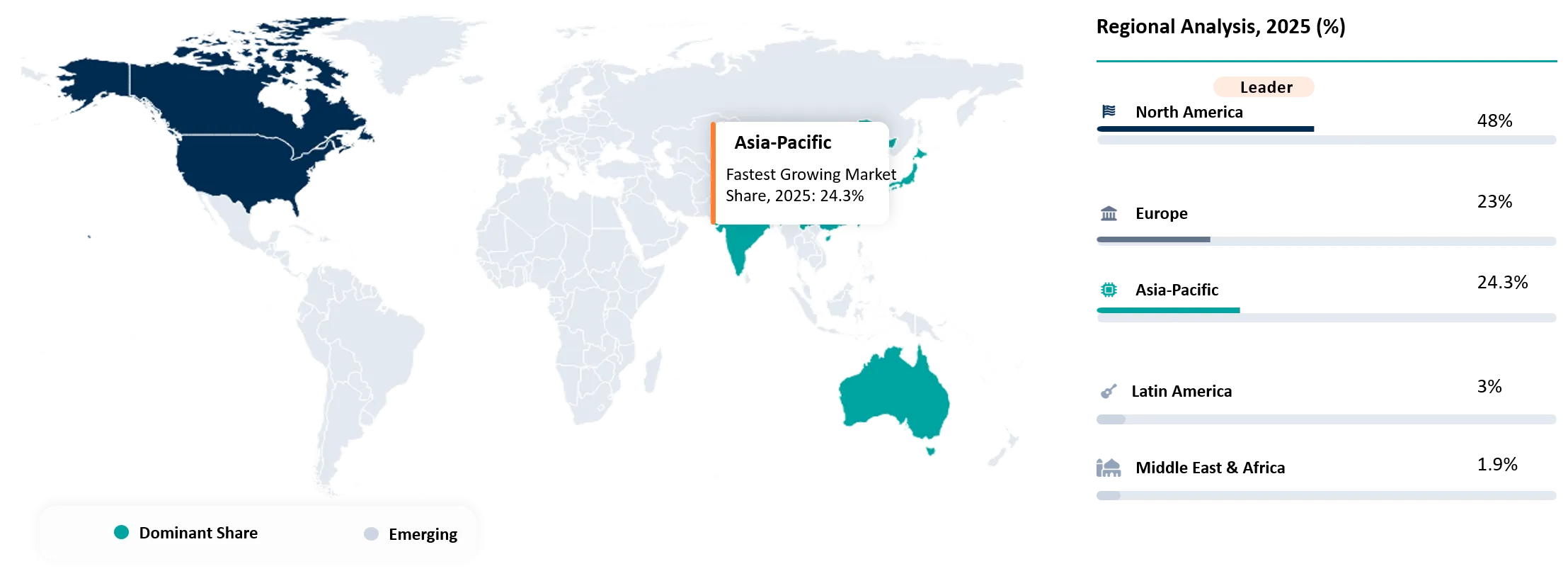
Strategic Supply Security and Advanced Technology Demand Driving Hafnium Market Growth in North America
North America region dominates the hafnium market, contributing around 48% of the market share in 2025, owing to significant demand from semiconductors, aerospace & defense, nuclear energy, and advanced materials end-user industries. The dominance of the North American region is due to the presence of major semiconductor producers, aerospace industry players, and government-led efforts to ensure domestic mineral and advanced materials supply chains. With the rise in investment in semiconductor manufacturing, modernization programs in the defense sector, and development in nuclear technology, the use of hafnium products has risen in several critical sectors.
This transaction will increase Critical Metals Corp.'s control over a strategically located critical minerals project which contains hafnium-bearing deposits. In April 2026, Critical Metals Corp. completed the acquisition of the remaining 50.5% interest in Tanbreez Mining Greenland A/S, increasing its ownership of the Tanbreez Project to 92.5%. Critical Metals Corp. (CRML), a U.S.-based critical minerals mining and development company headquartered in New York, United States, issued 14.5 million ordinary shares as part of the transaction to consolidate control over the project.
U.S. Hafnium Market Trends
The U.S. dominance the North American region hafnium market, due to its robust semiconductor manufacturing base, its advanced aerospace and defense sector, its nuclear power generation industry, and its strategic need to secure its mineral supply chain. The existence of leading semiconductor companies and defense companies in the US ensures a constant requirement for hafnium and hafnium compounds utilized in high-end electronics and various other uses. The country’s increased focus on domestic semiconductor manufacturing is boosting the use of hafnium.
The partnership will increase capabilities in downstream processing of critical minerals, and it will also help in diversifying the supply chain for resources containing hafnium. In January 2026, Critical Metals Corp., the company executed a term sheet for a 50/50 joint venture with Tariq Abdel Hadi Abdullah Al-Qahtani & Brothers Company (TQB), a Saudi Arabia-based industrial conglomerate, to develop a rare earth processing facility with an investment value of up to USD 1.5 billion. Critical Metals Corp. (CRML), a U.S.-based critical minerals exploration and development company headquartered in New York, United States, established the partnership to develop an integrated mine-to-processing supply chain supporting U.S. defense and strategic technology industries.
Canada Hafnium Market Outlook
Canada is emerging as a fastest-growing country in the North American hafnium market owing to its robust critical minerals industry environment, existing base of zirconium deposits, aerospace production facilities, and growing interest in ensuring the creation of supply chains for strategic materials. While the USA remains the leading consumer of hafnium in North America, Canada has begun to assume greater significance as a prospective source of diversification in the supply chain of hafnium due to the fact that hafnium is extracted as a co-product from the processing of zirconium.
Through this acquisition, Canada's critical minerals exploration sector is fortified as there will be development of rare earth elements that could have connections to hafnium-bearing mineralization. In April 2026, SAGA Metals Corp. entered into a definitive share purchase agreement to acquire Catalyst Rare Metals Ltd., which holds a 100% interest in the Wolverine Heavy Rare Earth Element (REE) Project located in Labrador, Canada. SAGA Metals Corp., a Canada-based mineral exploration company headquartered in Vancouver, British Columbia, focuses on the discovery and development of critical mineral projects across North America.
Hafnium Market Competitive Landscape
- The hafnium market is characterized by a highly concentrated competitive structure, with major participants operating across hafnium production, zirconium-based raw material processing, high-purity metal refining, and specialty material manufacturing. Leading companies such as ATI Inc., Framatome, Orano Mining, Materion Corporation, Tosoh Corporation, and H.C. Starck Solutions compete through advanced purification capabilities, specialty alloy production, nuclear-grade material supply, and high-purity hafnium solutions for semiconductor, aerospace, and energy applications. The market is strongly influenced by supply-chain control because hafnium is primarily obtained as a by-product of zirconium refining, limiting the number of companies capable of producing high-quality hafnium materials at commercial scale. Orano Mining and Framatome maintain a strong position in nuclear-related hafnium applications, leveraging their expertise in zirconium and nuclear fuel supply chains, while ATI Inc. and H.C. Starck Solutions focus on advanced hafnium metals, alloys, and high-performance materials for aerospace, defense, and industrial applications. Companies such as Materion Corporation, Tosoh Corporation, American Elements, Stanford Advanced Materials, LTS Research Laboratories, and Goodfellow Corporation strengthen the downstream market by supplying high-purity hafnium products, including hafnium metal, hafnium oxide (HfO₂), sputtering targets, powders, and specialty forms for semiconductor, optical coating, and research applications.
- Key players in the hafnium market include ATI Inc., Framatome, Orano Mining, Materion Corporation, American Elements, Stanford Advanced Materials, Tosoh Corporation, H.C. Starck Solutions, LTS Research Laboratories, and Goodfellow Corporation.
Hafnium Market Recent Developments
May 2026 – Critical Metals Corp. advances Tanbreez as a potential Western hafnium source
Critical Metals Corp. highlighted the potential of the Tanbreez project as a future Western source of hafnium, following project assays that identified consistent by-product hafnium. The company also advanced a USD 30 million acceleration program and continued discussions around offtake and downstream refining partnerships, supporting efforts to diversify hafnium supply chains.March 2026 – Hafnium demand strengthens across semiconductor and advanced materials applications
Growing demand for hafnium-containing materials is being supported by continued semiconductor miniaturization, advanced gate-stack technologies, aerospace applications and nuclear technologies. Industry analysis indicates that shrinking transistor dimensions and demand for ultra-high-temperature materials are strengthening the strategic importance of hafnium.March 2026 – ATI strengthens its position in advanced hafnium-containing materials
ATI continued developing advanced materials containing hafnium for high-performance applications, including aerospace, defense, electronics and semiconductor technologies. Hafnium-containing metal precursors are used in electronics, while ATI's broader reactive-metal capabilities support applications requiring high-temperature and high-performance materials.February 2026 – U.S. supply-chain focus increases for zirconium and hafnium
The U.S. Geological Survey's 2026 Mineral Commodity Summaries highlighted ongoing supply-chain developments in zirconium and hafnium. In 2025, U.S. exports of unwrought hafnium declined while imports increased, with China and Germany identified among the leading global exporters of unwrought hafnium, underscoring the importance of diversified supply sources.January 2026 – Hafnium processing gains importance for semiconductor-grade materials
Hafnium tetrachloride and high-purity hafnium compounds are gaining strategic importance in semiconductor manufacturing as demand increases for advanced electronic materials. Chinese hafnium-zirconium producers are expanding capabilities across separation, purification and downstream hafnium products to serve high-purity material applications.- January 2026 – India continues development of indigenous hafnium production capabilities
India's C-MET has established and commissioned an indigenous hafnium sponge production facility with a capacity of approximately 320 kg per year. The initiative supports domestic production of hafnium metal for high-temperature alloys and provides a foundation for expanded supply to specialized nuclear-energy applications.
Key Procurement Priorities and Buyer Evaluation Criteria
- Organizations procuring hafnium materials are increasingly selecting suppliers based on their ability to provide high-purity hafnium, consistent material quality, reliable supply availability, and application-specific grades suitable for semiconductor manufacturing, aerospace alloys, nuclear applications, and advanced industrial technologies.
- The procurement decision process in the hafnium market is increasingly influenced by the growing demand for advanced semiconductor materials, high-k dielectric applications, AI and high-performance computing chips, aerospace systems, and nuclear technologies, where material purity, performance consistency, and long-term supply security are critical factors.
- Buyers evaluate suppliers based on factors such as hafnium purity levels, chemical composition control, trace impurity management, production consistency, certification standards, supply chain reliability, and capability to provide specialized forms including hafnium metal, hafnium oxide (HfO₂), powders, bars, and sputtering targets.
Why Choose DataM?
- Technological Innovations: Explores advancements in hafnium technologies, including high-purity hafnium production, hafnium oxide (HfO₂) development, hafnium-based alloys, and specialty material processing, enabling improved performance in semiconductor devices, aerospace components, nuclear applications, and high-temperature industrial systems.
- Product Performance & Market Positioning: Evaluates how different players compete based on hafnium purity levels, material consistency, thermal stability, corrosion resistance, and application-specific performance, highlighting how leading companies differentiate through advanced refining capabilities, reliable supply chains, and customized hafnium solutions for critical industries.
- Real-World Evidence: Highlights the adoption of hafnium materials in semiconductor manufacturing, nuclear reactor control systems, aerospace alloys, plasma cutting equipment, optical coatings, and industrial ceramics, demonstrating benefits such as enhanced thermal performance, improved device reliability, and operational efficiency in extreme environments.
- Market Updates & Industry Changes: Tracks key developments such as high-purity hafnium production expansions, semiconductor material demand growth, critical mineral supply chain initiatives, recycling advancements, and strategic investments across North America, Europe, and Asia-Pacific, supporting the evolution of secure hafnium supply networks.
- Competitive Strategies: Analyzes how leading companies strengthen their market position through vertical integration, zirconium supply chain control, advanced purification technologies, strategic partnerships, and expansion of high-value hafnium products for semiconductor, aerospace, nuclear, and defense applications.
- Pricing & Market Access: Explains hafnium pricing variations based on purity grade, processing complexity, product form, and application requirements, along with supply access through specialty metal producers, zirconium processors, advanced material suppliers, and semiconductor material providers supporting global markets.
- Market Entry & Expansion: Identifies growth opportunities driven by semiconductor scaling, AI chip manufacturing, aerospace modernization, nuclear energy development, and advanced materials demand, while outlining strategies such as supply chain diversification, regional production expansion, recycling initiatives, and technology partnerships to strengthen global hafnium market participation.
Target Audience
- Hafnium Producers and Specialty Metal Manufacturers
- Semiconductor Manufacturers and Material Suppliers
- Aerospace and Defense Companies
- Nuclear Energy Companies and Reactor Developers
- Advanced Materials and Chemical Companies
- Mining and Mineral Processing Companies
- Government Bodies and Regulatory Organizations
Suggestions for Related Report


























































