


Fermented Food Market Overview
This growth is driven by rising consumer awareness of gut health, immunity, and preventive nutrition, alongside increasing demand for probiotics, plant-based fermented foods, and functional dairy products. Expanding e-commerce channels, clean-label trends, and innovative fermentation technologies are enhancing accessibility and adoption globally. Strong government support for functional foods, nutrition-focused policies, and investment in R&D is further accelerating market expansion, positioning fermented foods as a key pillar of health, wellness, and sustainable dietary solutions worldwide.
Key Takeaways
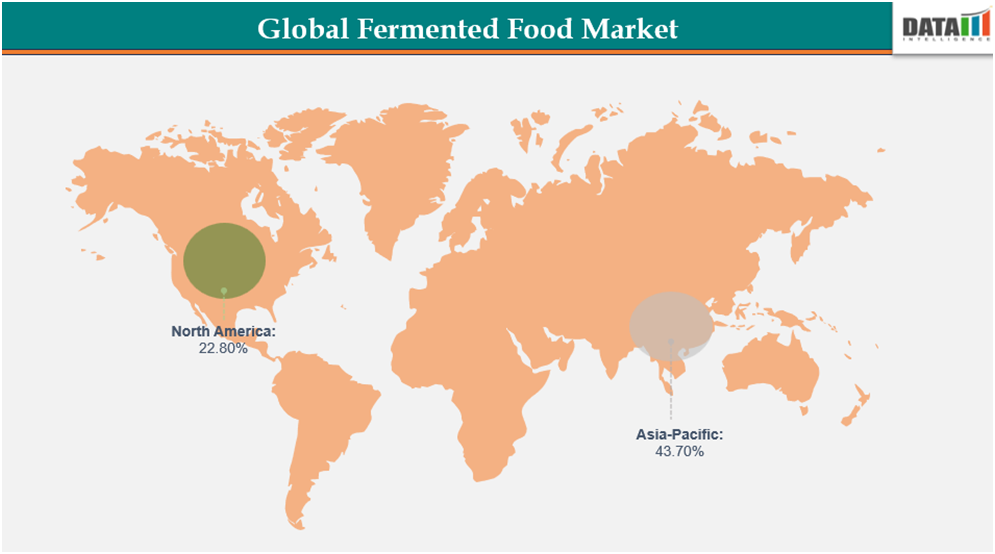
- The Asia-Pacific region leads the global fermented food market, capturing the largest revenue share of 43.70% in 2024.
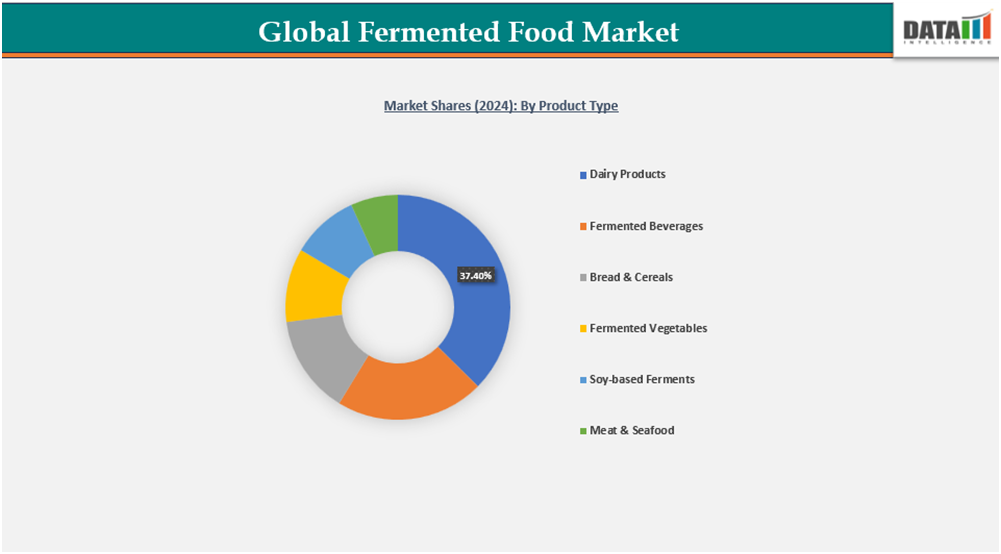
- By product type, the dairy and plant-based fermented food segment dominates, driven by widespread consumption of yogurt, kefir, and traditional fermented staples, while functional beverages and probiotic-enriched products are projected to register the fastest growth.
- Asia-Pacific is expected to be the fastest-growing region, supported by a long-standing tradition of fermented food consumption, expanding urban populations, increasing health consciousness, and rising demand for premium and innovative fermented products.
- As consumer awareness of the link between gut health and overall well-being continues to rise, fermented foods are increasingly becoming a mainstream component of modern dietary and wellness strategies.
Fermented Food Market Size and Future Outlook
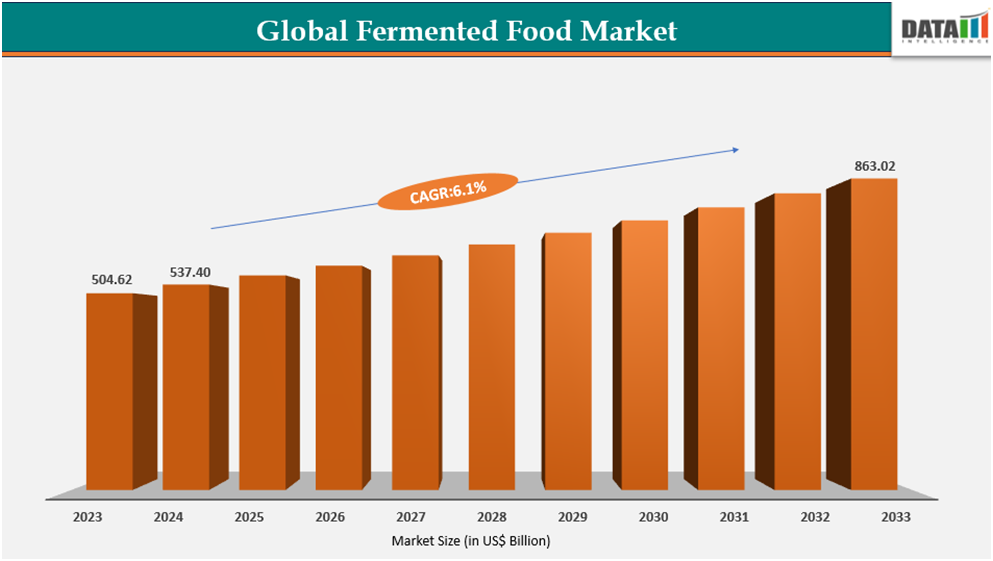
- 2024 Market Size: US$537.40 Billion
- 2032 Projected Market Size: US$863.02 Billion
- CAGR (2025-2032):6.1%
- Largest Market: Asia-Pacific
Fastest Market: North America
Source : DataM Intelligence Email : [email protected]
Fermented Food Market Scope
| Metrics | Details |
| By Product Type | Dairy Products, Fermented Beverages, Bread & Cereals, Fermented Vegetables, Soy-based Ferments, Meat & Seafood |
| By Distribution Channel | Supermarkets/Hypermarkets, Convenience Stores, Health Food & Specialty Stores, Online, Retail/E-commerce, Food Service & Restaurants |
| By Region | North America, South America, Europe, Asia-Pacific, Middle East and Africa |
| Report Insights Covered | Competitive Landscape Analysis, Company Profile Analysis, Market Size, Share, Growth |
Fermented Food Market Dynamics
Consumer Gut Health Awareness Accelerates Demand for Functional Fermented Foods
The functional and health-focused food sector is a major driver of the fermented foods market, as governments and consumers increasingly prioritize nutrition, gut health, and preventive wellness. Rising consumer demand for digestive health, immunity support, and natural ingredients is accelerating product innovation, formulation, and adoption across multiple regions.
Companies are introducing innovative solutions and high-value products. For example, in 2024–2025, leading firms such as Danone, Yakult, and Chobani expanded their portfolios with new probiotic yogurts, kefir beverages, and plant-based fermented products, enhancing both nutritional value and taste appeal. Startups in Asia-Pacific and North America are also leveraging novel fermentation technologies to create dairy-free and artisanal products, addressing evolving consumer preferences.
As countries and corporations continue to prioritize sustainable, health-conscious diets, these innovations are expected to drive product adoption and accelerate the global fermented foods market, particularly in regions such as the Asia-Pacific, North America, and Europe. With growing awareness of gut health, preventive nutrition, and functional wellness, the fermented foods sector is poised for robust growth, supported by technological innovation, expanding distribution channels, and strategic partnerships among leading market players.
Fermented Food Market Segmentation Analysis
The global fermented food market is segmented based on product type, distribution channel, and region
Expanding Plant-Based Diets Increases Adoption of Non-Dairy Fermented Alternatives
The plant-based food segment holds a significant share in the global fermented foods market due to the growing shift toward vegan, flexitarian, and sustainable diets. Non-dairy fermented alternatives, such as soy-based yogurt, almond kefir, coconut-based fermented beverages, tempeh, and miso, are increasingly replacing traditional dairy products, offering consumers both functional benefits and ethical choices.
In 2024–2025, leading companies such as Danone, Chobani, and Nestlé expanded their product portfolios with plant-based probiotic yogurts and kefir drinks, targeting health-conscious and environmentally aware consumers. Startups and regional brands are also innovating with locally sourced ingredients, artisanal flavors, and enhanced nutritional profiles, catering to evolving taste preferences and dietary requirements.
Consumer awareness of gut health, immunity, and digestive wellness further drives demand for these non-dairy fermented products. Urban centers in North America, Europe, and Asia-Pacific are witnessing particularly high adoption rates, fueled by changing lifestyles, higher disposable incomes, and e-commerce penetration.
Short Shelf Life Limits the Distribution and Global Scalability of Fermented Products
The fermented foods market is rapidly growing as consumers increasingly prioritize health, wellness, and sustainable diets. Functional and probiotic-rich products, including yogurt, kefir, kombucha, tempeh, and plant-based alternatives, are at the forefront, providing digestive health, immunity support, and natural nutritional benefits. Consumer spending on functional and fermented foods continues to rise, fueled by growing awareness of gut health, preventive nutrition, and dietary wellness. Countries such as the USA, China, and Germany are leading in product adoption, driving market expansion through both retail and e-commerce channels.
Equally important is product innovation and supply chain optimization, which ensures fermented foods remain safe, nutritious, and accessible. Advanced fermentation technologies, high-stability probiotic strains, and innovative packaging allow products to maintain quality, extend shelf life, and meet diverse dietary needs. Additionally, the rise of plant-based and non-dairy fermented products, coupled with growing urbanization and disposable incomes, further accelerates consumption and market growth. These factors collectively reinforce the fermented foods sector as a key driver of health-focused and sustainable dietary trends, positioning it for continued growth across North America, Europe, and Asia-Pacific, supported by innovation, consumer education, and strategic market expansion initiatives.
Why Fermented Food Market Matters in 2026
The global food and nutrition industry is shifting toward functional, gut-health-focused, and naturally preserved food systems.
Fermented foods are gaining strong relevance due to their role in improving digestive health, strengthening immunity, enhancing nutrient bioavailability, and supporting microbiome balance. These products are increasingly integrated into daily diets across both developed and emerging markets.
Several macroeconomic and industry factors are supporting market expansion:
- Growing awareness of gut health and microbiome science
- Expansion of clean-label and minimally processed food trends
- Increasing consumer preference for traditional and functional foods
- Growth in plant-based fermented product innovations
- Rising use of fermentation in beverages and dairy alternatives
- Advancements in controlled fermentation and biotech processing
- Increasing focus on immunity-boosting diets post-health awareness shift
- Expansion of retail availability for fermented snacks and drinks
Fermented Food Market Geographical Penetration
Asia-Pacific Leads the Fermented Food Market Driven by Consumer Demand and Innovation
The Asia-Pacific region dominates the global fermented food market, fueled by rising health awareness, increasing disposable incomes, and growing demand for probiotics, dairy, and plant-based fermented products in countries such as China, India, and Japan. Expanding functional food industries, urbanization, and the adoption of innovative fermentation technologies are driving market growth across the region.
Government initiatives promoting nutrition, food safety standards, and functional food development are accelerating product accessibility and consumer adoption. Innovations in starter cultures, precision fermentation, and shelf-life extension are enhancing product quality, safety, and diversity. Combined with competitive manufacturing capabilities and a strong cultural affinity for fermented foods, Asia-Pacific is expected to maintain its leading position in the global fermented food market in the coming years.
India Fermented Food Market Outlook
India’s fermented food market is experiencing robust growth, driven by rising urban populations, increased health-consciousness, and growing adoption of yogurt, kefir, kombucha, and traditional fermented staples. Government programs supporting nutrition, dairy modernization, and functional food development are boosting production and market penetration. Domestic innovation in fermentation processes, probiotic product formulations, and plant-based alternatives is further supporting market growth. With steady economic expansion and a rising middle class, India’s fermented food market outlook remains highly promising.
China Fermented Food Market Trends
China continues to be a global leader in fermented foods, supported by strong domestic consumption, growing functional food awareness, and investment in innovative dairy, plant-based, and probiotic products. Rising demand from urban and health-conscious consumers is driving market expansion. Government-led programs promoting nutrition, food safety, and R&D in fermentation technologies are accelerating product innovation and adoption. These developments ensure China’s fermented food market remains robust and poised for steady growth in the coming years.
North America Leading the Growth in the Fermented Food Market
North America is emerging as one of the fastest-growing regions in the fermented food market, driven by increasing consumer demand for probiotics, functional foods, and plant-based fermented products. The region benefits from advanced food manufacturing infrastructure, cutting-edge fermentation technologies, and strong investment in research and product innovation. Rising health awareness, wellness trends, and clean-label preferences are accelerating the adoption of dairy, kombucha, kefir, and other probiotic-rich foods.
US Fermented Food Market Insights
In the United States, the fermented food market continues to grow steadily, supported by high consumer awareness of gut health, immunity, and preventive nutrition. Innovation in functional beverages, plant-based yogurt, and probiotic dairy is expanding product offerings and market penetration. Technological advancements in starter cultures, precision fermentation, and shelf-life extension are enhancing product quality, safety, and accessibility. With strong domestic production, retail expansion, and policy support for nutrition-focused initiatives, the US market is well-positioned to sustain robust growth.
Canada Fermented Food Industry Growth
Canada’s fermented food market is experiencing steady expansion, fueled by rising demand for functional foods, dairy alternatives, and probiotic-enriched beverages. The country leverages advanced food processing infrastructure and research-driven innovation to support product development and distribution. Strategic investments by leading brands and emerging startups are boosting efficiency, product diversity, and consumer reach. Continued adoption of probiotic and plant-based products, alongside health-focused campaigns, positions Canada as a key contributor to the broader North American fermented food landscape.
Sustainability Analysis
The fermented food market is increasingly embracing sustainability, driven by rising consumer demand for natural, eco-friendly, and clean-label products. Companies are investing heavily in responsible sourcing, plant-based alternatives, and energy-efficient production technologies to reduce environmental impact. Sustainable practices, including minimizing food waste, optimizing supply chains, and adhering to environmental and safety regulations, are becoming standard across the sector. Innovations in precision fermentation, energy-efficient processing, and biodegradable packaging contribute to lower operational emissions and resource consumption. Overall, the market is evolving toward a more sustainable, innovative-led food ecosystem, where product quality, efficiency, and responsible practices align with global health, wellness, and environmental goals.
Fermented Food Market Competitive Landscape
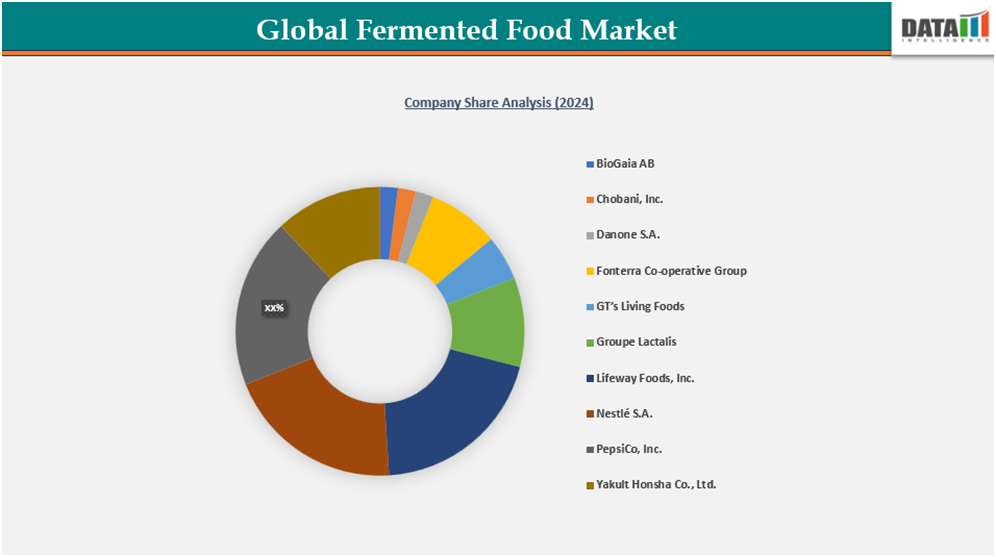
- The global fermented food market is dominated by a mix of leading innovators and specialized product players. Companies such as Danone S.A., Nestlé S.A., and Yakult Honsha Co., Ltd. are at the forefront, collectively holding a significant market share, leveraging expertise in probiotics, functional dairy, plant-based fermented products, and large-scale distribution networks.
- A second tier, including Chobani, Inc., Fonterra Co-operative Group, and Groupe Lactalis, focuses on regional and category-specific solutions, particularly in North America, Europe, and Asia-Pacific, and is steadily expanding its global footprint.
- The market is more fragmented, with companies like GT’s Living Foods / Health-Ade, Lifeway Foods, Inc., and BioGaia AB offering niche products in kombucha, kefir, probiotic supplements, and clinical-grade fermented foods.
Fermented Food Market Key Developments
- January 2026 – Karma Water, a U.S.-based functional beverage company, launched its new Pineapple Coconut Probiotic Water, reviving one of its best-selling SKUs with enhanced gut-health functionality and modern probiotic formulation aimed at health-conscious consumers.
- January 2026 – Beyond Meat expanded into the functional beverage segment with the launch of “Beyond Immerse,” a plant-based protein drink infused with fiber, electrolytes, and antioxidants, marking its entry into the fermented and gut-health beverage category.
- April 2026 – Yakult Europe introduced “Vitals,” a new dairy-free, soy-based fermented drink enriched with vitamins and minerals, expanding its probiotic portfolio beyond traditional fermented dairy beverages.
- April 2026 – Lifeway Foods partnered with Erewhon to launch the Tropical Lifeway Smoothie, a kefir-based fermented beverage combining probiotics, fruit blends, and functional nutrition ingredients targeting premium wellness consumers.
Fermented Food Market Investment & Growth Analysis
Global investments in fermented food innovation are increasing as consumers shift toward gut health, functional nutrition, and natural preservation-based food systems.
Major Investment Areas Include:
- Probiotic and postbiotic product development
- Functional fermented beverages (kombucha, kefir, etc.)
- Plant-based fermented food innovation
- Gut microbiome health solutions
- Natural food preservation technologies
- Dairy and non-dairy fermentation platforms
- Clean-label and minimally processed foods
- Bioactive compound extraction from fermentation
- Fermentation-based protein alternatives
- Precision fermentation technologies
Strategic Recommendations
For Food & Beverage Companies
- Expand probiotic and gut-health product portfolios
- Invest in fermentation technology innovation
- Strengthen clean-label product positioning
For Investors
✔ Focus on microbiome-driven nutrition companies
✔ Monitor precision fermentation startups
✔ Evaluate long-term functional food demand
For Governments
- Support food biotechnology research programs
- Encourage sustainable food processing systems
- Promote healthy nutrition initiatives
Why Buy This Fermented Food Market Report?
This report helps organizations:
- Understand evolving functional food trends
- Identify high-growth investment opportunities
- Benchmark leading fermented food companies
- Analyze microbiome and gut health innovations
- Optimize product development strategies
- Evaluate emerging fermentation technologies
- Assess regional demand patterns
- Track consumer behavior shifts toward health foods
What's Included in the Fermented Food Market Report?
The report provides:
- Market size & forecast analysis
- Regional growth outlook
- Competitive intelligence
- Technology benchmarking
- Supply chain analysis
- Product innovation trends
- Market share analysis
- Investment landscape analysis
- Strategic recommendations
- Emerging industry trends
- Company profiling
- Regulatory and food safety insights
Who Should Buy This Report?
This Fermented Food Market report is ideal for:
- Food & beverage manufacturers
- Nutraceutical companies
- Probiotic product developers
- Retail and packaged food brands
- Biotechnology companies
- Research institutions
- Venture capital firms
- Institutional investors
- Government agencies
- Market intelligence teams
Key Benefits for Stakeholders
Gain actionable market intelligence to:
- Understand future food transformation trends
- Analyze global functional food adoption
- Evaluate microbiome innovation opportunities
- Identify strategic growth areas
- Benchmark competitors
- Improve investment decision-making
- Track fermentation technology advancements
- Assess the future of sustainable and functional nutrition
Target Audience
- Manufacturers/ Buyers
- Industry Investors/Investment Bankers
- Research Professionals
- Emerging Companies
Suggestions for Related Report
- Fermented Beverages Market
- Fermented Ingredients Market



























































