


Commercial Escalator Market Overview
The global commercial escalator market reached US$ 59.31 billion in 2025 and is expected to reach US$ 118.87 billion by 2035, growing with a CAGR of 7.2% during the forecast period 2026-2035. The rapid expansion of metro rail infrastructures, airports, shopping complexes and integrated development projects has been the key factor behind this growth. For example, the International Energy Agency has observed that the urban population will grow to represent about 68% of the total world population by the year 2050, thereby increasing the requirement for transit-oriented infrastructures such as escalators. At the same time, large investments made by governments in transport infrastructure, such as the metro rail projects in Asian and Middle Eastern countries, have been responsible for the installation of escalators since they offer continuous movement of passengers, unlike elevators.
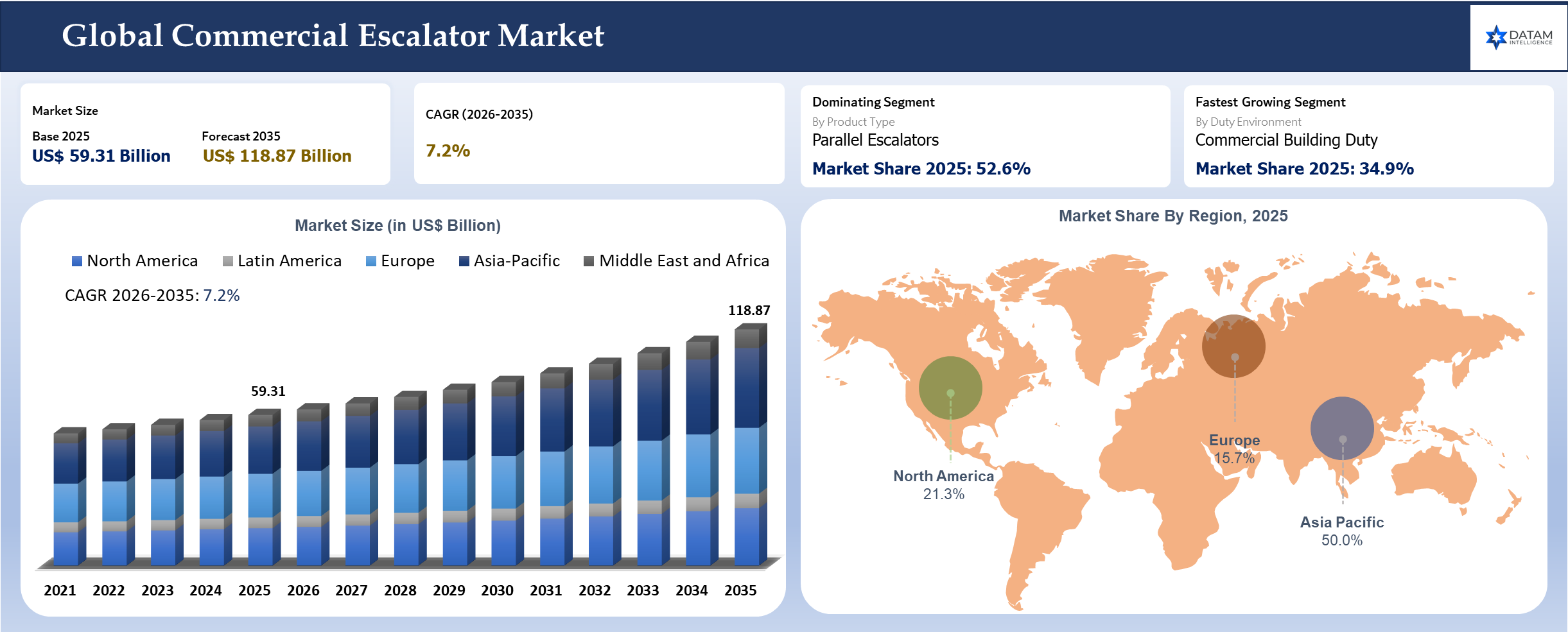
Technological development also forms an important characteristic influencing the industry. The use of IoT-driven predictive maintenance, efficient drives and regenerative brakes in escalators helps lower operational costs and energy consumption. In recent years, more and more companies have been investing in research and development to design and build smart escalators that regulate their speed according to the number of people using them, thereby cutting down on the cost of idle consumption of electricity by up to 20-40%. Another important aspect influencing the industry is the need to update old equipment.
Commercial Escalator Industry Trends and Strategic Insights
- The increasing use of energy-efficient escalators equipped with regenerative drive systems is lowering energy usage by about 30%.
- Predictive maintenance escalators using smart sensors are on the rise, with Otis Worldwide Corporation witnessing substantial decreases in equipment downtime thanks to such IoT-based systems.
Commercial Escalator Market Scope
| Metrics | Details | |
| 2025 Market Size | US$ 59.31 Billion | |
| 2035 Projected Market Size | US$ 118.87 Billion | |
| CAGR (2026-2035) | 7.2% | |
| Largest Market | Asia-Pacific | |
| Fastest Growing Market | North America | |
| By Product Type | Parallel Escalators, Multi Parallel Escalators, Crisscross Escalators, Moving Walks | |
| By Duty Environment | Commercial Building Duty, Retail High Traffic Duty, Transit Duty, Airport and Hub Duty | |
| By Installation Location | Shopping malls, Airports, Metro and Rail Stations, Office and Mixed-Use Projects, Hotels and Convention Centers, Hospitals and Public Buildings | |
| By Service Type | New Installation, Modernization, Maintenance and Repair, Monitoring and Analytics | |
| By Step Width | 600 mm, 800 mm, 1000 mm | |
| By Operating Speed | Up to 0.5 m per second, above 0.5 m per second | |
| By Energy and Safety Package | Standard Drive, Regenerative Drive, AI Video Monitoring, Advanced Passenger Safety Sensors | |
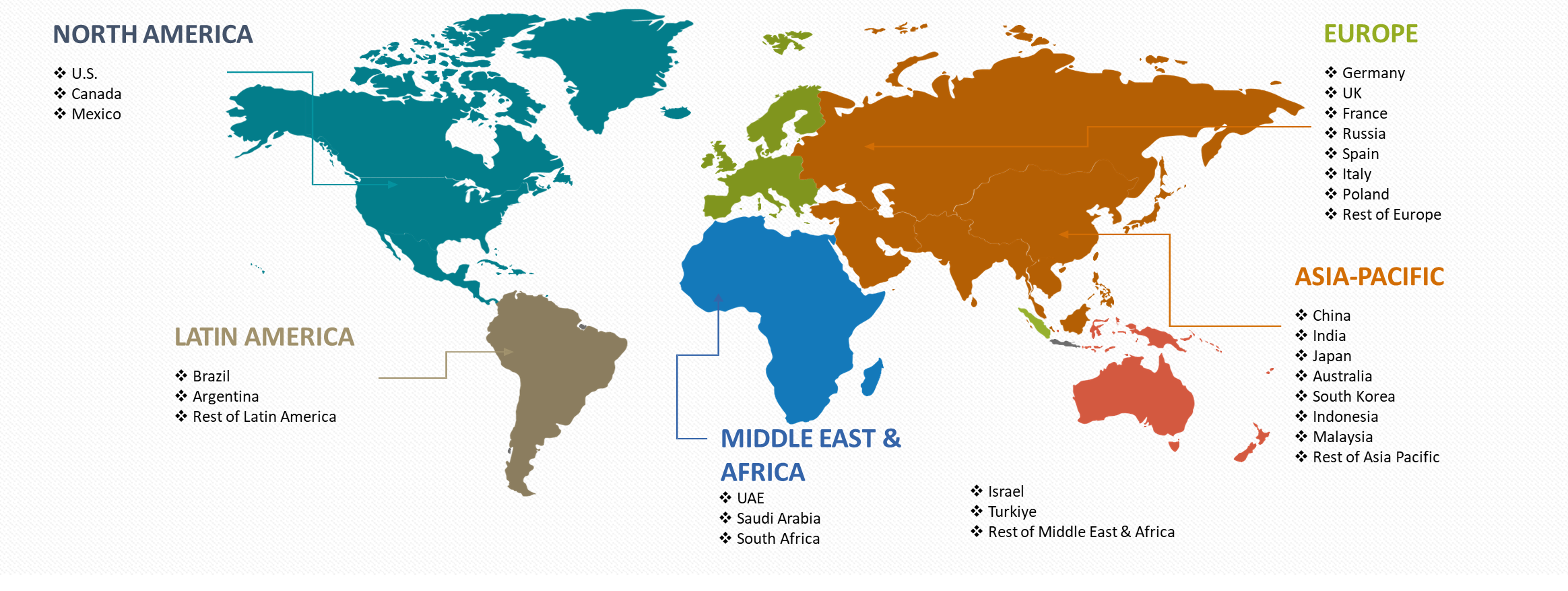
| By Region | North America | USA, Canada, Mexico |
| Europe | Germany, UK, France, Spain, Italy, Poland | |
| Asia-Pacific | China, India, Japan, Australia, South Korea, Indonesia, Malaysia | |
| Latin America | Brazil, Argentina | |
| Middle East and Africa | UAE, Saudi Arabia, South Africa, Israel, Turkiye | |
| Report Insights Covered | Competitive Landscape Analysis, Company Profile Analysis, Market Size, Share, Growth | |
Disruption Analysis
With the adoption of IoT technology and the use of software systems provided by companies such as Hitachi, Ltd. and Mitsubishi Electric Corporation, the level of downtime will decrease and contribute to a shift from a traditional service to revenue generation through the collection of data. In addition, the growing demand for energy-efficient buildings will contribute to the growing demand for regenerative drives and energy-efficient components. The growth of the urban transportation industry and metro rail projects in Asia and the Middle East will result in an increased focus on volume and duty-heavy escalators in the market. Nevertheless, the factors influencing the market development negatively will be supply chain volatility, reliance on semiconductors and increasing prices of raw materials. On the other hand, competition from alternative solutions (elevators and moving walks due to inadequate infrastructure) provides new opportunities.
BCG Matrix: Company Evaluation
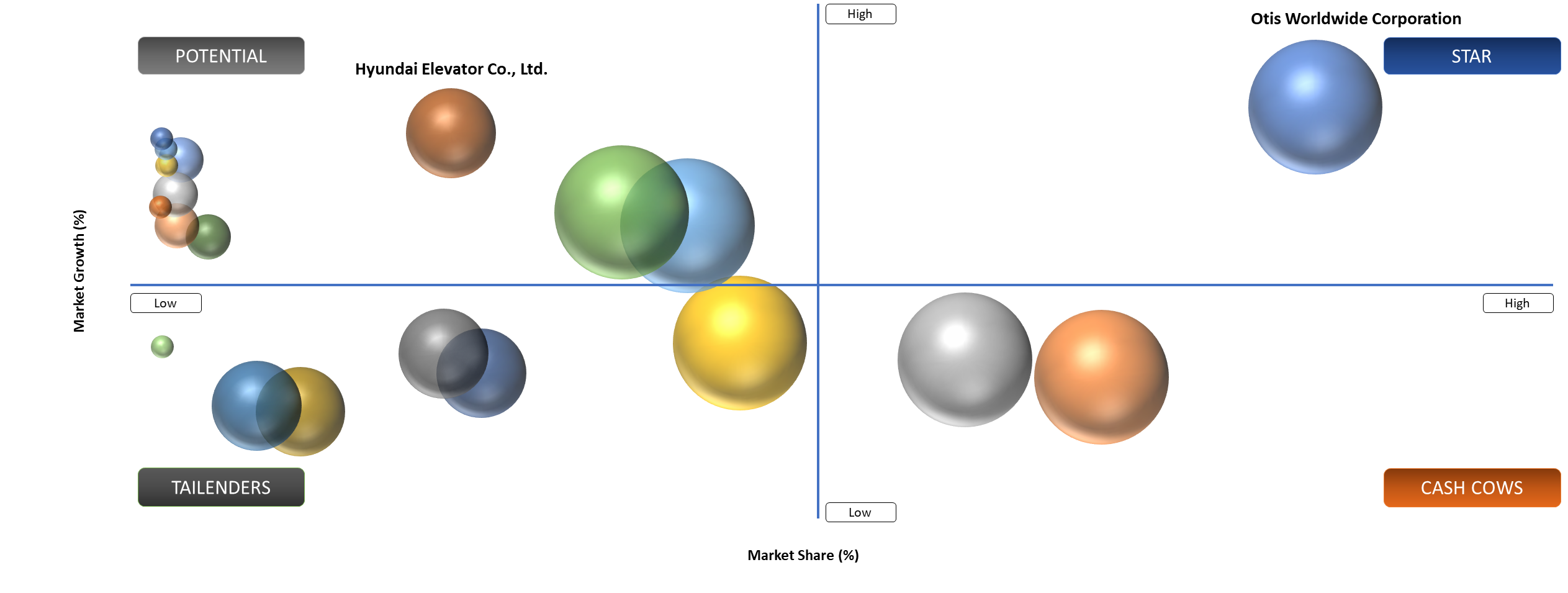
The market leaders, such as Otis Worldwide Corporation and KONE Corporation, are classified as Stars because they are propelled by the high demand for urban infrastructure, advanced service delivery systems and significant involvement in the Asia-Pacific mega projects. Potential players are capitalizing on consistent maintenance incomes and huge installation fleets in Europe and North America. The Potential players like Hyundai Elevator Co., Ltd. and Fujitec Co., Ltd. are venturing into international markets despite their profitability and volume constraints. More attention is being paid to modernization agreements, predictive maintenance services and intelligent mobility.
Commercial Escalator Market Dynamics
Rising Demand from Urban Transit Infrastructure
Rapid growth in urban rail transport is evident in Asia-Pacific and Middle East. In fact, the Union International e des Transports Publics states that the total ridership for the world's metro networks exceeds 168 million daily, necessitating effective vertical transport. Escalators become an important element in ensuring effective management of passenger flow, more so with high-capacity transit hubs. According to the Airports Council International, global spending on airports between 2023 and 2025 was projected to exceed US$160 billion, involving expansions and renovations of airport facilities, requiring escalators to ensure effective passenger flow management.
Energy Efficiency and Sustainability Pressures
Energy usage by escalators can constitute a considerable amount of the building’s overall energy usage, especially in the case of large commercial buildings. Manufacturers of escalators have developed features that include variable speed drives, standby mode operation and regenerative braking. It is estimated by the International Energy Agency that an improvement in the energy efficiency of buildings can contribute to a reduction in energy demand from the industry by more than 30 percent by 2040, prompting the use of new escalator designs. The adoption of energy-efficient escalators requires a large initial investment and can therefore pose a challenge in emerging economies.
Commercial Escalator Market Segmentation Analysis
The global commercial escalator market is segmented based on the product type, duty environment, installation location, service type, step width, operating speed, energy and safety package and region.
Maintenance and Safety Challenges in Aging Infrastructure
A significant number of escalators installed many years back in North America and Europe have reached their life span, requiring replacement. According to the United States Consumer Product Safety Commission, thousands of escalator accidents occur each year, usually due to old age or poor maintenance practices. Consequently, the need for escalator modernization has become very important, although at a high cost and operation disruption. Property owners should be able to meet safety regulations while managing costs effectively, whereas manufacturers have turned their attention toward retrofitted solutions that will modernize existing facilities.
Retail and Commercial Complexes Drive Adoption
Shopping malls and business complexes will continue to be significant consumers of escalators, as constant upward movement is required in order to improve the experience of their customers. According to International Council of Shopping Centers, experiential retail models are gaining popularity and there has been an increased emphasis on building malls that combine entertainment, food courts and retail spaces on multiple levels. Escalators play a crucial role in achieving that aim. In geographical locations such as Middle East and Asia-Pacific region, mall construction projects will continue to fuel escalator installations. For instance, Dubai Mall is one of the shopping centers featuring hundreds of escalators for moving millions of shoppers annually.
Commercial Escalator Market Geographical Penetration
Asia-Pacific Leads Market Expansion
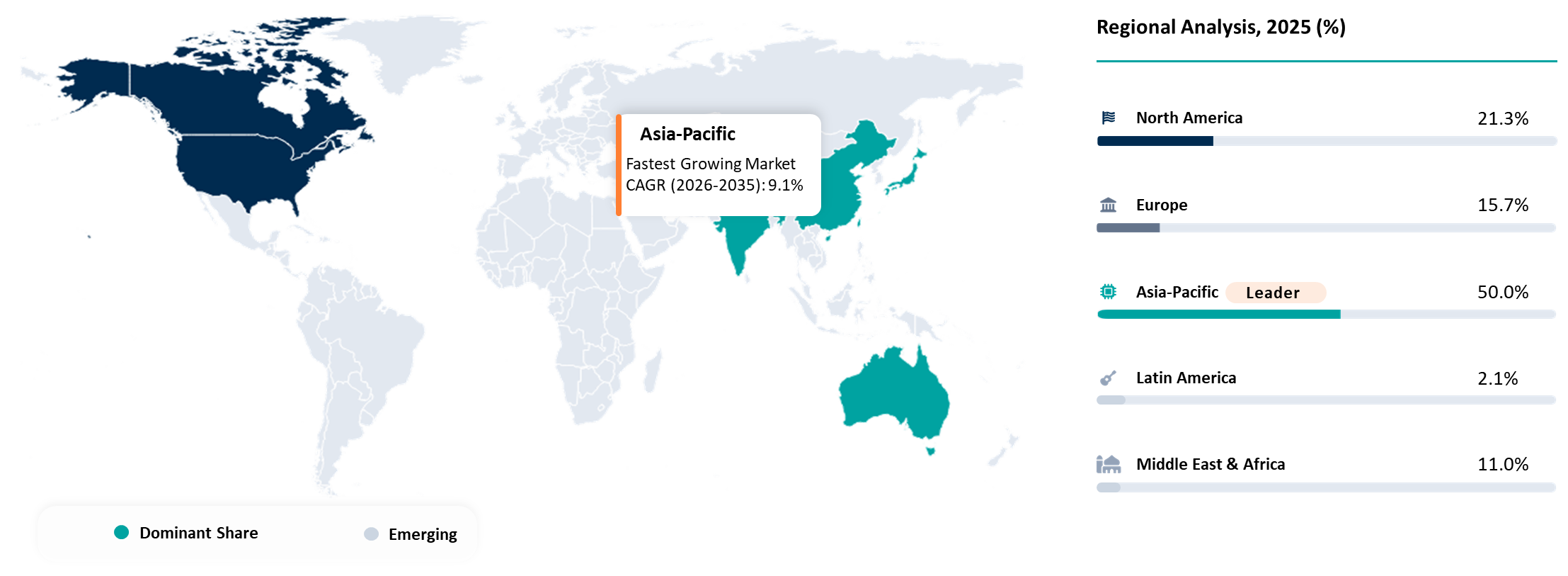
The Asia-Pacific is a leading player in the international escalator market owing to factors like urbanization, infrastructure development and dense population. China, India and other countries in Southeast Asia are seeing huge constructions of metro rail transit, airports and shopping complexes. China alone represents a substantial share of total escalator installations worldwide, owing to its consistent infrastructural development in cities. Moreover, India is also becoming a fast-growing market with metro rail transit projects in more than 20 cities as per 2024 data from the Ministry of Housing and Urban Affairs. Such developments need a massive number of escalators to transport passengers.
India Commercial Escalator Market Trends
Escalator commercial market in India is experiencing a growth spurt due to expanding urban infrastructure, metro rail projects and investment in commercial real estate space. As per Ministry of Housing and Urban Affairs, around 700 km of metro rail has been operationalized, with an addition of more than 1,000 km currently being constructed. It creates the need for escalator applications within metro rail stations.
Secondly, the Department for Promotion of Industry and Internal Trade has reported an increase in FDI in construction development, which includes townships, housing and built-up infrastructure, with an inflow of USD 50 billion into construction development in the time period of 2000-2024. Escalator demand is expected to be high due to the presence of key companies such as Otis Worldwide Corporation and KONE Corporation, which are involved in developing energy-efficient escalators for India's sustainable infrastructure, as per the Bureau of Energy Efficiency. Moreover, Indian Railways, under the administration of Indian Railways, has developed escalators at more than 1,200 stations for the sake of accessibility measures.
China Commercial Escalator Market Trends
The commercial escalator industry in China has gained its momentum due to quick rates of urbanization in China, significant investments made for the development of infrastructure related to the transport sphere and intensive construction of shopping malls and other retail buildings. According to the China Association of Metros, there are about 10,000 kilometers of metros constructed in various cities of China, thus making it the biggest metro system in the world and creating demand for commercial escalators in China.
Companies such as Hitachi Ltd. and Schindler Holding Ltd. have stepped up their production capacities in the region and introduced the application of Internet of Things technology as the main approach for maintenance and energy savings. In addition, Mitsubishi Electric Corporation continuously develops its escalator technologies with the introduction of intelligent monitoring systems with the purpose of ensuring maximum safety and reliability. Finally, trillions of yuan were invested in the development of transport and urban infrastructure.
Commercial Escalator Market Competitive Landscape
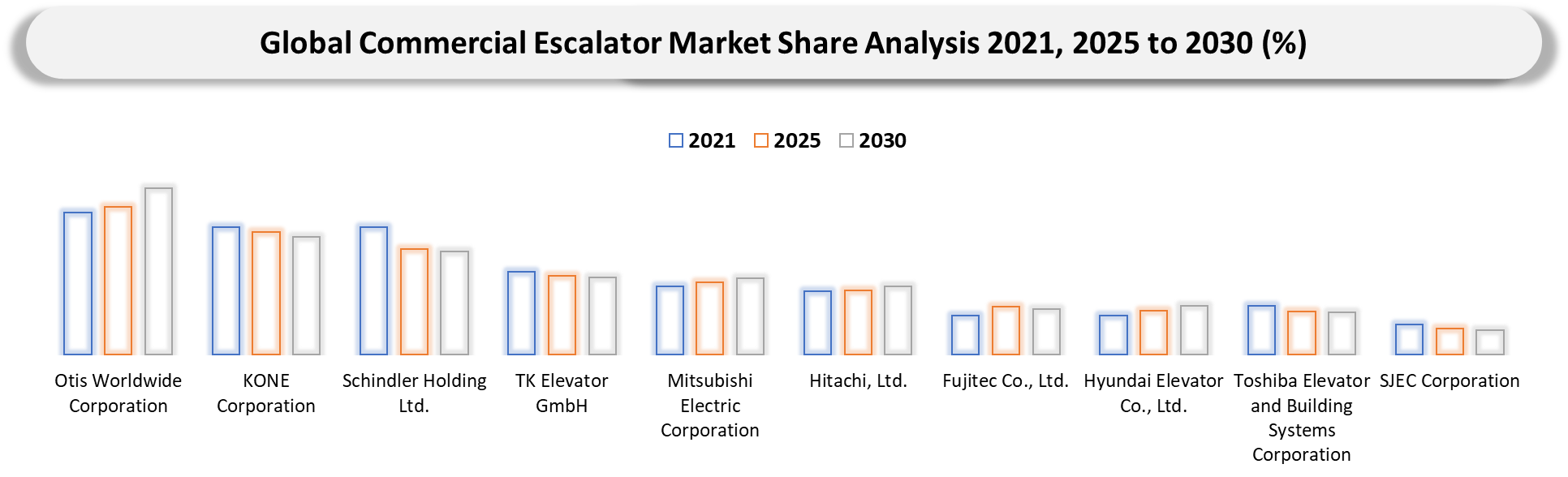
- The global commercial escalator market is highly competitive, dominated by multinational players focusing on technology innovation, safety and service capabilities.
- Key players include Otis Worldwide Corporation, KONE Corporation, Schindler Holding Ltd., TK Elevator GmbH and Mitsubishi Electric Corporation.
- Companies differentiate through smart escalator solutions, energy-efficient technologies and long-term maintenance contracts.
- Increasing investments in AI-based predictive maintenance, IoT integration and sustainable designs are shaping competitive strategies, as companies aim to reduce lifecycle costs and improve reliability in high-traffic environments.
Key Developments in Commercial Escalator Market
June 2026: TK Elevator deployed its MAX digital platform with a major 303-unit elevator and escalator project for Bilibili’s New Generation Park in Shanghai, enabling real-time operational insights, predictive maintenance readiness, remote monitoring, and improved asset-performance management.
- May 2026: TKE ALAT confirmed plans for a 40,000 m² advanced manufacturing facility in Dammam, Saudi Arabia, designed to produce state-of-the-art elevators and escalators and strengthen regional manufacturing capabilities for growing urban-mobility demand across Saudi Arabia and the wider MENA region.
- April 2026 – KONE Corporation announced a € 29.4 billion acquisition of TK Elevator, creating world’s largest elevator and escalator manufacturer with expanded Americas presence.
- April 2026 – TK Elevator GmbH entered an acquisition agreement with KONE, enhancing global scale, service portfolio and modernization capabilities across escalator and mobility solutions markets.
- March 2026 – Johnson Lifts Private Limited expanded domestic manufacturing and project portfolio, targeting metro rail and commercial complexes, increasing escalator deployment across Tier-1 and Tier-2 Indian cities.
- March 2026 – SJEC Corporation expanded overseas infrastructure projects, delivering escalators for metro and airport developments, strengthening its presence in Belt and Road Initiative markets.
- February 2026 – Canny Elevator Co., Ltd. increased export-oriented escalator production capacity, focusing on cost-efficient solutions for emerging markets and large-scale public infrastructure deployments.
- February 2026 – Hangzhou Xizi Elevator Group Co., Ltd. strengthened infrastructure project participation, supplying escalators for large-scale transit and commercial developments across Asia-Pacific.
- February 2026 – Mitsubishi Electric Corporation strengthened smart-building integration with AI-enabled elevator and escalator systems, improving energy efficiency and predictive maintenance capabilities in commercial infrastructure.
- February 2026 – Savaria Corporation expanded its accessibility-focused vertical transportation portfolio, integrating escalator-adjacent mobility solutions within commercial and public infrastructure environments.
- January 2026 – Hitachi, Ltd. advanced digital elevator-escalator solutions integrating IoT platforms for remote monitoring, enhancing operational uptime and lifecycle management in commercial buildings.
- January 2026 – Sicher Elevator Co., Ltd. accelerated smart manufacturing initiatives, improving escalator production efficiency and expanding exports to Southeast Asia and African infrastructure projects.
- January 2026 – Stannah Lifts Holdings Ltd increased focus on public infrastructure modernization, delivering escalator upgrades emphasizing safety, accessibility and energy-efficient performance standards.
Why Choose DataM?
Technological Innovations: Explores advancements in commercial escalator technologies, including energy-efficient drive systems, regenerative drive solutions, variable-speed operation, intelligent control systems, sensor-based monitoring, safety technologies, and connected escalator solutions, supporting improved energy efficiency, passenger safety, operational reliability, and maintenance performance across commercial buildings and public infrastructure.
Product Performance & Market Positioning: Evaluates commercial escalator solutions based on critical performance parameters such as passenger capacity, speed, energy efficiency, ride quality, durability, safety features, footprint requirements, environmental suitability, maintenance requirements, and system reliability, highlighting how leading manufacturers differentiate through advanced engineering, customization, and dependable long-term operation.
Real-World Evidence: Highlights the deployment of commercial escalators across shopping malls, department stores, airports, railway and metro stations, office buildings, hotels, retail complexes, and other high-traffic facilities, demonstrating their role in improving passenger circulation, supporting efficient movement between floors, and managing high-volume pedestrian traffic.
Market Updates & Industry Changes: Tracks key developments such as new escalator installations, modernization and replacement projects, energy-efficient product introductions, smart monitoring technologies, manufacturing and service expansion, infrastructure investments, and commercial construction activity across major regional markets.
Competitive Strategies: Analyzes how leading escalator manufacturers expand through product innovation, strategic partnerships, acquisitions, geographic expansion, modernization services, customized solutions, digital monitoring capabilities, and comprehensive maintenance offerings to address demand from commercial construction and high-traffic public infrastructure.
Pricing & Market Access: Explains pricing variations based on escalator type, configuration, capacity, travel height, speed, installation requirements, building specifications, customization, safety systems, energy-efficiency features, and maintenance requirements, along with market access through manufacturers, authorized distributors, engineering contractors, construction companies, and specialized installation and maintenance providers.
Market Entry & Expansion: Identifies growth opportunities driven by commercial construction, urbanization, expansion of airports and transit infrastructure, modernization of existing buildings, development of shopping and retail facilities, and increasing demand for efficient passenger transportation systems, while outlining strategies such as localized manufacturing, technology differentiation, strategic partnerships, service-network expansion, and customized escalator solutions.
Target Audience
- Commercial Building Owners & Developers
- Shopping Mall & Retail Facility Operators
- Airport & Railway Infrastructure Operators
- Metro & Public Transportation Authorities
- Escalator Manufacturers & Suppliers
- Building Equipment & Vertical Transportation Companies
- Construction & Engineering Contractors
- Escalator Installation, Modernization & Maintenance Service Providers




























































