


Anti-Aging Products Market Size
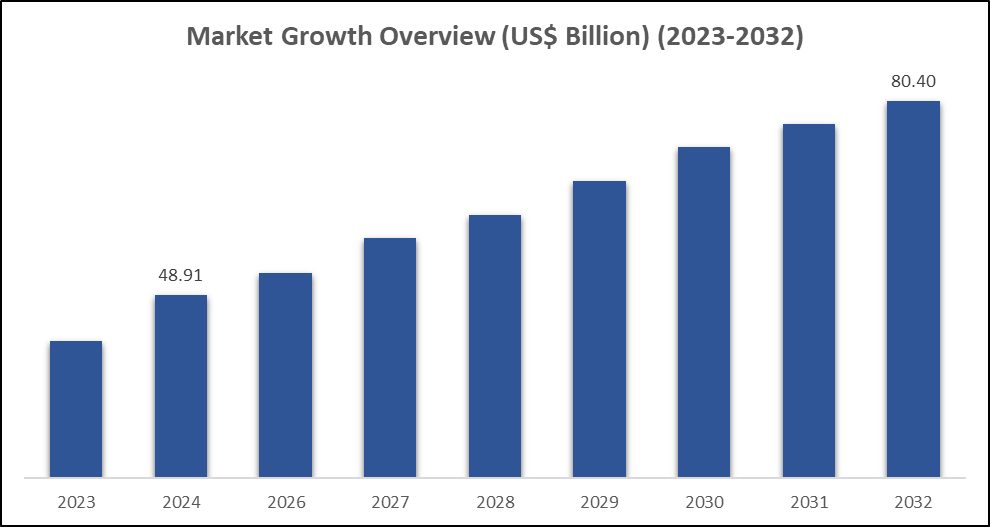
The global anti-aging products market reached US$ 52.04 billion in 2025 and is expected to reach US$ 85.55 billion by 2033, growing with a CAGR of 6.41% from 2026 to 2033.
The global anti-aging products market is evolving rapidly, driven by a shift from corrective treatments to preventive skincare, known as prejuvenation. This trend, fueled by Generation Z’s digital-first approach, prioritizes early intervention through noninvasive aesthetic treatments and advanced skincare routines.
Social media platforms such as Instagram and YouTube have amplified the demand for science-backed, dermatologist-approved solutions, making laser treatments, dermal fillers and viral skincare gadgets more mainstream. Additionally, technological advancements in aesthetic dermatology have enabled personalized skincare regimens, allowing brands to cater to consumers' growing demand for tailored anti-aging solutions.
With Gen Z’s emphasis on self-expression and prolonged youth, the market has seen an increased focus on customized beauty solutions and ethically conscious treatments. The COVID-19 pandemic and the rise of video-based social interactions have accelerated this trend, reinforcing the importance of skin health and preventive care.
For more details on this report, Request for Sample
Market Scope
| Key Metrics | Insights |
| Top Growth Driver | Growing Consumer Awareness of Skincare and Personal Care |
| Trend | Rise of Plant-Based and Vegan Anti-Aging Products |
| Segments Covered | Product Type, Ingredient Type, Consumer Group and Region |
| Fastest Growing Region | Asia-Pacific |
| Largest Region | North America |
| Major Players | L'Oréal, Procter & Gamble, Unilever, Estée Lauder Inc. and Shiseido Co., Ltd. |
| Report Insights Covered | Competitive Landscape Analysis, Company Profile Analysis, Market Size, Share, Growth, Demand, Recent Developments, Mergers and Acquisitions, New Product Launches, Growth Strategies, Revenue Analysis, Porter’s Analysis, Pricing Analysis, Regulatory Analysis, Supply-Chain Analysis and Other key Insights. |
Market Dynamics
Driver - Rising Aging Population
The rising aging population is a key driver of the anti-aging products market, as longer life expectancy and declining fertility rates reshape global demographics. By 2050, the share of individuals aged 80 and above is expected to reach nearly 5% of the total population, highlighting the growing demand for age-specific skincare, dietary supplements and wellness solutions. The shift in population structure is particularly evident in high-income regions, where birth rates are low and healthcare advancements enable extended lifespans. This trend is pushing companies to innovate and invest in scientifically backed, high-performance anti-aging solutions catering to the unique needs of older consumers.
Beyond traditional skincare, the aging population is driving demand for nutritional interventions, functional foods and advanced aesthetic treatments aimed at promoting healthy aging and overall well-being. As governments and institutions emphasize preventive healthcare and longevity-focused lifestyle choices, the anti-aging market is seeing increased interest in clean-label, natural and technology-driven formulations.
Restraint - High Cost of Premium Anti-Aging Products
Premium anti-aging solutions, including advanced skincare, nutritional supplements and aesthetic treatments, often incorporate cutting-edge biotechnology, clinically proven ingredients and proprietary formulations, driving up production costs. Additionally, stringent regulatory compliance, R&D investments and marketing expenditures further contribute to higher price points.
While affluent consumers remain a key market, the premium pricing strategy restricts penetration among middle-income demographics, particularly in price-sensitive regions such as Latin America, Asia-Pacific and parts of Eastern Europe.
Market Segment Analysis
Scientific Innovation & Holistic Skincare Solutions Drive Market Growth
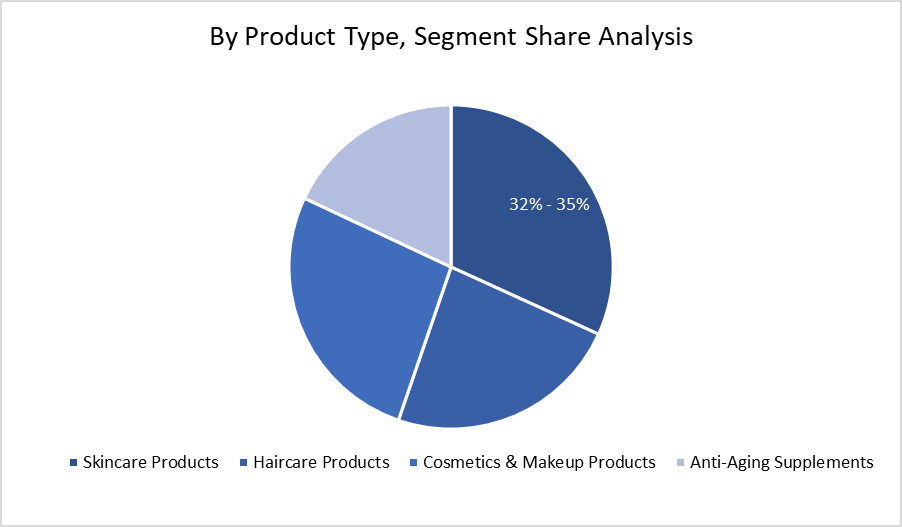
The anti-aging skincare market is experiencing significant growth due to rising consumer demand for scientifically advanced formulations that deliver proven, long-term skin benefits.
Consumers are increasingly drawn to products that combine dermatological expertise, clinically validated ingredients and sustainable formulations to address concerns like wrinkles, loss of elasticity and uneven skin tone. Additionally, the shift towards preventive skincare where individuals adopt targeted solutions early in life has fueled the demand for high-efficacy anti-aging products featuring biotech-driven ingredients, biomarine extracts and plant-based actives.
For instance, in August 2024, Purple Pompa launched an innovative "Age Balance" skincare line, designed to harmonize natural aging with skin rejuvenation. The brand’s formulations, enriched with Vegan Biomarine, leverage scientific research to enhance skin hydration, fortify the skin barrier and reduce wrinkle density, offering a results-driven yet holistic approach to aging. By focusing on sustainably sourced, high-performance ingredients, the company addresses early signs of aging while promoting long-term skin resilience, aligning with the industry’s shift towards science-backed, nature-inspired skincare solutions.
Market Geographical Share
Anti-Aging Products Trends in North America
North America dominates the global anti-aging products market due to high consumer awareness, strong purchasing power and demand for premium skincare solutions. The region benefits from advanced R&D, dermatologist-recommended formulations and a well-developed retail and e-commerce network, ensuring widespread accessibility.
For instance, in February 2022, the U.S. FDA’s approval of Evolus' two new anti-wrinkle gels expanded its portfolio. This reflects strong innovation in aesthetic medicine and non-invasive anti-aging solutions. Following the announcement, Evolus’ stock surged by 4.5%, underscoring market confidence in cutting-edge skincare advancements.
Global Market Players
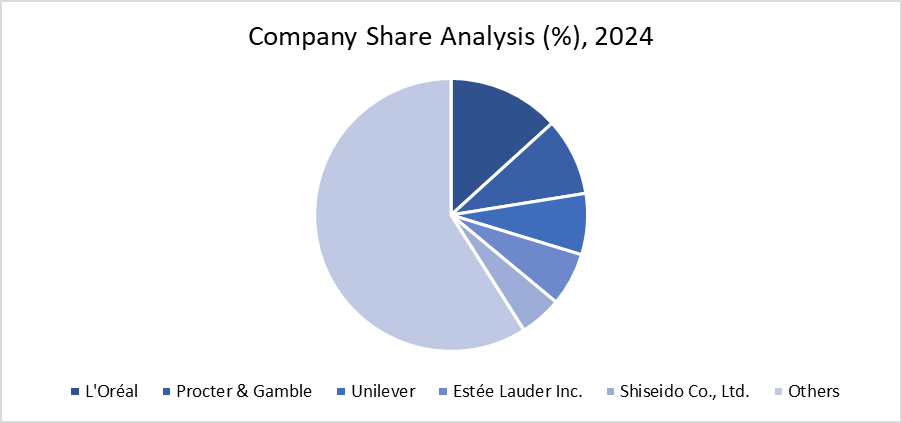
The global anti-aging products market is highly competitive, driven by innovation, brand equity and scientific advancements. Leading players such as L’Oréal, Procter & Gamble, Unilever and Estée Lauder dominate through diverse portfolios and strong R&D investments. Shiseido, Beiersdorf and AMOREPACIFIC excel in Asia-Pacific with advanced formulations and personalized skincare. Omeo CARE and BioThrive Sciences focus on clean-label and science-backed solutions, while Revlon remains competitive in the mass-market segment. The industry continues to evolve with technological advancements and shifting consumer preferences, intensifying competition.
Key Developments
February 2026: Rising demand for AI-powered skincare analysis and personalized anti-aging solutions accelerated innovation in premium skincare products across North America and Europe. Major companies including L'Oréal S.A., Estée Lauder Companies, and Shiseido Company expanded investments in smart beauty technologies and personalized skincare platforms.
January 2026: Increasing consumer preference for preventive skincare and clinically backed formulations strengthened growth of anti-aging products in the United States, Japan, China, and India. Asia-Pacific emerged as the fastest growing regional market driven by rising disposable incomes and digital beauty awareness.
December 2025: Growing adoption of peptide-based creams, retinol serums, and collagen-boosting skincare products accelerated demand for multifunctional anti-aging formulations globally. Companies including Procter & Gamble, Unilever PLC, and Beiersdorf AG expanded product portfolios focused on hydration, skin repair, and wrinkle reduction.
November 2025: Expansion of clean beauty and plant-based anti-aging products across Europe and North America increased consumer demand for sustainable and dermatologist-approved skincare solutions. Manufacturers strengthened development of vegan collagen, biotech-derived actives, and eco-friendly packaging technologies.
October 2025: Rising advancements in red light therapy devices, smart beauty tools, and non-invasive anti-aging technologies improved skin rejuvenation and collagen stimulation globally. Beauty brands and wellness companies accelerated innovation in at-home anti-aging treatment solutions.
September 2025: Increasing collaborations between skincare companies, biotechnology firms, and dermatology research institutes accelerated innovation in peptide therapies, nanotechnology-based skincare, and advanced cosmetic chemistry. Research activities focused on improving product efficacy and personalized skincare outcomes.
August 2025: Growing investments in online beauty retail, influencer marketing, and digital skincare education strengthened anti-aging product adoption across Asia-Pacific, Latin America, and Middle East regions. E-commerce platforms improved accessibility to premium skincare and anti-aging wellness products.
July 2025: Rising consumer demand for hair anti-aging treatments, scalp health solutions, and multifunctional beauty products accelerated expansion of the anti-aging haircare segment globally. Companies including Vichy, Unilever, and emerging biotech beauty brands strengthened innovation in scalp repair and collagen-supporting formulations.
June 2025: Increasing focus on healthy aging, preventive skincare, and wellness-driven beauty routines supported strong growth in the anti-aging products market worldwide. North America maintained market leadership, while Asia-Pacific recorded the fastest growth driven by expanding middle-class populations and rising skincare awareness.
Why Choose DataM Intelligence?
- Data-Driven Insights: Dive into detailed analyses with granular insights such as pricing, market shares and value chain evaluations, enriched by interviews with industry leaders and disruptors.
- Post-Purchase Support and Expert Analyst Consultations: As a valued client, gain direct access to our expert analysts for personalized advice and strategic guidance, tailored to your specific needs and challenges.
- White Papers and Case Studies: Benefit quarterly from our in-depth studies related to your purchased titles, tailored to refine your operational and marketing strategies for maximum impact.
- Annual Updates on Purchased Reports: As an existing customer, enjoy the privilege of annual updates to your reports, ensuring you stay abreast of the latest market insights and technological advancements. Terms and conditions apply.
- Specialized Focus on Emerging Markets: DataM differentiates itself by delivering in-depth, specialized insights specifically for emerging markets, rather than offering generalized geographic overviews. This approach equips our clients with a nuanced understanding and actionable intelligence that are essential for navigating and succeeding in high-growth regions.
- Value of DataM Reports: Our reports offer specialized insights tailored to the latest trends and specific business inquiries. This personalized approach provides a deeper, strategic perspective, ensuring you receive the precise information necessary to make informed decisions. These insights complement and go beyond what is typically available in generic databases





























































