


The ceramic sanitary ware industry has traditionally been driven by construction activity, manufacturing scale, product durability, and distribution networks. For decades, competition centered on cost efficiency and production capacity, with bathroom products viewed primarily as essential building materials.
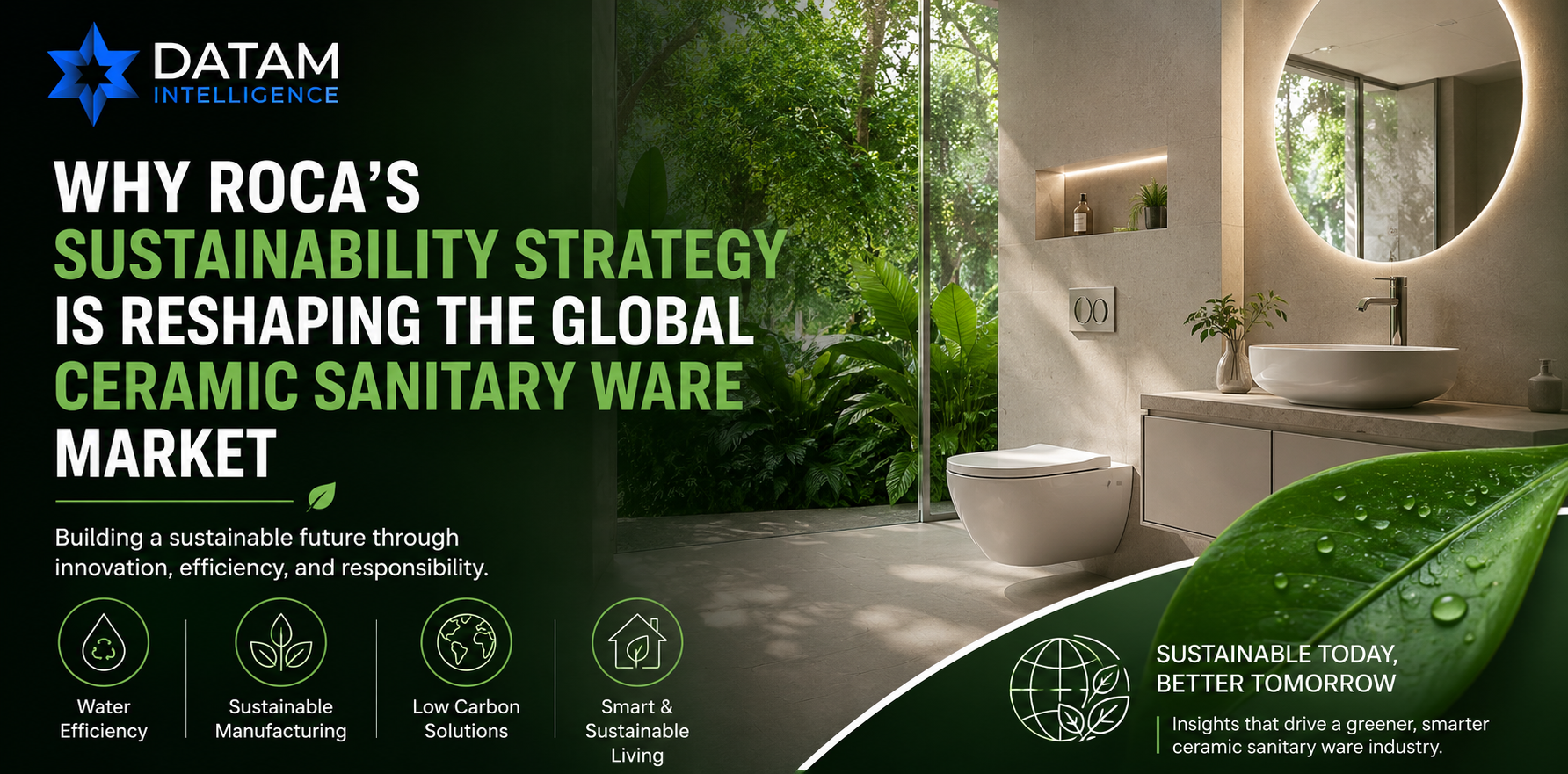
Today, the industry is undergoing a significant transformation. Sustainability initiatives, evolving consumer expectations, water conservation requirements, and smart building technologies are redefining the competitive landscape. Companies such as Roca Group are accelerating this transition through investments in sustainable manufacturing, water-efficient products, and environmentally responsible business practices.
As a result, ceramic sanitary ware is no longer viewed solely as a construction product category. It is increasingly becoming a critical component of sustainable living infrastructure.
Sustainability is Becoming a Competitive Necessity
Ceramic sanitary ware manufacturing has historically been associated with high energy consumption due to kiln operations, intensive water usage, and resource-heavy production processes.
In response to growing environmental concerns and stricter sustainability targets, manufacturers are investing in:
- Low-emission production technologies
- Renewable energy integration
- Water recycling systems
- Recycled raw materials
- Energy-efficient kiln technologies
- Circular manufacturing practices
Sustainability is no longer a branding initiative. It has become a key requirement for construction companies, governments, architects, hospitality operators, and infrastructure developers seeking environmentally responsible building materials.
As procurement decisions increasingly incorporate ESG criteria and lifecycle environmental impact assessments, manufacturers must demonstrate measurable sustainability performance to remain competitive.
Explore below report:
Green Building Materials Market
The Evolution of Bathrooms into Wellness and Sustainability Hubs
Modern bathrooms are evolving beyond their traditional role as hygiene spaces.
Consumers increasingly view bathrooms as part of a broader wellness ecosystem that incorporates comfort, technology, water efficiency, and environmental responsibility.
This shift is encouraging manufacturers to develop products that support:
- Green building certifications
- Sustainable residential developments
- Smart home integration
- Water conservation goals
- Enhanced hygiene and wellness experiences
Companies investing early in these areas are positioning themselves to benefit from growing demand for sustainable and intelligent living environments.
Water Scarcity is Driving Product Innovation
Water conservation is emerging as one of the most influential factors shaping sanitary ware product development.
Regions across Europe, the Middle East, and Asia-Pacific are introducing stricter regulations aimed at reducing water consumption across residential, commercial, and public infrastructure projects.
As a result, demand is increasing for:
- Low-flow toilets
- Water-efficient flushing systems
- Sensor-based sanitary solutions
- Smart water management technologies
Developers and facility operators are increasingly prioritizing products that help achieve sustainability targets while reducing long-term operating costs.
Water efficiency is becoming as important as product aesthetics, durability, and price when evaluating sanitary ware solutions.
Explore below anlaysis report for more information:
Water Treatment Market
Smart Bathrooms are Transforming Consumer Expectations
Alongside sustainability initiatives, digital transformation is reshaping the bathroom experience.
Manufacturers are incorporating advanced technologies such as:
- Touchless controls
- Sensor-based faucets
- Smart flushing systems
- Connected bathroom devices
- Automated hygiene solutions
These innovations improve hygiene, enhance user experience, and contribute to resource efficiency.
As smart home adoption continues to grow globally, bathrooms are becoming integrated components of connected living environments rather than standalone utility spaces.
Explore below report:
Smart Home Market
Urbanization and Green Building Standards Support Long-Term Growth
Rapid urbanization across emerging economies is creating substantial opportunities for sustainable sanitary ware products.
Governments and developers are investing heavily in:
- Smart city projects
- Sustainable housing developments
- Green commercial infrastructure
- Eco-friendly hospitality projects
Simultaneously, internationally recognized green building certifications and net-zero carbon initiatives are encouraging the adoption of environmentally responsible construction materials and technologies.
Manufacturers that align their product portfolios with these sustainability objectives are likely to benefit from long-term market growth opportunities.
The Future of the Ceramic Sanitary Ware Industry
The ceramic sanitary ware industry is entering a new era defined by sustainability, water efficiency, smart technology integration, and environmentally conscious urban development.
Future competitive advantages will increasingly depend on:
- Low-carbon manufacturing capabilities
- Water conservation innovation
- ESG compliance
- Circular economy initiatives
- Smart bathroom technologies
The industry's transformation extends far beyond manufacturing efficiency. It reflects a broader shift in the global built environment toward sustainable, intelligent, and resource-efficient living spaces.
Organizations that successfully adapt to these changing market dynamics will be best positioned to support the next generation of sustainable urban infrastructure and lead the future of the ceramic sanitary ware market.