


How traceability, cold chain visibility, authentication and compliance data are turning packaging into operating infrastructure.
Smart packaging is moving into a more commercial phase. Early adoption was often framed around consumer engagement, loyalty content and scan based brand storytelling. That use case still matters, yet the stronger investment case is now emerging in areas where packaging can reduce operational risk, protect product integrity, improve inventory accuracy and support regulatory reporting.
For food, pharmaceuticals, cosmetics, electronics and premium consumer goods, the package is becoming a data carrier. It can hold product identity, batch details, expiry information, storage condition evidence, anti counterfeiting markers and sustainability data. This makes smart packaging relevant to supply chain teams, quality teams, retail operations, regulatory teams and finance leaders.
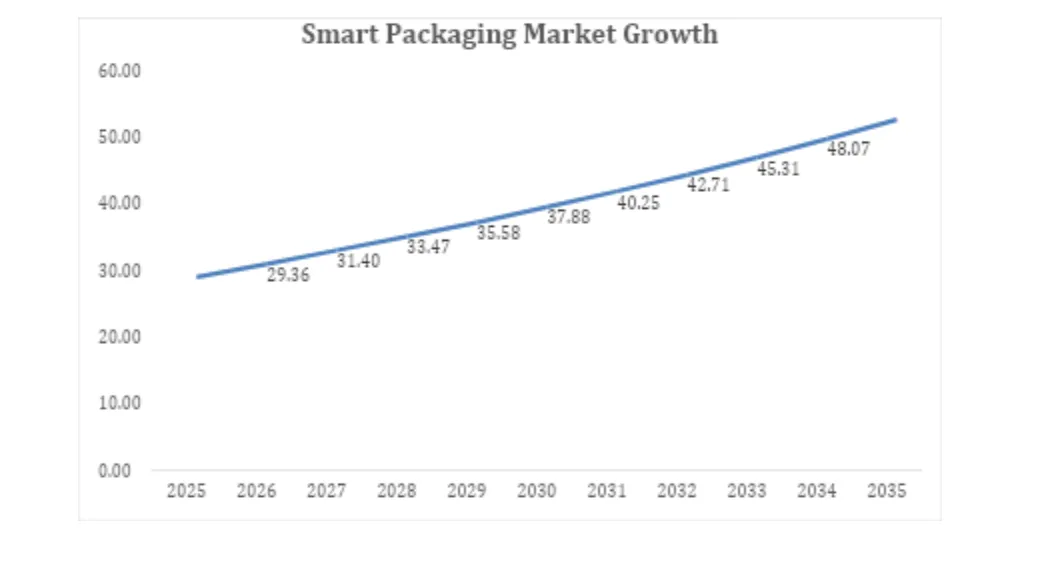
The strongest value is now inside the supply chain
The most important shift is that smart packaging is becoming less dependent on consumer scanning behavior. The commercial value now comes from pack level data that supports traceability, quality assurance, inventory management and asset protection. A QR code, RFID tag, NFC chip or sensor can create value even when the end consumer never interacts with it.
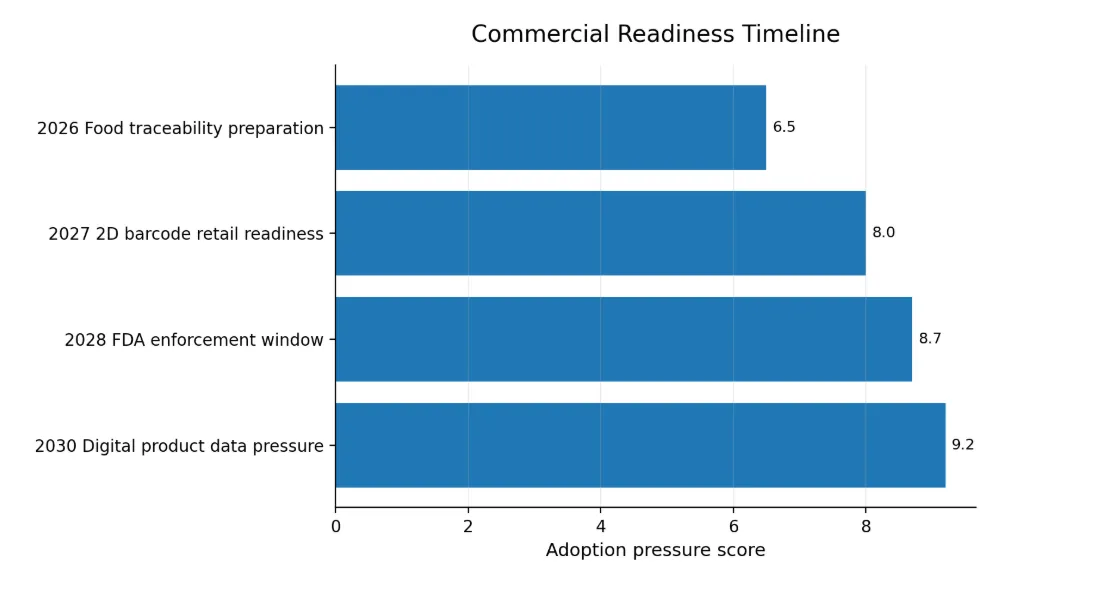
Retailers and manufacturers are preparing for 2D barcodes because they can carry richer data than traditional 1D barcodes. GS1’s Sunrise 2027 initiative is pushing the retail industry toward point of sale systems that can read 2D codes and unlock stronger traceability, product transparency and supply chain data. This changes packaging from a static label into a connected data access point.
Explore the Smart Packaging Market report for market sizing, technology segmentation and application demand across food, pharmaceuticals, personal care and industrial categories.
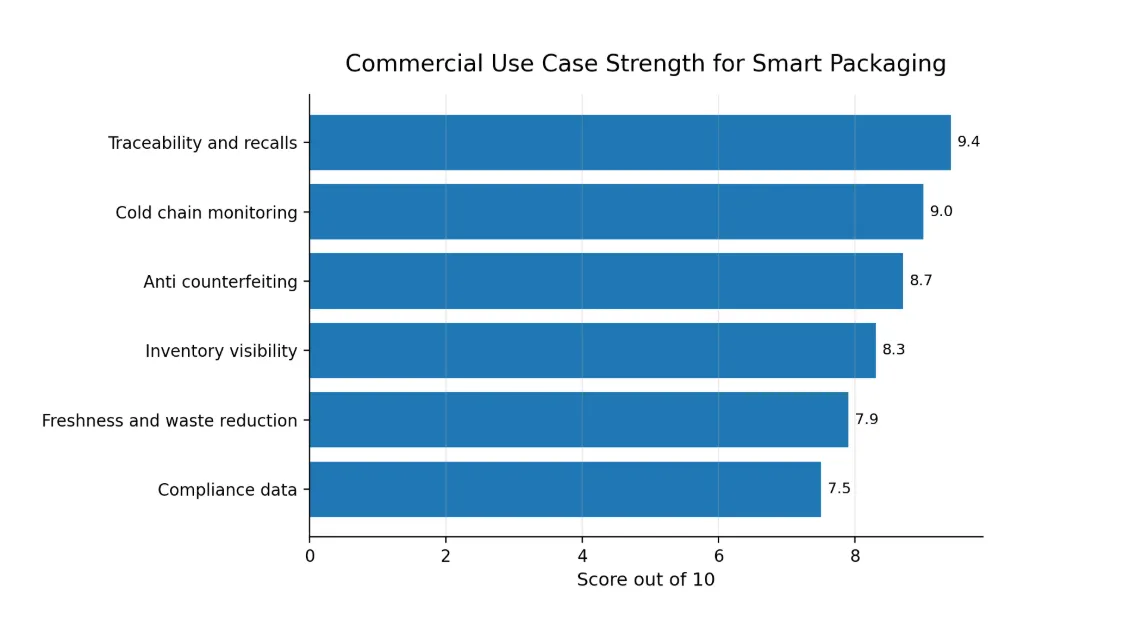
Traceability and recall speed are becoming board level use cases
Food and beverage companies are under pressure to make traceability faster, more standardized and easier to audit. The U.S. FDA Food Traceability Rule has moved toward a later enforcement window, with the agency indicating a 30 month extension from the original January 20 2026 compliance date to July 20 2028. This gives companies more time while making 2026 and 2027 critical preparation years for data capture, product identification and partner integration.
Smart packaging can help companies connect pack level identity with production lots, shipment records and retail events. This matters because recall management depends on speed and specificity. A company that can identify affected lots quickly can reduce waste, protect consumer trust and limit the financial damage of broad product withdrawals.
Explore the Food Traceability Market Report to gain insights into RFID adoption, blockchain integration, regulatory compliance requirements, and the evolving landscape of supply chain visibility solutions.
Cold chain packaging is where sensors can justify higher cost
Temperature abuse is one of the clearest commercial problems that smart packaging can solve. In pharmaceuticals, biologics, vaccines, fresh food, seafood and premium dairy, product value can be lost if the shipment moves outside approved storage conditions. A low cost code may support identity and traceability, while a sensor or time temperature indicator can show whether the product remained within condition limits.
This is why cold chain packaging creates a stronger business case for smart sensors than many shelf stable categories. The cost of a missed excursion can be much higher than the cost of monitoring, especially when rejected shipments, insurance claims and patient safety risks are considered. Smart packaging becomes a risk control tool rather than a marketing add on.
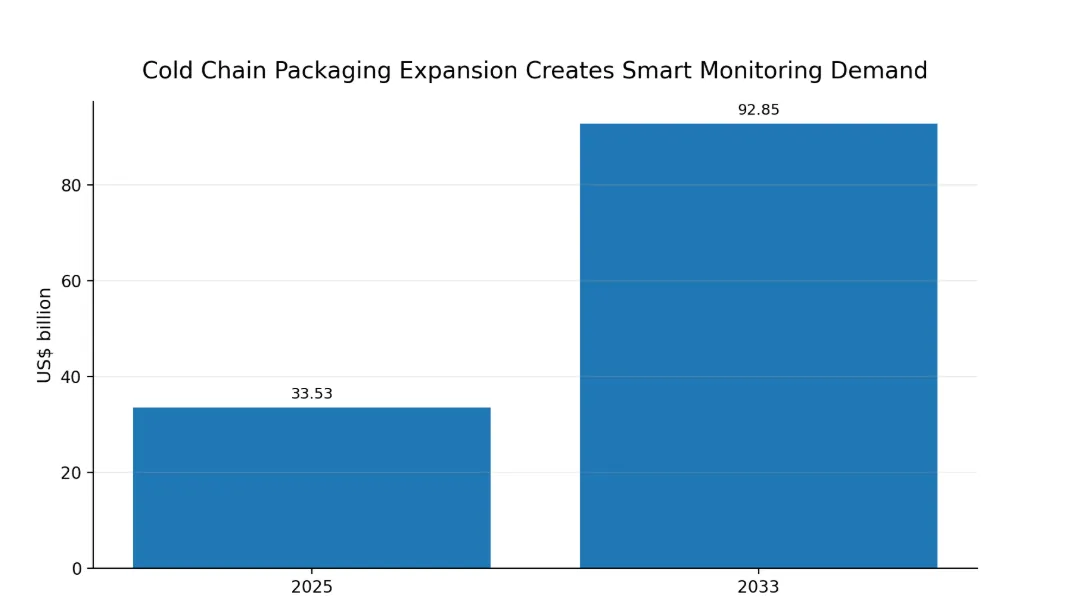
Gain a comprehensive understanding of cold chain packaging dynamics by exploring the Cold Chain Packaging Market Report, covering market growth, application trends, and emerging opportunities.
Authentication is moving beyond luxury goods
Anti counterfeiting has long been associated with luxury products, spirits and premium cosmetics. The use case is now expanding into pharmaceuticals, healthcare products, agrochemicals, electronics and auto components. In these sectors, fake products create safety risk, warranty leakage, regulatory exposure and brand damage.
NFC tags, RFID labels, serialized QR codes and tamper evidence features can help manufacturers verify product authenticity at different points in the value chain. For high value goods, smart packaging can also support channel control by showing where products were scanned, when they were activated and whether they moved through approved distribution routes.
Explore the Radio Frequency Identification (RFID) Market Report for detailed insights into asset tracking, inventory management, supply chain visibility, and RFID adoption trends across retail, logistics, healthcare, and industrial sectors.
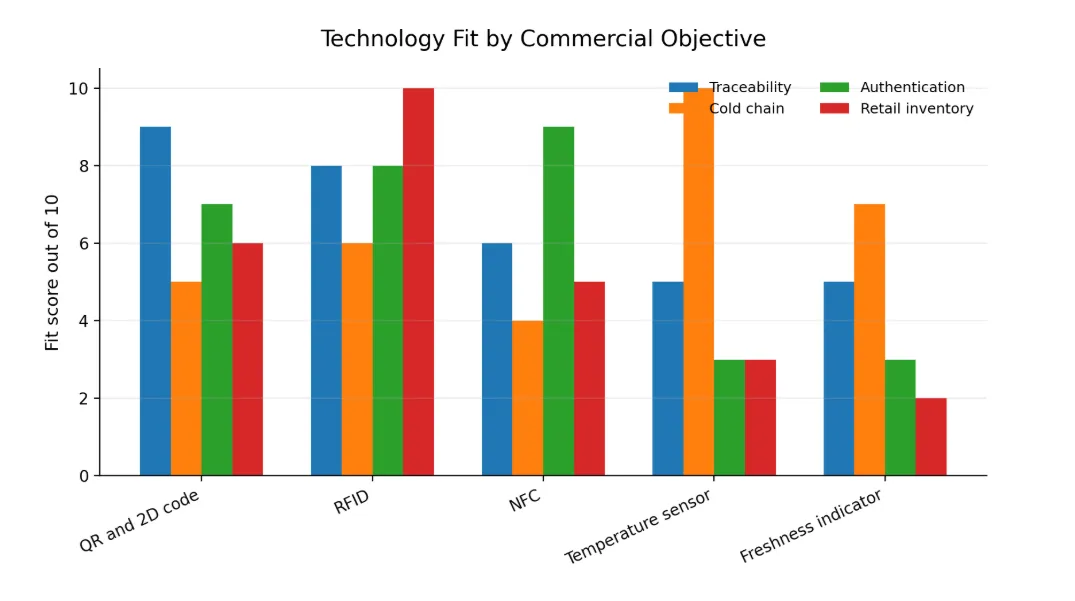
Smart packaging technology selection depends on the commercial objective and the unit economics of the product category.
Retail inventory and warehouse visibility create recurring value
The next wave of smart packaging adoption will also be shaped by warehouse automation, retail shelf visibility and omnichannel fulfillment. RFID enabled packaging and smart labels can reduce manual inventory checks, improve stock accuracy and support faster picking in high volume distribution environments.
This is especially relevant in apparel, healthcare supplies, electronics and higher value packaged goods. Retailers want cleaner inventory signals because stockouts, shrinkage and misplaced products directly affect revenue. Smart packaging can make each unit easier to locate, verify and replenish across warehouses, stores and returns operations.
Evaluate the evolving packaging automation landscape with the Packaging Automation Solution Market Report, featuring insights into smart systems, high-speed operations, and technology investments shaping modern packaging workflows.
Freshness indicators can reduce waste when the economics are right
Freshness indicators, oxygen scavengers, moisture absorbers and other active packaging tools are gaining attention because they help manage product quality after packing. The strongest opportunity is in categories where spoilage rates are high, logistics chains are fragmented and shelf life is a major driver of margin.
For fresh meat, seafood, produce and ready meals, active and intelligent packaging can improve quality assurance and reduce the gap between printed expiry dates and actual product condition. This can support better markdown decisions, lower waste and stronger consumer confidence. The challenge is cost. Suppliers need packaging formats that are accurate, printable, scalable and compatible with existing recycling goals.
Regulation is turning packaging data into a compliance asset
Regulatory pressure is another reason smart packaging is finding commercial use cases beyond consumer engagement. In Europe, digital product data requirements are moving companies toward machine readable product records. In food, traceability rules are creating stronger demand for standardized event data. In retail, 2D barcode readiness is forcing brands and stores to update packaging data, printing systems and scanning infrastructure.
This matters because compliance data is becoming inseparable from packaging design. Brands will need to connect packaging identifiers with product composition, sourcing details, sustainability claims, allergen information, recycling instructions and recall data. The winners will be companies that treat packaging data as a reusable enterprise asset rather than a campaign level content layer.
Where the commercial opportunity is strongest
Smart packaging will scale fastest where the package can solve a measurable business problem. Consumer engagement alone can be useful. Commercial adoption improves when the same code, tag or sensor supports recall speed, cold chain evidence, anti counterfeiting control and inventory visibility.
The strongest near term opportunities sit in four areas. The first is food traceability, where regulation and recall economics create urgency. The second is pharmaceutical and healthcare cold chain, where temperature evidence can protect product value. The third is premium brand authentication, where counterfeit risk creates direct margin leakage. The fourth is RFID enabled retail and logistics, where inventory accuracy can improve labor efficiency and reduce stockouts.
For packaging companies, this changes the innovation roadmap. Smart packaging should be sold as an operating system for product identity, quality and compliance. The commercial question is no longer whether consumers will scan. The better question is whether the package can create enough data value to justify integration into manufacturing, logistics, retail and regulatory workflows.