


Fatty liver disease is becoming one of the most discussed health concerns today, especially among people with obesity, type 2 diabetes, high cholesterol or high blood pressure. One of its more serious forms was earlier known as NASH, or nonalcoholic steatohepatitis. Today, doctors increasingly use the updated name MASH, which stands for metabolic dysfunction-associated steatohepatitis.
The name may sound complicated, but the condition is easier to understand when broken down. MASH happens when excess fat builds up in the liver and causes inflammation, liver cell injury and scarring, also called fibrosis. If not detected early, it can progress to cirrhosis, liver failure or liver cancer in some people.
The good news is that treatment options are improving. Lifestyle changes remain the foundation, but FDA-approved medicines and newer therapies are changing how doctors manage the disease.
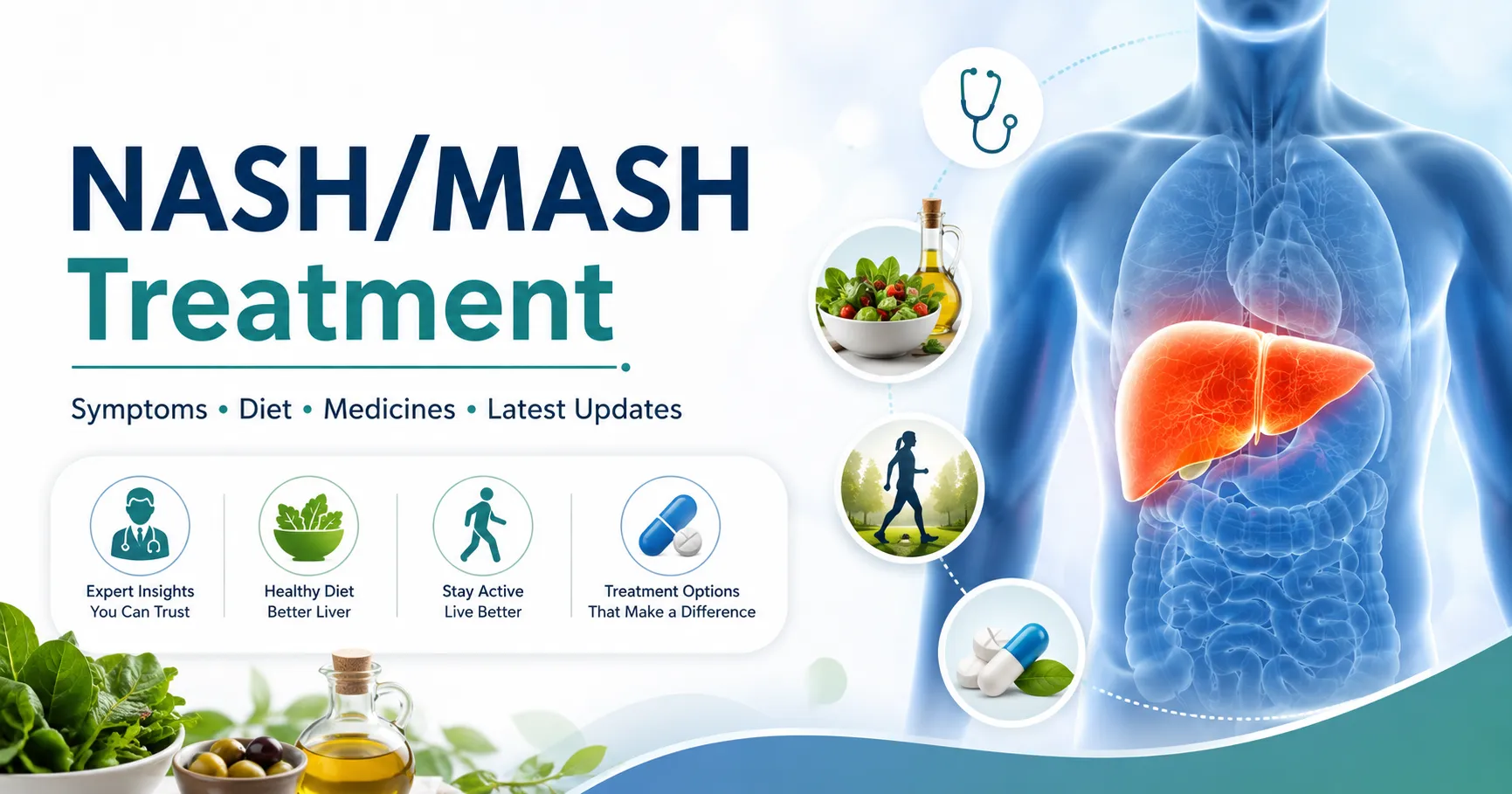
What Is NASH or MASH?
NASH and MASH refer to the same serious liver condition. The term MASH is now preferred because it explains the real driver of the disease: metabolic dysfunction.
In simple words, MASH is a progressive form of fatty liver disease where fat buildup is no longer harmless. The liver becomes inflamed, damaged and scarred over time.
NASH vs MASH: What Changed?
The condition once called NASH is now called MASH. Similarly, NAFLD, or nonalcoholic fatty liver disease, is now often called MASLD, or metabolic dysfunction-associated steatotic liver disease.
The new terms are more accurate because they focus on metabolic risk factors such as:
- Obesity
- Type 2 diabetes
- Insulin resistance
- High triglycerides
- High blood pressure
- High cholesterol
- Abdominal weight gain
This name change also avoids defining the condition only by alcohol use. However, for readers searching online, both terms, NASH treatment and MASH treatment, are still commonly used.
Why NASH/MASH Is a Serious Liver Condition
Many people think fatty liver is harmless, but MASH is different. Simple fat buildup may not always cause major damage, but MASH includes inflammation and liver injury.
Over time, this can lead to:
- Fibrosis, which means liver scarring
- Cirrhosis, which is advanced scarring
- Liver failure
- Liver cancer
- Need for liver transplant in severe cases
The challenge is that MASH often develops silently. Many people do not feel sick until the disease has already progressed.
Common Symptoms of NASH/MASH
One reason MASH is difficult to detect early is that it often causes few or no symptoms. Many people discover it during routine blood tests, imaging scans or checkups for diabetes, obesity or high cholesterol.
Possible Symptoms May Include
Some people may experience:
- Tiredness or low energy
- Discomfort or pain in the upper right side of the abdomen
- Unexplained weakness
- Unusual liver enzyme results
- Abdominal swelling in advanced disease
- Yellowing of the skin or eyes in severe liver disease
- Easy bruising or bleeding in later stages
Because symptoms are not always obvious, people with metabolic risk factors should not wait for signs to appear before checking liver health.
What Causes NASH/MASH?
MASH is strongly linked to the way the body stores and processes fat, sugar and energy. It usually develops when excess fat collects in liver cells and triggers inflammation.
Major Risk Factors
The most common risk factors include:
- Being overweight or obese
- Type 2 diabetes
- Prediabetes or insulin resistance
- High cholesterol or triglycerides
- High blood pressure
- Sedentary lifestyle
- Poor diet high in refined carbohydrates and sugary drinks
- Polycystic ovary syndrome
- Sleep apnea
- Family history of fatty liver disease
Not everyone with fatty liver disease develops MASH, but people with multiple metabolic risk factors have a higher chance of progression.
How Is NASH/MASH Diagnosed?
Doctors usually begin with a combination of medical history, blood tests and imaging. Since many people do not have symptoms, diagnosis often starts when liver enzymes appear abnormal or imaging shows fat in the liver.
Common Tests Used
A doctor may recommend:
- Liver function tests to check liver enzymes
- Ultrasound to detect fat buildup
- FibroScan or elastography to estimate liver stiffness
- MRI-based tests for liver fat and fibrosis assessment
- Blood-based fibrosis scores
- Liver biopsy in selected cases when more confirmation is needed
The goal is not only to find fat in the liver but also to understand whether inflammation and scarring are present.
NASH/MASH Treatment: What Are the Main Options?
Treatment depends on disease stage, fibrosis level, weight, diabetes status, cardiovascular risk and overall health. For most people, the treatment plan includes lifestyle changes, management of metabolic conditions and, in some eligible cases, prescription medicines.
Lifestyle Change Remains the Foundation
Even with new medicines available, lifestyle improvement is still one of the most powerful tools for MASH treatment.
Doctors commonly recommend:
- Gradual weight loss
- A liver-friendly diet
- Regular physical activity
- Better blood sugar control
- Lower cholesterol and triglycerides
- Avoiding or limiting alcohol
- Managing blood pressure
- Treating sleep apnea if present
Weight loss can reduce liver fat, liver inflammation and, in some people, fibrosis risk. The focus should be on sustainable change rather than crash dieting.
Best Diet for NASH/MASH
There is no single perfect “MASH diet,” but several eating patterns can support liver health. A Mediterranean-style diet is often recommended because it focuses on whole foods, healthy fats, lean proteins and fiber-rich carbohydrates.
Foods That May Support Liver Health
Helpful foods include:
- Vegetables and leafy greens
- Whole grains
- Beans and lentils
- Fruits in moderate portions
- Fish rich in omega-3 fats
- Nuts and seeds
- Olive oil
- Low-fat dairy or unsweetened alternatives
- Lean protein such as chicken, fish, tofu or legumes
Foods to Limit or Avoid
People with MASH are usually advised to reduce:
- Sugary drinks
- Fruit juices with added sugar
- White bread, white rice and refined flour foods
- Fried foods
- Processed meats
- Packaged snacks
- High-sugar desserts
- Excess alcohol
- Ultra-processed foods
A practical approach is to build meals around vegetables, protein and fiber while reducing sugar and refined carbohydrates.
Exercise and Weight Loss for NASH/MASH
Physical activity helps reduce liver fat and improves insulin resistance, even when weight loss is slow. The best exercise plan is one that a person can follow consistently.
Helpful Exercise Habits
A good routine may include:
- Brisk walking
- Cycling
- Swimming
- Strength training
- Yoga or mobility work
- Daily movement breaks for people who sit for long hours
For many people, starting with 20 to 30 minutes of walking most days is more realistic than attempting an intense routine. Consistency matters more than perfection.
FDA-Approved Medicines for NASH/MASH
For years, there were no approved medicines specifically for NASH or MASH. That has changed.
Rezdiffra for NASH/MASH With Fibrosis
Rezdiffra, also known as resmetirom, became the first FDA-approved treatment for adults with noncirrhotic NASH/MASH with moderate-to-advanced liver fibrosis. It is used along with diet and exercise.
This approval was a major milestone because it gave doctors a liver-directed medicine for eligible patients who already have meaningful scarring but have not developed cirrhosis.
Wegovy for MASH With Moderate-to-Advanced Fibrosis
Wegovy, also known as semaglutide, has also been approved for adults with MASH and moderate-to-advanced fibrosis. Wegovy is already widely known as a GLP-1 medicine used for weight management and cardiometabolic health.
Its approval is important because many people with MASH also struggle with obesity, diabetes risk or other metabolic issues. This makes GLP-1 medicines a major topic in the future of MASH care.
Are Diabetes and Weight Loss Medicines Used in MASH?
Some medicines used for diabetes or obesity may help improve liver-related risk factors, especially by supporting weight loss, blood sugar control and insulin sensitivity. However, not every medicine is approved specifically for MASH, and treatment should always be decided by a healthcare professional.
Medicines being discussed or studied in MASH include:
- GLP-1 receptor agonists
- Dual incretin therapies
- FGF21-based therapies
- Thyroid hormone receptor beta agonists
- Anti-fibrotic therapies
- Metabolic and lipid-targeting drugs
The future of MASH treatment may involve combining liver-specific therapies with metabolic drugs.
Latest Trends in NASH/MASH Treatment
MASH treatment is evolving quickly. Some of the hottest topics include:
Non-Invasive Testing
Doctors and researchers are working to reduce dependence on liver biopsy. Imaging tools, blood tests and fibrosis scores are becoming more important for identifying patients who need treatment.
GLP-1 Medicines and Liver Health
GLP-1 drugs are gaining attention because they may support weight loss, reduce metabolic stress and improve liver disease markers in selected patients.
Combination Therapy
Because MASH involves fat buildup, inflammation, fibrosis and metabolic dysfunction, future treatment may combine different medicines that target different pathways.
Earlier Screening
More attention is being given to people with diabetes, obesity and high cholesterol because they are at higher risk for advanced liver disease.
When Should You See a Doctor?
You should speak with a doctor if you have risk factors such as obesity, type 2 diabetes, high cholesterol or high blood pressure, especially if liver enzymes are abnormal.
Seek Medical Advice If You Have
- Persistent fatigue
- Right upper abdominal discomfort
- Abnormal liver tests
- Known fatty liver on ultrasound
- Diabetes with weight gain
- Family history of liver disease
- Swelling, jaundice or confusion in advanced cases
Early diagnosis gives people a better chance to slow or prevent disease progression.
Final Thoughts
NASH, now called MASH, is no longer a silent condition that doctors can only monitor. It is now a treatable liver disease with growing awareness, better diagnostic tools and FDA-approved medicines for selected patients.
Still, the foundation of treatment remains clear: healthy weight loss, better diet, regular exercise, blood sugar control and long-term metabolic health management. Medicines such as Rezdiffra and Wegovy are important breakthroughs, but they work best as part of a complete care plan.
For anyone at risk, the most important step is not to wait for symptoms. A simple conversation with a healthcare provider, along with blood tests and liver assessment, can help identify problems early and protect long-term liver health.
Read Full Research Report Description: https://www.datamintelligence.com/research-report/nash-or-mash-treatment-market