


Introduction
The Japanese sake market industry is entering a new phase of transformation as traditional brewing heritage meets global consumer demand, premium beverage trends, and international market expansion. Once primarily associated with domestic consumption, sake is increasingly gaining attention from global investors, beverage companies, distributors, hospitality businesses, and entrepreneurs seeking opportunities in the premium alcohol segment.
Growing interest in Japanese cuisine, rising demand for authentic craft beverages, increasing exports, and innovation in sake production are creating new business opportunities across production, distribution, branding, tourism, and international market expansion.
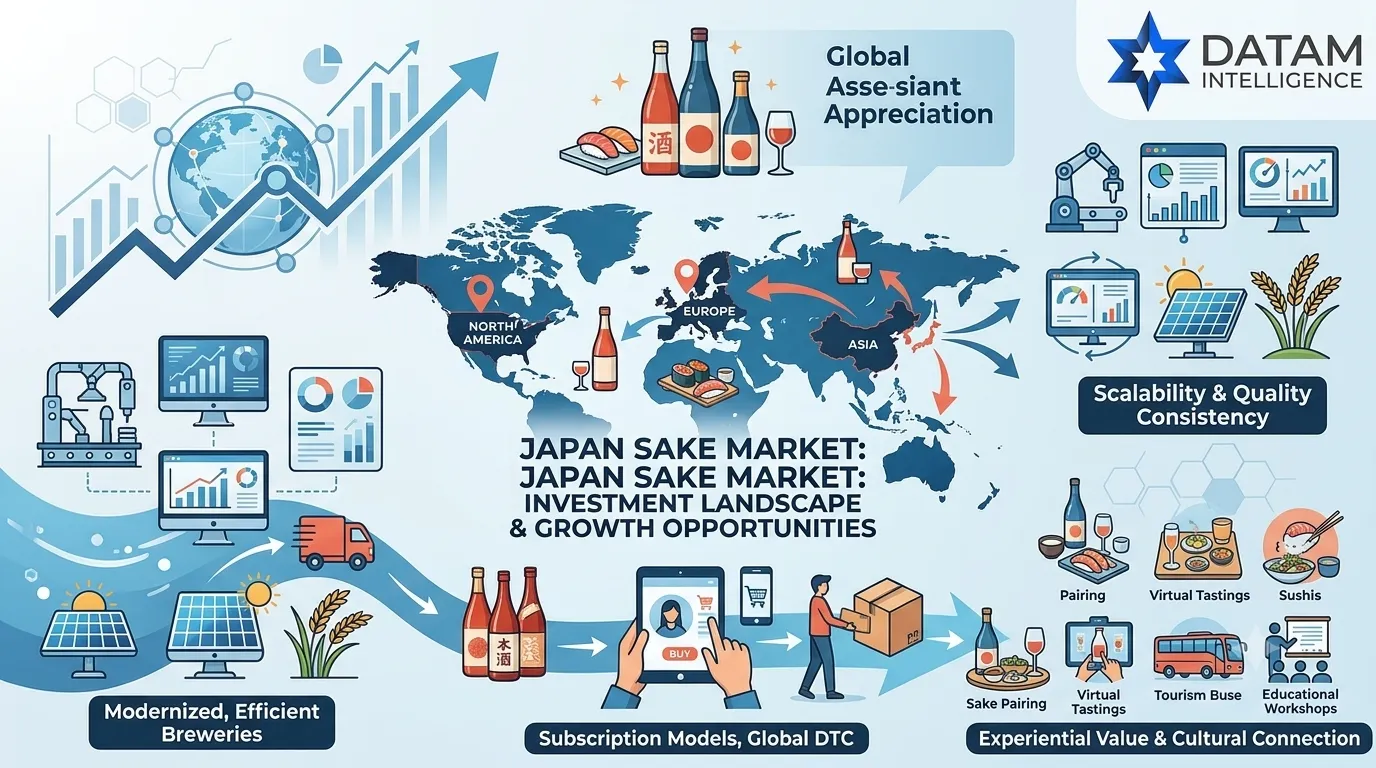
For investors and businesses evaluating opportunities in Japan’s alcoholic beverage sector, understanding the evolving sake ecosystem, competitive landscape, and emerging growth areas is becoming increasingly important.
Explore Detailed Japan Sake Market Intelligence
Gain deeper insights into market size, competitive landscape, segmentation analysis, growth drivers, and future opportunities with the Japan Sake Market Report.
Click here to Request a Sample Report today to understand investment opportunities and strategic developments shaping the Japanese sake industry.
Why Investors Are Looking at the Japanese Sake Industry
Japanese sake represents a unique combination of cultural heritage, premium positioning, and global market potential. Unlike mass-market alcoholic beverages, sake benefits from strong brand storytelling, craftsmanship, regional identity, and traditional production techniques.
Several factors are increasing investment interest:
1. Rising Global Demand for Premium Japanese Beverages
Premiumization is becoming a major trend in the alcoholic beverage industry. Consumers are increasingly willing to pay higher prices for authentic, high-quality, and differentiated products.
Premium sake categories such as:
- Junmai Daiginjo
- Daiginjo
- Ginjo sake
- Craft sake
are gaining popularity among consumers seeking luxury and unique drinking experiences.
This shift creates opportunities for companies investing in premium sake production, branding, and international distribution.
2. Growing International Market Opportunities
Japanese sake exports have expanded as global awareness of Japanese culture and cuisine continues to grow.
Key opportunity areas include:
- North America
- Europe
- Southeast Asia
- Middle East luxury hospitality markets
Restaurants, hotels, specialty beverage retailers, and online alcohol platforms are increasingly introducing Japanese sake products to international consumers.
Investment opportunities in the Japanese sake industry are increasing due to rising global demand for premium alcoholic beverages, export expansion, luxury dining growth, and consumer interest in authentic Japanese products.
3. Expansion of Premium and Craft Sake Brands
The traditional sake industry is experiencing innovation through:
- New brewing techniques
- Modern packaging designs
- Limited-edition releases
- Sustainable production practices
- International collaborations
Small and medium-sized breweries are creating differentiated products targeting younger consumers and global markets.
Investors can explore opportunities in:
- Craft brewery partnerships
- Premium sake brands
- International marketing
- Direct-to-consumer sales channels
Key Investment Opportunities Across the Japanese Sake Value Chain
The Japanese sake industry presents diverse investment opportunities across production, distribution, and digital commerce as the sector adapts to evolving consumer preferences, international demand, and technological advancements. Investors and businesses are increasingly exploring opportunities that combine traditional craftsmanship with modern operational capabilities, global market access, and innovative sales channels.
1. Sake Production and Brewery Modernization
Investment in sake production modernization represents a significant opportunity as breweries seek to improve scalability, operational efficiency, and product consistency while preserving traditional brewing expertise.
Many traditional sake producers are exploring advanced technologies and process improvements to enhance competitiveness in both domestic and international markets. Strategic investments can support breweries in upgrading production capabilities, improving quality standards, and meeting growing demand for premium sake products.
Key investment areas include:
- Advanced Brewing Technologies: Adoption of modern fermentation monitoring systems, automation solutions, and precision brewing technologies to improve consistency, efficiency, and production scalability.
- Production Efficiency Improvements: Investments in optimized manufacturing processes, equipment upgrades, and resource management can help breweries increase output while reducing operational costs.
- Quality Control and Product Standardization: Enhanced quality management systems enable producers to maintain consistent taste profiles, meet international quality requirements, and strengthen brand credibility in global markets.
- Sustainable Manufacturing Practices: Growing demand for environmentally responsible products is encouraging investments in energy-efficient equipment, sustainable rice sourcing, waste reduction, and eco-friendly packaging solutions.
Modernizing traditional breweries can create a balance between heritage and innovation, enabling Japanese sake producers to expand production capacity while maintaining the authenticity and craftsmanship that differentiate their products.
2. International Distribution and Import Networks
The expansion of Japanese sake consumption beyond domestic markets is creating attractive opportunities in international distribution, import partnerships, and global beverage networks.
As awareness of Japanese cuisine and premium alcoholic beverages grows worldwide, distributors and importers play a critical role in connecting Japanese sake producers with international consumers, restaurants, retailers, and hospitality businesses.
Potential investment opportunities include:
- Import Partnerships and Market Expansion: Developing strategic partnerships with local importers, beverage distributors, and regional market specialists can help Japanese sake brands establish a stronger presence in international markets.
- Regional Distribution Networks: Investments in efficient supply chains, warehousing infrastructure, and logistics capabilities can support reliable product availability across key markets.
- Beverage Portfolio Expansion: Global beverage companies can explore opportunities to diversify their portfolios by incorporating premium Japanese sake alongside other high-value alcoholic beverages.
- Retail and Hospitality Channel Development: Expanding distribution through specialty stores, luxury retailers, restaurants, hotels, and premium dining establishments can accelerate consumer adoption.
Companies with strong international logistics capabilities, regulatory expertise, and established market relationships are well positioned to benefit from the growing global demand for Japanese sake.
3. Digital Commerce and Direct-to-Consumer Sales
Digital transformation is reshaping how sake producers connect with customers, creating new opportunities through e-commerce platforms, online marketplaces, and direct-to-consumer business models.
Traditional distribution models often limited smaller breweries to regional markets; however, digital channels now allow producers to reach global consumers, build brand awareness, and develop stronger customer relationships.
Key growth opportunities include:
- Online Specialty Alcohol Platforms: Digital marketplaces and specialty beverage platforms provide sake producers with access to international consumers seeking authentic Japanese products.
- Subscription-Based Business Models: Premium sake subscription services can create recurring revenue streams while introducing customers to different regional breweries, varieties, and seasonal offerings.
- Digital Brand Experiences: Virtual tastings, online brewery tours, storytelling-driven marketing, and digital communities can strengthen consumer engagement and brand loyalty.
- Cross-Border E-Commerce Expansion: International online sales channels enable breweries to overcome geographic limitations and access new customer segments without relying solely on traditional distribution networks.
Digital commerce provides smaller and emerging sake producers with opportunities to compete globally, increase brand visibility, and participate in the growing premium beverage market.
Investment Outlook
Across the Japanese sake value chain, opportunities are emerging for investors who can support modernization, global expansion, and digital transformation. Businesses that combine traditional sake craftsmanship with advanced technology, international distribution capabilities, and consumer-focused strategies are likely to capture long-term growth opportunities in the evolving global sake market.
Emerging Trends Shaping the Future of Japanese Sake Investment
The Japanese sake industry is undergoing a significant transformation as changing consumer preferences, sustainability priorities, global tourism growth, and innovation reshape the investment landscape. While sake remains deeply connected to traditional Japanese craftsmanship, emerging market trends are creating new opportunities for investors, beverage companies, and industry participants to develop premium products, expand global reach, and create new revenue streams.
1. Premiumization of Alcohol Consumption
One of the most influential trends shaping the future of the Japanese sake industry is the shift from volume-driven alcohol consumption toward premium, experience-focused purchasing decisions.
Modern consumers are increasingly seeking beverages that offer authenticity, craftsmanship, unique flavors, and cultural value rather than simply focusing on price or quantity. This trend is creating opportunities for premium sake producers that emphasize quality ingredients, traditional brewing methods, regional identity, and exclusive product offerings.
Premiumization is benefiting several areas of the sake value chain, including:
- Luxury Sake Brands: High-end sake brands are gaining attention among consumers seeking exclusive and premium beverage experiences. Limited-edition releases, aged sake varieties, and artisanal production methods are helping brands strengthen their premium positioning.
- Craft Sake Producers: Smaller breweries are leveraging innovation, regional storytelling, and unique brewing techniques to differentiate their products and attract younger consumers and international buyers.
- Regional Breweries: Local breweries with distinctive production methods and historical heritage are finding new opportunities by highlighting their geographic identity and traditional craftsmanship.
- Premium Hospitality Partnerships: Luxury hotels, fine-dining restaurants, and premium culinary experiences are increasingly incorporating Japanese sake into their offerings, creating opportunities for strategic partnerships between breweries and hospitality providers.
As global consumers continue to explore premium alcoholic beverages, investment in branding, product innovation, and international positioning is expected to become increasingly important for sake companies.
2. Sustainability and Innovation in Brewing
Sustainability is becoming a critical factor influencing investment decisions across the global beverage industry, and the Japanese sake sector is increasingly adopting environmentally responsible practices.
Investors and consumers are paying greater attention to how beverages are produced, sourced, and packaged. Sake producers that integrate sustainable practices can strengthen brand reputation, improve operational efficiency, and align with evolving environmental expectations.
Key sustainability and innovation opportunities include:
- Energy-Efficient Brewing Technologies: Breweries are exploring advanced equipment and production systems that reduce energy consumption while improving operational efficiency.
- Sustainable Rice Sourcing: Since rice is a fundamental ingredient in sake production, investment in sustainable agricultural partnerships, responsible farming practices, and specialty rice cultivation can enhance supply chain resilience.
- Waste Reduction and Resource Optimization: Breweries are implementing strategies to minimize production waste, improve water management, and explore opportunities for utilizing by-products from sake production.
- Environment-Friendly Packaging Solutions: Sustainable packaging materials, lightweight designs, and recyclable solutions are gaining importance as consumers and businesses prioritize environmental responsibility.
The integration of sustainability with traditional brewing expertise provides opportunities for sake producers to improve competitiveness while meeting the expectations of environmentally conscious consumers and global markets.
3. Tourism and Sake Experiences
The growth of Japan’s tourism industry is creating additional investment opportunities beyond traditional sake production and sales. Sake is increasingly becoming part of cultural tourism experiences, allowing consumers to connect with Japanese heritage through immersive activities.
Sake-related tourism creates opportunities in areas such as:
- Brewery Tours: Visitors are increasingly interested in exploring traditional breweries, understanding the brewing process, and experiencing regional sake production firsthand.
- Sake Tasting Experiences: Curated tasting events, premium sampling sessions, and educational experiences provide additional revenue opportunities while strengthening consumer engagement with brands.
- Cultural Tourism Programs: Sake experiences combined with Japanese traditions, local cuisine, and regional heritage can attract domestic and international tourists seeking authentic cultural experiences.
- Premium Dining Partnerships: Collaborations between sake producers, luxury restaurants, hotels, and culinary destinations can enhance brand visibility and create new premium consumption occasions.
Sake tourism enables producers to diversify revenue streams beyond beverage sales while building stronger emotional connections between brands and consumers.
Investment Outlook: Future Growth Potential in Japanese Sake
The future of Japanese sake investment will be shaped by companies that successfully combine traditional craftsmanship with modern business strategies. Premium product development, sustainable production, international expansion, and experiential marketing are creating new pathways for growth across the industry.
Investors and businesses that identify opportunities within these emerging trends can benefit from the increasing global appreciation for Japanese sake as a premium cultural and lifestyle product rather than simply an alcoholic beverage.
Challenges Investors Should Consider in the Japanese Sake Industry
While the Japanese sake industry presents attractive growth opportunities driven by premiumization, international expansion, and evolving consumer preferences, investors should carefully evaluate several structural challenges that may influence market entry strategies, scalability, and long-term returns.
Understanding these challenges is essential for businesses seeking to invest in sake production, distribution networks, or related value chain opportunities.
1. Limited Production Capacity and Scalability Constraints
One of the key challenges within the Japanese sake industry is the limited production capacity of many traditional breweries. A significant number of sake producers operate as small or medium-sized businesses with deeply established brewing traditions but limited manufacturing scale.
While this artisanal approach supports product authenticity and premium positioning, it can create challenges when meeting growing international demand or expanding into new markets.
Key considerations include:
- Production Scalability: Traditional breweries may require investments in modern equipment, facility expansion, and operational improvements to increase output while maintaining product quality.
- Supply Chain Management: Expanding production requires reliable access to essential inputs, including high-quality rice, water resources, and skilled brewing expertise.
- Balancing Tradition and Modernization: Investors must consider strategies that improve efficiency without compromising the craftsmanship and heritage that differentiate Japanese sake products.
Strategic investments in brewery modernization, technology adoption, and production optimization can help address these limitations and support sustainable growth.
2. Aging Industry Workforce and Skilled Labor Availability
The Japanese sake industry faces workforce-related challenges due to an aging population and declining availability of skilled professionals with traditional brewing expertise.
Sake production relies heavily on specialized knowledge, including fermentation techniques, quality control, and craftsmanship developed over generations. The shortage of experienced brewers and limited knowledge transfer opportunities may impact future production capabilities.
Important areas for consideration include:
- Workforce Development: Investment in training programs and skill development initiatives can help create the next generation of sake professionals.
- Knowledge Transfer and Innovation: Combining traditional brewing expertise with modern technology and research can help preserve industry knowledge while improving efficiency.
- Attracting Younger Talent: Breweries may need to adopt modern workplace practices and innovation-focused approaches to attract new employees.
Addressing workforce challenges will be critical for ensuring the long-term sustainability and expansion of the Japanese sake industry.
3. Changing Domestic Consumption Patterns
Although sake has strong cultural significance in Japan, domestic consumption patterns are evolving due to demographic shifts, changing lifestyles, and increased competition from other alcoholic beverages.
Younger consumers are increasingly exploring diverse beverage categories, creating pressure for sake producers to adapt their product strategies and marketing approaches.
Key implications for investors include:
- Growing Focus on Export Markets: Companies are increasingly exploring international markets to offset slower domestic demand and capture new growth opportunities.
- Premium Market Positioning: Producers are shifting toward higher-value products, including premium sake varieties and limited-edition offerings, to strengthen profitability.
- Consumer Engagement Strategies: Investments in branding, digital marketing, and experiential consumption models are becoming increasingly important to attract new customer segments.
The changing domestic market landscape highlights the importance of diversification, international expansion, and premium positioning for businesses seeking long-term growth in the Japanese sake sector.
Strategic Investment Perspective
Despite these challenges, the Japanese sake industry continues to offer significant opportunities for investors who adopt a long-term strategic approach. Companies that focus on modernization, workforce development, global distribution, and premium brand development can overcome structural barriers and participate in the industry’s evolving growth potential.
Future Outlook: Why Japanese Sake Remains an Attractive Investment Opportunity
The future of the Japanese sake industry will likely be shaped by international expansion, premium product development, digital transformation, and innovative business models.
Businesses that combine traditional craftsmanship with modern branding, technology, and global distribution strategies can unlock significant growth opportunities.
For investors, beverage companies, and market participants, understanding market trends, competitive positioning, and emerging opportunities is essential for strategic decision-making.
Analyst Insight
The Japanese sake market industry is transitioning from a traditional domestic beverage category into a global premium alcohol segment, driven by increasing international demand, premiumization trends, growing appreciation for Japanese craftsmanship, and expanding export opportunities. This transformation is creating new investment potential across production modernization, global distribution, premium brand development, and consumer experience models.
Key strategic opportunities for investors and businesses include:
- Production Modernization: Investments in advanced brewing technologies, automation, quality control systems, and sustainable production practices can help breweries improve scalability while preserving traditional craftsmanship.
- International Market Expansion: Strengthening export capabilities, distribution partnerships, and regional market presence will be critical as Japanese sake gains traction across North America, Europe, Asia-Pacific, and premium hospitality markets.
- Premium Brand Development: Companies that focus on differentiated product positioning, storytelling, regional identity, and luxury consumer experiences can capture opportunities in the growing premium beverage segment.
- Digital Commerce and Consumer Engagement: E-commerce platforms, direct-to-consumer models, and digital brand experiences are enabling sake producers to reach new customer segments and expand beyond traditional distribution channels.
For long-term success, companies entering the Japanese sake market should focus on scalability, supply chain resilience, international distribution capabilities, and innovation-driven strategies. Businesses that effectively combine traditional brewing heritage with modern technology and global market approaches are likely to benefit from the evolving opportunities within the Japanese sake industry.
What are the investment opportunities in the Japanese sake industry?
Investment opportunities in the Japanese sake industry include premium sake production, international exports, brewery modernization, digital commerce, craft sake brands, and tourism-based experiences. Growing global demand for authentic Japanese beverages and premium alcohol products is creating new opportunities for investors, beverage companies, and distributors.