


As colder weather sets in, the risk of catching the flu rises, and Influenza B often plays a starring role in seasonal outbreaks. This viral illness can strike suddenly, leaving you feeling miserable for days or even weeks. Unlike a common cold, Influenza B hits harder and can lead to serious health issues if not appropriately managed. Understanding its causes, symptoms, types, and treatment options can help you stay prepared and protect yourself and your loved ones. Let's explore what makes Influenza B unique and how to manage it effectively.
What is Influenza B?
Influenza B is a contagious respiratory infection triggered by specific viruses that target the nose, throat, and lungs. It belongs to a family of flu viruses that cause seasonal illnesses, particularly during the winter months. This type of flu accounts for a notable portion of global cases, making it a common concern in communities worldwide. While it shares similarities with other flu types, Influenza B has distinct features that influence how it spreads and affects people.
The virus infects the respiratory system, leading to inflammation and discomfort. It differs from bacterial infections or milder viruses, such as those causing the common cold. Recognizing Influenza B early can make a big difference in recovery, especially for vulnerable groups.
Causes of Influenza B
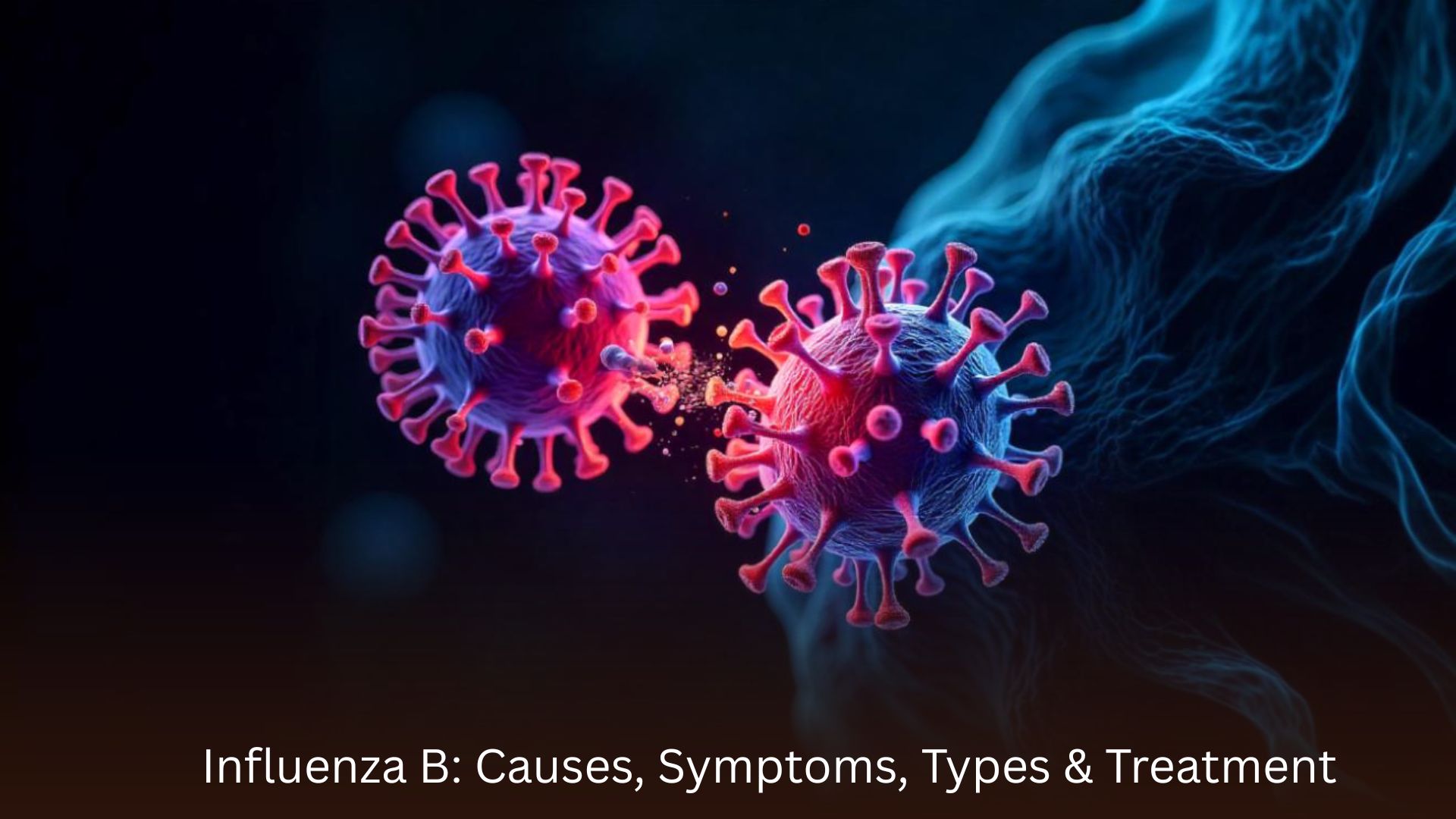
Influenza B stems from the influenza B virus, one of several types that impact humans. This virus enters the body and multiplies in the respiratory tract, causing the infection. Seasonal factors play a role, with peaks often occurring in winter due to closer indoor contact among people.
Certain risk factors increase susceptibility. People with underlying conditions like asthma, diabetes, heart disease, or weakened immune systems face higher chances of infection. Age also matters; young children and older adults are more prone to severe cases. Pregnancy and obesity can further elevate risks, as the body's defenses may be compromised.
Common Symptoms of Influenza B
Symptoms of Influenza B usually appear abruptly, one to four days after exposure. They can range from mild to severe, often mimicking a bad cold but with greater intensity.
Key signs include:
- High fever, sometimes reaching up to 106°F, accompanied by chills.
- Persistent cough and sore throat.
- Muscle and body aches that make movement painful.
- Headache and extreme fatigue.
- Runny or stuffy nose with congestion.
- In some cases, especially in children, nausea, vomiting, or diarrhea.
Not everyone experiences all symptoms; for instance, fever might be absent in some adults. Respiratory issues, such as coughing, can linger for weeks, even after other symptoms subside. If symptoms worsen, causing difficulty breathing or chest pain, seeking medical attention is crucial.
Types and Strains of Influenza B
Influenza viruses are classified into four main groups: A, B, C, and D. Influenza B is one of the primary causes of seasonal flu, accounting for approximately 25% of cases. Unlike types C and D, which are milder or affect animals more, type B can lead to significant outbreaks.
Within Influenza B, there are two main lineages: B/Yamagata and B/Victoria. These lineages represent variations of the virus that evolve. Vaccines are updated yearly to match the circulating strains, ensuring better protection against these specific types.
How Influenza B Spreads?
Transmission of Influenza B happens easily through human-to-human contact. The virus spreads via respiratory droplets released when an infected person coughs, sneezes, or talks. These droplets can land in the mouth or nose of nearby people or be inhaled directly.
Indirect spread occurs when contaminated surfaces, such as doorknobs or desks, are touched and then the hands are brought to the face, eyes, or mouth. Handshakes or close contact with an infected individual can also pass the virus. People become contagious about one day before symptoms start and remain so for five to seven days after. Young children or those with weakened immune systems may experience the illness for longer, up to several weeks.
The incubation period, the time from exposure to symptom onset, is typically one to four days. During peak contagiousness, around three to four days after symptoms begin, the risk of infecting others is highest.
Treatment Options for Influenza B
Most cases of Influenza B can be managed at home without special medical intervention. Focus on rest and staying hydrated with fluids like water, broth, or herbal tea to support the body's recovery.
Over-the-counter remedies help ease discomfort:
- Pain relievers like acetaminophen or NSAIDs for fever, aches, and headaches.
- Decongestants to relieve nasal stuffiness.
- Cough suppressants or expectorants for persistent coughing.
For severe cases or high-risk individuals, antiviral medications may be prescribed. These are most effective when started within 48 hours of the onset of symptoms. Standard options include oseltamivir phosphate (administered orally), zanamivir (inhaled), peramivir (administered intravenously), and baloxavir marboxil (administered as a single oral dose). Side effects might include nausea or diarrhea, and some are not suitable for people with breathing issues or during pregnancy.
Avoid aspirin, especially in children, and consult a doctor before using ibuprofen. Quarantine until fever-free for 24 hours without the use of medication to prevent the spread of the virus.
Prevention Strategies Against Influenza B
The most effective way to prevent Influenza B is through annual vaccination. Flu shots or nasal sprays are recommended for everyone aged six months and older, ideally by late October or early November. They reduce the risk of infection by up to 60% and cover current strains, including B lineages.
Everyday habits also play a key role. Wash your hands frequently with soap and water, or use an alcohol-based sanitizer. Cover your mouth and nose with your elbow or a tissue when you cough or sneeze. Avoid close contact with sick people and wear a mask if you're ill but need to be around others.
Disinfect commonly touched surfaces and refrain from touching your face. For infants under six months who can't be vaccinated, protecting them involves vaccinating family members and practicing good hygiene.
Potential Complications of Influenza B
While many recover fully, Influenza B can lead to serious issues, especially in high-risk groups like children under five, adults over 65, pregnant people, and those with chronic conditions.
Complications may include:
- Pneumonia or bronchitis from secondary infections.
- Worsening of asthma or heart disease.
- Kidney failure or organ damage.
- Rare but severe problems like encephalitis, muscle inflammation, or sepsis are a life-threatening response.
In children, hospitalization risks are higher with Influenza B. Watch for signs such as new fever, chest pain, or breathing difficulties after initial recovery, as these may signal complications that require immediate care.
How Does Influenza B Differ from Influenza A?
Influenza A and B both cause seasonal flu, but there are key differences between them. Influenza A accounts for about 75% of cases and can trigger pandemics due to its faster spread and animal reservoirs. In contrast, Influenza B spreads more slowly, is human-only, and doesn't cause pandemics.
Severity is similar overall, but Influenza B often hits children harder, leading to more hospitalizations in those under 16. Gastrointestinal symptoms, such as nausea, may appear more frequently in B cases, although the evidence is mixed. Both respond to similar treatments and prevention methods, including antivirals and vaccines.
Conclusion
Influenza B may seem like just another flu, but its potential impact underscores the importance of awareness. By recognizing causes and symptoms early, understanding their types, and following treatment and prevention steps, you can minimize risks and recover faster. Prioritize vaccination and hygiene this season to safeguard your health. If symptoms arise, don't hesitate to consult a healthcare provider; it's better to be safe than to face complications. Stay healthy and informed as we navigate flu season together.