


When people think about data centers, they usually imagine servers, cloud computing, artificial intelligence, cybersecurity and massive power systems. But behind every reliable data center is a less visible but equally important system: data center piping.
Data center piping supports cooling, water movement, heat rejection, fire protection and, increasingly, liquid cooling for high-density computing. As AI workloads grow and server racks become more powerful, piping is no longer just basic mechanical infrastructure. It is becoming a critical part of data center performance, efficiency and uptime.
A poorly designed piping system can lead to leaks, pressure issues, inefficient cooling, downtime and costly repairs. A well-designed piping system helps keep servers cool, stable and protected around the clock.
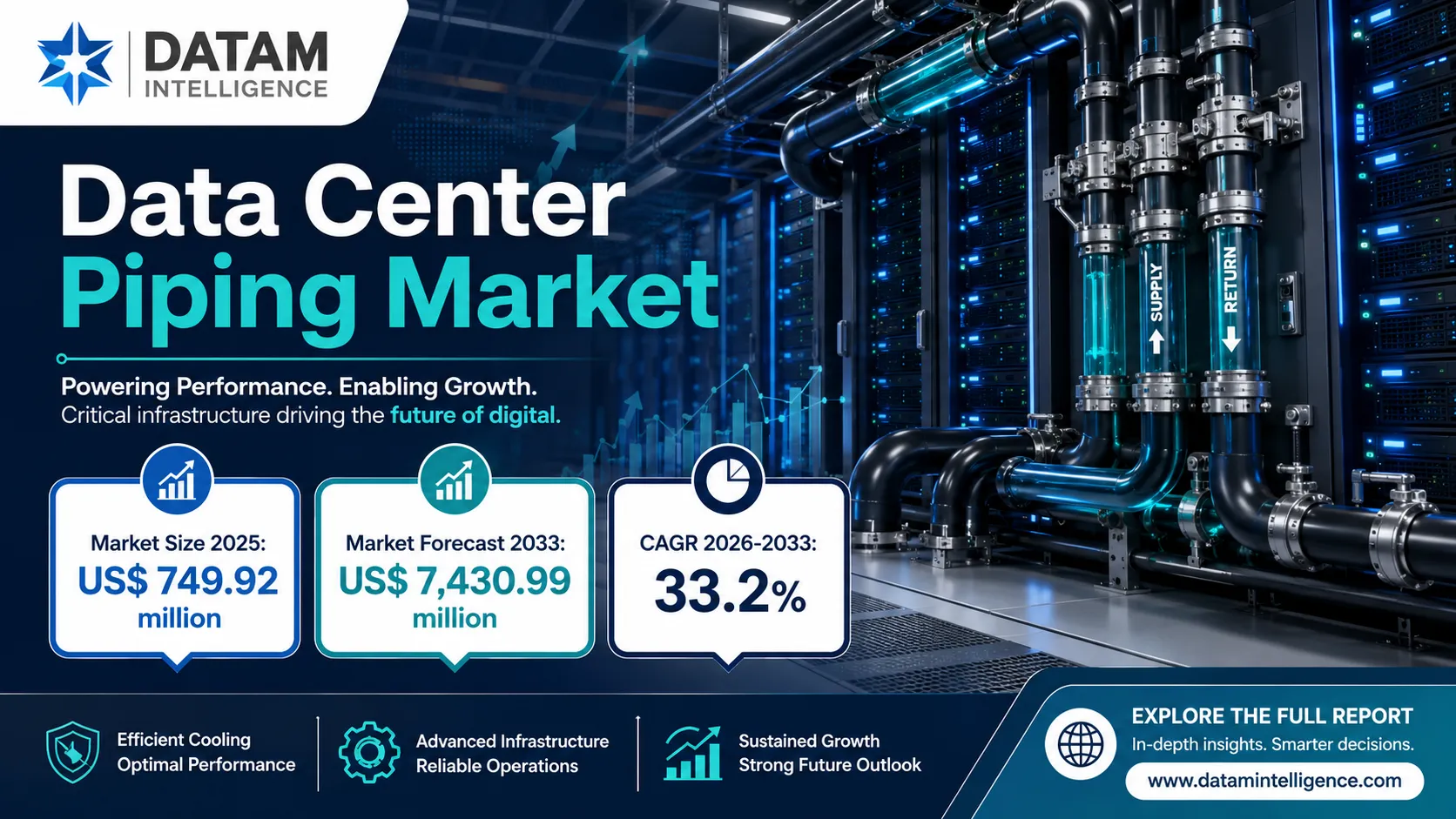
What Is Data Center Piping?
Data center piping refers to the network of pipes, valves, fittings, pumps and supporting components used to move fluids throughout a data center facility. These fluids may include chilled water, condenser water, glycol mixtures, coolant or fire suppression water.
In simple terms, piping helps carry heat away from IT equipment and supports the mechanical systems that keep the facility operating safely.
Where Is Piping Used in a Data Center?
Data center piping is commonly used in:
- Chilled water cooling systems
- Condenser water systems
- Liquid cooling systems
- Cooling distribution units
- Computer room air handler systems
- Fire protection systems
- Makeup water systems
- Humidification systems
- Heat rejection loops
- Water treatment and filtration systems
Although servers and network equipment get most of the attention, piping quietly supports one of the most important needs of a data center: temperature control.
Why Data Center Piping Matters More Than Ever
Modern data centers are under pressure to support higher computing power, faster processing and heavier workloads. Artificial intelligence, machine learning, cloud computing and high-performance computing are increasing rack densities and generating more heat.
Traditional air cooling is still widely used, but in many high-density environments, air alone may not be enough. This is why liquid cooling and advanced chilled water piping systems are becoming major topics in data center design.
The Main Role of Piping in Data Centers
Piping helps data centers achieve:
- Reliable cooling
- Reduced equipment overheating
- Better energy efficiency
- Improved uptime
- Safer fluid distribution
- Support for high-density racks
- Scalable mechanical infrastructure
- Preparedness for future liquid cooling upgrades
In short, piping directly affects how well a data center can manage heat.
How Data Center Cooling Systems Use Piping
Cooling is one of the most important functions in any data center. Servers generate heat continuously, and that heat must be removed quickly and efficiently.
Chilled Water Piping
Chilled water piping is one of the most common systems in large data centers. In this setup, chilled water is produced by chillers and distributed through pipes to cooling units such as air handlers or in-row coolers.
The chilled water absorbs heat from the data hall and carries it away. After absorbing heat, the warmer water returns to the chiller or heat rejection system, where it is cooled again.
Chilled water piping is popular because it offers:
- Strong cooling capacity
- Better efficiency for large facilities
- Centralized cooling control
- Compatibility with many mechanical systems
- Scalability for expanding data centers
Condenser Water Piping
Condenser water piping is used in systems where heat must be rejected outside the facility, often through cooling towers or dry coolers. This loop helps remove heat collected from the chilled water system.
Condenser water piping must be designed carefully because it may be exposed to outdoor conditions, water quality issues and temperature changes.
Liquid Cooling Piping
Liquid cooling piping is becoming one of the hottest topics in data center infrastructure. Instead of relying only on air to remove heat, liquid cooling brings coolant closer to the heat source.
This can include:
- Direct-to-chip cooling
- Cold plate cooling
- Rear-door heat exchangers
- Immersion cooling
- Cooling distribution unit piping
- Rack-level coolant loops
Liquid cooling is especially important for AI servers, GPU clusters and high-performance computing systems.
Data Center Piping and Liquid Cooling
Liquid cooling changes the importance of piping inside and around the data hall. In traditional cooling, chilled water pipes may stop at cooling units. In liquid cooling, piping may extend closer to racks, rows or even IT equipment.
What Is a Cooling Distribution Unit?
A cooling distribution unit, also called a CDU, manages the transfer of heat between the facility cooling loop and the technology cooling loop. It helps control coolant temperature, pressure, flow and quality.
In many liquid-cooled data centers, the CDU acts as the bridge between the building’s mechanical system and the server-level cooling system.
Why CDU Piping Needs Careful Design
CDU piping must support:
- Correct flow rate
- Stable pressure
- Proper isolation valves
- Easy maintenance access
- Leak detection
- Redundancy
- Water or coolant quality control
- Future expansion
Because liquid cooling brings fluid closer to sensitive IT equipment, piping quality and monitoring become even more important.
Common Pipe Materials Used in Data Centers
The choice of pipe material depends on the type of fluid, pressure, temperature, system size, corrosion risk, installation speed and maintenance needs.
Steel Piping
Steel piping is widely used for large mechanical systems because it is strong and durable. It can handle high pressures and is often used in chilled water and condenser water applications.
Benefits include:
- High strength
- Long service life
- Good pressure handling
- Suitability for large-diameter systems
However, steel may require corrosion protection, proper water treatment and skilled installation.
Stainless Steel Piping
Stainless steel is used where corrosion resistance and cleanliness are important. It may be preferred in sensitive cooling loops or systems requiring higher reliability.
Benefits include:
- Strong corrosion resistance
- Clean internal surface
- Long-term durability
- Lower contamination risk
The main drawback is higher cost compared with standard steel.
Copper Piping
Copper piping is common in some HVAC and mechanical systems. It is easier to install in smaller diameters and has good heat transfer properties.
Benefits include:
- Good corrosion resistance
- Easy installation for smaller systems
- Reliable performance
- Long track record in mechanical systems
Copper may not always be ideal for very large systems or certain water chemistry conditions.
Plastic and Composite Piping
Some data centers use plastic or composite piping, such as polypropylene or high-density polyethylene, depending on design requirements.
Benefits include:
- Corrosion resistance
- Lighter weight
- Faster installation
- Reduced scaling risk
However, these materials must be selected carefully based on pressure, temperature and fire safety requirements.
Key Design Considerations for Data Center Piping
Data center piping must be designed with reliability in mind. Unlike ordinary commercial buildings, downtime in a data center can be extremely costly.
1. Redundancy
Redundancy means the system can continue operating even if one component fails. Data center piping often includes backup pumps, alternate flow paths, isolation valves and looped systems to support continuous cooling.
2. Leak Prevention
Leaks are one of the biggest concerns in data center piping. Even small leaks can create major operational risks if water reaches electrical or IT equipment.
Leak prevention strategies include:
- High-quality pipe joints
- Pressure testing
- Proper valve selection
- Leak detection sensors
- Drip trays where needed
- Careful routing away from critical equipment
- Regular inspections
- Proper commissioning before operation
3. Pipe Routing
Pipe routing should reduce risk and improve maintenance access. Designers often avoid placing water lines directly above critical electrical equipment when possible.
Good routing also helps reduce pressure drops, improve flow balance and make future upgrades easier.
4. Water Quality
Water quality affects system performance and pipe life. Poor water treatment can lead to corrosion, scaling, biological growth and clogged components.
A strong water treatment plan may include:
- Filtration
- Chemical treatment
- Corrosion inhibitors
- Regular testing
- Monitoring of pH and conductivity
- Control of dissolved oxygen
- Maintenance of glycol concentration where used
5. Expansion Planning
Data centers often expand in phases. Piping systems should be designed with future capacity in mind. Oversized mains, capped connections and modular design can make future expansion easier and less disruptive.
Leak Detection in Data Center Piping
Leak detection is essential in modern data centers. As liquid cooling moves closer to IT hardware, monitoring becomes even more important.
Common Leak Detection Methods
Facilities may use:
- Water leak detection cables
- Point sensors
- Flow monitoring
- Pressure monitoring
- Humidity sensors
- Automated alarms
- Building management system integration
- AI-based predictive maintenance tools
The goal is to identify leaks early before they cause downtime or equipment damage.
Data Center Piping for AI and High-Density Computing
AI data centers are changing cooling requirements. GPU-based servers generate large amounts of heat, and high-density racks need more efficient cooling methods.
Why AI Workloads Need Better Cooling
AI infrastructure often requires:
- Higher rack power density
- Faster heat removal
- Stable coolant flow
- Lower thermal resistance
- Better energy efficiency
- More advanced monitoring
This is why many data centers are preparing for liquid cooling, even if they still use air cooling today.
Piping Becomes a Strategic Infrastructure Layer
For AI-ready facilities, piping is not just a mechanical afterthought. It becomes part of the strategic design. The right piping system can help data centers support future workloads, reduce cooling stress and improve overall reliability.
Best Practices for Data Center Piping Maintenance
Even the best piping system needs regular maintenance. Data center teams should follow a proactive maintenance plan instead of waiting for problems to appear.
Useful Maintenance Practices
- Inspect pipe joints and valves regularly
- Monitor pressure and temperature changes
- Test leak detection systems
- Maintain water treatment programs
- Check pump performance
- Clean strainers and filters
- Review flow balance
- Inspect insulation
- Test backup systems
- Document all maintenance activity
Preventive maintenance helps reduce downtime and extends the life of the cooling infrastructure.
Common Data Center Piping Mistakes to Avoid
Piping problems are often easier to prevent than fix. Some common mistakes include:
- Poor pipe routing over sensitive equipment
- Inadequate leak detection
- Undersized piping
- Lack of isolation valves
- Weak water treatment
- Poorly planned expansion capacity
- Incomplete commissioning
- Ignoring pipe insulation
- Using materials unsuitable for the fluid or environment
- Limited access for repairs
Avoiding these mistakes can improve reliability and reduce long-term operational costs.
Future Trends in Data Center Piping
Data center piping is evolving quickly as cooling needs become more complex.
1. More Liquid Cooling Adoption
Liquid cooling will continue to grow as AI and high-performance computing increase heat loads. This will require better piping design, safer connectors, smarter leak detection and improved coolant management.
2. Modular Piping Systems
Prefabricated and modular piping systems are gaining attention because they can reduce installation time, improve quality control and support faster data center construction.
3. Smart Monitoring
Sensors, automation and predictive analytics are becoming more important. Future piping systems may rely more heavily on real-time monitoring of flow, pressure, temperature, leaks and water chemistry.
4. Sustainability-Focused Cooling
Data centers are under pressure to reduce water and energy use. Piping systems will play an important role in enabling efficient cooling, heat reuse and closed-loop cooling designs.
5. Better Integration With Building Management Systems
Modern data centers need piping systems that communicate with facility controls. Integration with building management systems can help operators detect problems earlier and optimize performance.
Read Complete Research Report Published by DataM Intelligence on Data Center Piping Market: https://www.datamintelligence.com/research-report/data-center-piping-market
Conclusion
Data center piping may not be the most visible part of digital infrastructure, but it is one of the most important. It supports cooling, protects uptime, enables liquid cooling and prepares facilities for the future of AI and high-density computing.
As data centers become more powerful, piping design must become smarter, safer and more scalable. From chilled water loops to CDU piping and leak detection systems, every part of the piping network contributes to performance and reliability.
For facility owners, engineers and operators, the message is clear: data center piping is no longer just a support system. It is a mission-critical infrastructure layer that directly affects cooling performance, uptime and future readiness.