


TL1A Antagonist Therapy Market Size and Overview
The global TL1A antagonist therapy market is projected to reach US$36.58 billion by 2035, growing at a CAGR of 29.3% during the forecast period 2026-2035, according to report estimates.
The global TL1A antagonist therapy market is emerging as a promising segment within immunology and inflammatory bowel disease treatment, driven by advancements in targeted biologics and increasing demand for therapies offering sustained clinical remission and improved long-term disease control. Growth is supported by the rising prevalence of ulcerative colitis and Crohn's disease, unmet treatment needs among biologic-refractory patients and continued clinical development of next-generation TL1A-neutralizing antibodies targeting intestinal inflammation and potentially fibrosis.
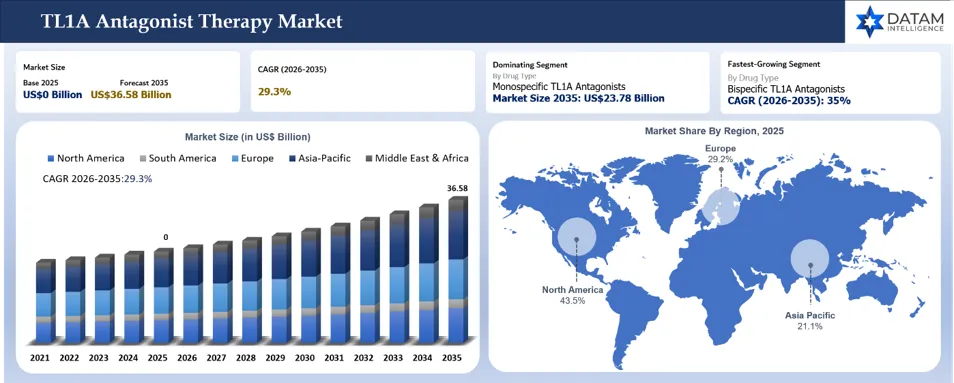
The market remains predominantly in the clinical development stage, with leading pharmaceutical companies advancing investigational therapies such as tulisokibart, duvakitug and afimkibart. Monospecific TL1A antagonists are expected to account for the largest market share following commercialization, while bispecific TL1A antagonists could witness faster growth as developers pursue differentiated mechanisms, enhanced therapeutic efficacy and expanded treatment applications.
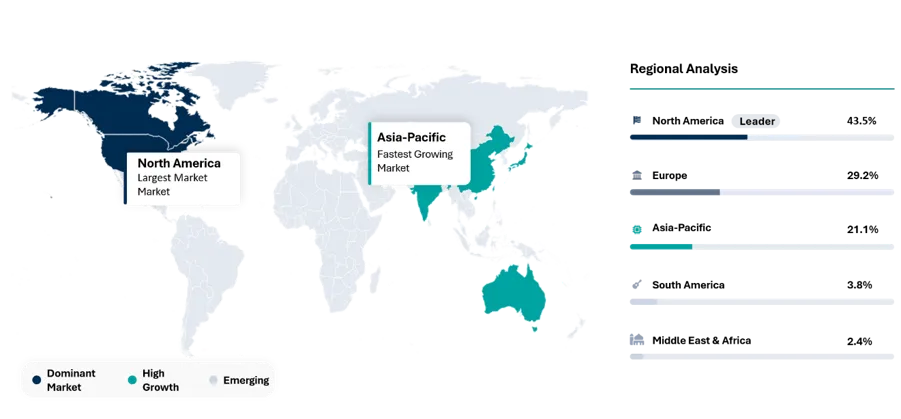
North America is expected to lead the global market, supported by advanced gastroenterology infrastructure, substantial pharmaceutical investment and strong clinical research activity, while Asia-Pacific is anticipated to experience the fastest growth. Future market expansion will depend on successful regulatory approvals, sustained clinical efficacy, reimbursement access, earlier-line treatment adoption, biomarker-guided patient selection and potential expansion into additional immune-mediated inflammatory diseases.
TL1A Antagonist Therapy Market Key Takeaways
- Sustained Market Expansion Through 2035: The global TL1A antagonist therapy market is projected to reach US$36.58 billion by 2035, registering a CAGR of 29.3% during 2026-2035, based on report estimates. Growth is expected to be supported by advancements in targeted biologics, increasing inflammatory bowel disease prevalence and demand for therapies offering sustained clinical remission and improved long-term disease control.
- Monospecific TL1A Antagonists Maintain Market Leadership: Monospecific TL1A-neutralizing antibodies are expected to dominate the market, supported by advanced clinical programs involving tulisokibart, duvakitug and afimkibart. Bispecific TL1A antagonists are emerging as a promising growth opportunity through complementary inflammatory pathway targeting and differentiated therapeutic approaches.
- Biologic-Refractory Patient Populations Drive Treatment Opportunities: Growing unmet treatment needs among patients with inadequate responses to established biologics are creating opportunities for TL1A antagonists. Development efforts increasingly emphasize sustained remission, mucosal healing, long-term treatment durability and potential antifibrotic benefits.
- North America Expected to Maintain Regional Leadership: North America is anticipated to capture the largest future market share, supported by advanced gastroenterology infrastructure, substantial pharmaceutical investment, extensive clinical trial activity and strong demand for innovative inflammatory bowel disease therapies. Asia-Pacific is expected to present significant growth opportunities.
- Clinical Differentiation and Regulatory Progress Shape Competition: Future market leadership will depend on successful regulatory approvals, sustained clinical remission, endoscopic healing, favorable safety profiles, convenient dosing and effectiveness in biologic-experienced populations. Expansion into earlier treatment lines, biomarker-guided therapies and additional immune-mediated inflammatory indications could further strengthen competitive positioning.
TL1A Antagonist Therapy Market Industry Trends and Strategic Insights
- Emerging Therapeutic Class: The TL1A antagonist therapy market is transitioning from early-stage clinical development toward late-stage validation, with increasing emphasis on therapies targeting intestinal inflammation and potentially fibrosis. This shift is strengthening the clinical relevance of TL1A inhibition in ulcerative colitis and Crohn's disease while creating opportunities for differentiated biologic treatments offering sustained remission and improved long-term disease control.
- Advancing Clinical Pipeline: Merck's positive Phase III tulisokibart results in June 2026 strengthened confidence in TL1A inhibition, while Sanofi and Teva's duvakitug and Roche's afimkibart continue advancing through late-stage clinical programs. These developments are intensifying competition around clinical remission, endoscopic healing, treatment durability and safety, positioning TL1A antagonists as a potentially important emerging therapeutic class within inflammatory bowel disease management.
- Expanding Therapeutic Applications: Clinical development is increasingly extending beyond ulcerative colitis and Crohn's disease into additional immune-mediated inflammatory conditions, including rheumatoid arthritis, psoriatic arthritis, axial spondyloarthritis and hidradenitis suppurativa. Pharmaceutical companies are also exploring next-generation TL1A-neutralizing antibodies, bispecific biologics and extended-half-life formulations to strengthen therapeutic differentiation and expand future treatment opportunities.
- Growing Focus on Clinical Differentiation: Commercial differentiation is expected to increasingly depend on sustained clinical remission, mucosal healing, corticosteroid-free remission, long-term safety, effectiveness in biologic-experienced patients and dosing convenience. Therapies demonstrating durable efficacy across induction and maintenance treatment, reduced administration burden and potential antifibrotic benefits could secure stronger positioning against established tumor necrosis factor inhibitors, interleukin-23 inhibitors and integrin antagonists.
- Strategic Investment and Commercialization Opportunities: Sustainable competitive advantage will increasingly depend on addressing biologic-refractory inflammatory bowel disease, demonstrating clinically meaningful benefits in earlier treatment lines and validating potential applications in intestinal fibrosis management. Companies generating robust Phase III evidence, securing regulatory approvals, establishing favorable reimbursement positioning and advancing biomarker-guided treatment strategies are likely to strengthen their competitive positioning as the TL1A antagonist therapy market approaches commercialization.
Global TL1A Antagonist Therapy Market Scope
| Metrics | Details | |
| 2025 Market Size | Pre-Commercial Stage | |
| 2035 Projected Market Size | US$36.58 Billion | |
| CAGR (2026-2035) | 29.3% | |
| Largest Market | North America | |
| Fastest Growing Market | Asia-Pacific | |
| By Drug Type | Monospecific TL1A Antagonists, Bispecific TL1A Antagonists, Multispecific TL1A Antagonists and Others | |
| By Indication | Ulcerative Colitis, Crohn's Disease, Rheumatoid Arthritis, Psoriatic Arthritis, Axial Spondyloarthritis, Systemic Sclerosis-Associated Interstitial Lung Disease and Others | |
| By Disease Severity | Moderate and Severe | |
| By Treatment Phase | Induction Therapy and Maintenance Therapy | |
| By Prior Advanced Therapy Exposure | Advanced Therapy-Naive Patients and Advanced Therapy-Experienced Patients | |
| By Route of Administration | Intravenous, Subcutaneous, Oral and Others | |
| By Patient Selection Approach | Biomarker-Selected Therapy and Non-Biomarker-Selected Therapy | |
| By Distribution Channel | Hospital Pharmacies, Specialty Pharmacies, Retail Pharmacies, Online Pharmacies and Others | |
| By Clinical Development Stage | Preclinical, Phase I, Phase II, Phase III and Regulatory Review | |
| By Region | North America | U.S., Canada, Mexico |
| Europe | Germany, UK, France, Spain, Italy, Poland | |
| Asia-Pacific | China, India, Japan, Australia, South Korea, Indonesia, Malaysia, Singapore, Vietnam, Thailand, Philippines, Taiwan | |
| South America | Brazil, Argentina | |
| Middle East and Africa | Israel, Saudi Arabia, UAE, Turkiye, South Africa, Nigeria | |
| Report Insights Covered | Competitive Landscape Analysis, Company Profile Analysis, Market Size, Share, Growth | |
Why does this report matter in 2026?
The global TL1A antagonist therapy market reached a major strategic inflection point in 2026 as clinical development progressed toward late-stage validation of therapies targeting both intestinal inflammation and fibrosis. In June 2026, Merck announced positive Phase III results for tulisokibart in the ATLAS-UC induction study, achieving its primary endpoint of clinical remission at 12 weeks in patients with moderately to severely active ulcerative colitis. This milestone strengthened clinical confidence in TL1A inhibition and its potential to establish a differentiated therapeutic class within inflammatory bowel disease treatment.
Competitive intensity is also accelerating as leading pharmaceutical companies advance TL1A-targeting therapies across ulcerative colitis, Crohn's disease and additional immune-mediated inflammatory disorders. In February 2026, Sanofi and Teva reported durable Phase IIb maintenance results for duvakitug, including clinical remission rates of 58% in ulcerative colitis and endoscopic response rates of 55% in Crohn's disease at the 900 mg dose. These developments are increasing strategic emphasis on long-term treatment durability, biologic-refractory patient populations, differentiated dosing regimens and broader indication expansion, while positioning TL1A antagonists as an emerging competitive class in immunology.
TL1A Antagonist Therapy Market White Space & Investment Opportunities
- Earlier-Line TL1A Antagonist Therapy: Expand TL1A-targeting therapies beyond biologic-refractory populations into earlier treatment lines for moderate-to-severe ulcerative colitis and Crohn's disease. Demonstrating superior mucosal healing, sustained clinical remission and reduced corticosteroid dependence could strengthen competitive positioning against established biologic therapies.
- Intestinal Fibrosis and Stricture Prevention: Invest in TL1A antagonists capable of addressing inflammation-associated intestinal fibrosis, particularly in Crohn's disease patients at risk of fibrostenotic complications. Demonstrating clinically meaningful antifibrotic benefits could establish a differentiated treatment opportunity beyond conventional anti-inflammatory therapies.
- Next-Generation Bispecific TL1A Antibodies: Develop bispecific antibodies combining TL1A inhibition with complementary inflammatory pathways, including interleukin-23 and integrin alpha-4 beta-7. These therapies offer opportunities to improve treatment efficacy, address multiple disease mechanisms and differentiate emerging products from conventional monospecific TL1A antibodies.
- Extended-Half-Life and Convenient Dosing: Invest in engineered TL1A antibodies supporting longer administration intervals, reduced injection frequency and convenient subcutaneous maintenance therapy. Differentiated dosing profiles could improve patient adherence, reduce treatment burden and create competitive advantages in long-term inflammatory bowel disease management.
- Biomarker-Guided Patient Selection: Advance predictive biomarkers involving TNFSF15 genetic variants, TL1A expression and inflammatory molecular signatures to identify patients most likely to benefit from TL1A antagonism. Validated patient-selection approaches could improve clinical trial efficiency, treatment response predictability and precision medicine positioning.
- Combination Therapy Development: Evaluate TL1A antagonists alongside established inflammatory bowel disease treatments, particularly interleukin-23 inhibitors and other complementary immunomodulatory agents. Carefully designed combination regimens could potentially improve remission durability and mucosal healing in difficult-to-treat populations, subject to clinical validation of safety and efficacy.
- Oral TL1A Antagonist Development: Explore orally administered TL1A-targeting biologics, including nanobody-based platforms capable of delivering localized intestinal activity. Successful oral formulations could reduce reliance on injectable therapies, improve patient convenience and establish differentiated opportunities within maintenance treatment, provided adequate clinical efficacy is demonstrated.
- Geographic Clinical and Commercial Expansion: Expand TL1A clinical development and future commercialization across Asia-Pacific, selected European countries and Latin America, where inflammatory bowel disease diagnosis and advanced therapy utilization are evolving. Region-specific clinical evidence, reimbursement strategies and gastroenterology partnerships could support differentiated market entry following regulatory approvals.
- Strategic Licensing and Pipeline Acquisitions: Pursue licensing, co-development and acquisition opportunities involving next-generation TL1A antibodies, bispecific constructs, long-acting biologics and biomarker-enabled therapies. Pharmaceutical companies can strengthen immunology portfolios through differentiated clinical-stage assets while securing development capabilities, regional commercialization rights and intellectual property positions.
TL1A Antagonist Therapy Market Future Transformation
Over the next decade, the global TL1A antagonist therapy market is expected to transition from a predominantly clinical-stage therapeutic category toward a differentiated treatment class targeting both intestinal inflammation and fibrosis. Clinical positioning will increasingly consider inflammatory bowel disease subtype, disease severity, prior biologic exposure, treatment response, intestinal fibrosis risk and biomarker-defined patient characteristics. Growing emphasis on sustained clinical remission, mucosal healing and prevention of progressive intestinal damage will strengthen demand for therapies offering durable disease control beyond conventional anti-inflammatory approaches. Advances in TNFSF15-related biomarker research and molecular profiling could further support precision-guided treatment selection.
Market transformation will accelerate as next-generation TL1A antagonists advance beyond conventional monoclonal antibodies toward extended-half-life formulations, bispecific antibodies and alternative therapeutic modalities. Leading candidates, including Merck's tulisokibart, Sanofi and Teva's duvakitug, and Roche's afimkibart, are advancing late-stage clinical development in ulcerative colitis and Crohn's disease. Emerging therapies combining TL1A inhibition with complementary inflammatory pathways could create differentiated treatment options for patients with inadequate responses to existing biologics. Meanwhile, investigation of TL1A-mediated intestinal fibrosis may support future expansion into fibrostenotic Crohn's disease, subject to confirmation of clinically meaningful antifibrotic outcomes.
Commercial differentiation will increasingly depend on clinical remission rates, endoscopic response, corticosteroid-free remission, long-term treatment durability, safety, dosing convenience and effectiveness in biologic-experienced populations. Extended dosing intervals and subcutaneous maintenance formulations could strengthen patient convenience and treatment adherence, while biomarker-guided approaches may improve therapeutic targeting and clinical development efficiency. Pharmaceutical companies demonstrating consistent efficacy across induction and maintenance treatment, favorable benefit-risk profiles and meaningful improvements in difficult-to-treat patient populations will be better positioned to secure specialist adoption, reimbursement access and competitive differentiation.
The market is therefore expected to evolve into a more specialized competitive landscape, with monospecific TL1A antibodies, next-generation bispecific therapies, long-acting formulations and precision medicine approaches occupying distinct therapeutic positions. Expansion into earlier treatment lines, additional immune-mediated inflammatory indications and fibrosis-focused applications could broaden the addressable patient population. Strategic licensing, co-development agreements and pharmaceutical acquisitions are also expected to influence portfolio consolidation and commercialization capabilities. Ultimately, successful market entry will depend on regulatory approvals, differentiated clinical evidence, pricing strategies, payer acceptance and the ability to demonstrate meaningful advantages over established inflammatory bowel disease treatments.
TL1A Antagonist Therapy Market Buyer Decision-Making Criteria
Major Buyer Decision-Making Criteria:
- Clinical Remission Rate
- Endoscopic Response and Remission
- Mucosal Healing Efficacy
- Corticosteroid-Free Remission
- Long-Term Treatment Durability
- Induction and Maintenance Treatment Efficacy
- Efficacy in Biologic-Experienced Patients
- Efficacy in Advanced Therapy-Naive Patients
- Intestinal Fibrosis Reduction Potential
- Prevention of Disease Progression and Complications
- Safety and Tolerability
- Infection Risk and Immunogenicity
- Treatment Discontinuation Rates
- Dosing Frequency and Administration Convenience
- Subcutaneous and Intravenous Administration Options
- Biomarker-Guided Patient Selection
- Predictive Biomarker Availability and Validation
- Comparative Efficacy Against Established Biologics
- Combination Therapy Compatibility
- Regulatory Approval Status
- Clinical Guideline Inclusion
- Reimbursement and Market Access
- Treatment Cost and Overall Clinical Value
- Physician Familiarity and Prescribing Confidence
- Availability Across Treatment Settings
TL1A Antagonist Therapy Market Economic & Investment Analysis
The global TL1A antagonist therapy market is emerging as a high-value immunology investment opportunity, driven by late-stage clinical development in ulcerative colitis and Crohn's disease. Roche's US$7.1 billion Telavant acquisition agreement in 2023 established a significant valuation benchmark for TL1A-targeting assets. Positive Phase III developments in 2026 further strengthened investor confidence in TL1A inhibition as a potential therapeutic approach addressing intestinal inflammation and fibrosis.
Investment activity in 2026 is increasingly focused on next-generation TL1A antibodies, bispecific therapies and expanded immunology indications. Companies including Merck, Roche, Sanofi, Teva and Spyre Therapeutics are advancing differentiated clinical programs, while strategic licensing partnerships are strengthening competitive pipelines. Growing interest in long-acting formulations and biomarker-guided therapies is creating additional opportunities for pharmaceutical investment.
Future investment is expected to prioritize sustained clinical remission, intestinal fibrosis prevention, biologic-refractory patient populations and convenient administration. Companies demonstrating differentiated clinical efficacy, favorable safety profiles, scalable manufacturing and strong commercialization strategies are likely to attract greater licensing interest and strategic investment.
TL1A Antagonist Therapy Market Investment Trends
- Capital allocation is increasing toward next-generation TL1A-neutralizing antibodies, bispecific biologics and long-acting formulations as pharmaceutical companies pursue differentiated treatments for ulcerative colitis and Crohn's disease.
- Investment is accelerating in TL1A-targeting therapies designed to achieve sustained clinical remission, improve mucosal healing, reduce intestinal inflammation and potentially prevent fibrosis-related complications.
- Funding is increasingly directed toward biologic-refractory inflammatory bowel disease populations, where inadequate responses to existing advanced therapies create opportunities for differentiated clinical positioning and commercial value.
- Investment is expanding into additional immune-mediated inflammatory indications, including rheumatoid arthritis, psoriatic arthritis and axial spondyloarthritis, to diversify TL1A therapeutic pipelines and broaden future revenue opportunities.
- Strategic investment is growing in predictive biomarkers, TNFSF15-related patient stratification, precision medicine platforms and clinical response monitoring technologies to improve patient selection and treatment outcomes.
- Licensing, co-development and acquisition activity is increasingly focused on differentiated TL1A assets offering extended dosing intervals, bispecific targeting capabilities, favorable safety profiles and potential expansion across multiple inflammatory and fibrotic diseases.
Strategic Indicators for Global TL1A Antagonist Therapy Market
High Regulation Impact
The global TL1A antagonist therapy market faces significant regulatory scrutiny as emerging biologics target immune-mediated inflammatory diseases requiring sustained clinical efficacy and long-term safety. Regulatory authorities, including the U.S. FDA and European Medicines Agency, emphasize clinical remission, endoscopic response, mucosal healing, corticosteroid-free remission, immunogenicity, infection risk and treatment discontinuation rates. Developers must demonstrate consistent therapeutic benefits across induction and maintenance phases while establishing favorable safety profiles, particularly among biologic-experienced patients with limited treatment options.
Regulatory complexity is increasing as TL1A antagonists advance into additional inflammatory indications, earlier treatment lines and biomarker-guided therapeutic approaches. Companies must establish validated clinical endpoints, optimized dosing regimens, manufacturing consistency and robust long-term safety evidence. Merck's positive Phase III tulisokibart results in June 2026 highlight the growing importance of late-stage clinical validation. Regulatory approvals, post-marketing safety requirements and comparative clinical evidence will significantly influence commercialization timelines, market access and competitive positioning.
High Investment Activity
Investment activity in the global TL1A antagonist therapy market is accelerating as pharmaceutical companies prioritize next-generation immunology treatments targeting intestinal inflammation and fibrosis. Capital allocation is increasingly focused on TL1A-neutralizing antibodies, bispecific biologics, extended-half-life formulations and precision medicine approaches offering differentiated clinical outcomes in ulcerative colitis and Crohn's disease. Growing interest in biologic-refractory populations and long-term disease control is strengthening the investment potential of this emerging therapeutic class.
Strategic investment is particularly concentrated on late-stage clinical programs and differentiated pipeline assets. Roche's US$7.1 billion Telavant acquisition agreement established a significant valuation benchmark, while Merck, Sanofi, Teva and other developers continue advancing TL1A-targeting therapies. Future investment is expected to prioritize sustained clinical remission, intestinal fibrosis prevention, biomarker-guided patient selection and additional immune-mediated inflammatory indications. Companies demonstrating favorable safety profiles, scalable manufacturing and strong clinical differentiation are likely to attract licensing partnerships, acquisitions and strategic capital investment.
High New Drug-Class Adoption
The global TL1A antagonist therapy market is approaching a significant adoption phase as investigational therapies progress through late-stage clinical development for ulcerative colitis and Crohn's disease. Growing clinical interest in TL1A inhibition is supported by its potential to address intestinal inflammation and fibrosis, offering a differentiated mechanism compared with established biologic treatments. Merck's positive Phase III tulisokibart results in June 2026 and Sanofi and Teva's durable duvakitug maintenance findings highlight the emerging therapeutic potential of this drug class.
Future adoption will depend on regulatory approvals, sustained clinical remission, mucosal healing, long-term safety and effectiveness in biologic-experienced patients. Extended dosing intervals, convenient subcutaneous administration and biomarker-guided patient selection could further strengthen treatment acceptance. Gastroenterologists are expected to prioritize therapies demonstrating meaningful clinical differentiation against established treatment options. Successful commercialization will require favorable reimbursement policies, guideline inclusion, physician confidence and consistent real-world evidence supporting long-term therapeutic value.
Regional Expansion Opportunity
Regional expansion opportunities in the global TL1A antagonist therapy market are strengthening as pharmaceutical companies advance multinational clinical development programs and prepare for potential commercialization. North America represents a strategically important market due to its established biologic treatment infrastructure, specialized gastroenterology centers and substantial pharmaceutical research investment. The United States remains a priority for late-stage clinical development and future regulatory submissions, supported by significant unmet treatment needs among patients with moderate-to-severe inflammatory bowel disease.
Europe offers considerable potential through established inflammatory bowel disease treatment networks, specialist prescribing and centralized regulatory pathways. Asia-Pacific, particularly Japan and China, presents additional opportunities through expanding clinical research, biologic therapy adoption and regional development partnerships. Latin America and the Middle East represent longer-term expansion opportunities as advanced treatment access improves. Future regional growth will depend on regulatory approvals, reimbursement coverage, affordability, specialist availability and manufacturers' ability to establish reliable distribution networks and patient support programs.
Government Policy Support
Government influence in the global TL1A antagonist therapy market is shaped by regulatory approval frameworks, accelerated development pathways where eligible, biologic drug safety requirements, pharmacovigilance policies and public healthcare reimbursement systems. Policy support is becoming increasingly important as TL1A-targeting therapies advance through late-stage clinical development for ulcerative colitis and Crohn's disease. Regulatory authorities emphasize sustained clinical remission, endoscopic healing, corticosteroid-free remission, long-term safety and immunogenicity. Government-backed clinical research initiatives and inflammatory bowel disease management programs may further support therapeutic innovation and future treatment accessibility.
Public healthcare systems also influence market adoption through biologic reimbursement policies, specialist treatment access, formulary inclusion and health technology assessments. Regional differences in healthcare funding, biologic prescribing restrictions and reimbursement criteria could create significant commercialization challenges. Pharmaceutical companies must therefore strengthen comparative clinical evidence, health-economic evaluations and real-world outcomes data demonstrating durable disease control, reduced hospitalization requirements and improved patient quality of life.
Value-Based Pricing Intelligence
Value-based pricing in the global TL1A antagonist therapy market will increasingly depend on clinical remission rates, endoscopic healing, corticosteroid-free remission, long-term treatment durability and efficacy in biologic-experienced inflammatory bowel disease patients. Pricing strategies will vary according to disease indication, treatment phase, prior biologic exposure, dosing frequency and demonstrated clinical advantages over established therapies. Products offering sustained disease control, favorable safety profiles and potential reductions in intestinal complications could strengthen their value propositions.
Payers are expected to evaluate annual treatment costs, hospitalization reduction, corticosteroid utilization, adverse-event management, treatment persistence and comparative effectiveness against tumor necrosis factor inhibitors, interleukin-23 inhibitors and integrin antagonists. Manufacturers demonstrating improved patient quality of life, reduced surgical interventions and sustained remission may secure stronger reimbursement positioning. Long-acting formulations, convenient subcutaneous administration and validated biomarker-guided treatment approaches could further support differentiated pricing, provided their economic and clinical benefits are established through robust evidence.
AI Impact Analysis of TL1A Antagonist Therapy Market
Artificial intelligence is increasingly transforming TL1A antagonist therapy development through antibody discovery, molecular optimization, biomarker identification and clinical trial efficiency. AI-driven platforms can analyze TNFSF15 genetic variations, TL1A expression, inflammatory biomarkers and patient treatment histories to identify potential responders in ulcerative colitis and Crohn's disease. Machine-learning models can support patient stratification, recruitment optimization and prediction of clinical remission, mucosal healing and treatment durability.
AI-powered drug discovery is also accelerating the development of next-generation TL1A-neutralizing antibodies, bispecific biologics and extended-half-life formulations. Companies such as Absci are applying generative AI approaches to antibody development, highlighting opportunities to optimize binding affinity, molecular stability and therapeutic properties.
Future AI integration could improve treatment-response forecasting, adverse-event monitoring and personalized dosing strategies. However, widespread clinical adoption will depend on validated algorithms, representative patient datasets, regulatory acceptance and demonstrated improvements in clinical outcomes.
Disruption Analysis of TL1A Antagonist Therapy Market
The global TL1A antagonist therapy market is undergoing significant transformation as next-generation biologics challenge established inflammatory bowel disease treatments, including tumor necrosis factor inhibitors, interleukin-23 inhibitors and integrin antagonists. Emerging TL1A-neutralizing antibodies offer a differentiated therapeutic mechanism targeting intestinal inflammation and potentially fibrosis. Positive Phase III developments involving Merck's tulisokibart in 2026 are strengthening the prospects for this emerging therapeutic class.
The next disruption wave is expected to emerge from bispecific TL1A antibodies, extended-half-life formulations and biomarker-guided therapies capable of improving treatment durability, administration convenience and outcomes in biologic-refractory patients. Expanding research into fibrostenotic Crohn's disease could further differentiate TL1A inhibition from existing anti-inflammatory approaches.
Competitive disruption will increasingly depend on sustained clinical remission, mucosal healing, long-term safety, treatment affordability and reimbursement access. Companies demonstrating superior clinical differentiation and successful regulatory commercialization could significantly reshape future inflammatory bowel disease treatment pathways.
Global TL1A Antagonist Therapy Market BCG Matrix: Company Evaluation
STAR
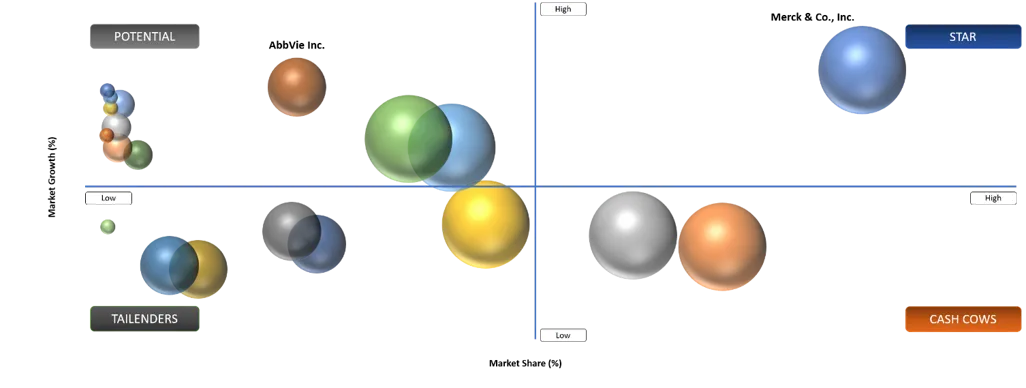
Merck & Co., Inc., F. Hoffmann-La Roche Ltd, Sanofi and Teva Pharmaceutical Industries Ltd. are positioned in the Star category based on their advanced clinical pipelines, substantial pharmaceutical development capabilities and strategic positioning in TL1A-targeted immunology therapies. Merck maintains a leading position through tulisokibart, which achieved positive Phase III ATLAS-UC induction results in June 2026, demonstrating clinical remission in patients with moderately to severely active ulcerative colitis. Roche is advancing afimkibart through Phase III clinical development in Crohn's disease, while Sanofi and Teva are jointly developing duvakitug, supported by positive Phase IIb maintenance findings and ongoing Phase III programs. Competitive differentiation among Star players increasingly centers on sustained clinical remission, endoscopic healing, long-term safety, dosing convenience and effectiveness in biologic-experienced populations. These companies are well positioned for potential commercialization, subject to regulatory approvals and successful late-stage clinical outcomes.
POTENTIAL
AbbVie Inc., Pfizer Inc., Boehringer Ingelheim International GmbH, Xencor, Inc., Spyre Therapeutics, Inc., Absci Corporation, Simcere Pharmaceutical Group Limited, Qyuns Therapeutics Co., Ltd., BIOCAD, FutureGen Biopharmaceutical (Beijing) Co., Ltd., Earendil Labs, Novamab, Elpiscience Biopharmaceuticals, Inc., TrueLab Biopharmaceutical, Bionyra Pharma and Caldera Therapeutics, Inc. are positioned in the Potential category based on their involvement in emerging TL1A-targeting programs, next-generation biologic development and strategic licensing opportunities. Spyre Therapeutics is advancing SPY002 and SPY072, with Phase II clinical findings supporting further investigation of extended-interval TL1A inhibition. Xencor is developing XmAb942 and the TL1A × IL-23 bispecific XmAb412, while Absci has advanced its AI-designed antibody ABS-101 into clinical development. Other participants are exploring differentiated antibodies, multispecific approaches and regional development opportunities. Future competitive positioning will depend on clinical validation, therapeutic differentiation, development funding, regulatory progress and successful commercialization partnerships.
TL1A Antagonist Therapy Market Dynamics
Driver Impact Analysis
| Driver | Market Growth Impact (%) | Demand Concentration | Impacted Use Case | Strategic Impact |
Rising Prevalence of Ulcerative Colitis and Crohn's Disease | 30% | High - North America and Europe | Moderate-to-Severe Inflammatory Bowel Disease Treatment | Expands the eligible patient population and strengthens long-term demand for TL1A-targeting therapies. |
Increasing Demand for Novel Therapies Among Biologic-Refractory Patients | 19% | High - United States, Germany, Japan | Treatment of Patients With Inadequate Response to Existing Biologics | Creates opportunities for differentiated TL1A antagonists in advanced treatment settings. |
Advancements in Late-Stage Clinical Development of TL1A Antagonists | 25% | High - United States, Europe and China | Induction and Maintenance Treatment of Ulcerative Colitis and Crohn's Disease | Improves regulatory approval prospects, attracts pharmaceutical investment and supports future commercialization. |
Growing Focus on Intestinal Fibrosis and Precision Medicine | 10% | Emerging - North America, Europe and Asia-Pacific | Fibrostenotic Crohn's Disease and Biomarker-Guided Patient Selection | Encourages development of therapies targeting inflammatory and fibrotic pathways and creates opportunities for patient-specific treatment. |
Driver: Rising Prevalence of Ulcerative Colitis and Crohn's Disease
The increasing prevalence of ulcerative colitis and Crohn's disease is strengthening the long-term growth potential of the global TL1A antagonist therapy market. Rising inflammatory bowel disease diagnoses, expanding patient populations and growing demand for sustained disease control are creating opportunities for innovative targeted biologics. TL1A antagonists offer a promising therapeutic approach by inhibiting inflammatory signaling pathways associated with intestinal inflammation and fibrosis. Increasing numbers of patients experiencing inadequate responses to conventional treatments and established biologics further support demand for differentiated therapies. Growing emphasis on mucosal healing, corticosteroid-free remission and prevention of disease progression is expected to accelerate TL1A therapy adoption following regulatory approvals.
Restraint Impact Analysis
| Restraint | Drag on Market Growth (%) | Primary Impact Area | Impacted Use Case | Strategic Impact |
High Development Costs and Uncertain Regulatory Approval Outcomes | 32.6% | High - North America and Europe | Clinical Development and Commercialization of TL1A Antagonists | Increases financial risk, delays market entry and limits participation by smaller biotechnology companies. |
Limited Long-Term Clinical Evidence on Safety and Treatment Durability | 27% | High - United States, Europe and Japan | Long-Term Maintenance Treatment of Ulcerative Colitis and Crohn's Disease | Creates uncertainty regarding sustained efficacy, adverse events and physician prescribing confidence. |
Strong Competition From Established Inflammatory Bowel Disease Biologics | 23.1% | High - North America, Europe and Asia-Pacific | Treatment of Moderate-to-Severe Ulcerative Colitis and Crohn's Disease | Creates barriers to treatment adoption, reimbursement positioning and differentiation from existing therapies. |
High Anticipated Treatment Costs and Reimbursement Restrictions | 18.8% | High - Cost-Sensitive Healthcare Systems | Patient Access to Advanced TL1A-Targeting Biologic Therapies | Restricts treatment accessibility, increases payer scrutiny and potentially slows commercial penetration. |
Restraint: High Development Costs and Uncertain Regulatory Approval Outcomes
The high cost of developing TL1A antagonists represents a significant restraint on market growth, particularly for smaller biotechnology companies. Developing novel TL1A-neutralizing antibodies requires substantial investment in clinical trials, biologic manufacturing, safety monitoring and regulatory submissions. Large Phase III studies involving ulcerative colitis and Crohn's disease patients further increase development expenditure and commercialization risks. Although promising clinical results have strengthened confidence in TL1A inhibition, regulatory approvals remain dependent on comprehensive efficacy and safety evidence. Uncertainty surrounding treatment durability, clinical differentiation and approval timelines can discourage investment and delay product launches. These challenges may limit competition and slow market expansion.
Global TL1A Antagonist Therapy Market Segment Analysis
The TL1A antagonist therapy market is segmented based on drug architecture, indication, disease severity, treatment phase, prior advanced therapy exposure, route of administration, patient selection approach, distribution channel, clinical development stage and region.
Monospecific TL1A Antagonists to Dominate Through 2035, Driven by Late-Stage Clinical Advancements
The monospecific TL1A antagonists segment is projected to maintain its dominant position in the global TL1A antagonist therapy market, potentially reaching US$23.78 billion by 2035, based on an illustrative 65% share of the projected global market. Segment leadership is supported by the advanced clinical development of selective TL1A-neutralizing monoclonal antibodies, including Merck's tulisokibart, Sanofi and Teva's duvakitug, and Roche's afimkibart. These therapies are being investigated for ulcerative colitis and Crohn's disease, with growing emphasis on sustained clinical remission, endoscopic healing and improved outcomes among biologic-experienced patients. Positive Phase III clinical developments in 2026 strengthened confidence in the therapeutic potential of TL1A inhibition. Increasing pharmaceutical investment, expanding clinical pipelines and opportunities for earlier-line treatment adoption are expected to support future commercialization. Long-term segment growth will depend on regulatory approvals, demonstrated safety, treatment durability, reimbursement access and differentiation against established inflammatory bowel disease biologics.
TL1A Antagonist Therapy Market Geographical Penetration
U.S. TL1A Antagonist Therapy Market Landscape
The United States represents a leading future commercialization opportunity for TL1A antagonist therapies, supported by substantial inflammatory bowel disease treatment demand, advanced gastroenterology infrastructure and strong pharmaceutical research investment. Growing demand for therapies capable of achieving sustained clinical remission, mucosal healing and improved outcomes among biologic-experienced patients is strengthening the development landscape. The country's established specialty pharmacy networks, biologic reimbursement systems and clinical trial infrastructure provide a favorable foundation for eventual market entry.
In June 2026, U.S.-headquartered Merck announced positive Phase III ATLAS-UC induction results for tulisokibart, meeting its primary endpoint of clinical remission at week 12 in moderate-to-severe ulcerative colitis. This milestone strengthened confidence in TL1A inhibition and highlighted potential competition with established inflammatory bowel disease biologics. Future U.S. market expansion will depend on regulatory approvals, comparative clinical differentiation, pricing, payer formulary placement and long-term treatment durability. Biomarker-guided patient selection and potential antifibrotic benefits could create additional differentiation opportunities, subject to further clinical validation.
Japan TL1A Antagonist Therapy Market Outlook
Japan represents an important emerging opportunity for TL1A antagonist therapies, supported by established inflammatory bowel disease treatment infrastructure, specialist gastroenterology services and growing demand for advanced biologics. The country's aging population, increasing recognition of inflammatory bowel disease and emphasis on long-term disease management create favorable conditions for innovative treatments. Patients experiencing inadequate responses to established biologics represent a particularly relevant population for therapies targeting TL1A-mediated intestinal inflammation and potentially fibrosis.
Japan's strategic importance is reinforced by Roche's acquisition of Japanese development and commercialization rights to afimkibart, formerly RVT-3101, through its US$7.1 billion Telavant transaction completed in December 2023. The therapy previously demonstrated 36% clinical remission at week 56 in a Phase IIb maintenance study at the proposed Phase III dose. As TL1A clinical development advances through 2026, Japan offers opportunities for regulatory submissions, clinical research and future commercialization. Market expansion will depend on approval by Japan's Pharmaceuticals and Medical Devices Agency, reimbursement pricing, comparative clinical evidence, physician adoption and demonstrated long-term treatment benefits.
TL1A Antagonist Therapy Market Competitive Landscape
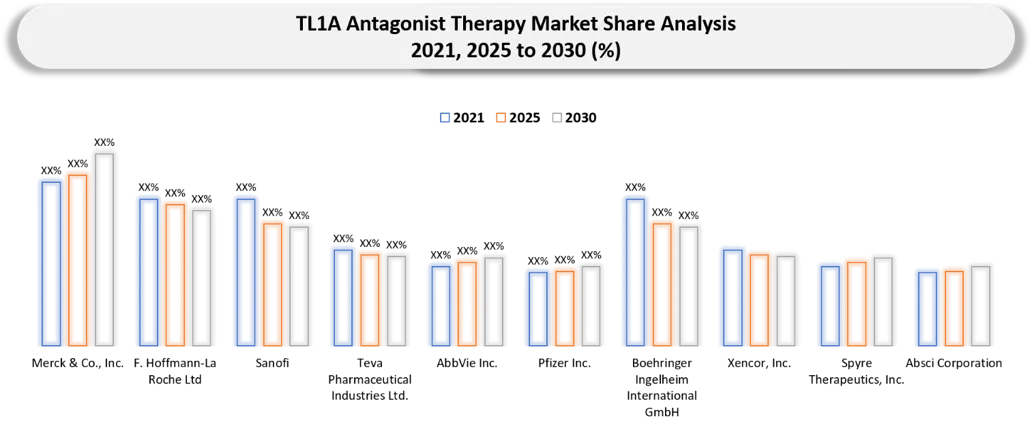
- The global TL1A antagonist therapy market is witnessing intensifying competition among leading pharmaceutical companies and emerging biotechnology developers. Merck, Roche, Sanofi and Teva dominate late-stage clinical development through tulisokibart, afimkibart and duvakitug, targeting ulcerative colitis and Crohn's disease. Emerging players, including Spyre Therapeutics, Xencor, AbbVie and Absci, are advancing differentiated TL1A-targeting antibodies, bispecific biologics and extended-half-life formulations. Competitive strategies increasingly emphasize sustained clinical remission, mucosal healing, improved dosing convenience and effectiveness in biologic-refractory populations. Strategic licensing, acquisitions and clinical partnerships are strengthening pipeline capabilities. Future leadership will depend on regulatory approvals, clinical differentiation, reimbursement access and successful commercialization strategies.
Key Companies of TL1A Antagonist Therapy Market
- Merck & Co., Inc. (United States)
- F. Hoffmann-La Roche Ltd (Switzerland)
- Sanofi (France)
- Teva Pharmaceutical Industries Ltd. (Israel)
- AbbVie Inc. (United States)
- Pfizer Inc. (United States)
- Boehringer Ingelheim International GmbH (Germany)
- Xencor, Inc. (United States)
- Spyre Therapeutics, Inc. (United States)
- Absci Corporation (United States)
- Simcere Pharmaceutical Group Limited (China)
- Qyuns Therapeutics Co., Ltd. (China)
- BIOCAD (Russia)
- FutureGen Biopharmaceutical (Beijing) Co., Ltd. (China)
- Earendil Labs (United States)
- Novamab (China)
- Elpiscience Biopharmaceuticals, Inc. (China)
- TrueLab Biopharmaceutical (China)
- Bionyra Pharma (France)
- Caldera Therapeutics, Inc. (United States)
Global TL1A Antagonist Therapy Market Major Pain Points
- Limited Long-Term Clinical Evidence: Insufficient long-term data on sustained clinical remission, mucosal healing, immunogenicity and safety create uncertainty regarding treatment durability and broader clinical adoption.
- High Development Costs and Regulatory Uncertainty: Expensive late-stage clinical trials, complex biologic manufacturing requirements and stringent regulatory approval processes increase development risks and delay potential commercialization.
- Inadequate Response to Existing Biologic Therapies: Patients experiencing treatment failure or loss of response to tumor necrosis factor inhibitors, interleukin-23 inhibitors and integrin antagonists require differentiated therapeutic options with durable clinical benefits.
- Uncertain Intestinal Fibrosis Reversal: Although TL1A inhibition has potential antifibrotic effects, limited clinical evidence demonstrating prevention or reversal of established intestinal fibrosis restricts differentiated positioning in fibrostenotic Crohn's disease.
- Lack of Validated Predictive Biomarkers: Absence of clinically established TL1A-specific predictive biomarkers limits precision-guided patient selection, complicates treatment-response prediction and increases clinical development uncertainty.
- High Anticipated Treatment and Administration Costs: Potential premium biologic pricing, specialized administration requirements and reimbursement restrictions could limit patient accessibility, particularly in cost-sensitive healthcare systems.
- Limited Regulatory Approvals and Commercial Availability: As leading TL1A antagonists remain investigational, the absence of established commercial products limits immediate treatment access and creates uncertainty regarding launch timelines.
- Strong Competition From Established Inflammatory Bowel Disease Treatments: Widely prescribed biologics, targeted small molecules and increasingly available biosimilars create substantial barriers to market entry, physician adoption and favorable reimbursement positioning.
Global TL1A Antagonist Therapy Market Recent Developments
- August 2026: Spyre Therapeutics reported Phase II SKYWAY trial results for SPY072, its TL1A-targeting antibody, in rheumatoid arthritis. The therapy demonstrated statistically significant improvements in selected efficacy endpoints, although the results did not meet the company's threshold for prioritizing monotherapy development in this indication.
- August 2026: Spyre Therapeutics launched SPY772 and initiated Phase II SKYLIGHT trial activities in hidradenitis suppurativa, combining TL1A inhibition through SPY072 with interleukin-17A/F inhibition through SPY007 to investigate a differentiated therapeutic approach.
- June 2026: Merck announced positive Phase III ATLAS-UC induction results for tulisokibart, its investigational anti-TL1A monoclonal antibody, meeting the primary endpoint of clinical remission at week 12 and key secondary endpoints in patients with moderately to severely active ulcerative colitis.
- June 2026: Spyre Therapeutics reported positive Phase II SKYLINE induction results for SPY002 in moderate-to-severe ulcerative colitis, demonstrating a 33% clinical remission rate and 42% endoscopic improvement rate at week 12, strengthening the development outlook for long-acting TL1A antagonists.
- June 2026: Spyre Therapeutics completed enrollment across the Phase II SKYWAY basket trial evaluating SPY072 in rheumatoid arthritis, psoriatic arthritis and axial spondyloarthritis, advancing investigation of TL1A inhibition beyond inflammatory bowel disease.
- May 2026: Xencor presented Phase I results for XmAb942, its extended-half-life TL1A-targeting monoclonal antibody, alongside research on XmAb412, a bispecific antibody targeting TL1A and interleukin-23, at Digestive Disease Week 2026.
- February 2026: Roche presented research on afimkibart at the European Crohn's and Colitis Organisation Congress, demonstrating neutralization of TL1A activity and examining the biological relevance of interactions involving death receptor 3 and decoy receptor 3.
- February 2026: Sanofi and Teva announced positive Phase IIb maintenance results for duvakitug in ulcerative colitis and Crohn's disease. At the 900 mg dose, clinical remission reached 58% in ulcerative colitis, while endoscopic response reached 55% in Crohn's disease during the maintenance evaluation.
Analyst View / Opinion on TL1A Antagonist Therapy Market
- The global TL1A antagonist therapy market is transitioning from early clinical validation toward late-stage development, with increasing emphasis on therapies targeting intestinal inflammation and fibrosis in ulcerative colitis and Crohn's disease. The potential to achieve sustained remission and improved long-term disease control is strengthening the therapeutic and commercial relevance of TL1A inhibition.
- Positive Phase III results for Merck's tulisokibart in June 2026, alongside clinical advancements involving Sanofi and Teva's duvakitug, Roche's afimkibart and Spyre Therapeutics' SPY002, are intensifying competition around clinical remission, endoscopic healing, treatment durability and differentiated dosing strategies.
- Treatment selection is expected to increasingly depend on inflammatory bowel disease subtype, disease severity, prior biologic exposure, treatment response, intestinal fibrosis risk, long-term safety and dosing convenience. Biomarker-guided patient selection could further influence prescribing decisions as predictive clinical evidence develops.
- Next-generation TL1A antagonists are expected to differentiate through extended-half-life monoclonal antibodies, bispecific biologics, convenient subcutaneous formulations and potential antifibrotic benefits. Expansion into additional immune-mediated inflammatory indications could broaden the addressable patient population, subject to clinical validation.
- Competitive advantage will increasingly favor pharmaceutical companies demonstrating sustained clinical remission, favorable safety profiles, effectiveness in biologic-refractory populations and meaningful differentiation against established inflammatory bowel disease treatments. Regulatory approvals, reimbursement access, manufacturing scalability and physician confidence will remain critical commercialization factors.
- Over the next decade, the TL1A antagonist therapy market is expected to evolve into a more specialized immunology landscape, with monospecific antibodies, bispecific therapies, long-acting biologics and biomarker-guided approaches occupying differentiated positions. Strategic licensing, clinical partnerships and pipeline acquisitions are likely to accelerate innovation, while successful commercialization will depend on robust comparative evidence and demonstrated long-term therapeutic value.
TL1A Antagonist Therapy Market Target Audience
| INDUSTRY | WHO SHOULD BUY THIS REPORT? | REASON TO BUY THIS REPORT |
| Pharmaceutical and Biopharmaceutical Companies | Chief Strategy Officers, Portfolio Directors, Commercial Strategy Heads | Evaluate TL1A antagonist pipelines, competitive positioning, launch opportunities and long-term revenue potential across inflammatory bowel disease indications. |
| Biotechnology and Drug Discovery Companies | Chief Scientific Officers, Research and Development Directors, Drug Discovery Heads | Identify unmet therapeutic needs, emerging TL1A-targeting mechanisms, clinical development opportunities and differentiated biologic platforms. |
| Clinical Research Organizations | Clinical Development Directors, Trial Operations Heads, Clinical Research Managers | Assess clinical trial activity, patient recruitment opportunities, emerging indications and development strategies for TL1A-targeting therapies. |
| Healthcare Investment and Private Equity Firms | Healthcare Investment Analysts, Venture Capital Partners, Investment Directors | Evaluate pipeline valuations, investment risks, licensing opportunities, acquisition targets and commercialization potential of emerging TL1A antagonists. |
| Pharmaceutical Business Development and Licensing | Business Development Directors, Licensing Managers, Strategic Partnership Heads | Identify promising TL1A assets, co-development opportunities, regional licensing agreements and strategic acquisition prospects. |
| Hospitals and Gastroenterology Centers | Gastroenterologists, Medical Directors, Therapeutics Committee Members | Understand emerging treatment options, clinical efficacy, patient eligibility and future positioning of TL1A antagonists within inflammatory bowel disease management. |
| Healthcare Payers and Insurance Providers | Market Access Directors, Health Economics Specialists, Reimbursement Managers | Assess future biologic treatment costs, clinical value, reimbursement implications and potential budget impact of TL1A-targeting therapies. |
| Contract Development and Manufacturing Organizations | Business Development Heads, Biologics Manufacturing Directors, Commercial Operations Managers | Identify manufacturing demand, antibody production opportunities, formulation requirements and potential partnerships with TL1A therapy developers. |
| Precision Medicine and Diagnostic Companies | Biomarker Development Directors, Diagnostic Strategy Heads, Translational Medicine Leaders | Evaluate TNFSF15-related biomarker research, patient stratification opportunities and potential predictive diagnostic applications. |
| Healthcare Consulting and Market Intelligence Firms | Healthcare Consultants, Market Research Directors, Competitive Intelligence Analysts | Understand market dynamics, product-level forecasts, competitive pipelines, regional opportunities and strategic implications for pharmaceutical clients. |
Why Choose DATAM?
- Data-Driven Insights: Access comprehensive intelligence covering TL1A antagonist therapy market size, indication-specific opportunities, treatment-phase dynamics, biologic-experienced patient populations, emerging therapeutic mechanisms, clinical pipelines, competitive positioning, regional forecasts and commercialization potential.
- Primary Research Validation: Benefit from insights supported by primary research with gastroenterologists, immunologists, pharmaceutical executives, clinical researchers, biologic development specialists, market-access professionals and stakeholders involved in TL1A-targeting therapy development and future commercialization.
- Expert Analyst Consultations: Engage directly with healthcare analysts for customized guidance on TL1A pipeline benchmarking, treatment positioning, competitive differentiation, indication expansion, market entry strategies, regulatory developments, reimbursement planning and investment opportunities.
- Customized Market Intelligence: Receive tailored analysis covering country-level opportunities, inflammatory bowel disease patient populations, biologic-refractory treatment needs, intestinal fibrosis applications, biomarker-guided patient selection, next-generation TL1A antibodies, licensing opportunities, pricing scenarios and probability-adjusted revenue forecasts.
- White Papers and Case Studies: Gain access to focused strategic studies covering TL1A-mediated inflammatory pathways, emerging immunology biologics, intestinal fibrosis research, precision medicine applications, clinical development strategies, pharmaceutical partnerships and evolving inflammatory bowel disease treatment landscapes.
What DATAM Uniquely Provides
- Comprehensive Market Segmentation: In-depth analysis of the TL1A antagonist therapy market by drug architecture, indication, disease severity, treatment phase, prior advanced therapy exposure, route of administration, patient selection approach, distribution channel and geography.
- Competitive Landscape and Pipeline Benchmarking: Detailed assessment of leading TL1A antagonist developers covering clinical remission, endoscopic response, treatment durability, safety profiles, dosing frequency, pipeline maturity, regulatory progress and commercialization strategies.
- Treatment Positioning and Sequencing Analysis: Comprehensive evaluation of TL1A antagonist positioning across induction and maintenance therapy, advanced therapy-naive and biologic-experienced patients, including potential differentiation against tumor necrosis factor inhibitors, interleukin-23 inhibitors and integrin antagonists.
- Emerging Therapeutic Innovation Assessment: Detailed evaluation of monospecific TL1A-neutralizing antibodies, bispecific biologics, extended-half-life formulations, alternative delivery approaches and emerging combination strategies targeting complementary inflammatory pathways.
- Patient Population and Biomarker Opportunity Mapping: Assessment of ulcerative colitis and Crohn's disease populations, disease severity, prior biologic exposure, TNFSF15-related genetic variations, predictive biomarker research and potential patient-selection strategies supporting targeted therapy development.
- Country-Level Commercialization Intelligence: Evaluation of inflammatory bowel disease treatment infrastructure, regulatory pathways, biologic reimbursement, specialist access, clinical trial activity, pricing considerations and future commercialization opportunities across major geographic markets.
- White Space and Investment Opportunity Analysis: Identification of opportunities involving intestinal fibrosis prevention, biologic-refractory patients, earlier-line treatment expansion, additional immune-mediated inflammatory indications, long-acting therapies and biomarker-guided treatment approaches.
- Strategic Forecasting and Market Entry Intelligence: Probability-adjusted revenue forecasting, product launch scenarios, clinical development benchmarking, regulatory milestone tracking, licensing and acquisition opportunities, competitive positioning and commercialization readiness assessment.


























































