


Synthetic Lethality Drugs Market Size and Overview
The global synthetic lethality drugs market reached an estimated US$6.42 billion in 2025 and is projected to reach US$19.58 billion by 2035, expanding at a CAGR of 11.8% during 2026-2035. Market growth is supported by established PARP inhibitor use, new biomarker-selected combinations and a widening pipeline of ATR, WEE1, USP1, POLQ, PRMT5 and PKMYT1 inhibitors. North America leads because of oncology drug spending, genomic testing and early launch access, while Asia-Pacific is the fastest-growing region as biomarker testing and clinical development expand.
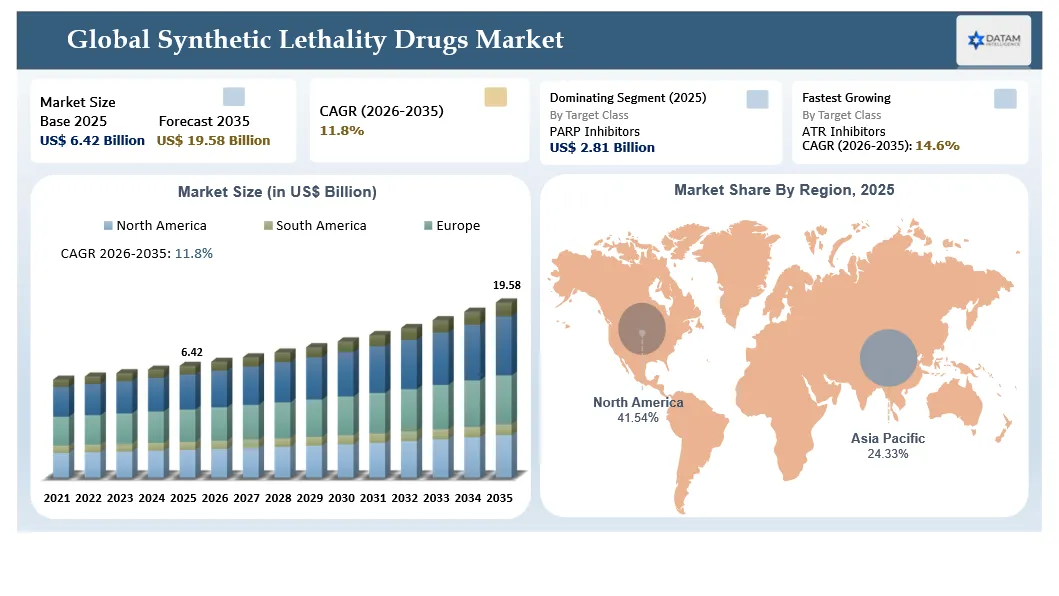
A 2026 Nature perspective marking two decades of PARP inhibitor synthetic lethality highlights the durability of the concept while also underscoring how difficult it has been to reproduce the same level of clinical success outside BRCA-PARP biology. A 2025 Nature Reviews Drug Discovery analysis similarly identified tissue specificity, biomarker complexity and druggability as central translation barriers. These findings frame the market as high-value but scientifically selective rather than a broad platform with automatic success.
The market is entering a second phase in which the commercial center of gravity is widening beyond approved PARP inhibitors. Developers are pursuing replication-stress targets, DNA repair dependencies and context-specific metabolic vulnerabilities. Progress is strongest where a mechanistic interaction can be translated into a reproducible clinical biomarker and a tolerable dosing schedule. The market therefore combines established oncology revenue with a probability-adjusted pipeline of assets whose value will be determined by early proof of mechanism, patient selection and resistance management.
Commercial demand is shaped by the interaction between therapy availability and diagnostic capacity. PARP inhibitors benefited from established BRCA testing, hereditary cancer screening and the gradual adoption of homologous recombination deficiency assays. Emerging classes will need similarly practical pathways. A biomarker that can be detected through routine next-generation sequencing or an approved companion diagnostic is more commercially attractive than a complex functional signature requiring fresh tissue, specialized imaging or repeated research-grade assays. Diagnostic readiness therefore influences addressable patient volume, trial recruitment speed, launch sequencing and payer confidence.
The clinical opportunity is also moving toward treatment sequencing. Patients may receive a synthetic lethality drug after platinum therapy, before or after immunotherapy, in maintenance settings or following resistance to another DNA damage response agent. Each position changes the expected response rate, treatment duration, safety tolerance and pricing argument. Developers are increasingly designing programs around a defined line of therapy and resistance mechanism rather than treating the target as a universal vulnerability. This approach improves clinical differentiation and supports a clearer comparison against the relevant standard of care.
Market growth will depend on evidence quality as much as on scientific novelty. Oncology buyers are looking for durable responses, reproducible biomarker performance and combination regimens that can be delivered without repeated dose interruptions. Programs that show target engagement but fail to maintain exposure are unlikely to create meaningful commercial value. Conversely, assets that demonstrate activity in genetically defined tumors, offer convenient oral dosing and fit within existing diagnostic workflows can attract partnership interest even before registrational trials begin.
Synthetic Lethality Drugs Pipeline Analysis
| Asset | Company | Target | Stage | Primary Focus | Strategic Relevance |
| Ceralasertib | AstraZeneca | ATR | Phase II/III programs | Solid tumors, biomarker-selected combinations | Clinical maturity and combination fit |
| Camonsertib | Repare Therapeutics / Roche | ATR | Phase I/II | ATM-loss and replication-stressed tumors | Biomarker-enriched development |
| Tuvusertib (M1774) | Merck KGaA | ATR | Phase I/II | Solid tumors and combination regimens | Oral ATR platform |
| Elimusertib | Bayer | ATR | Phase I/II | Advanced solid tumors and lymphomas | Broad replication-stress rationale |
| Acrivastine? APR-1051 | Aprea Therapeutics | WEE1 | Early clinical | Cyclin E/replication-stress tumors | Next-generation WEE1 selectivity |
| Lunresertib | Repare Therapeutics | PKMYT1 | Phase I/II | CCNE1-amplified and biomarker-selected tumors | Synthetic lethal cell-cycle dependency |
| Ideaya IDE397 | IDEAYA Biosciences | MAT2A | Phase I/II | MTAP-deleted solid tumors | Metabolic synthetic lethality |
| Tango TNG462 | Tango Therapeutics | PRMT5 | Phase I/II | MTAP-deleted cancers | MTA-cooperative PRMT5 inhibition |
| KSQ-4279 | KSQ Therapeutics | USP1 | Early clinical / portfolio evaluation | HRD and PARP-resistant tumors | DNA repair dependency |
Novobiocin-derived POLQ programs | Multiple developers | POLQ | Preclinical to early clinical | HRD and PARP-resistant tumors | Alternative end-joining dependency |
Pipeline value is concentrated in programs that combine target validation with an executable biomarker. ATR, WEE1 and PKMYT1 developers are using replication-stress signatures, ATM loss, CCNE1 amplification or related genomic contexts to enrich trials. MTAP deletion has created a separate cluster around PRMT5 and MAT2A. POLQ and USP1 programs seek to address homologous recombination-deficient tumors and resistance to first-generation PARP inhibitors. Attrition risk remains high because dose intensity, marrow toxicity and pathway redundancy can erase the selectivity observed in preclinical models.
Pipeline assessment also considers sponsor funding, trial geography, diagnostic feasibility and the probability that a program can progress from an exploratory cohort into a registrational development pathway.
Synthetic Lethality Drugs Market Key Takeaways
- PARP inhibitors remain the largest target class because they have multiple approvals, established biomarkers and global commercial infrastructure.
- ATR, WEE1 and USP1 programs are among the most advanced emerging opportunities because they address replication stress and resistance to existing DNA damage response therapies.
- Biomarker strategy is becoming more granular, shifting from single-gene selection toward genomic scars, biallelic loss, replication-stress signatures and dynamic resistance monitoring.
- Combination therapy is the fastest-growing treatment setting, but dose scheduling and overlapping myelosuppression can limit development.
- North America leads the market, while Asia-Pacific gains share through trial activity, lower-cost genomics and expanding precision-oncology access.
- Licensing and partnership value increasingly depends on clinical biomarker evidence rather than target novelty alone.
Synthetic Lethality Drugs Market Scope
| Segmentation | Coverage |
| 2025 Market Size | US$ 6.42 Billion |
| 2035 Projected Market Size | US$ 19.58 Billion |
| CAGR 2026-2035 | 11.8% |
| Largest Market | North America |
| Fastest-Growing Market | Asia-Pacific |
| Largest Target Class | PARP Inhibitors |
| Fastest-Growing Opportunity | ATR, USP1, POLQ and PKMYT1 programs |
| Core Buyers | Pharma, biotechnology, diagnostic developers, oncology centers, investors and CROs |
| By Target Class | PARP, ATR, WEE1, ATM, DNA-PK, POLQ, USP1, PRMT5, MAT2A, PKMYT1 and other emerging targets |
| By Molecule Type | Small-molecule inhibitors, targeted protein degraders, biologics and engineered modalities |
| By Cancer Type | Ovarian, breast, prostate, pancreatic, lung, colorectal, hematologic malignancies and other solid tumors |
| By Treatment Setting | Monotherapy and combinations with chemotherapy, targeted therapy, immunotherapy or radiotherapy |
| By Biomarker Strategy | BRCA1/2, HRR alterations, HRD scars, replication-stress signatures, MTAP deletion and composite biomarkers |
| By Route | Oral and intravenous |
| By Region | North America, Europe, Asia-Pacific, South America and Middle East and Africa |
Synthetic Lethality Drugs Industry Trends and Strategic Insights
- The market is moving toward biomarker-enriched, tumor-agnostic and combination-focused development. CRISPR screens, organoids and patient-derived models are improving target discovery, while AI models rank dependencies across genomic contexts. However, reproducibility and clinical assay standardization remain uneven. Developers increasingly need prospective translational plans rather than retrospective biomarker exploration.
- Portfolio concentration around targets with multiple potential indications is also growing. Companies seek assets that can be paired with existing oncology franchises, especially PARP inhibitors, ADCs and checkpoint inhibitors. This raises partnership value but also creates crowded development landscapes and competition for the same molecularly selected patients.
- Innovation is centered on next-generation target selectivity, intermittent dosing, brain penetration, degrader modalities, functional HRD assays and resistance-aware combinations. CRISPR screening and single-cell analysis identify context-specific dependencies. The most valuable innovation improves the therapeutic window or turns a heterogeneous biomarker into a reproducible clinical test.
- There is a shift from single-gene selection toward composite biological context. BRCA1/2 remains the clearest example, but newer programs are combining genomic alterations with replication-stress markers, protein expression, prior treatment exposure and functional assays. This broader framework can improve sensitivity, although it also raises the burden of analytical validation and may complicate regulatory labeling. Companies that define the minimum practical biomarker set early are more likely to recruit efficiently and translate trial findings into routine care.
- Another trend is the use of rational combinations to create or intensify a synthetic lethal state. ATR, WEE1, DNA-PK and PARP inhibitors are being studied with chemotherapy, radiotherapy, immune checkpoint inhibitors and other targeted therapies. The commercial advantage is the possibility of extending treatment to tumors without a naturally occurring dependency. The principal risk is overlapping toxicity, which can force intermittent schedules or reduced doses. Competitive differentiation will increasingly depend on schedule design, pharmacodynamic monitoring and evidence that the combination produces incremental benefit beyond each component alone.
- The competitive landscape is also becoming more transaction-driven. Large oncology companies are seeking access to specialist discovery platforms, while biotechnology firms require partners for global trials, companion diagnostics and commercialization. Deals are likely to favor assets with validated biomarkers, clear intellectual property and the ability to combine with an acquirer’s existing portfolio. Platforms that repeatedly identify clinically tractable dependencies may command higher strategic value than single-asset companies, particularly when they can generate multiple programs from shared functional-genomics infrastructure.
Why does this report matter in 2026?
In 2026, synthetic lethality is at an important commercial and scientific inflection point. PARP inhibitors remain a validated class, while label expansions and companion diagnostic updates continue to refine eligible populations. The U.S. FDA granted regular approval to rucaparib for BRCA-mutated metastatic castration-resistant prostate cancer in December 2025, and approved niraparib with abiraterone and prednisone for BRCA2-mutated metastatic castration-sensitive prostate cancer in the same month. These decisions reinforce the role of biomarker-defined treatment and confirm that commercial growth can still come from indication expansion within established targets.
At the same time, the market is testing whether the synthetic lethality model can be repeated across ATR, WEE1, USP1, POLQ, PRMT5, MAT2A and PKMYT1. The decisive issues are no longer target novelty alone. Buyers need evidence that a target is essential in a defined tumor context, that a clinical assay can identify patients and that dosing can preserve a therapeutic window. This report provides the market sizing, pipeline assessment, target prioritization, regional access analysis and competitive intelligence required to evaluate those questions.
Synthetic Lethality Drugs Market White Space & Investment Opportunities
Therapies that address BRCA reversion, replication-fork protection and restoration of homologous recombination can capture patients progressing after PARP inhibitors. USP1, POLQ, ATR and WEE1 programs are strategically relevant. Investment should prioritize assets with biopsies, ctDNA monitoring and prospective resistance hypotheses rather than broad post-PARP enrollment.
Functional assays that measure repair capacity or replication stress can improve selection beyond static mutations. A validated assay could expand eligible populations while reducing false positives from genomic scars that no longer reflect current biology. Diagnostic developers can partner early with drug companies and embed assays in proof-of-concept trials.
MTAP deletion supports development of PRMT5 and MAT2A inhibitors across multiple solid tumors. The opportunity combines a relatively common genomic alteration with tumor-agnostic potential. Differentiation will depend on MTA cooperativity, safety, brain penetration, combination strategy and the ability to define resistance.
Brain metastases and primary CNS tumors remain underserved because many DDR inhibitors have limited penetration or toxicity. Brain-penetrant PRMT5, ATR or other synthetic lethality agents could create premium niches. Development requires robust CNS pharmacokinetics and careful marrow-sparing schedules.
AI can integrate CRISPR screens, multi-omics, pathology and drug-response data to identify context-specific dependencies. The investable opportunity is strongest when computational predictions are linked to experimental validation and a tractable medicinal chemistry program. Pure prediction platforms face commoditization unless they generate proprietary assets.
Synthetic Lethality Drugs Future Market Transformation
Patient selection will move from single alterations toward composite signatures combining genotype, genomic scar, expression, replication stress and treatment history. This should improve response enrichment but increases assay and regulatory complexity.
ctDNA and serial biopsies will be used to identify reversion mutations and pathway restoration. Treatment will be sequenced according to current tumor dependency rather than baseline diagnosis alone.
Future combinations will use intermittent schedules, drug holidays and pharmacodynamic monitoring to widen the therapeutic window. The leading programs will treat schedule as part of the product rather than a secondary trial parameter.
Degraders may eliminate scaffolding functions and achieve deeper pathway suppression than occupancy-based inhibitors. Their market impact depends on oral exposure, selectivity and manufacturability.
Synthetic Lethality Drugs Market Buyer Decision-Making Criteria
- Buyers assess whether the synthetic lethal interaction is supported by human genetics, multiple models and a coherent resistance hypothesis.
- The assay must identify patients reproducibly in real clinical samples, with acceptable turnaround time, cost and tissue requirements.
- Selectivity, dose intensity, marrow effects and combination feasibility determine whether the mechanism can be translated into meaningful exposure.
- Investors and partners compare response rate, durability, safety and population size with existing targeted therapy and standard care.
- Large pharmaceutical companies value assets that can combine with existing PARP, ADC, radiotherapy or immunotherapy franchises and extend lifecycle value.
Synthetic Lethality Drugs Market Economic & Investment Analysis
Synthetic lethality has become an increasingly important investment theme within precision oncology because it links a defined tumor vulnerability to a targeted therapeutic intervention. Commercial proof from PARP inhibitors has demonstrated that a biomarker-selected therapy can create durable revenue across multiple tumor types when diagnostic testing, regulatory labeling and physician adoption are aligned. The next investment cycle is focused on whether the same economic model can be extended to ATR, WEE1, USP1, POLQ, PRMT5, MAT2A and PKMYT1 programs. Capital allocation is therefore moving toward platforms that combine target discovery, functional genomics, translational biomarkers and clinical development rather than toward isolated molecules without a clear patient-selection strategy.
The economics of development remain demanding. Synthetic lethality trials often require genomic screening, archival or fresh tumor tissue, central laboratory testing and repeated pharmacodynamic sampling. These requirements increase trial cost and lengthen recruitment, particularly when the eligible population is defined by a low-frequency alteration such as MTAP deletion, a specific homologous recombination repair mutation or a replication-stress signature. Combination studies also require careful dose optimization because overlapping hematologic or gastrointestinal toxicity can reduce treatment intensity. Companies with companion diagnostic partnerships, access to molecularly characterized patient networks and efficient global trial infrastructure are better positioned to control development cost and reach proof of concept sooner.
Investment attractiveness varies by target maturity. PARP assets generate established commercial cash flows but face competitive pressure, resistance and label refinement. ATR and WEE1 programs offer larger addressable populations but still require stronger evidence on therapeutic window and biomarker reproducibility. PRMT5 and MAT2A programs in MTAP-deleted tumors have attracted strategic interest because the biomarker is identifiable through routine genomic testing and can support tumor-agnostic development. Earlier platforms such as POLQ inhibition and targeted protein degradation provide substantial upside, although valuation depends heavily on first-in-human safety, target engagement and evidence that preclinical synthetic lethal relationships translate into objective responses.
From an investor perspective, the most valuable companies will be those that can produce repeatable clinical validation across more than one asset or target. Licensing transactions and co-development agreements are likely to remain central because large pharmaceutical companies can provide combination backbones, companion diagnostic infrastructure and global commercialization, while biotechnology companies contribute specialized dependency maps and focused discovery capabilities. Portfolio value will increasingly be assessed through probability-adjusted peak sales, biomarker prevalence, competitive intensity, combination optionality and the time required to establish a registrational pathway.
Synthetic Lethality Drugs Investment Trends in the Market
- Investment is concentrating on biomarker-defined replication-stress targets such as ATR, WEE1, USP1 and PKMYT1, where developers are using genomic alterations, protein-expression patterns and treatment history to enrich clinical cohorts and improve proof-of-concept probability.
- Large pharmaceutical companies are using licensing, option-to-buy and co-development structures to gain access to specialist synthetic lethality platforms while limiting early discovery risk and preserving the ability to combine new assets with established oncology franchises.
- Companion diagnostic development is receiving greater funding because commercial success depends on reproducible patient identification. Partnerships with NGS, liquid biopsy and central laboratory providers are becoming part of the core development strategy rather than a late-stage regulatory requirement.
- Capital is shifting toward resistance-focused programs that can treat tumors progressing after PARP inhibitors, including next-generation DNA damage response combinations, functional biomarker approaches and agents designed for BRCA-reversion or replication-fork protection mechanisms.
- Investors are placing higher value on programs with tumor-agnostic potential, oral dosing, manageable combination schedules and biomarkers already captured in routine genomic panels, as these attributes can shorten recruitment and support broader commercial deployment.
Strategic Indicators for Synthetic Lethality Drugs Market
High Regulation Impact
Regulators evaluate both therapeutic benefit and biomarker validity. Co-development of companion diagnostics can be required when patient selection is essential to safety or efficacy. Accelerated pathways may be available in high-unmet-need subgroups, but confirmatory evidence and post-approval monitoring remain important. Tumor-agnostic claims require consistent effect across histologies and sufficient representation.
High Investment Activity
Important indicators include target-engagement data, enrichment in the intended biomarker group, manageable grade 3/4 toxicity, durable responses, companion diagnostic readiness and enrollment speed. Negative indicators include repeated dose reductions, retrospective biomarker changes and undifferentiated combination activity.
Supply Chain Disruption
The value chain begins with target discovery and functional validation, followed by medicinal chemistry, translational biomarker development, clinical testing, regulatory approval and specialty commercialization. Diagnostic partners, central laboratories and bioinformatics vendors are integral rather than peripheral. Value concentrates in assets that pair drug selectivity with an executable patient-selection strategy.
Pricing Volatility
Marketed synthetic lethality drugs are priced as specialty oncology therapies, with realized revenue determined by treatment duration, combination use, indication and reimbursement. Pipeline economics are sensitive to the size of the biomarker-positive population. Narrow populations can still support premium pricing when response durability and unmet need are high, but payers increasingly require evidence of test accuracy and sequencing value.
Procurement Pressure
Hospital systems and payers increasingly evaluate the full pathway, including genomic test, drug, monitoring and adverse-event management. Companies should demonstrate pathway-level value rather than drug efficacy in isolation.
New Technology Adoption
Innovation is centered on next-generation target selectivity, intermittent dosing, brain penetration, degrader modalities, functional HRD assays and resistance-aware combinations. CRISPR screening and single-cell analysis identify context-specific dependencies. The most valuable innovation improves the therapeutic window or turns a heterogeneous biomarker into a reproducible clinical test.
Regional Expansion Opportunity
The U.S. remains the highest-value launch market. Europe requires evidence adapted to health technology assessment, while China and Japan can provide scale and strategic partnerships. Expansion should follow testing readiness and specialist concentration.
Government Policy Support
Political support for cancer genomics and precision medicine expands testing infrastructure, while economic pressure encourages biomarker selection that avoids ineffective treatment. Social expectations favor less toxic targeted therapy, yet inequitable access to sequencing remains a concern. Technology advances in CRISPR, ctDNA and computational biology accelerate discovery. Geopolitical restrictions on genomic data transfer and trial participation can slow global development.
Pricing Intelligence
Pricing will remain aligned with specialty oncology, but net value depends on duration and eligible population. Biomarker costs, testing failure and access delays affect realized uptake. Payers may favor therapies that reduce exposure to ineffective chemotherapy or produce durable control in high-unmet-need settings.
AI Impact Analysis of Synthetic Lethality Drugs Market
AI can identify synthetic lethal relationships by integrating CRISPR screens, copy-number changes, expression, protein interactions, drug response and clinical outcomes. It can prioritize target pairs, predict context dependence and identify combination partners. In development, AI supports patient matching, pathology review, dose optimization and resistance monitoring. The strongest applications reduce experimental search space while preserving laboratory validation.
AI also improves trial operations by finding rare molecular subgroups across large genomic databases. Natural-language processing can identify eligible patients from pathology reports, while predictive models can prioritize sites based on mutation prevalence. Governance is essential because training data may underrepresent populations and because correlations can be mistaken for causal dependencies.
Disruption Analysis of Synthetic Lethality Drugs Market
Synthetic lethality can disrupt precision oncology by creating druggable dependencies where the primary tumor suppressor loss cannot be directly targeted. It also changes competitive boundaries because diagnostic companies, data platforms and drug developers must work together. The commercial asset becomes a drug-biomarker-treatment-sequence package rather than a molecule alone.
The disruption is selective. Many proposed interactions will fail because they are not reproducible or clinically tolerable. The market will therefore consolidate around a smaller set of validated dependencies. Companies that generate proprietary human data and resistance-aware biomarkers will capture more value than those relying only on public screening datasets.
Synthetic Lethality Drugs Market BCG Matrix: Company Evaluation
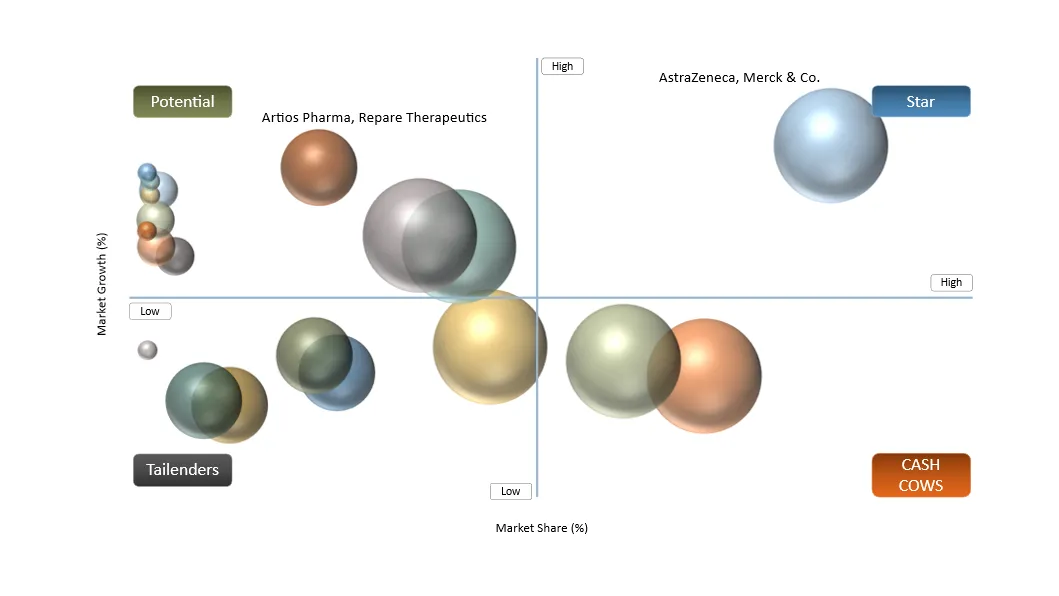
STAR
AstraZeneca, Merck & Co., GSK, Pfizer and Johnson & Johnson occupy the Star category because they combine marketed PARP franchises, global oncology commercialization, companion diagnostic experience and the capital required to run large biomarker-selected trials. Their advantage is reinforced by the ability to test synthetic lethal combinations against established internal portfolios, including androgen receptor inhibitors, immunotherapies, antibody-drug conjugates and chemotherapy backbones. Their principal strategic task is to protect existing franchises while using resistance biology and new biomarker groups to extend the commercial life of synthetic lethality beyond the original BRCA-selected settings.
POTENTIAL
Artios Pharma, Repare Therapeutics, IDEAYA Biosciences, Tango Therapeutics, Aprea Therapeutics and other focused biotechnology companies represent the Potential category. Their value rests on differentiated target biology, proprietary dependency maps and early clinical signals in ATR, PKMYT1, MAT2A, PRMT5, WEE1 and related programs. These companies can move into the Star category through biomarker-defined proof of concept, tolerable combination schedules and partnerships that provide global development capacity. Programs with clear pharmacodynamic evidence and biomarkers already available in routine testing are likely to progress faster than assets requiring new research-grade assays.
Synthetic Lethality Drugs Market Dynamics
Driver Impact Analysis
| Driver | Market Growth Impact | Demand Concentration | Impacted Use Case | Strategic Impact |
| Established PARP-BRCA validation | High | Breast, ovarian, prostate and pancreatic cancer | Approved targeted therapy | Supports investment and regulatory precedent |
| Expansion of genomic testing | High | North America, Europe and Asia-Pacific | Patient identification | Expands addressable biomarker-positive population |
| New replication-stress targets | Medium-High | Clinical-stage oncology pipelines | ATR, WEE1, USP1 and PKMYT1 | Creates post-PARP growth platforms |
| Combination development | Medium | Advanced solid tumors | Targeted and immune combinations | Extends lifecycle and resistance strategies |
Driver: Established PARP-BRCA Clinical Validation
The established clinical validation of the PARP-BRCA relationship remains one of the strongest drivers of investment in the synthetic lethality drugs market. PARP inhibitors demonstrated that an inherited or acquired defect in homologous recombination repair can be translated into a clinically actionable vulnerability, producing meaningful responses and supporting maintenance treatment across ovarian, breast, prostate and pancreatic cancers. This success provided clear proof that synthetic lethality can move beyond laboratory models and become a scalable therapeutic strategy. It also increased confidence among pharmaceutical companies, investors and clinical researchers that other DNA damage response targets may generate comparable value when paired with the right genomic or functional biomarker.
The commercial and regulatory impact of PARP inhibitors extends beyond their direct sales contribution. Their approvals established precedents for biomarker-defined indications, germline and somatic mutation testing, homologous recombination deficiency assessment and the use of companion diagnostics in treatment selection. They also created a framework for studying resistance mechanisms, treatment sequencing and combinations with chemotherapy, immunotherapy and other targeted agents. As developers pursue ATR, WEE1, POLQ, USP1, ATM and DNA-PK inhibitors, the PARP-BRCA model continues to guide trial design, patient enrichment and regulatory strategy, reducing development uncertainty and accelerating broader validation of the synthetic lethality field.
Restraint Impact Analysis
| Restraint | Drag on Growth | Primary Impact Area | Impacted Use Case | Strategic Impact |
| Context-dependent biology | High | Target validation | Emerging targets | Raises translational and late-stage failure risk |
| Narrow therapeutic window | High | Dose and schedule | DDR combinations | Limits exposure and combination intensity |
| Biomarker inconsistency | Medium-High | Clinical development | Patient selection | Complicates trial enrichment and labeling |
| Resistance mechanisms | Medium | Lifecycle management | PARP and other targeted therapy | Shortens response and requires sequencing |
Restraints: Combination Toxicity
Combination toxicity remains a major restraint on the development and commercial adoption of synthetic lethality drugs, particularly those targeting ATR, WEE1, DNA-PK and other DNA damage response pathways. These proteins are involved not only in cancer-cell survival but also in the protection of normal rapidly dividing tissues, including bone marrow, gastrointestinal epithelium and hair follicles. Combining these inhibitors with chemotherapy, radiotherapy or other targeted agents can intensify hematologic and gastrointestinal adverse events, leading to dose reductions, treatment interruptions and patient discontinuation. Such toxicity can narrow the therapeutic window and make it difficult to achieve the exposure required for sustained antitumor activity.
Developers are therefore placing greater emphasis on dose scheduling, intermittent administration, biomarker-based patient selection and the use of more selective next-generation molecules. The choice of combination partner is also critical, as regimens with overlapping toxicity profiles may be clinically effective but commercially difficult to differentiate. Success will depend on demonstrating that a therapy can deliver meaningful response depth and durability without creating an excessive monitoring or supportive-care burden. As a result, tolerability and treatment manageability will remain as important as efficacy in determining which synthetic lethality combinations advance through late-stage development and gain routine clinical adoption.
Synthetic Lethality Drugs Market Segment Analysis
By Target Class
PARP Inhibitors Will Continue to Lead Commercial Revenue
PARP inhibitors are expected to continue leading commercial revenue in the synthetic lethality drugs market due to their established approvals, broad clinical adoption and proven role in BRCA1/2-mutated and homologous recombination-deficient cancers. Their use across ovarian, breast, prostate and pancreatic cancers has created a mature commercial foundation supported by companion diagnostics, oncology guidelines and physician familiarity. Continued uptake in maintenance settings, biomarker-selected combinations and earlier treatment lines will sustain their revenue leadership, even as developers refine patient selection to improve efficacy and reduce unnecessary exposure. Next-generation PARP inhibitors with greater selectivity, improved tolerability and activity against resistant tumors may further extend the commercial lifecycle of this target class.
ATR and WEE1 inhibitors are among the most advanced emerging target classes, supported by their ability to exploit replication stress and defective cell-cycle checkpoints in tumors. These agents are being evaluated in biomarker-defined cancers with ATM loss, CCNE1 amplification, TP53 alterations and resistance to PARP inhibitors. Their strongest commercial potential is likely to emerge through combinations with chemotherapy, PARP inhibitors and other targeted therapies, although toxicity management and dosing optimization will remain important development considerations.
POLQ, DNA-PK, ATM and USP1 inhibitors represent additional growth areas as the market expands beyond conventional BRCA-linked synthetic lethality. POLQ inhibitors are being developed for homologous recombination-deficient tumors, while DNA-PK and ATM inhibitors aim to block alternative DNA repair pathways and increase tumor sensitivity to radiation or DNA-damaging agents. USP1 inhibitors are also attracting interest for their potential activity in BRCA1/2-mutated and replication-stressed tumors. Although these classes remain less commercially mature than PARP inhibitors, successful biomarker validation and durable clinical responses could establish them as important future revenue contributors.
By Molecule Type
Small-Molecule Inhibitors Will Remain the Dominant Modality
Small-molecule inhibitors are expected to remain the dominant modality in the synthetic lethality drugs market due to their ability to target intracellular DNA damage response proteins with high precision, support oral administration and enable flexible combination strategies. Most commercially established and late-stage synthetic lethality agents, including PARP, ATR, WEE1, ATM, DNA-PK and POLQ inhibitors, are being developed as small molecules because this format allows efficient tumor penetration and controlled dosing. Their compatibility with biomarker-driven treatment, relatively scalable manufacturing and potential for combination with chemotherapy, immunotherapy and other targeted agents will continue to reinforce their market leadership.
By Cancer Type
Ovarian Cancer Will Retain the Largest Established Revenue Base
Ovarian cancer is expected to retain the largest established revenue base in the synthetic lethality drugs market due to the early and widespread adoption of PARP inhibitors across frontline maintenance, recurrent disease and biomarker-selected treatment settings. The high prevalence of homologous recombination deficiency and BRCA1/2 mutations in ovarian tumors has made the disease a natural commercial foundation for synthetic lethality-based treatment. Strong physician familiarity, established companion diagnostic pathways and the integration of PARP inhibitors into routine oncology practice will continue to support market leadership. Although treatment restrictions and evolving clinical guidance may influence the use of certain agents in later-line settings, continued use in maintenance therapy and the development of next-generation combinations will sustain ovarian cancer as the largest revenue-generating indication.
Prostate and breast cancers are expected to represent major growth areas as biomarker testing becomes more widely incorporated into treatment selection. In metastatic prostate cancer, increasing screening for BRCA1/2, ATM, PALB2 and other homologous recombination repair alterations is expanding the eligible population for PARP inhibitor-based regimens. Breast cancer will also remain commercially important, particularly in HER2-negative and BRCA-mutated disease, while combination strategies involving PARP inhibitors, endocrine therapy and targeted agents may broaden use beyond currently defined patient groups.
Pancreatic, lung and colorectal cancers are likely to contribute to longer-term market expansion, although commercial adoption will depend on stronger biomarker validation and improved clinical outcomes. Pancreatic cancer already offers a defined role for synthetic lethality therapies in selected BRCA-mutated patients, while lung and colorectal cancer programs are increasingly focused on replication stress, ATM loss, KRAS-associated vulnerabilities and combinations involving ATR, WEE1 and DNA-PK inhibitors. These indications could become important future revenue contributors as developers move beyond BRCA-focused strategies and establish broader genomic and functional biomarkers.
By Treatment Setting
Combination with Targeted Therapy Will Record the Fastest Growth
Combination with targeted therapy is expected to record the fastest growth in the synthetic lethality drugs market as developers increasingly pair DNA damage response inhibitors with agents that act on complementary tumor pathways. Combinations involving PARP, ATR, WEE1, PI3K, AKT, MEK and immune-related targets are being investigated to deepen treatment response, delay resistance and expand efficacy beyond patients with BRCA1/2 mutations. These regimens may also create synthetic lethal effects in tumors that are not inherently sensitive to monotherapy by inducing replication stress or weakening alternative repair mechanisms. Growing clinical trial activity, broader biomarker strategies and the need to overcome acquired resistance will continue to accelerate investment in targeted combination approaches.
Combination with chemotherapy will remain an important treatment approach, particularly in cancers where cytotoxic agents induce DNA damage that can be amplified by synthetic lethality drugs. PARP, ATR, WEE1 and other DNA damage response inhibitors may increase tumor sensitivity to platinum agents, topoisomerase inhibitors and antimetabolites by preventing cancer cells from repairing chemotherapy-induced damage. However, overlapping toxicities, including myelosuppression and gastrointestinal adverse effects, can limit dosing intensity and require careful treatment scheduling. Ongoing development is therefore focused on optimized sequencing, intermittent dosing and biomarker-led patient selection to improve tolerability while preserving the therapeutic benefit of chemotherapy-based combinations.
By Biomarker Strategy
BRCA1/2 Mutation Will Remain the Most Commercially Validated Biomarker
BRCA1/2 mutations are expected to remain the most commercially validated biomarkers in the synthetic lethality drugs market due to their established role in identifying tumors with homologous recombination repair deficiencies. The clinical success of PARP inhibitors in BRCA-mutated ovarian, breast, prostate and pancreatic cancers has created a strong foundation for biomarker-driven treatment selection, companion diagnostics and reimbursement. BRCA testing is also widely integrated into oncology guidelines and clinical workflows, supporting consistent patient identification across major cancer centers. Although emerging biomarkers such as HRD scores, PALB2, ATM and other DNA damage response alterations are gaining attention, BRCA1/2 mutations will continue to offer the clearest evidence base, strongest regulatory precedent and highest level of physician confidence.
By Route of Administration
Oral Therapies Will Continue to Dominate
Oral therapies are expected to maintain their dominant position in the synthetic lethality drugs market due to their convenience, suitability for long-term treatment and strong adoption across targeted oncology regimens. Several leading synthetic lethality agents, particularly PARP inhibitors, are administered orally, allowing patients to receive treatment at home while reducing dependence on hospital-based infusions. This route also supports maintenance therapy, combination regimens and repeated dosing across extended treatment cycles. Continued development of next-generation PARP, ATR, WEE1 and DNA damage response inhibitors in oral formulations will further reinforce this segment, supported by improved bioavailability, more selective targeting and efforts to reduce treatment-related toxicity.
By Distribution Channel
Hospital Pharmacies Will Lead Treatment Dispensing
Hospital pharmacies are expected to lead treatment dispensing in the synthetic lethality drugs market due to the highly specialized nature of oncology care, the need for molecular testing and the close clinical monitoring required for targeted therapies. Most synthetic lethality drugs are prescribed through cancer centers and multidisciplinary oncology teams, where hospital pharmacies coordinate treatment initiation, dosage adjustments, adverse-event management and combination regimens. Their access to genetic testing results, electronic medical records and specialist pharmacists also supports more precise patient selection and safer use of PARP, ATR, WEE1 and other DNA damage response inhibitors. As synthetic lethality approaches expand into additional tumor types and increasingly complex treatment combinations, hospital pharmacies will remain central to therapy access and management.
Synthetic Lethality Drugs Market Geographical Penetration
U.S. Synthetic Lethality Drugs Market Landscape
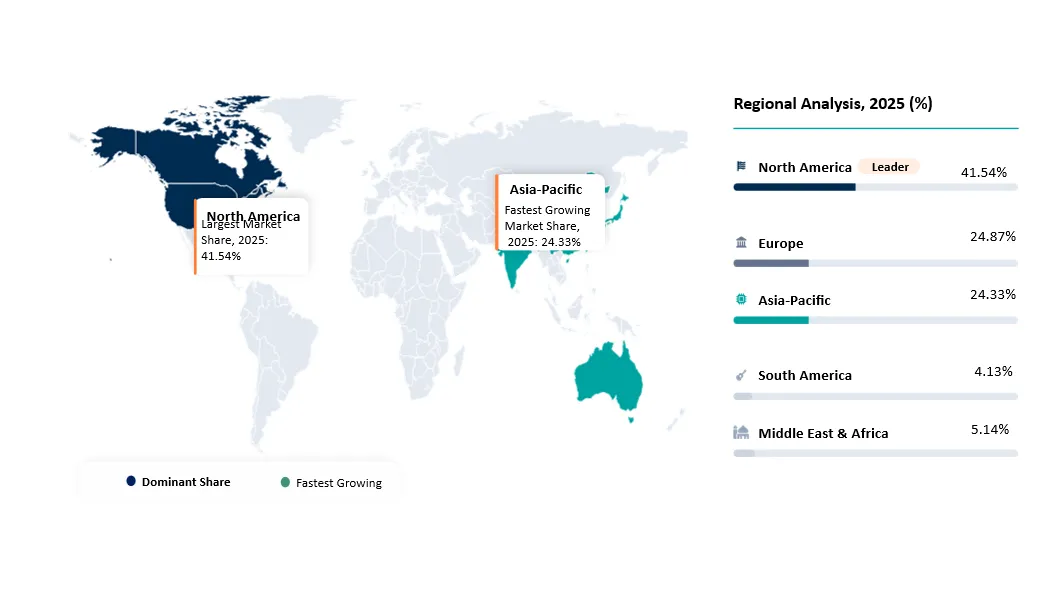
North America leads the market through high oncology drug spending, broad next-generation sequencing and dense clinical trial infrastructure. The U.S. hosts most early-stage synthetic lethality companies and remains the preferred first-launch market. Canada contributes academic research and public-system adoption, while Mexico offers selective trial and access opportunities.
Germany Synthetic Lethality Drugs Market Outlook
Europe combines strong academic DNA repair research with centralized healthcare systems and growing precision-oncology programs. The UK, Germany, France, Italy and Spain are important trial and commercial markets. Reimbursement variation and country-specific diagnostic access can slow uniform uptake, making launch sequencing and local evidence important.
Brazil Synthetic Lethality Drugs Market Outlook
South America has a smaller commercial base but growing molecular testing in Brazil and Argentina. Opportunity is concentrated in private oncology networks, academic centers and multinational trials. Limited reimbursement for broad genomic profiling can restrict patient identification, so focused companion diagnostics and access programs are commercially important.
China and Japan Synthetic Lethality Drugs Market Trends
Asia-Pacific is the fastest-growing region because China, Japan, South Korea, Australia and India are expanding precision oncology and clinical development. China has a large biotech pipeline and broad patient recruitment capacity. Japan supports high-value targeted therapies, while India offers trial, manufacturing and diagnostic growth. Local regulatory strategy and ethnic representation remain important.
Middle East and Africa Synthetic Lethality Drugs Market Outlook
The Middle East and Africa market is concentrated in the UAE, Saudi Arabia, Israel, Turkiye and South Africa. Gulf countries are investing in genomic medicine and cancer centers, while Israel has strong biotechnology and academic research. Wider regional growth depends on testing affordability, specialty-drug funding and referral networks.
Synthetic Lethality Drugs Market Competitive Landscape
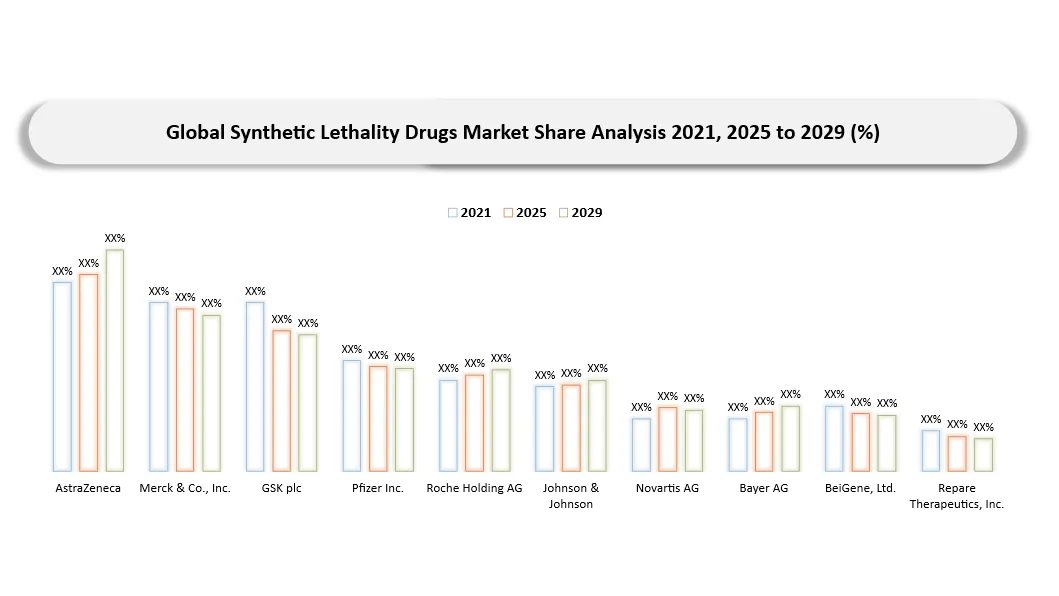
AstraZeneca, Merck, GSK and Pfizer anchor the marketed PARP segment. Artios, Repare, IDEAYA, Tango, Aprea, Zentalis, Impact Therapeutics and other biotechnology firms compete across ATR, WEE1, POLQ, PRMT5, MAT2A and PKMYT1. Large companies increasingly use licensing and collaboration to access novel targets while applying established oncology development and commercialization capabilities.
Market share remains concentrated in approved PARP products, with olaparib maintaining a leading position through broad indications and combination strategies. Niraparib, rucaparib and talazoparib contribute additional share. Emerging synthetic lethality agents are represented primarily through pipeline value rather than commercial revenue in 2025.
Licensing is the dominant transaction model because target risk can be shared through upfront, milestone and royalty structures. Buyers seek assets with clinical biomarker evidence and combination fit. Platform acquisitions are less common unless a company controls multiple programs, proprietary screens and translational capabilities.
Preferred partners include oncology companies with relevant franchises, diagnostic developers with global assay deployment, CROs experienced in biomarker-selected trials and academic centers with deep DNA repair expertise. The most productive partnerships define sample access, biomarker ownership and combination-development rights at the outset.
Funding remains available for differentiated assets, but capital markets reward clinical milestones over broad platform narratives. Programs with target engagement and response in prospectively selected patients can secure stronger financing. Early companies increasingly use partnerships, regional licenses and milestone-based collaborations to extend cash runway.
Innovation pipelines are moving toward next-generation PARP, ATR, WEE1, USP1, POLQ, PRMT5 and PKMYT1. Alliances combine drug assets with genomic datasets, CRISPR screening, ctDNA and companion diagnostics. Pipeline strength depends on the number of independently validated targets rather than the number of nominal programs.
Key Companies of Synthetic Lethality Drugs Market
- AstraZeneca
- Merck & Co.
- GSK
- Pfizer
- Johnson & Johnson
- Bayer
- Novartis
- BeiGene
- Artios Pharma
- Repare Therapeutics
- IDEAYA Biosciences
- Tango Therapeutics
- Aprea Therapeutics
- Zentalis Pharmaceuticals
- Impact Therapeutics
- Debiopharm
- Nimbus Therapeutics
- KSQ Therapeutics
- Accent Therapeutics
- Roche
Synthetic Lethality Drugs Market Major Pain Points
- Context-dependent biology can make preclinical synthetic lethal interactions difficult to reproduce in patients.
- Limited therapeutic windows can prevent sustained target inhibition, especially in combinations.
- Biomarker definitions may be too broad, retrospective or technically difficult to deploy.
- PARP resistance through reversion mutations and pathway restoration reduces duration of benefit.
- Rare molecular subgroups slow trial enrollment and increase competition for eligible patients.
- Companion diagnostic development, reimbursement and tissue access can delay commercial uptake.
- Crowded target classes create differentiation pressure and partnership valuation volatility.
- Global access is constrained by uneven genomic testing and specialty oncology funding.
Synthetic Lethality Drugs Market Recent Developments
- December 2025: The U.S. FDA granted regular approval to rucaparib for adults with deleterious BRCA-mutated metastatic castration-resistant prostate cancer previously treated with an androgen receptor-directed therapy, reinforcing the commercial durability of PARP-based synthetic lethality.
- December 2025: The U.S. FDA approved niraparib plus abiraterone acetate and prednisone for adults with deleterious or suspected deleterious BRCA2-mutated metastatic castration-sensitive prostate cancer based on the AMPLITUDE program.
- March 2026: The FDA approved an update to the MyChoice CDx labeling to support identification of ovarian cancer patients with BRCA1/2 mutations or a positive genomic instability score who may be eligible for niraparib.
- May 2026: FoundationOne Liquid CDx received an expanded companion diagnostic indication for detection of HRR alterations in metastatic castration-resistant prostate cancer patients who may benefit from talazoparib plus enzalutamide.
- 2025-2026: Clinical development continued across ATR, WEE1, PKMYT1, MAT2A and PRMT5 programs, with companies prioritizing biomarker-enriched cohorts, rational combinations and schedule optimization to improve therapeutic windows.
Analyst View / Opinion on Synthetic Lethality Drugs Market
Synthetic lethality remains one of the most credible frameworks for converting tumor suppressor loss into targeted therapy, but the market should be viewed as a series of specific biological opportunities rather than a single broad modality. PARP inhibition proves that the approach can create major commercial value. The limited number of similarly successful interactions shows that selectivity, biomarker quality and clinical context are decisive.
The highest-value near-term opportunities are therapies for PARP-resistant disease, ATR and WEE1 programs with improved schedules, USP1 and POLQ assets in homologous recombination-deficient cancers, and PRMT5 or MAT2A programs in MTAP-deleted tumors. Companies that align target validation, diagnostic execution and therapeutic window will outperform platforms that emphasize discovery scale without clinical translation.
Synthetic Lethality Drugs Market Target Audience
| Industry | Who Should Buy This Report? | Reason to Buy |
| Pharmaceuticals | Oncology strategy, clinical development and BD teams | Prioritize targets, indications, combinations and licensing opportunities |
| Biotechnology | Founders, R&D leaders and investors | Benchmark pipeline assets and identify partnering routes |
| Diagnostics | NGS, liquid biopsy and companion diagnostic developers | Assess biomarker demand and co-development opportunities |
| Cancer Centers | Medical oncologists, pathologists and trial offices | Track treatment pathways and trial recruitment needs |
| CROs and Laboratories | Clinical operations and central laboratory providers | Plan biomarker-rich trial services and sample workflows |
| Investors and Consulting | Private equity, venture capital and strategy firms | Evaluate market growth, scientific risk and transaction potential |
Why Choose DATAM?
- Data-Driven Insights: Granular market sizing, biomarker analysis, pipeline assessment, pricing intelligence and company benchmarking supported by primary and secondary research.
- Post-Purchase Support and Expert Analyst Consultations: Direct access to analysts for strategic interpretation, custom cuts and follow-up questions.
- White Papers and Case Studies: Periodic updates focused on synthetic lethal targets, companion diagnostics, resistance biology and partnership activity.
- Annual Updates on Purchased Reports: Updated market data, pipeline status, regulatory changes and competitive developments, subject to terms and conditions.
- Specialized Focus on Emerging Markets: Country-level insight into testing infrastructure, oncology access, trial activity and commercialization readiness.
- Value of DataM Reports: Decision-oriented intelligence tailored to portfolio strategy, licensing, market entry and investment questions.
What DATAM Uniquely Provides
- Detailed 10-year forecasts by target class, molecule type, cancer type, treatment setting, biomarker strategy, route, distribution channel and region.
- Probability-adjusted pipeline assessment linking biological validation, biomarker readiness, therapeutic window and launch timing.
- Competitive benchmarking across established PARP franchises and emerging ATR, WEE1, USP1, POLQ, PRMT5, MAT2A and PKMYT1 programs.
- Country-level analysis of genomic testing, oncology infrastructure, reimbursement and clinical-trial readiness.
- Actionable white-space analysis for resistance management, functional biomarkers, combination design and partner identification.
Questions This Report Answers
- How large will the synthetic lethality drugs market become by 2035 and which target classes will create the greatest incremental value?
- Which biomarker strategies are most executable in clinical practice and which remain dependent on research-grade assays?
- How are ATR, WEE1, USP1, POLQ, PRMT5, MAT2A and PKMYT1 programs positioned relative to established PARP inhibitors?
- Which cancer types and treatment settings offer the strongest opportunities for new synthetic lethal therapies?
- How should companies design combination schedules and resistance strategies to preserve a therapeutic window?
- Which companies, licensing opportunities and regional markets warrant priority attention?


























































