


Quaternary Ammonium Compounds (Quats) Market Overview
The Global Quaternary Ammonium Compounds (Quats) Market stood at US$ 4.12 billion in 2025 and is projected to reach US$ 6.47 billion by 2035, growing at a CAGR of 3.84% during 2026-2035. Market expansion will be fueled by surging demand for efficacious antimicrobial, disinfecting, preservative, conditioning and surfactant chemicals in the healthcare industry, institutional cleaning, food processing sanitation, personal care products, laundry detergents, water treatment processes and other industrial applications. Quats will retain their commercial importance owing to their broad-spectrum activity, stability during formulation, compatibility with surfaces and economy of use in regulated and non-regulated industries alike.
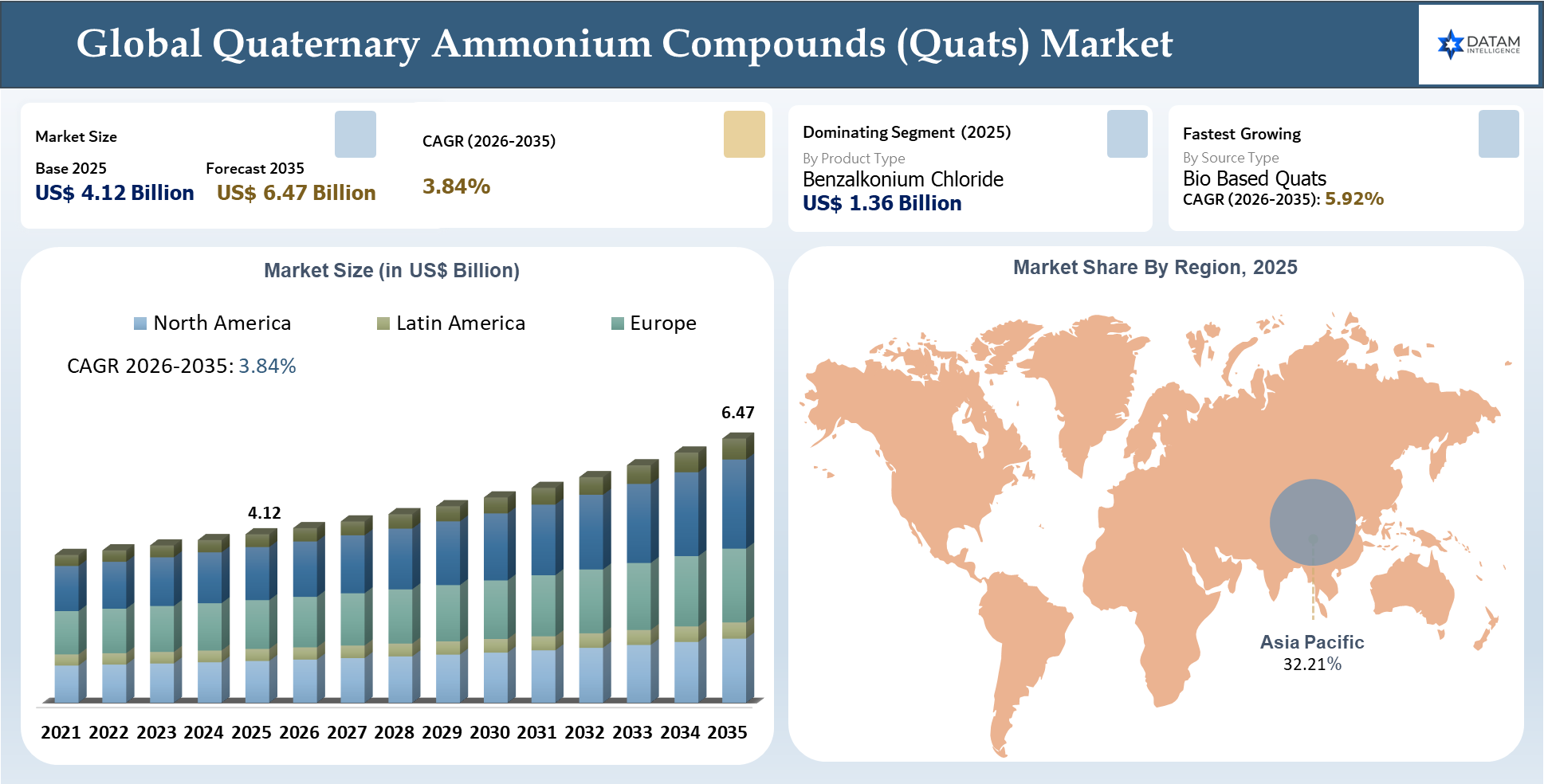
Market trends will be influenced by increasing hygienic standards, greater implementation of infection control measures, more stringent food safety requirements and expanding use of cationic surfactants in personal care and textile care products. Applications for benzalkonium chloride, DDAC, ester quats and polyquats will continue to increase in disinfectants, preservatives, fabric conditioners, antimicrobial textile treatments and industrial biocides. Simultaneously, concerns about residue formation, human health impacts, aquatic toxicity and environmental persistence will prompt manufacturers to produce quat-based formulations with lower irritation potential, reduced residue levels, bio-based ingredients and targeted application benefits. Competitive edge will be determined by regulatory approval, consistent quality, formulation expertise, regional availability and sustainable innovation.
AI Impact Analysis
The integration of AI into the Global Quaternary Ammonium Compounds (Quats) Market is expected to become a key enabler for suppliers transitioning from commoditized chemical sales to specialized application-oriented solutions. AI will provide its maximum value in formulation optimization by creating predictive models that evaluate the performance of quats formulations in terms of antimicrobial efficacy, surface compatibility, skin irritation, residual properties, foam properties, and environmental impact without fully conducting extensive lab testing.
For quat suppliers, AI will enable better margin management through price predictions of raw materials, supplier risks, batch quality predictions, yield optimization, and inventory planning. This is essential since quat formulation is sensitive to price fluctuations in fatty amines, benzyl chloride, alkyl chlorides, and petrochemical derivatives.
Furthermore, AI will enhance regulatory intelligence and market intelligence among quat suppliers by tracking biocide approvals, chemical restrictions, label claims, product launches, purchasing activity, and market dynamics in healthcare, food processing, institutional cleaning, personal care, water treatment, and hygiene.
Quaternary Ammonium Compounds (Quats) Market Key Takeaways
- The product category continues to be the most significant criterion for commercial relevance when assessing the industry structure since it explains how the industry's demand is segmented between such quat categories as benzalkonium chloride, DDAC, ester quats, polyquats, and others.
- Demand is becoming more focused on application-specific products which could provide the necessary level of antimicrobial efficiency, formulation stability, surface compatibility, residue management and cost-effectiveness.
- Asia-Pacific emerges as the leader of all regional markets due to its developed capacity for chemical production, growing demand for hygiene, textile processing, personal care, and industrial water treatment.
- Successful players will be able to offer broad product lines, documentation, technical expertise, reliable bulk supply and regional distribution arrangements..
Quaternary Ammonium Compounds Market Scope
| Metrics | Details | |
| 2025 Market Size | US$ 4.12 Billion | |
| 2035 Projected Market Size | US$ 6.47 Billion | |
| CAGR (2026-2035) | 3.84% | |
| Largest Market | Asia-Pacific | |
| Fastest Growing Market | Asia-Pacific | |
| By Product Type | Benzalkonium Chloride, Didecyldimethylammonium Chloride, Alkyltrimethylammonium Compounds, Dialkyldimethylammonium Compounds, Cetyltrimethylammonium Compounds, Cetylpyridinium Chloride, Polyquaternium Compounds, Ester Quats and Others | |
| By Form | Liquid, Powder, Granules and Pellets | |
| ByFunction | Disinfectant, Preservative, Surfactant, Fabric Conditioning Agent, Antistatic Agent, Corrosion Inhibitor, Phase Transfer Catalyst and Others | |
| By Purity Level | Below 50 Percent, 50 Percent to 70 Percent, 70 Percent to 90 Percent and Above 90 Percent | |
| By Source Type | Conventional Quats and Bio Based Quats | |
| By Sales Channel | Direct Sales to Formulators, Specialty Chemical Distributors, Contract Manufacturing and Private Label Supply and Online and Catalog Chemical Sales | |
| By End Use Industry | Healthcare and Life Sciences, Food and Beverage Processing, Household and Institutional Cleaning, Personal Care and Cosmetics, Textile and Laundry Care, Water and Wastewater Treatment, Oil and Gas, Wood Treatment and Construction Materials, Agriculture and Industrial Manufacturing and Others | |
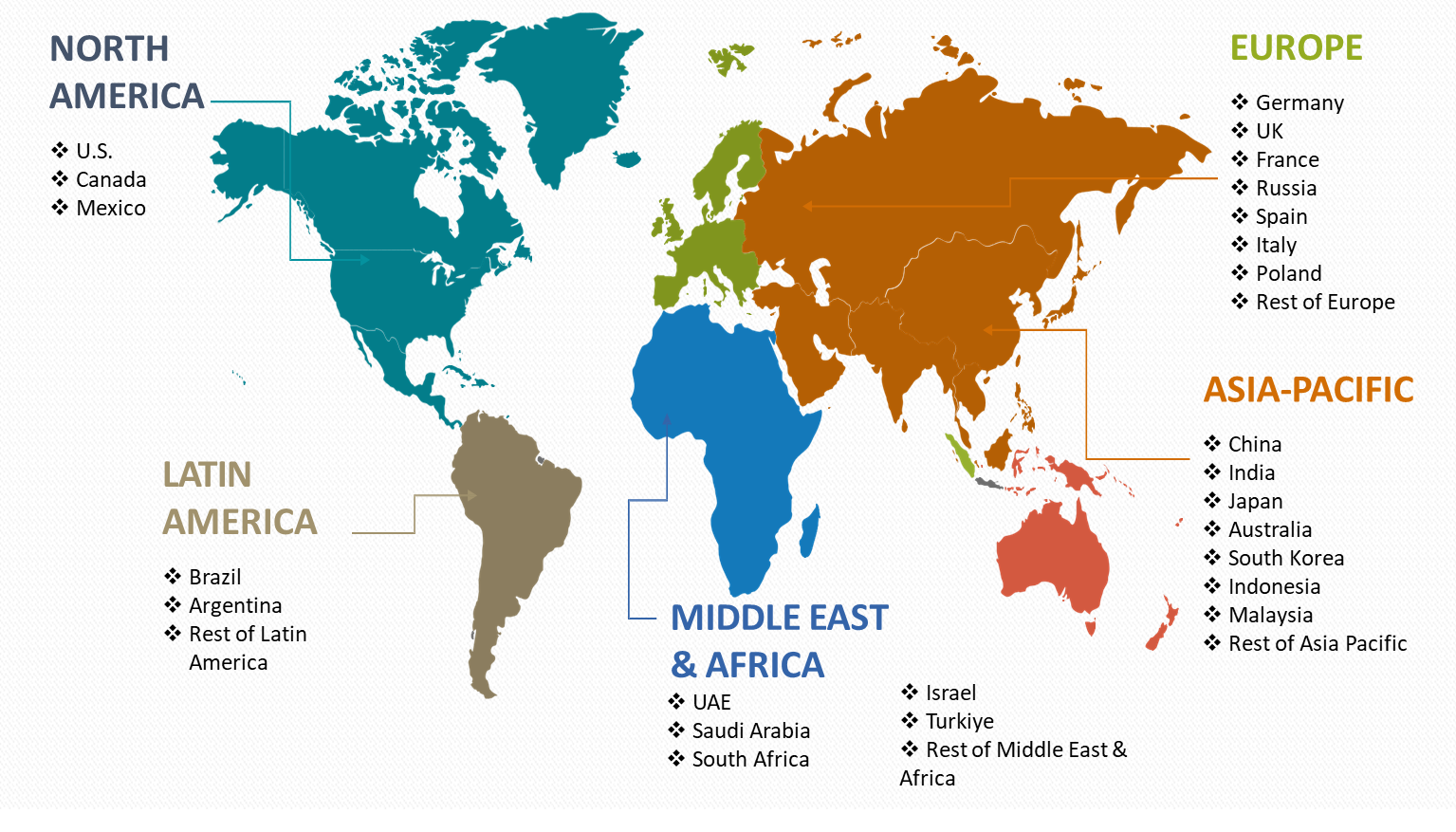
| By Region | North America | U.S., Canada, Mexico |
| Europe | Germany, UK, France, Spain, Italy, Poland | |
| Asia-Pacific | China, India, Japan, Australia, South Korea, Indonesia, Malaysia | |
| Latin America | Brazil, Argentina | |
| Middle East and Africa | UAE, Saudi Arabia, South Africa, Israel, Turkiye | |
| Report Insights Covered | Competitive Landscape Analysis, Company Profile Analysis, Market Size, Share, Growth | |
Quaternary Ammonium Compounds Market Disruption Analysis
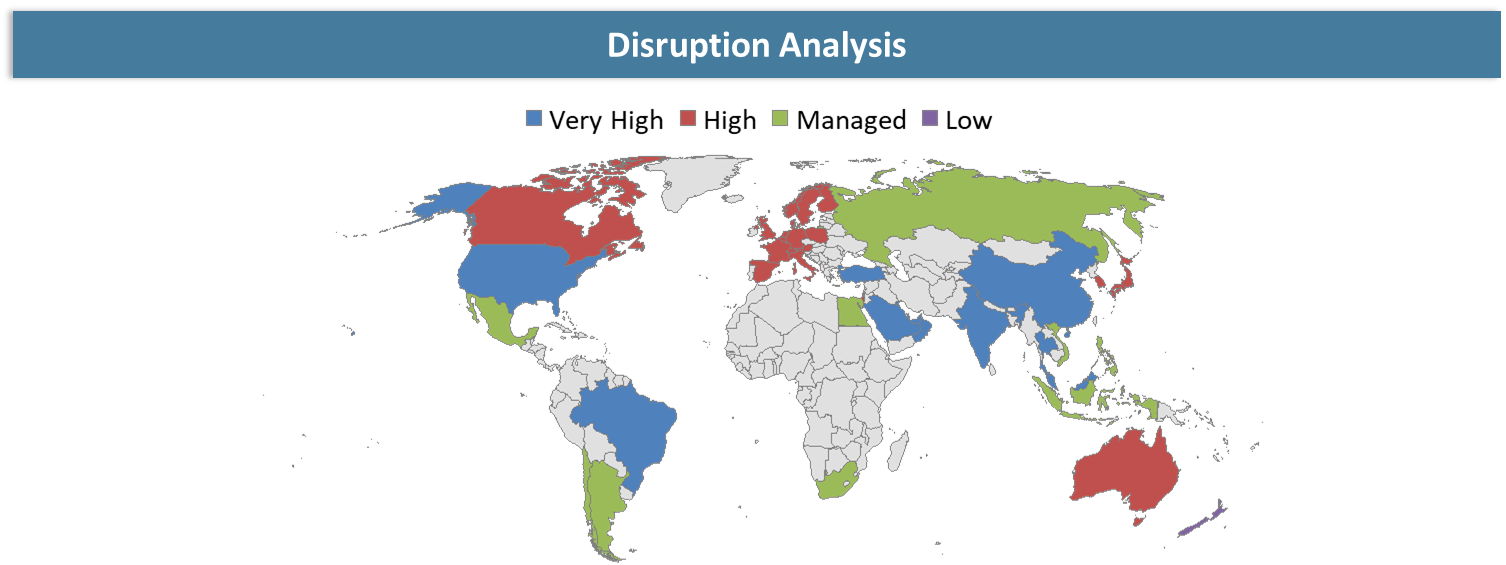
Regulatory and Sustainability Pressures Reshaping Quat Formulation Strategies
The market for quats is experiencing disruptions in terms of regulatory challenges, sustainability considerations, safer formulations, and the use of alternate antimicrobial agents. Despite the commercial relevance of quats due to their low cost, high stability, and effective antimicrobial properties, consumers have become wary of residues, skin irritation, indoor air quality, wastewater disposal, and environmental persistence concerns. Consequently, there is an increasing need for formulators to consider alternative formulations using fewer quats, particularly in applications such as healthcare, food processing, institutional hygiene, and personal care products.
One significant disruption is the movement towards blended disinfectant formulations as well as the use of alternate actives such as hydrogen peroxide, peracetic acid, alcohol-based systems, and bio-based surfactants. Such alternatives will not entirely replace quats, but they will influence consumer assessment of performance and safety considerations.
Another disruption involves the differentiation of suppliers. Volume-based suppliers may be disadvantaged if they cannot provide regulatory documents, low-irritation grades, custom formulations, sustainable credentials, and technical support in formulations. At the same time, innovations in bio-based quats, biodegradable cationic surfactants, and next-generation antimicrobial textiles or surfaces present new growth opportunities.
BCG Matrix: Company Evaluation
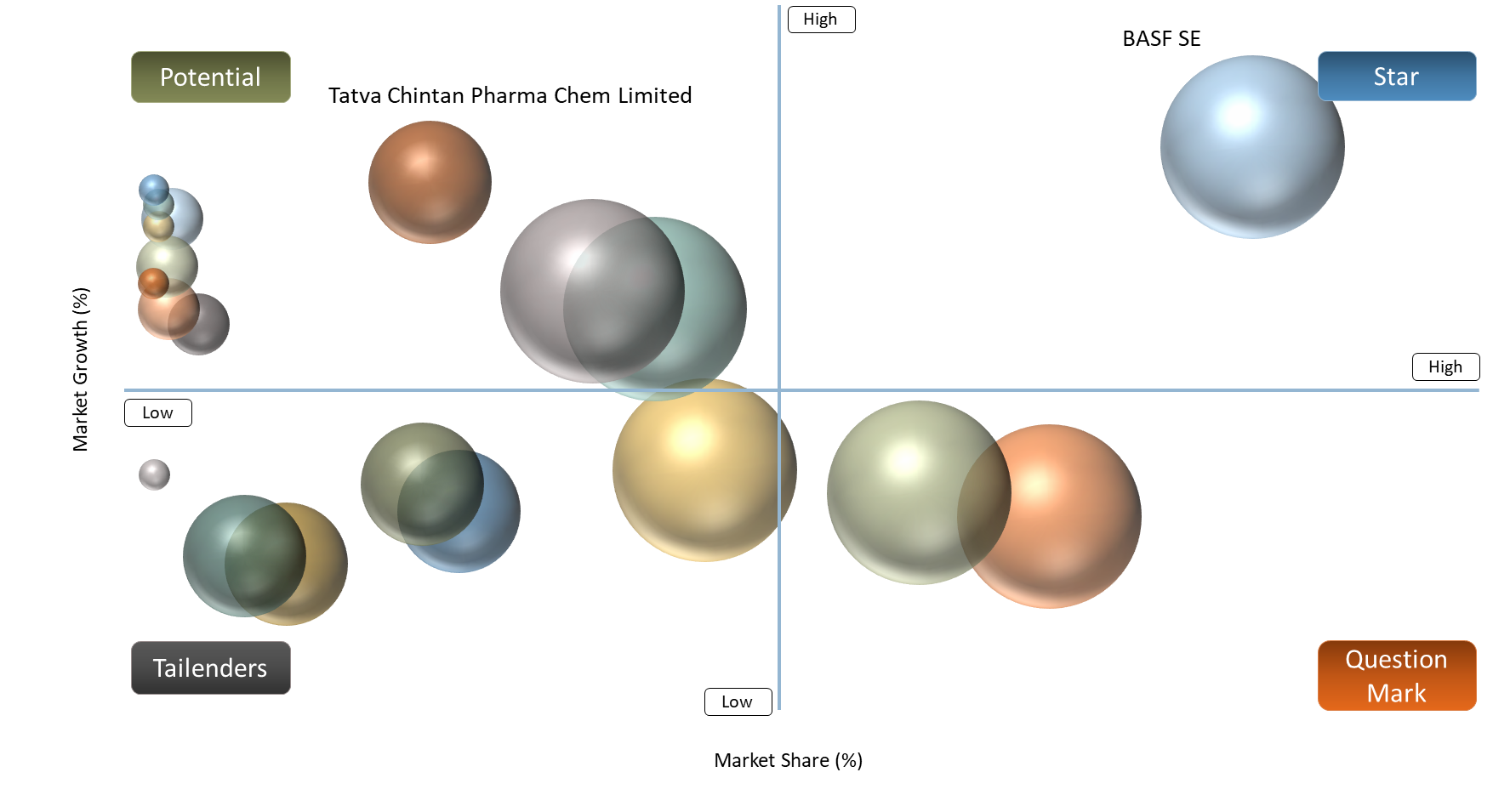
With regards to the BCG matrix, the Stars in the Global Quaternary Ammonium Compounds (Quats) Market will consist of firms having strong portfolios of specialty chemicals, wide regional operations, formulating capabilities, and strong relationships with customers within applications in hygiene, personal care, institutional cleaning, and industry. The typical companies are BASF SE, Evonik Industries AG, Croda International Plc, Stepan Company, and Nouryon, which are already strong in surfactants, cationic raw materials, disinfectant chemicals, conditioning materials, and application specific specialty chemicals.
The Cash Cow firms may be referred to as those firms that derive stable and repeated demands from well-established end-use markets such as disinfectants, textiles, water treatment, oilfield chemicals, preservatives, and industrial biocides. Some companies such as Pilot Chemical Company, Arxada AG, Kao Chemicals Europe, Clariant AG, Ashland Inc., and Arkema S.A. will benefit from repeated demands for formulations, well-established distributor network, and technical expertise.
Question Marks will consist of companies having good niche strengths but relatively limited market exposure or applications-specific positioning. Companies like Novo Nordisk Pharmatech A/S, SACHEM, Inc., Thor Group Limited and Tatva Chintan Pharma Chem Limited can be considered question marks as they deal specifically in pharmaceutical grade materials, specialty quaternary ammonium compounds, biocides or phase transfer catalysts. They can grow their business prospects by broadening their applications base, geographical presence and regulatory positioning.
Quaternary Ammonium Compounds Market Dynamics
Quats remain commercially attractive due to broad antimicrobial efficacy, formulation stability, surface compatibility, and cost efficiency
Quaternary ammonium compounds still represent economically viable solutions due to their effective performance characteristics and ability to be easily incorporated into various products. The efficacy against bacteria, fungi, algae and select viruses gives quats significant relevance in such fields as disinfection agents, sanitizers, food industry, medical sector, water treatment, as well as industry applications. Moreover, as opposed to certain alternatives, quaternary ammonium compounds may be incorporated into spray, concentrate, wipes, fabric, preservative and conditioner formulas which increases the versatility of quats formulations among manufacturers.
Another advantage that makes quats popular is their resistance to decomposition which allows for longer shelf life and reliable performance. Furthermore, due to the good compatibility of these substances with other compounds, hard surfaces and fabrics, quats are quite versatile and can be used for different purposes by households, institutions, personal care and industry sectors. Finally, being relatively inexpensive and providing efficient performance even at reasonable dosages, these compounds remain economically appealing for high-volume purchasers of antimicrobial agents.
Regulatory scrutiny around residues, exposure, aquatic toxicity, and persistence is increasing reformulation pressure across key applications
Regulatory scrutiny is now becoming a significant constraint for the Global Quaternary Ammonium Compounds (Quats) Market due to the increasing focus of the regulatory bodies as well as end users on the long-term safety profile of the quats. With issues such as residue of the disinfectants on treated surfaces, occupational exposure risks, indoor air quality issues, skin irritability, toxicity to aquatic life and environment persistence becoming increasingly important, manufacturers will have to re-examine their existing formulas. This is particularly true for markets such as healthcare, food processing, institutional cleaning, personal care, textile treatments and water treatments.
As regulation becomes more stringent, companies supplying products can expect increased testing and documentation procedures along with labeling restrictions as well as reformulating costs. On the other hand, buyers have started to be more choosy regarding the products and look for those which are capable of delivering efficacy with reduced exposure and lower wastage.
Quaternary Ammonium Compounds Market Segmentation Analysis
The global Quaternary Ammonium Compounds (Quats) market is segmented based on product type, form, function, purity level, source type, sales channel, end use industry, and region.
Benzalkonium Chloride Dominates Due to Broad Disinfection, Preservative, and Hygiene Applications
Benzalkonium Chloride is among the leading product segments in the Global Quaternary Ammonium Compounds (Quats) Market on account of its application as a disinfectant, antiseptic, preservative, and cationic surfactant owing to its excellent antibacterial, antifungal, and antiviral characteristics.
The segment is witnessing healthy demand in the application areas including hospital and clinical disinfection, laboratory disinfection, institutional cleaning products, ophthalmic preparations, nasal products, topical products, and industrial hygiene products. Compared to other antimicrobials, Benzalkonium Chloride exhibits good stability and performance at relatively low costs. Zheng et al. (2025) noted that benzalkonium chloride is present in over 70% of topical ophthalmic medications, reinforcing its entrenched use as a preservative in eye-care products.
Demand growth for the segment is influenced by rising standards of hygiene and infection control practices as well as an increase in demand for antimicrobial ingredients that can be used for more than one application. However, growing health concerns regarding the use of Benzalkonium Chloride have led manufacturers to develop high purity products.
Quaternary Ammonium Compounds Market Geographical Penetration
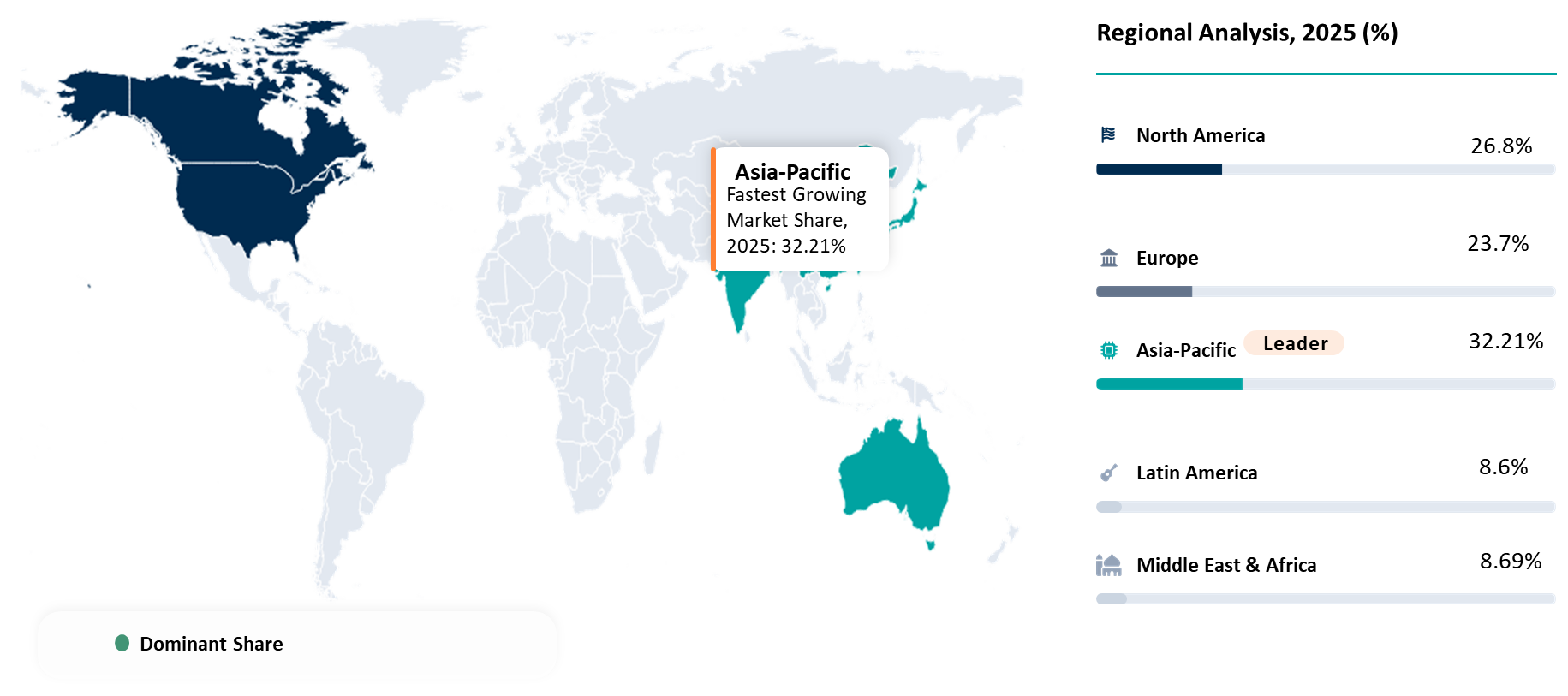
Asia Pacific Leads Through Scale Manufacturing and Multi-Industry Quat Demand
In the Global Quaternary Ammonium Compounds (Quats) Market, Asia-Pacific maintains the most prominent position on account of excellent chemical manufacturing capabilities, high downstream consumption, and growing uses in hygiene purposes. High demand for quats is generated in various segments such as disinfectants, institutional cleaning agents, textile softeners, cosmetics, food and beverages processing hygiene, water treatment processes, agriculture, and industrial biocides. In addition to this, China and India are significant markets for quats because of diverse specialty chemicals production capabilities, growing healthcare infrastructure, increased sanitation needs, and rapidly expanding home and personal care products market.
Moreover, Asia-Pacific continues to offer stable demand in textile and laundry care industry where ester quats, fabric conditioner, anti-static agent, and antimicrobial agents play an important role. On the other hand, increasing demand for food and beverages processing, animal husbandry, and industrial water treatment processes is fueling the requirement for quat based sanitizers and biocides. In addition, Asia-Pacific emerges as an important region from the perspective of cost-effective manufacturing, exports, and formulation partnership. Nevertheless, manufacturers of quats should keep in mind volatility in raw materials, stringent environmental norms, and increasing consumer preferences.
India Quaternary Ammonium Compounds (Quats) Market Trends
India’s Quaternary Ammonium Compounds (Quats) Market is emerging with rising demand in the healthcare disinfection, institutional cleaning, pharmaceutical preservatives, personal care, textile softening, food processing sanitation, water treatment, agricultural & industrial biocides industries. There is a change in trends from general-purpose disinfectant use to application-specific formulations of quats which offer enhanced performance and compliance assistance.
There is an increasing trend towards using quat-based products as disinfectants in hospitals, commercial properties, food processing units, and public sector organizations. At the same time, there is growing demand in the personal care and textile industries for cationic surfactants, conditioners, softeners, and antimicrobial additives.
The main industry trend is the increased demand from end-user industries for consistent quality, optimum dosage, regulatory compliance documents, residue safety and dependable local supply. At the same time, Indian formulators are seeking low irritancy and eco-friendly solutions as consumers are increasingly concerned about their exposure to chemicals and their impact on the environment.
China Quaternary Ammonium Compounds (Quats) Market Outlook
China continues to represent an important market for QACs due to the country’s well-established specialty chemical manufacturing industry, extensive downstream formulation sector and substantial downstream demand for hygiene products, personal care products, textiles, water treatment, agriculture and industrial cleaners. China represents both a leading manufacturer and consumer of quaternary ammonium chemistry products like benzalkonium chloride, DDAC, ester quats, cationic surfactants and specialized QACs.
Growth opportunities are expected to emerge due to increased institutional cleaning, disinfection of hospitals and healthcare facilities, sanitation of food processing units and manufacture of home care products. The large textile and laundry care sector in China also provides for continuous consumption of ester quats, fabric softeners, antistatic agents and antimicrobial textiles. Moreover, industrial water treatment, oilfield chemicals and agricultural applications continue to drive demand for quat-based biocides and surfactants.
Market development will shift from growth on the back of volume to growth on the back of quality and sustainability. The ability to provide buyers with consistently high-purity QAC products, bulk stability, documentation support, residue-free formulas and exportable quality standards is becoming increasingly important for supplier success. Alternative sources of bio-based and low-toxicity quats are expected to become more relevant in China’s regulatory environment.
Quaternary Ammonium Compounds Market Competitive Landscape
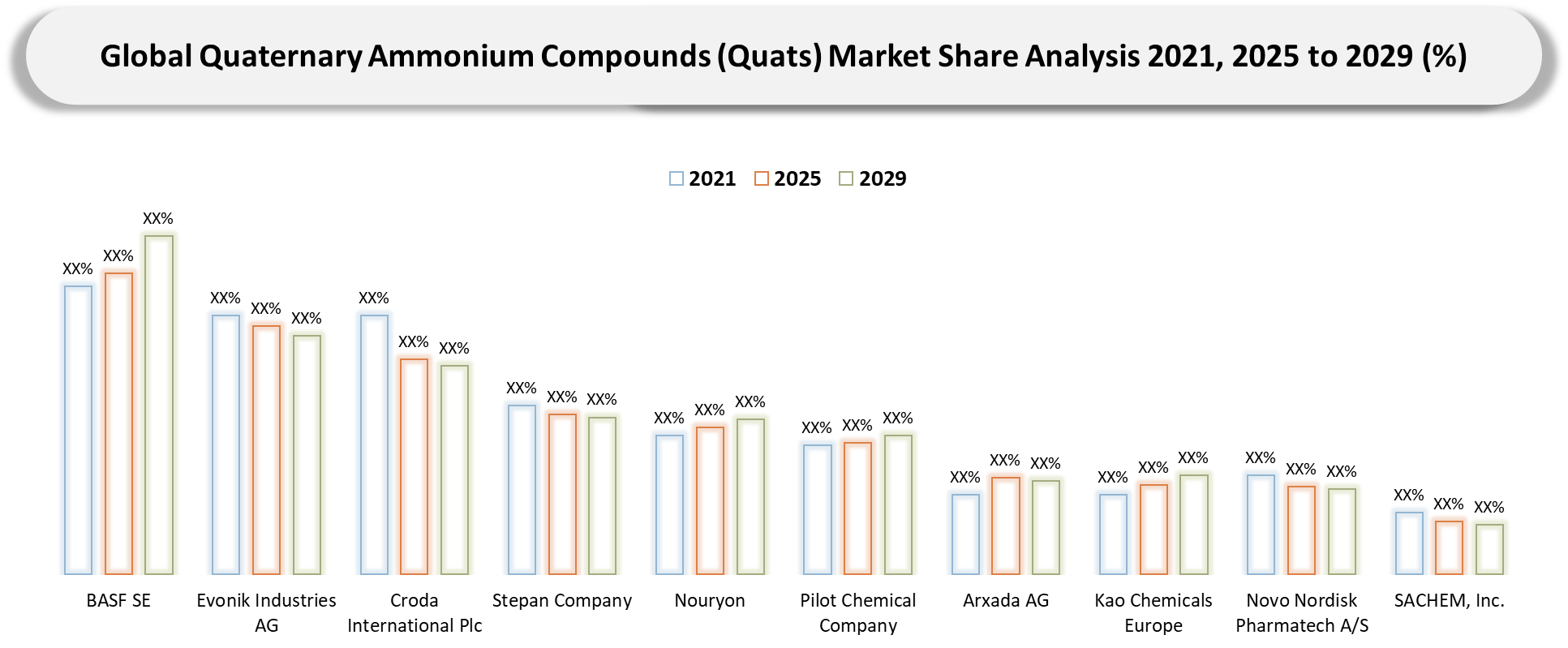
- This market is moderately concentrated, with competitive rivalry among large specialty chemical manufacturers, surfactant producers, biocides, and quats producers. Competitors like BASF SE, Evonik Industries AG, Croda International Plc, Stepan Company, Nouryon, Clariant AG, and Arkema S.A. compete through extensive product ranges, global logistics operations, formulation capabilities, and solid customer relationships in personal care, cleaning, textile, water treatment, and other industrial markets.
- Competitive rivalry is not just about pricing, but also includes consistent product quality, regulatory compliance documentation, customized grades for specific applications, technical service support, and reliable deliveries. Companies like Arxada AG, Pilot Chemical Company, Kao Chemicals Europe, Thor Group Limited, and Ashland Inc. have competitive strength in disinfection, hygiene, cationic surfactants, preservatives, and specialty formulation systems.
- Other niche competitors like Novo Nordisk Pharmatech A/S, SACHEM, Inc., and Tatva Chintan Pharma Chem Limited are key in high-purity benzalkonium chloride, specialty quaternary ammonium salts, and phase transfer catalyst applications. Future competitive strengths will lie in formulating products that do not cause irritation, developing bio-based quats, complying with regulations, sustainable marketing claims, and customer services beyond bulk chemicals.
Quaternary Ammonium Compounds Market Key Developments
- July 2026: Clariant expanded its portfolio of specialty quaternary ammonium based solutions, while researchers at China Pharmaceutical University reported a quaternary ammonium functionalized photosensitizer designed to address multidrug-resistant bacterial infections.
- June 2026: Maxwell Additives strengthened its focus on benzalkonium chloride solutions for industrial hygiene, water treatment, sanitation, surface cleaning, and algae control, reflecting continued demand for quaternary ammonium compounds across commercial applications.
- May 2026: Sunly Chemistry showcased its portfolio of quaternary ammonium salts and surfactant products at the 2026 SAA China Surfactant Industry Conference, highlighting continued development of specialty surfactant solutions.
- April 2026: Clariant continued expanding its specialty chemical portfolio with quaternary ammonium based surfactant solutions for textile treatment, including Hostapal 3608 SF, designed to provide softening and smooth-feel properties to fabrics.
- March 2026: Biom introduced plant-based, quat-free disinfecting wipes, signaling innovation in the disinfectant sector as manufacturers develop alternatives to conventional quaternary ammonium formulations.
- February 2026: Clariant strengthened its cleaning formulation portfolio with Hostapur HY, a quaternary ammonium based functional additive designed for hard-surface cleaning, dishwashing, laundry detergents, and fabric-softening applications.
- January 2026: Best Sanitizers maintained certification for its ALPET D2 surface sanitizer, which uses a quaternary ammonium compound for food-processing and food-handling sanitation applications.
White Space Opportunities
Global market for Quaternary Ammonium Compounds (Quats) holds potential whitespace opportunities in the areas of safer formulations targeted at specific applications with sustainability considerations. As the customers in healthcare, food processing, institutions and personal care come under greater regulatory pressure and more stringent requirements of performance, there will be growing need for differentiated versions of quats having less irritation, lesser residues, greater biodegradability and enhanced documentations. Bio-based quats, blends for disinfection that have low toxicity levels and high-quality benzalkonium chloride intended for pharmaceutical and personal care use are some interesting premiums to explore.
One of the key business opportunities in the market for Quaternary Ammonium Compounds (Quats) relates to customizing the offerings for specific end-user needs. For example, there are demands in the food processing industry for quat formulations which meet the standards of hygiene but do not disrupt plant activities, whereas there could be demands for quat products from hospitals which are effective against microbial growth while being friendly to surfaces and users. Textile manufacturing, water treatment, agriculture and oil field industries could benefit from customized cationic surfactants, finishes, bioicides and corrosion inhibitors.
DMI Opinion
According to DataM, the main barrier to entry for the Global Quaternary Ammonium Compounds (Quats) Market is not availability of demand, but suppliers' ability to translate diverse hygienic, cleaning, and formulation requirements into repeatable customer adoption. The market favors those companies that provide value beyond commoditized quat provision through consistent quality, regulatory compliance documentation, formulation guidance, bulk availability, and application performance demonstration.
On the other hand, efficacy, surface compatibility, residue generation, irritation potential, environmental friendliness, and price competitiveness are now equally essential purchasing considerations. Healthcare, food processing, institutional cleaning, personal care, water treatment, and industrial customers seek suppliers who minimize formulation risks and compliance complexities in various usage scenarios.
While several market players continue to focus on sales volumes and price points, this strategy may become less feasible for buyers amid increasing safety, sustainability, and regulatory pressures. Consequently, suppliers offering non-irritating quat varieties, renewable quat sources, specialized disinfection formulations, and technical expertise will be better positioned within the global market.
Why Choose DataM?
- Product and Formulation Innovation: Consists of innovations pertaining to quat disinfectants, cationic surfactants, preservatives, conditioning agents, fabric softeners, industrial biocides, and low irritation formulations.
- Competitive Positioning and Performance for End-Use Applications: Evaluates key competitors through product portfolio, microbial performance, formulation compatibility, regulatory compliance, availability, price, and application performance.
- Practical Examples for Use: Explores the various uses of quats in health care disinfection, food hygiene, institutional, personal care, textile care, water treatment, oil field chemistry, and agricultural applications.
- Industry News and Updates: Monitors product introductions, production capabilities, regulatory changes, environmental concerns, alliances, mergers and acquisitions, and demand trends within North America, Europe, Asia Pacific, Latin America, and MEA.
- Business Strategies: Reviews business growth strategies adopted by top competitors through their specialty chemical range, distribution systems, specific application grades, private labeling services, technical assistance, and contractual relationships with big formulators.
- Price and Distribution Trends: Offers information on pricing based on types of products, purity, concentration, grade, end use, geographical area, packaging, direct selling, distribution channels, and custom manufacturing arrangements.
- Market Penetration and Expansion: Identifies potential markets in hospital-grade disinfectants, sanitizers for food plants, bio-based quats, personal care conditioning agents, antimicrobial fabrics, industrial water treatment chemicals, and newer regions.
Target Audience 2026
- Quaternary ammonium compound manufacturers
- Specialty chemical and cationic surfactant producers
- Disinfectant and sanitizer formulators
- Home care and institutional cleaning product companies
- Personal care and cosmetic ingredient manufacturers
- Textile softener and laundry care product manufacturers
- Food and beverage hygiene solution providers
- Water treatment chemical companies
- Oilfield chemical and industrial biocide suppliers
- Chemical distributors and specialty ingredient suppliers


























































