


Polycythemia Vera (PV) Market Size and Overview
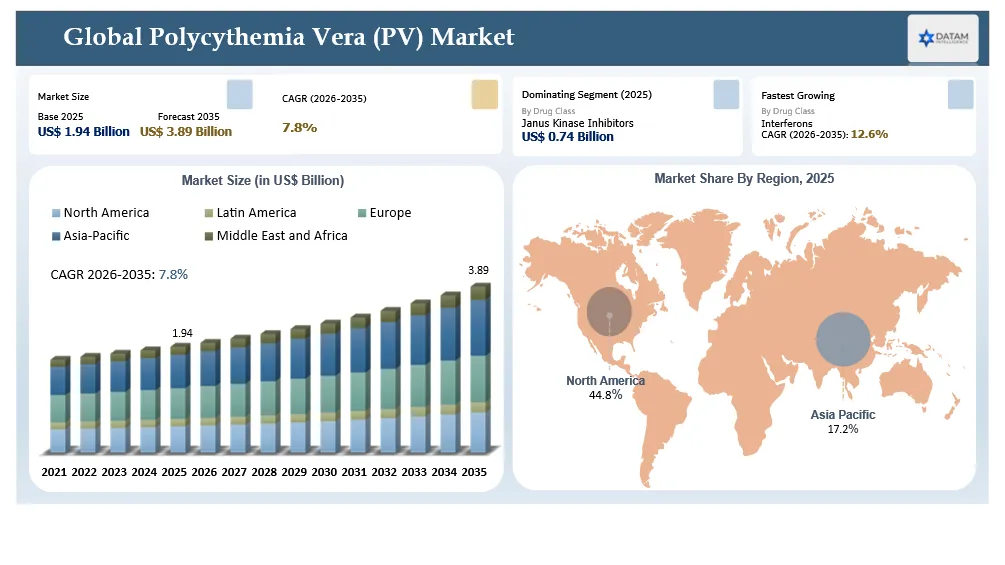
The global polycythemia vera (PV) market reached US$ 1.94 billion in 2025 and is expected to reach US$ 3.89 billion by 2035, growing with a CAGR of 7.8% during the forecast period 2026-2035.
Market growth is moving beyond diagnosed-population expansion toward higher treatment intensity and longer use of branded therapies. Phlebotomy, aspirin and generic hydroxyurea continue to dominate patient volume, but their limited ability to consistently control hematocrit, symptoms and phlebotomy burden creates escalation opportunities for interferons and JAK inhibitors.
The market entered a new formulation and delivery phase in 2026. The FDA approved Jakafi XR, a once-daily extended-release ruxolitinib formulation, for eligible adults with PV who respond inadequately to or cannot tolerate hydroxyurea. PharmaEssentia also launched the BESREMi Pen in the United States, simplifying self-administration, while Canada approved BESREMi and Japan authorized an accelerated high-dose regimen. Collectively, these developments extend product life cycles, improve convenience and strengthen treatment persistence without requiring entirely new mechanisms.
The next competitive inflection point will be phlebotomy-sparing and potentially disease-modifying innovation. Rusfertide could establish hepcidin mimetics as a new treatment class, while JAK2 mutation-selective, RNA-targeted and TMPRSS6-directed programs may broaden future options. Commercial leadership will depend on sustained hematocrit control, fewer phlebotomies, thrombosis-risk reduction, molecular response, tolerability and payer evidence demonstrating lower long-term healthcare utilization.
Polycythemia Vera (PV) Market Key Takeaways
- Sustained Market Expansion Through 2035: The global PV market was valued at US$1.94 billion in 2025 and is projected to reach US$3.89 billion by 2035, registering a CAGR of 7.8% during 2026-2035.
- JAK Inhibitors Maintain Market Leadership: Janus kinase inhibitors generated an estimated US$0.74 billion in 2025, supported by ruxolitinib’s established use following inadequate response or intolerance to hydroxyurea and the introduction of once-daily Jakafi XR.
- Interferons Become the Primary Growth Engine: Interferons are projected to register an estimated 12.6% CAGR during 2026-2035, driven by increasing BESREMi adoption, earlier cytoreductive intervention and growing emphasis on durable hematologic and molecular responses.
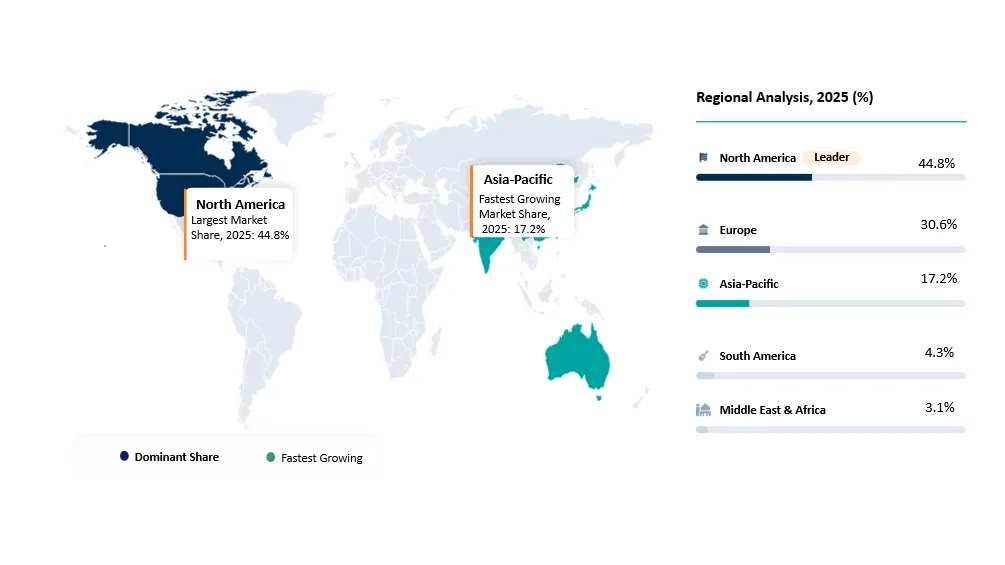
- North America Maintains Regional Dominance: North America accounted for approximately 44.8% of the global market in 2025, equivalent to around US$0.87 billion, supported by advanced diagnostics, specialist hematology networks and strong branded-therapy reimbursement.
- Phlebotomy Reduction Reshapes Competitive Strategy: Future market leadership will depend on sustained hematocrit control, reduced phlebotomy requirements, thrombosis prevention, molecular response, tolerability and dosing convenience. Hepcidin mimetics and JAK2 mutation-selective therapies could materially reshape treatment sequencing.
Polycythemia Vera (PV) Market Industry Trends and Strategic Insights
- The market is transitioning from reactive hematocrit management through repeated phlebotomy toward sustained disease control using interferons, JAK inhibitors and emerging phlebotomy-sparing therapies. Treatment value is increasingly assessed through thrombosis prevention, symptom improvement, hematologic response and potential disease modification.
- Hydroxyurea remains the principal first-line cytoreductive therapy, while BESREMi is strengthening interferon adoption across earlier treatment settings. Jakafi remains important following inadequate hydroxyurea response or intolerance, with once-daily Jakafi XR improving dosing convenience in the United States.
- Rusfertide could establish hepcidin mimetics as a new therapeutic class by maintaining hematocrit control and reducing phlebotomy requirements. Commercial adoption will depend on regulatory approval, long-term safety, treatment durability, reimbursement and differentiation from established cytoreductive therapies.
- JAK2 mutation-selective inhibitors, antisense oligonucleotides, small interfering RNA therapies and TMPRSS6-targeted agents could reshape the treatment pathway. Their market impact will depend on molecular selectivity, durable response, safety, manufacturing scalability and evidence demonstrating reduced thrombosis or disease progression.
- Sustainable competitive advantage will require more than blood-count control. Companies demonstrating fewer phlebotomies, improved symptoms, manageable toxicity, convenient administration and credible long-term outcomes will be better positioned to secure specialist adoption, formulary access and premium reimbursement.
Polycythemia Vera (PV) Market Scope
| Metrics | Details | |
| 2025 Market Size | US$ 1.94 Billion | |
| 2035 Projected Market Size | US$ 3.89 Billion | |
| CAGR (2026-2035) | 7.8% | |
| Largest Market | North America | |
| Fastest Growing Market | Asia-Pacific | |
| By Drug Class | Antiplatelet Agents, Antimetabolites, Interferons, Janus Kinase Inhibitors, Alkylating Agents, Hepcidin Mimetics, Transmembrane Serine Protease 6 Inhibitors, Histone Deacetylase Inhibitors, Lysine-Specific Demethylase 1 Inhibitors, Others | |
| By Drug Type | Branded Drugs, Generic Drugs | |
| By Molecule Type | Small Molecules, Peptides, Recombinant Proteins, Monoclonal Antibodies, Antisense Oligonucleotides, Small Interfering Ribonucleic Acid Therapies, Others | |
| By Route of Administration | Oral, Subcutaneous, Intravenous, Others | |
| By Patient Risk Category | Low-Risk Polycythemia Vera, High-Risk Polycythemia Vera | |
| By Treatment Line | First-Line Treatment, Second-Line Treatment, Third-Line and Later Treatment | |
| By Age Group | Below 40 Years, 40-59 Years, 60-74 Years, 75 Years and Above | |
| By Therapeutic Setting | Hospitals, Hematology and Oncology Clinics, Ambulatory Care Centers, Home-Based Care, Others | |
| By Distribution Channel | Hospital Pharmacies, Retail Pharmacies, Specialty Pharmacies, Online Pharmacies, Others | |
| By Region | North America | U.S., Canada, Mexico |
| Europe | Germany, UK, France, Spain, Italy, Poland | |
| Asia-Pacific | China, India, Japan, Australia, South Korea, Indonesia, Malaysia, Singapore, Vietnam, Thailand, Philippines, Taiwan | |
| South America | Brazil, Argentina | |
| Middle East and Africa | Israel, Saudi Arabia, UAE, Turkiye, South Africa, Nigeria | |
| Report Insights Covered | Competitive Landscape Analysis, Company Profile Analysis, Market Size, Share, Growth | |
Why does this report matter in 2026?
The global polycythemia vera treatment market reached a strategic inflection point in 2026 following two formulation advances. In May, Incyte received FDA approval for Jakafi XR, a once-daily extended-release option for eligible adults inadequately controlled by or intolerant of hydroxyurea. In June, PharmaEssentia launched the FDA-approved BESREMi Pen, simplifying self-administration compared with the prefilled syringe. These developments intensify competition around convenience, durable hematocrit control, molecular response and earlier intervention.
Competitive disruption is accelerating as Protagonist Therapeutics and Takeda Pharmaceutical advance rusfertide, an investigational first-in-class hepcidin mimetic for adults with phlebotomy-dependent PV. The FDA accepted its New Drug Application and granted Priority Review in March 2026, supported primarily by the Phase III VERIFY study. The report helps pharmaceutical companies, investors and market-access teams assess patient segmentation, treatment sequencing, switching patterns, pricing, reimbursement and commercial readiness. It also benchmarks how phlebotomy independence, thrombotic-risk reduction, symptom improvement, administration burden, safety, durability and payer evidence will influence future competitive positioning and sustainable value creation.
Polycythemia Vera (PV) Market White Space & Investment Opportunities
- Earlier Identification of Poorly Controlled Patients: Invest in home-based hematocrit monitoring, predictive analytics and clinical decision-support tools that identify patients with unstable blood counts, persistent symptoms or frequent phlebotomy requirements before thrombotic complications intensify.
- Treatments for Low-Risk but Symptomatic Patients: Develop therapies for younger and conventionally low-risk patients experiencing uncontrolled erythrocytosis, iron deficiency, persistent symptoms or substantial phlebotomy burden despite not meeting traditional high-risk criteria.
- Disease-Modifying and Mutation-Directed Therapies: Advance treatments targeting JAK2-mutated clones and disease-initiating stem cells to achieve durable molecular responses, prevent progression to myelofibrosis or acute leukemia and move care beyond blood-count control.
- Phlebotomy-Independent Hematocrit Control: Invest in hepcidin mimetics and other iron-regulation therapies that maintain hematocrit below 45%, reduce repeated phlebotomy and alleviate treatment-related iron deficiency without requiring broad myelosuppression.
- Treatment-Sequencing and Combination Evidence: Generate comparative evidence defining how hydroxyurea, BESREMi, JAKAFI, Jakafi XR and potential rusfertide therapy should be sequenced or combined across risk groups, molecular profiles, treatment responses and phlebotomy-dependence levels.
- Geographic Access and Outcome-Based Reimbursement: Expand molecular testing, specialist access and reimbursement across underserved markets while generating longitudinal evidence connecting hematocrit control, molecular response and phlebotomy independence with fewer thrombotic events, improved quality of life and reduced healthcare utilization.
Polycythemia Vera (PV) Market Future Transformation
Over the next decade, the global polycythemia vera market will move from reactive hematocrit management toward earlier, risk-adapted and potentially disease-modifying care. Phlebotomy, aspirin and hydroxyurea will remain important, but treatment decisions will increasingly incorporate symptom burden, phlebotomy dependence, iron deficiency, molecular profile and quality of life alongside age and thrombosis history. Adoption of BESREMi Pen and Jakafi XR will reinforce demand for convenient administration, sustained exposure and improved long-term adherence across heterogeneous patient groups.
Market transformation will accelerate if rusfertide receives regulatory approval, creating a new therapeutic category focused on iron regulation and phlebotomy-independent hematocrit control. Competition will shift from blood-count reduction toward differentiated evidence on thrombosis prevention, molecular response, symptom improvement, safety, durability and healthcare utilization. Commercial success will depend on demonstrating value across low-risk symptomatic patients, hydroxyurea-intolerant populations and individuals requiring frequent phlebotomy. Companies combining meaningful outcomes with simpler administration, strong payer evidence and geographic access will be positioned to capture the next phase of market growth.
Polycythemia Vera (PV) Market Buyer Decision-Making Criteria
Major Buyer Decision-Making Criteria:
- Magnitude and Durability of Hematocrit Control
- Reduction in Therapeutic Phlebotomy Requirements
- Prevention of Thrombotic and Cardiovascular Events
- Control of Leukocytosis, Thrombocytosis and Disease-Related Symptoms
- Molecular Response and Disease-Modifying Potential
- Safety, Tolerability and Long-Term Clinical Evidence
- Suitability Across Risk Groups and Treatment Lines
- Route, Dosing Convenience and Treatment Burden
- Compatibility With Existing Cytoreductive and Supportive Therapies
- Pricing, Reimbursement and Healthcare Budget Impact
- Guideline Positioning, Physician Experience and Patient-Support Services
In the polycythemia vera market, prescribing, purchasing and formulary decisions are primarily driven by a therapy’s ability to maintain hematocrit below 45%, reduce phlebotomy requirements and lower thrombotic risk. Hematologists, treatment centers and payers evaluate response durability, symptom improvement, blood-count normalization, spleen control, molecular response and suitability across low-risk, high-risk, hydroxyurea-intolerant and phlebotomy-dependent populations. Evidence supporting reduced progression risk and improved quality of life strengthens clinical differentiation.
Safety and treatment burden remain central because PV requires lifelong management. Buyers assess dosing frequency, administration route, cytopenias, injection-related reactions, monitoring requirements and compatibility with aspirin, phlebotomy or existing cytoreductive therapies. Payers additionally examine acquisition cost, eligible-patient numbers, avoided phlebotomy procedures, thrombosis-related hospitalization costs and long-term resource utilization. Therapies supported by comparative evidence, durable hematocrit control, convenient administration, guideline inclusion, reliable supply and comprehensive patient-support services will be best positioned to secure reimbursement and sustained adoption.
Polycythemia Vera (PV) Market Economic & Investment Analysis
The PV market is becoming an increasingly attractive rare-hematology investment segment, supported by lifelong treatment demand, premium-priced branded therapies and greater emphasis on earlier disease control. Incyte’s Jakafi franchise generated US$758 million in Q1 2026 and US$817 million in Q2 2026 across all approved indications. The 2026 approvals of Jakafi XR and BESREMi Pen strengthen commercial differentiation around dosing convenience, adherence and treatment persistence. Expanding treatment options are also increasing competitive pressure around durable hematocrit control, thrombotic-risk reduction, molecular response, safety and phlebotomy independence.
Investment is shifting toward phlebotomy-independent hematocrit control, iron regulation and potential disease modification. Takeda’s worldwide rusfertide collaboration with Protagonist included a US$300 million upfront payment, while positive Phase III VERIFY results triggered a further US$25 million milestone, demonstrating substantial strategic value for differentiated PV assets. Future value creation will depend on thrombosis prevention, durable hematocrit control, symptom improvement, convenient delivery, scalable manufacturing and payer evidence. However, concentrated specialist prescribing, long development timelines and reimbursement variability elevate execution risk. Assets combining broad patient eligibility, reduced phlebotomy burden and credible long-term outcomes should attract stronger licensing, partnership and acquisition interest.
Polycythemia Vera (PV) Market Investment Trends
- Capital allocation is increasing toward geographic expansion, hematologist engagement, reimbursement and patient-support infrastructure for BESREMi Pen, Jakafi XR and established PV therapies.
- Rusfertide is attracting investment because hepcidin mimetic therapy could provide sustained hematocrit control, reduce therapeutic phlebotomy requirements and address treatment-related iron deficiency.
- Investment is accelerating across JAK2-mutated clone targeting, disease-initiating stem-cell research and other disease-modifying approaches seeking molecular remission and reduced progression to myelofibrosis or acute leukemia.
- Investors increasingly prioritize assets capable of serving low-risk symptomatic, hydroxyurea-intolerant and phlebotomy-dependent patients while improving symptom control, administration convenience, adherence and quality of life.
- Digital-health investment is targeting home-based hematocrit monitoring, symptom-tracking platforms, predictive risk assessment and clinical decision-support tools designed to identify poorly controlled patients and support earlier treatment escalation.
- Companies are allocating greater resources to patient registries, real-world evidence and health-economic studies linking durable hematocrit control and phlebotomy independence with fewer thrombotic events, reduced hospital utilization and lower long-term healthcare expenditure.
Strategic Indicators for Global Polycythemia Vera (PV) Market
High Regulation Impact
The polycythemia vera market faces high regulatory scrutiny because treatments are administered chronically and must demonstrate durable hematocrit control without creating unacceptable hematologic, cardiovascular, infectious or psychiatric risks. Regulators assess complete hematologic response, phlebotomy reduction, symptom improvement, thrombotic events, molecular response and long-term safety. The 2026 approvals of Jakafi XR and BESREMi Pen demonstrate regulatory pathways for improved formulations and administration devices, while the FDA’s Priority Review of rusfertide reflects interest in phlebotomy-independent control. Developers require long-term extensions, post-marketing surveillance and clinically meaningful evidence beyond short-term blood-count normalization. These requirements increase development timelines, evidence-generation costs and regulatory-execution risk.
High Investment Activity
Investment activity is increasing as PV evolves from phlebotomy-led management toward differentiated cytoreductive, interferon, JAK-inhibitor and iron-regulation therapies. Capital is increasingly directed toward hepcidin mimetics, JAK2-mutated clone targeting, disease-initiating stem-cell research and treatments seeking molecular remission or delayed progression. Takeda’s worldwide collaboration with Protagonist for rusfertide, including a US$300 million upfront payment, demonstrates substantial strategic interest in assets capable of reducing phlebotomy dependence. Investors favor programs addressing low-risk symptomatic, hydroxyurea-intolerant and poorly controlled patients. Strong value potential exists for therapies combining broad eligibility, durable hematocrit control, convenient administration, scalable manufacturing and measurable reductions in thrombosis, symptoms and healthcare utilization.
Pricing Volatility
Pricing volatility is expected to remain moderate because the market combines low-cost generic hydroxyurea and aspirin with premium branded therapies such as BESREMi and Jakafi or Jakafi XR. Net prices vary according to treatment line, risk status, administration route, monitoring requirements, payer rebates and country-specific reimbursement systems. Future entry of rusfertide and other differentiated therapies could intensify formulary negotiation while introducing new value frameworks based on avoided phlebotomy, reduced iron deficiency and improved hematocrit control. International reference pricing, generic competition and unequal rare-disease reimbursement create geographic variation. Manufacturers demonstrating durable clinical outcomes, simpler administration and lower long-term resource utilization will be better positioned to protect premium pricing.
High Market-Access Pressure
Market-access pressure remains high because payers may restrict premium therapies to patients meeting defined risk, response or prior-treatment criteria. Coverage decisions can consider age, thrombosis history, hematocrit control, phlebotomy frequency, symptom burden, hydroxyurea intolerance and specialist documentation. Jakafi remains positioned for adults with an inadequate response to or intolerance of hydroxyurea, while broader BESREMi eligibility creates different access considerations. Emerging therapies will face comparative evaluation despite limited head-to-head evidence, increasing reliance on indirect comparisons and real-world outcomes. Strong health-economic models, treatment-response protocols, patient-support services and evidence linking durable hematocrit control with fewer thrombotic events and reduced healthcare utilization will be essential for sustained reimbursement.
High New Drug-Class Adoption
PV is entering a period of accelerated treatment-class adoption as management expands beyond phlebotomy, aspirin and conventional cytoreduction. Ropeginterferon alfa-2b has strengthened the long-acting interferon category, while Jakafi and Jakafi XR provide JAK-inhibitor options for eligible hydroxyurea-resistant or intolerant patients. Rusfertide could establish hepcidin mimetics as a new class focused on iron regulation and phlebotomy-independent hematocrit control if approved. Adoption will depend on response durability, thrombosis evidence, safety, administration burden, monitoring requirements and compatibility with existing care. Hematologists will position therapies according to risk group, symptoms, phlebotomy dependence, prior treatment and molecular objectives rather than treating new classes as interchangeable.
Regional Expansion Opportunity
Regional expansion potential is significant because PV occurs worldwide, but molecular testing, specialist capacity, treatment availability and reimbursement remain uneven. The United States offers strong commercial potential through established hematology networks, specialty pharmacies and orphan-drug reimbursement. Europe provides a sizeable diagnosed population but requires country-specific health-technology assessment, pricing and formulary strategies. Japan and Canada offer structured rare-disease care and expanding access to advanced therapies. China, Latin America, the Middle East and other Asia-Pacific markets provide longer-term opportunities as JAK2 testing, hematology infrastructure and treatment access improve. Successful expansion requires reliable epidemiology, local regulatory planning, payer engagement, specialist partnerships and dependable distribution of oral and injectable therapies.
Government Policy Support
Government support is delivered through orphan-drug incentives, expedited regulatory pathways, rare-disease programs, public reimbursement and investment in molecular-diagnostic infrastructure. These mechanisms reduce development risk and improve access to therapies that address hematocrit control, thrombotic risk, and disease progression. Public health systems also influence the market through treatment guidelines, specialist referral pathways, reimbursement criteria and laboratory-monitoring requirements. Support remains uneven where advanced therapies compete with constrained oncology and rare-disease budgets or where molecular testing and specialist care are limited. Companies should align clinical evidence with regulator and payer expectations, support patient registries and demonstrate measurable value beyond orphan designation to secure sustainable access.
Value-Based Pricing Intelligence
Value-based pricing in PV will increasingly depend on clinical and economic outcomes rather than mechanism novelty alone. Therapies must connect sustained hematocrit control with fewer phlebotomies, reduced thrombotic events, improved symptoms, lower iron-deficiency burden and better quality of life. Potential disease-modifying therapies will require evidence that molecular responses translate into delayed progression to myelofibrosis or acute leukemia. Pricing potential will vary across low-risk symptomatic patients, high-risk patients, hydroxyurea-intolerant populations and individuals requiring frequent phlebotomy. Manufacturers combining broad eligibility, convenient administration, durable outcomes, limited monitoring and credible real-world evidence will be better positioned to negotiate favorable formulary access and outcome-based reimbursement agreements.
Approved Drugs
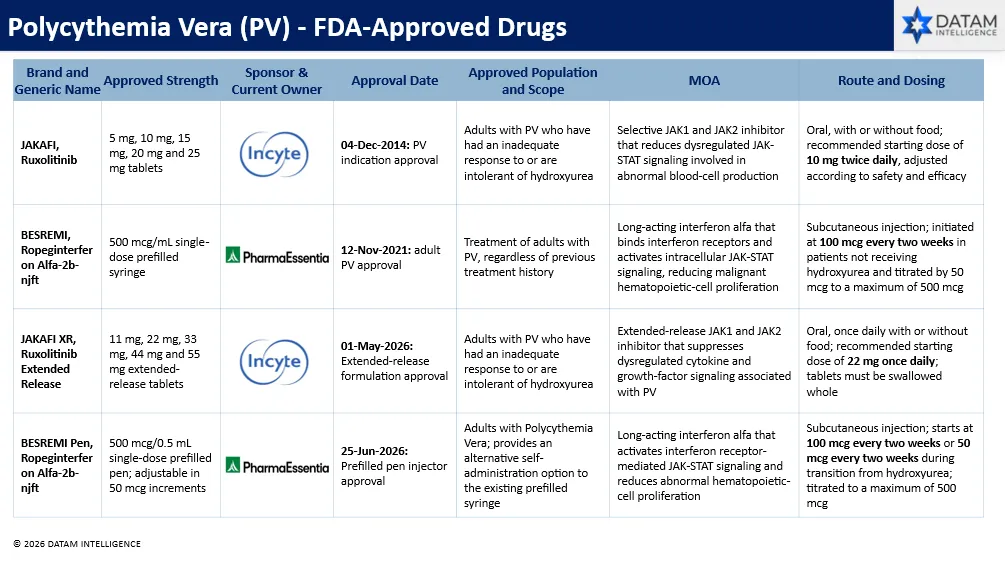
- The FDA-approved Polycythemia Vera treatment landscape is led by ruxolitinib and ropeginterferon alfa-2b-njft, offering targeted Janus kinase inhibition and long-acting interferon therapy for different patient profiles. Recent formulation approvals have expanded treatment convenience while strengthening the commercial positions of Incyte and PharmaEssentia.
- JAKAFI received FDA approval in December 2014 for adults with Polycythemia Vera who have experienced an inadequate response to or are intolerant of hydroxyurea. Ruxolitinib inhibits JAK1 and JAK2 signalling, helping control hematocrit, reduce spleen volume and alleviate disease-related symptoms in eligible patients requiring second-line systemic treatment.
- BESREMi received FDA approval in November 2021 for treating adults with Polycythemia Vera, regardless of previous treatment history. Its broad indication supports use in both treatment-naïve and previously treated patients. The long-acting interferon therapy regulates abnormal blood-cell production and supports sustained control of red blood cells, white blood cells and platelets.
- JAKAFI XR received FDA approval in May 2026 as an extended-release ruxolitinib formulation for adults with an inadequate response to or intolerance of hydroxyurea. Once-daily administration provides greater treatment convenience than twice-daily JAKAFI and may support stronger adherence while extending Incyte’s established ruxolitinib franchise.
- BESREMi Pen received FDA approval in June 2026 as a single-dose prefilled pen injector. Adjustable dosing in 50 mcg increments simplifies preparation and self-administration compared with the existing prefilled syringe, potentially improving treatment consistency and supporting PharmaEssentia’s position in long-term Polycythemia Vera management.
- Competitive differentiation increasingly centres on treatment eligibility, dosing frequency, administration convenience and sustained disease control. BESREMi holds the broadest FDA-approved population while JAKAFI and JAKAFI XR remain positioned following hydroxyurea failure.
Pipeline Analysis
As of July 2026, the therapeutic pipeline for Polycythemia Vera (PV) is robust, encompassing various modalities aimed at slowing disease progression and preserving vision. Here's an overview of key investigational therapies across different classes:
| Company | Asset | Current Stage | Mechanism | Route | Modality |
| Takeda / Protagonist Therapeutics | Rusfertide (PTG-300 / TAK-121) | NDA Priority Review | Hepcidin mimetic that restricts iron availability for erythropoiesis and controls excess red-blood-cell production | Subcutaneous | Synthetic peptide |
| Italfarmaco | Givinostat | Phase III | Pan-HDAC inhibitor designed to suppress abnormal JAK2-driven transcription and malignant hematopoietic-cell proliferation | Oral | Small molecule |
Ono Pharmaceutical / Ionis Pharmaceuticals | Sapablursen | Phase III | TMPRSS6-targeting antisense therapy that increases endogenous hepcidin and reduces iron availability for erythropoiesis | Subcutaneous | Antisense oligonucleotide |
| Merck & Co. | Bomedemstat (MK-3543 / IMG-7289) | Phase II/III | LSD1 inhibitor designed to modify abnormal hematopoietic stem-cell differentiation and malignant clone activity | Oral | Small molecule |
| Disc Medicine | DISC-3405 | Phase II | Anti-TMPRSS6 antibody designed to increase hepcidin and reduce iron availability for red-blood-cell production | Parenteral | Monoclonal antibody |
| Chengdu Zenitar Biomedical | Flonoltinib Maleate | Phase II | JAK-family inhibitor intended to suppress dysregulated JAK-STAT signalling in PV | Oral | Small molecule |
| Kartos Therapeutics | Navtemadlin (KRT-232) | Phase II | MDM2 inhibitor that restores p53-mediated apoptosis in malignant hematopoietic cells | Oral | Small molecule |
| Silence Therapeutics | SLN124 | Phase I/II | TMPRSS6-targeting siRNA designed to increase endogenous hepcidin and restrict iron-driven erythropoiesis | Subcutaneous | siRNA |
| Mabwell | 9MW3011 | Phase I | Anti-TMPRSS6 antibody designed to increase hepcidin and regulate iron availability | Intravenous | Monoclonal antibody |
| BeBetter Med | BEBT-507 | Phase I | GalNAc-conjugated siRNA targeting TMPRSS6 to increase hepcidin and control erythrocytosis | Subcutaneous | siRNA |
| Eilean Therapeutics | ZE74-0282 | Phase I | Mutant-selective JAK2V617F inhibitor designed to preserve wild-type JAK2 signalling | Oral | Small molecule |
| Prelude Therapeutics | PRT12396 | Phase I | Mutant-selective JAK2V617F JH2-domain inhibitor intended to suppress mutant hematopoietic clones | Oral | Small molecule |
| Hangzhou GluBio Pharmaceutical | GLB-001 | Phase I | CK1α-targeting molecular-glue degrader designed to induce degradation of disease-associated proteins | Oral | Small-molecule protein degrader |
AI Impact Analysis of Polycythemia Vera (PV) Market
Artificial intelligence will increasingly influence the polycythemia vera market by improving patient identification, risk stratification and treatment monitoring. Algorithms integrating blood counts, thrombosis history, symptoms, comorbidities and molecular data could detect poorly controlled patients earlier than visit-based assessment. Predictive models may distinguish individuals likely to require cytoreduction, experience recurrent phlebotomy or respond inadequately to hydroxyurea. Combined with remote hematocrit monitoring and digital symptom tracking, these tools can support timely escalation and individualized use of interferons, JAK inhibitors and hepcidin mimetics.
Commercially, AI can strengthen trial design, site selection, patient recruitment, market forecasting and evidence generation in a heterogeneous population. Companies can use real-world data analytics to refine treatment sequencing, quantify phlebotomy burden and identify access gaps. Payers may apply AI-supported models to evaluate thrombosis avoidance, healthcare utilization and long-term value. However, fragmented datasets, limited patient numbers, algorithmic bias and uncertain validation could restrict adoption. Companies combining transparent models, interoperable data, regulatory-grade evidence and physician-friendly workflows will gain the competitive advantage.
Disruption Analysis of Polycythemia Vera (PV) Market
The polycythemia vera market is shifting from reactive blood-count control toward durable hematocrit management, symptom reduction and disease modification. Phlebotomy, aspirin and hydroxyurea remain central, but treatment limitations create space for interferons, JAK inhibitors and hepcidin mimetics. BESREMi Pen and Jakafi XR increase pressure through simpler administration, while rusfertide could establish a category focused on phlebotomy-independent control if approved. Treatment selection is therefore expanding beyond age and thrombosis history to include symptom burden, iron deficiency, molecular response and patient preference.
Commercial disruption will favor companies that can prove reduced thrombosis, fewer procedures, durable response and quality of life. New entrants must overcome established physician familiarity, specialist concentration and payer scrutiny around premium pricing. Real-world evidence, home monitoring and predictive analytics will increasingly influence patient identification, switching and reimbursement. Competitive advantage will depend on differentiated outcomes, convenient delivery, scalable manufacturing and geographic access. Assets that reduce phlebotomy burden while fitting care pathways are likely to attract licensing, partnership and acquisition interest.
Polycythemia Vera (PV) Market BCG Matrix: Company Evaluation
STAR
Incyte/Novartis and PharmaEssentia are positioned in the Star category based on their approved PV portfolios, established hematology infrastructure and influence on treatment sequencing. Incyte maintains a leading position in the United States through Jakafi, indicated for adults with inadequate response to or intolerance of hydroxyurea, while Novartis markets ruxolitinib as Jakavi internationally. The May 2026 approval of once-daily Jakafi XR further strengthened the franchise through improved dosing convenience.
PharmaEssentia has reinforced its competitive position through BESREMi, a long-acting interferon approved for adults with PV regardless of prior treatment history. The June 2026 FDA approval and launch of BESREMi Pen simplified self-administration compared with the prefilled syringe. Future leadership will depend on reimbursement, treatment persistence, earlier-line adoption and real-world evidence demonstrating durable hematologic and molecular responses, reduced thrombotic risk and improved patient outcomes.
POTENTIAL
Takeda Pharmaceutical, Protagonist Therapeutics, Ono Pharmaceutical, Ionis Pharmaceuticals, Silence Therapeutics, Disc Medicine and Prelude Therapeutics are positioned in the Potential category because of their involvement in emerging hepcidin-regulation, RNA-targeted and mutation-selective treatment platforms.
Takeda and Protagonist’s rusfertide could establish hepcidin mimetics as a new therapeutic class, supported by an FDA-accepted New Drug Application and Priority Review. Ono and Ionis are advancing sapablursen, an RNA-targeted therapy designed to increase hepcidin and reduce phlebotomy dependence. Silence Therapeutics is developing divesiran, while Disc Medicine is evaluating DISC-3405 as an anti-TMPRSS6 antibody. Prelude is pursuing mutant-selective JAK2V617F inhibition. Progression toward the Star category will depend on regulatory approval, durable hematocrit control, phlebotomy reduction, thrombosis evidence, safety, manufacturing scalability, payer acceptance and differentiation from established therapies.
Polycythemia Vera (PV) Market Dynamics
Driver Impact Analysis
| Driver | Market Growth Impact (%) | Demand Concentration | Impacted Use Case | Strategic Impact |
Expansion of the Diagnosed and Long-Term Treated PV Population | 14.8% | High in North America and Europe; increasing across Asia-Pacific | JAK2 testing, risk assessment, continuous hematocrit monitoring and lifelong pharmaceutical management | Expansion of the Diagnosed and Long-Term Treated PV Population |
Shift From Reactive Phlebotomy Toward Sustained Disease Control | 13.5% | High among symptomatic, poorly controlled and phlebotomy-dependent patients | Therapies targeting durable hematocrit control, symptom reduction, molecular response and reduced phlebotomy frequency | Shift From Reactive Phlebotomy Toward Sustained Disease Control |
Earlier Adoption of Interferons and JAK-Inhibitor Therapies | 12.7% | Concentrated in the United States, major European markets, Japan and Canada | BESREMi and BESREMi Pen for eligible adults; Jakafi and Jakafi XR following hydroxyurea failure or intolerance | Earlier Adoption of Interferons and JAK-Inhibitor Therapies |
Commercial Emergence of Phlebotomy-Sparing Hepcidin-Targeted Treatments | 11.9% | High among patients with uncontrolled hematocrit despite standard care and repeated phlebotomy requirements | Rusfertide, divesiran, sapablursen and DISC-3405 targeting iron regulation and erythrocytosis | Commercial Emergence of Phlebotomy-Sparing Hepcidin-Targeted Treatments |
Driver: Expansion of the Diagnosed and Long-Term Treated PV Population
The expansion of diagnosed and long-term treated patients is strengthening recurring demand across the PV market. A 2026 ASCO analysis estimated that 88,943 people were living with PV in the United States in 2025, equivalent to 25.6 cases per 100,000 population. Wider use of complete blood counts, JAK2 testing and specialist referral is improving identification of previously unrecognized erythrocytosis. Earlier confirmation moves patients into structured monitoring, phlebotomy and pharmacotherapy pathways, expanding the commercially addressable population beyond newly diagnosed cases.
Market growth is reinforced by PV’s chronic course and prolonged survival, which create decades of treatment and follow-up. EHA 2026 estimates placed European prevalence in 2025 between 17.7 and 30.9 per 100,000, highlighting a broad patient pool. As diagnosed patients age, more individuals cross high-risk thresholds or develop hematocrit control, symptoms and phlebotomy burden. This supports treatment escalation from phlebotomy toward hydroxyurea, interferons and JAK inhibitors. Commercial success will depend on earlier case finding, retention in hematology care and access strategies.
Restraint Impact Analysis
| Restraint | Drag on Market Growth (%) | Primary Impact Area | Impacted Use Case | Strategic Impact |
Entrenched Dependence on Low-Cost Phlebotomy and Generic Hydroxyurea | 12.9% | Treatment switching, branded-therapy uptake and physician prescribing behavior | BESREMi, Jakafi, Jakafi XR and emerging treatments competing with established first-line management | Entrenched Dependence on Low-Cost Phlebotomy and Generic Hydroxyurea |
Restrictive Reimbursement and Prior-Treatment Requirements for Branded Therapies | 11.7% | Pricing, formulary access, prior authorization and patient affordability | Interferons and JAK inhibitors requiring specialist documentation, treatment failure or intolerance evidence | Restrictive Reimbursement and Prior-Treatment Requirements for Branded Therapies |
Limited Long-Term Evidence Linking Molecular Response With Reduced Disease Progression | 10.4% | Clinical differentiation, guideline positioning and payer value assessment | Therapies claiming disease modification, JAK2 allele-burden reduction or delayed progression to myelofibrosis | Limited Long-Term Evidence Linking Molecular Response With Reduced Disease Progression |
Treatment-Limiting Toxicities, Monitoring Burden and Variable Patient Response | 9.6% | Treatment persistence, adherence, switching and eligible-patient selection | Hydroxyurea intolerance, interferon-related adverse effects, JAK-inhibitor monitoring and injectable therapies | Treatment-Limiting Toxicities, Monitoring Burden and Variable Patient Response |
Restraint: Entrenched Dependence on Low-Cost Phlebotomy and Generic Hydroxyurea
Entrenched reliance on phlebotomy and generic hydroxyurea constrains premium-therapy penetration because both are familiar, inexpensive and embedded in first-line PV pathways. Phlebotomy provides rapid hematocrit reduction without pharmaceutical acquisition costs, while hydroxyurea offers scalable oral cytoreduction across hospital and community settings. Consequently, payers and clinicians may delay interferons or JAK inhibitors until repeated phlebotomy, intolerance or inadequate control is documented. A 2026 Blood Advances analysis noted that approximately 20-25% of hydroxyurea-treated patients eventually develop resistance or intolerance.
Low upfront cost, however, can conceal operational and clinical burden. In a 2026 ASCO real-world analysis, 90% of 83 evaluable patients receiving phlebotomy had an uncontrolled hematocrit measurement, indicating that procedural availability does not guarantee sustained control. Repeated visits create coordination, travel, venous-access and iron-deficiency burdens rarely captured in drug-budget comparisons. Market conversion will depend on demonstrating new therapies reduce procedures, stabilize hematocrit and prevent thrombotic events. Without payer recognition of downstream benefits, conventional management will continue suppressing adoption and revenue expansion.
Polycythemia Vera (PV) Market Segment Analysis
The global polycythemia vera (PV) market is segmented based on the drug class, drug type, molecule type, route of administration, patient risk category, treatment line, age group, therapeutic setting, distribution channel and region.
JAK Inhibitors Lead Current Market Value While Interferons Drive the Next Growth Phase
Janus kinase inhibitors represented the dominant drug-class segment in 2025, generating an estimated US$0.74 billion. Leadership reflects ruxolitinib’s premium pricing, use among patients with inadequate response or intolerance to hydroxyurea and ability to deliver hematocrit control, spleen reduction and symptom improvement. The 2026 U.S. approval of once-daily Jakafi XR strengthens this franchise by improving convenience and supporting treatment persistence. Nevertheless, antimetabolites remain dominant by treated-patient volume because generic hydroxyurea is inexpensive, widely available and positioned as first-line cytoreduction across major healthcare systems.
Interferons are projected to be the fastest-growing established drug class, expanding at an estimated 12.6% CAGR during 2026-2035. Growth is supported by BESREMi adoption, earlier cytoreductive intervention and physician interest in durable hematologic and molecular responses. The 2026 Canadian approval, U.S. pen launch and Japanese high-dose regimen broaden commercial reach and reduce administration barriers. Hepcidin mimetics could grow faster following commercialization, but their pre-commercial 2025 base prevents a reliable CAGR comparison. Segment competition will increasingly center on phlebotomy reduction, thrombosis-risk management, molecular response, tolerability, dosing frequency and reimbursement evidence, shifting market value from reactive blood-count control toward sustained disease modification.
Polycythemia Vera (PV) Market Geographical Penetration
U.S. Polycythemia Vera (PV) Market Landscape
The U.S. represents the largest polycythemia vera market, supported by access to blood counts, JAK2 testing, hematology networks and specialty-drug reimbursement. An ASCO 2026 analysis estimated 88,943 people living with PV in 2025, equivalent to 25.6 cases per 100,000 population. Demand remains anchored in phlebotomy, aspirin and hydroxyurea, while interferon therapy and ruxolitinib capture patients requiring hematocrit control or alternatives following hydroxyurea intolerance. Commercial opportunity is concentrated in diagnosed patients with persistent phlebotomy dependence, uncontrolled counts or treatment-limiting toxicity.
Competition is shifting from reactive blood-count management toward convenient, phlebotomy-sparing and potentially disease-modifying treatment. In May 2026, the FDA approved once-daily Jakafi XR for adults with PV who respond inadequately to or cannot tolerate hydroxyurea, improving dosing choice within the JAK-inhibitor segment. Near-term market development will depend on uptake of BESREMi, conversion to Jakafi XR and regulatory progress for rusfertide. Manufacturers must demonstrate sustained hematocrit control, fewer phlebotomies, tolerable safety and payer-relevant reductions in thrombosis-related healthcare utilization.
Canada Polycythemia Vera (PV) Market Outlook
Canada’s polycythemia vera market is transitioning from phlebotomy-led management toward use of disease-controlling pharmacotherapy. Demand is concentrated within provincial cancer systems and hematology centres, where aspirin and hydroxyurea remain foundational because of established practice and lower costs. Commercial expansion is constrained by provincial reimbursement reviews, listing agreements and uneven specialist access. In March 2025, Health Canada permitted importation of U.S.-authorized BESREMi during a PEGASYS shortage, revealing demand for interferon therapy and vulnerability in treatment supply.
The July 2026 Health Canada approval of BESREMi for adults with PV materially strengthens the market outlook by introducing an authorized interferon option for long-term hematologic and molecular control. Adoption will depend on provincial formulary inclusion, clinician education, patient selection and evidence demonstrating reduced phlebotomy requirements and durable response relative to existing care. Opportunities also exist for ruxolitinib in hydroxyurea-intolerant patients and emerging hepcidin-targeted therapies. Manufacturers should prioritize Canadian real-world evidence, bilingual patient support and province-specific access strategies to convert regulatory approval into sustained uptake.
Japan Polycythemia Vera (PV) Market Outlook
Japan’s polycythemia vera market benefits from universal health coverage, hematology infrastructure and an ageing population that supports diagnosis of this older-adult disease. Treatment remains centred on phlebotomy, antiplatelet therapy and cytoreduction, with hydroxyurea used and ruxolitinib positioned after inadequate response or intolerance. BESREMi is expanding the interferon segment among adults resistant or intolerant to therapies, although physician familiarity, laboratory monitoring and reimbursement conditions will shape adoption across university hospitals and regional cancer centres.
Commercial momentum strengthened in March 2026 when Japan’s Ministry of Health, Labour and Welfare approved an accelerated high-dose BESREMi regimen. Patients can reach 500 micrograms by week four, versus approximately four to four-and-a-half months under earlier titration, while the supporting Japanese Phase III study reported a 57.1% complete hematologic response at week 24. Faster dose optimization could improve disease control and treatment persistence. Future growth will depend on wider interferon use, Japanese real-world outcomes and development of phlebotomy-sparing agents, including rusfertide, supported by locally relevant clinical evidence.
Germany Polycythemia Vera (PV) Market Trends
Germany represents an important European polycythemia vera market, supported by statutory insurance coverage, molecular diagnostics and nationwide hematology practices. A German claims study published in 2025 estimated PV prevalence at 28.6 per 100,000 and classified 83.2% of patients as high risk based on age or thromboembolic history. These demographics sustain demand for phlebotomy, aspirin and cytoreductive therapy, while an ageing population expands the pool requiring thrombosis-risk management.
Treatment is shifting toward earlier, sustained disease control using ropeginterferon alfa-2b and ruxolitinib, but execution gaps create commercial white space. The 2025 study found that 43.6% of high-risk patients received no cytoreductive treatment, indicating undertreatment despite guideline-based need. Germany’s evidence-driven reimbursement environment favors therapies demonstrating durable hematocrit control, fewer phlebotomies, symptom improvement and acceptable long-term safety. Future growth will depend on identifying inadequately controlled patients, expanding interferon use and generating German real-world evidence for emerging hepcidin mimetics and JAK2-selective agents. Companies should prioritize specialist education, sequencing evidence and robust payer-relevant outcome documentation.
Polycythemia Vera (PV) Market Competitive Landscape
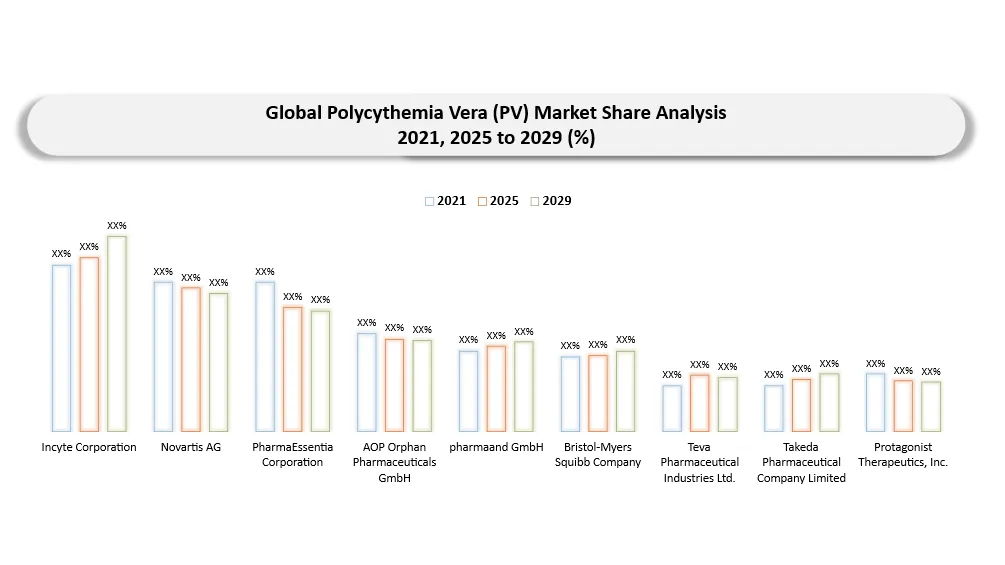
- The global polycythemia vera market is concentrated around Incyte, Novartis and PharmaEssentia, supported by hematology networks, regulatory expertise and specialist relationships. Incyte commercializes Jakafi and Jakafi XR in the United States, while Novartis markets ruxolitinib as Jakavi across markets. PharmaEssentia differentiates BESREMi through its disease-modifying positioning, extended dosing interval and 2026 pen-device launch, which simplifies self-administration. Generic hydroxyurea suppliers, including Teva and Bristol Myers Squibb, retain relevance because cytoreduction remains embedded in first-line management. Competition increasingly centers on hematocrit durability, phlebotomy reduction, molecular response, symptom control, safety and administration convenience.
- Pipeline competition is led by Protagonist Therapeutics and Takeda, whose rusfertide program could establish hepcidin mimetics as a new class for phlebotomy-dependent patients if approved. Challengers such as Disc Medicine, Ionis, Silence Therapeutics, Prelude Therapeutics, Eilean Therapeutics and Cogent Biosciences are pursuing iron-regulation, RNA-targeted and mutation-directed approaches. Commercial advantage will depend on demonstrating fewer phlebotomies, reduced thrombotic risk, durable control and compatibility with existing therapy. Companies with differentiated evidence, scalable manufacturing, payer-ready health economics and regional access will be best positioned to secure prescribing uptake, reimbursement, licensing partnerships and value.
Key Companies of Polycythemia Vera (PV) Market
- Incyte Corporation (United States)
- Novartis AG (Switzerland)
- PharmaEssentia Corporation (Taiwan)
- AOP Orphan Pharmaceuticals GmbH (Austria)
- pharmaand GmbH (Austria)
- Bristol-Myers Squibb Company (United States)
- Teva Pharmaceutical Industries Ltd. (Israel)
- Takeda Pharmaceutical Company Limited (Japan)
- Protagonist Therapeutics, Inc. (United States)
- Italfarmaco S.p.A. (Italy)
- Ono Pharmaceutical Co., Ltd. (Japan)
- Ionis Pharmaceuticals, Inc. (United States)
- Merck & Co., Inc. (United States)
- Silence Therapeutics plc (United Kingdom)
- Disc Medicine, Inc. (United States)
- Prelude Therapeutics Incorporated (United States)
- Eilean Therapeutics LLC (United States)
- BeBetter Med Inc. (China)
- Vanda Pharmaceuticals Inc. (United States)
- Cogent Biosciences, Inc. (United States)
Polycythemia Vera (PV) Market Major Pain Points
- Delayed Diagnosis and Uneven Patient Follow-Up: PV may remain undiagnosed because early symptoms such as fatigue, headache and pruritus are nonspecific. Limited JAK2 testing, specialist availability and structured monitoring can delay diagnosis and treatment initiation, particularly in underserved markets.
- Incomplete and Inconsistent Hematocrit Control: Many patients experience hematocrit fluctuations or require frequent therapeutic phlebotomy despite existing management. Failure to maintain hematocrit below 45% increases thrombotic and cardiovascular risk while indicating inadequate disease control.
- Heterogeneous Treatment Response: Differences in age, thrombosis history, symptom burden, phlebotomy dependence, hydroxyurea tolerance and disease biology complicate therapy selection. Responses to hydroxyurea, interferons and JAK inhibitors vary, limiting standardized treatment sequencing.
- High Treatment and Phlebotomy Burden: Repeated phlebotomy, laboratory monitoring, oral medication and long-term injections create practical and psychological burdens. Frequent blood removal can also contribute to iron deficiency, fatigue, concentration difficulties and reduced quality of life.
- Limited Long-Term Patient-Relevant Evidence: Hematocrit control remains a central clinical endpoint, but comparative evidence linking therapies with sustained thrombosis prevention, molecular remission, delayed disease progression and improved survival remains limited. Evidence gaps complicate treatment differentiation and payer assessment.
- Complex Pricing, Reimbursement and Access Requirements: Premium branded therapies, molecular testing and lifelong monitoring create substantial economic pressure. Differences in reimbursement, prior-authorization criteria, specialist access and availability of advanced treatments restrict equitable adoption across countries and patient populations.
Polycythemia Vera (PV) Market Recent Developments
- August 2026: Silence Therapeutics announced positive topline results from the Phase II SANRECO trial of divesiran in PV, strengthening its potential to provide durable hematocrit control and reduce phlebotomy dependence.
- July 2026: Disc Medicine completed enrollment in the Phase II RESTORE-PV trial of DISC-3405, advancing an anti-TMPRSS6 monoclonal antibody designed to increase hepcidin and control erythrocytosis.
- July 2026: PharmaEssentia received Health Canada approval for BESREMi for adults with PV, expanding the company’s North American commercial presence and access to long-acting interferon therapy.
- June 2026: PharmaEssentia received FDA approval and launched the BESREMi Pen for adults with PV, introducing a more convenient self-administration option than the existing prefilled syringe.
- May 2026: Incyte received FDA approval for Jakafi XR, a once-daily extended-release ruxolitinib formulation for eligible adults with PV who are intolerant of or inadequately controlled by hydroxyurea.
- March 2026: The FDA accepted the New Drug Application for rusfertide and granted Priority Review, moving Takeda and Protagonist Therapeutics’ potential first-in-class hepcidin mimetic closer to commercialization.
- December 2025: Takeda and Protagonist Therapeutics presented 52-week Phase III VERIFY results for rusfertide, supporting sustained hematocrit control, reduced phlebotomy requirements and continued regulatory advancement.
- March 2025: Ono Pharmaceutical and Ionis Pharmaceuticals entered a global licensing agreement for sapablursen, combining RNA-targeted drug development with global clinical and commercialization capabilities in PV.
Analyst View / Opinion on Polycythemia Vera (PV) Market
- The market is shifting from reactive hematocrit management through repeated phlebotomy toward pharmacotherapies that maintain blood-count control, reduce symptoms and potentially modify the underlying disease course.
- BESREMi is strengthening interferon use across earlier treatment settings, while Jakafi and once-daily Jakafi XR remain important options for patients who respond inadequately to or cannot tolerate hydroxyurea.
- Treatment selection will increasingly depend on thrombotic-risk status, age, previous thrombosis, phlebotomy frequency, symptom burden, hydroxyurea response, JAK2 mutation burden, tolerability and patient preference.
- Rusfertide and other hepcidin-pathway therapies could establish a new treatment class by controlling hematocrit and reducing phlebotomy dependence, while JAK2 mutation-selective therapies may introduce more targeted disease modification.
- Sustainable market leadership will require evidence demonstrating fewer phlebotomies, reduced thrombotic events, durable hematologic and molecular responses, improved quality of life and manageable long-term safety.
- Commercial success will also depend on specialist education, treatment-sequencing evidence, reliable supply, patient-support services, real-world outcomes and payer-focused evidence demonstrating reduced complication-related healthcare utilization.
Polycythemia Vera (PV) Market Target Audience
| INDUSTRY | WHO SHOULD BUY THIS REPORT? | REASON TO BUY THIS REPORT |
| Pharmaceutical and Biotechnology Companies | PV drug developers, commercial pharmaceutical companies and rare-hematology biotechnology firms | Assess market potential, treatment gaps, competitive positioning and commercialization opportunities across approved and investigational PV therapies. |
| Molecular Diagnostic Companies | JAK2 testing providers, molecular laboratories, biomarker developers and clinical decision-support companies | Identify opportunities in earlier diagnosis, mutation assessment, treatment selection, disease monitoring and progression-risk evaluation. |
| Healthcare Providers | Hematologists, oncologists, hospitals, specialty clinics and myeloproliferative neoplasm treatment centers | Understand treatment evolution, risk stratification, therapy sequencing, phlebotomy management and emerging standards of PV care. |
| Payers and Market-Access Organizations | Health insurers, pharmacy-benefit managers, health-technology assessment bodies and reimbursement consultants | Evaluate treatment eligibility, reimbursement requirements, budget impact and outcomes evidence for premium-priced PV therapies. |
| Patient Advocacy and Support Organizations | Myeloproliferative neoplasm associations, rare-disease foundations, caregiver groups and patient-support networks | Assess unmet needs related to symptom burden, phlebotomy dependence, treatment adherence, quality of life and equitable therapy access. |
| Government and Regulatory Bodies | Regulatory agencies, public-health authorities, disease-surveillance programs and healthcare policymakers | Support regulatory assessment, treatment-access frameworks, clinical guidance, disease surveillance and national rare-cancer strategies. |
| Investors and Financial Services | Private-equity firms, venture-capital investors, institutional investors and investment banks | Evaluate market attractiveness, pipeline value, clinical and regulatory risks, licensing opportunities and acquisition prospects. |
| Market Research and Consulting Firms | Strategy consultancies, competitive-intelligence teams and healthcare market-research firms | Support market-entry planning, portfolio strategy, competitive benchmarking, opportunity assessment and commercial due diligence. |
| Research Organizations | Clinical research organizations, academic institutions, universities and translational research centers | Analyze clinical-trial activity, patient recruitment, biomarker development, JAK2 biology and remaining research gaps. |
| Distributors and Specialty Pharmacies | Specialty pharmacies, hospital pharmacies, pharmaceutical distributors and home-delivery providers | Assess distribution models, supply requirements, patient-support services and channel opportunities for oral and injectable PV therapies. |
Why Choose DATAM?
- Data-Driven Insights: Access granular PV intelligence covering market size, drug-class shares, pricing, diagnosed and treated populations, risk-group segmentation, phlebotomy burden, clinical pipelines, competitive positioning and regional access dynamics, supported by primary interviews with industry experts.
- Post-Purchase Support and Expert Analyst Consultations: Engage directly with our healthcare analysts for customized guidance on patient segmentation, treatment sequencing, portfolio positioning, market entry, competitor assessment, market-access planning and commercialization strategies.
- White Papers and Case Studies: Receive periodic insights on PV treatment innovation, regulatory developments, product launches, phlebotomy-independent approaches, disease-modifying therapies, reimbursement strategies and evolving hematologist prescribing patterns.
- Annual Updates on Purchased Reports: Stay informed through annual updates covering regulatory approvals, clinical readouts, pipeline changes, label expansions, licensing agreements, pricing developments and competitive shifts. Terms and conditions apply.
- Specialized Focus on Emerging Markets: Gain country-specific intelligence on diagnosed PV populations, JAK2 testing, hematocrit-control practices, specialist access, therapeutic phlebotomy availability, reimbursement and commercial opportunities across high-growth emerging markets.
- Value of DataM Reports: Obtain tailored intelligence addressing specific business questions related to poorly controlled patients, thrombotic-risk groups, hydroxyurea intolerance, therapy differentiation, treatment switching, phlebotomy burden, pipeline disruption, market access and investment priorities beyond generic databases.
What DATAM Uniquely Provides
- In-depth segmentation of the polycythemia vera market by drug class, drug type, molecule type, route of administration, patient risk category, treatment line, age group, therapeutic setting, distribution channel and region.
- Competitive analysis of leading PV companies covering hematocrit control, phlebotomy reduction, thrombotic-risk management, symptom improvement, molecular response, safety, mechanism of action, dosing convenience, pipeline maturity and commercialization strategy.
- Comprehensive assessment of diagnosed and treatment-eligible populations, low-risk and high-risk patients, hydroxyurea-intolerant patients, phlebotomy-dependent patients, poorly controlled patients, JAK2 mutation status, symptom burden, progression risk, unmet clinical needs and regional treatment-access dynamics.
- Actionable intelligence on pharmaceutical pricing, reimbursement, regulatory pathways, treatment-response assessment, therapy sequencing, patient-support programs, market-access barriers, licensing activity, strategic partnerships and investment opportunities.
Analyst forecasts highlighting high-growth drug classes, commercially attractive patient populations, regional expansion opportunities and emerging competitive threats across interferons, JAK inhibitors, hepcidin mimetics, mutation-directed therapies and potential disease-modifying approaches.


























































