


Pet Longevity and Anti-Aging Market Size
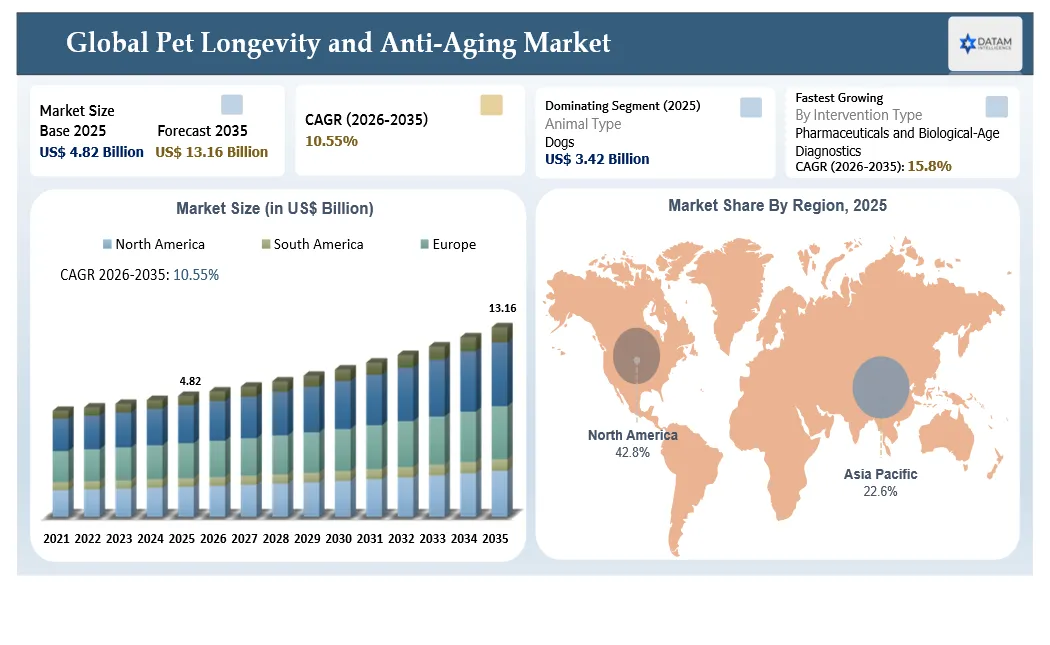
The global pet longevity and anti-aging market is estimated at US$ 4.82 billion in 2025 and is expected to reach US$ 13.16 billion by 2035, expanding at a CAGR of 10.55% during 2026-2035. The market is moving from broad wellness claims toward measurable healthspan outcomes supported by veterinary evidence, biological-age assessment, longitudinal monitoring and disease-risk reduction. Dogs currently represent the principal commercialization platform because their shorter lifespans, breed diversity, shared environment with people and established veterinary infrastructure make them useful for real-world aging research.
A major commercial signal is the progress of Loyal, which is developing LOY-001, LOY-002 and LOY-003 through the FDA Center for Veterinary Medicine expanded conditional approval pathway. In February 2025, the FDA accepted a reasonable expectation of effectiveness package for LOY-002. The pivotal STAY study has involved more than 1,000 senior dogs at about 70 veterinary clinics, making it one of the largest veterinary longevity trials. Loyal subsequently reported further safety progress and, in 2026, disclosed a US$100 million Series C that brought total funding above US$250 million. These milestones are changing how investors and established animal-health companies assess aging as a treatable veterinary target.
The research ecosystem is also scaling. The Dog Aging Project reported more than 54,000 enrolled dogs by July 2026 and continues to build open longitudinal datasets connecting genetics, environment, lifestyle and health outcomes. This supports biomarker discovery, trial recruitment and precision-veterinary models. Commercial opportunities extend beyond pharmaceuticals into senior-pet nutrition, at-home microbiome testing, genetic risk tools, mobility support, cognitive health products, insurance-linked wellness and digital monitoring. The principal market challenge is proving that products improve quality-adjusted lifespan rather than merely changing a laboratory marker.
| Metric | Details |
| 2025 Market Size | US$ 4.82 Billion |
| 2035 Projected Market Size | US$ 13.16 Billion |
| CAGR 2026-2035 | 10.55% |
| Largest Animal Segment | Dogs |
| Fastest Growing Intervention | Pharmaceuticals and biological-age diagnostics |
| Largest Region | North America |
| Fastest Growing Region | Asia-Pacific |
Pet Longevity and Anti-Aging Market Key Takeaways
- The market is progressing from supplements and senior diets toward regulated geroprotective medicines, diagnostics and integrated preventive-care programs.
- Loyal’s STAY study involves more than 1,000 dogs across approximately 70 clinics, demonstrating that large multi-site longevity trials are becoming commercially feasible in veterinary medicine.
- Loyal reported US$100 million in Series C funding during 2026, bringing total investment above US$250 million and strengthening the case for dedicated veterinary geroscience companies.
- The Dog Aging Project had more than 54,000 dogs in its research pack by July 2026, creating an unusually large longitudinal dataset for biomarker and intervention research.
- Dogs lead the market because canine owners have high emotional attachment, established clinic relationships and strong willingness to invest in mobility, cognition and chronic-disease prevention.
- Cats represent a significant underdeveloped opportunity, especially for renal health, weight management, cognitive decline, microbiome support and low-stress at-home monitoring.
- Veterinarian recommendation remains the strongest conversion mechanism for pharmaceutical and evidence-led products, while e-commerce dominates lower-risk supplements and diagnostics.
- Biological-age clocks, continuous activity data, microbiome profiles and genetic risk panels will increasingly be used to demonstrate treatment response and personalize care.
- Pricing power will depend on safety, quality-of-life evidence, ease of administration and the ability to avoid or delay expensive age-related disease episodes.
- Long-term winners will combine regulated products, longitudinal data, veterinary workflow integration and owner-facing adherence tools.
Pet Longevity and Anti-Aging Market Scope
The report defines the Pet Longevity and Anti-Aging market as the ecosystem of products, services and technologies designed to extend healthy lifespan, delay age-related decline or improve quality of life in companion animals. Coverage includes regulated therapeutics, senior-pet nutrition, supplements, diagnostics, biomarkers, regenerative interventions, microbiome products, digital monitoring and preventive-care programs. The analysis distinguishes general wellness claims from interventions requiring veterinary oversight, clinical evidence or regulatory authorization.
Market sizing is assessed across intervention type, animal type, health objective, delivery format, care setting, distribution channel, buyer type and region. The report also evaluates clinical development pathways, veterinarian adoption, owner willingness to pay, insurance participation, manufacturing scalability and evidence standards. Adjacent categories are included only where they directly contribute to healthspan management, while conventional acute-care products without a longevity or age-related prevention position are excluded from the core market estimate.
| Scope Item | Coverage |
| By Intervention Type | Longevity pharmaceuticals, geroprotectors, senior-pet nutrition, supplements, diagnostics, regenerative therapies, digital monitoring and preventive-care services |
| By Animal Type | Dogs, cats and other companion animals |
| By Health Objective | Mobility, metabolic health, cognition, renal health, immune aging, cardiovascular health, oncology risk and whole-body healthspan |
| By Delivery Format | Oral tablets and chews, functional food, powders, liquids, injectables, diagnostics, wearables and service-based programs |
| By Care Setting | Primary veterinary clinics, specialty hospitals, at-home care, tele-veterinary platforms and research networks |
| By Distribution Channel | Veterinary prescription, veterinary retail, specialty pet retail, direct-to-consumer, e-commerce and insurance-linked channels |
| By Buyer Type | Pet owners, veterinary groups, animal-health companies, insurers, research organizations and investors |
| By Region | North America, Europe, Asia-Pacific, South America, Middle East and Africa |
Why Does This Report Matter in 2026?
In 2026, the market is at a transition point. Veterinary longevity is becoming a defined investment category because regulatory progress, large clinical trials and specialist funding have moved the field beyond speculative supplements. The possibility of a conditionally approved canine longevity medicine creates downstream demand for veterinarian education, diagnostic baselines, adherence programs, pharmacy distribution, post-market evidence generation and payer experimentation. Companies need to understand which claims will remain wellness-oriented and which can move into regulated disease or lifespan-extension pathways.
The report helps decision-makers separate near-term revenue pools from longer-term scientific bets. Senior nutrition, mobility products, renal support, cognitive supplements and preventive-care subscriptions already have commercial demand. Biological-age diagnostics, prescription geroprotectors, senolytics and regenerative interventions require stronger validation but may create higher-value categories. The analysis supports portfolio prioritization, partnership selection, clinic-channel strategy, country sequencing and evidence planning.
Pet Longevity and Anti-Aging Market White Space and Investment Opportunities
- Veterinary longevity pharmaceuticals targeting metabolic dysfunction, growth hormone and IGF-1 signaling, cellular senescence, inflammation and mitochondrial decline.
- Biological-age diagnostics that combine blood biomarkers, epigenetic clocks, activity data, microbiome profiles and clinical history.
- Senior-pet care memberships integrating twice-yearly diagnostics, nutrition review, mobility assessment, dental care and tele-veterinary support.
- Cat-specific aging platforms focused on chronic kidney disease, hyperthyroidism, osteoarthritis, cognitive dysfunction and low-stress home sampling.
- Insurance-linked wellness products that reward preventive testing, healthy weight, dental care and medication adherence.
- Clinical-trial networks and veterinary data platforms that improve recruitment, retention, endpoint capture and post-market surveillance.
Pet Longevity and Anti-Aging Future Market Transformation
The market will transform from product-by-product wellness purchasing into longitudinal health management. Owners will increasingly receive a senior-pet risk profile that combines age, breed, body condition, laboratory data, activity, diet, dental status and disease history. Veterinary teams will use this information to recommend staged interventions and monitor response. Subscription models can convert episodic veterinary visits into recurring prevention programs, while insurers can use validated preventive pathways to reduce late-stage claims.
Technology will reshape evidence generation. Wearables can capture sleep, movement and activity changes between clinic visits. At-home tests can support microbiome, genetic and selected biomarker monitoring. AI can identify deterioration patterns and prioritize veterinary follow-up. The main disruption will be the emergence of regulated healthspan claims. Once a product demonstrates acceptable safety and meaningful functional outcomes, competitors will need clinical evidence rather than generic anti-aging language.
Pet Longevity and Anti-Aging Market Buyer Decision-Making Criteria
Pet owners judge longevity products through trust, veterinarian endorsement, visible quality-of-life improvement, safety, administration convenience and affordability. They are more likely to continue products when they observe better mobility, appetite, alertness, sleep or participation in family activities. Veterinarians require stronger evidence, including target-animal safety, clear mechanism, clinically relevant endpoints, manufacturing quality and transparent adverse-event information. Clinics also consider workflow burden, storage, dispensing, client education and follow-up requirements.
Animal-health companies and investors evaluate market size, regulatory pathway, intellectual property, trial duration, endpoint acceptance, manufacturing scalability and channel economics. Products intended for healthy animals face a high safety threshold because tolerance for adverse events is lower than for severe disease treatments. Successful suppliers will provide evidence packages that connect biomarkers with owner-relevant outcomes and show that improved healthspan can reduce disease-management burden.
Pet Longevity and Anti-Aging Market Economic and Investment Analysis
The investment case is supported by recurring owner expenditure, expanding senior-pet populations and the emotional value placed on additional healthy time. Loyal raised an additional US$22 million in 2025 and announced a US$100 million Series C in 2026, taking total reported investment above US$250 million. This scale is important because longevity trials require multi-year follow-up, broad clinic participation and manufacturing investment before revenue. Capital is also moving into diagnostics, microbiome science, pet genetics, regenerative medicine and data platforms.
Economic risk is concentrated in evidence generation and consumer affordability. A product that extends lifespan must be administered for long periods, making adherence and annual cost central to value. Insurers and wellness plans may become important distribution partners if interventions can demonstrate delayed onset of high-cost conditions. Investors should favor platforms with multiple revenue layers, such as diagnostics, subscriptions and therapeutics, because these can generate earlier income while drug programs mature.
- Insurance-linked prevention and wellness benefits are emerging as a route to improve affordability and adherence for long-duration interventions.
- Digital-health investment is increasing in wearables, activity analytics and AI-supported deterioration alerts that help clinics identify changes between visits.
- Animal-health and nutrition companies are pursuing licensing, partnerships and acquisitions to add longevity claims, age-specific formulations and evidence-backed ingredients.
- Veterinary groups are expanding senior-pet preventive-care plans that bundle laboratory testing, mobility review, nutrition and tele-veterinary follow-up.
- Diagnostic investment is concentrating on biological-age testing, multi-omics, microbiome analysis, genetics and at-home sampling that can support repeat monitoring.
- Funding is moving toward regulated veterinary geroscience platforms that combine drug development, clinical evidence and recurring veterinary distribution.
Pet Longevity and Anti-Aging Investment Trends in the Market
Investment is shifting toward platforms that can generate revenue before a prescription longevity medicine reaches full commercialization. Diagnostics, memberships, senior-care protocols and data services can create recurring income while therapeutic trials continue. This reduces dependence on a single regulatory event and provides access to longitudinal data that improves endpoint selection, post-market monitoring and customer retention. Strategic investors are also seeking partnerships with veterinary groups because clinic access improves recruitment, prescribing, education and real-world evidence collection.
Capital allocation is expected to favor companies with defensible intellectual property, credible safety packages and a clear path from biological mechanism to owner-relevant outcomes. Large animal-health and nutrition companies may initially enter through licensing or minority investment, then pursue acquisition after clinical and regulatory risk declines. Funding will remain selective because multi-year studies, manufacturing validation and veterinarian education create substantial cash requirements before scale is achieved.
Strategic Indicators for Pet Longevity and Anti-Aging Market
High Regulation Impact
Prescription longevity claims require FDA or equivalent veterinary regulatory review, and products administered to otherwise healthy animals face a particularly high safety threshold. Expanded conditional approval can accelerate access while effectiveness evidence continues to develop, but companies still need validated manufacturing, pharmacovigilance and transparent communication. Regulatory strategy therefore affects trial design, launch timing, label language, veterinarian confidence and the amount of capital required before commercialization.
High Investment Activity
Specialist funding is increasing around canine geroscience, large clinical trials, biomarkers and veterinary data infrastructure. Investors are backing both therapeutic developers and enabling platforms that support recruitment, remote monitoring, diagnostics and adherence. Capital remains concentrated among teams that can demonstrate regulatory engagement, multi-site clinical execution and a realistic commercialization pathway through veterinary channels.
Evidence Risk
Biological plausibility is insufficient without quality-of-life, morbidity or survival outcomes that owners and veterinarians can interpret. Surrogate biomarkers may shorten development, although they must be linked to meaningful functional change. Companies that rely on weak endpoints risk delayed adoption, pricing resistance and reputational damage across the wider category.
Pricing Pressure
Long-duration use increases lifetime cost, making monthly affordability and visible benefit central to retention. Products must demonstrate improved function, delayed disease or lower care burden rather than relying on broad longevity messaging. Tiered pricing, bundled diagnostics and insurance support may expand access, while premium pricing will require strong veterinarian endorsement and measurable outcomes.
New Technology Adoption
AI, wearables, microbiome testing, epigenetic clocks and remote monitoring can make aging measurable between clinic visits. Adoption will depend on clinical validation, integration with veterinary records and simple interpretation for owners. Technology providers that convert fragmented data into actionable care recommendations can establish recurring software, testing and service revenue.
Regional Expansion Opportunity
North America leads regulated innovation, while Japan, Europe, Australia and affluent Asian cities offer strong senior-pet and premium-care demand. Expansion strategies must account for differences in veterinary prescribing, supplement claims, insurance penetration and owner purchasing behavior. Companies should sequence countries based on regulatory clarity, clinic access and willingness to pay rather than using a uniform global launch model.
AI can combine laboratory results, breed risk, body condition, activity, sleep, diet and longitudinal medical records to identify early deterioration and personalize preventive-care schedules. Near-term commercial use will center on veterinarian decision support, trial recruitment, adherence monitoring and remote detection of mobility or cognitive decline. AI also improves clinical development by finding eligible animals, reducing missing data and identifying subgroups that respond differently. Platforms that connect algorithms with validated veterinary workflows can create recurring software and diagnostic revenue, while unsupported consumer-facing predictions will face trust and regulatory constraints.
AI Impact Analysis of Pet Longevity and Anti-Aging Market
AI can combine laboratory results, breed risk, body condition, activity, sleep, diet and longitudinal medical records to identify early deterioration and personalize preventive-care schedules. Near-term commercial use will center on veterinarian decision support, clinical-trial recruitment, adherence monitoring and remote detection of mobility or cognitive decline. AI can also reduce development cost by finding eligible animals, detecting missing data and identifying subgroups with different responses. Commercial value will depend on transparent models, veterinary oversight and integration with practice-management systems rather than unsupported consumer-facing predictions.
Disruption Analysis of Pet Longevity and Anti-Aging Market
The market is being disrupted by the movement from age-based wellness recommendations toward measurable healthspan management. Regulated geroprotective medicines can establish new endpoints and pricing benchmarks, while biological-age diagnostics and wearables can make intervention response visible between clinic visits. Subscription care and insurance-linked prevention can shift spending from episodic treatment to recurring monitoring. The largest disruption will occur when veterinary clinics combine diagnostics, medicines, nutrition and digital follow-up into a single senior-pet pathway supported by credible evidence and standardized outcome tracking.
Pet Longevity and Anti-Aging Market BCG Matrix: Company Evaluation
STAR
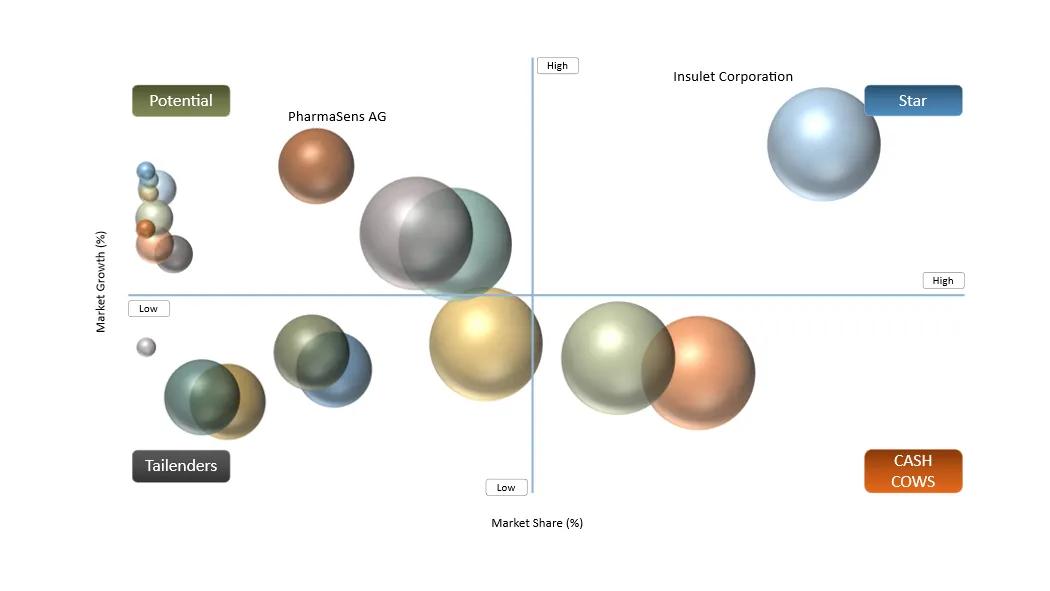
The companies like Nestlé Purina PetCare, Mars Petcare, Hill’s Pet Nutrition, Zoetis, Elanco, Boehringer Ingelheim Animal Health, IDEXX Laboratories, Royal Canin, Virbac, and Dechra Pharmaceuticals constitute the STAR quadrant in the Pet Longevity and Anti-Aging Market. Such firms derive strength from having a good market presence, extensive portfolios of veterinary healthcare products, and heavy investments in the nutritional, diagnostic and preventive healthcare needs of companion animals. With well-established distribution channels, innovations in products and increasing emphasis on healthy aging products for pets, such firms can leverage growing demand for longevity-oriented treatments and high-quality veterinary care.
POTENTIAL
Companies like Loyal, Vetoquinol, AnimalBiome, Embark Veterinary, Basepaws, PetMedix, Gallant, VetStem, PetDx, and Antech Diagnostics fall under the category of companies placed in the POTENTIAL quadrant owing to the fact that they are focusing on new longevity technologies, precision diagnostics, regenerative medicine, microbiome-based therapeutics, and disease treatment associated with age. Such companies are bringing innovations in the realm of biotechnology for veterinarians, genomic testing, stem cell therapies, and early diagnosis of diseases which are expected to get popularity in the coming years as the pet longevity market will mature.
Pet Longevity and Anti-Aging Market Dynamics
Market growth is shaped by rising senior-pet populations, stronger emotional attachment to companion animals and increased willingness to fund preventive care. Clinical progress is raising expectations, although adoption remains constrained by evidence gaps, cost and uneven veterinary access. The market will develop fastest where therapeutics, diagnostics and care delivery are connected, allowing owners and clinicians to see whether an intervention changes functional outcomes over time.
| Driver | Market Growth Impact | Demand Concentration | Strategic Impact |
| Senior-pet population and humanization | 28% | North America, Europe, Japan, Australia | Raises willingness to spend on preventive diagnostics, mobility and chronic-disease delay |
| Regulatory progress in veterinary geroscience | 24% | U.S. with global spillover | Creates a credible pathway for lifespan and healthspan products |
| Expansion of longitudinal data and biomarkers | 18% | Research networks and specialty clinics | Improves patient selection, endpoint measurement and personalization |
| Growth of preventive-care subscriptions | 15% | Veterinary groups and insurers | Converts episodic care into recurring revenue |
| Digital monitoring and AI | 12% | Connected-care households | Supports remote detection and adherence |
Driver Impact Analysis
Driver: Growing Senior-Pet Population and Humanization of Companion-Animal Care
Companion animals increasingly receive family-level healthcare decisions. Owners are willing to invest in senior diets, arthritis care, oncology, renal management, dental treatment and diagnostics when they believe the intervention preserves comfort and participation in family life. This demand is strongest in markets with high pet-insurance penetration, dense veterinary networks and premium food adoption. The opportunity is broader than lifespan extension. Products that maintain mobility, cognition, continence, appetite or sleep can create meaningful value even when survival benefits are difficult to prove.
Driver: Clinical and Regulatory Progress in Veterinary Geroscience
The FDA acceptance of a reasonable expectation of effectiveness package for LOY-002 in 2025 is an important category signal. Loyal’s programs use the expanded conditional approval pathway and the STAY trial recruited more than 1,000 dogs from roughly 70 clinics. The company later reported progress on target-animal safety and raised US$100 million in 2026. These developments reduce perceived regulatory uncertainty and encourage investment in aging biology, trial infrastructure and veterinarian education.
| Restraint | Drag on Growth | Primary Impact Area | Strategic Impact |
| Limited long-term efficacy evidence | 24% | Pharmaceuticals and biomarkers | Slows veterinarian adoption and payer support |
| High cost and unequal access | 19% | Specialist care and diagnostics | Concentrates demand among affluent owners |
| Safety threshold in healthy animals | 18% | Preventive medicines | Raises trial and pharmacovigilance burden |
| Adherence and administration burden | 14% | Daily oral products and monitoring | Reduces real-world effectiveness |
| Fragmented claims and product quality | 12% | Supplements and DTC products | Creates consumer confusion and trust risk |
Restraint Impact Analysis
Restraint: Limited Long-Term Evidence and Regulatory Uncertainty
Longevity outcomes require long follow-up, large cohorts and careful control of breed, diet, environment and baseline health. Surrogate biomarkers may shorten development, but regulators and veterinarians need evidence that biomarker changes translate into better function or survival. The STAY study is expected to run for several years, illustrating the capital and time required. Companies must plan for conditional approval obligations, post-market evidence and transparent communication about uncertainty.
Restraint: High Cost and Uneven Access to Specialist Veterinary Care
Advanced diagnostics, regenerative procedures and specialist consultations remain concentrated in metropolitan markets. Owners without insurance may prioritize acute disease treatment over preventive aging interventions. Veterinary workforce constraints can also limit adoption. Products that require repeated clinic visits or complex monitoring will face slower expansion than oral, at-home or primary-care-compatible offerings. Manufacturers need tiered pricing, clinic workflow support and clear evidence of cost avoidance.
Pet Longevity and Anti-Aging Market Segment Analysis
By Intervention Type: Pharmaceuticals and Geroprotectors Will Create the Highest Strategic Value
Prescription interventions can establish defensible claims, recurring utilization and veterinarian-led adoption. Loyal’s LOY-001, LOY-002 and LOY-003 pipeline targets age-associated metabolic and hormonal pathways. Rapamycin research through canine aging studies demonstrates interest in mTOR-related mechanisms, while future programs may address senescence, inflammation and mitochondrial function. Commercial success depends on target-animal safety, scalable manufacturing, practical dosing and endpoints that reflect mobility, cognition, disease onset or survival. Therapeutic nutrition and supplements remain larger near-term revenue pools but face weaker differentiation unless supported by randomized studies, validated biomarkers and transparent ingredient doses.
By Animal Type: Dogs Lead While Cats Represent the Largest White Space
Dogs dominate clinical research, premium supplements and mobility care. Their breed-related lifespan differences create opportunities for targeted products, particularly for large breeds with shorter expected lifespans. The canine veterinary channel also supports multi-site trials and owner-reported outcomes. Cats are underrepresented despite high prevalence of chronic kidney disease, hyperthyroidism, osteoarthritis and cognitive changes in older animals. Cat adoption requires palatable formats, low-stress sampling and home monitoring because clinic visits can be challenging. Companies that develop feline-specific endpoints and administration formats can build an underserved position.
By Health Objective: Mobility and Metabolic Aging Anchor Demand
Mobility support has visible owner value and an established pathway through osteoarthritis medicines, omega-3 nutrition, weight control, rehabilitation and regenerative approaches. Metabolic aging is emerging as the central geroscience target because body composition, insulin sensitivity, inflammation and growth-related signaling influence multiple age-associated conditions. Cognitive health is another growing segment as owners recognize sleep disruption, disorientation and altered interaction in senior pets. Multi-domain programs combining weight, mobility, cognition and laboratory monitoring may produce stronger adherence than single-claim supplements.
By Delivery Format: Oral Chews and Functional Foods Offer the Best Adherence
Daily oral chews and functional foods fit existing owner routines and reduce clinic burden. Palatability, dose consistency and calorie contribution are important, especially for weight-sensitive senior animals. Injectables can support longer dosing intervals or biological therapies but require veterinary administration and cold-chain management. At-home diagnostic kits and software subscriptions are expanding because they allow repeated measurement. The strongest product systems will pair an intervention with reminders, monitoring and veterinarian review rather than selling a standalone item.
By Care Setting: Primary veterinary clinics control conversion.
Primary clinics manage vaccination, dental care, weight, laboratory screening and chronic disease, making them the main channel for longevity programs. Specialist centers are important for oncology, cardiology, neurology, rehabilitation and regenerative medicine. Research networks are strategically valuable because aging trials require broad enrollment and standardized data capture. Home-based care will expand through tele-veterinary follow-up, connected activity monitoring and sample collection. Suppliers should design products around clinic workflow, client communication and data integration.
By Distribution Channel: Veterinary Prescription and DTC Models Will Coexist
Prescription products require veterinarian trust, dispensing support and pharmacovigilance. Supplements, foods and tests can scale through pet specialty and e-commerce, but direct-to-consumer brands must avoid unsupported disease or lifespan claims. A hybrid model is emerging in which owners discover a product online, complete testing at home and share results with a veterinarian. Insurance and wellness-plan distribution can reduce upfront cost and improve adherence. Companies should build channel-specific evidence and pricing rather than using one offer across all routes.
By Buyer Type: Pet Owners Fund Demand, Veterinary Groups Shape Adoption
Owners make the emotional and financial decision, but veterinarians determine credibility for higher-risk interventions. Corporate veterinary groups can accelerate adoption by standardizing senior-care pathways across hundreds of clinics. Animal-health companies bring regulatory, manufacturing and distribution capability, while research institutions provide biomarker and trial expertise. Insurers may become influential buyers if preventive interventions reduce claims. Partnership strategies should connect consumer engagement with clinical governance.
By Evidence Positioning: Validated Outcomes Will Separate Premium Platforms
The market contains clinically tested medicines, veterinary diets, evidence-supported supplements and loosely defined anti-aging products. Buyers will increasingly distinguish claims based on study design, sample size, endpoints and publication quality. The Dog Aging Project’s large longitudinal cohort and Loyal’s multi-site trial illustrate the scale of data needed to establish aging-related outcomes. Brands with transparent protocols, adverse-event reporting and real-world follow-up can command stronger trust and pricing.
By Technology Layer: Diagnostics and Digital Biomarkers Enable Recurring Revenue
Epigenetic clocks, microbiome profiles, genetic panels, activity trackers and laboratory trends can create a measurable baseline for aging. No single biomarker is likely to define healthspan, so platforms will combine several signals. The commercial opportunity includes testing revenue, software subscriptions, veterinarian dashboards and research partnerships. AI can identify change from an individual animal’s baseline, which may be more useful than comparing every animal with a population average.
By Commercial Model: Membership and Bundled Care Can Improve Retention
One-time supplement sales face churn and weak evidence capture. Membership models can include scheduled screening, nutrition review, medication management, mobility assessment and remote monitoring. Bundles can improve adherence and generate longitudinal data while allowing clinics to demonstrate value. The model is especially attractive for veterinary groups, insurers and premium retailers. Pricing must remain understandable and avoid creating the perception that essential care is locked behind a subscription.
Pet Longevity and Anti-Aging Market Geographical Penetration
North America Market Outlook
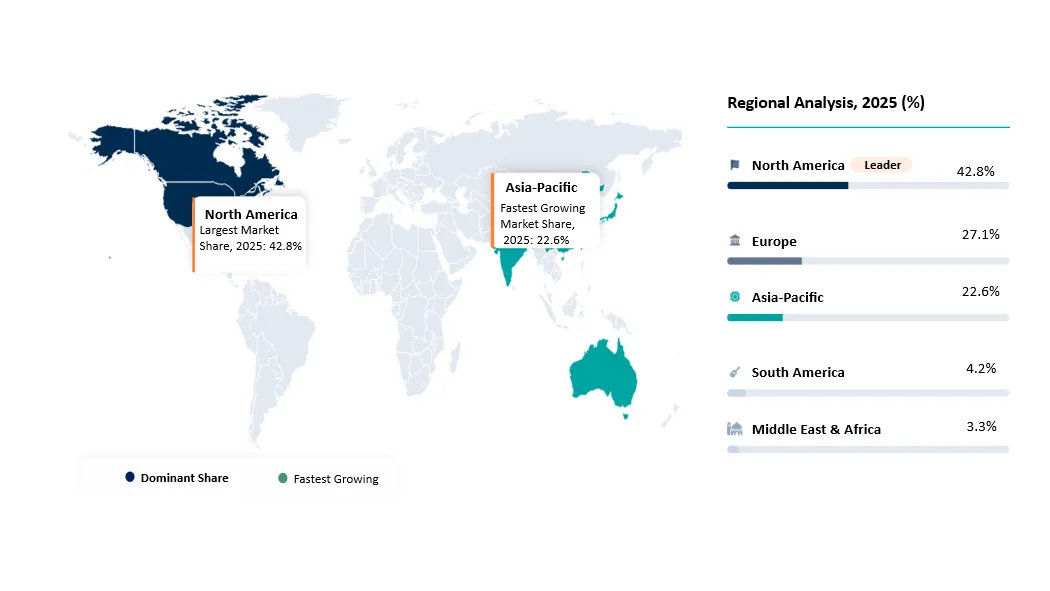
North America is the largest market because the U.S. combines high pet expenditure, specialist veterinary networks, animal-health innovation and active longevity trials. Loyal’s regulatory work and STAY trial position the U.S. as the first likely market for a prescription lifespan-extension product. Commercialization will also support demand for baseline diagnostics, pharmacy fulfillment, adherence tools and post-market evidence services. Canada offers strong premium nutrition, insurance and veterinary demand, while Mexico is more price sensitive and favors accessible supplements, diagnostics and metropolitan clinic programs. Regional success will depend on veterinarian education, clear claims and proof that recurring spending improves quality of life.
Europe Market Outlook
Europe has strong pet humanization, premium nutrition and veterinary pharmaceutical demand. The UK, Germany and France are attractive for evidence-led senior care, insurance-linked services and clinical partnerships, while Nordic countries offer high digital adoption and preventive-care spending. Regulatory claims, supplement rules and veterinary medicine approvals vary, requiring country-specific commercialization and labeling. Europe also offers opportunities in sustainable nutrition, rehabilitation and chronic-disease management. Companies should build local veterinary evidence and distributor capability before extending a common regional proposition.
Asia-Pacific Market Outlook
Asia-Pacific is the fastest-growing region. Japan has a mature senior-pet population and strong demand for functional nutrition, diagnostics, dental care and mobility support. China’s urban pet economy supports premium products and digital commerce, while Australia has high veterinary standards and an active research environment. South Korea and Singapore offer attractive premium niches, and India and Southeast Asia are earlier-stage opportunities led by metropolitan pet ownership and online retail. Market entry should emphasize species-specific formats, local clinical partnerships and pricing adapted to each city tier.
South America Market Outlook
Brazil leads regional demand through a large companion-animal population, expanding veterinary chains and premium nutrition. Argentina has strong veterinary expertise but faces affordability and currency constraints, while Chile and Colombia offer targeted urban opportunities. Regional growth will center on supplements, mobility products, nutrition and diagnostic partnerships before higher-cost longevity medicines achieve broad access. Distributor reliability, import economics and veterinarian education will be decisive because consumer awareness remains uneven outside major cities.
Middle East and Africa Market Outlook
The UAE, Saudi Arabia and Israel offer premium urban pet-care niches with strong imported-brand demand and growing specialist veterinary services. South Africa supports established veterinary, insurance and retail channels, while other African markets remain smaller and concentrated in affluent urban centers. Adoption is constrained by uneven insurance, specialist access and owner awareness. Market entry should focus on distributor quality, veterinarian education, temperature-stable products and formats suited to local logistics. High-value diagnostics and clinic-led preventive programs are likely to develop before prescription longevity medicines reach broad penetration.
| Region | 2025 Share | Opportunity |
| North America | 42.8% | Regulated longevity drugs, diagnostics, insurance-linked care |
| Europe | 27.1% | Senior nutrition, pharmaceuticals, rehabilitation and evidence-based supplements |
| Asia-Pacific | 22.6% | Premium pet care, digital commerce, diagnostics and functional nutrition |
| South America | 4.2% | Urban veterinary chains, supplements and mobility care |
| Middle East and Africa | 3.3% | Premium imported products and specialist clinics |
Pet Longevity and Anti-Aging Market Competitive Landscape
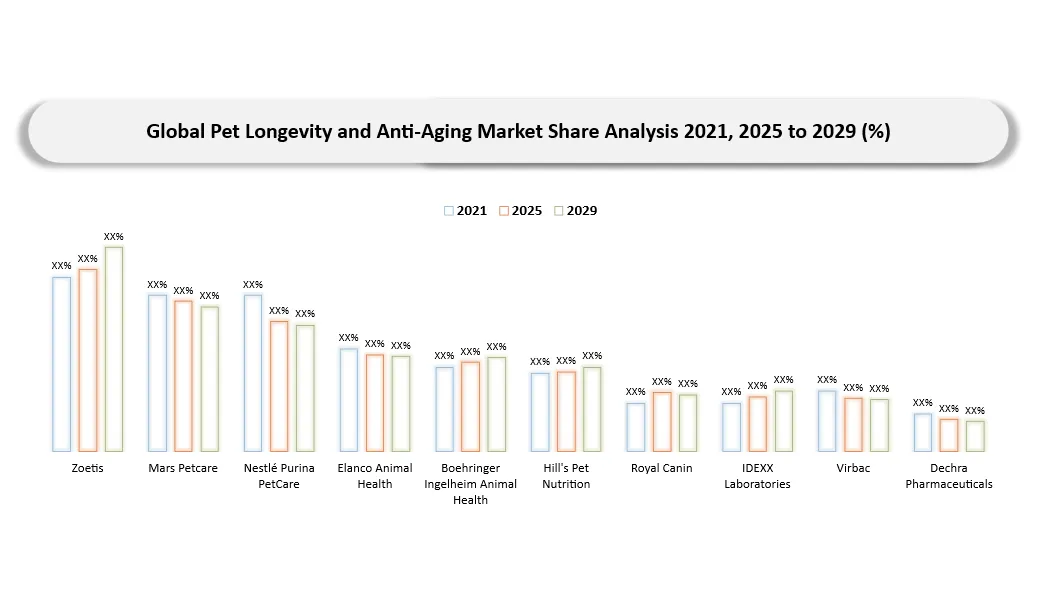
Competition spans dedicated geroscience biotechnology companies, global animal-health manufacturers, nutrition leaders, diagnostic laboratories, microbiome platforms and regenerative medicine providers. Loyal has the clearest dedicated pharmaceutical positioning, while Zoetis, Elanco, Boehringer Ingelheim and Dechra have the regulatory and veterinary-channel capabilities to enter through internal R&D, licensing or acquisition. Mars Petcare, Nestlé Purina, Hill’s and Royal Canin control major nutrition and clinic touchpoints. IDEXX, Antech, Embark, Basepaws and microbiome companies can support biological-age and risk-monitoring layers.
Competitive advantage will depend on evidence, data access and channel integration. A company with a promising molecule but no veterinary network may struggle with trial recruitment and education. A nutrition brand with broad distribution may lack permission to make strong healthspan claims. Partnerships between biotechnology, diagnostics, veterinary groups and established animal-health companies are therefore likely. M&A activity may increase once a longevity drug demonstrates regulatory and commercial traction.
Key Companies
- Loyal
- Nestlé Purina PetCare
- Mars Petcare
- Hill’s Pet Nutrition
- Zoetis
- Elanco
- Boehringer Ingelheim Animal Health
- IDEXX Laboratories
- Royal Canin
- Virbac
- Dechra Pharmaceuticals
- Vetoquinol
- AnimalBiome
- Embark Veterinary
- Basepaws
- PetMedix
- Gallant
- VetStem
- PetDx
- Antech Diagnostics
Pet Longevity and Anti-Aging Market Major Pain Points
The category faces scientific, operational and commercial barriers that are more demanding than those affecting conventional wellness products. Longevity interventions require long follow-up, high owner adherence and outcome measures that remain meaningful across breeds, sizes and existing conditions. At the same time, clinics have limited capacity to explain complex risk-benefit profiles or manage frequent monitoring. These constraints increase development cost and can slow adoption even when owner interest is high.
- Long trial durations and uncertain acceptance of surrogate aging biomarkers.
- Safety expectations for preventive products administered to otherwise healthy animals.
- Owner confusion between regulated longevity medicine and low-evidence anti-aging supplements.
- High lifetime cost and inconsistent insurance coverage.
- Veterinary workforce constraints and limited time for preventive counseling.
- Difficult adherence to daily products across multi-year use.
- Lack of validated feline aging endpoints and cat-friendly delivery formats.
- Fragmented data across clinics, wearables, laboratories and owner applications.
Pet Longevity and Anti-Aging Market Recent Developments
- February 2025: Loyal announced FDA acceptance of a reasonable expectation of effectiveness package for LOY-002, supporting its expanded conditional approval pathway for senior-dog lifespan extension.
- 2025: Loyal raised an additional US$22 million, bringing reported investment at that time above US$150 million.
- Late 2025 and early 2026: Loyal reported target-animal safety progress for LOY-002, completing another major regulatory requirement.
- 2026: Loyal announced a US$100 million Series C, bringing total investment above US$250 million and supporting manufacturing, regulatory review and commercialization.
- 2026: The Dog Aging Project reported more than 54,000 dogs in its research community, reinforcing the scale of longitudinal canine aging research.
- 2026: National canine anti-aging studies continued to evaluate rapamycin-related interventions and LOY-002, increasing veterinarian and owner awareness of geroscience.
Extended Strategic Analysis
The extended strategic analysis examines the decisions that will determine whether the category develops into a durable animal-health market, including endpoint selection, clinical workflow, feline expansion, affordability, claims discipline and competitive structure.
Clinical Endpoint Design
Clinical endpoint design is the central constraint for veterinary longevity development because lifespan itself requires long observation and can be affected by breed, body size, environment and existing disease. Programs therefore need a hierarchy of outcomes that includes survival, time to major morbidity, mobility, cognition, activity, owner-reported quality of life and healthcare utilization. Biomarkers can support mechanism and subgroup analysis, although they should not replace clinically meaningful outcomes unless a clear relationship is established. Developers should pre-specify how missing data, euthanasia decisions, comorbidities and treatment crossover will be handled. Multi-site trials also require standardized assessments and digital data capture so that changes observed in one clinic are comparable with those elsewhere.
Veterinary Workflow Integration
Commercial success depends on fitting longevity care into routine veterinary practice. Clinics need clear eligibility criteria, baseline testing, prescribing guidance, monitoring intervals, adverse-event protocols and owner communication materials. Products that require complex administration or frequent specialist visits may be limited to premium referral settings, while oral therapies and bundled preventive plans can reach primary care. Integration with practice-management software, pharmacy systems and laboratory records can reduce administrative burden and improve adherence. Veterinary groups may become strategic launch partners because they provide standardized protocols, clinician education and access to longitudinal records. Suppliers should also plan for reimbursement discussions, inventory requirements and the time veterinarians need to explain uncertain long-term benefits.
Feline Longevity Opportunity
Cats represent the largest underdeveloped segment because they live long enough to experience substantial age-related disease, yet they are underrepresented in clinical research and often receive less frequent veterinary care. Chronic kidney disease, osteoarthritis, hyperthyroidism, cognitive dysfunction and weight loss create clear healthspan targets. The opportunity requires cat-specific endpoints, low-stress sampling, palatable or long-acting formulations and owner education that helps identify subtle behavioral change. At-home diagnostics, litter-based monitoring and passive activity tracking may reduce clinic stress and improve early detection. Companies should avoid transferring canine evidence directly to cats because metabolism, disease presentation and administration behavior differ. A credible feline platform could combine renal monitoring, mobility support, nutrition and tele-veterinary follow-up.
Insurance and Financial Access Models
Affordability will shape adoption because longevity interventions may continue for years and often begin before a pet has severe disease. Traditional insurance may exclude preventive products, while wellness plans can cover diagnostics, annual assessments and selected supplements. New models could link premium discounts or benefits to healthy weight, dental care, adherence and completion of recommended screening. Veterinary groups may bundle longevity pathways into monthly memberships, creating predictable owner spending and clinic revenue. For insurers, the business case depends on whether early intervention delays expensive chronic conditions or reduces emergency care. Developers should generate health-economic evidence alongside clinical outcomes, including changes in medication use, specialist visits and disease-management costs. Clear limits and transparent eligibility are essential to avoid owner confusion.
Regulatory Claims and Communication
Claims will determine how products are perceived and which channels can sell them. Regulated medicines may communicate approved effects on lifespan, morbidity or a defined age-related condition, while supplements and foods must remain within permitted structure-function or nutritional language. Overstated anti-aging claims can create enforcement risk and weaken trust in the entire category. Companies need a communication framework that separates established evidence, emerging evidence and hypothesis. Veterinarian materials should explain mechanism, safety and monitoring, while consumer materials should use understandable functional outcomes. Post-market surveillance and publication of negative or neutral findings will be important because preventive use involves healthy animals and requires a low tolerance for risk.
Competitive Scenarios to 2035
Three competitive scenarios are likely through 2035. In the first, a prescription canine longevity product achieves adoption and establishes a new veterinary pharmaceutical category, prompting licensing and acquisition activity by global animal-health companies. In the second, evidence remains mixed and the market is led by diagnostics, nutrition, mobility products and preventive-care memberships. In the third, integrated platforms combine a therapeutic, biological-age monitoring and insurance-supported care, creating the strongest recurring revenue and data advantage. Across all scenarios, established veterinary networks and trusted brands retain leverage because they control education and access. Specialist biotechnology companies can lead innovation, although partnerships will be required for manufacturing, distribution and global regulatory expansion.
Analyst View / Opinion
Pet longevity is likely to become a recognized animal-health category, but the market will reward credible healthspan improvement rather than broad anti-aging language. The first regulated canine longevity product could create a reference point for endpoints, pricing and veterinarian education. It may also increase demand for baseline testing and monitoring. Nutrition and supplements will remain important because they are accessible and familiar, although stronger evidence will be needed to defend premium pricing.
Dogs will remain the lead species through 2035, while cats represent the most attractive underdeveloped segment. The strongest businesses will use a platform approach that combines intervention, diagnostics, data and recurring care. Companies should avoid relying on a single biomarker or owner-reported claim. Regulatory strategy, post-market evidence and transparent risk communication will determine category trust.
Pet Longevity and Anti-Aging Market Target Audience
The report is designed for animal-health companies, veterinary groups, nutrition manufacturers, diagnostic laboratories, biotechnology developers, insurers, retailers, investors and research organizations. It supports decisions on portfolio entry, clinical partnerships, country prioritization, channel strategy and acquisition screening.
| Industry | Who Should Buy This Report? | Reason |
| Animal-Health Companies | Strategy, R&D, licensing and commercial teams | Assess longevity pipelines, regulatory pathways and partnership targets |
| Veterinary Groups | Medical directors and operations leaders | Design senior-care pathways and recurring preventive programs |
| Nutrition and Supplement Brands | Product, claims and innovation teams | Identify evidence gaps and premium aging opportunities |
| Diagnostics Companies | Laboratory and digital-health leaders | Develop biological-age and monitoring platforms |
| Insurers | Product and actuarial teams | Evaluate preventive-care and claims-reduction models |
| Investors | Venture capital, private equity and corporate development | Screen geroscience, diagnostics, data and clinic opportunities |
Why Choose DATAM?
DATAM connects market forecasts with clinical, regulatory and commercial decision factors. The report is structured around the questions faced by product developers, veterinary buyers and investors, including which interventions can scale, how evidence affects pricing and which markets provide the strongest combination of pet demographics, veterinary access and willingness to pay.
- Detailed 10-year market predictions by intervention, animal type, health objective, format, care setting, channel, buyer and region.
- Buyer-focused analysis covering veterinarian trust, owner adherence, claims evidence, safety and pricing.
- Regulatory and clinical intelligence covering veterinary pharmaceuticals, conditional approval and post-market evidence.
- White-space analysis across diagnostics, memberships, feline aging, microbiome science and insurance-linked prevention.
- Country-level recommendations for commercial sequencing, partnerships and channel development.
- Post-purchase analyst support for client-specific segmentation and opportunity validation.
What DATAM Uniquely Provides
The analysis goes beyond category-level sizing by linking each segment to evidence standards, buyer behavior, delivery models and partnership requirements. It identifies where diagnostics, therapeutics, nutrition and digital services can be combined into recurring care pathways, and it highlights the risks that can prevent promising science from becoming a commercially trusted product.
- Detailed 10-year forecasts by intervention type, animal type, health objective, delivery format, care setting, distribution channel, buyer type and region.
- Pipeline and regulatory analysis covering veterinary longevity medicines, expanded conditional approval, evidence requirements and post-market commitments.
- Buyer intelligence on veterinarian endorsement, owner willingness to pay, adherence, safety expectations and quality-of-life outcomes.
- White-space analysis across feline longevity, diagnostics, microbiome science, insurance-linked care and clinic-based membership models.
- Country-level commercial sequencing for North America, Europe, Asia-Pacific, South America, Middle East and Africa.
- Competitive benchmarking across pharmaceutical, nutrition, diagnostics, regenerative medicine, digital monitoring and veterinary-service platforms.
Questions This Report Answers
- How will regulated veterinary longevity medicines change senior-pet care through 2035?
- Which interventions can generate near-term revenue and which require longer clinical validation?
- Why are dogs the lead commercialization species and where is the feline opportunity?
- Which biomarkers and digital signals are most relevant to measuring healthspan?
- How should companies price and distribute products intended for long-duration preventive use?
- Which companies and partnerships are best positioned to lead the market?


























































