


Pet Diagnostics Market Size and Overview
The global Pet Diagnostics market is estimated at approximately US$ 6.4 billion in 2025 and is projected to reach approximately US$ 12.3 billion by 2035, expanding at a CAGR of about 6.7% during 2026-2035. The market is supported by rising diagnostic intensity per veterinary visit, higher use of wellness screening, recurring reagent consumption, reference-laboratory expansion and increasing adoption of specialty tests in oncology, renal disease, endocrine disorders and infectious disease.
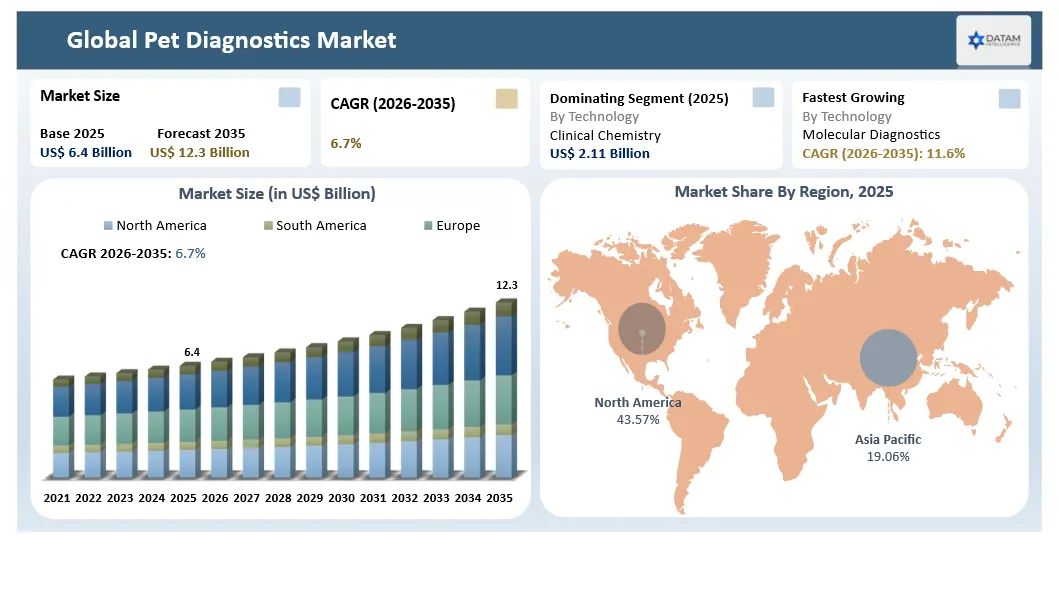
Companion-animal diagnostics is transitioning from fragmented test ordering toward integrated clinical ecosystems. Large platforms increasingly combine in-clinic analyzers, reference laboratories, imaging, software and decision-support tools. This model creates recurring consumables and laboratory revenue while improving clinic workflow. The largest opportunity remains dogs and cats because they represent the highest veterinary spending, strongest insurance penetration and broadest access to advanced diagnostics.
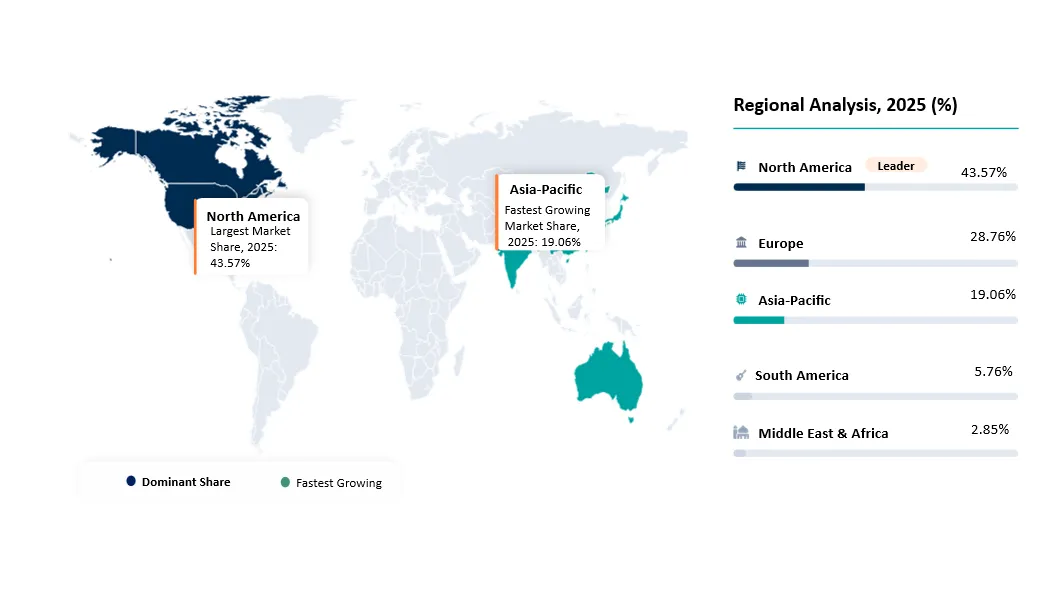
North America remains the largest regional market because of high pet healthcare spending, sophisticated veterinary infrastructure and strong penetration of in-clinic analyzers and reference laboratories. Asia-Pacific is expected to grow fastest as pet ownership expands, veterinary hospital chains scale and premium diagnostic services become more accessible in China, India, South Korea and Southeast Asia.
Pet Diagnostics Market Key Takeaways
- Recurring diagnostic revenue from consumables and reference-lab services is structurally more attractive than one-time instrument sales.
- Dogs remain the largest animal segment, while feline diagnostics is gaining importance as preventive care and chronic kidney disease screening expand.
- Clinical chemistry and immunodiagnostics remain core modalities, but molecular testing, cancer diagnostics and digital cytology are among the fastest-growing areas.
- Reference laboratories retain an important role for complex and specialty testing even as in-clinic analyzer capability expands.
- AI-enabled interpretation can shorten turnaround time for cytology, imaging and pathology while supporting clinics facing workforce constraints.
- Pet-owner affordability and softer veterinary visit trends can temporarily constrain utilization even when underlying pet-health demand remains strong.
- Integrated diagnostic ecosystems create switching costs and improve retention through instrument placements, recurring reagents, lab services and software connectivity.
Pet Diagnostics Industry Trends and Strategic Insights
- Multi-modality in-clinic platforms are expanding from chemistry and hematology into urinalysis, cytology and advanced imaging.
- Cancer testing is emerging as a strategic growth area as pets live longer and owners seek earlier detection and more personalized treatment.
- Renal screening continues to deepen through SDMA, urinalysis and longitudinal biomarker use.
- Fecal antigen and molecular infectious-disease testing are replacing or complementing conventional microscopy in higher-value workflows.
- Corporate veterinary hospital groups are standardizing diagnostic protocols and vendor relationships across large clinic networks.
- Cloud-connected analyzers and practice software are increasingly important because they consolidate results, improve workflow and support longitudinal patient data.
Pet Diagnostics Market Scope
| Metrics | Details |
| 2025 Market Size | Approx. US$ 6.4 Billion |
| 2035 Projected Market Size | Approx. US$ 12.3 Billion |
| CAGR (2026-2035) | Approx. 6.7% |
| Largest Market | North America |
| Fastest Growing Market | Asia-Pacific |
| By Product Type | Instruments & Analyzers, Consumables, Reagents & Test Kits, Imaging Systems, Software & Digital Diagnostics, Reference Laboratory Services |
| By Technology | Clinical Chemistry, Hematology, Immunodiagnostics, Molecular Diagnostics, Urinalysis, Diagnostic Imaging, Microbiology & Parasitology, Digital Pathology & AI-Assisted Diagnostics |
| By Animal Type | Dogs, Cats, Horses, Other Companion Animals |
| By Test Type | Routine Wellness & Preventive Screening, Infectious Disease Testing, Oncology Testing, Renal & Urinary Testing, Endocrine & Metabolic Testing, Gastrointestinal & Pancreatic Testing, Cardiac Testing, Genetic & Other Specialty Testing |
| By Sample Type | Blood & Serum/Plasma, Urine, Fecal Samples, Tissue, Cytology & Biopsy, Swabs & Other Samples |
| By Application | Disease Diagnosis, Health Screening & Wellness, Treatment Monitoring, Pre-Surgical & Emergency Assessment, Specialty & Referral Diagnostics |
| By End User | Veterinary Hospitals & Clinics, Reference Laboratories, Academic & Research Institutes, Home/Remote Veterinary Care, Other End Users |
| By Distribution Channel | Direct Sales, Veterinary Distributors, Reference-Lab Networks, Online & Digital Ordering, Others |
| Report Insights Covered | Competitive Landscape, Company Profiles, Market Size, Share, Growth, Ecosystem and Country-Level Opportunity |
Why does this report matter in 2026?
The year 2026 is important for pet diagnostics because industry growth is becoming more dependent on diagnostic innovation and workflow value at a time when veterinary visits and pet-owner affordability remain uneven in some markets. Clinics are under pressure to improve productivity, justify diagnostic recommendations and reduce turnaround time. This increases the strategic value of integrated analyzers, automated cytology, connected software and reference-lab networks that can deliver faster, clinically actionable results without adding substantial labor.
Product innovation is also broadening the diagnostic menu. New cancer panels, expanded fecal antigen testing, integrated kidney biomarkers and AI-supported interpretation are increasing the number of conditions that can be identified earlier. Vendors that convert installed instruments into higher recurring test utilization can expand revenue even when new clinic formation is moderate. The report therefore matters for companies deciding where to invest across analyzers, consumables, reference laboratories, AI, specialty assays and geographic expansion.
Pet Diagnostics Market White Space & Investment Opportunities
- AI-assisted cytology and digital pathology for clinics without on-site specialists.
- Cancer diagnostics covering mast cell tumors, lymphoma, biomarkers and longitudinal monitoring.
- Feline-specific preventive and chronic disease testing, particularly kidney, endocrine and gastrointestinal conditions.
- Integrated point-of-care platforms that reduce analyzer footprint while expanding menu breadth.
- Reference-lab expansion in fast-growing urban veterinary markets across Asia-Pacific and the Middle East.
- Remote sample collection, home monitoring and tele-veterinary diagnostic workflows for chronic disease management.
Pet Diagnostics Future Market Transformation
The market will increasingly move toward connected diagnostic ecosystems in which in-clinic instruments, reference laboratories, imaging and software operate as one longitudinal patient platform. Artificial intelligence will support image interpretation, cytology triage and clinical decision support. Routine wellness visits will incorporate more biomarker screening, and earlier disease detection will become a larger share of diagnostic revenue. Instrument platforms will compete on workflow simplicity, automation, menu expansion and the economic value of recurring consumables rather than hardware specifications alone.
By 2035, leading companies are likely to own deeper data relationships with veterinary practices. Diagnostic data can inform treatment pathways, population health, quality standards and research. The competitive advantage will shift toward companies that combine instrument installed base, lab network scale, proprietary biomarkers, software integration and high clinical confidence. Smaller companies can still create value through specialized molecular tests, oncology, microbiome, genetics, AI or region-specific distribution partnerships.
Pet Diagnostics Market Buyer Decision-Making Criteria
Veterinary clinics prioritize diagnostic accuracy, turnaround time, menu breadth, ease of use, analyzer uptime, sample-volume requirements and integration with practice software. Financial criteria include instrument placement terms, reagent pricing, service response, reference-lab pickup coverage and the ability to generate enough test volume to support attractive clinic economics. Corporate hospital groups also value standardized workflows, centralized contracting, utilization analytics and multi-site support.
For specialty diagnostics, buyers assess clinical validation, interpretability, sensitivity and specificity, fit with treatment decisions and owner willingness to pay. In emerging markets, distributors and local service networks are particularly important because instrument uptime and reagent availability can be stronger purchase determinants than brand alone.
Pet Diagnostics Market Economic & Investment Analysis
The market benefits from recurring revenue models. Once an analyzer is placed, chemistry slides, cartridges, reagents, controls and service create repeated purchases. Reference-laboratory networks similarly benefit from recurring test volume and route density. This economics supports premium valuations for businesses with high clinic penetration, strong consumables pull-through and expanding test menus. Investment should therefore focus on installed-base productivity, recurring revenue per practice and customer retention rather than only instrument shipment growth.
Risk is concentrated in veterinary visit softness, pricing pressure, clinic consolidation and high research costs for new assays. Companies that rely on premium tests may experience greater sensitivity when pet owners defer care. Conversely, diagnostic tools that improve clinic productivity or enable earlier intervention can remain resilient because they support medical decision-making and practice economics. M&A is likely to remain active around specialty testing, software, AI, imaging and regional reference-lab capacity.
Pet Diagnostics Investment Trends in the Market
- Capital is moving toward AI-enabled image and cytology interpretation that can reduce dependence on scarce specialists.
- Diagnostic leaders continue to invest in broader recurring test menus around existing analyzer platforms.
- Cancer and chronic-disease diagnostics are attracting investment as pets live longer and care standards rise.
- Reference laboratory capacity and logistics networks remain important because specialty tests cannot all be economically performed in-clinic.
- Software integration and cloud connectivity are becoming part of diagnostic-platform investment rather than a separate IT layer.
- Emerging-market expansion increasingly uses distributor partnerships and regional hospital chains to accelerate analyzer placements.
Strategic Indicators For Pet Diagnostics Market
High Regulation Impact
Veterinary diagnostic products must comply with product safety, quality-system, electrical, reagent, laboratory and jurisdiction-specific veterinary requirements. Clinical claims require evidence, while imaging and connected devices face additional cybersecurity and data governance expectations.
High Investment Activity
Investment is elevated in AI diagnostics, specialty biomarker tests, molecular assays, reference laboratories and integrated point-of-care platforms. Large companies continue to fund R&D and acquire capabilities that increase recurring revenue or expand clinic workflow coverage.
Supply Chain Disruption
Analyzers depend on electronics, optics, plastics, enzymes, antibodies, reagents and calibration materials. Supply interruptions can constrain instrument shipments or recurring test availability, making dual sourcing and inventory planning strategically important.
Pricing Volatility
Routine tests are relatively stable, but premium molecular, oncology and specialty panels can face greater owner price sensitivity. Reagent and service pricing is influenced by inflation, logistics and clinic purchasing power.
Procurement Pressure
Corporate veterinary groups increasingly negotiate enterprise-wide contracts for instruments, consumables and reference-lab services. Vendors must demonstrate clinical quality, service levels, utilization support and economic value across multiple sites.
New Technology Adoption
AI cytology, digital pathology, molecular panels, cloud-connected analyzers and multimodal imaging are changing the standard diagnostic workflow. Adoption is fastest when technology shortens turnaround time and requires minimal additional labor.
Regional Expansion Opportunity
China, India, Southeast Asia, the Gulf states and Latin America offer expansion as premium pet care grows. Success depends on local service, distributor capability, pricing architecture and veterinary training.
Government Policy Support
Veterinary public-health policy is more directly focused on zoonoses and animal welfare than pet diagnostics, but broader pet-health regulation, professional standards and import policy shape market access.
Pricing Intelligence
In-clinic diagnostic economics typically combine analyzer placement or purchase with recurring consumables. Reference laboratories use per-test or panel pricing, while premium assays are priced according to clinical complexity, proprietary biomarkers and turnaround time.
Disruption Analysis of Pet Diagnostics Market
AI-enabled diagnostics are disrupting traditional specialist-dependent workflows by making cytology, radiology triage and image interpretation faster and more scalable. The technology does not eliminate specialist review for complex cases, but it can change which cases are escalated and how quickly preliminary answers are available. This is particularly relevant for general-practice clinics where access to boarded specialists is limited.
At the same time, reference laboratories are being challenged by expanding point-of-care menus. The likely outcome is a hybrid model: routine chemistry, hematology, urinalysis and selected cytology move in-clinic, while advanced molecular, oncology, pathology and complex infectious-disease testing remain centralized. Vendors that participate in both settings can optimize where each test is performed rather than compete on one modality alone.
Pet Diagnostics Market BCG Matrix: Company Evaluation
STAR
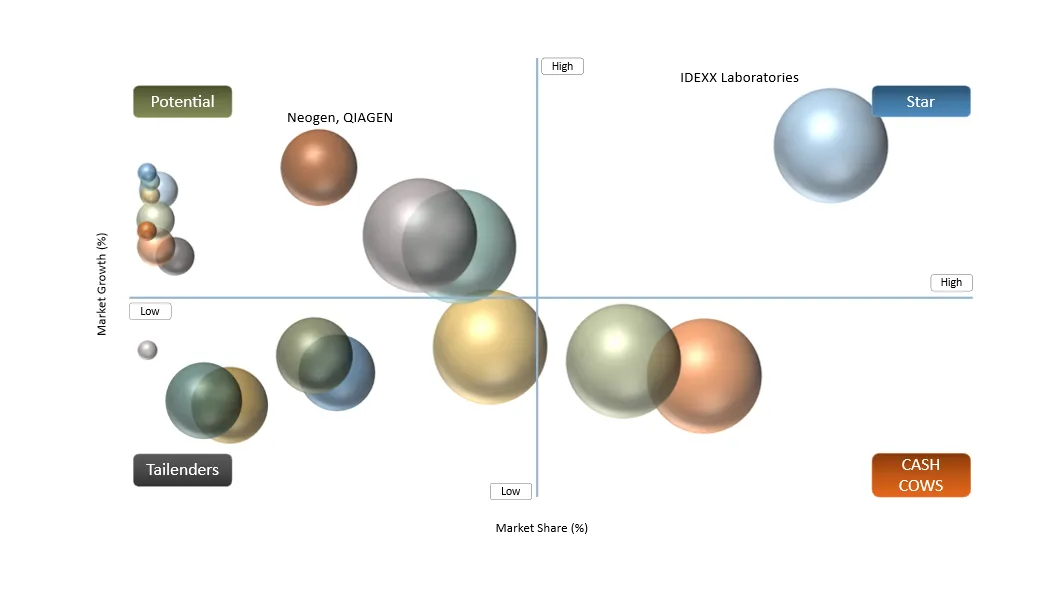
IDEXX Laboratories is positioned as a Star because of its large installed base, recurring Companion Animal Group diagnostics revenue, reference-lab network and broad innovation pipeline across in-clinic analyzers, fecal testing, kidney biomarkers, cancer diagnostics and digital workflow. Zoetis is also strategically strong through its VETSCAN platform and broad animal-health commercial reach, although diagnostics is a smaller share of total company revenue.
POTENTIAL
Neogen, QIAGEN, Thermo Fisher Scientific, bioMérieux, Virbac, VIMIAN/INDICAL and specialist diagnostic companies represent Potential players across molecular testing, sample preparation, microbiology, animal genetics and specialty workflows. Their competitive upside depends on veterinary-specific menu development, distribution access and integration into high-frequency clinic workflows.
Pet Diagnostics Market Dynamics
Driver Impact Analysis
| Driver | Market Growth Impact | Demand Concentration | Impacted Use Case | Strategic Impact |
| Higher diagnostic intensity per veterinary visit | High | North America, Europe, urban Asia-Pacific | Wellness screening and chronic disease monitoring | Expands recurring test utilization across installed analyzers and labs. |
| Aging pet population and chronic disease burden | High | Dogs and cats | Renal, endocrine, oncology and cardiac testing | Supports specialty panels and longitudinal monitoring. |
| AI and workflow automation | Medium-High | General practice and corporate clinic groups | Cytology, imaging and decision support | Reduces turnaround time and specialist bottlenecks. |
| Reference-lab and analyzer ecosystem expansion | Medium-High | Global veterinary clinics | Routine and specialty diagnostics | Creates integrated vendor relationships and higher customer retention. |
Driver: Rising Diagnostic Intensity and Earlier Disease Detection
Veterinary medicine is shifting toward earlier diagnosis and ongoing monitoring. Wellness bloodwork, kidney biomarkers, infectious disease panels and age-based screening are increasingly recommended before severe symptoms appear. This raises tests per visit and supports recurring consumables. Diagnostic platforms that combine rapid results with clear clinical interpretation can increase both medical adoption and practice revenue.
Restraint Impact Analysis
| Restraint | Drag on Market Growth | Primary Impact Area | Impacted Use Case | Strategic Impact |
| Pet-owner affordability and visit softness | High | Premium and discretionary care | Wellness and specialty testing | Can reduce test acceptance and increase focus on value-based panels. |
| High analyzer and service costs | Medium-High | Small independent clinics | Point-of-care adoption | Encourages reagent-rental, leasing and bundled service models. |
| Shortage of veterinary professionals | Medium | Clinic throughput | Complex diagnostic workflows | Supports automation but can constrain total visit capacity. |
| Uneven access in emerging markets | Medium | Regional expansion | Advanced diagnostics | Requires distributor-led service and tiered pricing. |
Restraint: Affordability and Veterinary Visit Pressure
Diagnostic demand remains linked to clinic traffic and the willingness of pet owners to accept recommended testing. Inflation and higher veterinary prices can cause some owners to defer preventive care or select fewer premium tests. Vendors are responding with workflow efficiencies, bundled panels, lower sample-volume requirements and improved evidence that demonstrates how earlier diagnosis can avoid more expensive treatment later.
Pet Diagnostics Market Segment Analysis
The global Pet Diagnostics market is segmented based on Product Type, Technology, Animal Type, Test Type, Sample Type, Application, End User, distribution channel, and region.
By Product Type
Consumables, Reagents & Test Kits Will Remain the Largest Recurring Revenue Pool
Consumables and test kits are expected to remain the largest revenue category because every installed chemistry, hematology, urinalysis or immunodiagnostic analyzer creates recurring test consumption. Reference-laboratory services also represent a large and resilient pool. Instruments are strategically important because placements seed future consumables revenue, while software and digital diagnostics should grow fastest as connectivity and AI become embedded in workflow.
By Technology
Clinical Chemistry Leads While Digital Pathology and Molecular Diagnostics Grow Fastest
Clinical chemistry remains foundational because it is used broadly for wellness, pre-surgical, emergency and chronic disease assessment. Hematology and immunodiagnostics also maintain high routine utilization. Digital pathology and AI-assisted diagnostics are expected to record faster growth as image interpretation and cytology become more automated, while molecular diagnostics expands in infectious disease, genetics and selected oncology applications.
By Animal Type
Dogs Will Continue to Account for the Largest Share
Dogs account for the largest diagnostic opportunity because of high veterinary utilization, broad disease-screening protocols and large spending on chronic disease and specialty care. Cats are a strong growth segment because feline medicine is increasing its focus on early kidney disease, endocrine disorders and preventive diagnostics. Horses and other companion animals remain more specialized and geographically concentrated.
By Test Type
Wellness Screening Leads; Oncology Testing Gains Strategic Importance
Routine wellness and preventive screening generates the broadest test volume because it spans healthy animals, aging pets and pre-surgical assessment. Oncology testing is becoming strategically important as diagnostic developers introduce tumor-specific panels, cytology automation and molecular assays. Renal testing remains another high-value area because chronic kidney disease is common in older dogs and cats.
By Sample Type
Blood and Serum/Plasma Will Remain Dominant
Blood, serum and plasma dominate because they support chemistry, hematology, endocrine, infectious disease and many specialty tests. Urine is important for renal and urinary disease, while fecal samples are gaining value through antigen-based parasite detection. Tissue and cytology samples should grow with digital pathology and oncology diagnostics.
By Application
Disease Diagnosis Will Remain the Largest Application
Disease diagnosis remains the largest application, but health screening and treatment monitoring are becoming more important as preventive medicine and chronic disease management expand. Connected analyzers can support serial monitoring and trend analysis, creating more consistent diagnostic utilization across the patient lifecycle.
By End User
Veterinary Hospitals and Clinics Control Most Testing Decisions
Veterinary hospitals and clinics remain the primary end users and control whether tests are performed in-clinic or sent to a reference laboratory. Corporate clinic groups are increasingly important because they standardize protocols and vendor contracts. Reference labs remain essential for complex pathology, molecular and specialty tests.
By Distribution Channel
Direct Sales and Integrated Lab Relationships Remain Critical
Direct sales is important for instrument placements and large hospital groups because vendors must support training, installation and service. Veterinary distributors extend reach to smaller practices and emerging markets. Reference-lab networks operate as both service providers and channels for consumables, logistics and specialist interpretation.
Pet Diagnostics Market Geographical Penetration
U.S. Pet Diagnostics Market Landscape
The U.S. is the largest national market because of high pet healthcare spending, broad veterinary clinic infrastructure, strong analyzer penetration and extensive reference-lab networks. Growth is increasingly tied to recurring diagnostic utilization, new specialty tests and workflow automation rather than simple clinic count. Corporate veterinary groups and pet-owner affordability are important demand variables.
Germany Pet Diagnostics Market Outlook
Germany has a mature veterinary market with strong diagnostic adoption, laboratory infrastructure and high standards of companion-animal care. Growth opportunities include molecular testing, advanced imaging, point-of-care analyzers and integrated lab services.
Japan Pet Diagnostics Market Trends
Japan combines an aging pet population with sophisticated veterinary care and strong demand for chronic disease diagnostics. Compact analyzers, imaging, renal testing and specialty services are particularly relevant.
China Pet Diagnostics Market Outlook
China is one of the fastest-growing opportunities as pet ownership, premium veterinary hospitals and urban pet spending expand. The market remains fragmented, creating opportunity for instrument vendors, regional reference labs and domestic diagnostic manufacturers.
Brazil Pet Diagnostics Market Outlook
Brazil has a large companion-animal population and expanding veterinary services. Market growth is supported by urban pet spending, distributor networks and rising adoption of in-clinic analyzers, although affordability and import costs remain constraints.
Middle East and Africa Pet Diagnostics Market Outlook
The Gulf states, South Africa and selected urban markets provide the strongest opportunities. Premium veterinary hospitals can support advanced testing, while broader regional adoption depends on distributor service, reagent availability and local purchasing power.
Pet Diagnostics Market Competitive Landscape
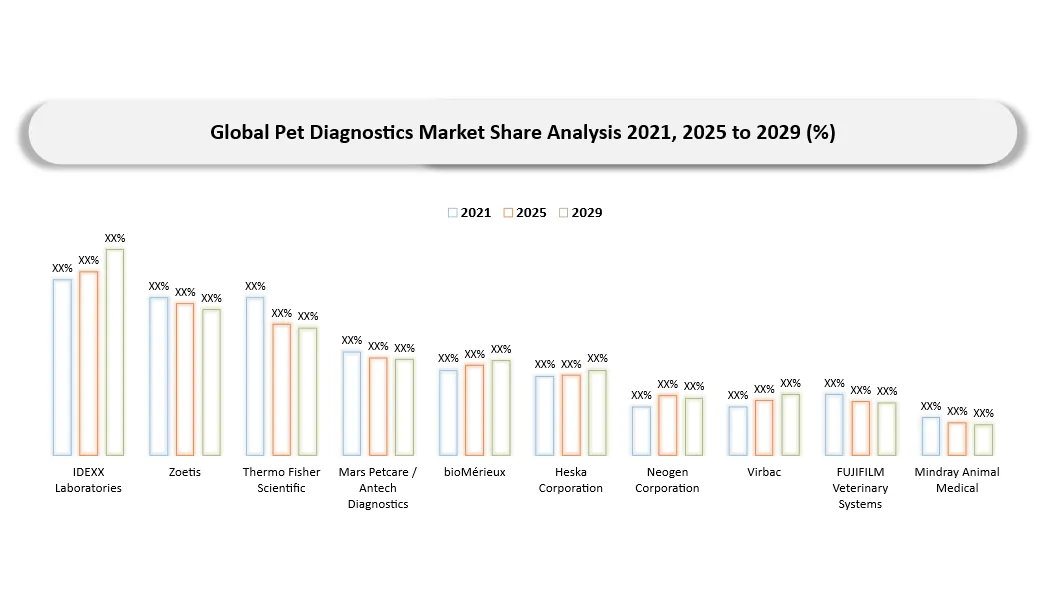
- IDEXX Laboratories leads the global pet diagnostics market through a broad installed base, recurring diagnostic consumables, reference laboratory services and an expanding portfolio across cytology, cancer, renal and infectious disease testing.
- Zoetis competes through its VETSCAN diagnostic platform and benefits from one of the largest global animal-health commercial networks.
- Mars Petcare and Antech create a vertically connected diagnostic ecosystem through veterinary hospitals, reference laboratories, imaging and specialist services.
- Competition is shifting toward integrated platforms that combine in-clinic testing, lab services, imaging, software and AI rather than isolated analyzers.
- Specialty players can differentiate in molecular diagnostics, microbiology, oncology, genetics and digital pathology even without a broad general-practice platform.
- Service quality, reagent availability, software integration, instrument uptime and test-menu innovation are increasingly important competitive differentiators.
Public Company Q1-Q2 2026 Performance Comparison
| Public Company | Q1-Q2 2026 Performance | Pet Diagnostics Exposure | Factors Driving Growth |
| IDEXX Laboratories | Q2 2026 earnings were reported in early August 2026 following Q1 results. Management continued to focus on CAG Diagnostics recurring revenue, analyzer placements, inVue Dx expansion and new cancer and fecal testing capabilities. | Highest direct exposure among public companies; pet diagnostics is the core business. | Recurring CAG Diagnostics revenue, analyzer installed base, reference labs, inVue Dx, cancer testing, SDMA integration and fecal antigen menu expansion. |
| Zoetis | Q1 2026 revenue was US$2.3B, up 3% reported. U.S. companion animal sales were pressured by lower veterinary visits and price sensitivity. | Diagnostics through VETSCAN is meaningful but smaller than the company’s pharmaceutical and vaccine portfolio. | VETSCAN analyzer adoption, clinic relationships, international reach, companion-animal healthcare spending and cross-selling with broader animal-health portfolio. |
| Neogen | Fiscal Q3 2026 revenue was US$211.2M. Animal Safety revenue declined 20.1% due primarily to third-party supplier challenges, while management raised full-year revenue guidance. | Exposure through pet health, animal safety and diagnostic/genomics capabilities. | Supply normalization, pet-health channels, animal safety products, operational transformation and portfolio focus. |
| Thermo Fisher Scientific | Q2 2026 revenue grew 10% to US$11.99B, including 5% organic growth. | Indirect but strategically relevant through molecular diagnostics, reagents, lab instruments and research tools used in veterinary diagnostics. | Stronger end markets, molecular and proteomic platforms, reagent demand and broad laboratory infrastructure. |
| bioMérieux | H1 2026 sales were €1.965B with 0.2% organic growth; microbiology grew 4.3% organically while growth platforms expanded 6%. | Primarily human diagnostics, but microbiology and molecular platforms provide adjacent veterinary diagnostic relevance. | Microbiology reagent momentum, molecular syndromic testing expertise, installed base and potential cross-application into veterinary laboratories. |
Market Ecosystem Table
| Value Chain Sector | Representative Companies | Role in Pet Diagnostics Ecosystem |
| Core diagnostic platform OEMs | IDEXX, Zoetis/VETSCAN, Mars/Antech-Heska, Mindray Animal Medical | Develop in-clinic chemistry, hematology, urinalysis, immunoassay and imaging platforms. |
| Reference laboratories | IDEXX Reference Laboratories, Antech Diagnostics, regional veterinary labs | Provide centralized pathology, molecular, microbiology and specialty testing with logistics and specialist interpretation. |
| Molecular & sample-prep suppliers | QIAGEN, Thermo Fisher Scientific, INDICAL Bioscience/VIMIAN, BioNote | Provide PCR, nucleic acid extraction, immunodiagnostics and veterinary infectious-disease assays. |
| Microbiology & specialty diagnostics | bioMérieux, Neogen, Randox, specialty veterinary labs | Provide culture, microbiology, immunoassay, biomarker and specialty diagnostic capabilities. |
| Imaging & digital diagnostics | IDEXX, Fujifilm, Mindray, Esaote, AI imaging companies | Provide radiography, ultrasound, image management and AI-assisted interpretation. |
| Consumables & components | Antibody suppliers, reagent manufacturers, microfluidics companies, plastics and electronics suppliers | Supply antibodies, enzymes, cartridges, slides, tubing, sensors and analyzer components. |
| Veterinary software | IDEXX, Covetrus, ezyVet, Vetspire and practice-management providers | Connect diagnostic orders and results with medical records, billing and clinical workflow. |
| Veterinary hospital groups | Mars Veterinary Health, National Veterinary Associates, IVC Evidensia, VetPartners | Operate clinic networks that influence diagnostic protocols, procurement and utilization. |
| Distributors | Covetrus, Patterson Veterinary, MWI Animal Health, regional distributors | Provide equipment, consumables, logistics and service reach to veterinary practices. |
| Regulators & professional bodies | FDA/CVM, USDA where applicable, European authorities, veterinary associations | Shape product claims, quality, laboratory practice, professional standards and market access. |
Key Companies of Pet Diagnostics Market
- IDEXX Laboratories
- Zoetis
- Mars Petcare / Antech Diagnostics
- Heska Corporation (Mars Petcare)
- Neogen Corporation
- Thermo Fisher Scientific
- QIAGEN
- bioMérieux
- INDICAL Bioscience / VIMIAN
- BioNote
- Mindray Animal Medical
- FUJIFILM Veterinary Systems
- Esaote
- Randox Laboratories
- Virbac
Company Profiles
IDEXX Laboratories
IDEXX is the global leader in companion-animal diagnostics, with a model built around in-clinic analyzers, recurring consumables, reference laboratories, software and a large installed base. Its strategic priorities include increasing diagnostic utilization per clinic, expanding inVue Dx capabilities, growing cancer and fecal testing, integrating SDMA more broadly and deepening software connectivity.
Zoetis
Zoetis participates through VETSCAN analyzers and diagnostic products supported by its global animal-health commercial organization. Diagnostics complements the company’s pharmaceutical and vaccine portfolio and can strengthen clinic relationships. Growth depends on analyzer placements, menu breadth, service and the ability to cross-sell within companion-animal accounts.
Mars Petcare / Antech Diagnostics
Antech operates one of the largest veterinary reference-laboratory networks and benefits from integration with Mars Veterinary Health. Its capabilities span pathology, imaging, molecular testing and specialty diagnostics. Vertical proximity to large hospital networks provides data, workflow and customer-access advantages.
Heska Corporation (Mars Petcare)
Heska is now part of Mars Petcare and contributes in-clinic diagnostic analyzers, imaging and point-of-care capabilities. Integration with Antech and Mars veterinary hospitals can create a broader clinic-to-reference-lab diagnostic platform.
Neogen Corporation
Neogen has animal safety, pet health and diagnostic capabilities, including infectious-disease, genomics and animal-health products. Its near-term performance has been affected by portfolio and supply-chain issues, but its global animal-health reach remains strategically relevant.
Thermo Fisher Scientific
Thermo Fisher provides molecular, laboratory and research technologies that support veterinary diagnostics, including PCR, mass spectrometry, reagents and sample-preparation workflows. Its role is strongest as an enabling platform supplier rather than a dedicated pet-diagnostics vendor.
QIAGEN
QIAGEN provides molecular sample preparation, PCR and assay technologies applicable to veterinary laboratories and infectious-disease testing. Its platform breadth and installed laboratory base support opportunities in molecular veterinary diagnostics.
bioMérieux
bioMérieux is a global microbiology and molecular diagnostics company. Veterinary exposure is smaller than human diagnostics, but its microbiology, culture and molecular expertise creates adjacent opportunity in specialty veterinary laboratories.
INDICAL Bioscience / VIMIAN
INDICAL focuses on veterinary molecular diagnostics and provides PCR assays, extraction products and infectious-disease testing for animal health. Its specialist positioning offers strong relevance where veterinary-specific validation is required.
BioNote
BioNote is a veterinary diagnostic company with rapid tests, immunoassays and analyzers used across companion animals and other animal health segments. It has strong relevance in infectious disease testing and international distribution.
Mindray Animal Medical
Mindray Animal Medical provides veterinary imaging, monitoring and in-vitro diagnostic systems. Its cost-performance positioning and broad equipment portfolio support expansion across Asia and other emerging veterinary markets.
FUJIFILM Veterinary Systems
FUJIFILM supplies veterinary imaging and diagnostic solutions, leveraging imaging, digital radiography and clinical technology expertise. Opportunity is strongest in higher-acuity clinics and specialty hospitals.
Esaote
Esaote is a major ultrasound and imaging supplier with veterinary applications. Diagnostic imaging demand benefits from greater use of cardiology, abdominal imaging and specialty referral care.
Randox Laboratories
Randox supplies clinical chemistry, immunoassay and quality-control technologies that can be adapted to veterinary laboratory workflows. Its niche value is strongest in laboratory testing and assay development.
Virbac
Virbac is primarily an animal-health pharmaceutical company, but its veterinary customer base and disease-management expertise make diagnostics strategically adjacent to its broader companion-animal portfolio.
Pet Diagnostics Market Major Pain Points
- Pet-owner affordability and deferral of non-urgent veterinary visits.
- Shortage of veterinarians and technicians, limiting clinic throughput.
- High analyzer acquisition and service costs for smaller practices.
- Dependence on proprietary consumables that can raise long-term clinic costs.
- Need to maintain reagent availability and instrument uptime across large installed bases.
- Uneven access to reference laboratories and specialists in rural and emerging markets.
- Clinical validation requirements for new AI and specialty diagnostics.
- Data interoperability gaps between analyzers, labs and practice-management systems.
Pet Diagnostics Market Recent Developments
- August 2026: IDEXX held its second-quarter 2026 earnings call and highlighted continued focus on Companion Animal Group diagnostics recurring revenue, inVue Dx placements, cancer testing expansion and AI-related innovation.
- May 2026: IDEXX expanded its Fecal Dx antigen testing platform with Taeniid tapeworm detection, broadening parasite-testing capability.
- May 2026: IDEXX integrated SDMA into its most commonly used Catalyst chemistry profiles, increasing routine access to kidney-health screening.
- January 2026: IDEXX expanded veterinary cancer-care capabilities with comprehensive mast cell tumor testing for dogs.
- 2026: Veterinary diagnostic suppliers continued to invest in automation, specialty tests and integrated digital workflows as clinics sought to improve productivity and diagnostic consistency.
Analyst View / Opinion on Pet Diagnostics Market
- Pet diagnostics should remain one of the more attractive recurring-revenue segments within animal health because instrument placements create long-duration consumables and service relationships.
- Near-term veterinary visit pressure can slow utilization, but the long-term trend toward higher diagnostic intensity, earlier screening and chronic disease monitoring remains intact.
- IDEXX retains the strongest integrated competitive position, while Zoetis, Antech/Mars and specialist molecular or imaging companies can win through differentiated workflows and channel access.
- AI will be most commercially valuable when embedded into high-frequency workflows such as cytology, radiology triage and decision support rather than sold as a standalone feature.
- Oncology, renal disease and molecular infectious-disease testing represent strong premium growth pools because they directly influence treatment decisions.
- Emerging-market growth will require localized pricing and service because analyzer uptime and reagent availability are critical to customer trust.
Pet Diagnostics Market Target Audience
| Industry | Who Should Buy This Report? | Reason to Buy This Report |
| Veterinary Diagnostics | Instrument OEMs, assay developers, reference labs | Assess technology adoption, recurring revenue pools and competitive positioning. |
| Animal Health | Pharma, vaccine and pet-health companies | Identify diagnostic adjacencies, partnership opportunities and disease-management ecosystems. |
| Veterinary Providers | Hospital groups, clinics and specialty centers | Benchmark diagnostic workflows, vendor models and investment priorities. |
| Laboratory & Molecular | PCR, reagent, microbiology and sample-prep companies | Evaluate veterinary-specific demand and market-entry opportunities. |
| Imaging & AI | Imaging OEMs, digital pathology and AI companies | Assess adoption of automated interpretation and specialty workflows. |
| Distribution | Veterinary distributors and service providers | Understand product demand, regional gaps and channel opportunities. |
| Investors & Consulting | PE, VC, institutional investors and strategy teams | Evaluate growth, recurring revenue, M&A targets and competitive risks. |
Why Choose DATAM?
- Data-driven insights combining market sizing, installed-base analysis, recurring consumables, reference-lab economics and country-level opportunity.
- Post-purchase analyst consultations for market entry, product strategy, partnerships and custom segmentation.
- Annual updates covering product launches, company performance, diagnostic innovation and competitive developments.
- Specialized focus on emerging veterinary markets instead of generalized healthcare analysis.
- Actionable analysis connecting technology trends with clinic economics, pet-owner behavior and distribution requirements.
What DATAM Uniquely Provides
- Ten-year forecasts across product type, technology, animal type, test type, sample type, application, end user, distribution channel and region.
- A market ecosystem view linking reagent suppliers, analyzer OEMs, reference labs, software, hospital groups and distributors.
- Public-company performance comparison tied specifically to pet-diagnostics exposure.
- Buyer-focused analysis of analyzer economics, recurring consumables, turnaround time and workflow integration.
- Country-level views linking pet ownership, veterinary infrastructure, affordability and diagnostic penetration.


























































