


Global Non-Cystic Fibrosis Bronchiectasis (NCFB) Treatment Market Size and overview
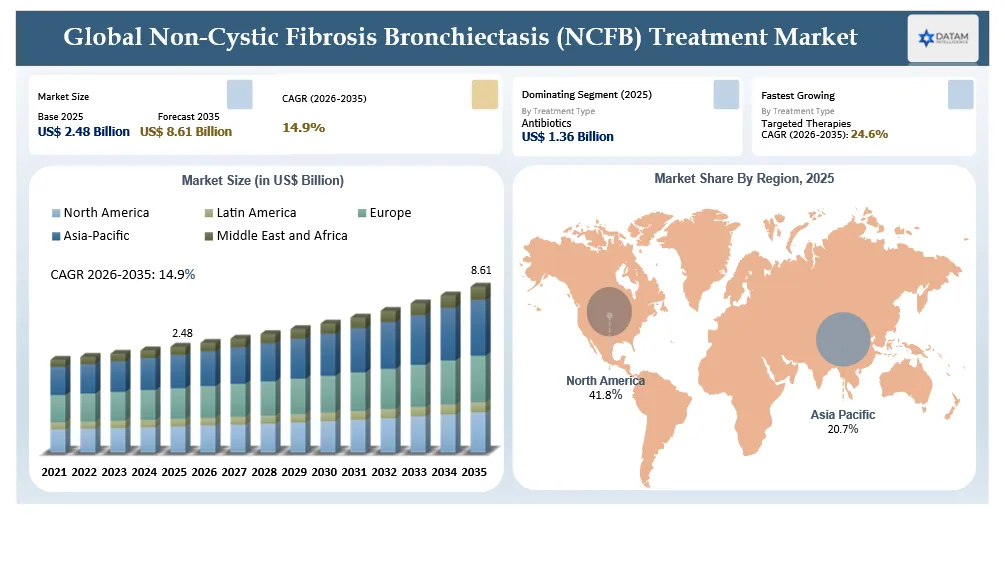
The global non-cystic fibrosis bronchiectasis (NCFB) treatment market Size reached US$ 2.48 billion in 2025 and is expected to reach US$ 8.61 billion by 2035, growing with a CAGR of 14.9% during the forecast period 2026-2035.
Growth reflects a structural transition from episodic infection management toward continuous exacerbation prevention and disease modification. Population ageing, wider use of high-resolution CT and improved identification of frequent exacerbators are expanding the addressable patient pool. Antibiotics, mucoactive agents, bronchodilators and airway-clearance therapies continue to anchor current care, but their limited impact on underlying neutrophilic inflammation leaves considerable unmet need.
BRINSUPRI (brensocatib) has materially changed the market’s regulatory and competitive profile. The U.S. FDA approved the therapy on August 12, 2025 for NCFB patients aged 12 years and older. The European Commission granted approval on November 18, 2025, followed by UK MHRA authorization on February 23, 2026 for patients with at least two exacerbations in the preceding year. Commercial competition is broadening across next-generation DPP-1 inhibitors, phenotype-directed biologics, inhaled antimicrobials, bacteriophages, nitric oxide platforms and advanced mucus-management therapies. Antibiotics retain near-term market leadership, while targeted therapies will generate the highest incremental value. Market winners will require more than regulatory approval: durable exacerbation reduction, clearly defined eligible phenotypes, long-term safety and convenient administration will determine physician uptake. Payer access will increasingly depend on evidence of fewer hospitalizations, reduced antibiotic consumption and improved quality of life, making health-economic differentiation central to pricing and commercialization strategy.
Global Non-Cystic Fibrosis Bronchiectasis (NCFB) Treatment Market Key Takeaways
- Strong Market Expansion Through 2035: The global NCFB treatment market was valued at US$ 2.48 billion in 2025 and is projected to reach US$ 8.61 billion by 2035, registering a 14.9% CAGR during 2026-2035.
- Antibiotics Retain Current Market Leadership: Antibiotics accounted for an estimated 54.8% market share, equivalent to approximately US$ 1.36 billion in 2025, reflecting their central role in managing pulmonary exacerbations and chronic bacterial airway infections.
- Targeted Therapies Become the Primary Growth Engine: Targeted therapies are projected to register a 24.6% CAGR during 2026-2035, supported by the U.S. FDA approval of BRINSUPRI (brensocatib) on August 12, 2025, as the first NCFB-specific treatment and continued development of DPP-1 inhibitors, biologics and phenotype-directed therapies.
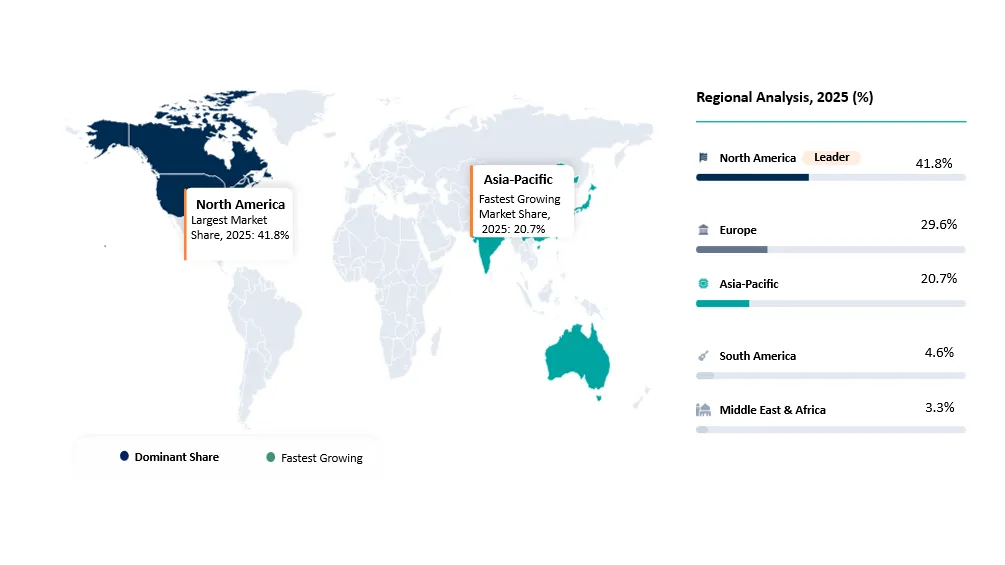
- North America Maintains Regional Dominance: North America represented an estimated 41.8% of the global market in 2025, supported by higher diagnosis rates, specialist respiratory infrastructure, advanced therapy access and early adoption of NCFB-specific treatments.
- Phenotype-Based Care Reshapes Competitive Strategy: Frequent exacerbators and patients with neutrophilic inflammation or chronic Pseudomonas aeruginosa infection represent priority commercial populations. Future market leadership will depend on durable exacerbation reduction, long-term safety, convenient administration and favourable reimbursement evidence.
Global Non-Cystic Fibrosis Bronchiectasis (NCFB) Treatment Market Industry Trends and Strategic Insights
- U.S. FDA approval of BRINSUPRI (brensocatib) on August 12, 2025 established DPP-1 inhibition as a new NCFB-specific treatment class and accelerated the shift from supportive care toward disease-modifying therapy.
- Pharmaceutical development is expanding across next-generation DPP-1 inhibitors, biologics, inhaled anti-infectives, bacteriophage therapies, nitric oxide-based treatments and advanced mucoactive agents.
- Patient stratification is becoming central to clinical and commercial strategy, with frequent exacerbators, patients with neutrophilic inflammation and individuals with chronic Pseudomonas aeruginosa infection representing priority treatment populations.
- Rising antimicrobial resistance and repeated antibiotic exposure are increasing demand for non-antibiotic anti-infective approaches and therapies capable of reducing long-term antibiotic utilization.
- Competitive leadership will depend on durable exacerbation reduction, long-term safety, treatment convenience and compatibility with existing care. Strong health-economic evidence demonstrating fewer hospitalizations and lower disease-management costs will be essential for reimbursement and broad adoption.
Global Non-Cystic Fibrosis Bronchiectasis (NCFB) Treatment Market Scope
| Metrics | Details | |
| 2025 Market Size | US$ 2.48 Billion | |
| 2035 Projected Market Size | US$ 8.61 Billion | |
| CAGR (2026-2035) | 14.9% | |
| Largest Market | North America | |
| Fastest Growing Market | Asia-Pacific | |
| By Treatment Type | Targeted Therapies, Antibiotics, Mucoactive Agents, Bronchodilators, Corticosteroids, Airway-Clearance Therapy, Other Supportive Treatments | |
| By Route of Administration | Oral, Inhaled, Intravenous, Subcutaneous, Others | |
| By Treatment Line | First-Line Treatment, Second-Line Treatment, Third-Line and Later Treatment | |
| By Disease Severity | Mild NCFB, Moderate NCFB, Severe NCFB | |
| By Treatment Intent | Exacerbation Prevention, Acute Exacerbation Management, Chronic Airway Infection Control, Neutrophilic Inflammation Control, Mucus Mobilization and Airway Clearance, Symptom and Comorbidity Management, Others | |
| By Age Group | Below 12 Years, 12 to 17 Years, 18 to 64 Years, 65 Years and Above | |
| By Treatment Setting | Home Care Settings, Specialty Respiratory Clinics, Hospital Outpatient Departments, Ambulatory Infusion Centers, Inpatient Hospital Settings, Pulmonary Rehabilitation Centers, Others | |
| By Distribution Channel | Hospital Pharmacies, Retail Pharmacies and Drug Stores, Specialty Pharmacies, Online Pharmacies, Others | |
| By Region | North America | U.S., Canada, Mexico |
| Europe | Germany, UK, France, Spain, Italy, Poland | |
| Asia-Pacific | China, India, Japan, Australia, South Korea, Indonesia, Malaysia, Singapore, Vietnam, Thailand, Philippines, Taiwan | |
| South America | Brazil, Argentina | |
| Middle East and Africa | Israel, Saudi Arabia, UAE, Turkiye, South Africa, Nigeria | |
| Report Insights Covered | Competitive Landscape Analysis, Company Profile Analysis, Market Size, Share, Growth | |
Why does this report matter in 2026?
The non-cystic fibrosis bronchiectasis (NCFB) treatment market has attained strategic importance in 2026 with the commercialization of the first-in-class drug BRINSUPRI for NCFB. The treatment modality for NCFB is transitioning from reliance on antibiotics, bronchodilators, and airway clearance therapies to disease-modifying drugs targeting neutrophil-mediated inflammation, pulmonary exacerbations, and even preservation of lung function.
An increase in the number of clinical trials for DPP-1 inhibitors, biologics, inhaled anti-infectives, bacteriophage therapies, and mucus clearance agents will drive increased competition among the players in the market. Companies have to identify what mechanism, phenotype, and clinical endpoint will allow them to differentiate from the new standard of care.
Greater awareness of the condition, greater usage of high-resolution computed tomography, and increased focus on patients having frequent exacerbations or chronic Pseudomonas aeruginosa infection are offering new commercial prospects. On the other hand, pricing, reimbursement, patient eligibility, and evidence needs for prolonged treatment will be crucial. The report provides the insights needed to compete in the evolving NCFB treatment landscape.
Global Non-Cystic Fibrosis Bronchiectasis (NCFB) Treatment Market White Space & Investment Opportunities
- Next-generation DPP-1 inhibitors present significant investment opportunities for therapies offering improved efficacy, safety, dosing flexibility and broader eligibility compared with existing treatment options.
- Patients with frequent pulmonary exacerbations, chronic Pseudomonas aeruginosa infection and rapid lung-function decline represent high-value white-space populations for phenotype-specific treatment development.
- Inhaled antibiotics, bacteriophage therapies and novel antimicrobial platforms offer opportunities to address persistent respiratory infections while reducing systemic exposure and antimicrobial-resistance risks.
- Biologics, mucus-clearance therapies and anti-inflammatory treatments targeting mechanisms beyond DPP-1 could establish differentiated positions across underserved NCFB patient phenotypes.
- Strategic licensing, regional commercialization partnerships and evidence-generation collaborations will become increasingly important as companies pursue regulatory approval, reimbursement and specialist adoption across major and emerging markets.
Global Non-Cystic Fibrosis Bronchiectasis Treatment Market Future Transformation
The NCFB treatments market is set for a structural change in treatment approach from one of generalized symptom management to disease modification and phenotypic therapy. The BRINSUPRI development has set the bar for targeted control of neutrophil-mediated inflammation as a novel treatment standard, putting pressure on pipeline developers to provide evidence of added value in terms of exacerbation reduction and preservation of lung function.
Competitive pressures will grow as future DPP-1 inhibitors compete against the incumbent, while biologics, inhaled antimicrobials, bacteriophages and mucus clearance therapies target inflammatory, infectious and mucus-associated phenotypes separately. Chronic Pseudomonas aeruginosa infection and exacerbation-prone patients will stay important target populations due to significant burden and clear treatment needs.
Market leadership will be determined by more than mere approval. Successful products will have to differentiate themselves from competitors clinically, provide convenient treatment, clearly delineate their appropriate patient population and provide health economic justification for use. Companies with an ability to match patient stratification with specialty-focused commercialization will be the most successful in this space.
Global Non-Cystic Fibrosis Bronchiectasis (NCFB) Treatment Market Buyer Decision-Making Criteria
Major Buyer Decision-Making Criteria:
- Reduction in Pulmonary Exacerbation Frequency
- Preservation of Lung Function and Symptom Improvement
- Safety, Tolerability and Long-Term Evidence
- Patient Phenotype and Treatment Eligibility
- Route of Administration and Dosing Convenience
- Compatibility with Existing Standards of Care
- Pricing, Reimbursement and Budget Impact
- Physician Experience and Clinical Guideline Support
- Patient Adherence and Treatment Burden
- Manufacturer Support and Supply Reliability
In the non-cystic fibrosis bronchiectasis (NCFB) treatment market, purchasing and formulary decisions are primarily driven by a therapy’s ability to reduce pulmonary exacerbations, preserve lung function and improve patient-relevant outcomes. Pulmonologists, hospitals and payers assess whether clinical benefits are meaningful across high-burden populations, particularly patients with frequent exacerbations, chronic Pseudomonas aeruginosa infection or progressive disease.
Safety, long-term tolerability, treatment eligibility and compatibility with antibiotics, mucoactive agents and airway-clearance therapy are central evaluation criteria. Route of administration, dosing frequency and monitoring requirements also influence adherence and real-world adoption. Payers additionally examine acquisition cost, hospitalization avoidance, antibiotic-use reduction and overall budget impact before granting reimbursement. Products supported by robust clinical evidence, clear phenotype-based positioning, guideline inclusion, reliable supply and comprehensive patient-support services will be better positioned to secure formulary access and sustained market uptake.
Global Non-Cystic Fibrosis Bronchiectasis (NCFB) Treatment Market Economic & Investment Analysis
The global non-cystic fibrosis bronchiectasis (NCFB) treatment market offers attractive investment potential as the treatment model transitions from repeated antibiotics and symptom management toward targeted, disease-modifying care. BRINSUPRI’s commercialization has validated NCFB as a distinct pharmaceutical opportunity while raising competitive benchmarks for exacerbation reduction, lung-function preservation and long-term clinical value. High development costs, lengthy trials, heterogeneous patient populations and demanding regulatory evidence requirements create significant entry barriers that favor companies with established respiratory expertise and strong clinical-development capabilities.
Sustained market expansion will be supported by improving diagnosis, an aging patient population, greater specialist awareness and growing treatment of high-burden phenotypes such as frequent exacerbators and patients with chronic Pseudomonas aeruginosa infection. Investment activity is expected across next-generation DPP-1 inhibitors, inhaled anti-infectives, biologics, bacteriophage therapies and mucus-clearance platforms.
Commercial returns will depend on achieving meaningful differentiation from emerging standards of care. Companies are therefore prioritizing licensing agreements, regional commercialization partnerships, biomarker development and health-economic evidence. Assets capable of reducing hospitalizations, repeated antibiotic use and overall treatment burden while securing favorable reimbursement are positioned to attract licensing, acquisition and institutional investment interest.
Non-Cystic Fibrosis Bronchiectasis (NCFB) Treatment Market Investment Trends
- Greater investment is moving toward disease-modifying NCFB therapies following the commercial validation of DPP-1 inhibition and the approval of BRINSUPRI.
- Pharmaceutical companies are increasing investment in next-generation DPP-1 inhibitors designed to offer stronger efficacy, broader patient eligibility, improved safety and competitive dosing profiles.
- Strategic investment in inhaled antimicrobials, bacteriophage therapies and nitric oxide platforms is expanding treatment options for patients with chronic Pseudomonas aeruginosa infection.
- Licensing agreements, regional commercialization partnerships and acquisitions are becoming important routes for accelerating pipeline development and expanding geographic market access.
- Investment in biomarker development, phenotype-based patient selection and real-world evidence is increasing to support clinical differentiation, reimbursement and specialist adoption.
- Companies are strengthening localized clinical-trial networks, manufacturing capacity and specialty distribution infrastructure to support regulatory submissions and future product launches.
Strategic Indicators for Global Non-Cystic Fibrosis Bronchiectasis (NCFB) Treatment Market
High Regulation Impact
The non-cystic fibrosis bronchiectasis (NCFB) treatment market is subject to high regulatory scrutiny because therapies are intended for long-term use in clinically heterogeneous patient populations. Regulators require robust evidence of pulmonary exacerbation reduction, safety, treatment durability and clinically meaningful patient outcomes. Trials must account for differences in disease severity, infection status, background antibiotic use and exacerbation history.
Approval of BRINSUPRI has established a clearer regulatory precedent for targeted NCFB therapies while raising the evidence benchmark for competing products. Developers of DPP-1 inhibitors, biologics, inhaled antimicrobials and bacteriophage therapies must demonstrate an acceptable benefit-risk profile alongside reproducible clinical efficacy. Post-marketing surveillance, antimicrobial-resistance monitoring and pediatric evidence requirements will continue influencing development costs and approval timelines.
High Investment Activity
Investment activity is increasing as NCFB transitions from an underserved respiratory condition toward a commercially validated specialty-treatment market. BRINSUPRI’s approval has strengthened investor confidence in disease-modifying mechanisms and encouraged funding across next-generation DPP-1 inhibitors, biologics, inhaled anti-infectives, mucus-clearance therapies and bacteriophage platforms.
Pharmaceutical companies are prioritizing licensing agreements, regional commercialization partnerships and acquisitions to access differentiated NCFB assets. Capital is also moving toward biomarker development, phenotype-based patient selection, clinical-trial networks and real-world evidence generation. Assets targeting frequent exacerbators and patients with chronic Pseudomonas aeruginosa infection are particularly attractive because these populations carry substantial clinical and economic burdens.
Pricing Volatility
Pricing volatility is expected to remain moderate because treatment costs vary substantially by therapeutic class, dosing frequency, route of administration and duration of use. Generic antibiotics and supportive therapies are exposed to competitive pricing pressure, while targeted therapies and biologics can command premium prices based on clinical differentiation and unmet need.
Net pricing will depend on payer rebates, formulary placement, treatment eligibility and evidence of hospitalization or exacerbation reduction. International price referencing and country-specific health-technology assessments may create geographic variation. Greater competition among DPP-1 inhibitors could place downward pressure on net prices while differentiated therapies for high-burden phenotypes may retain value-based pricing potential.
High Market-Access Pressure
Market-access pressure is high because payers are likely to impose eligibility criteria for premium NCFB therapies. Exacerbation history, confirmed diagnosis, age, disease severity and prior treatment use may determine reimbursement. Prescribers may also face documentation requirements and prior-authorization processes.
Payers will evaluate whether new therapies reduce pulmonary exacerbations, hospitalizations, antibiotic exposure and overall healthcare utilization. Products offering limited differentiation from BRINSUPRI may encounter restricted coverage or unfavorable formulary positioning. Strong health-economic evidence, clearly defined treatment populations and comprehensive patient-support programs will therefore be critical for securing access and sustaining adoption.
High New Drug-Class Adoption
NCFB treatment is entering a period of high new drug-class adoption as care shifts from broad symptomatic management toward disease-modifying and phenotype-directed therapies. DPP-1 inhibitors have established a new therapeutic class targeting neutrophil serine protease activation and are expected to accelerate interest in therapies addressing the underlying inflammatory drivers of exacerbations.
The next adoption wave may include biologics targeting specific inflammatory pathways, novel inhaled anti-infectives, bacteriophage therapies, nitric oxide-based treatments and advanced mucoactive agents. Uptake will depend on demonstrated exacerbation reduction, durable efficacy, acceptable long-term safety, clearly defined eligible populations, convenient administration and compatibility with existing NCFB treatment pathways. Drug classes supported by predictive biomarkers, strong real-world evidence and differentiated value propositions are likely to achieve faster clinical and commercial adoption.
Regional Expansion Opportunity
Regional expansion potential is significant because diagnosed NCFB populations extend across North America, Europe and Asia-Pacific while treatment availability remains uneven. The United States offers early commercial opportunity through established specialty-care and reimbursement infrastructure. Europe provides a substantial addressable population but requires country-specific pricing and reimbursement negotiations.
Japan represents an important market because of its aging population and established respiratory-care infrastructure. China and other Asia-Pacific markets offer longer-term potential as disease awareness, high-resolution computed tomography access and specialist diagnosis improve. Regional partnerships will be important for navigating regulatory pathways, reimbursement systems and physician-engagement requirements.
Government Policy Support
Government support is primarily expressed through orphan-disease incentives, expedited regulatory pathways, public research funding and antimicrobial-resistance initiatives. Programs supporting respiratory research and novel anti-infective development can reduce early-stage development risk for bacteriophage, inhaled antimicrobial and precision-treatment platforms.
Public healthcare systems also influence market development through diagnostic guidelines, treatment recommendations and reimbursement decisions. Policy support may improve disease awareness and access to specialist care, although budget constraints can delay adoption of premium therapies. Companies must align regulatory, evidence-generation and access strategies with country-specific healthcare priorities.
Value-Based Pricing Intelligence
Pricing strategies are increasingly linked to measurable clinical value rather than mechanism novelty alone. Targeted therapies must demonstrate reductions in pulmonary exacerbations, slower lung-function decline or lower healthcare utilization to justify premium reimbursement. Patient-relevant benefits such as fewer antibiotic courses, reduced hospitalization risk and improved quality of life can strengthen payer negotiations.
Pricing potential will vary by patient phenotype and competitive intensity. Therapies for chronic Pseudomonas aeruginosa infection or recurrent exacerbations may support stronger value propositions because these populations generate higher treatment costs. Manufacturers combining differentiated clinical outcomes with favorable dosing, limited monitoring requirements and robust health-economic evidence will be best positioned to preserve premium pricing.
AI Impact Analysis of Non-Cystic Fibrosis Bronchiectasis (NCFB) Treatment Market
Artificial intelligence is beginning to influence the global NCFB treatment market by supporting earlier diagnosis, improved disease characterization and more precise patient stratification. AI-enabled analysis of high-resolution computed tomography scans, pulmonary function data, microbiology results and clinical histories may help identify bronchiectasis patterns, quantify structural lung damage and predict patients at elevated risk of frequent exacerbations or disease progression.
AI is also strengthening drug development by enabling biomarker discovery, clinical-trial patient selection, treatment-response prediction and data-driven identification of therapeutic targets. Pharmaceutical companies may use these capabilities to develop phenotype-directed therapies and optimize clinical trials for DPP-1 inhibitors, biologics, inhaled anti-infectives and other emerging drug classes.
AI-enabled remote monitoring platforms may further support longitudinal disease management by analyzing symptoms, treatment adherence, respiratory measurements and connected-device data. Market impact will depend on clinical validation, interoperability, data quality, regulatory acceptance and the ability of AI solutions to demonstrate measurable improvements in diagnosis, patient selection and treatment outcomes.
Disruption Analysis of Non-Cystic Fibrosis Bronchiectasis (NCFB) Treatment Market
The global NCFB treatment market is undergoing structural disruption as disease-modifying and phenotype-directed therapies begin to challenge traditional management based on antibiotics, bronchodilators, mucoactive agents and airway-clearance interventions. The introduction of DPP-1 inhibition has established a new therapeutic benchmark centred on preventing exacerbations by targeting neutrophil-driven inflammation. Competitive positioning is consequently shifting from symptomatic control toward clinically meaningful exacerbation reduction, durable efficacy and improved long-term disease management.
Further disruption is expected from next-generation DPP-1 inhibitors, biologics, inhaled anti-infectives, bacteriophage therapies, nitric oxide-based treatments and advanced mucus-clearance agents. Biomarker-guided patient selection may also divide the market into commercially distinct phenotypes, including frequent exacerbators, patients with chronic Pseudomonas aeruginosa infection and patients with inflammation-driven progressive disease.
Market access will represent another source of disruption as premium therapies must demonstrate clear value over established and lower-cost treatments. Companies combining differentiated clinical outcomes, convenient administration, strong safety profiles and compelling pharmacoeconomic evidence will be best positioned to influence treatment guidelines, secure reimbursement and reshape the future NCFB treatment pathway.
Non-Cystic Fibrosis Bronchiectasis (NCFB) Treatment Market BCG Matrix: Company Evaluation
STAR
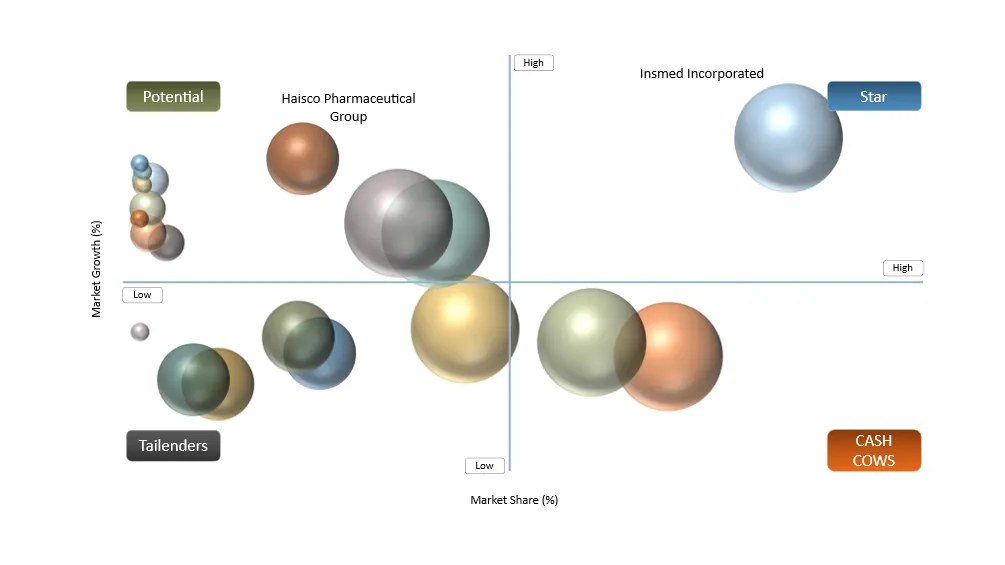
Insmed Incorporated, Boehringer Ingelheim and Chiesi Farmaceutici are positioned in the Star category due to their advanced clinical portfolios, substantial respiratory-market capabilities and ability to influence the emerging NCFB treatment pathway. Insmed holds the strongest position through BRINSUPRI, which established DPP-1 inhibition as a new disease-modifying treatment approach and created a clinical benchmark based on reducing pulmonary exacerbations.
Boehringer Ingelheim and Chiesi benefit from established respiratory franchises, specialist engagement capabilities and experience commercializing inhaled and targeted therapies. Continued clinical development, evidence generation, regulatory execution and market-access investment position these companies to capture growth as NCFB treatment shifts from broad supportive care toward phenotype-directed intervention.
POTENTIAL
Haisco Pharmaceutical Group, Shanghai Fosun Pharmaceutical Group, UCB, Armata Pharmaceuticals, Renovion, Revagenix, Zambon and 30 Technology are positioned in the Potential category because of their emerging involvement in targeted anti-inflammatory therapies, inhaled anti-infectives, bacteriophages, nitric oxide platforms and advanced mucus-clearance treatments.
Competitive potential will depend on successful clinical development, selection of clearly defined NCFB phenotypes and demonstration of meaningful differentiation from BRINSUPRI and existing standards of care. Companies generating strong evidence in frequent exacerbators, chronic Pseudomonas aeruginosa infection and progressive inflammation-driven disease could move toward the Star category through positive late-stage results, regulatory approvals, licensing agreements and successful commercialization partnerships.
Global Non-Cystic Fibrosis Bronchiectasis (NCFB) Treatment Market Dynamics
Driver Impact Analysis
| Driver | Market Growth Impact (%) | Demand Concentration | Impacted Use Case | Strategic Impact |
Introduction of NCFB-Specific Disease-Modifying Therapies | 12.8% | High in North America and Europe | DPP-1 Inhibitors for Patients With Recurrent Pulmonary Exacerbations | Moves treatment beyond symptom control and establishes exacerbation reduction as the primary clinical and commercial benchmark. |
Expanding Diagnosed and Treatment-Eligible Patient Population | 10.6% | High Among Older Adults and Female Patients | Targeted Treatment Following CT-Confirmed Diagnosis and Phenotype Assessment | Enlarges the addressable market through improved detection, specialist referral and identification of patients requiring long-term therapy. |
Rising Burden of Recurrent Exacerbations and Hospitalizations | 9.4% | High Among Frequent Exacerbators and Patients With Progressive Disease | Long-Term Exacerbation Prevention and Maintenance Treatment | Strengthens demand for therapies capable of reducing hospital admissions, antibiotic use and total disease-management costs. |
Growing Need for Infection and Phenotype-Directed Treatment | 8.1% | High Among Patients With Chronic Pseudomonas aeruginosa, NTM Infection or Neutrophilic Inflammation | Inhaled Anti-Infectives, Biologics, Bacteriophages and Advanced Mucoactive Therapies | Creates differentiated commercial segments and supports biomarker-guided development beyond broad, empiric treatment pathways. |
Driver: Introduction of NCFB-Specific Disease-Modifying Therapies
Approval of BRINSUPRI (brensocatib), the first NCFB-specific disease-modifying therapy, represents a structural shift from symptom management toward targeted exacerbation prevention. Its DPP-1 inhibition mechanism reduces activation of neutrophil serine proteases implicated in airway inflammation and lung damage. Commercial availability establishes a new treatment pathway for eligible patients and provides clinicians with an alternative to repeated antibiotics and supportive respiratory therapies.
Market impact extends beyond initial BRINSUPRI adoption by validating NCFB as a commercially viable drug-development category. Pharmaceutical investment is accelerating across next-generation DPP-1 inhibitors, biologics, inhaled anti-infectives and phenotype-directed therapies. Competitive entry is expected to expand treatment eligibility and strengthen specialist diagnosis. Future products must demonstrate superior or complementary value through broader phenotype coverage, stronger exacerbation reduction, improved lung-function outcomes or convenient administration. Payer adoption will depend on evidence of reduced hospitalizations, lower antibiotic use and favourable long-term cost effectiveness.
Restraint Impact Analysis
| Restraint | Drag on Market Growth (%) | Primary Impact Area | Impacted Use Case | Strategic Impact |
High Cost and Reimbursement Uncertainty for Targeted Therapies | 6.8% | Pricing, Health Technology Assessment and Formulary Access | Long-Term Use of DPP-1 Inhibitors and Future Biologics | Restricts broad adoption unless manufacturers demonstrate fewer exacerbations, hospitalizations and antibiotic courses relative to established care. |
Disease Heterogeneity and Limited Predictive Biomarkers | 5.9% | Patient Identification and Clinical Development | Phenotype-Directed Anti-Inflammatory and Anti-Infective Treatment | Complicates patient selection, dilutes treatment effects in heterogeneous trials and increases the risk of commercially narrow indications. |
Underdiagnosis and Uneven Access to Specialist Care | 5.1% | Diagnosis, Referral and Treatment Eligibility | CT-Confirmed Diagnosis and Initiation of Advanced Therapy | Reduces the identifiable patient pool, delays treatment until advanced disease and limits uptake outside specialist bronchiectasis centres. |
Complex Clinical Trials and Lengthy Evidence Generation | 4.4% | Product Development and Regulatory Approval | Exacerbation-Prevention, Inhaled Anti-Infective and Disease-Modifying Therapies | Extends development timelines due to variable exacerbation rates, background therapy differences and requirements for long-term efficacy and safety evidence. |
Restraint: High Cost and Reimbursement Uncertainty for Targeted Therapies
Targeted NCFB therapies are expected to carry substantially higher treatment costs than established antibiotics, bronchodilators, mucoactive agents and airway-clearance interventions. Chronic administration further increases the lifetime budget impact for payers, particularly as the diagnosed and treatment-eligible population expands. Reimbursement authorities may therefore restrict coverage to patients with frequent exacerbations, elevated inflammatory activity or inadequate response to standard care.
Commercial access will depend on demonstrating value beyond statistically significant clinical efficacy. Manufacturers must show durable reductions in pulmonary exacerbations, hospital admissions, emergency visits and antibiotic utilization alongside measurable quality-of-life improvement. Limited long-term evidence at launch may lead to prior authorization, step-therapy requirements and narrow formulary placement. Regional differences in health technology assessment and provincial or national reimbursement processes could also create uneven uptake. Outcomes-based agreements, phenotype-specific economic models and robust real-world evidence will be critical for supporting premium pricing and broader patient access.
Global Non-Cystic Fibrosis Bronchiectasis (NCFB) Treatment Market Segment Analysis
The global Non-Cystic Fibrosis Bronchiectasis (NCFB) Treatment Market is segmented based on the treatment type, route of administration, treatment line, disease severity, treatment intent, age group, treatment setting, distribution channel and region.
By Treatment Type
Targeted Therapies Emerge as the Next Growth Engine While Antibiotics Anchor Current NCFB Care
Antibiotics dominated the global NCFB treatment market in 2025, generating an estimated US$ 1.36 billion and accounting for approximately 54.8% of total revenue. Market leadership reflects their central role in treating acute pulmonary exacerbations and suppressing chronic bacterial airway infections, particularly those associated with Pseudomonas aeruginosa. Macrolides, fluoroquinolones, aminoglycosides and beta-lactams remain widely used across hospital and outpatient settings. Continued dependence on antibiotics will sustain revenue, although antimicrobial resistance, treatment-related adverse effects and limited disease-modifying benefits may constrain long-term growth.
Targeted therapies represent the fastest-growing segment and are projected to register a 24.6% CAGR during 2026-2035. Approval and commercialization of BRINSUPRI (brensocatib) have established DPP-1 inhibition as a new NCFB-specific therapeutic class focused on reducing pulmonary exacerbations by controlling neutrophil-driven inflammation. Growth will be supported by increasing diagnosis, identification of frequent exacerbators and development of next-generation DPP-1 inhibitors and biologics. Competitive success will depend on durable efficacy, broader phenotype coverage, long-term safety and reimbursement evidence. Targeted therapies are expected to progressively capture value from conventional treatment categories while remaining complementary to antibiotics and airway-clearance interventions.
Non-Cystic Fibrosis Bronchiectasis (NCFB) Treatment Market Geographical Penetration
U.S. Non-Cystic Fibrosis Bronchiectasis (NCFB) Treatment Market Landscape
The U.S. dominates the global NCFB treatment market, supported by high disease awareness, expanding use of high-resolution CT, specialist bronchiectasis centres and access to advanced respiratory therapies. Approximately 500,000 people in the U.S. are estimated to have NCFB, highlighting a sizeable addressable population that remains partly underdiagnosed. Approval of the first NCFB-specific disease-modifying therapy (BRINSUPRI) has accelerated the shift from supportive care toward targeted intervention.
Market growth will be driven by improved diagnosis, population ageing and greater identification of frequent exacerbators and patients with chronic Pseudomonas aeruginosa infection. Significant unmet need persists across exacerbation prevention, infection control, mucus clearance and lung-function preservation. Adoption of emerging therapies will depend on durable efficacy, long-term safety, administration convenience and compatibility with existing treatment pathways. Payers will increasingly evaluate hospitalization reduction, antibiotic utilization, adherence and quality-of-life improvement when determining reimbursement and formulary positioning.
Canada Non-Cystic Fibrosis Bronchiectasis (NCFB) Treatment Market Outlook
Canada represents an attractive NCFB treatment market, supported by universal healthcare coverage, established respiratory-care networks and expanding use of high-resolution CT. A 2024 Canadian registry analysis reported that bronchiectasis prevalence had increased by approximately 40% over the preceding decade and may reach 566 cases per 100,000 people, indicating a growing clinical and treatment burden. Current management remains centred on antibiotics, airway-clearance therapy, mucoactive agents and treatment of underlying causes.
Future market development will depend on regulatory approval and provincial reimbursement of NCFB-specific targeted therapies, including DPP-1 inhibitors. Frequent exacerbators and patients with chronic Pseudomonas aeruginosa infection represent high-priority clinical segments. Adoption will require evidence of fewer exacerbations, hospitalizations and antibiotic courses within Canada’s publicly funded healthcare system. Provincial formulary differences, specialist availability and treatment affordability may moderate uptake, while registry-based evidence and phenotype-guided patient selection could accelerate integration into routine respiratory care.
Japan Non-Cystic Fibrosis Bronchiectasis (NCFB) Treatment Market Outlook
Japan represents an important NCFB treatment market due to its ageing population, extensive CT availability and high burden of nontuberculous mycobacterial lung disease. A 2024 Japanese cohort of 1,044 bronchiectasis patients reported a median age of 72 years, 77.3% female representation and 39.3% prevalence of NTM infection, demonstrating the country’s distinct elderly, female-predominant and infection-associated patient profile. Current management relies heavily on macrolides, other antibiotics and airway-clearance interventions.
Market expansion will be supported by increasing recognition of bronchiectasis as a distinct respiratory condition and adoption of phenotype-directed therapies. DPP-1 inhibitors could address patients with recurrent exacerbations and neutrophil-driven inflammation, while infection-directed treatments may serve patients with Pseudomonas aeruginosa or NTM-related disease. Commercial uptake will depend on Japanese clinical evidence, reimbursement approval, long-term safety and compatibility with existing antibiotic practices. Biomarker-guided treatment selection will be important for avoiding unnecessary therapy and securing value-based access.
Germany, Non-Cystic Fibrosis Bronchiectasis (NCFB) Treatment Market Trends
Germany represents a significant European NCFB treatment market, supported by comprehensive health insurance, specialist respiratory centres and the PROGNOSIS bronchiectasis registry. A 2025 epidemiology review reported German prevalence estimates ranging from 52.5 to 163 cases per 100,000 people, while COPD was identified in approximately 39% of bronchiectasis patients. Population ageing and broader CT utilization are expected to expand the diagnosed and treatment-eligible population.
EU authorization of BRINSUPRI (brensocatib) is shifting the market toward targeted exacerbation prevention alongside antibiotics, mucoactive agents and airway-clearance therapy. Adoption in Germany will depend heavily on AMNOG benefit assessment, price negotiations and evidence demonstrating added value over established care. Frequent exacerbators and patients with neutrophilic inflammation or chronic Pseudomonas aeruginosa infection represent priority segments. Registry-based evidence, biomarker-guided selection and demonstrated reductions in hospitalization and antibiotic use will increasingly shape prescribing, reimbursement and competitive positioning.
Non-Cystic Fibrosis Bronchiectasis (NCFB) Treatment Market Competitive Landscape
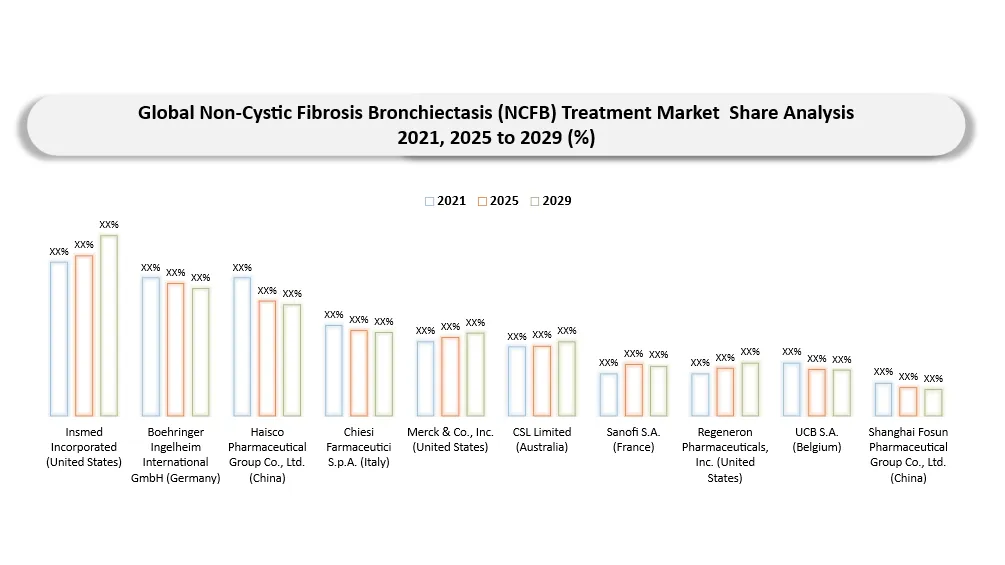
- Insmed currently leads the NCFB treatment market with BRINSUPRI (brensocatib), the first approved NCFB-specific therapy and the benchmark for DPP-1 inhibition and pulmonary-exacerbation reduction. Boehringer Ingelheim represents the most direct pipeline competitor through verducatib (BI 1291583), another DPP-1/CatC inhibitor whose positioning will depend on differentiated efficacy, safety and patient eligibility. Zambon is pursuing an infection-directed strategy with inhaled colistimethate sodium delivered through the I-neb system for patients with chronic Pseudomonas aeruginosa infection. UCB is exploring phenotype-directed biologic treatment through galvokimig, which targets IL-13, IL-17A and IL-17F inflammatory pathways.
- Competition is also expanding through differentiated anti-infective and mucus-management platforms. Armata Pharmaceuticals’ AP-PA02 uses inhaled bacteriophages against Pseudomonas aeruginosa, while 30 Technology’s RESP303 applies an inhaled nitric oxide-generating approach to multidrug-resistant infection. Revagenix is developing Rev-56 as a potentially once-daily inhaled anti-pseudomonal therapy. Renovion’s ARINA-1 targets mucus viscosity, airway inflammation and bacterial growth. Competitive leadership will depend on exacerbation reduction, phenotype coverage, long-term safety, administration convenience, antimicrobial-resistance management, combination potential and reimbursement evidence.
Key Companies of Non-Cystic Fibrosis Bronchiectasis (NCFB) Treatment
- Insmed Incorporated (United States)
- Boehringer Ingelheim International GmbH (Germany)
- Haisco Pharmaceutical Group Co., Ltd. (China)
- Chiesi Farmaceutici S.p.A. (Italy)
- Merck & Co., Inc. (United States)
- CSL Limited (Australia)
- Sanofi S.A. (France)
- Regeneron Pharmaceuticals, Inc. (United States)
- UCB S.A. (Belgium)
- Shanghai Fosun Pharmaceutical Group Co., Ltd. (China)
- Armata Pharmaceuticals, Inc. (United States)
- Renovion, Inc. (United States)
- Revagenix, Inc. (United States)
- Zambon S.p.A. (Italy)
- Jiangsu Hengrui Pharmaceuticals Co., Ltd. (China)
- 30 Technology Limited (United Kingdom)
- Electromed, Inc. (United States)
- Koninklijke Philips N.V. (Netherlands)
- Baxter International Inc. (United States)
- PARI GmbH (Germany)
Global Non-Cystic Fibrosis Bronchiectasis (NCFB) Treatment Market Major Pain Points
- Delayed Diagnosis and Patient Under identification: Nonspecific symptoms and overlap with asthma or COPD frequently delay diagnosis, limiting early intervention and reducing the identifiable treatment-eligible population.
- High Disease and Phenotypic Heterogeneity: Differences in underlying cause, inflammatory profile, infection status and exacerbation history complicate patient selection, clinical-trial design and standardized treatment pathways.
- Limited Disease-Modifying Treatment Options: Most patients remain dependent on antibiotics, airway-clearance therapies and symptom-directed treatments. BRINSUPRI has addressed part of the unmet need, but additional therapies are required for broader NCFB phenotypes.
- Chronic Infection and Antimicrobial Resistance: Persistent Pseudomonas aeruginosa infection is associated with recurrent exacerbations and disease progression. Repeated antibiotic exposure increases resistance concerns and reduces long-term treatment effectiveness.
- High Treatment Burden and Adherence Challenges: Multiple medicines, prolonged antibiotic courses, nebulized treatments and daily airway-clearance procedures create considerable patient burden and reduce treatment persistence.
- Complex Pricing, Reimbursement and Evidence Requirements: Premium therapies must demonstrate durable exacerbation reduction, fewer hospitalizations and measurable quality-of-life improvements to secure favourable reimbursement and broad clinical adoption.
Non-Cystic Fibrosis Bronchiectasis (NCFB) Treatment Market Recent Developments
- July 2026: 30 Technology reported positive Stage 1 results from the Phase 1b/2a NOPA study of RESP303 in NCFB patients with chronic Pseudomonas aeruginosa infection, demonstrating favorable tolerability and encouraging microbiological and patient-reported efficacy signals.
- July 2026: Revagenix advanced Rev-56, its once-daily inhaled precision therapy targeting chronic Pseudomonas aeruginosa infection in NCFB, into Phase I clinical development.
- May 2026: Insmed reported that BRINSUPRI revenue increased by 44% in the first quarter of 2026 compared with the fourth quarter of 2025, reflecting strong uptake following its U.S. launch.
- February 2026: UCB announced plans to initiate a Phase IIa proof-of-concept study of galvokimig in NCFB later in 2026, expanding the multispecific IL-13, IL-17A and IL-17F antibody into respiratory diseases.
- February 2026: The UK Medicines and Healthcare products Regulatory Agency granted marketing authorization to BRINSUPRI for patients aged 12 years and older with NCFB and at least two exacerbations during the preceding 12 months.
- November 2025: The European Commission approved BRINSUPRI as the first treatment specifically authorized for NCFB in the European Union, covering eligible patients aged 12 years and older with recurrent exacerbations.
- August 2025: Insmed received U.S. FDA approval for BRINSUPRI as the first treatment specifically indicated for NCFB in adult and pediatric patients aged 12 years and older.
- August 2025: Fosun Pharma licensed ex-China development and commercialization rights for the oral DPP-1 inhibitor XH-S004 to Expedition Therapeutics in a transaction valued at up to US$645 million; the asset was in Phase II development for NCFB in China.
- June 2025: Boehringer Ingelheim initiated the Phase III AIRTIVITY study of verducatib, also known as BI 1291583, to evaluate its ability to reduce pulmonary exacerbations in patients with bronchiectasis.
Analyst View / Opinion on Non-Cystic Fibrosis Bronchiectasis (NCFB) Treatment Market
- The approval of BRINSUPRI has shifted NCFB treatment from symptom management toward disease-modifying therapy, establishing exacerbation reduction and lung-function preservation as important competitive benchmarks.
- Clinical differentiation will be as critical as mechanism of action, as physicians and payers increasingly evaluate efficacy, safety, dosing convenience, treatment eligibility and long-term evidence when selecting therapies.
- DPP-1 inhibitors are expected to attract substantial commercial attention, although inhaled anti-infectives, biologics, bacteriophage therapies and mucus-clearance treatments could create competition across distinct patient phenotypes.
- Patients with frequent exacerbations and chronic Pseudomonas aeruginosa infection represent commercially attractive populations due to their elevated clinical burden, repeated antibiotic use and hospitalization risk.
- Companies capable of combining meaningful exacerbation reduction, favorable safety, convenient administration, phenotype-based patient selection and strong market-access evidence are expected to capture greater market share.
Global Non-Cystic Fibrosis Bronchiectasis (NCFB) Treatment Market Target Audience
| INDUSTRY | WHO SHOULD BUY THIS REPORT? | REASON TO BUY THIS REPORT |
| Pharmaceutical and Biotechnology | NCFB Drug Developers and Commercial Pharmaceutical Companies | To assess market potential, patient opportunities, treatment gaps and competitive positioning across approved and investigational NCFB therapies. |
| Targeted Therapy Development | DPP-1 Inhibitor and Immunology-Focused Companies | To benchmark emerging mechanisms, clinical differentiation, development timelines and competitive threats within targeted NCFB treatment. |
| Anti-Infective Therapies | Antibiotic, Bacteriophage and Antimicrobial Developers | To identify opportunities in chronic respiratory infection, antimicrobial resistance and Pseudomonas aeruginosa-positive NCFB populations. |
| Inhalation Drug Delivery | Nebulizer, Inhaled Formulation and Drug-Delivery Companies | To evaluate demand for localized treatments offering improved pulmonary delivery, lower systemic exposure and convenient administration. |
| Airway-Clearance Technologies | Airway-Clearance Device and Mucoactive Therapy Companies | To assess opportunities in mucus management, treatment adherence and integration with pharmacological NCFB therapies. |
| Healthcare Providers | Pulmonologists, Hospitals, Bronchiectasis Clinics and Specialty-Care Networks | To understand treatment evolution, patient-selection criteria, clinical evidence and emerging standards of NCFB care. |
| Payers and Market-Access Organizations | Health Insurers, Pharmacy Benefit Managers and Reimbursement Consultants | To evaluate treatment eligibility, pricing, reimbursement requirements, budget impact and evidence expectations for new therapies. |
| Investment and Financial Services | Private Equity Firms, Venture Capital Firms and Institutional Investors | To assess market attractiveness, pipeline value, licensing opportunities, commercial risks and investment potential across the NCFB ecosystem. |
| Market Research and Consulting | Consulting, Competitive Intelligence and Market-Research Firms | To support market-entry planning, portfolio strategy, competitive benchmarking and client advisory engagements. |
| Research Organizations | Clinical Research Organizations, Research Institutes and Universities | To analyze clinical-trial activity, patient recruitment opportunities, biomarker development and unmet research requirements. |
| Government and Industry Bodies | Regulatory Agencies, Respiratory Associations and Healthcare Policymakers | To support treatment-access policies, clinical guidelines, disease-awareness initiatives and bronchiectasis care programs. |
Why Choose DATAM?
- Data-Driven Insights: Access granular NCFB intelligence covering market size, treatment-class shares, pricing, patient populations, clinical pipelines, competitive positioning and regional access dynamics, supported by primary interviews with industry experts.
- Post-Purchase Support and Expert Analyst Consultations: Engage directly with our healthcare analysts for customized guidance on patient segmentation, portfolio positioning, market entry, competitor assessment and commercialization strategies.
- White Papers and Case Studies: Receive periodic insights related to NCFB treatment innovation, clinical developments, product launches, market-access strategies and evolving physician-adoption patterns.
- Annual Updates on Purchased Reports: Stay informed through annual updates covering regulatory approvals, clinical readouts, pipeline changes, partnerships, pricing developments and shifts in the competitive landscape. Terms and conditions apply.
- Specialized Focus on Emerging Markets: Gain country-specific intelligence on diagnosis rates, treatment availability, reimbursement, specialist infrastructure and commercial opportunities across high-growth emerging markets.
- Value of DataM Reports: Obtain tailored insights addressing specific business questions related to NCFB patient opportunities, treatment differentiation, competitive threats, market access and investment priorities, extending beyond the information available through generic databases.
What DATAM Uniquely Provides
- In-depth segmentation of the non-cystic fibrosis bronchiectasis (NCFB) treatment market by treatment type, route of administration, treatment line, disease severity, treatment intent, age group, treatment setting, distribution channel and region.
- Competitive analysis of leading NCFB companies covering clinical efficacy, safety, mechanism of action, dosing convenience, pipeline maturity, portfolio positioning and commercialization strategy.
- Comprehensive assessment of diagnosed and treatment-eligible populations, exacerbation burden, chronic Pseudomonas aeruginosa infection, unmet clinical needs and regional treatment-access dynamics.
- Actionable intelligence on pricing, reimbursement, regulatory pathways, treatment eligibility, market-access barriers, partnership activity and investment opportunities.
- Analyst forecasts identifying high-growth treatment classes, commercially attractive patient phenotypes, geographic opportunities and emerging competitive threats across the evolving NCFB treatment landscape.




























































