


Next-Generation Obesity Drugs Market Size and overview
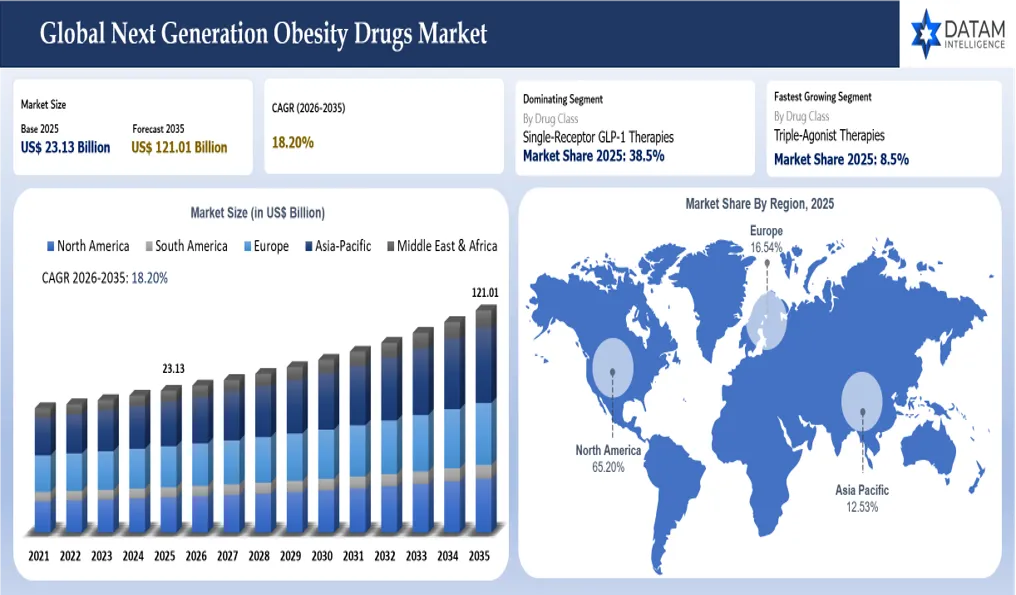
The global next-generation obesity drugs market reached US$ 23.13 billion in 2025 and is expected to reach US$ 121.01 billion by 2035, growing with a CAGR of 18.20% during the forecast period 2026-2035.
The next generation obesity drug pipeline is being transformed to various multi-pathway combination therapies aimed at achieving more effects in weight loss and overcoming the deficiencies in single-pathway therapies. Eli Lilly's retatrutide investigational candidate has shown weight loss of 28.3% in the Phase III trial. At the same time, Novo Nordisk is developing a product called CagriSema by pairing semaglutide with the amylin analogue cagrilintide to achieve approximately 21% of body weight loss relative to placebo after 68 weeks of using the drug among overweight and obese adults. All these events will bring weight loss figures, durability and the occurrence of other metabolic processes into focus in the fight against obesity.
There is a growing trend of the adoption of oral and less-invasive treatment alternatives, where drug developing companies like Eli Lilly and Novo Nordisk compete with each other for creating new GLP-1 drugs. For instance, Eli Lilly received the approval of its oral GLP-1 receptor drug orforglipron in April 2026 and Novo Nordisk is progressing with the oral version of semaglutide, amycretin, zenaglutide and other drugs related to obesity. Novo's portfolio also includes a GLP-1/GIP co-agonist and some amylin preparations which are the first indications of the ongoing trend toward a wider choice of solutions with more treatment options for the patients.
Next Generation Obesity Drugs Market Key Takeaways
- In 2025, Single-Receptor GLP-1 Therapies held the leading share of approximately 38.5% in the global next generation obesity drugs market, owing to their proven clinical efficacy and growing application of GLP-1-based therapies.
- It is estimated that Triple-Agonist Therapies would be the fastest growing drug in the period 2026-2035 with a 25.6% CAGR owing to their growing development of GLP-1/GIP/glucagon therapy along with other multi-pathway treatments.
- Oral Obesity Therapies are attracting considerable attention as drug makers develop small-molecule agents that target GLP-1 receptors to minimize the burden of injections, enhance treatment convenience and create opportunities for patients to access treatment.
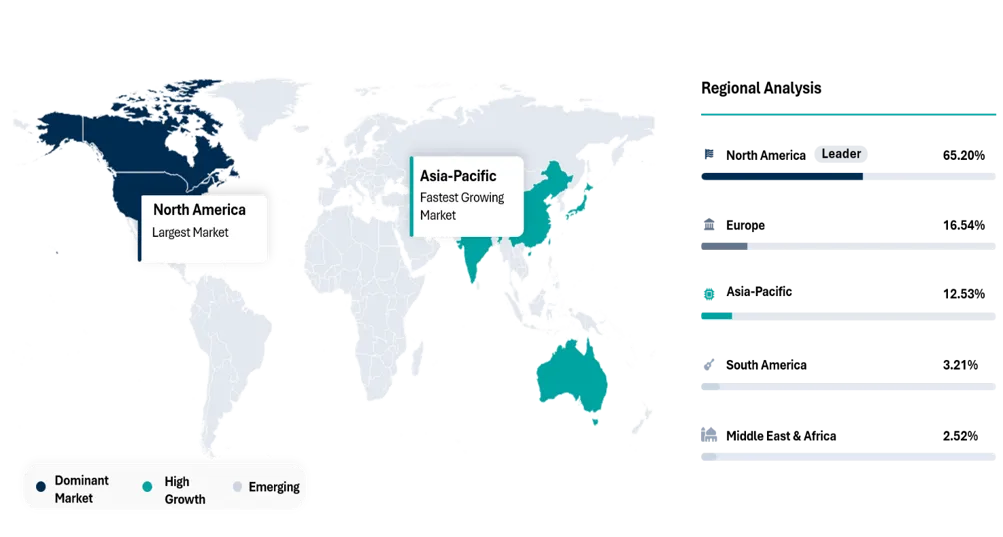
- North America led the next generation obesity drugs market with market share of 65.20% in 2025 due to a higher rate of GLP-1 usage, active R&D process in pharmaceutical industry, well-developed infrastructure of clinical trials and treatment for obesity.
- Growing competition in multi-agonists, oral therapy, amylin combination and muscle preservation therapies is putting more emphasis on weight loss sustainability, lean body mass conservation, gastrointestinal tolerance, dosage frequency and overall cardiometabolic effects.
Next Generation Obesity Drugs Industry Trends and Strategic Insights
- Shift Toward Multi-Agonist Therapies: Drug manufacturers have been working on developing dual and triple agonist drug candidates combining GLP-1 and GIP, glucagon, or amylin systems with the aim to achieve more weight loss compared to drugs acting on one system only.
- Rapid Expansion of Oral Obesity Drug Pipelines: The companies are focusing on developing oral small molecules targeting GLP-1 and other oral candidates as a way to offer patients the alternatives to injectable drugs.
- Growing Focus on Lean-Mass Preservation: Future development will increasingly concentrate on the problem of lean body mass loss that accompanies massive weight loss with the help of pharmacology.
- Increasing Competition Around Amylin-Based Mechanisms: The development of Amylin agonist drugs has now become an independent area in its own right, where companies are developing single and GLP-1 and Amylin combinations to enhance appetite suppression and weight management effectiveness.
- Pipeline Diversification Beyond GLP-1: Firms are exploring new approaches through non-incretin pathways such as CB1 antagonism, activin pathway inhibition and metabolic strategies, as they continue to search for therapies that can provide differentiation in terms of effectiveness and other factors.
Next Generation Obesity Drugs Market Scope
| Metrics | Details | |
| 2025 Market Size | US$ 23.13 Billion | |
| 2035 Projected Market Size | US$ 121.01 Billion | |
| CAGR (2026-2035) | 18.20% | |
| Largest Market | North America | |
| Fastest Growing Market | Asia-Pacific | |
| By Drug Class | Single-Receptor GLP-1 Receptor Agonists, Dual-Agonist Therapies, Triple-Agonist Therapies, Amylin-Based Therapies, Non-Incretin Therapies, Metabolic Therapies, Muscle-Preserving Therapies and Other Next-Generation Therapies | |
| By Route of Administration | Oral, Subcutaneous, Intravenous and Other Routes | |
| By Formulation | Tablets, Capsules, Prefilled Pens, Autoinjectors, Vials, Extended-Release Formulations and Other Formulations | |
| By Dosing Frequency | Once Daily, Once Weekly, Once Monthly and Extended-Duration Dosing | |
| By Development Stage | Preclinical, Phase I, Phase II, Phase III, Regulatory Review and Commercially Available | |
| By Molecular Target | GLP-1 Receptor, GIP Receptor, Glucagon Receptor, Amylin Receptor, Melanocortin-4 Receptor (MC4R), Cannabinoid Receptor Type 1 (CB1) and Other Metabolic Targets | |
| By Therapeutic Objective | Appetite Suppression, Weight Reduction, Weight Maintenance, Lean-Mass Preservation, Cardiometabolic Risk Reduction, Glycemic Control, Obesity-Related Comorbidity Management and Others | |
| By Patient Age | Below 18 Years, 18-34 Years, 35-49 Years, 50-64 Years and 65 Years & Above | |
| By Patient Gender | Male and Female | |
| By Disribution Channel | Hospital Pharmacies, Retail Pharmacies, Specialty Pharmacies, Online Pharmacies and Direct-to-Patient Channels | |
| By End-User | Hospitals, Obesity & Weight-Management Clinics, Endocrinology Clinics, Primary Care Clinics, Specialty Healthcare Centers and Home-Based Treatment | |
| By Region | North America | U.S., Canada, Mexico |
| Europe | Germany, UK, Russia, France, Spain, Italy, Poland | |
| Asia-Pacific | China, India, Japan, Australia, South Korea, Indonesia, Malaysia, Singapore, Vietnam, Thailand, Philippines, Taiwan | |
| South America | Brazil, Argentina | |
| Middle East and Africa | UAE, Saudi Arabia, South Africa, Israel, Turkiye, Nigeria | |
| Report Insights Covered | Competitive Landscape Analysis, Company Profile Analysis, Market Size, Share, Growth | |
Why does this report matter in 2026?
The next generation obesity therapeutics market is significant in 2026 due to the shift in the competitive environment from injectable GLP-1 drugs to oral small molecule GLP-1 drugs, dual/multi-agonists, amylin therapeutics and combinations of the above-mentioned agents. Several promising candidates are currently in late clinical development stages and, therefore, 2026 becomes an important year for comparing efficacy of weight loss, gastrointestinal tolerability, ease of dosing, sustainability and preservation of lean mass. The growing number of mechanisms and developmental efforts makes the evaluation at the pipeline level critical to understanding how the next generation of therapies for obesity may transform the landscape of therapy.
This report is significant in 2026 as the commercialization of obesity drugs has become increasingly dependent on factors such as manufacturing scale, negotiation, reimbursement and economics, as well as efficacy. The advent of the oral alternatives and more pathway drugs may alter how patients gain access to these treatments, the manner in which these drugs will be prescribed and pricing competition, as drug companies use partnering and licensing strategies to acquire distinctive obesity drugs. An evaluation centered on 2026 therefore represents an up-to-date analysis of pipeline development, drug innovation, competitive standing, market access factors and potential investment options in the next-generation obesity-drug landscape.
Next Generation Obesity Drugs Market White Space & Investment Opportunities
- Oral Multi-Agonist Therapies: Investment opportunities are emerging in the area of oral small-molecule agents capable of acting on multiple metabolic targets and thus achieving high effectiveness with no need for injection.
- Amylin-Incretin Combination Platforms: The advent of fixed-dose or co-administered amylin and GLP-1-based therapies is creating opportunities on the market for novel drugs, combining appetite-suppressing and other complementary metabolic mechanisms.
- Lean-Mass Preservation Solutions: There is a significant opportunity for the development of treatments offering a combination of the best fat reduction and protection of skeletal muscle.
- Long-Acting and Less-Frequent Dosing: Opportunities for investments include extended-release drugs and technologies that have the potential to lower dose frequencies while still providing effective exposure and improving compliance in treatment.
- Novel Non-Incretin Mechanisms: Early investment in differentiated mechanisms like CB1 modulation, activin pathway inhibition and increasing energy expenditure provide opportunities for expanding the portfolio of obesity therapies outside the crowded GLP-1 space.
Next Generation Obesity Drugs Future Market Transformation
The next generation obesity drugs market is predicted to evolve from a treatment paradigm that primarily utilizes GLP-1 agonism into an ecosystem of multi-mechanistic obesity therapies, which include oral small-molecule GLP-1 agonists, dual/multi-agonists, amylin agonists and muscle-preserving combination therapies. Future competitive dynamics will increasingly not only be around overall weight loss but will also revolve around fat versus lean mass ratios, sustainability of weight loss, gastrointestinal tolerability, frequency of dosing and cardiometabolic profile. The increased availability of oral and extended-release therapies may further alter the dynamics of initiation and continuation of therapy, as would AI-driven development of novel candidates with enhanced clinical profiles. With increased numbers of therapies achieving commercialization, there will be an increased need for the incorporation of the aforementioned aspects of value assessment by payers, manufacturing, clinical comparability and personalization when making determinations of market positioning of future obesity therapies.
Next Generation Obesity Drugs Market Buyer Decision-Making Criteria
Next generation obesity drugs market buyers such as health insurance companies, PBM's, hospitals, specialty clinics, HCPs and patients consider a drug's value on the basis of clinical results, convenience of use, safety, economic considerations and overall cost-effectiveness. With the introduction of various oral, injectable, multi-agonist and amylin drugs into a competitive environment, purchasing decisions will be influenced by clinical differentiating factors and sustained weight management results achieved economically.
Major Buyer Decision-Making Criteria
- Magnitude and durability of weight reduction
- Lean-mass preservation and body-composition outcomes
- Gastrointestinal and other adverse-event profile
- Cardiovascular and metabolic outcomes
- Oral versus injectable administration
- Dosing frequency and treatment convenience
- Long-term treatment persistence
- Net treatment cost and payer discounts
- Clinical evidence and regulatory status
- Reimbursement and formulary positioning
- Manufacturing capacity and supply reliability
- Drug–drug interaction and contraindication profile
- Patient adherence and acceptability
- Cost-effectiveness versus competing obesity therapies
Next Generation Obesity Drugs Market Economic & Investment Analysis
The next generation obesity drugs market is emerging as an attractive pharmaceutical investment opportunity as players vie to create differentiated products which surpass the traditional GLP-1 based treatments. Increasing investments in oral small molecule GLP-1s, dual agonists/triple agonists, amylin-based drugs and combination therapy are being made, driven by factors such as clinical effectiveness, development readiness, production feasibility and possibility of use in the long term. Pharmaceutical players are also being spurred by the lucrative business prospects offered by obesity treatments to develop next generation obesity portfolios through internal R&D programs and use licensing, acquisitions and strategic collaborations to strengthen their next-generation obesity pipelines.
In economic terms, the market is being influenced more and more by the link between affordability of drugs, budgets of payers, persistence of therapy and cost savings of treatment as an offset to the cost of healthcare for treating obesity-related diseases. Oral drug forms and production technology may impact future economics of treatments through lowering of barriers to administration and possibly increasing availability, while competition among several mechanisms would put pressure on net price and reimbursement discussions. Investment is thus possible through novel technology platforms, oral administration systems, amylin and incretin systems, lean mass preservations and manufacturing, especially where clinical differentiation would lead to better market access and economic sustainability.
Next Generation Obesity Drugs Investment Trends in the Market
- Rising Investment in Oral GLP-1 Candidates: There is an increased investment in oral small molecule GLP-1 candidates to create scalable products that do not require injections for obesity.
- Increasing Funding for Multi-Agonist Pipelines: There has been increased investment in pipelines for dual and triple agonists of GLP-1, GIP, glucagon and others metabolic pathways for differentiation in efficacy.
- Growing Capital Allocation to Amylin Programs: Businesses have been increasing funding into amylin agonists and GLP-1/amylin combinations as another approach for enhancing appetite suppression and weight loss outcomes.
- Greater Investment in Muscle-Preservation Approaches: The drug manufacturers are investing in combination therapy and novel approaches aimed at minimizing the lean muscle mass loss during weight-loss pharmacotherapy.
- Expansion of Strategic Partnerships and Licensing: There is heightened interest in licenses, partnerships and deals that involve obesity drugs and platforms, especially when large pharmaceutical firms can aid in the commercialization of new drug products.
Strategic Indicators for Next Generation Obesity Drugs Market
High Regulation Impact
High regulatory impact exists in the next generation obesity drugs market, as oral GLP-1s, dual/triple agonists, amylin drugs and novel drug combinations need significant proof regarding their ability to help lose weight, effect on the heart, adverse events associated with the stomach, ability to maintain weight loss and influence on body composition in order to receive approval. There is an increased regulatory focus on dose management, duration of treatment, monitoring of adverse events and proper selection of patients as obesity drugs become used in larger groups of people and possibly for long periods of time. Differences in regulations between the FDA, EMA, PMDA and NMPA could also have additional impacts on the development, approval process, labeling and commercialization of next-generation products.
High Investment Activity
There is considerable investment activity in the next generation obesity drugs market as pharmaceutical and biotech firms expand their portfolios from existing GLP-1 drugs to oral small-molecule GLP-1s, GLP-1/GIP and GLP-1/glucagon dual agonists, triple agonists, amylin-based treatment and muscle-sparing combinations. Investments increasingly go to the late stages of drug development, mass production of oral and peptide formulations, combination systems and new approaches for providing durable treatments with minimal side effects in terms of gastrointestinal tolerability, frequency of administration and lean mass preservation. There are also various licensing, acquisitions, co-development agreements and alliance processes to obtain the best candidates for the promising obesity drugs.
Supply Chain Disruption
Supply chain risk is an inherent characteristic of the next generation obesity drugs market because most of the top products in the pipeline require peptide synthesis, special APIs, pure excipients, sterile fill & finish and cold chain logistics. The growth in demand may strain the supply chains at the stages of peptide production, drug formulation, injection devices manufacture and quality control, whereas the shift to oral small molecules will bring other challenges related to API production and bulk tablet manufacturing. Relying on specialized manufacturers and low production capabilities of some of the advanced substances required for obesity drugs can consequently impact the availability of these drugs in the market, their launch process and scalability on a global level.
Pricing Volatility
There is bound to be great volatility with regards to pricing in the market for next generation obesity drugs due to variance in factors such as drug modality, manufacturing costs, treatment duration and competitive positioning in emerging drugs. In the U.S., the list price for Wegovy has been priced at about US$1,349 per month whereas Zepbound has been priced at about US$1,060 per month, which indicates that there will be major variations in pricing amongst leading incretin-based obesity drugs. The emergence of oral GLP-1 drugs is bringing added pricing pressure, with manufacturers trying to differentiate themselves through more affordable access programs, dosage options and treatment ease. With the advances in oral small-molecule GLP-1s, amylin mixtures and multi-agonist drugs, pricing is expected to take greater account of clinical efficacy, production scalability, payer bargaining experience and costs per percent of weight loss.
Procurement Pressure
The next generation obesity drugs market experiences greater procurement challenges with health insurers, pharmacy benefit managers, governmental health care programs, hospitals and specialty pharmacies attempting to manage the high cost burden associated with extended pharmacological therapy for obesity. Decisions related to procurement will be based on the net drug price, rebate negotiations, persistence of therapy, weight loss performance, cardiovascular results and costs savings from treating obesity comorbidities instead of list prices alone. Additionally, the rise in the number of oral GLP-1 drugs, dual/triple agonists, amylin drugs and combination drugs provides even more power to payers for negotiating their formulary preferences and favorable reimbursement terms. Hence, there is a need for the providers of the next-generation treatments to prove clinical effectiveness and economic efficiency as well as ensure consistent supply in large patient populations.
New Technology Adoption
The next generation obesity drugs market is fast integrating technology to take therapy further from traditional injectable GLP-1 monotherapy approaches, such as oral small molecule GLP-1 agonists, dual and triple agonist molecules, amylin based therapies and long-acting drug delivery technology systems. Breakthroughs in medicinal chemistry are facilitating oral incretin therapies, whereas peptide engineering and formulation technology advances are providing for extended half-life and enhanced stability and reduced frequency dosing. Simultaneously, biomarker enabled patient selection, digital adherence technology and body composition technology is becoming increasingly prevalent in obesity therapy development, in order to determine durability of weight loss, maintenance of lean mass and personalized drug effectiveness. These technologies are rapidly differentiating pipelines and offering alternative development avenues within the next-generation obesity drugs landscape.
Regional Expansion Opportunity
The next generation obesity drugs market provides scope for regional market expansion in light of the introduction of novel obesity drugs such as oral GLP-1s, dual/triple agonists, amylin-based drug options and combination drug products in regions where obesity is on the rise and there is an increasing need for pharmacological weight loss solutions. The Asian-Pacific region, more specifically China and Japan, provides scope for regional market expansion through clinical development, regulatory filing and commercialization of next generation obesity medicines, while Latin America and select Middle Eastern regions provide opportunities for further regional market expansion in light of improved access to obesity medicines. Organizations can enhance their regional entry strategies by way of conducting local clinical trials, regulation partnerships, localized manufacturing, payer interactions and pricing strategies based on local reimbursement and affordability situations.
Government Policy Support
Government policy initiatives are making a larger and larger impact on the next generation obesity drugs market, especially through obesity-targeted guidelines for treatment, reimbursement programs, affordability programs and policies promoting better availability of GLP-1 drugs. In 2025, WHO released its first global recommendations regarding GLP-1 medicines for the treatment of obesity. WHO demands that various methods be employed, including pooled procurement, tiered pricing and voluntary licensing. As for the U.S. initiatives, CMS launched Medicare GLP-1 Bridge in July 2026, enabling eligible beneficiaries access to various GLP-1 medicines for US$50 monthly copay. BALANCE Model is another program aimed at negotiating a lower price and increasing availability through Medicare Part D and Medicaid. These actions will expand the market and emphasize affordability, evidence-based qualification, long-term results and the healthcare system’s readiness.
Pricing Intelligence
The pricing strategy of the next generation obesity drug market is making increasing focus on real economics of treatment and not list prices per se, especially with the advent of oral GLP-1s and multi-agonists, amylin drugs and combinations of treatments. Manufacturers and payers are actively looking into prices per % of body-weight reduction, average cost for treatments per month, requirements for dose escalation, persistence-adjusted cost for treatments, as well as economic effects of changes in comorbidities associated with obesity. The calculation of prices looks into rebates for certain payers, patient assistance programs and formulary assignment, direct-payment channels and regional reimbursement differences that allow to come up with sustainable price levels and optimize access to the market for new treatments.
| HS Code | Reporter | Trade Flow | 2025 Trade Value | Interpretation |
| 3004.9 | United States | Exports | US$97.82 Billion | Indicates the scale of U.S. pharmaceutical exports and its role in global medicine supply chains. |
| 3004.9 | Ireland | Exports | US$93.80 Billion | Highlights Ireland’s position as a major pharmaceutical manufacturing and export hub. |
| 3004.9 | Germany | Exports | US$67.90 Billion | Reflects Germany’s strong pharmaceutical manufacturing base and international trade position. |
| 3004.9 | Denmark | Exports | US$21.82 Billion | Demonstrates Denmark’s pharmaceutical export capacity and relevance to innovative obesity-drug manufacturing. |
Note: HS Code 3004.90 covers a broad range of medicaments and pharmaceutical products and does not separately identify next generation obesity drugs. The trade values are therefore used as a proxy indicator of pharmaceutical manufacturing, export capacity and international supply-chain activity relevant to the market.
AI Impact Analysis of Next Generation Obesity Drugs Market
AI is enhancing the discovery and development of next generation obesity medications through the analysis of genomics, proteomics, metabolism and clinical data to discover new obesity targets and interactions between metabolic pathways. AI-powered molecular modeling may be used for the development and optimization of GLP-1, GIP, glucagon and amylin-related molecules, whereas machine learning algorithms may be used to predict the candidates that possess enhanced potency, pharmacokinetics and tolerance. AI applications also include designing clinical trials through the identification of patient subpopulations, predicting the response to the therapy, optimizing the enrollment process and evaluating weight loss and body composition.
AI also affects the commercialization of obesity drugs through personalized approaches to clinical application. Using predictive algorithms, which incorporate information on initial body mass, metabolism, treatment background, adherence and adverse events, patient responsiveness can be predicted and help in choosing a treatment option. Through monitoring using AI technology, weight, appetite, adherence and muscle mass changes throughout the treatment can be tracked and using advanced analytics, pharma can predict the demand and optimize production capacity, evaluate regional pricing and determine the need for oral therapy drugs, multi-agonists, amylin combinations and muscle-sparing therapy.
Disruption Analysis of Next Generation Obesity Drugs Market
The next generation obesity drugs market is experiencing a paradigm shift from pathway mono-injectables to oral small molecules, dual and triple agonists, as well as combination products containing amylin agonism. These novel compounds may lower barriers presented by injectables, while multi-pathway agents and GLP-1/amylin combinations will alter the nature of competition, not only based on the provision of weight loss but also magnitude of weight loss, duration, safety/tolerability, dosing schedule and body composition effects. Development of such modes is not only creating competition for the existing methods but is also motivating drug firms to develop and diversify their pipeline portfolios.
Moreover, there is disruption in the business models and manufacturing processes for obesity pharmaceutical therapy. The development of oral drugs can change the process of manufacturing peptides and make it easier to administer, whereas the rise in the numbers of patients receiving therapy increases the significance of scalable manufacturing of APIs and formulations. Additionally, the increasing level of attention from the payers’ side turns the focus of competition on net therapy cost, cost-effectiveness, patient compliance and more than just weight loss, such as cardiometabolic advantages and lean mass maintenance. These transformations will lead to possibilities for firms with differentiating technologies, scalable production platforms and evidence proving clinical and economic value.
Next Generation Obesity Drugs Market BCG Matrix: Company Evaluation
STAR
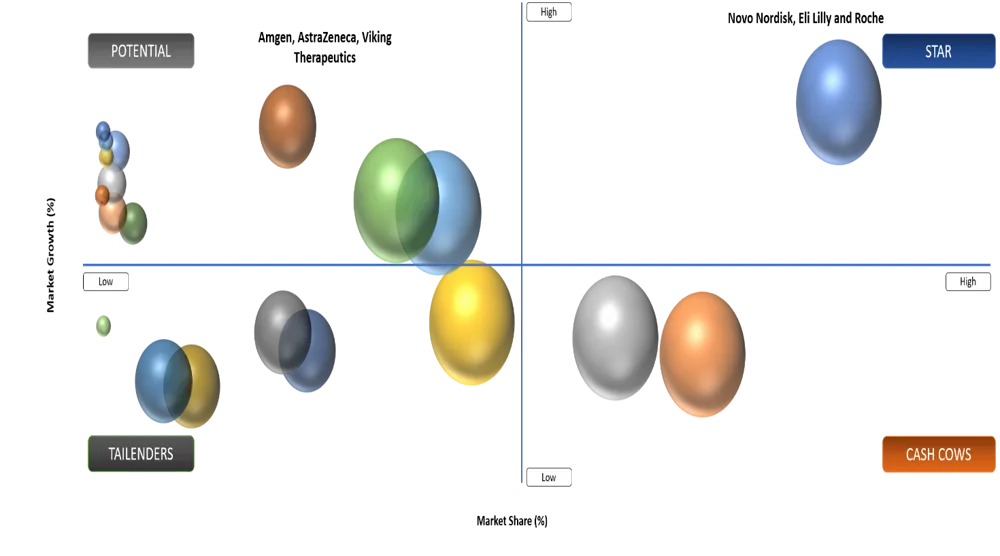
Novo Nordisk, Eli Lilly and Roche fall under the Star category owing to their presence in obesity drugs along with the superior next-generation pipeline they possess. The products of these firms go way beyond the current GLP-1 offerings, including oral GLP-1, dual agonist, triple agonist, amylin combinations and many more. The capability for strong clinical development, manufacturing, regulatory and commercial access give a big platform to these companies for increasing their next-generation obesity drug portfolio.
POTENTIAL
Amgen, AstraZeneca, Viking Therapeutics, Boehringer Ingelheim, Zealand Pharma, Structure Therapeutics, Altimmune, Hanmi Pharmaceutical, Merck & Co. and Kailera Therapeutics are classified into the Potential category due to their next generation obesity products under development, which would help them enhance their market share. The areas of their focus include next generation oral small molecule GLP-1, GLP-1/GIP agonists, GLP-1/glucagon, triple agonists, amylin and long-acting agents. Their market position in the future would be impacted by clinical-stage progress, efficacy differentiation, tolerability, dosing convenience, regulatory success and commercialization abilities.
Next Generation Obesity Drugs Market Dynamics
Driver Impact Analysis
| Driver | Market Growth Impact (%) | Demand Concentration | Impacted Use Case | Strategic Impact |
| Rising Global Obesity Prevalence | 28% | North America, Europe, Asia-Pacific | Long-term pharmacological weight management | Expands the addressable patient pool and supports sustained demand for next-generation therapies. |
Increasing Demand for Greater Weight-Loss Efficacy | 25% | United States, Western Europe | Patients requiring substantial weight reduction | Accelerates development of dual/triple agonists and high-efficacy combination therapies. |
| Shift Toward Oral Obesity Treatments | 22% | United States, Japan, Europe | Injection-averse and convenience-focused patients | Creates opportunities for oral small-molecule GLP-1 therapies and reshapes competitive positioning. |
Growing Focus on Lean-Mass Preservation | 15% | North America, Europe | Long-term weight management and body-composition optimization | Drives investment in muscle-preserving combinations and differentiated treatment approaches. |
Driver: Increasing Demand for Higher-Efficacy and More Convenient Obesity Therapies
A significant factor that drives the growth of the next generation obesity drugs industry is the increasing need for better and consistent solutions for weight loss treatment. As a result, manufacturers use not only traditional GLP-1 injection medications but also many novel oral GLP-1 drugs, agonists and amylin therapy solutions, as well as long-acting types of medications able to eliminate relevant problems associated with injections, a frequency of dosage, effectiveness, etc. Thus, this recent trend allows pharmaceutical organizations to widen their portfolios of next-generation solutions and invest in new methods of treatment, differing in terms of effectiveness, safety and ability to preserve lean mass from the obesity effects.
Restraint Impact Analysis
| Restraint | Drag on Market Growth (%) | Primary Impact Area | Impacted Use Case | Strategic Impact |
| High Cost of Next-Generation Obesity Drugs | 27% | Patient Access & Reimbursement | Long-term obesity pharmacotherapy | Increases payer scrutiny and encourages value-based pricing, patient assistance programs and lower-cost formulations. |
| Gastrointestinal Side Effects | 24% | Treatment Persistence | Dose Escalation & Long-Term Therapy | Drives investment in improved tolerability, gradual dose optimization and alternative mechanisms with differentiated safety profiles. |
| Lean-Mass Loss During Weight Reduction | 20% | Clinical Outcomes | Long-Term Weight Management | Accelerates development of muscle-preserving combinations and therapies targeting improved body composition. |
| Manufacturing & Supply Constraints | 16% | Production & Availability | Large-Scale Commercial Treatment | Increases investment in peptide/API capacity, formulation technologies and diversified manufacturing networks. |
Restraint: High Treatment Costs and Uncertain Long-Term Treatment Economics
Higher treatment costs are one of the significant constraints as novel obesity therapies might be needed to be given either for a prolonged period or for a more extended period, making their costs of treatment accumulate over time. High prices, limited coverage, negotiation on part of payers and concerns about adherence to treatments might make it difficult for patients to gain access to effective treatment. The problem becomes particularly significant in relation to developing multi-agonist, amylin and combined treatment options, which involve complicated production processes and can significantly add to the cost of therapy.
Next Generation Obesity Drugs Market Segment Analysis
The global next generation obesity drugs market is segmented based on the drug class, route of administration, formulation, dosing frequency, development stage, molecular target, therapeutic objective, patient age, patient gender, distribution channel, end-user and region.
By Drug Class
Single-Receptor GLP-1s Represent the Core Market Segment
The Single-Receptor GLP-1 Therapy drug class is the dominating market segment with a share of about 38.5% in the year 2025. Single-Receptor GLP-1 Drugs dominance will be reinforced by the presence of a proven track record in clinical studies, widespread knowledge among physicians, increased use of therapies based on semaglutide and growing popularity of pharmacological obesity treatment. Moreover, innovations related to the development of oral small molecule and peptide GLP-1 therapies will widen the scope of application for GLP-1 therapies.
By Drug Class
Triple-Agonist Therapies Lead Pipeline Growth
The Triple-Agonist Therapies are expected to be the fastest-growing drug class segment with a projected CAGR of 25.6% during the forecast period from 2026 to 2035. This growth can be attributed to the emergence of drugs that have the capability to target GLP-1, GIP and glucagon pathways at once, thereby offering a synergistic effect with respect to appetite inhibition, increased energy expenditure and metabolism regulation. Progress in drugs such as retatrutide is promoting more investment in pharmaceuticals in terms of multi-target drug discovery and creating more competition in terms of weight loss and effectiveness.
Next Generation Obesity Drugs Market Geographical Penetration
U.S. Next Generation Obesity Drugs Market Landscape
Intense development activity defines the U.S. next generation obesity drugs market, which includes the oral small-molecule GLP-1 drugs, dual and triple agonists, amylin-based products and combination treatments that are designed to increase weight-loss effectiveness and maintain lean mass. The U.S. is home to leading innovators such as Eli Lilly, Amgen, Pfizer and Structure Therapeutics. A large population suffering from obesity, an advanced system of reimbursement and wide-ranging infrastructure for clinical research support the rapid expansion of research and development activities. Competition is shifting towards new parameters, changing the focus from becoming a better innovator in the field of traditional GLP-1 drugs to making advancements aimed at oral route of administration, working through several pathways at the same time, improving the dosage schedule, increasing gastrointestinal tolerance, securing durability of weight loss and body composition.
Japan Next Generation Obesity Drugs Market Outlook
The next generation obesity drugs pipeline of Japan is transitioning from being part of an otherwise limited market of pharmacological treatments to incorporating incretin-based and multi-pathway treatments, owing to the availability of semaglutide and tirzepatide for obesity, alongside increased regulatory scrutiny on their appropriate use. Examples of some of the new drug pipelines include oral semaglutide, GLP-1/GIP agonists, CagriSema and oral and injectable amycretin, some of which come from the Novo Nordisk Japan Pipeline. There are opportunities for differentiated treatments that provide weight loss, oral medication, combinations, weight maintenance and better body composition outcomes.
China Next Generation Obesity Drugs Market Trends
The Chinese market for obesity drugs is increasingly leaning towards small oral GLP-1 drugs and multi-agonist treatments, benefitting from the growing number of trials and battles between local and international manufacturers. For example, Hengrui Pharma's GLP-1 drug HRS-7535 finished Phase III trials in the country back in 2026, while the dual oral GLP-1/GIP drug ribupatide entered Phase III. China is becoming the focus of attention for trials of triple-action drugs, such as UBT251, which is authored by United Biotechnology and Novo Nordisk and showed weight loss of up to 19.7% within 24 weeks in a Phase II trial conducted in China. The market is characterized by notable growth of local developments, growth in oral product types and increasing competition among multi-action drugs.
Denmark Next Generation Obesity Drugs Market Analysis
The Denmark next generation obesity drugs market is notable for its highly-developed drug R&D programs in obesity, sophisticated manufacturing facilities for bio-pharma products and the clustering of metabolic diseases expertise with Novo Nordisk being one of the key players in the country’s innovation ecosystem. The next generation research is moving away from traditional GLP-1 drugs toward amylin-based agents, GLP-1 and amylin combination products, oral treatments and multi-targeted therapies focusing on improved weight-loss, treatment convenience, sustained impact and effects on body composition. The well-developed clinical research environment and dedicated pharmaceutical manufacturing facilities make it possible to develop such therapies, while the rise of competitive pipelines from American, Chinese and European developers makes their differentiation increasingly important.
Next Generation Obesity Drugs Market Competitive Landscape
- The landscape of competition has transitioned from GLP-1 monotherapy to multi-action drugs, as drug manufacturers introduce GLP-1 and GIP dual-acting medications as well as GLP-1, GIP and glucagon medications and other GLP-1 and amylin combinations aimed at better and more stable weight loss.
- Drugs that are taken orally are changing the competition scene, as rival companies now try to introduce GLP-1 drugs that do not require injections, have easier manufacturing and greater flexibility in treatment administration.
- Drugs based on amylin are pushing the competition further down the line since drug marketers are producing stand-alone amylin drugs and GLP-1 and amylin combinations that help to enhance appetite suppression and other functions of the product.
- The differentiation in clinical development goes beyond just considering percentage of weight loss; companies now compete on their drug’s gastrointestinal tolerability, preservation of lean mass, cardiovascular effects, dosing frequency, treatment adherence and effectiveness of keeping off the excess weight.
- Pipeline depth and development-stage progression are increasing the competition among the major brands, as they put together both their existing obesity drugs together with the substances in Phase II of its development, while the new players emerge on the market trying to stand out due to the novel targets and delivery methods.
Public Company Q1-Q2 2026 Performance Comparison
The table below compares five publicly listed companies with direct or strategically relevant exposure to the next generation obesity drugs market. Financial metrics are company-wide because standalone revenue from next-generation obesity drugs is generally not separately disclosed. Growth drivers therefore distinguish overall corporate performance from direct exposure to obesity drug products and development-stage pipelines.
| Company | Q1-Q2 2026 Performance | Next Generation Obesity Drugs Exposure | Key Performance Driver |
| Novo Nordisk | US$25.8 Billion revenue | Wegovy pill and Wegovy HD; next-generation obesity pipeline including oral and higher-dose formulations | Continued GLP-1 volume growth and rapid adoption of Wegovy pill; H1 2026 net sales increased 18% at CER. |
| Eli Lilly and Company | US$42.77 Billion revenue | Zepbound and next-generation retatrutide; oral orforglipron pipeline | Strong Mounjaro and Zepbound demand; H1 revenue increased 51% year over year, while Phase III retatrutide data package was completed. |
| Roche | US$32.8 Billion revenue | Enicepatide (CT-388) dual GLP-1/GIP agonist and petrelintide amylin analogue | H1 group sales increased 8% in USD; obesity pipeline advanced with CT-388 and petrelintide progressing through clinical development. |
| Amgen | US$18.67 Billion revenue | MariTide (maridebart cafraglutide/AMG 133), a long-acting GLP-1/GIP pathway therapy | H1 revenue increased from US$17.33 billion to US$18.67 billion; MariTide Phase III studies continued across obesity, cardiovascular and obesity-related indications. |
| AstraZeneca | US$30.67 Billion revenue | Elecoglipron, an oral small-molecule GLP-1 receptor agonist | H1 revenue increased 6% at CER; elecoglipron advanced to Phase III after achieving 11.8% weight loss at 36 weeks in Phase IIb. |
Note: Company-level revenue should not be interpreted as next generation obesity drugs revenue unless separately disclosed. Financial periods are H1 2026 (Q1-Q2), although reporting currencies and fiscal conventions differ.
Key Companies of Next Generation Obesity Drugs Market
- Novo Nordisk (Denmark)
- Eli Lilly and Company (United States)
- Roche (Switzerland)
- Amgen (United States)
- AstraZeneca (United Kingdom)
- Pfizer (United States)
- Viking Therapeutics (United States)
- Boehringer Ingelheim (Germany)
- Zealand Pharma (Denmark)
- Structure Therapeutics (China)
- Altimmune (United States)
- Hanmi Pharmaceutical (South Korea)
- Merck & Co. (United States)
- Kailera Therapeutics (United States)
- Regor Therapeutics (China)
- Innovent Biologics (China)
- Ascletis Pharma (China)
- Vivani Medical (United States)
- Antag Therapeutics (Denmark)
- Corbus Pharmaceuticals (United States)
Company Profiles of Next Generation Obesity Drugs Market
Novo Nordisk
Novo Nordisk is one of the foremost companies when it comes to developing therapeutics for obesity and diabetes. Novo Nordisk already has an obesity franchise based on Wegovy and an expanding next-generation pipeline. The obesity pipeline includes Wegovy HD, Wegovy pills, CagriSema and zenagamtide and it continues to develop other products based on amylin analogs and multi-pathway therapies. CagriSema is the combination of semaglutide and cagrilintide, which is an analog of amylin.
Competitive considerations of Novo Nordisk include development of oral and high dose GLP-1 therapies, development of amylin analogs and multi-pathway therapies, production capacity and differentiation through weight loss, efficacy, body composition changes and convenient therapy.
Eli Lilly and Company
Eli Lilly is a leader in the therapeutic treatment of obesity market, with Zepbound and is growing its next generation pipeline through oral and multi pathway compounds. These include Orforglipron, which is an orally active small molecule GLP-1 receptor agonist and Retatrutide that is a novel GLP-1/GIP/glucagon triple agonist. In 2026, Retatrutide produced encouraging findings in several Phase III obesity clinical trials, with the company assembling its clinical data package for future regulatory filings globally.
Its competitive focus areas are scaling the oral GLP-1 therapy, moving Retatrutide to regulatory submission, extending the use of Zepbound, building up its manufacturing capability and distinguishing itself through superior weight loss and obesity complications.
Roche
Roche has developed its obesity portfolio based on dual incretin and amylin mechanisms. Its major next generation products in development are enicepatide (CT-388), which is a dual GLP-1/GIP receptor agonist and petrelintide, which is an investigational human amylin analogue. In 2026, both these products were in Phase III development stages and Roche also started the development of combination of enicepatide and petrelintide for weight loss.
The competitive priorities of Roche for this market are to prove differentiating efficacy and tolerability, GLP-1/amylin combinations, long-term treatment adherence, clinical success of the pipeline drugs and utilization of Roche cardiometabolic and diagnostics capabilities.
Amgen
MariTide (maridebart cafraglutide/AMG 133) from Amgen is the company’s next generation approach towards obesity therapy, which is an antibody-peptide conjugate targeting GLP-1R and antagonizing GIPR, with a view towards monthly, or possibly even less frequent dosing regime and which is currently evaluated in phase III MARITIME trials in the setting of chronic weight management in subjects with and without type 2 diabetes mellitus.
Competitive priorities include proving the benefit of less frequent dosing, weight management efficacy, cardiovascular safety, manufacturing process of the antibody-peptide conjugate and differentiation of MariTide from other weekly injectable and oral obesity drugs.
AstraZeneca
AstraZeneca will move forward in the next generation obesity field through elecoglipron, an oral small molecule GLP-1 receptor agonist, with the help of its pipeline for cardiometabolic. Elecoglipron in 2026 entered Phase III after demonstrating 11.8% weight loss on average at 36 weeks in Phase IIb VISTA trial with a broad Phase III program scheduled in obesity and type 2 diabetes.
Competitive focus areas for elecoglipron would include the differentiation in oral GLP-1, expanding the Phase III program, cardiovascular and renal studies, combination approaches and the use of AstraZeneca's infrastructure of cardiometabolic commercialization.
Viking Therapeutics
Viking Therapeutics is a biotech company at a clinical stage of development specializing in metabolic and endocrine diseases, with VK2735 as its lead novel obesity therapeutic candidate. VK2735 is a dual GLP-1/GIP agonist under clinical evaluation in Phase III subcutaneous administration studies, while the company is ready to begin a Phase III study of its oral formulation. Viking started development of VK3019, an investigational amylin receptor agonist, in Phase I in 2026.
Priorities of the competition in the next generation obesity therapeutics market include development of both oral and injectable formulations of VK2735, differentiation in terms of efficacy and tolerability, flexibility in the dosing regime and expansion of the portfolio by using amylin-based mechanisms of action.
Next Generation Obesity Drugs Market Major Pain Points
- Uncertainty Around Long-Term Weight Maintenance: Maintaining weight loss after lowering doses or stopping treatments is still an unresolved issue for future anti-obesity drugs.
- Loss of Lean Body Mass: Pharmacological-induced weight loss may involve loss of lean body mass, creating the need for treatments which enhance fat-to-lean-body mass results.
- Gastrointestinal Tolerability: Gastrointestinal side effects such as nausea, vomiting, diarrhea and constipation and others may limit further dose titration and adherence to therapy.
- High Treatment Costs and Reimbursement Barriers: Expensive prices for novel treatments for obesity can limit access to treatment and pose problems of affordability and reimbursement.
- Manufacturing and Supply Constraints: Increasing the manufacturing of high demand peptide therapies and combinations can be difficult due to manufacturing, formulation and quality control issues.
Next Generation Obesity Drugs Market Recent Developments
- Corbus Pharmaceuticals - September 2026: Corbus announced positive results from the Phase Ib CANYON-1 study for the oral compound CRB-913, where the 60 mg dose resulted in 5% mean weight loss after 12 weeks without any plateau. The compound is being positioned by the company as a new oral obesity treatment not using GLP-1.
- Novo Nordisk - September 2026: Positive results were obtained in Phase III CagriSema studies from Novo Nordisk where once-weekly injection of GLP-1/amylin combination showed 21% weight loss compared to placebo at 68 weeks in adults with overweight and obesity. It confirms the importance of the GLP-1/amylin combination in next generation obesity treatment.
- Eli Lilly - July 2026: Positive results were achieved in Phase III studies of retatrutide, which is the triple agonist of GLP-1/GIP/glucagon developed by Eli Lilly. Average weight loss was 20.8% in TRIUMPH-2 study and 22.6% in TRIUMPH-3 at 80 weeks. It will allow making global regulatory submissions.
- Viking Therapeutics - July 2026: Viking Therapeutics announced that full recruitment has been completed for Phase III VANQUISH studies on VK2735, a GLP-1/GIP agonist in injectable form. The company also moved forward in developing its VK2735 oral program into Phase III and started Phase I development for VK3019, an amylin receptor agonist, in its next-generation obesity portfolio.
- Roche - June 2026: Roche announced further progress in development of two compounds: enicepatide (CT-388) that is GLP-1/GIP dual agonist and petrelintide, which is amylin analogue. Both products are being developed further towards Phase III trials and Roche plans to start Phase II trial of their fixed dose combination.
Analyst View / Opinion on Next Generation Obesity Drugs Market
- Multi-Pathway Therapies Are Reshaping the Competitive Landscape: Drug discovery efforts are headed towards double and triple agonist drugs which aim to regulate multiple metabolic pathways and thus offer higher differentiation than current GLP-1 drugs.
- Oral Therapies Could Expand Treatment Accessibility: Progress with the development of oral small molecule obesity drugs may help overcome limitations associated with injections and thus offer more room for further progress.
- Amylin Is Emerging as a Key Complementary Mechanism: Amylin-based drug development and combination drugs based on GLP-1 and amylin are currently an important trend in pharmaceutical industry.
- Body Composition Is Becoming a Key Differentiation Factor: Future competition is expected to focus not only on weight reduction but also on the preservation of lean mass, which entails development of muscle-preserving formulations and innovative means.
- Pipeline Differentiation Will Become Increasingly Important: The further the next-generation candidates proceed through clinical development, the greater the importance of differentiation on the grounds of efficacy, tolerability, administration frequency, availability in oral form, durability of weight loss and cardiometabolic outcomes will rise.
Target Audience of Next Generation Obesity Drugs Market
| INDUSTRY | WHO SHOULD BUY THIS REPORT? | REASON TO BUY THIS REPORT |
| Pharmaceutical Companies | Obesity Drug Strategy & R&D Teams | Identify emerging mechanisms, clinical-stage candidates, pipeline gaps and competitive development priorities. |
| Biotechnology Companies | Obesity Therapeutics Developers | Evaluate opportunities across oral GLP-1s, multi-agonists, amylin therapies and novel metabolic targets. |
| Contract Research Organizations (CROs) | Clinical Development & Trial Strategy Teams | Assess clinical pipeline activity, trial demand, therapeutic mechanisms and emerging areas for obesity-drug development. |
Contract Development & Manufacturing Organizations (CDMOs) | Manufacturing Strategy & Business Development Teams | Identify demand for peptide APIs, oral small-molecule manufacturing, formulation, fill-finish and scale-up capabilities. |
| Investors & Private Equity Firms | Healthcare Investment & Portfolio Teams | Evaluate pipeline maturity, therapeutic differentiation, market opportunities and investment themes across next-generation obesity drugs. |
| Healthcare Providers & Obesity Clinics | Physicians, Pharmacists & Treatment Managers | Understand emerging treatment modalities, dosing approaches, efficacy profiles and potential alternatives to established obesity therapies. |
| Health Insurers & Pharmacy Benefit Managers | Formulary & Reimbursement Decision-Makers | Assess treatment economics, clinical differentiation, reimbursement implications and potential formulary competition. |
| Regulatory & Market Access Organizations | Regulatory Affairs & Market Access Teams | Evaluate therapeutic classes, regulatory considerations, market-entry opportunities and regional access dynamics. |
Why Choose DATAM?
- Data-Driven insights: Dive into detailed analyses with granular insights such as pricing, market shares and value chain evaluations, enriched by interviews with industry leaders and disruptors.
- Post-Purchase Support and Expert Analyst Consultations: As a valued client, gain direct access to our expert analysts for personalized advice and strategic guidance, tailored to your specific needs and challenges.
- White Papers and Case Studies: Benefit quarterly from our in-depth studies related to your purchased titles, tailored to refine your operational and marketing strategies for maximum impact.
- Annual Updates on Purchased Reports: As an existing customer, enjoy the privilege of annual updates to your reports, ensuring you stay abreast of the latest market insights and technological advancements. Terms and conditions apply.
- Specialized Focus on Emerging Markets: DataM differentiates itself by delivering in-depth, specialized insights specifically for emerging markets, rather than offering generalized geographic overviews. The approach equips our clients with a nuanced understanding and actionable intelligence that are essential for navigating and succeeding in high-growth regions.
- Value of DataM Reports: Our reports offer specialized insights tailored to the latest trends and specific business inquiries. The personalized approach provides a deeper, strategic perspective, ensuring you receive the precise information necessary to make informed decisions. The insights complement and go beyond what is typically available in generic databases.
What DATAM Uniquely Provides
- Comprehensive Next-Generation Pipeline Mapping: DATAM tracks new obesity drug products through oral GLP-1s, dual/triple agonists, amylin therapies and newly created non-incretin mechanisms.
- Mechanism-Level Competitive Intelligence: DATAM assesses the competitive scenario based on mechanisms such as GLP-1, GIP, glucagon, amylin, CB1, etc.
- Clinical Pipeline Maturity Assessment: DATAM maps drug candidates in all modes of preclinical testing and phases I, II and III to estimate the progress in development.
- Treatment Innovation Tracking: DATAM analyzes recent developments in oral delivery systems, long acting medications, combination treatment plans and techniques that maintain lean muscle for the next generation of obesity treatment.
- Therapeutic White-Space Identification: DATAM recognizes unapprehended needs and competitive gaps related to the performance characteristics of medication, usability, dosing convenience, sustainability of weight loss and results of body composition therapy.


























































