


Neurofibromatosis Type 1 (NF1) Market Size and Overview
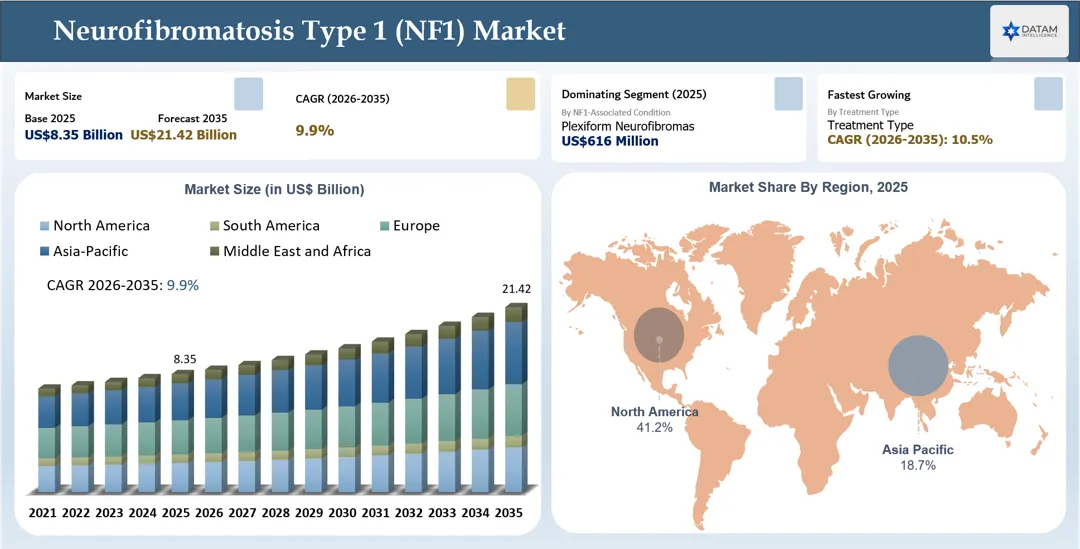
The global neurofibromatosis type 1 (NF1) market reached US$8.35 billion in 2025 and is expected to reach US$21.42 billion by 2035, growing with a CAGR of 9.9% during the forecast period 2026-2035.
The neurofibromatosis type 1 (NF1) market is evolving from predominantly surgical and supportive management toward a more targeted treatment landscape driven by advances in understanding NF1-associated RAS/MAPK pathway dysregulation. Plexiform neurofibromas (PN) currently represent the primary commercially established treatment opportunity, particularly for patients with symptomatic tumors that are inoperable or not amenable to complete resection. The approval and commercialization of MEK inhibitors have established targeted therapy as the core pharmacological segment and are increasing treatment options for both pediatric and adult patients.
Competitive dynamics are now expanding beyond plexiform neurofibromas as developers address significant unmet needs in cutaneous neurofibromas, atypical neurofibromas/ANNUBP, NF1-associated gliomas and malignant peripheral nerve sheath tumors (MPNST). Pipeline innovation is increasingly focused on alternative mechanisms, next-generation targeted therapies and approaches capable of providing broader disease control.
Commercial differentiation is shifting toward durable efficacy, long-term tolerability, dosing convenience, functional improvement and quality-of-life benefits. North America remains the most commercially mature market, while Europe and Asia-Pacific provide important expansion opportunities. Overall, the NF1 market is moving toward a broader precision-medicine model in which therapies addressing multiple disease manifestations and reducing long-term treatment burden are likely to command the greatest strategic value.
Neurofibromatosis Type 1 (NF1) Market Key Takeaways
- Targeted therapies are reshaping the NF1 treatment landscape, particularly through MEK inhibitors for symptomatic, inoperable plexiform neurofibromas, expanding treatment options for pediatric and adult patients.
- Plexiform neurofibromas represent the core commercial opportunity, supported by substantial symptom burden, functional complications and limitations associated with complete surgical resection.
- Competition among MEK inhibitors is intensifying, with efficacy, tolerability, dosing convenience, treatment persistence and long-term tumor control becoming important differentiation factors.
- Significant white-space opportunities remain beyond plexiform neurofibromas, particularly across cutaneous neurofibromas, atypical neurofibromas/ANNUBP and malignant peripheral nerve sheath tumors.
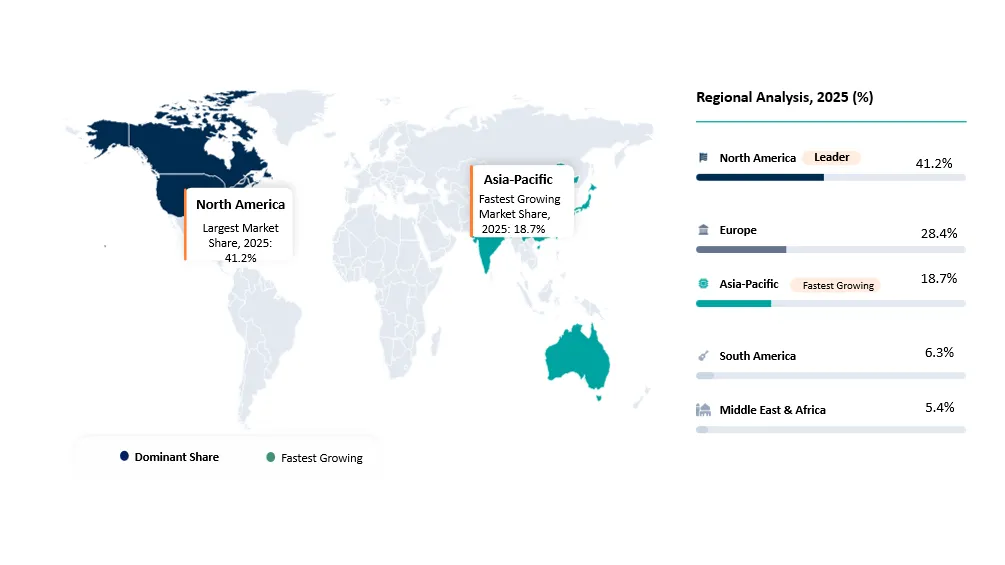
- North America remains the largest market, while Asia-Pacific is expected to grow fastest, supported by improving diagnosis, specialist care and access to targeted NF1 therapies.
- Pipeline innovation is broadening the treatment landscape, with next-generation MEK inhibitors, combination approaches and emerging mechanisms targeting currently underserved NF1-associated conditions.
- Future market leadership will depend on durable tumor control, favorable long-term tolerability, meaningful functional and quality-of-life improvements and the ability to address broader NF1 treatment needs.
Neurofibromatosis Type 1 (NF1) Industry Trends and Strategic Insights
- Targeted Therapy Expansion: NF1 treatment is shifting toward targeted molecular therapies, particularly MEK inhibitors for symptomatic, inoperable plexiform neurofibromas.
- Increasing MEK Competition: Multiple MEK inhibitors are intensifying competition around efficacy, durability, tolerability, age eligibility and dosing convenience.
- Broader Disease Coverage: Pipeline development is expanding beyond plexiform neurofibromas toward cutaneous neurofibromas, atypical neurofibromas/ANNUBP and MPNST.
- Advanced Disease Monitoring: Whole-body MRI and functional imaging are improving detection, surveillance and assessment of neurofibroma burden and malignant transformation risk.
- Focus on Long-Term Outcomes: Innovation is increasingly targeting durable tumor control, pain reduction, functional improvement, quality of life and broader NF1 disease management.
Neurofibromatosis Type 1 (NF1) Market Scope
| Metrics | Details | |
| 2025 Market Size | US$8.35 Billion | |
| 2035 Projected Market Size | US$21.42 Billion | |
| CAGR (2026-2035) | 9.9% | |
| Largest Market | North America | |
| Fastest Growing Market | Asia-Pacific | |
| By NF1-Associated Condition | Plexiform Neurofibromas, Cutaneous Neurofibromas, Atypical Neurofibromas / ANNUBP, NF1-Associated Gliomas, Malignant Peripheral Nerve Sheath Tumors and Others | |
| By Treatment Modality | Pharmacological Therapy, Surgical Therapy, Radiation Therapy, Supportive Therapy and Others | |
| By Therapeutic Class | MEK Inhibitors, Cytotoxic Chemotherapy, Targeted Therapies Other Than MEK Inhibitors, Symptom-Directed Therapies and Others | |
| By Route of Administration | Oral, Intravenous, Topical, Intralesional and Others | |
| By Treatment Line | First-Line Treatment, Subsequent-Line Treatment and Maintenance Treatment | |
| By Treatment Setting | Specialized NF1 Centers, Hospitals, Outpatient Specialty Clinics, Ambulatory Surgical Centers and Others | |
| By Distribution Channel | Specialty Pharmacies, Hospital Pharmacies, Retail Pharmacies, Online Pharmacies and Others | |
| By Region | North America | U.S., Canada, Mexico |
| Europe | Germany, UK, France, Spain, Italy, Poland | |
| Asia-Pacific | China, India, Japan, Australia, South Korea, Indonesia, Malaysia, Singapore, Vietnam, Thailand, Philippines, Taiwan | |
| South America | Brazil, Argentina | |
| Middle East and Africa | Israel, Saudi Arabia, UAE, Turkiye, South Africa, Nigeria | |
| Report Insights Covered | Competitive Landscape Analysis, Company Profile Analysis, Market Size, Share, Growth | |
Why does this report matter in 2026?
The NF1 market is entering a critical competitive transition, with multiple targeted therapies now shaping treatment decisions and increasing pressure on established MEK inhibitor leadership. The expansion of approved therapies is creating new opportunities around treatment selection, durability, tolerability and patient access. At the same time, significant unmet needs remain across cutaneous neurofibromas, atypical neurofibromas, MPNST and other NF1-associated conditions. In 2026, understanding the evolving pipeline, regulatory milestones, company strategies and emerging mechanisms is essential for identifying commercial whitespace, competitive threats and future market leaders. The report provides a structured view of these developments to support strategic decision-making.
Neurofibromatosis Type 1 (NF1) Market White Space & Investment Opportunities
- Cutaneous neurofibromas represent a major therapeutic white space because of their high prevalence and limited approved pharmacological treatment options. Topical and locally administered therapies could create a differentiated opportunity by addressing visible tumor burden, symptoms and quality-of-life impact.
- Atypical Neurofibromas / ANNUBP offer an important early-intervention opportunity, particularly for therapies capable of preventing or delaying progression toward malignant peripheral nerve sheath tumors (MPNST).
- MPNST Treatment remains one of the highest-unmet-need areas in NF1. Investment opportunities exist for targeted therapies, combination regimens and approaches capable of improving outcomes in NF1-associated MPNST.
- Next-Generation Targeted Therapies provide opportunities beyond conventional MEK inhibition, particularly approaches targeting alternative signaling pathways or combining complementary mechanisms to improve efficacy and overcome treatment resistance.
- Disease-Modifying and Broad-Spectrum Approaches represent a longer-term strategic opportunity for therapies capable of addressing multiple NF1 manifestations, reducing chronic treatment burden and improving functional outcomes rather than focusing solely on tumor shrinkage.
Neurofibromatosis Type 1 (NF1) Market Future Market Transformation
The neurofibromatosis type 1 (NF1) market is expected to undergo significant transformation as treatment expands from established MEK inhibition for plexiform neurofibromas toward broader, mechanism-driven and potentially disease-modifying approaches. Future competition will increasingly focus on improving long-term tumor control, reducing treatment burden and addressing NF1 manifestations that remain underserved by current therapies. Emerging development is expected to extend beyond conventional MEK inhibition toward next-generation pathway modulation, combination therapies and novel approaches for cutaneous neurofibromas, atypical neurofibromas/ANNUBP and MPNST. Increasing emphasis on earlier identification of malignant transformation, advanced imaging and multidisciplinary disease management will further influence treatment pathways. As the pipeline matures, therapies offering broader disease coverage, durable efficacy, improved tolerability and meaningful quality-of-life benefits are likely to reshape competitive positioning and investment priorities across the NF1 treatment landscape.
Neurofibromatosis Type 1 (NF1) Market Buyer Decision-Making Criteria
- Clinical Efficacy Across Tumor Response and Symptom Outcomes
- Reduction in Tumor-Associated Pain and Functional Impairment
- Prevention of Tumor Progression and Malignant Transformation
- Safety and Long-Term Tolerability Profile
- Durability of Tumor Control and Sustained Clinical Benefit
- Effectiveness Across Treatment-Naïve and Previously Treated Patients
- Activity Across Different NF1-Associated Conditions
- Route of Administration, Dosing Convenience and Monitoring Requirements
Neurofibromatosis Type 1 (NF1) Market Economic & Investment Analysis
The neurofibromatosis type 1 (NF1) market offers attractive investment potential due to its lifelong disease burden, limited treatment options across several NF1-associated conditions and growing adoption of targeted therapies. Commercial activity is currently concentrated around MEK inhibitors for symptomatic plexiform neurofibromas, while substantial unmet needs remain in cutaneous neurofibromas, atypical neurofibromas/ANNUBP and malignant peripheral nerve sheath tumors. Established therapies benefit from regulatory validation, clinical familiarity and defined treatment pathways, while emerging therapies must demonstrate meaningful differentiation in durability, safety, tolerability and quality-of-life outcomes.
From an investment perspective, opportunities are expanding toward next-generation MEK inhibitors, alternative pathway inhibitors, combination therapies and locally administered treatments, particularly for underserved NF1 conditions. Assets capable of addressing broader patient populations or delaying malignant progression may offer stronger strategic value. Future investment attractiveness will increasingly depend on clinical differentiation, regulatory progress, long-term treatment economics, patient access, commercial scalability and the ability to demonstrate meaningful benefits beyond tumor volume reduction.
Neurofibromatosis Type 1 (NF1) Market Trends
- Growing shift toward targeted molecular therapies as MEK inhibitors establish the current treatment foundation for symptomatic NF1-associated plexiform neurofibromas.
- Rising development beyond MEK inhibition with emerging programs exploring alternative signaling pathways, combination strategies and novel mechanisms to address limitations of current targeted treatments.
- Increasing focus on underserved NF1-associated conditions including cutaneous neurofibromas, atypical neurofibromas / ANNUBP and malignant peripheral nerve sheath tumors.
- Greater emphasis on long-term disease management as developers prioritize durable tumor control, improved tolerability, reduced treatment burden, functional outcomes and quality-of-life benefits.
- Growing importance of earlier detection and precision monitoring through advanced imaging and surveillance strategies to identify progressive tumors and potential malignant transformation at earlier stages.
Strategic Indicators for Neurofibromatosis Type 1 (NF1) Market
High Regulation Impact
The neurofibromatosis type 1 (NF1) market has a high regulatory impact because therapies must demonstrate meaningful clinical benefit, acceptable long-term safety and durable disease control across diverse NF1-associated conditions. Regulatory evaluation increasingly considers tumor volume reduction, pain improvement, functional outcomes, quality of life and sustained response, particularly for therapies targeting symptomatic plexiform neurofibromas. Developers must also address long-term risks associated with chronic treatment, including cardiovascular, ocular, gastrointestinal and other treatment-related toxicities. The presence of established MEK inhibitors raises the clinical and safety benchmark for new entrants, while therapies targeting cutaneous neurofibromas, atypical neurofibromas and MPNST require condition-specific evidence of benefit. Regulatory success will increasingly depend on durable efficacy, favorable benefit-risk profiles, clinically meaningful functional improvements, appropriate pediatric and adult evidence and clear differentiation from existing targeted therapies.
High Investment Activity
Investment activity in the neurofibromatosis type 1 (NF1) market is increasing as pharmaceutical and biotechnology companies expand development beyond established MEK inhibition toward next-generation targeted therapies, alternative signaling pathways and treatments for underserved NF1-associated conditions. Capital is increasingly directed toward programs addressing plexiform neurofibromas, cutaneous neurofibromas, atypical neurofibromas/ANNUBP and malignant peripheral nerve sheath tumors (MPNST). Emerging approaches targeting MAPK signaling and other tumor-driving pathways are broadening the innovation landscape beyond conventional MEK inhibition. Strategic partnerships, licensing arrangements and collaborations are also supporting access to differentiated drug candidates and specialized development capabilities. Investment priorities are shifting toward therapies capable of delivering durable tumor control, improved tolerability, reduced treatment burden and broader disease coverage. Companies demonstrating strong clinical differentiation, regulatory progress, scalable manufacturing and meaningful improvements in patient quality of life are likely to attract the greatest strategic and financial interest.
Supply Chain Disruption
The neurofibromatosis type 1 (NF1) market faces moderate supply chain vulnerability, although the risk profile differs from markets dominated by complex biologics or sterile ophthalmic products. Current NF1 pharmacological treatment is primarily driven by oral targeted therapies, particularly MEK inhibitors, which generally have lower cold-chain and sterile manufacturing requirements than injectable biologics. However, emerging biologics, combination therapies and specialized formulations may introduce additional manufacturing and distribution complexity. Potential disruptions in active pharmaceutical ingredient availability, specialized manufacturing capacity, quality-control processes or regional distribution networks could affect product continuity and patient access. Increasing competition among targeted therapies can improve supply diversification, but manufacturers must maintain consistent quality and regulatory compliance across markets. Companies with multiple qualified suppliers, diversified manufacturing capacity, robust quality systems and reliable distribution networks will be better positioned to mitigate supply risks and maintain consistent availability as the NF1 treatment landscape expands.
Pricing Volatility
The neurofibromatosis type 1 (NF1) market is characterized by high treatment costs and increasing pricing pressure, particularly as additional targeted therapies enter the market. Pricing is influenced by clinical differentiation, treatment durability, tolerability, dosing requirements, reimbursement coverage and the severity of the NF1-associated condition being treated. The emergence of multiple MEK inhibitors is expected to increase payer scrutiny and create greater pressure on manufacturers to demonstrate differentiated clinical value. As therapies targeting cutaneous neurofibromas, atypical neurofibromas and MPNST advance, premium pricing will increasingly require evidence of durable tumor control, meaningful symptom improvement, reduced treatment burden and improved quality of life. Reimbursement policies, specialty-pharmacy distribution, patient assistance programs and payer negotiations will also influence realized pricing. Competitive advantage will increasingly depend on demonstrating measurable clinical and economic value while maintaining sustainable access for patients requiring long-term NF1 management.
Procurement Pressure
The neurofibromatosis type 1 (NF1) market is characterized by high treatment costs and increasing pricing pressure as additional targeted therapies enter the market. Pricing is influenced by clinical differentiation, treatment durability, tolerability, dosing requirements, reimbursement coverage and the severity of the NF1-associated condition being treated. Increasing competition among MEK inhibitors is expected to strengthen payer scrutiny and place greater emphasis on demonstrable clinical value. As therapies targeting cutaneous neurofibromas, atypical neurofibromas and MPNST advance, premium pricing will increasingly require evidence of durable tumor control, meaningful symptom improvement, reduced treatment burden and improved quality of life. Reimbursement policies, specialty-pharmacy distribution, patient assistance programs and payer negotiations will further influence realized pricing. Competitive advantage will therefore depend on demonstrating measurable clinical and economic value while maintaining sustainable patient access for individuals requiring long-term NF1 management.
FDA Approvals
| Brand and Generic Name | Sponsor | Current Owner | Approval Date | MOA |
| KOSELUGO (Selumetinib) | AstraZeneca Pharmaceuticals LP | AstraZeneca / Alexion, AstraZeneca Rare Disease | April 10, 2020 - FDA | Selective MEK1/2 inhibitor that suppresses dysregulated RAS-RAF-MEK-ERK signaling resulting from neurofibromin loss |
| GOMEKLI (Mirdametinib) | SpringWorks Therapeutics, Inc. | Merck KGaA, Darmstadt, Germany / SpringWorks Therapeutics | February 11, 2025 -FDA | Selective, allosteric MEK1/2 inhibitor that reduces aberrant MAPK-pathway signaling and PN-cell proliferation |
| EZMEKLY (Mirdametinib) | SpringWorks Therapeutics, Inc. | Merck KGaA, Darmstadt, Germany / SpringWorks Therapeutics | July 17, 2025 - EU Conditional Marketing Authorization | Selective, allosteric MEK1/2 inhibitor that reduces aberrant MAPK-pathway signaling and PN-cell proliferation |
| Fumaining (Luvometinib / FCN-159) | Fosun Pharma | Fosun Pharma | May 29, 2025 - China NMPA | Highly selective MEK1/2 inhibitor that blocks aberrant MAPK signaling associated with NF1-driven tumor growth |
Regional Expansion Opportunity
The neurofibromatosis type 1 (NF1) market offers meaningful regional expansion opportunities as diagnosis improves, specialized NF1 centers expand and access to targeted therapies increases across major healthcare markets. North America remains the most commercially mature region, supported by established rare-disease networks, specialist expertise, advanced diagnostics and strong access to targeted therapies. Europe presents additional opportunity through established rare-disease infrastructure, multidisciplinary care pathways and increasing availability of targeted treatments, although reimbursement and treatment access remain country-specific. Asia-Pacific, particularly China and Japan, represents a strong long-term expansion opportunity, supported by large patient populations, improving diagnostic capabilities, growing specialist networks and increasing access to innovative therapies. Future regional growth will depend on diagnosis rates, reimbursement coverage, treatment affordability, specialist availability and regulatory approvals. Companies offering differentiated, durable and accessible therapies are likely to gain stronger positions as NF1 treatment expands beyond plexiform neurofibromas into underserved disease areas.
Government Policy Support
The neurofibromatosis type 1 (NF1) market benefits from increasing government and regulatory attention toward rare disease diagnosis, genetic testing, specialist care and access to targeted therapies. Rare disease policies and orphan-drug frameworks can support development through regulatory incentives, expedited pathways and measures designed to improve availability of treatments for small patient populations.
Government-supported rare disease programs, specialized treatment centers and genetic counseling initiatives can improve identification and long-term management of NF1 patients. Regulatory frameworks for innovative targeted therapies also support continued development of treatments for NF1-associated plexiform neurofibromas, cutaneous neurofibromas and other serious disease complications. Public healthcare reimbursement and national rare disease strategies remain important determinants of treatment access, particularly where therapies require prolonged administration and specialist monitoring. Policies supporting orphan-drug development, genetic diagnosis, multidisciplinary care and patient access are therefore expected to remain important drivers of NF1 treatment adoption and regional market development.
Pipeline Analysis
| Sponsor | Intervention | Clinical Stage | MoA | RoA | Modality | |||
Chia Tai Tianqing Pharmaceutical / Sino Biopharmaceutical | TQ-B3234 | Phase III | Selective MEK1/2 inhibition suppressing aberrant RAS-RAF-MEK-ERK signaling | Oral | Small-Molecule MEK Inhibitor | |||
| Fosun Pharma | Luvometinib (FCN-159) | Phase III / NDA Accepted for Adult NF1-PN in China | Selective MEK1/2 inhibition reducing MAPK pathway activation and plexiform neurofibroma growth | Oral | Small-Molecule MEK Inhibitor | |||
National Cancer Institute / AstraZeneca | Selumetinib | Phase III | MEK1/2 inhibition suppressing MAPK signaling in NF1-associated low-grade glioma | Oral | Small-Molecule MEK Inhibitor | |||
| Shanghai Kechow Pharma | Tunlametinib (HL-085) | Phase II | Selective MEK inhibition targeting constitutively activated MAPK signaling | Oral | Small-Molecule MEK Inhibitor | |||
| Healx Limited | HLX-1502 | Phase II | Investigational NF1 therapy; precise molecular target has not been publicly disclosed | Oral | Small-Molecule Therapy | |||
University of Alabama at Birmingham / NF Consortium | Selumetinib | Phase II | MEK1/2 inhibition intended to prevent progression of high-risk plexiform neurofibromas | Oral | Small-Molecule MEK Inhibitor | |||
Johns Hopkins University / Merck Healthcare KGaA | Mirdametinib | Phase I/IIa | MEK1/2 inhibition reducing MAPK-driven proliferation of cutaneous neurofibromas | Oral | Small-Molecule MEK Inhibitor | |||
| National Cancer Institute | Abemaciclib | Phase I/II | CDK4/6 inhibition inducing cell-cycle arrest in NF1-associated atypical neurofibromas | Oral | Small-Molecule CDK4/6 Inhibitor | |||
| Children's National Research Institute | Alrizomadlin (APG-115) + Selumetinib | Phase I/II | Combined MDM2 and MEK inhibition restoring p53 activity while suppressing MAPK signaling | Oral | Small-Molecule Combination Therapy | |||
NF Clinical Trials Consortium / University of Alabama at Birmingham | Cabozantinib + Selumetinib | Phase I / Planned Phase Ib/II | Combined multi-kinase and MEK1/2 inhibition targeting tumor signaling and microenvironment pathways | Oral | Small-Molecule Combination Therapy | |||
| Pasithea Therapeutics | PAS-004 | Phase I | Next-generation macrocyclic MEK1/2 inhibition designed for sustained MAPK suppression | Oral | Small-Molecule MEK Inhibitor | |||
Johns Hopkins University / Amgen | Talimogene Laherparepvec (IMLYGIC / T-VEC) | Phase I | Oncolytic HSV-1 induces tumor-cell lysis and local antitumor immune activation | Intralesional | Oncolytic Viral Immunotherapy | |||
Massachusetts General Hospital | Deoxycholic Acid (Kybella) | Phase I | Local cytolytic membrane disruption within cutaneous neurofibromas | Intralesional | Local Cytolytic Therapy | |||
AI Impact Analysis of Neurofibromatosis Type 1 (NF1) Market
The growing application of artificial intelligence and advanced analytics is expected to influence the neurofibromatosis type 1 (NF1) market through imaging analysis, patient identification, disease monitoring, clinical-trial optimization and biomarker research. AI-assisted analysis of MRI and PET imaging can support automated assessment of tumor burden, identification of changes in plexiform neurofibromas and detection of lesions requiring further evaluation for atypical neurofibromas or malignant transformation.
AI-driven models can also help integrate longitudinal imaging, clinical and molecular data to improve patient stratification, treatment-response assessment and prediction of disease progression. These capabilities are particularly relevant as NF1 drug development expands beyond MEK inhibition toward therapies targeting different molecular pathways and underserved NF1-associated conditions. In clinical development, AI can support patient selection, endpoint assessment and trial recruitment. Over time, greater integration of AI into NF1 diagnosis and monitoring could enable earlier detection, more personalized treatment decisions and more efficient long-term disease management, potentially improving adoption of emerging targeted therapies.
Disruption Analysis of Neurofibromatosis Type 1 (NF1) Market
The neurofibromatosis type 1 (NF1) market is undergoing competitive disruption as treatment expands beyond established MEK inhibition toward next-generation targeted therapies, alternative molecular pathways and novel treatment approaches. Competitive differentiation is increasingly shifting toward durable tumor control, improved tolerability, reduced treatment burden, broader patient eligibility and treatment of currently underserved NF1-associated conditions.
The competitive landscape is also being reshaped by the development of therapies targeting cutaneous neurofibromas, atypical neurofibromas/ANNUBP and malignant peripheral nerve sheath tumors (MPNST), alongside next-generation approaches for plexiform neurofibromas. Emerging mechanisms and combination strategies could challenge the current MEK inhibitor-centered treatment paradigm if they demonstrate superior efficacy, safety or broader disease coverage. Competitive advantage is therefore shifting toward companies capable of combining durable clinical benefit, differentiated mechanisms, convenient administration, strong long-term safety and meaningful improvements in pain, function and quality of life.
Neurofibromatosis Type 1 (NF1) Market BCG Matrix: Company Evaluation
STAR
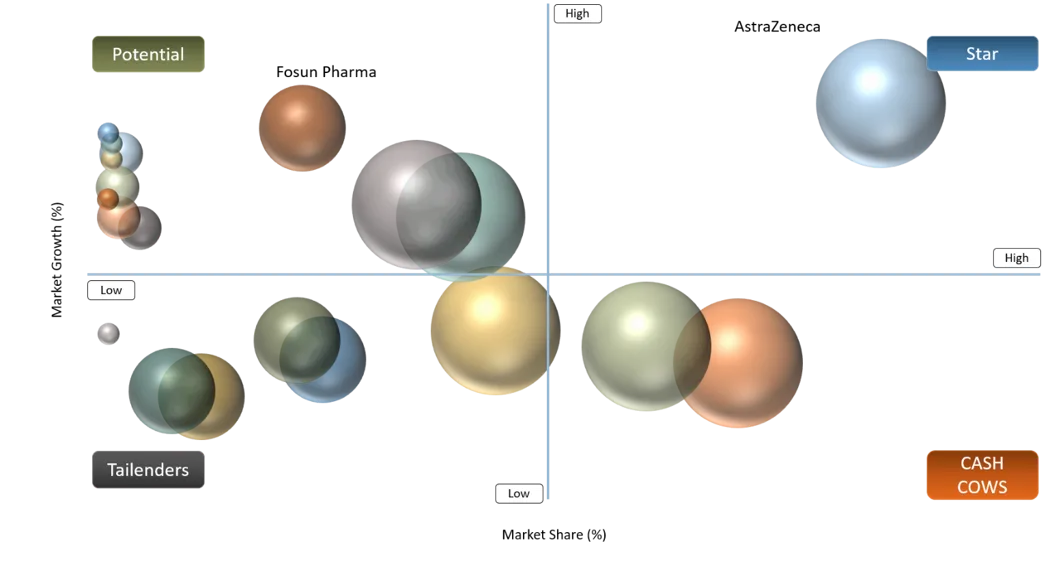
AstraZeneca and Merck KGaA are positioned as Star companies in the NF1 market due to their strong commercial and regulatory positions through KOSELUGO and GOMEKLI, respectively. Both companies benefit from FDA-approved therapies for symptomatic NF1-associated plexiform neurofibromas, established clinical evidence, broad patient eligibility and strong commercialization capabilities. Their leadership is further supported by growing demand for targeted treatment and increasing physician adoption of MEK inhibitors. The presence of two established targeted therapies also provides a strong foundation for continued market expansion and lifecycle opportunities across pediatric and adult NF1 populations.
POTENTIAL
Fosun Pharma, NFlection Therapeutics, Healx and Pasithea Therapeutics represent Potential companies due to their NF1-specific development programs and opportunities to address important treatment gaps. Fosun Pharma has established regional strength through Fumaining, while NFlection focuses on cutaneous neurofibromas through its localized approach. Healx and Pasithea are developing investigational therapies for NF1-associated plexiform neurofibromas. Their future positioning will depend on clinical validation, regulatory progression, differentiation from established MEK inhibitors and the ability to demonstrate meaningful improvements in efficacy, tolerability and treatment convenience.
Neurofibromatosis Type 1 (NF1) Market Dynamics
Driver Impact Analysis
| Driver | Market Growth Impact (%) | Demand Concentration | Impacted Use Case | Strategic Impact |
Expanding Targeted Treatment Population | 8.5% | High in North America and Europe, with increasing adoption in Asia-Pacific | Increasing availability of targeted therapies for symptomatic, inoperable NF1-associated plexiform neurofibromas | Expands the treated population and strengthens long-term demand for targeted NF1 therapies |
Increasing MEK Inhibitor Competition | 7.8% | Concentrated among established and emerging MEK inhibitor developers | KOSELUGO and GOMEKLI have established multiple targeted treatment options for NF1-associated PN | Intensifies competition around efficacy, tolerability, age eligibility, dosing and treatment persistence |
Growing Unmet Need Beyond Plexiform Neurofibromas | 9.2% | Global, with significant opportunity across specialized NF1 centers | Limited pharmacological options remain for cutaneous neurofibromas, ANNUBP and MPNST | Creates substantial white-space opportunities for differentiated therapies and new mechanisms |
Driver: Expanding Targeted Treatment Population
The NF1 treatment landscape is expanding as targeted therapies become increasingly available for patients with symptomatic, inoperable plexiform neurofibromas. Greater physician awareness, improved diagnosis and wider access to specialized NF1 centers are supporting treatment adoption. The availability of multiple MEK inhibitors is also broadening therapeutic choice and strengthening the commercial treatment pool. North America and Europe currently represent the most established markets due to stronger rare-disease infrastructure and specialist access, while Asia-Pacific offers longer-term expansion potential as diagnosis and treatment availability improve. Continued development of therapies addressing additional NF1-associated conditions could further expand the addressable treatment population and create new revenue opportunities across the NF1 market.
Restraint Impact Analysis
| Restraint | Drag on Market Growth (%) | Primary Impact Area | Impacted Use Case | Strategic Impact |
| High Treatment Cost | 5.8% | Patient Access and Reimbursement | Long-term targeted therapy, particularly MEK inhibitors | Limits affordability, increases payer scrutiny and may delay treatment initiation |
Limited Treatment Options Across NF1 Conditions | 4.9% | Unmet Clinical Need | Cutaneous neurofibromas, ANNUBP and MPNST | Restricts treatment penetration across the broader NF1 population and limits addressable commercial opportunities |
Long-Term Treatment Tolerability | 5.2% | Treatment Persistence | Chronic MEK inhibitor therapy requiring ongoing monitoring | Adverse events and monitoring requirements can contribute to treatment interruptions and affect long-term adherence |
Restraint: High Treatment Cost
High treatment costs represent a significant restraint in the NF1 market, particularly for patients requiring prolonged targeted therapy and specialist monitoring. The financial burden can influence treatment initiation, persistence and overall access, especially where reimbursement coverage is limited or patient out-of-pocket costs are substantial. Payers are increasingly likely to assess therapies based on clinical benefit, durability, quality-of-life improvement and overall healthcare-resource utilization rather than drug cost alone. As additional targeted therapies enter the market, manufacturers will need to demonstrate meaningful differentiation to justify premium pricing. Consequently, affordability and reimbursement accessibility may limit penetration in price-sensitive markets while creating greater demand for cost-effective treatment options.
Neurofibromatosis Type 1 (NF1) Market Segment Analysis
The global neurofibromatosis type 1 (NF1) market is segmented based on the NF1-Associated Condition, Therapeutic Approach, Route of Administration, age group, Treatment Line, Treatment Setting, Distribution Channel, and region.
By NF1-Associated Condition
Plexiform Neurofibromas Drive the Core Commercial Opportunity
Plexiform neurofibromas (PN) represent the largest commercially relevant NF1-associated condition, particularly because symptomatic tumors can cause pain, functional impairment, disfigurement and compression of surrounding structures. These tumors may develop along multiple nerve fascicles and can become extensive, making complete surgical removal difficult or associated with significant morbidity. The treatment landscape has shifted toward targeted pharmacological management, with MEK inhibitors providing an important option for patients with symptomatic, inoperable PN. Treatment demand is supported by the chronic nature of NF1 and the need for ongoing tumor monitoring and symptom management. Clinical differentiation increasingly depends on meaningful and durable tumor-volume reduction, pain improvement, functional benefits and tolerability. Surgical intervention remains important for selected patients where tumors are resectable or create urgent complications. Continued development of targeted therapies and next-generation approaches is expected to expand treatment options, strengthen competition and increase the commercial importance of PN within the overall NF1 market.
By Treatment Type
Targeted Therapies Represent the Primary Growth Engine
Targeted therapy represents the fastest-growing treatment approach in the NF1 market, driven by increasing recognition of the molecular mechanisms underlying NF1-associated tumor development. MEK inhibition has established targeted treatment as an important therapeutic strategy, particularly for symptomatic, inoperable plexiform neurofibromas. KOSELUGO (selumetinib) and GOMEKLI (mirdametinib) have expanded treatment availability across pediatric and adult populations, strengthening the targeted-therapy treatment pool. Growth is supported by the limitations of surgery for extensive tumors and the need for systemic treatment capable of controlling tumor progression and improving symptoms. Future opportunities extend beyond established MEK inhibitors as developers investigate next-generation compounds and alternative molecular approaches. Commercial success will increasingly depend on durable tumor control, safety, tolerability, dosing convenience and improvements in pain, physical function and quality of life. As the NF1 pipeline broadens, targeted therapy is expected to capture a growing proportion of pharmaceutical spending within the NF1 treatment market.
Neurofibromatosis Type 1 (NF1) Market Geographical Penetration
U.S. Neurofibromatosis Type 1 (NF1) Market Landscape
The United States represents one of the most commercially advanced NF1 markets, supported by established specialist networks, genetic testing, multidisciplinary NF1 centers and access to targeted therapies. The regulatory environment is particularly favorable following FDA approvals of KOSELUGO (selumetinib) and GOMEKLI (mirdametinib) for symptomatic NF1-associated plexiform neurofibromas. Selumetinib is approved for adults and pediatric patients aged 1 year and older, while mirdametinib is approved for patients aged 2 years and older, expanding targeted treatment availability across age groups.
The U.S. also benefits from comparatively strong NF1 research infrastructure and clinical-trial activity, supporting earlier diagnosis and access to emerging therapies. Commercial opportunities extend beyond plexiform neurofibromas because significant unmet needs remain in cutaneous neurofibromas, atypical neurofibromas and MPNST. Consequently, the U.S. is expected to remain a key market for targeted therapy adoption, pipeline commercialization and clinical innovation.
China Neurofibromatosis Type 1 (NF1) Market Outlook
China represents a high-potential NF1 market because of its large underlying patient population and increasing clinical research activity. A recent multicenter study evaluated 1,313 Chinese patients with NF1, providing detailed evidence on the country's disease burden and clinical characteristics. The study reported 44% prevalence of plexiform neurofibromas, while cutaneous neurofibromas were present in more than 80% of patients aged 18 years and older. MPNST prevalence was 8.2% in the Chinese cohort, compared with 4.4% in the U.S. comparison cohort.
China has also developed its own targeted-treatment landscape, with Fumaining (luvometinib/FCN-159) providing a locally developed MEK-inhibitor option for NF1-associated PN. Improving genetic diagnosis, specialist expertise and clinical research capabilities could support greater treatment penetration. The combination of a large patient base, substantial unmet need and increasing availability of targeted therapies makes China an important long-term expansion market.
Japan Neurofibromatosis Type 1 (NF1) Market Outlook
Japan represents an attractive NF1 market because of its established healthcare infrastructure, specialist medical services and strong capacity for rare-disease diagnosis and management. The country's advanced imaging capabilities are particularly relevant to NF1 because long-term monitoring of plexiform neurofibromas and other tumors requires specialized assessment. Japan also has an established rare-disease regulatory and reimbursement framework that can support access to innovative therapies following regulatory approval.
The broader Asian NF1 evidence base indicates that clinical manifestations can vary across populations, reinforcing the importance of region-specific diagnosis and treatment strategies. A recent study of 228 Chinese NF1 patients found Lisch nodules in 82.82% of patients, illustrating the value of systematic specialist assessment in Asian populations. For Japan, commercial opportunity is therefore likely to center on specialized NF1 care, targeted therapies, advanced monitoring and future treatments addressing currently underserved NF1-associated conditions.
Neurofibromatosis Type 1 (NF1) Market Competitive Landscape
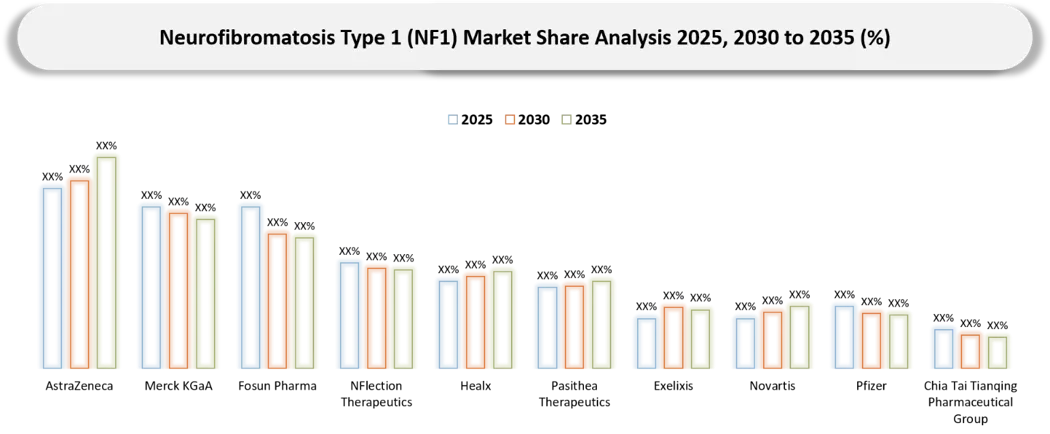
- Competition is led by targeted MEK inhibitor therapies, with AstraZeneca, SpringWorks Therapeutics and Fosun Pharma establishing important positions through KOSELUGO, GOMEKLI and Fumaining.
- Competitive differentiation is increasingly driven by tumor response, durability, tolerability, dosing convenience and quality-of-life improvement, rather than tumor shrinkage alone.
- Pipeline competition is expanding beyond established MEK inhibitors, with emerging programs exploring next-generation MEK inhibition and alternative molecular pathways for NF1-associated tumors.
- Underserved NF1-associated conditions are becoming strategic areas of competition, particularly cutaneous neurofibromas, atypical neurofibromas/ANNUBP and malignant peripheral nerve sheath tumors.
- Innovation is increasingly focused on broader disease coverage and reduced treatment burden, creating opportunities for therapies that can provide durable control across different NF1-associated conditions.
- Future market leadership will depend on clinically meaningful differentiation, including sustained tumor control, improved functional outcomes, favorable long-term safety and potential disease-modifying activity.
Key Companies of Neurofibromatosis Type 1 (NF1) Market
- AstraZeneca (United Kingdom)
- SpringWorks Therapeutics (United States)
- Fosun Pharma (China)
- NFlection Therapeutics (United States)
- Healx (United Kingdom)
- Pasithea Therapeutics (United States)
- Exelixis (United States)
- Novartis (Switzerland)
- Pfizer (United States)
- Amgen (United States)
- Bristol Myers Squibb (United States)
- Boehringer Ingelheim (Germany)
- AbbVie (United States)
- Regeneron Pharmaceuticals (United States)
- Merck & Co. (United States)
- Verastem Oncology (United States)
- Deciphera Pharmaceuticals (United States)
- Ipsen (France)
- Johnson & Johnson (United States)
- Kura Oncology (United States)
Neurofibromatosis Type 1 (NF1) Market Major Pain Points
- Limited Disease Modification: Current targeted therapies primarily control tumor growth and associated symptoms but do not correct the underlying NF1 genetic defect or prevent development of new disease manifestations.
- Limited Treatment Options Across NF1 Conditions: Approved targeted therapies are concentrated on symptomatic plexiform neurofibromas, while effective pharmacological options remain limited for cutaneous neurofibromas, ANNUBP and MPNST.
- Long-Term Treatment and Monitoring Burden: Chronic targeted therapy can require continuous administration, safety monitoring and specialist follow-up, creating challenges for treatment persistence and patient management.
- Variable Treatment Response and Tolerability: Patients may experience differences in tumor response, symptom improvement and treatment tolerability, creating demand for therapies with more predictable and durable clinical benefits.
- Risk of Malignant Transformation: NF1-associated atypical neurofibromas and MPNST present significant clinical challenges, with a continuing need for earlier detection and effective treatments for malignant disease.
- Limited Access to Specialized NF1 Care: Uneven availability of multidisciplinary NF1 centers, genetic diagnosis and specialist expertise can delay diagnosis, surveillance and access to appropriate targeted treatment.
Neurofibromatosis Type 1 (NF1) Market Recent Developments
- November 2025: The U.S. FDA approved KOSELUGO (selumetinib) for adults with NF1 who have symptomatic, inoperable plexiform neurofibromas, expanding the therapy’s U.S. indication beyond pediatric patients.
- September 2025: The U.S. FDA approved KOSELUGO (selumetinib) capsules and oral granules for pediatric patients aged 1 year and older with NF1 and symptomatic, inoperable plexiform neurofibromas, extending pediatric eligibility to younger patients.
- February 2025: The U.S. FDA approved GOMEKLI (mirdametinib) for adults and pediatric patients aged 2 years and older with NF1 who have symptomatic plexiform neurofibromas not amenable to complete resection, establishing a second FDA-approved targeted therapy for NF1-associated PN.
- February 2025: GOMEKLI (mirdametinib) became one of FDA’s 2025 novel drug approvals, strengthening the competitive landscape for targeted NF1 treatment and expanding therapeutic choice for patients with symptomatic PN.
Analyst View / Opinion on Neurofibromatosis Type 1 (NF1) Market
- The NF1 market is shifting toward targeted molecular treatment, with MEK inhibitors establishing the current therapeutic foundation for symptomatic plexiform neurofibromas.
- Significant opportunities remain in cutaneous neurofibromas, atypical neurofibromas/ANNUBP and MPNST, where treatment options remain limited.
- Future competition is likely to center on sustained tumor control, long-term safety, manageable adverse events and reduced treatment burden.
- Therapies capable of addressing multiple NF1-associated conditions while improving pain, physical function and quality of life are likely to achieve stronger clinical and commercial positioning.
Neurofibromatosis Type 1 (NF1) Market Target Audience
| INDUSTRY | WHO SHOULD BUY THIS REPORT? | REASON TO BUY THIS REPORT |
| Pharmaceutical Companies | NF1 Targeted Therapy Manufacturers | To benchmark approved therapies, emerging MEK inhibitors and pipeline assets while assessing competitive positioning, treatment gaps and lifecycle opportunities. |
| Biotechnology Companies | Clinical-Stage NF1 Therapy Developers | To identify pipeline white spaces, novel mechanisms, unmet needs and potential differentiation opportunities across plexiform neurofibromas and other NF1-associated conditions. |
| Specialty Pharmaceutical Companies | Rare Disease Therapy Developers | To evaluate market-entry opportunities, patient populations, treatment adoption, regulatory developments and commercial potential across major NF1 indications. |
| Contract Research Organizations | NF1 Clinical Trial and Drug Development Providers | To assess clinical-development activity, trial opportunities, competing assets and evolving endpoints across the NF1 therapeutic landscape. |
| Investors and Private Equity Firms | Life Sciences Investors and Strategic Investors | To evaluate company positioning, pipeline maturity, market opportunities, competitive threats and potential investment targets within NF1. |
| Diagnostics and Imaging Companies | NF1 Diagnostic and Imaging Technology Providers | To assess opportunities arising from genetic testing, tumor surveillance, advanced imaging and earlier identification of progressive NF1-associated tumors. |
Why Choose DATAM?
- Therapy-Level Competitive Intelligence: Gain detailed intelligence on approved NF1 therapies, MEK inhibitors, emerging targeted treatments, pipeline assets, mechanisms of action and competitive positioning.
- Patient Segment and Unmet-Need Analysis: Assess treatment opportunities across plexiform neurofibromas, cutaneous neurofibromas, atypical neurofibromas, NF1-associated gliomas and MPNST.
- Pipeline and Regulatory Tracking: Monitor Phase I–III programs, regulatory approvals, clinical milestones, partnerships, licensing activity and emerging mechanisms shaping the NF1 treatment landscape.
- Data-Driven Strategic Insights: Access decision-ready analysis covering epidemiology, treatment adoption, regional opportunities, competitive benchmarking, market dynamics and evolving NF1 treatment pathways.
What DATAM Uniquely Provides
- Deep NF1 Treatment Segmentation: Detailed analysis across NF1-associated conditions, treatment modalities, therapeutic classes, patient age, treatment line, administration routes and healthcare settings.
- Therapy and Pipeline Competitive Benchmarking: Comparative assessment of approved and investigational NF1 therapies based on mechanism of action, clinical development stage, efficacy, durability, safety, administration burden and competitive positioning.
- Patient Opportunity and White-Space Mapping: Identification of high-value unmet needs across plexiform neurofibromas, cutaneous neurofibromas, atypical neurofibromas/ANNUBP, NF1-associated gliomas and MPNST.
- Regulatory, Pricing and Market Access Intelligence: Analysis of regulatory approvals, clinical milestones, reimbursement considerations, treatment costs, access barriers and competitive factors influencing NF1 therapy adoption.
- Emerging Therapy and Mechanism Tracking: Assessment of next-generation MEK inhibitors, alternative pathway approaches, combination therapies and emerging modalities addressing limitations of current NF1 treatment.
- Strategic Market Opportunity Assessment: Decision-ready evaluation of market white spaces, regional expansion opportunities, competitive threats, investment priorities and potential areas for future commercial differentiation.


























































