


Market Size
The global krill protein market for food and beverages was US$1,484.04 million in 2025 and is expected to reach US$1,968.69 million by 2033, growing at a CAGR of 3.6% between 2026 and 2033.
The global krill protein for food and beverages market is experiencing significant growth due to rising consumer demand for functional and nutritional food products. Krill protein, derived from Antarctic krill, is rich in essential amino acids, omega-3 fatty acids, and antioxidants, making it a valuable ingredient for health-conscious consumers. The market is driven by increasing awareness of the health benefits associated with krill-based protein, including cardiovascular support, cognitive health, and anti-inflammatory properties. Additionally, advancements in extraction technologies have improved product purity and sustainability, fueling market expansion. North America and Europe dominate market adoption, while Asia-Pacific presents emerging growth opportunities.
For more details on this report, Request for Sample
Market Trends
Rising Demand for Functional Beverages
Consumers are increasingly opting for functional beverages infused with krill protein due to its high nutritional value and easy integration into daily diets. Krill protein is being incorporated into energy drinks, protein shakes, and meal replacements to support muscle recovery, cardiovascular health, and cognitive function. The demand for plant-based and marine-based proteins is growing, making krill protein a viable alternative to traditional sources. Innovations in formulation and taste enhancement are further driving the adoption of krill-based functional beverages. Additionally, marketing strategies highlighting sustainability and traceability are appealing to eco-conscious consumers, fostering further market expansion.
Expanding Applications in Sports Nutrition
The sports nutrition sector is witnessing an increased interest in krill protein due to its ability to enhance muscle recovery and reduce inflammation. Athletes and fitness enthusiasts are incorporating krill protein into their diets for its superior bioavailability compared to conventional protein sources. The presence of omega-3s, particularly EPA and DHA, aids in reducing exercise-induced oxidative stress and promoting endurance. Major sports nutrition brands are launching krill-based protein powders and supplements to cater to this growing demand. This trend is further supported by scientific research demonstrating krill protein’s effectiveness in improving joint health and muscle function.
Market Scope
| Key Metrics | Insights |
| Top Growth Driver | Health Benefits and Consumer Awareness |
| Trend | High Production Costs and Sustainability Challenges |
| Segments Covered | Type, Distribution Channel, and Region |
| Fastest Growing Region | Asia-Pacific |
| Largest Region | North America |
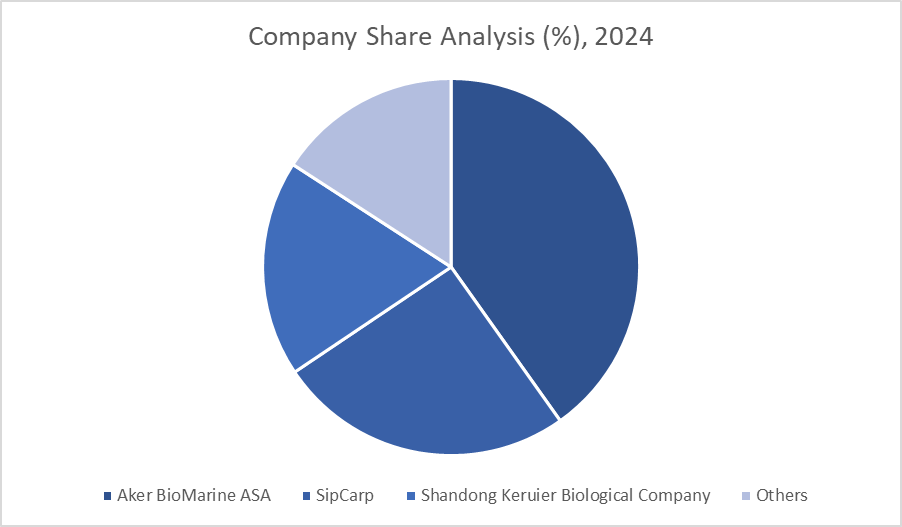
| Major Players | SipCarp, Aker BioMarine ASA, Shandong Keruier Biological Company |
| Report Insights Covered | Competitive Landscape Analysis, Company Profile Analysis, Market Size, Share, Growth, Demand, Recent Developments, Mergers and Acquisitions, New Product Launches, Growth Strategies, Revenue Analysis, Porter’s Analysis, Pricing Analysis, Regulatory Analysis, Supply-Chain Analysis and Other key Insights. |
Market Dynamics
Market Driver: Health Benefits and Consumer Awareness
Increasing consumer awareness of the health benefits of krill protein is a key driver of market growth. Krill protein is rich in essential amino acids, omega-3 fatty acids, and astaxanthin, which support cardiovascular health, cognitive function, joint health, and overall well-being. Studies indicate that krill oil supplementation reduces triglyceride levels, enhances HDL cholesterol, and improves cognitive function.
The demand for functional foods and dietary supplements is rising as consumers prioritize preventive healthcare solutions. Additionally, endorsements from medical organizations, including the American Heart Association and National Institutes of Health, reinforce the credibility of krill protein’s health benefits, further propelling market expansion.
Market Restraint:
High Production Costs and Sustainability Challenges
One of the primary challenges in the global krill protein market is the high production cost associated with sustainable harvesting and processing. Antarctic krill harvesting requires stringent environmental regulations to maintain ecological balance, increasing operational expenses. Sustainable practices, including eco-friendly extraction methods, contribute to the overall cost of krill-based products.
Additionally, limited raw material availability due to strict fishing quotas affects supply consistency. These challenges make krill protein products more expensive compared to other protein sources like soy or whey, limiting mass-market penetration. Efforts to improve cost-effectiveness and optimize supply chain processes will be crucial in overcoming these restraints.
Market Segment Analysis
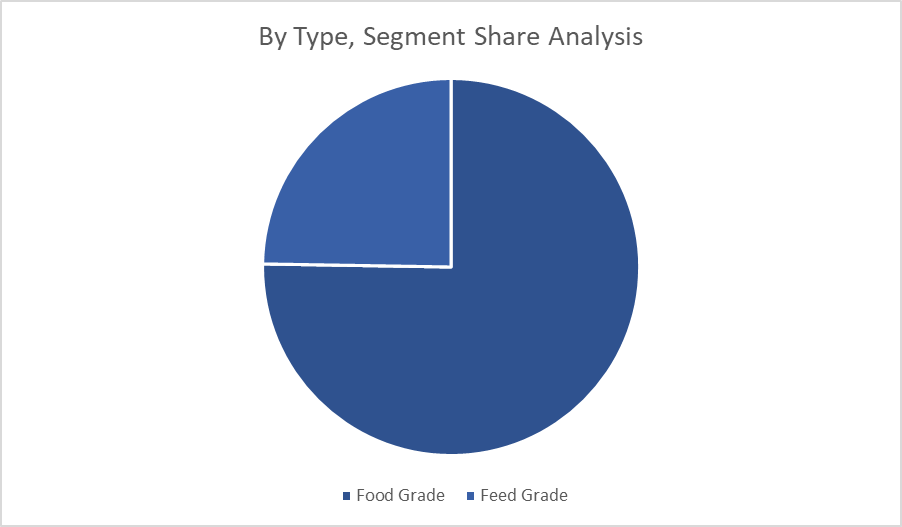
Food-grade type dominates the market due to its convenience and extended shelf life.
The food-grade segment dominates the krill protein market due to its widespread acceptance in dietary supplements. Consumers prefer capsules for their convenience, accurate dosage, and extended shelf life. Krill protein in food is widely used for cardiovascular health, cognitive function, and anti-inflammatory benefits. Their popularity is further boosted by endorsements from healthcare professionals and scientific studies supporting their efficacy. Additionally, the encapsulation technology helps preserve the integrity of omega-3 fatty acids, ensuring better absorption in the body. With increasing consumer preference for targeted nutrition and wellness solutions, the food form segment is expected to maintain its dominance in the coming years.
Market Geographical Share
North America is the leading region in the krill protein market, driven by high consumer awareness, strong demand for functional foods, and an established dietary supplement industry. The region's health-conscious population actively seeks omega-3-rich products, supporting krill protein adoption. The presence of key market players, including Aker BioMarine and Kori Krill Oil, ensures product innovation and availability. Regulatory approvals from organizations such as the FDA and American Heart Association further enhance consumer confidence. The growing popularity of clean-label and sustainable nutrition products is also contributing to market growth. With continuous research and product development, North America is poised to remain the dominant market for krill protein.
Market Key Players
Key players are SipCarp., Shandong Keruier Biological Company, Sunflower Enterprise, IFB Agro Industries Limited, Qingdao Kangjing Marine Biotechnology Co., Ltd, Beijing Jin-Ye Bioengineering Co. Ltd., Krill Arctic Foods, A-Bank Co., Ltd., La Merced and AKER BIOMARIN.
Recent Developments
In March 2026, Aker BioMarine ASA expanded functional ingredient applications across North America and Europe, focusing on krill protein integration into food and beverage formulations.
In February 2026, Shandong Keruier Biological Company enhanced processing capacity in China and the Asia Pacific, supporting growing demand for krill protein in functional foods.
In January 2026, Qingdao Kangjing Marine Biotechnology Co., Ltd. advanced marine extraction technologies across the Asia Pacific, improving the quality and bioavailability of krill protein ingredients.
In November 2025, Aker BioMarine ASA inaugurated a new processing unit in Japan, strengthening supply for the functional food and beverage sector.
In October 2025, IFB Agro Industries Limited expanded protein applications across India and Asia, targeting nutraceutical and fortified food segments.
In September 2025, SipCarp focused on product innovation across Europe and North America, introducing krill-based ingredients for beverages and sports nutrition.
Segment Structure
By Type
- Food Grade
- Feed Grade
By Distribution Channel
- Online Stores
- Supermarkets & Hypermarkets
- Departmental Stores
- Retail Stores
- Others
By Region
- North America
- South America
- Europe
- Asia-Pacific
- Middle East and Africa
Why Choose DataM Intelligence?
- Data-Driven Insights: Dive into detailed analyses with granular insights such as pricing, market shares, and value chain evaluations, enriched by interviews with industry leaders and disruptors.
- Post-Purchase Support and Expert Analyst Consultations: As a valued client, gain direct access to our expert analysts for personalized advice and strategic guidance, tailored to your specific needs and challenges.
- White Papers and Case Studies: Benefit quarterly from our in-depth studies related to your purchased titles, tailored to refine your operational and marketing strategies for maximum impact.
- Annual Updates on Purchased Reports: As an existing customer, enjoy the privilege of annual updates to your reports, ensuring you stay abreast of the latest market insights and technological advancements. Terms and conditions apply.
- Specialized Focus on Emerging Markets: DataM differentiates itself by delivering in-depth, specialized insights specifically for emerging markets, rather than offering generalized geographic overviews. This approach equips our clients with a nuanced understanding and actionable intelligence that are essential for navigating and succeeding in high-growth regions.
- Value of DataM Reports: Our reports offer specialized insights tailored to the latest trends and specific business inquiries. This personalized approach provides a deeper, strategic perspective, ensuring you receive the precise information necessary to make informed decisions. These insights complement and go beyond what is typically available in generic databases




























































