


KRAS G12D Inhibitor Therapy Market Size and Overview
The global KRAS G12D inhibitor therapy market is estimated at US$889.85 million in 2025 and projected to reach US$4,576.84 million by 2035, representing an implied CAGR of 23.1% during 2026-2035. These figures represent market-sizing assumptions based on anticipated commercialization rather than established sales of selective KRAS G12D-targeted therapies.
The global KRAS G12D inhibitor therapy market is emerging as an important segment of precision oncology, driven by increasing identification of KRAS G12D mutations in pancreatic, colorectal and non-small cell lung cancers. Growth opportunities are supported by expanding next-generation sequencing adoption, increasing demand for mutation-specific treatments, rising investment in oncology drug development and advancements in small-molecule inhibitors and targeted protein degraders.
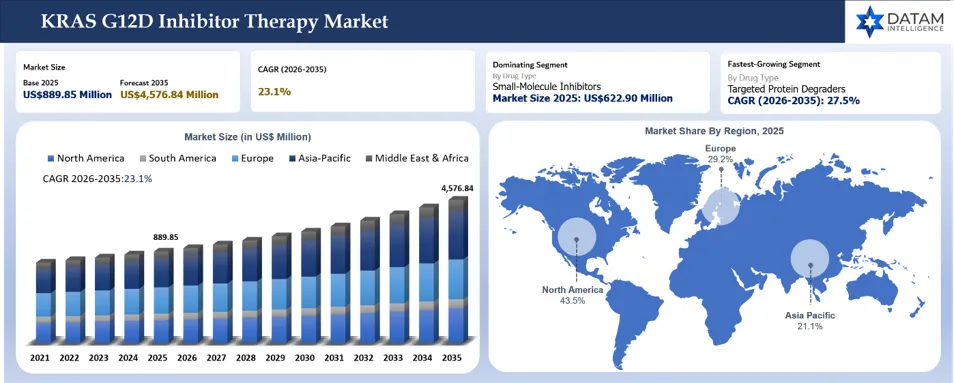
Small-molecule inhibitors are expected to emerge as the leading drug type, supported by advancing clinical pipelines, selective KRAS G12D inhibition mechanisms and potential integration into combination treatment regimens. Targeted protein degraders are anticipated to gain momentum as developers pursue alternative therapeutic mechanisms to address treatment resistance and improve clinical outcomes.
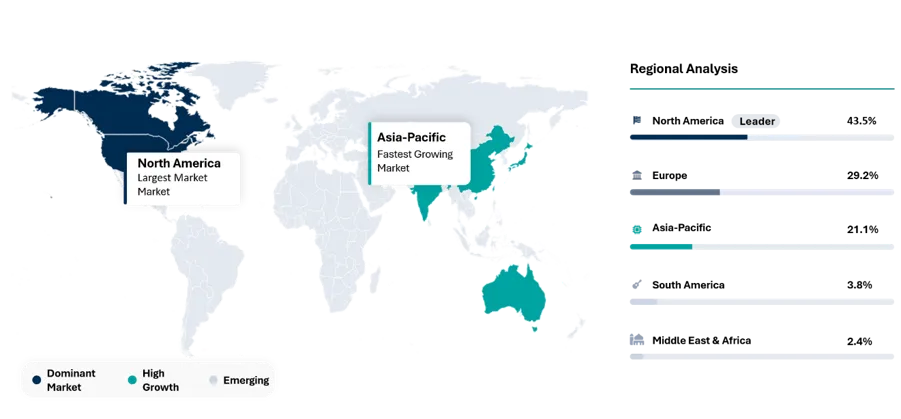
North America is projected to lead the global market, supported by established precision oncology infrastructure, extensive molecular testing capabilities and strong pharmaceutical research investment, while Asia-Pacific is expected to register the fastest growth. Future market development will increasingly depend on successful clinical trials, regulatory approvals, expansion into earlier treatment lines, improved response durability and broader adoption of biomarker-guided oncology treatments.
Clinical Differentiation and Resistance Management Reshape Competition: Future competitive positioning will increasingly depend on response durability, progression-free survival, manageable safety profiles, resistance management, successful regulatory approvals and expansion into earlier treatment lines and additional KRAS G12D-mutated solid tumors.
KRAS G12D Inhibitor Therapy Market Key Takeaways
- Strong Market Growth Potential Through 2035: The global KRAS G12D inhibitor therapy market is estimated at US$889.85 million in 2025 and projected to reach US$4,576.84 million by 2035, supported by expanding genomic profiling, increasing precision oncology investments and growing development of mutation-specific therapies.
- Small-Molecule KRAS G12D Inhibitors Strengthen Market Positioning: Small-molecule inhibitors are expected to lead the market, supported by advancing clinical pipelines, differentiated KRAS G12D inhibition mechanisms, potential oral administration advantages and expanding therapeutic opportunities across pancreatic, colorectal and lung cancers.
- Targeted Protein Degraders Emerge as a High-Growth Opportunity: Development of KRAS G12D-targeted protein degraders is gaining momentum as pharmaceutical companies pursue alternative mechanisms to eliminate oncogenic KRAS proteins, overcome therapeutic resistance and improve treatment outcomes in difficult-to-treat cancers.
- North America Maintains Regional Leadership: North America is projected to account for the largest market share, supported by advanced precision oncology infrastructure, extensive molecular testing capabilities, strong pharmaceutical research investments and increasing clinical development of KRAS G12D-targeted therapies.
- Clinical Differentiation and Resistance Management Reshape Competition: Future competitive positioning will increasingly depend on response durability, progression-free survival, manageable safety profiles, resistance management, successful regulatory approvals and expansion into earlier treatment lines and additional KRAS G12D-mutated solid tumors.
KRAS G12D Inhibitor Therapy Market Industry Trends and Strategic Insights
- Emerging Therapeutic Class: The global KRAS G12D inhibitor therapy market is transitioning from early-stage clinical development toward late-stage validation, with increasing emphasis on mutation-selective inhibitors and targeted protein degraders. This shift is strengthening opportunities for precision oncology treatments across pancreatic, colorectal and non-small cell lung cancers, where significant unmet medical needs continue to drive therapeutic innovation.
- Advancing Clinical Pipeline: Revolution Medicines' zoldonrasib, Astellas Pharma's setidegrasib, Incyte's INCB161734 and Verastem's VS-7375 are advancing differentiated KRAS G12D-targeted development programs. Clinical progress in 2026 is intensifying competition around objective response rates, progression-free survival, treatment durability, safety and resistance management, positioning KRAS G12D-targeted therapies as a promising emerging treatment category.
- Expanding Therapeutic Applications: Clinical development is increasingly extending across KRAS G12D-mutated pancreatic ductal adenocarcinoma, colorectal cancer, non-small cell lung cancer and other solid tumors. Pharmaceutical companies are exploring earlier-line treatment opportunities, combination regimens, selective small-molecule inhibitors and targeted protein degraders to strengthen therapeutic differentiation and broaden potential patient populations.
- Growing Focus on Clinical Differentiation: Future commercial positioning will increasingly depend on overall survival, progression-free survival, objective response rates, treatment durability, manageable toxicity and effectiveness in previously treated patients. Therapies demonstrating sustained clinical benefits, improved resistance management and convenient administration could establish competitive advantages over conventional chemotherapy and existing oncology treatment strategies.
- Strategic Investment and Commercialization Opportunities: Sustainable competitive advantage will increasingly depend on addressing treatment-resistant cancers, advancing therapies into earlier treatment lines and demonstrating meaningful survival improvements. Companies generating robust late-stage clinical evidence, securing regulatory approvals, establishing favorable reimbursement positioning and integrating companion diagnostics are expected to strengthen their competitive positioning as KRAS G12D-targeted therapies progress toward commercialization.
KRAS G12D Inhibitor Therapy Market Scope
| Metrics | Details | |
| 2025 Market Size | US$889.85 Million | |
| 2035 Projected Market Size | US$4,576.84 Million | |
| CAGR (2026-2035) | 23.1% | |
| Largest Market | North America | |
| Fastest Growing Market | Asia-Pacific | |
| By Drug Type | Small-Molecule Inhibitors, Targeted Protein Degraders | |
| By Cancer Type | Pancreatic Ductal Adenocarcinoma, Colon Cancer, Rectal Cancer, Non-Small Cell Lung Cancer and Other Solid Tumors | |
| By Treatment Regimen | Monotherapy and Combination Therapy | |
| By Route of Administration | Oral, Intravenous and Other Routes of Administration | |
| By Line of Therapy | First-Line Therapy, Second-Line Therapy and Third-Line and Later-Line Therapy | |
| By Disease Stage | Locally Advanced Cancer, Metastatic Cancer and Other Disease Stages | |
| By Patient Age Group | Pediatric Patients, Adult Patients and Geriatric Patients | |
| By Mutation Profile | KRAS G12D Mutation Alone and KRAS G12D With Co-Mutations | |
| By Care Setting | Inpatient Settings, Outpatient Settings and Homecare Settings | |
| By Distribution Channel | Hospital Pharmacies, Retail Pharmacies and Online Pharmacies | |
| By Region | North America | U.S., Canada, Mexico |
| Europe | Germany, UK, France, Spain, Italy, Poland | |
| Asia-Pacific | China, India, Japan, Australia, South Korea, Indonesia, Malaysia, Singapore, Vietnam, Thailand, Philippines, Taiwan | |
| South America | Brazil, Argentina | |
| Middle East and Africa | Israel, Saudi Arabia, UAE, Turkiye, South Africa, Nigeria | |
| Report Insights Covered | Competitive Landscape Analysis, Company Profile Analysis, Market Size, Share, Growth | |
Why does this report matter in 2026?
The global KRAS G12D inhibitor therapy market reached a critical turning point in 2026 as mutation-selective therapies progressed toward late-stage clinical validation. Leading developers, including Revolution Medicines, Astellas Pharma and Incyte, advanced differentiated KRAS G12D-targeted programs, strengthening opportunities across pancreatic, colorectal and non-small cell lung cancers. Increasing clinical investment in small-molecule inhibitors and targeted protein degraders is accelerating competition in precision oncology.
The report provides strategic insights into emerging therapeutic pipelines, clinical differentiation, regulatory pathways and commercialization opportunities. It supports pharmaceutical companies and investors in evaluating competitive positioning, resistance management, licensing opportunities and future revenue potential.
A major milestone occurred in September 2026 when Astellas initiated a Phase III study of setidegrasib in previously treated KRAS G12D-mutated non-small cell lung cancer, following its Phase III pancreatic cancer program launched in April. These developments highlight the growing importance of late-stage clinical evidence in shaping future competition and market entry.
KRAS G12D Inhibitor Therapy Market White Space & Investment Opportunities
- Earlier-Line KRAS G12D-Targeted Therapies: Expand KRAS G12D inhibitors beyond heavily pretreated patients into first-line and second-line treatment settings for pancreatic, colorectal and non-small cell lung cancers. Demonstrating superior survival outcomes and durable responses could strengthen competitive positioning against established treatment regimens.
- Next-Generation KRAS G12D Protein Degraders: Invest in targeted protein degradation technologies capable of selectively eliminating mutant KRAS G12D proteins. Differentiated degradation mechanisms could address limitations of conventional inhibitors, improve treatment durability and create opportunities in resistant cancer populations.
- Resistance-Targeted Therapeutic Development: Develop next-generation inhibitors capable of overcoming acquired resistance mechanisms, including secondary KRAS alterations and compensatory signaling pathways. Demonstrating sustained clinical activity following prior targeted therapy could establish differentiated opportunities in treatment-resistant cancers.
- Oral KRAS G12D Inhibitor Development: Advance orally administered small-molecule inhibitors with improved selectivity, favorable pharmacokinetics and manageable safety profiles. Convenient administration could enhance patient accessibility, support long-term treatment and strengthen commercialization potential.
KRAS G12D Inhibitor Therapy Market Future Transformation
The global KRAS G12D inhibitor therapy market is expected to transform through advancements in precision oncology, mutation-selective inhibitors and targeted protein degradation technologies. Increasing adoption of genomic profiling and biomarker-guided treatments will strengthen patient identification across pancreatic, colorectal and lung cancers. Next-generation therapies and combination regimens are expected to improve treatment efficacy, address acquired resistance and expand opportunities across earlier treatment lines. Competitive differentiation will increasingly depend on clinical outcomes, response durability, safety and regulatory approvals. Strategic partnerships, expanding clinical pipelines and improved diagnostic accessibility will accelerate commercialization opportunities, supporting the development of more personalized and effective cancer treatments.
KRAS G12D Inhibitor Therapy Market Buyer Decision-Making Criteria
Major Buyer Decision-Making Criteria:
- Clinical Remission Rate
- Endoscopic Response and Remission
- Mucosal Healing Efficacy
- Corticosteroid-Free Remission
- Long-Term Treatment Durability
- Induction and Maintenance Treatment Efficacy
- Efficacy in Biologic-Experienced Patients
- Efficacy in Advanced Therapy-Naive Patients
- Intestinal Fibrosis Reduction Potential
- Prevention of Disease Progression and Complications
- Safety and Tolerability
- Infection Risk and Immunogenicity
- Treatment Discontinuation Rates
- Dosing Frequency and Administration Convenience
- Subcutaneous and Intravenous Administration Options
- Biomarker-Guided Patient Selection
- Predictive Biomarker Availability and Validation
- Comparative Efficacy Against Established Biologics
- Combination Therapy Compatibility
- Regulatory Approval Status
- Clinical Guideline Inclusion
- Reimbursement and Market Access
- Treatment Cost and Overall Clinical Value
- Physician Familiarity and Prescribing Confidence
- Availability Across Treatment Settings
KRAS G12D Inhibitor Therapy Market Economic & Investment Analysis
The global KRAS G12D inhibitor therapy market is emerging as a promising oncology investment opportunity, driven by expanding clinical pipelines, precision medicine adoption and increasing demand for mutation-specific cancer treatments. Companies such as Revolution Medicines, Astellas Pharma and Incyte are advancing differentiated therapeutic programs, attracting strategic interest in selective inhibitors and targeted protein degraders.
Investment priorities are shifting toward late-stage clinical validation, resistance management, combination therapies and expansion across pancreatic, colorectal and lung cancers. Strategic licensing, research collaborations and pharmaceutical acquisitions are expected to accelerate development. Future investment returns will depend on regulatory approvals, clinical differentiation, commercialization capabilities and patient accessibility.
KRAS G12D Inhibitor Therapy Market Investment Trends
- Capital allocation is increasing toward KRAS G12D-selective small-molecule inhibitors, targeted protein degraders and next-generation therapeutic platforms as pharmaceutical companies pursue differentiated precision oncology treatments.
- Investment is accelerating in therapies designed to improve objective response rates, extend progression-free survival, overcome acquired resistance and enhance treatment outcomes in KRAS G12D-mutated pancreatic, colorectal and lung cancers.
- Funding is increasingly directed toward advanced and metastatic cancer populations with limited effective targeted treatment options, creating opportunities for differentiated clinical positioning and future commercialization.
- Investment is expanding into combination therapies integrating KRAS G12D inhibitors with chemotherapy, immunotherapy and complementary targeted agents to improve therapeutic efficacy and support expansion into earlier treatment lines.
- Strategic investment is growing in next-generation sequencing, liquid biopsy technologies, companion diagnostics and genomic profiling platforms to improve KRAS G12D mutation detection, patient selection and treatment response monitoring.
- Licensing, co-development and acquisition activity is increasingly focused on differentiated KRAS G12D-targeted assets offering favorable safety profiles, durable clinical responses, resistance management capabilities and potential applications across multiple solid tumors.
Strategic Indicators for Global KRAS G12D Inhibitor Therapy Market
High Regulation Impact
The global KRAS G12D inhibitor therapy market faces significant regulatory scrutiny as investigational therapies advance toward commercialization. Regulatory authorities, including the U.S. FDA, European Medicines Agency and China's NMPA, emphasize clinical efficacy, overall survival, progression-free survival, objective response rates and long-term safety. Developers must establish favorable benefit-risk profiles across KRAS G12D-mutated pancreatic, colorectal and lung cancers.
Regulatory complexity is increasing as companies investigate combination regimens, earlier treatment lines and biomarker-guided patient selection. Validated companion diagnostics, manufacturing consistency and robust clinical evidence remain essential for approval. Accelerated regulatory pathways, where applicable, could shorten development timelines, while post-marketing safety requirements and confirmatory studies will influence commercialization strategies and competitive positioning.
High Investment Activity
Investment activity in the global KRAS G12D inhibitor therapy market is accelerating as pharmaceutical companies prioritize mutation-selective oncology treatments. Capital allocation is increasingly directed toward small-molecule inhibitors, targeted protein degraders and combination therapies addressing KRAS G12D-mutated pancreatic, colorectal and lung cancers. Growing precision oncology investment and substantial unmet medical needs are strengthening development opportunities.
Strategic investment is concentrated on differentiated clinical pipelines, biomarker-driven trials and resistance management technologies. Companies including Revolution Medicines, Astellas Pharma, Incyte and Verastem are advancing investigational programs. Future investment will prioritize clinical efficacy, regulatory readiness, intellectual property protection and commercialization capabilities, creating opportunities for licensing agreements, strategic partnerships and acquisitions.
High New Drug-Class Adoption
The global KRAS G12D inhibitor therapy market is approaching a potential adoption phase as mutation-selective therapies progress through clinical development. Growing interest in directly targeting KRAS G12D mutations is supported by their involvement in pancreatic, colorectal and lung cancers. Small-molecule inhibitors and targeted protein degraders offer differentiated approaches to addressing oncogenic KRAS signaling.
Future adoption will depend on regulatory approvals, demonstrated survival benefits, response durability and manageable safety profiles. Oncologists are expected to prioritize treatments offering meaningful advantages over existing standards of care. Expanded genomic testing, companion diagnostic availability, reimbursement coverage and inclusion in clinical treatment guidelines will determine commercial adoption rates.
Regional Expansion Opportunity
Regional expansion opportunities in the global KRAS G12D inhibitor therapy market are strengthening as pharmaceutical companies advance multinational clinical programs and prepare for potential commercialization. North America represents a priority market due to established precision oncology infrastructure, advanced genomic testing and substantial pharmaceutical research investment. The United States offers opportunities for clinical development, regulatory submissions and future targeted therapy adoption.
Europe presents potential through specialized oncology centers and established molecular diagnostic networks. Asia-Pacific, particularly China and Japan, offers growth opportunities supported by expanding oncology research and clinical development activities. Future regional expansion will depend on regulatory approvals, reimbursement policies, diagnostic accessibility, treatment affordability and commercialization partnerships.
Government Policy Support
Government policy plays an important role in the global KRAS G12D inhibitor therapy market through oncology research funding, regulatory development pathways and precision medicine initiatives. Regulatory authorities support therapeutic innovation through expedited approval mechanisms for eligible treatments addressing serious diseases and unmet medical needs. Public investment in cancer genomics, molecular diagnostics and clinical research infrastructure also supports development opportunities.
Government-backed healthcare programs influence future adoption through reimbursement frameworks, diagnostic coverage and specialist treatment accessibility. Differences in regulatory requirements, pharmaceutical pricing policies and healthcare expenditure may affect commercialization timelines. Companies demonstrating meaningful clinical benefits, favorable safety profiles and strong economic value will be better positioned for reimbursement consideration.
Value-Based Pricing Intelligence
Value-based pricing in the global KRAS G12D inhibitor therapy market will increasingly depend on overall survival, progression-free survival, objective response rates, treatment durability and safety outcomes. Pricing strategies will vary according to cancer indication, treatment line, dosing requirements and demonstrated advantages over existing therapies. Products offering meaningful survival improvements and reduced disease progression could support differentiated pricing positions.
Healthcare payers will evaluate treatment costs, hospitalization requirements, adverse-event management, quality-adjusted life years and comparative clinical effectiveness. Manufacturers demonstrating favorable cost-effectiveness, improved patient outcomes and reduced healthcare resource utilization may strengthen reimbursement negotiations. Biomarker-guided patient selection and convenient administration could further improve therapeutic value propositions and commercial accessibility.
AI Impact Analysis of KRAS G12D Inhibitor Therapy Market
Artificial intelligence is increasingly transforming KRAS G12D inhibitor development through structure-based drug discovery, molecular optimization, biomarker identification and clinical trial efficiency. AI-driven platforms can analyze KRAS G12D protein structures, mutation-specific binding interactions and tumor genomic profiles to identify promising therapeutic candidates. Machine-learning models can also support patient stratification, predict treatment resistance and improve clinical trial recruitment across pancreatic, colorectal and non-small cell lung cancers.
AI-powered drug discovery is creating opportunities to optimize small-molecule inhibitors and targeted protein degraders by evaluating binding affinity, molecular selectivity, pharmacokinetic properties and potential toxicity. Computational approaches can accelerate candidate screening and support the identification of compounds targeting previously challenging KRAS G12D molecular configurations.
Future AI integration could strengthen combination therapy selection, treatment-response prediction and resistance monitoring. However, commercial adoption will depend on experimentally validated predictions, representative clinical datasets, regulatory acceptance and demonstrated improvements in therapeutic development efficiency.
Disruption Analysis of KRAS G12D Inhibitor Therapy Market
The global KRAS G12D inhibitor therapy market is undergoing significant transformation as mutation-selective therapies challenge conventional treatment approaches for KRAS G12D-mutated cancers. Historically, treatment has relied heavily on chemotherapy and other established oncology regimens because directly targeting KRAS G12D has presented substantial molecular challenges. Emerging small-molecule inhibitors, including zoldonrasib and VS-7375, are advancing differentiated approaches to suppress oncogenic KRAS signaling and potentially improve outcomes in biomarker-defined patient populations.
The next wave of disruption is expected to emerge from targeted protein degraders, dual-state KRAS G12D inhibitors and combination treatment strategies designed to address adaptive resistance and improve response durability. Investigational therapies such as setidegrasib represent alternative approaches that seek to eliminate mutant KRAS proteins rather than solely inhibit their activity. Expansion into earlier treatment lines and additional solid tumor indications could further reshape future oncology treatment pathways.
Competitive disruption will increasingly depend on overall survival, progression-free survival, manageable toxicity, resistance coverage and regulatory approvals. Companies demonstrating superior clinical differentiation and successful commercialization could establish new standards of care in KRAS G12D-mutated cancers.
Global KRAS G12D Inhibitor Therapy Market BCG Matrix: Company Evaluation
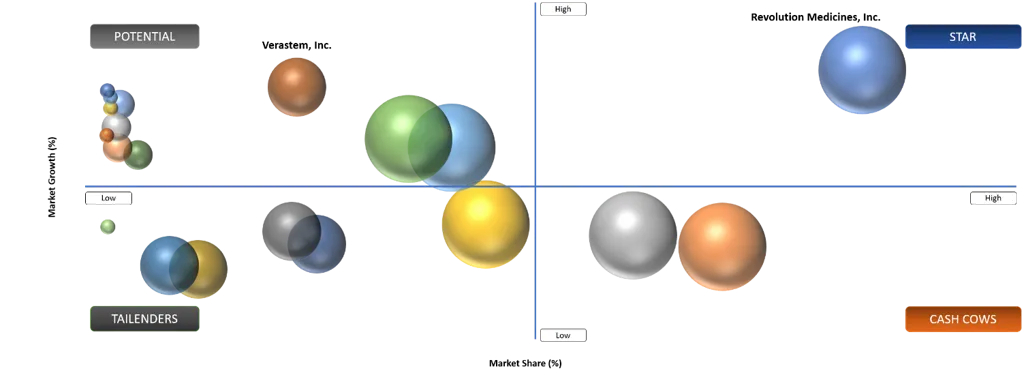
STAR
Revolution Medicines, Inc., Astellas Pharma Inc. and Incyte Corporation are positioned in the Star category based on advanced clinical development, differentiated KRAS G12D-targeting mechanisms and strong potential for future commercialization. Revolution Medicines leads through zoldonrasib (RMC-9805), which entered Phase III development for pancreatic cancer in June 2026 and received FDA Breakthrough Therapy Designation for KRAS G12D-mutated non-small cell lung cancer in January 2026. Astellas strengthened its position through setidegrasib (ASP3082), an investigational KRAS G12D-targeted protein degrader that entered a second Phase III study in September 2026. Incyte is advancing INCB161734 through its Phase III DAWN-303 pancreatic cancer program. Competitive differentiation is increasingly centered on clinical efficacy, response durability, tolerability, combination therapy compatibility and successful regulatory progression. These classifications reflect pipeline leadership rather than established KRAS G12D-specific commercial market share.
POTENTIAL
Verastem, Inc., Jiangsu Hengrui Pharmaceuticals Co., Ltd., Eli Lilly and Company, Arvinas, Inc., Bayer AG, AstraZeneca PLC, Quanta Therapeutics, Inc. and Abbisko Therapeutics Co., Ltd. are positioned in the Potential category based on their investigational KRAS G12D-targeted programs and opportunities to compete in biomarker-defined oncology indications. Verastem is emerging as a particularly strong contender through VS-7375, an oral KRAS G12D ON/OFF inhibitor, which demonstrated a 50% confirmed objective response rate among eight evaluable second-line pancreatic cancer patients at the 900 mg dose, according to its October 2026 update. The company also reported regulatory alignment on a Phase III trial design. Other developers are exploring differentiated inhibition and targeted protein degradation approaches to address resistance, improve treatment outcomes and expand therapeutic opportunities across pancreatic, colorectal and lung cancers. Future positioning will depend on clinical validation, regulatory approvals, manufacturing readiness and commercialization capabilities.
KRAS G12D Inhibitor Therapy Market Dynamics
Driver Impact Analysis
| Driver | Market Growth Impact (%) | Demand Concentration | Impacted Use Case | Strategic Impact |
Increasing Prevalence of KRAS G12D-Mutated Cancers | 35% | North America, Europe, Asia-Pacific | Pancreatic Cancer, Colorectal Cancer, Non-Small Cell Lung Cancer | Expands the addressable patient population and strengthens demand for mutation-specific targeted therapies. |
Expanding Adoption of Genomic Profiling and Precision Oncology | 30% | North America, Europe, China, Japan | KRAS G12D Mutation Detection, Biomarker-Guided Treatment Selection | Improves patient identification, accelerates clinical trial recruitment and supports targeted therapy adoption. |
Advancing Clinical Development of KRAS G12D-Targeted Therapies | 35% | United States, China, Japan, Europe | Small-Molecule Inhibitors, Targeted Protein Degraders, Combination Therapies | Strengthens commercialization potential, encourages pharmaceutical investment and expands future treatment opportunities. |
Driver: Increasing Prevalence of KRAS G12D-Mutated Cancers Accelerates Demand for Targeted Therapies
The increasing burden of KRAS G12D-mutated cancers is expected to drive growth in the global KRAS G12D inhibitor therapy market. KRAS G12D mutations are frequently identified in pancreatic cancer and occur in subsets of colorectal and non-small cell lung cancers, creating substantial unmet therapeutic needs. Growing cancer incidence, improved molecular diagnostics and expanding genomic screening are increasing the identification of eligible patients. Pharmaceutical companies are prioritizing mutation-selective inhibitors and targeted protein degraders to address limitations of conventional treatments. Advancements in precision oncology, expanding clinical pipelines and potential regulatory approvals are expected to strengthen future commercialization opportunities and improve patient access to targeted therapies.
Restraint Impact Analysis
| Restraint | Drag on Market Growth (%) | Primary Impact Area | Impacted Use Case | Strategic Impact |
Complex Drug Development and High Clinical Failure Risk | 40% | North America, Europe, China, Japan | Small-Molecule Inhibitors, Targeted Protein Degraders | Increases development costs, extends commercialization timelines and creates uncertainty around regulatory approvals. |
Acquired Treatment Resistance and Limited Response Durability | 35% | North America, Europe, Asia-Pacific | Advanced Pancreatic Cancer, Colorectal Cancer, Non-Small Cell Lung Cancer | Limits sustained therapeutic effectiveness and increases the need for next-generation inhibitors and combination treatments. |
High Treatment Costs and Limited Molecular Testing Accessibility | 25% | Asia-Pacific, South America, Middle East and Africa | Genomic Screening, Patient Identification, Targeted Therapy Access | Restricts eligible patient identification, reduces treatment accessibility and creates reimbursement challenges. |
Restraint: Complex Drug Development and High Clinical Failure Risk Restrict Market Expansion
The global KRAS G12D inhibitor therapy market faces significant challenges due to complex drug development processes, high clinical trial costs and uncertain regulatory outcomes. Developing mutation-selective therapies requires overcoming molecular targeting difficulties, optimizing therapeutic selectivity and demonstrating sustained clinical efficacy without unacceptable toxicity. Investigational small-molecule inhibitors and targeted protein degraders must undergo extensive clinical evaluation to establish safety, treatment durability and survival benefits. High development expenditures, lengthy approval timelines and potential clinical setbacks create substantial financial risks for pharmaceutical companies. These challenges may delay commercialization, limit investment in early-stage candidates and restrict the availability of innovative KRAS G12D-targeted therapies.
KRAS G12D Inhibitor Therapy Market Segment Analysis
The KRAS G12D inhibitor therapy market is segmented based on drug type, cancer type, treatment regimen, route of administration, line of therapy, disease stage, patient age group, mutation profile, care setting, distribution channel and region.
Small-Molecule KRAS G12D Inhibitors Lead Through Clinical Advancements and Expanding Oncology Applications
Small-molecule inhibitors are expected to dominate the global KRAS G12D inhibitor therapy market, supported by their expanding clinical pipelines, targeted mechanism of action and potential applicability across multiple KRAS G12D-mutated malignancies. Their ability to directly inhibit oncogenic KRAS signaling, combined with ongoing advancements in molecular selectivity and drug development, strengthens their competitive positioning. Leading pharmaceutical and biotechnology companies, including Revolution Medicines, Verastem and Incyte, are advancing differentiated candidates targeting KRAS G12D-mutated pancreatic, colorectal and non-small cell lung cancers. Increasing investment in precision oncology and biomarker-guided treatment strategies further supports long-term commercialization opportunities.
Furthermore, the development of orally administered small-molecule inhibitors offers potential advantages in patient convenience, treatment accessibility and integration with existing oncology regimens. Clinical investigations are increasingly focused on improving response durability, overcoming acquired resistance and evaluating combination therapies. However, commercial dominance remains a forecast assumption dependent on regulatory approvals, clinical outcomes, successful product launches and sustained patient adoption.
KRAS G12D Inhibitor Therapy Market Geographical Penetration
U.S. KRAS G12D Inhibitor Therapy Market Landscape
The United States represents a leading commercialization opportunity for KRAS G12D inhibitor therapies, supported by advanced precision oncology infrastructure, extensive genomic testing capabilities and substantial pharmaceutical research investment. Growing demand for mutation-specific treatments across pancreatic, colorectal and non-small cell lung cancers is accelerating clinical development. The country's established oncology treatment networks, specialized cancer centers and regulatory pathways provide a favorable environment for emerging KRAS G12D-targeted therapies.
In June 2026, U.S.-based Revolution Medicines initiated its Phase III RASolute 305 trial evaluating zoldonrasib (RMC-9805) in combination with chemotherapy as a first-line treatment for metastatic RAS G12D-mutated pancreatic cancer. This development strengthened the country's position in late-stage KRAS-targeted drug development. Future market expansion will depend on successful clinical outcomes, FDA approvals, companion diagnostic accessibility, reimbursement coverage and demonstrated survival benefits.
Japan KRAS G12D Inhibitor Therapy Market Outlook
Japan represents an important emerging opportunity for KRAS G12D inhibitor therapies, supported by advanced oncology research capabilities, established molecular diagnostic infrastructure and growing investment in precision medicine. Increasing emphasis on biomarker-guided cancer treatment is creating opportunities for mutation-selective inhibitors and targeted protein degraders. Japan's pharmaceutical innovation ecosystem, specialized oncology centers and clinical research networks provide a strong foundation for developing therapies addressing KRAS G12D-mutated pancreatic, colorectal and lung cancers.
Japan's strategic importance is reinforced by Tokyo-headquartered Astellas Pharma, which initiated a Phase III study of setidegrasib (ASP3082) in KRAS G12D-mutated metastatic pancreatic cancer in April 2026. In September 2026, the company initiated another Phase III study evaluating setidegrasib against docetaxel in previously treated advanced non-small cell lung cancer. These milestones highlight Japan's contribution to next-generation KRAS G12D-targeted drug development. Future commercialization will depend on PMDA approval, clinical differentiation, national reimbursement decisions and wider adoption of genomic profiling.
KRAS G12D Inhibitor Therapy Market Competitive Landscape
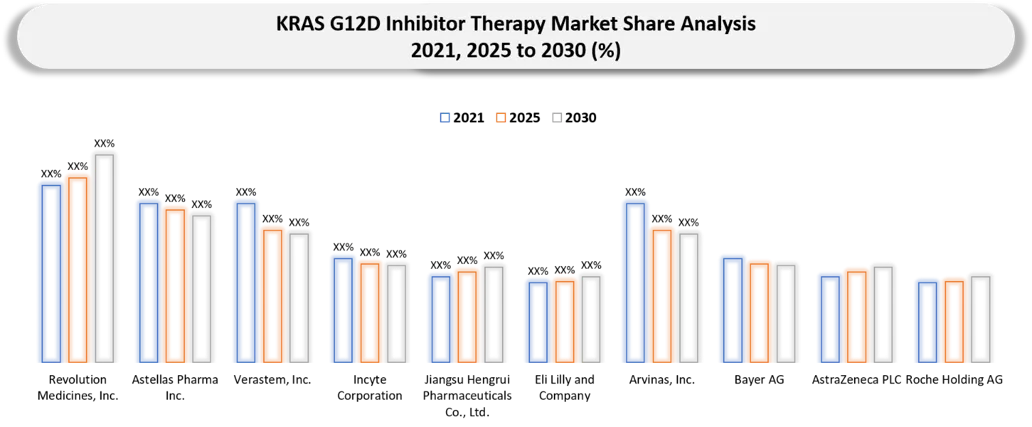
- The global KRAS G12D inhibitor therapy market is characterized by an evolving competitive landscape, with pharmaceutical companies and biotechnology innovators competing to establish clinical leadership in mutation-selective oncology treatments. Revolution Medicines, Inc., Astellas Pharma Inc., Incyte Corporation, Verastem, Inc., Eli Lilly and Company, and Jiangsu Hengrui Pharmaceuticals Co., Ltd. represent important participants, supported by differentiated therapeutic pipelines and clinical development strategies. Competition is increasingly centered on selective KRAS G12D inhibition, targeted protein degradation, treatment durability, resistance management, and efficacy across pancreatic, colorectal, and non-small cell lung cancers. Revolution Medicines and Astellas are advancing differentiated approaches through zoldonrasib and setidegrasib, respectively, while other developers are seeking competitive advantages through oral formulations, combination regimens, and expanded clinical indications.
- The competitive landscape is progressively shifting from early-stage molecular discovery toward late-stage clinical validation, regulatory differentiation and commercialization readiness. Verastem's VS-7375 has demonstrated encouraging clinical activity in KRAS G12D-mutated pancreatic cancer, strengthening the competitive potential of oral targeted therapies. Meanwhile, emerging developers such as Arvinas, Bayer, AstraZeneca, Quanta Therapeutics and Abbisko Therapeutics are pursuing alternative therapeutic approaches and pipeline expansion opportunities. Strategic licensing agreements, biomarker-driven clinical trials and combinations with established oncology treatments are expected to influence competitive positioning. Companies demonstrating superior survival outcomes, manageable safety profiles and consistent efficacy across multiple cancer indications will be better positioned to secure regulatory approvals, establish treatment access and capture future market opportunities. As selective KRAS G12D therapies remain investigational, competitive leadership is currently defined by pipeline maturity and clinical evidence rather than established product revenues.
Key Companies of KRAS G12D Inhibitor Therapy Market
- Revolution Medicines, Inc. (United States)
- Astellas Pharma Inc. (Japan)
- Verastem, Inc. (United States)
- Incyte Corporation (United States)
- Jiangsu Hengrui Pharmaceuticals Co., Ltd. (China)
- Eli Lilly and Company (United States)
- Arvinas, Inc. (United States)
- Bayer AG (Germany)
- AstraZeneca PLC (United Kingdom)
- Roche Holding AG (Switzerland)
- Quanta Therapeutics, Inc. (United States)
- PAQ Therapeutics, Inc. (United States)
- Abbisko Therapeutics Co., Ltd. (China)
- Ranok Therapeutics Corporation (United States)
- Shenzhen Ionova Life Sciences Co., Ltd. (China)
- Shanghai Leadingtac Pharmaceutical Co., Ltd. (China)
- Tyligand Bioscience (China)
- Jiangxi Kvvit Pharmaceutical Co., Ltd. (China)
KRAS G12D Inhibitor Therapy Market Major Pain Points
- Limited Long-Term Clinical Evidence: Insufficient evidence on overall survival, progression-free survival, response durability and long-term safety creates uncertainty regarding the clinical effectiveness and broader adoption of KRAS G12D-targeted therapies.
- High Development Costs and Regulatory Uncertainty: Expensive oncology clinical trials, complex molecular targeting requirements and stringent regulatory approval processes increase development risks and delay commercialization of KRAS G12D inhibitors.
- Acquired Treatment Resistance and Limited Response Durability: Secondary resistance mutations, compensatory signaling pathways and tumor heterogeneity can reduce treatment effectiveness, creating challenges in achieving sustained clinical responses in KRAS G12D-mutated cancers.
KRAS G12D Inhibitor Therapy Market Recent Developments
- September 2026: Astellas Pharma Inc. announced the first patient dosing in a Phase III clinical trial evaluating setidegrasib (ASP3082), an investigational KRAS G12D-targeted protein degrader, against docetaxel in previously treated patients with advanced KRAS G12D-mutated non-small cell lung cancer.
- June 2026: Revolution Medicines, Inc. announced the initiation of patient treatment in its global Phase III RASolute 305 trial, evaluating zoldonrasib (RMC-9805) in combination with standard chemotherapy as a first-line treatment for metastatic RAS G12D-mutated pancreatic ductal adenocarcinoma.
- April 2026: Incyte Corporation confirmed the initiation of its Phase III DAWN-303 trial evaluating INCB161734, a KRAS G12D-selective inhibitor, in combination with standard chemotherapy for first-line treatment of metastatic pancreatic ductal adenocarcinoma.
Analyst View / Opinion on KRAS G12D Inhibitor Therapy Market
- The global KRAS G12D inhibitor therapy market is transitioning from early clinical development toward late-stage validation, with increasing emphasis on mutation-selective treatments for pancreatic, colorectal and non-small cell lung cancers. Growing demand for precision oncology and improved survival outcomes is strengthening the commercial potential of KRAS G12D-targeted therapies.
- Clinical advancements involving Revolution Medicines' zoldonrasib (RMC-9805), Astellas Pharma's setidegrasib (ASP3082), Incyte's INCB161734 and Verastem's VS-7375 are intensifying competition around treatment efficacy, response durability, resistance management and differentiated therapeutic mechanisms.
- Treatment selection is expected to increasingly depend on cancer type, disease stage, KRAS G12D mutation status, co-occurring genomic alterations, prior treatment exposure, safety profiles and clinical response. Biomarker-guided patient selection and expanding genomic profiling capabilities will further influence future prescribing decisions.
- Next-generation KRAS G12D therapies are expected to differentiate through selective small-molecule inhibition, targeted protein degradation, oral administration and combination treatment strategies. Expansion into earlier treatment lines and additional KRAS G12D-mutated solid tumors could broaden the addressable patient population, subject to successful clinical validation.
KRAS G12D Inhibitor Therapy Market Target Audience
| INDUSTRY | WHO SHOULD BUY THIS REPORT? | REASON TO BUY THIS REPORT |
| Pharmaceutical and Biopharmaceutical Companies | Chief Strategy Officers, Portfolio Directors, Commercial Strategy Heads | Evaluate KRAS G12D-targeted therapy pipelines, competitive positioning, regulatory timelines, launch opportunities and revenue potential across pancreatic, colorectal and lung cancer indications. |
| Biotechnology and Drug Discovery Companies | Chief Scientific Officers, Research and Development Directors, Drug Discovery Heads | Identify opportunities in KRAS G12D-selective inhibitors, targeted protein degraders, resistance mechanisms and differentiated therapeutic platforms to strengthen oncology development pipelines. |
| Clinical Research Organizations | Clinical Development Directors, Trial Operations Heads, Clinical Research Managers | Assess KRAS G12D clinical trial activity, biomarker-based patient recruitment, emerging cancer indications and opportunities for oncology trial design and execution. |
| Healthcare Investment and Private Equity Firms | Healthcare Investment Analysts, Venture Capital Partners, Investment Directors | Evaluate investigational asset valuations, clinical development risks, licensing opportunities, acquisition targets and potential returns from emerging KRAS G12D-targeted therapies. |
| Pharmaceutical Business Development and Licensing | Business Development Directors, Licensing Managers, Strategic Partnership Heads | Identify promising KRAS G12D inhibitor candidates, co-development opportunities, regional licensing agreements, pipeline acquisition targets and strategic partnerships. |
| Hospitals and Oncology Centers | Medical Oncologists, Oncology Department Heads, Precision Medicine Directors | Understand emerging KRAS G12D-targeted treatment options, clinical efficacy, biomarker testing requirements, patient eligibility and potential integration into precision oncology treatment pathways. |
| Healthcare Payers and Insurance Providers | Market Access Directors, Health Economics Specialists, Reimbursement Managers | Assess anticipated treatment costs, clinical value, reimbursement considerations, eligible patient populations and potential budget impact of future KRAS G12D-targeted therapies. |
Why Choose DATAM?
- Data-Driven Insights: Access comprehensive intelligence covering KRAS G12D inhibitor therapy market size, cancer-specific opportunities, treatment dynamics, mutation profiles, emerging therapeutic mechanisms, clinical pipelines, competitive positioning, regional forecasts and commercialization potential.
- Primary Research Validation: Benefit from insights supported by primary research with medical oncologists, molecular pathologists, pharmaceutical executives, clinical researchers, oncology drug development specialists, market access professionals and stakeholders involved in KRAS G12D-targeted therapy development and commercialization planning.
- Expert Analyst Consultations: Engage directly with healthcare analysts for customized guidance on KRAS G12D pipeline benchmarking, therapeutic positioning, competitive differentiation, clinical development strategies, regulatory pathways, reimbursement planning, licensing opportunities and investment prospects.
- Customized Market Intelligence: Receive tailored analysis covering country-level opportunities, KRAS G12D-mutated patient populations, cancer-specific treatment needs, resistance mechanisms, biomarker-guided patient selection, small-molecule inhibitors, targeted protein degraders, combination therapies, pricing scenarios and probability-adjusted revenue forecasts.
- White Papers and Case Studies: Gain access to strategic studies covering KRAS G12D molecular targeting, emerging precision oncology therapies, protein degradation technologies, treatment resistance, companion diagnostics, clinical development strategies, pharmaceutical partnerships and evolving targeted cancer treatment landscapes.
What DATAM Uniquely Provides
- Comprehensive Market Segmentation: In-depth analysis of the KRAS G12D inhibitor therapy market by drug type, cancer type, treatment regimen, route of administration, line of therapy, disease stage, patient age group, mutation profile, care setting, distribution channel and geography.
- Competitive Landscape and Pipeline Benchmarking: Detailed assessment of leading KRAS G12D inhibitor developers covering clinical efficacy, objective response rates, progression-free survival, response durability, safety profiles, pipeline maturity, regulatory progress and commercialization strategies.
- Treatment Positioning and Sequencing Analysis: Comprehensive evaluation of KRAS G12D-targeted therapies across first-line, second-line and later-line treatment settings, including potential differentiation against chemotherapy, immunotherapy and established targeted oncology regimens.
- Emerging Therapeutic Innovation Assessment: Detailed evaluation of KRAS G12D-selective small-molecule inhibitors, ON-state and OFF-state inhibition, dual-state inhibitors, targeted protein degraders, resistance-focused technologies and emerging combination treatment strategies.
- Patient Population and Biomarker Opportunity Mapping: Assessment of KRAS G12D-mutated pancreatic, colorectal and non-small cell lung cancer populations, disease stages, co-occurring genomic alterations, molecular testing rates and biomarker-guided patient selection opportunities.
- Country-Level Commercialization Intelligence: Evaluation of precision oncology infrastructure, regulatory approval pathways, genomic testing accessibility, oncology reimbursement systems, clinical trial activity, pricing considerations and commercialization opportunities across major geographic markets.
- White Space and Investment Opportunity Analysis: Identification of opportunities involving treatment-resistant cancers, earlier-line therapy expansion, next-generation protein degraders, combination therapies, additional solid tumor indications and precision oncology diagnostic integration.
- Strategic Forecasting and Market Entry Intelligence: Probability-adjusted revenue forecasting, product launch scenarios, clinical development benchmarking, regulatory milestone tracking, licensing opportunities, competitive positioning and commercialization readiness assessment.


























































