


KAT6A/B Inhibitor Therapy Market Size and Overview
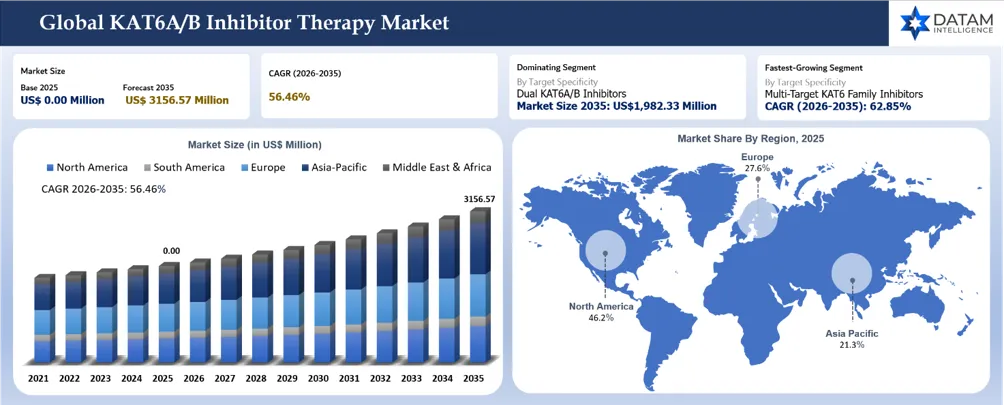
As no KAT6A/B inhibitor had received commercial approval, the global market recorded no commercial revenue in 2025. The market is projected to reach US$3,156.57 million by 2035, registering a modeled CAGR of 56.46% during 2026-2035. Market formation will be driven by anticipated regulatory approvals, product launches and adoption across biomarker-defined cancers. Clinical development is currently concentrated in hormone receptor-positive, HER2-negative advanced breast cancer, particularly following progression on endocrine and CDK4/6 inhibitor-based treatment.
Prifetrastat represents the most advanced KAT6A/B inhibitor through Pfizer’s Phase III KATSIS-1 program, while OP-3136 and MEN2312 are strengthening clinical-stage competition. Development strategies increasingly combine KAT6 inhibition with fulvestrant, oral estrogen-receptor degraders, CDK4/6 inhibitors and androgen-receptor therapies. Competitive differentiation will depend on antitumor activity, response durability, hematologic tolerability, dosing convenience and the ability to demonstrate clinically meaningful benefit against established post-CDK4/6 treatment options.
The next competitive inflection point will involve multi-target KAT6 family inhibitors and selective protein degraders. Dual KAT6/7 programs such as IDE574 and PF-08032560 could address epigenetic pathway redundancy, while KAT6A-selective degraders may provide improved target suppression and therapeutic windows. Commercial leadership will require predictive biomarkers, survival evidence, differentiated combination strategies and expansion into prostate, colorectal, lung and ovarian cancers. Companies with strong clinical-development capabilities, oncology trial networks and regulatory execution will be best positioned to shape this emerging precision-oncology market.
KAT6A/B Inhibitor Therapy Market Key Takeaways
- Commercialization-Led Expansion Through 2035: The market was pre-commercial in 2025 and is projected to reach US$3,156.57 million by 2035, registering a modeled CAGR of 56.46% during 2026-2035.
- Dual KAT6A/B Inhibitors Maintain Market Leadership: Dual KAT6A/B inhibitors are projected to generate approximately US$1,982.33 million by 2035, representing 62.8% of the market, supported by prifetrastat, OP-3136 and MEN2312.
- Multi-Target KAT6 Programs Become the Primary Growth Engine: Multi-target KAT6 family inhibitors are expected to register a modeled CAGR of 62.85% during 2026-2035, driven by KAT6/7 programs such as IDE574 and PF-08032560.
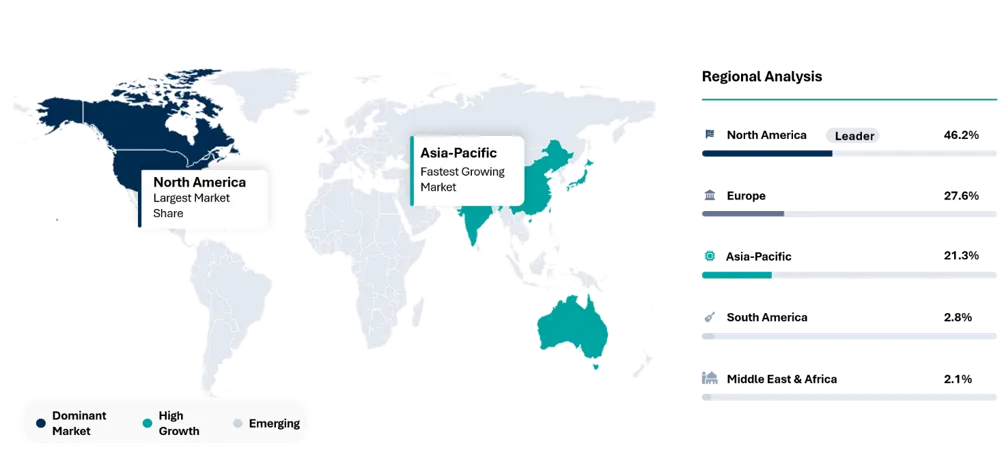
- North America Retains Regional Market Leadership: North America is projected to account for 46.2% of the global market by 2035, equivalent to approximately US$1,458.34 million, supported by advanced oncology trial infrastructure, early regulatory uptake, biomarker-testing capabilities and the presence of leading KAT6-focused developers
- Therapeutic Window Determines Competitive Leadership: Future differentiation will depend on activity following CDK4/6 inhibitor resistance, manageable hematologic toxicity, biomarker-defined patient selection and combination compatibility. Selective degraders and multi-target inhibitors could challenge conventional catalytic KAT6A/B inhibitors if they demonstrate superior efficacy, durability and safety.
KAT6A/B Inhibitor Therapy Market Industry Trends and Strategic Insights
- Clinical competition is shifting from target validation toward registrational execution, led by Pfizer’s late-stage prifetrastat program. Follow-on developers must demonstrate differentiated efficacy, tolerability and combination utility.
- Post-CDK4/6 HR-positive, HER2-negative advanced breast cancer represents the initial commercial beachhead, supported by unmet resistance-management needs and compatibility with endocrine-therapy backbones.
- Dual KAT6A/B inhibitors currently anchor pipeline value, while KAT6/7 inhibitors and targeted protein degraders are emerging as differentiated approaches to address pathway redundancy and deepen antitumor activity.
- Therapeutic-window optimization will determine commercial competitiveness. Hematologic toxicity, dose intensity and overlapping adverse events with combination partners may constrain long-term administration and earlier-line positioning.
- Biomarker-guided development and indication expansion will shape future value creation. Success beyond breast cancer, including prostate, colorectal, lung and ovarian cancers, will require predictive patient-selection tools and tumor-specific clinical validation.
KAT6A/B Inhibitor Therapy Market Scope
| Metrics | Details | |
| 2025 Market Size | US$0.00 Million | |
| 2035 Projected Market Size | US$3156.57 Million | |
| CAGR (2026-2035) | 56.46% | |
| Largest Market | North America | |
| Fastest Growing Market | Asia-Pacific | |
| By Target Specificity | KAT6A-Selective Inhibitors, KAT6B-Selective Inhibitors, Dual KAT6A/B Inhibitors, KAT6A/B Inhibitors With Additional KAT Targets | |
| By Therapeutic Approach | Monotherapy, Combination Therapy | |
| By Line of Therapy | First-Line Therapy, Second-Line Therapy, Third-Line and Later Therapy | |
| By Route of Administration | Oral, Parenteral, Other Routes | |
| By Indication | Breast Cancer, Prostate Cancer, Colorectal Cancer, Lung Cancer, Ovarian Cancer, Hematologic Malignancies, Other Solid Tumors | |
| By Development Stage | Preclinical, Phase I, Phase II, Phase III, Marketed | |
| By End User | Hospital-Based Oncology Centers, Independent Oncology Clinics, Ambulatory Cancer Care Centers, Academic and Research Institutions, Other End Users | |
| By Region | North America | U.S., Canada, Mexico |
| Europe | Germany, UK, France, Spain, Italy, Poland | |
| Asia-Pacific | China, India, Japan, Australia, South Korea, Indonesia, Malaysia, Singapore, Vietnam, Thailand, Philippines, Taiwan | |
| South America | Brazil, Argentina | |
| Middle East and Africa | Israel, Saudi Arabia, UAE, Turkiye, South Africa, Nigeria | |
| Report Insights Covered | Competitive Landscape Analysis, Company Profile Analysis, Market Size, Share, Growth | |
Why does this report matter in 2026?
In 2026, the KAT6A/B inhibitor therapy market is moving from scientific validation toward potential commercial formation. Pfizer’s prifetrastat has entered Phase III development in hormone receptor-positive, HER2-negative advanced breast cancer, while Olema, Menarini, BeOne, IDEAYA, Henlius and other developers are expanding the competitive pipeline. This transition creates an important decision window for pharmaceutical companies, investors and licensing teams evaluating clinical differentiation, probability-adjusted revenue, partnership opportunities and first-mover advantage.
The report matters because KAT6A/B inhibition could address resistance after endocrine therapy and CDK4/6 inhibitors, a major treatment challenge in advanced breast cancer. It evaluates which indications, combinations, biomarkers and geographic markets offer the strongest commercial potential while assessing safety constraints, especially hematologic toxicity, and competitive risks from KAT6-selective or KAT6/7 approaches. By connecting clinical milestones with eligible patient pools, treatment duration, pricing assumptions and launch scenarios, the study provides a practical framework for portfolio prioritization, market entry, trial design, business development and long-term investment decisions across an emerging epigenetic oncology category.
KAT6A/B Inhibitor Therapy Market White Space & Investment Opportunities
- Biomarker-Led Patient Selection: Invest in companion diagnostics that identify KAT6A or KAT6B amplification, overexpression, H3K23 acetylation and related transcriptional signatures. Improved patient stratification could increase clinical-response rates, optimize trial enrolment and distinguish responsive populations beyond conventional hormone-receptor classification.
- Post-CDK4/6 Inhibitor Treatment Opportunity: Develop KAT6A/B inhibitors for hormone receptor-positive, HER2-negative advanced breast cancer that has progressed following endocrine therapy and CDK4/6 inhibition. This treatment setting offers the most clinically advanced and commercially measurable opportunity for initial market entry.
- Improved Safety and Target Selectivity: Advance compounds with greater selectivity, optimized dosing and reduced hematologic toxicity. Differentiation through lower neutropenia, anemia and treatment-discontinuation rates could improve combination feasibility and support longer treatment duration.
- Rational Combination Strategies: Generate comparative evidence for combinations with selective estrogen-receptor degraders, CDK inhibitors, androgen-receptor inhibitors, PI3K pathway inhibitors and menin inhibitors. Clear sequencing and combination strategies could expand eligible populations and address acquired resistance.
- Expansion Beyond Breast Cancer: Invest in indication-expansion programs covering metastatic castration-resistant prostate cancer, colorectal cancer, lung cancer and myeloid malignancies. Biomarker-enriched basket trials could identify tumor types with meaningful dependence on KAT6-mediated transcription.
- Commercialization and Market-Access Readiness: Build probability-adjusted launch models, companion-diagnostic pathways, specialist education and value-based evidence before regulatory approval. Early planning around pricing, treatment duration, testing requirements and country-level reimbursement will be essential for converting clinical differentiation into commercial adoption.
KAT6A/B Inhibitor Therapy Market Future Transformation
Over the next decade, the global KAT6A/B inhibitor therapy market is expected to evolve from a breast-cancer-focused pipeline into a broader precision-oncology category. Initial transformation will be driven by Phase III validation in hormone receptor-positive, HER2-negative advanced breast cancer, followed by biomarker-enriched development in prostate, colorectal, lung and myeloid malignancies. Competitive differentiation will increasingly depend on deeper responses, longer progression-free survival and improved hematologic tolerability rather than target engagement alone.
Market expansion will be shaped by rational combinations with endocrine therapies, estrogen receptor degraders, CDK inhibitors, androgen receptor inhibitors and menin inhibitors. Companion diagnostics measuring KAT6 alterations, pathway dependence or pharmacodynamic acetylation could improve patient selection and trial efficiency. As clinical programs mature, licensing, co-development and indication-expansion transactions should accelerate. Successful companies will integrate biomarker strategy, dose optimization, comparative evidence, scalable manufacturing and payer engagement. The market’s long-term value will therefore depend on converting epigenetic science into clinically differentiated regimens that address resistance while maintaining manageable safety and treatment economics.
KAT6A/B Inhibitor Therapy Market Buyer Decision-Making Criteria
Major Buyer Decision-Making Criteria:
- Objective Response Rate and Progression-Free Survival
- Duration and Depth of Clinical Response
- Effectiveness After Endocrine and CDK4/6 Inhibitor Resistance
- Overall Survival and Long-Term Clinical Benefit
- Predictive Biomarker Availability and Patient-Selection Accuracy
- Efficacy Across Indications and Treatment Lines
- Monotherapy and Combination-Therapy Performance
- Hematologic Safety, Tolerability and Treatment-Discontinuation Risk
- Target Selectivity and Off-Target Toxicity
- Oral Dosing Convenience, Adherence and Treatment Burden
- Dose-Modification, Monitoring and Drug-Interaction Requirements
- Comparative Benefit Against Existing Standards of Care
- Pricing, Reimbursement and Cost per Clinical Outcome
- Companion-Diagnostic Availability and Testing Costs
- Regulatory Approval, Guideline Positioning and Oncologist Confidence
- Manufacturing Reliability, Geographic Availability and Patient-Support Services
KAT6A/B Inhibitor Therapy Market Investment Trends
- Capital allocation is increasingly concentrating on clinical-stage KAT6A/B inhibitors, particularly programs addressing hormone receptor-positive, HER2-negative advanced breast cancer following progression on endocrine and CDK4/6 inhibitor-based therapy.
- Investment is accelerating in combination regimens involving KAT6A/B inhibitors with endocrine therapies, estrogen receptor degraders, CDK inhibitors, androgen receptor inhibitors and menin inhibitors to improve response depth, durability and resistance management.
- Companies are directing greater funding toward biomarker discovery and companion diagnostics covering KAT6A or KAT6B amplification, overexpression, H3K23 acetylation and transcriptional signatures that could improve patient selection and clinical-trial productivity.
- Investors increasingly prioritize next-generation compounds offering stronger target selectivity, optimized oral dosing and reduced hematologic toxicity. Lower neutropenia, anemia and dose-interruption rates could support longer treatment duration and broader combination potential.
- Development capital is expanding beyond breast cancer into metastatic castration-resistant prostate cancer, colorectal cancer, lung cancer and myeloid malignancies through biomarker-enriched basket trials and indication-expansion studies.
- Licensing, co-development and clinical-supply partnerships are increasing as pharmaceutical companies seek earlier access to differentiated epigenetic-oncology assets. Investment is also moving toward scalable manufacturing, global trial networks, health-economic evidence and pre-launch market-access planning.
Strategic Indicators for Global KAT6A/B Inhibitor Therapy Market
High Regulatory Impact
KAT6A/B inhibitors face high regulatory scrutiny because they represent a novel epigenetic oncology class with limited long-term human evidence. Regulators will assess target selectivity, dose-response relationships, pharmacodynamic activity, durable tumor control and risks arising from KAT6 inhibition in healthy tissues. Particular attention will focus on dose-limiting hematologic toxicity, cytopenias, gastrointestinal events, treatment discontinuation and potential off-target effects. Developers require robust dose-optimization studies, validated biomarkers, adequately powered comparative trials and extended safety follow-up. Regulatory success will favor programs demonstrating a clinically meaningful therapeutic window, reproducible efficacy after prior targeted therapy and manageable toxicity within combination regimens.
High Investment Activity
Investment activity is increasing as KAT6A/B inhibition emerges as a differentiated strategy for overcoming endocrine and CDK4/6 inhibitor resistance. Capital is concentrating on clinical-stage catalytic inhibitors, dual-target compounds, targeted protein degraders, translational biomarker platforms and combination-development programs. Pfizer’s prifetrastat program provides late-stage validation, while programs from Olema Oncology, BeOne Medicines and IDEAYA Biosciences broaden competition across breast cancer and other molecularly defined tumors. Investors are prioritizing human proof-of-concept, target engagement, intellectual-property durability, safety differentiation and expansion potential. Licensing and acquisition interest should strengthen as additional clinical datasets clarify response durability, optimal dosing and applicability beyond hormone receptor-positive breast cancer.
High Potential for New Drug-Class Adoption
KAT6A/B inhibitors could establish a new epigenetic treatment class if late-stage studies demonstrate meaningful efficacy after endocrine and CDK4/6 inhibitor progression. Initial adoption is expected to concentrate in hormone receptor-positive, HER2-negative advanced breast cancer, where resistance creates demand for therapies with differentiated mechanisms. Expansion into prostate, lung, colorectal and ovarian cancers or hematologic malignancies will require tumor-specific biological validation. Oncologists will compare KAT6A/B inhibitors against oral estrogen-receptor degraders, PI3K, AKT and mTOR inhibitors, antibody-drug conjugates and chemotherapy. Adoption will depend on progression-free survival, response durability, hematologic tolerability, biomarker clarity and compatibility with established treatment combinations.
Regional Expansion Opportunity
Regional opportunity will initially follow clinical-trial infrastructure rather than conventional commercial distribution. North America is positioned as the leading development and potential launch market because of its precision-oncology ecosystem, extensive molecular testing, specialist cancer centers and strong biotechnology investment. Europe offers substantial trial and commercialization potential but requires country-specific health-technology assessment, pricing and reimbursement strategies. Japan, China and South Korea provide strategically important patient populations, regulatory capabilities and oncology research networks. Longer-term expansion into Latin America, the Middle East and other Asian markets will depend on trial participation, genomic-testing availability and reimbursement. Successful regional strategies require local evidence generation, regulatory alignment and specialist-center engagement.
Government Policy Support
Government influence is primarily delivered through oncology trial regulation, expedited-development pathways, research grants, genomic-medicine initiatives and public reimbursement frameworks. Programs addressing treatment-resistant or biomarker-defined cancers may qualify for accelerated regulatory engagement when preliminary evidence demonstrates meaningful clinical benefit. Public investment in molecular diagnostics, national cancer programs and clinical-research networks can improve patient identification and trial recruitment. However, regulators and payers will require evidence that KAT6A/B inhibition improves outcomes beyond available targeted therapies. Developers should align early with regulatory authorities on dose selection, endpoints, biomarker plans and safety monitoring while generating region-specific evidence to support future reimbursement and guideline inclusion.
Value-Based Pricing Intelligence
Value-based pricing will depend on measurable clinical differentiation rather than target novelty. Manufacturers must demonstrate improvements in progression-free survival, objective response, duration of response, treatment persistence and quality of life relative to existing post-CDK4/6 options. Payers will also evaluate hematologic toxicity, monitoring requirements, hospitalization risk, combination-treatment cost and the availability of predictive biomarkers. Pricing potential will be strongest where KAT6A/B inhibitors delay chemotherapy, improve outcomes in resistant disease or identify a clearly responsive molecular subgroup. Companies combining durable efficacy, manageable safety, convenient oral dosing and credible comparative evidence will be better positioned to secure favorable reimbursement and formulary access.
AI Impact Analysis of KAT6A/B Inhibitor Therapy Market
Artificial intelligence is beginning to reshape the KAT6A/B inhibitor therapy market by shortening discovery cycles and improving compound differentiation. Generative chemistry, structure-based modelling and multiparameter optimization can help developers balance KAT6A versus KAT6B selectivity, oral exposure, potency and hematologic safety before clinical entry. Insilico Medicine’s AI-discovered KAT6 program, subsequently licensed to Menarini, demonstrates how computational platforms can translate an emerging epigenetic target into a development candidate and external partnership opportunity.
AI will influence clinical and commercial decision-making through biomarker discovery, digital pathology, patient identification and trial modelling. Algorithms integrating genomic, transcriptomic and pharmacodynamic data could identify tumors dependent on KAT6 signalling and improve enrichment beyond hormone-receptor classification. Synthetic control arms, site-selection models and toxicity prediction may reduce trial risk and accelerate indication expansion. Commercially, AI-enabled epidemiology, probability-adjusted forecasting and competitive monitoring can improve portfolio prioritization. However, value creation will depend on validated datasets, explainable models and regulatory acceptance rather than algorithmic novelty alone, making high-quality translational data a strategic asset.
Disruption Analysis of KAT6A/B Inhibitor Therapy Market
The KAT6A/B inhibitor therapy market could disrupt endocrine-driven oncology by introducing an epigenetic mechanism capable of suppressing transcriptional programs associated with tumor growth and acquired treatment resistance. The most immediate impact is expected in hormone receptor-positive, HER2-negative advanced breast cancer after CDK4/6 inhibitor progression, where existing treatment pathways remain fragmented. Positive late-stage results could reposition KAT6 inhibition as a new combination backbone alongside endocrine therapy rather than another late-line monotherapy.
Disruption will extend beyond clinical efficacy. Biomarker-guided selection, AI-enabled molecule design and trial strategies could compress development timelines and redirect investment toward molecularly defined populations. Competition from KAT6A-selective inhibitors, dual KAT6/7 inhibitors and targeted degraders may challenge first-generation KAT6A/B assets on safety, depth of response and combinability. At the same time, hematologic toxicity, uncertain biomarkers and dependence on combination partners could slow adoption. Market leadership will therefore favor developers that integrate differentiated pharmacology, scalable companion diagnostics, comparative evidence and payer-relevant outcomes across breast cancer and additional solid or hematologic malignancies.
KAT6A/B Inhibitor Therapy Market BCG Matrix: Company Evaluation
STAR
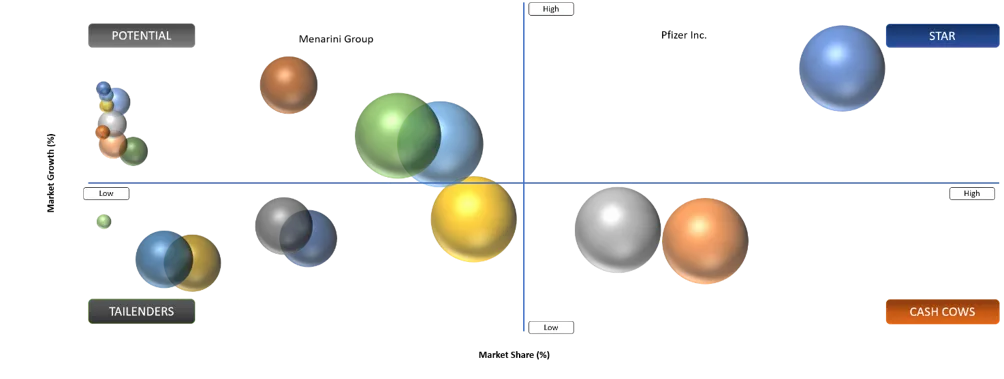
Pfizer Inc. and Olema Pharmaceuticals, Inc. are positioned in the Star category based on clinical-stage progress, differentiated KAT6A/B assets and growing visibility in hormone receptor-positive, HER2-negative advanced breast cancer. Pfizer leads the competitive landscape through prifetrastat, a selective oral KAT6A/B inhibitor being advanced in the Phase III KATSIS-1 program for patients whose disease progressed following CDK4/6 inhibitor-based therapy. Its development scale, breast-cancer franchise, regulatory capabilities and global commercialization infrastructure provide a substantial first-mover advantage.
Olema is positioned as the principal emerging challenger through OP-3136, an oral KAT6A/B inhibitor demonstrating combination potential with endocrine therapies and CDK4/6 inhibitors. Its breast-oncology focus and ability to integrate OP-3136 with palazestrant strengthen its strategic position. Progress within the Star category will depend on confirming efficacy in resistant disease, controlling hematologic toxicity, establishing optimal combinations and generating survival evidence sufficient to support regulatory approval, reimbursement and broad oncology adoption.
POTENTIAL
Menarini Group, IDEAYA Biosciences, Inc., BeOne Medicines Ltd., Shanghai Henlius Biotech, Inc., CSPC Pharmaceutical Group Limited, Hangzhou Innogate Pharma Co., Ltd., Qilu Pharmaceutical Co., Ltd., Humanwell Healthcare Group Co., Ltd. and Isosterix, Inc. are positioned in the Potential category based on emerging clinical, preclinical or discovery-stage KAT6-directed programs. Menarini represents the most advanced participant within this group through MEN2312, obtained under an exclusive development and commercialization agreement with Insilico Medicine.
IDEAYA provides mechanistic differentiation through dual KAT6/7 inhibition, while Chinese developers could increase competitive intensity through faster development, localized clinical recruitment and potentially lower commercialization costs. Isosterix contributes specialized epigenetic drug-discovery capabilities. Movement toward the Star category will depend on clinical validation, biomarker-defined patient selection, differentiated safety, intellectual-property strength, financing capacity and expansion beyond breast cancer.
Global KAT6A/B Inhibitor Therapy Market Dynamics
Driver Impact Analysis
| Driver | Market Growth Impact (%) | Demand Concentration | Impacted Use Case | Strategic Impact |
Rising Post-CDK4/6 Treatment Resistance in HR-Positive, HER2-Negative Breast Cancer | 16.4% | High across the United States and Europe, with increasing trial participation in Asia-Pacific | Treatment of advanced or metastatic breast cancer progressing after endocrine and CDK4/6 inhibitor therapy | Establishes the most commercially measurable initial patient population and supports accelerated specialist adoption |
Advancement of KAT6A/B Inhibitors Into Late-Stage Clinical Development | 14.7% | Concentrated in established oncology markets with advanced clinical-trial and regulatory infrastructure | Late-line and combination treatment for endocrine-resistant advanced breast cancer | Reduces target-validation risk, strengthens licensing interest and establishes a potential first-in-class commercialization pathway |
Increasing Adoption of Biomarker-Guided Epigenetic Oncology | 11.8% | Initially concentrated in major academic cancer centers and precision-oncology networks | Identification of tumors with KAT6 amplification, overexpression or pathway dependence | Improves patient enrichment, raises trial success probability and enables premium positioning around molecularly selected populations |
Expansion Into Prostate, Colorectal, Lung and Myeloid Malignancies | 9.6% | Emerging across North America, Europe and China through basket and indication-expansion trials | Treatment of additional solid tumors and hematologic malignancies dependent on KAT6-mediated transcription | Broadens the addressable population, diversifies clinical risk and creates multiple lifecycle-expansion opportunities |
Driver: Rising Post-CDK4/6 Treatment Resistance in HR-Positive, HER2-Negative Breast Cancer
Rising treatment resistance after CDK4/6 inhibitor-based therapy is expected to drive demand for KAT6A/B inhibitors in hormone receptor-positive, HER2-negative advanced breast cancer. CDK4/6 inhibitors combined with endocrine therapy have become a central treatment approach, but many patients eventually experience disease progression through altered estrogen-receptor signalling, cell-cycle reactivation and epigenetic adaptation. Subsequent treatment is fragmented across endocrine agents, pathway inhibitors, antibody-drug conjugates and chemotherapy, creating demand for therapies capable of restoring endocrine sensitivity and delaying further progression.
KAT6A/B inhibition offers a differentiated mechanism by reducing histone acetylation and suppressing transcriptional programs supporting estrogen-receptor-driven tumor growth. Prifetrastat’s advancement into Phase III development with fulvestrant provides clinical validation for targeting this post-CDK4/6 population and establishes a potential commercialization pathway for competing programs. Market growth will depend on demonstrating superior progression-free survival, durable responses and manageable hematologic toxicity against established later-line options. Developers that combine selective inhibition with validated biomarkers, optimized dosing and rational endocrine combinations will be better positioned to capture oncologist adoption, payer support and licensing interest within an increasingly important treatment segment across major oncology markets during the forecast period globally.
Restraint Impact Analysis
| Restraint | Drag on Market Growth (%) | Primary Impact Area | Impacted Use Case | Strategic Impact |
Dose-Limiting Hematologic Toxicity and Narrow Therapeutic Window | 13.9% | Dose intensity, treatment persistence and combination feasibility | Continuous KAT6A/B inhibitor therapy and combinations with endocrine or cell-cycle inhibitors | Increases laboratory monitoring, dose interruptions and discontinuation risk while limiting use in heavily pretreated patients |
Dependence on Unproven Late-Stage Clinical and Regulatory Outcomes | 12.6% | Investment confidence, launch timing and probability-adjusted valuation | Commercial introduction in post-CDK4/6 hormone receptor-positive, HER2-negative advanced breast cancer | Creates substantial revenue uncertainty because market formation depends on pivotal efficacy, safety and regulatory outcomes |
Absence of Validated Predictive Biomarkers for Patient Selection | 10.8% | Trial enrichment, response predictability and companion-diagnostic development | Identification of breast, prostate, lung, colorectal and myeloid tumors dependent on KAT6 signalling | Increases clinical-development costs, dilutes response rates and complicates premium precision-oncology positioning |
Crowded Later-Line Oncology Landscape and Combination-Therapy Economics | 9.4% | Formulary positioning, reimbursement and treatment-sequencing decisions | Use after endocrine and CDK4/6 inhibitor progression versus oral degraders, pathway inhibitors, antibody-drug conjugates and chemotherapy | Raises the comparative-evidence threshold and requires clear survival, safety or cost advantages to secure oncologist and payer adoption |
Restraint: Dose-Limiting Hematologic Toxicity and Narrow Therapeutic Window
Dose-limiting hematologic toxicity and a narrow therapeutic window represent major constraints on the clinical and commercial development of KAT6A/B inhibitors. Because KAT6A and KAT6B contribute to normal hematopoietic regulation, sustained target inhibition can affect bone-marrow function and produce neutropenia, anemia or other blood-cell abnormalities. Risk becomes more consequential in heavily pretreated oncology patients whose marrow reserve may already be compromised by chemotherapy, targeted agents or advanced disease. Toxicity can require dose reductions, treatment interruptions, laboratory monitoring and supportive care, potentially weakening therapeutic exposure and response durability.
Commercially, an unfavorable safety-efficacy balance could restrict combination use, reduce physician confidence and narrow eligibility to fitter patients. It may also complicate differentiation against endocrine therapies, oral degraders and antibody-drug conjugates competing in later treatment lines. Developers must demonstrate tumor control at exposures below toxicity thresholds through optimized dosing, selective target profiles and pharmacodynamic monitoring. Programs reducing severe cytopenias while preserving durable efficacy will gain an advantage in regulatory review, payer assessment and licensing. Conversely, persistent toxicity could increase treatment costs, limit duration and reduce the addressable population across breast cancer and oncology indications.
KAT6A/B Inhibitor Therapy Market Segment Analysis
The global KAT6A/B inhibitor therapy market is segmented based on the target specificity, therapeutic approach, line of therapy, route of administration, indication, development stage, end user and region.
Dual KAT6A/B Inhibitors Anchor Market Value While Multi-Target Programs Drive Next-Wave Growth
Dual KAT6A/B inhibitors are expected to remain the dominant target-specificity segment, reaching an estimated US$1,982.33 million by 2035, equivalent to 62.8% of the projected market. Leadership reflects the relative maturity of prifetrastat, OP-3136 and MEN2312, which inhibit both KAT6A and KAT6B and are concentrated in hormone receptor-positive, HER2-negative advanced breast cancer. Their commercial position will depend on successful late-stage development, activity after CDK4/6 inhibitor resistance, manageable hematologic toxicity and compatibility with endocrine-treatment backbones. Breast cancer, oral administration, combination therapy and second-line treatment are therefore expected to concentrate early revenue.
Multi-target KAT6 family inhibitors are projected to be the fastest-growing segment, expanding at an estimated 62.85% CAGR during 2026-2035. Programs such as IDE574 and PF-08032560 extend inhibition beyond KAT6A/B to KAT7, potentially addressing pathway redundancy and widening opportunities across breast, prostate, colorectal and lung cancers. However, broader target coverage must demonstrate superior therapeutic windows rather than mechanistic novelty alone. Market adoption will favor assets offering biomarker-defined efficacy, durable responses and lower combination toxicity. KAT6A-selective degraders could also emerge as disruptive competitors if clinical studies confirm improved target suppression and hematologic safety.
KAT6A/B Inhibitor Therapy Market Geographical Penetration
U.S. KAT6A/B Inhibitor Therapy Market Landscape
The U.S. KAT6A/B inhibitor therapy market remains pre-commercial but is becoming the principal value-creation center for this emerging epigenetic oncology class. Development is concentrated in hormone receptor-positive, HER2-negative advanced breast cancer after endocrine and CDK4/6 inhibitor progression, where Pfizer’s prifetrastat has advanced into Phase III evaluation with fulvestrant. In 2025, dose-optimization results supported a 5 mg once-daily regimen, while combination data showed a 30.2% partial-response rate, strengthening clinical and investor confidence in the mechanism.
The commercial landscape is likely to favor U.S. developers with differentiated safety, biomarker and combination strategies. Olema’s OP-3136, BeOne’s BG-75202 and IDEAYA’s dual KAT6/7 program broaden competition across breast cancer, additional solid tumors and myeloid malignancies. Market access will depend on demonstrating durable progression-free survival, manageable hematologic toxicity and clear value against oral estrogen-receptor degraders, pathway inhibitors, antibody-drug conjugates and chemotherapy. Early engagement with the Food and Drug Administration, major cancer centers and payers will be critical for defining companion-diagnostic requirements, treatment sequencing and reimbursement. Companies that convert clinical differentiation into testing, scalable oral supply and budget-impact evidence will be best positioned to capture U.S. adoption.
Japan KAT6A/B Inhibitor Therapy Market Outlook
Japan’s KAT6A/B inhibitor therapy market remains pre-commercial in 2026, but its outlook is strengthening as precision oncology expands beyond established endocrine and CDK4/6-directed treatment. The addressable opportunity is HR-positive, HER2-negative advanced breast cancer after progression on CDK4/6 inhibitor-based therapy. Japan’s National Cancer Center projected 98,800 new breast cancer cases and 16,200 breast cancer deaths in 2025, providing an epidemiological base for novel resistance-directed therapies. Demand will initially concentrate in major oncology centers with genomic-testing capacity and clinical-trial infrastructure.
Commercial momentum is centered on Pfizer’s oral KAT6A/B inhibitor prifetrastat, which is listed in Pfizer Japan’s Phase III breast cancer pipeline and is being evaluated with fulvestrant in the multinational KATSIS-1 study, including Japanese sites. Japan’s PMDA review, national reimbursement controls and preference for locally generated safety evidence may moderate launch speed but should reward assets showing durable progression-free survival, manageable hematologic toxicity and differentiated post-CDK4/6 efficacy. Near-term investment priorities include Japanese patient enrollment, biomarker validation, dose optimization and engagement with specialist hospitals. Successful developers will need compelling comparative evidence and a pricing narrative aligned with Japan’s cost-effectiveness and health-system sustainability expectations.
KAT6A/B Inhibitor Therapy Market Competitive Landscape
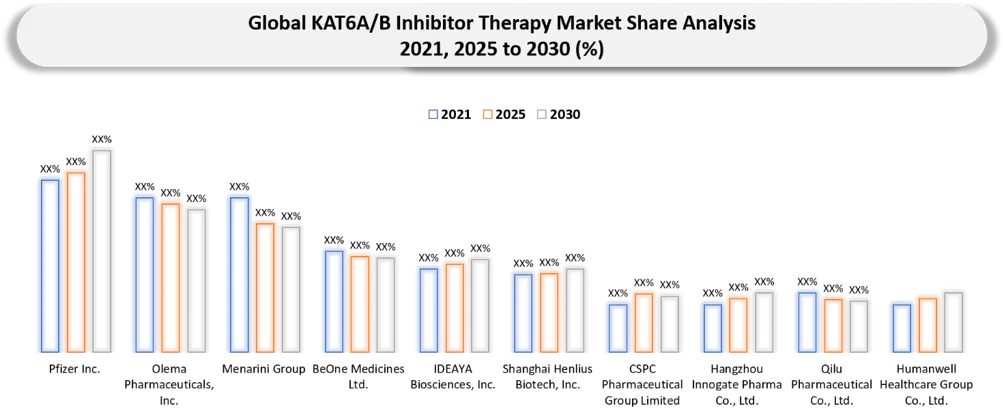
- The KAT6A/B inhibitor therapy market remains an emerging, pipeline-led arena, with no approved therapy. Pfizer holds the first-mover position through prifetrastat, supported by the Phase III KATSIS-1 program in post-CDK4/6 HR-positive, HER2-negative advanced breast cancer. Olema Pharmaceuticals is the principal clinical challenger with OP-3136, an oral selective inhibitor being evaluated alone and alongside endocrine therapies. Menarini is advancing MEN2312 under exclusive rights obtained from Insilico Medicine. Competition is shifting from target validation toward clinical differentiation across efficacy, tolerability, dosing and combination compatibility.
- The field includes IDEAYA Biosciences, which is developing a dual KAT6/7 approach, alongside early-stage programs from BeOne Medicines, Shanghai Henlius, CSPC Pharmaceutical, Hangzhou Innogate, Qilu Pharmaceutical, Humanwell Healthcare and Isosterix. Competitive advantage will depend on demonstrating activity after endocrine and CDK4/6 resistance, managing dose-limiting hematologic toxicity and identifying biomarker-defined responders. Companies with combination strategies, strong breast-oncology trial networks and sufficient capital for randomized development are best positioned. Licensing remains strategically important; originators and exclusive licensees should be consolidated when assessing company shares, preventing double-counting of partnered assets and providing a clearer view of pipeline control.
Key Companies of KAT6A/B Inhibitor Therapy Market
- Pfizer Inc. (United States)
- Olema Pharmaceuticals, Inc. (United States)
- Menarini Group (Italy)
- BeOne Medicines Ltd. (Switzerland)
- IDEAYA Biosciences, Inc. (United States)
- Shanghai Henlius Biotech, Inc. (China)
- CSPC Pharmaceutical Group Limited (China)
- Hangzhou Innogate Pharma Co., Ltd. (China)
- Qilu Pharmaceutical Co., Ltd. (China)
- Humanwell Healthcare Group Co., Ltd. (China)
- Isosterix, Inc. (United States)
KAT6A/B Inhibitor Therapy Market Major Pain Points
- Pre-Commercial Market and High Clinical Attrition Risk: No KAT6A/B-specific therapy has received regulatory approval. Market formation depends heavily on successful late-stage development of prifetrastat and clinical validation of earlier assets, creating substantial forecast uncertainty and binary investment risk.
- Dose-Limiting Hematologic Toxicity and Narrow Therapeutic Window: KAT6A/B inhibition can produce anemia, neutropenia, thrombocytopenia and other treatment-related toxicities. Overlapping adverse effects with endocrine therapies, CDK4/6 inhibitors and chemotherapy may restrict combination dosing, treatment duration and movement into earlier treatment lines.
- Unclear Biomarker Strategy Beyond Tumor Type: KAT6 amplification or overexpression alone may not consistently identify responsive patients. Developers must establish predictive biomarkers incorporating estrogen-receptor dependence, transcriptional lineage, resistance mutations and prior-treatment exposure to improve trial enrichment and commercial positioning.
- Clinical Differentiation Against Established Post-CDK4/6 Therapies: KAT6A/B inhibitors must compete with oral selective estrogen-receptor degraders, PI3K, AKT and mTOR inhibitors, antibody-drug conjugates and chemotherapy. Adoption will require clear improvements in progression-free survival, tolerability or activity within resistant patient populations.
- Complex Combination-Development Requirements: KAT6 inhibitors are increasingly being evaluated with fulvestrant, palazestrant, CDK4/6 inhibitors and androgen-receptor therapies. Selecting the appropriate partner, dose and treatment sequence increases clinical-development costs and creates additional safety, intellectual-property and regulatory complexities.
- Concentrated Evidence in HR-Positive Breast Cancer: Current clinical validation is primarily concentrated in HR-positive, HER2-negative advanced breast cancer. Expansion into prostate, colorectal, lung, ovarian and hematologic malignancies remains dependent on early-stage evidence, limiting near-term revenue diversification.
- Lengthy Recruitment and Comparative-Evidence Requirements: Eligible patients are often heavily pretreated and must satisfy specific molecular, treatment-history and organ-function criteria. Competition from multiple precision-oncology trials can slow enrolment, while randomized studies require substantial capital, international trial networks and extended follow-up.
- Uncertain Pricing, Reimbursement and Treatment Positioning: Payers will require evidence that KAT6A/B inhibitors deliver meaningful incremental benefit over lower-cost endocrine combinations and established targeted therapies. Premium pricing will depend on biomarker-defined response, durable disease control, manageable monitoring requirements and credible health-economic evidence.
KAT6A/B Inhibitor Therapy Market Recent Developments
- September 2026: Prelude Therapeutics received U.S. FDA clearance for the IND application for PRT13722, enabling Phase I development in HR-positive, HER2-negative breast cancer. The milestone introduces KAT6A-selective protein degradation as a potentially differentiated approach for improving hematologic tolerability and combination flexibility.
- August 2026: Pfizer added PF-08032560, a selective KAT6A, KAT6B and KAT7 inhibitor, to its Phase I pipeline for advanced solid tumors. The program broadens Pfizer’s KAT portfolio beyond prifetrastat and reinforces its leadership across multiple epigenetic-inhibition strategies.
- May 2026: Olema Pharmaceuticals presented initial Phase I results for OP-3136, reporting confirmed and durable responses with manageable safety in heavily pretreated patients. The findings provided early clinical validation for a second oral KAT6A/B inhibitor and strengthened competition with Pfizer.
- May 2026: Olema Pharmaceuticals entered a clinical-trial collaboration with Bayer to evaluate OP-3136 plus darolutamide in approximately 36 patients with metastatic castration-resistant prostate cancer. The agreement expands KAT6 inhibition beyond breast cancer and tests its commercial relevance alongside established androgen-receptor therapy.
- April 2026: Prelude Therapeutics presented preclinical data showing that PRT13722 generated complete tumor regressions in multiple HR-positive breast-cancer models. Combination activity with endocrine, CDK4/6 and PI3Kα inhibitors supports development across established treatment backbones.
- April 2026: Olema Pharmaceuticals reported synergistic antitumor activity from OP-3136 combined with palazestrant. Suppression of estrogen-receptor, cell-cycle and resistance-associated signalling strengthens Olema’s internally controlled combination-development strategy.
- April 2026: IDEAYA Biosciences dosed the first patient in a Phase I study of IDE574 across breast, prostate, colorectal and lung cancers. The program introduces dual KAT6/7 inhibition as a differentiated strategy for overcoming epigenetic redundancy and treatment resistance.
- April 2025: Olema Pharmaceuticals demonstrated OP-3136 activity in ovarian, prostate and non-small cell lung cancer models. The findings expanded the asset’s potential addressable opportunity beyond endocrine-driven breast cancer.
- January 2025: Menarini Group confirmed that MEN2312, originally licensed from Insilico Medicine at the preclinical stage, had entered clinical development. Rapid progression demonstrated the potential of AI-enabled discovery and licensing to accelerate competitive entry into KAT6-targeted oncology.
Analyst View / Opinion on KAT6A/B Inhibitor Therapy Market
- The market is transitioning from target validation toward clinical and commercial execution, with value creation increasingly dependent on successful late-stage trials, regulatory approvals and timely product launches.
- HR-positive, HER2-negative advanced breast cancer following CDK4/6 inhibitor treatment is expected to provide the initial commercial entry point, reflecting substantial endocrine resistance and demand for additional chemotherapy-delaying options.
- Dual KAT6A/B catalytic inhibitors currently anchor pipeline value, while KAT6A-selective degraders and multi-target KAT6-family inhibitors are introducing differentiated approaches to pathway suppression and resistance management.
- Treatment positioning will depend on response depth, progression-free survival, hematologic safety, dose intensity, biomarker-defined responsiveness and compatibility with endocrine therapies, CDK4/6 inhibitors and other targeted agents.
- Expansion into prostate, ovarian, colorectal, lung and hematologic malignancies represents a meaningful long-term opportunity, but commercial forecasts should remain risk-adjusted until tumor-specific efficacy and predictive biomarkers are clinically validated.
- Sustainable market leadership will require a differentiated therapeutic window, scalable manufacturing, strong intellectual-property protection, evidence-based treatment sequencing and payer data demonstrating incremental value over established post-endocrine treatment alternatives.
KAT6A/B Inhibitor Therapy Market Target Audience
| INDUSTRY | WHO SHOULD BUY THIS REPORT? | REASON TO BUY THIS REPORT |
| Pharmaceutical and Biotechnology Companies | KAT6A/B inhibitor developers, oncology drug manufacturers, pipeline strategy teams and business-development executives | Assess target potential, pipeline differentiation, clinical positioning, licensing opportunities and indication-expansion strategies |
| Precision Oncology and Diagnostic Companies | Genomic-testing providers, biomarker developers, liquid-biopsy companies and companion-diagnostic manufacturers | Identify opportunities in patient selection, molecular profiling, response monitoring and companion-diagnostic development |
| Contract Research Organizations | Oncology-focused clinical research organizations, trial-management providers, central laboratories and data-management companies | Evaluate upcoming trial demand, patient-recruitment requirements, biomarker testing needs and geographic study opportunities |
| Healthcare Providers | Medical oncologists, breast-cancer specialists, hospital oncology departments, cancer centers and multidisciplinary care teams | Understand emerging clinical evidence, eligible patient populations, combination strategies, safety requirements and potential treatment positioning |
| Academic and Translational Research Institutions | Universities, cancer institutes, epigenetics laboratories and translational research centers | Analyze KAT6 biology, resistance mechanisms, tumor dependencies, biomarker hypotheses and research gaps |
| Payers and Health Technology Assessment Organizations | Public and private insurers, reimbursement agencies, pharmacy-benefit managers and health technology assessment bodies | Evaluate target populations, comparative clinical value, budget impact, evidence requirements and potential reimbursement scenarios |
| Government and Regulatory Bodies | Regulatory agencies, public-health authorities, oncology-policy organizations and reimbursement policymakers | Support regulatory assessment, clinical-trial oversight, benefit-risk evaluation, pharmacovigilance and access-policy development |
| Investors and Financial Institutions | Venture-capital firms, private-equity investors, institutional investors, investment banks and corporate venture teams | Assess pipeline value, probability-adjusted opportunity, development risk, financing requirements and acquisition potential |
| Patient Advocacy Organizations | Breast, prostate, lung, colorectal, ovarian and hematologic-cancer advocacy groups | Understand clinical-trial access, unmet treatment needs, patient eligibility, toxicity burden and potential treatment benefits |
| Specialty Pharmacies and Oncology Distributors | Specialty pharmacies, hospital pharmacies, oncology distributors and patient-support providers | Prepare for future distribution models, oral-therapy dispensing, adherence support, adverse-event management and market-access requirements |
| Market Research and Consulting Firms | Healthcare consultancies, competitive-intelligence teams and pharmaceutical advisory firms | Support market forecasting, portfolio strategy, competitor benchmarking, opportunity assessment and commercial due diligence |
| Strategic Partners and Licensing Teams | Pharmaceutical alliance-management teams, technology-transfer offices and corporate business-development groups | Identify co-development, regional licensing, combination-development and commercialization partnership opportunities |
Why Choose DATAM?
- Data-Driven Insights: Access granular KAT6A/B inhibitor therapy intelligence covering addressable patient populations, indication-level opportunity, development-stage pipelines, target selectivity, treatment combinations, clinical-trial benchmarks, competitive positioning and regional commercialization potential, supported by primary interviews with oncologists, researchers and industry stakeholders.
- Post-Purchase Support and Expert Analyst Consultations: Engage directly with healthcare analysts for customized guidance on patient segmentation, biomarker strategies, treatment sequencing, portfolio positioning, competitor assessment, market entry, licensing opportunities and commercialization planning.
- White Papers and Case Studies: Receive periodic insights on KAT6A/B-targeted innovation, epigenetic oncology, catalytic inhibitors, targeted protein degraders, combination strategies, regulatory developments and evolving treatment pathways in breast cancer and other molecularly defined malignancies.
- Annual Updates on Purchased Reports: Track clinical readouts, trial initiations, development-stage transitions, regulatory designations, licensing agreements, partnerships, discontinued programs and competitive changes through annual report updates. Terms and conditions apply.
- Specialized Focus on Emerging Markets: Evaluate country-level clinical-trial activity, eligible patient populations, molecular-testing infrastructure, oncology-center capabilities, regulatory pathways, reimbursement environments and partnership opportunities across high-growth markets.
- Value of DataM Reports: Obtain tailored intelligence addressing post-CDK4/6 treatment resistance, biomarker-defined patient selection, therapeutic-window optimization, hematologic toxicity, combination potential, pipeline differentiation, probability-adjusted forecasts, market-access requirements and investment priorities beyond conventional pharmaceutical databases.
What DATAM Uniquely Provides
- In-depth segmentation of the KAT6A/B inhibitor therapy market target specificity, therapeutic approach, line of therapy, route of administration, indication, development stage, end user and region.
- Competitive analysis of leading KAT6A/B inhibitor developers covering target selectivity, mechanism of action, clinical efficacy, progression-free survival, response durability, hematologic safety, dosing convenience, combination potential, pipeline maturity and commercialization strategy.
- Comprehensive assessment of addressable and treatment-eligible populations across hormone receptor-positive, HER2-negative breast cancer, prostate cancer, lung cancer, colorectal cancer, ovarian cancer, hematologic malignancies and other molecularly defined tumors.
- Actionable intelligence on clinical-trial design, biomarker strategies, regulatory pathways, treatment sequencing, companion-diagnostic requirements, pricing, reimbursement, licensing activity, strategic partnerships, market-access barriers and investment opportunities.
- Analyst forecasts highlighting commercially attractive indications, post-CDK4/6 inhibitor populations, high-potential catalytic inhibitors, targeted protein degraders, combination regimens, regional expansion opportunities and emerging competitive threats across the global KAT6A/B inhibitor pipeline.


























































