


Infant Probiotic Supplements Market Overview
The infant probiotic supplements market is becoming a high-sellability early-life nutrition category as parents, pediatric nutrition companies and healthcare professionals place greater focus on infant gut health, immune development, allergy risk reduction and microbiome support. The category is moving beyond basic digestive care into clinically backed pediatric nutrition, supported by innovations in probiotics, human milk oligosaccharides, liquid drops, powders and science-led maternal-infant formulations.
The market has strong B2B research intent because it connects pediatric nutrition, infant formula innovation, probiotics, HMOs, immune support, allergy prevention and pharmacy-led infant care. Demand is being shaped by health-conscious parents, pediatric recommendations, early-life nutrition programs and premium product launches from major nutrition companies. Companies that combine clinically validated strains, infant-safe delivery formats, strong regulatory compliance and trusted pediatric positioning are expected to capture long-term category growth.
Key Takeaways
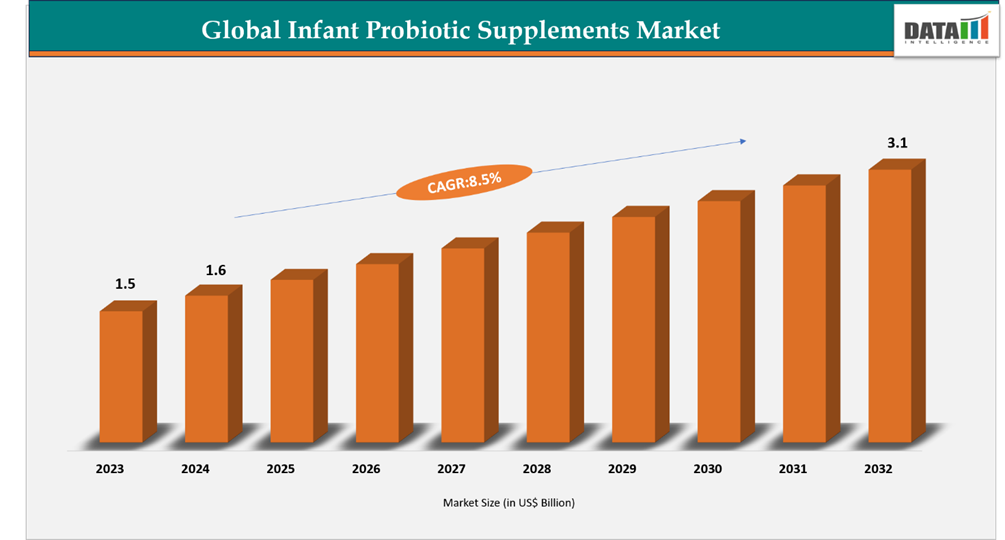
- The Infant Probiotic Supplements market size 2026 is estimated at US$ 1.88 billion, supported by rising parental awareness of infant gut health and immunity.
- The Infant Probiotic Supplements market forecast 2035 is projected at US$ 3.96 billion, showing strong long-term growth potential in pediatric nutrition.
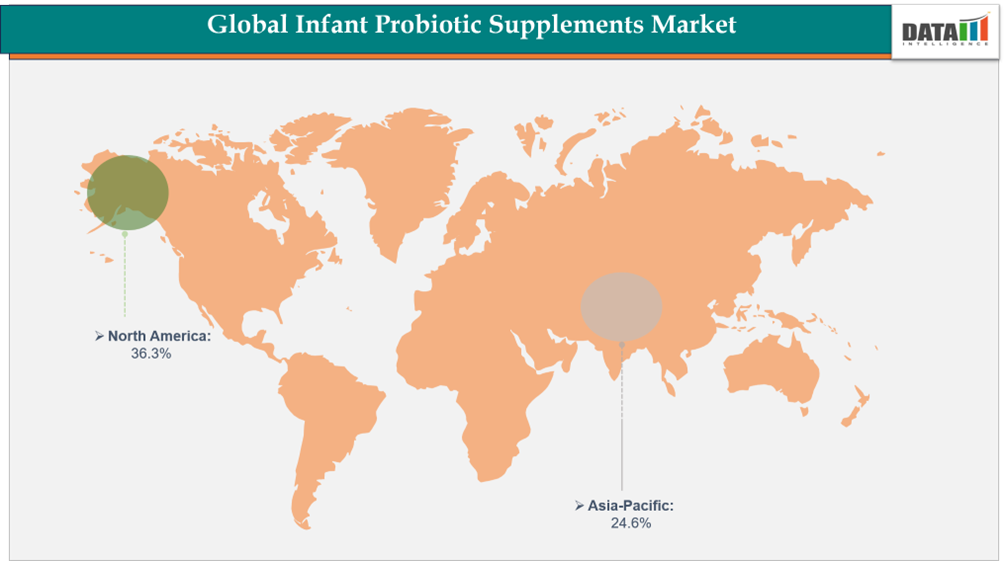
- North America captured the largest market share of 36.3% in 2024, supported by high parental awareness, pediatric recommendation and premium infant nutrition adoption.
- Asia-Pacific is the fastest-growing region, driven by rising disposable incomes, urbanization and expanding infant nutrition infrastructure.
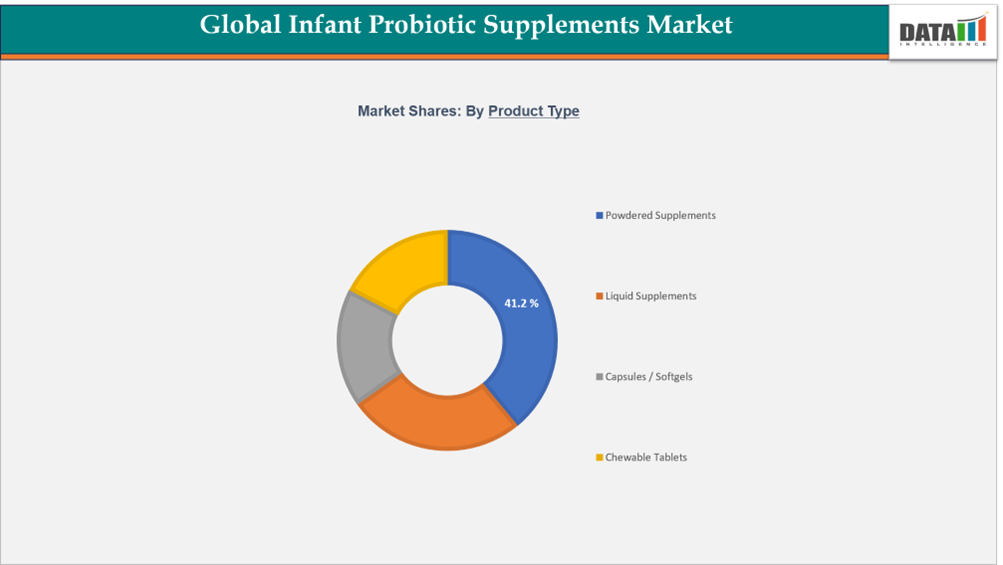
- Liquid supplements held a significant share of 41.2% in 2024, supported by ease of administration, accurate dosing and suitability for newborns and infants.
- Product innovation is moving toward probiotic and HMO blends that aim to reflect the natural gut and immune support functions of breastmilk.
- Regulatory claims analysis is essential because infant products face strict safety, labeling, permissible strain and health claim requirements across markets.
Infant Probiotic Supplements Market Scope
| Metrics | Details |
| Market Size in 2025 | US$ 1.74 Billion |
| Market Size by 2035 | US$ 3.96 Billion |
| CAGR | 8.50% |
| Historic Years | 2023-2024 |
| Base Year | 2025 |
| Forecast Period | 2026-2035 |
| Segments Covered | Product Type, Application, Distribution Channel and Region |
| Largest Region | North America |
| Fastest Growing Region | Asia-Pacific |
Infant Probiotic Supplements Market Growth Drivers
Early-Life Gut Health Is Becoming a Parent Priority
Parents are increasingly aware that the infant gut microbiome plays an important role in digestion, immune development and early-life health. Infants are vulnerable during the first months of life, especially during feeding transitions, antibiotic exposure, formula use or C-section delivery. This is creating demand for safe and pediatric-focused probiotic supplements that support digestive comfort and healthy gut flora.
The category benefits from a high emotional purchase driver. Parents are often willing to pay a premium for products that appear safe, science-backed and recommended for infant well-being. This makes infant probiotics a high-sellability supplement category when positioned with trust, safety and clinical credibility.
HMO and Probiotic Innovation Is Reshaping Product Development
Human milk oligosaccharides are becoming a major innovation theme in infant nutrition. HMOs act as prebiotic compounds that support beneficial bacteria in the infant gut. Combining probiotics with HMOs allows brands to position products closer to the natural functions of breastmilk.
In 2023, Nestlé launched a probiotic and HMO blend designed to replicate changes in breastmilk composition across different life stages, supporting gut health and immune function. This type of product development is helping the market shift from simple probiotic drops toward more advanced early-life microbiome solutions.
Pediatric Endorsement and Healthcare Education Support Adoption
Healthcare professionals influence infant probiotic adoption because parents often seek pediatric guidance before using supplements for newborns and infants. Products with pediatric backing, clinical documentation and clear dosage instructions are better positioned in pharmacies, clinics and online channels.
Medical trust is especially important because the target population is highly sensitive. Even minor formulation, dosage or contamination concerns can damage brand credibility. Companies that meet high safety and quality standards can use regulatory compliance as a trust-building advantage.
Asia-Pacific Is Creating Futuristic Demand Signals
Asia-Pacific is expected to be the fastest-growing market due to rising urbanization, parental education, disposable incomes and infant nutrition infrastructure. China, India, Japan, South Korea and Singapore are increasingly adopting clinically validated infant nutrition products.
The region also benefits from strong pediatric nutrition companies, research institutions and premium parenting segments. As parents move toward science-led infant care, demand for probiotics, HMOs and early-life microbiome solutions is expected to accelerate.
Clinical and Consumer Evidence Outlook
Clinical evidence is a key differentiator in the infant probiotic supplements market. Infant products require higher safety confidence than adult supplements because newborns and young children are more sensitive to formulation quality, dosage and strain selection.
Important evidence-led positioning areas include:
| Evidence Area | Market Relevance |
| Infant Gut Microbiome Support | Supports product positioning around early-life digestive wellness |
| Immune Development | Builds relevance for parent-led preventive care |
| Allergy Prevention | Creates demand for clinically studied pediatric formulations |
| HMO Combination | Strengthens breastmilk-inspired formulation strategy |
| C-Section and Antibiotic Exposure | Supports targeted microbiome replenishment positioning |
| Pediatric Safety Data | Builds trust among parents and healthcare professionals |
| Maternal-Infant Use | Opens broader positioning across pregnancy, breastfeeding and infant nutrition |
In 2025, Kerry’s LC40 became the first probiotic strain validated for both infant and maternal use, supported by six clinical studies and two safety trials. This type of validation signals the future direction of the market, where strains with infant and maternal safety data can achieve stronger adoption.
Ingredient Innovation and Format Segmentation
Ingredient innovation is moving the infant probiotic supplement category toward science-led combinations that improve safety, stability and usability.
Lactobacillus-Based Infant Probiotics
Lactobacillus strains are widely used in infant and pediatric probiotic formulations. These products are commonly positioned around digestive comfort, gut flora balance and immune support.
Bifidobacterium-Based Infant Probiotics
Bifidobacterium strains are highly relevant in infant nutrition because Bifidobacteria are strongly associated with early-life gut microbiome development. Products containing Bifidobacterium are often positioned around infant digestive and immune health.
Probiotic and HMO Blends
Probiotic and HMO blends are one of the most important innovation areas. HMOs support beneficial bacteria, while probiotics help strengthen microbiome balance. This combination enables premium positioning in pediatric nutrition.
Multi-Strain Infant Formulations
Multi-strain formulations are gaining interest but require careful clinical validation and dosage control. Infant products cannot simply add multiple strains for marketing purposes. Safety, stability and intended benefit must be clear.
Powdered Supplements
Powdered supplements are valued for precise dosing, longer shelf life and easy integration into formula, cereals or infant foods. Powders also allow fortification with HMOs, vitamins and minerals.
Liquid Drops
Liquid supplements are highly suitable for newborns and infants because they allow easy administration and accurate dosing. Drops are especially relevant for infants under 12 months and for parents seeking ready-to-use formats.
Capsules, Softgels and Chewable Formats
Capsules and softgels are more relevant for older infants, toddlers or parent-administered formats where contents can be mixed with food. Chewable tablets have limited relevance for infants but may support adjacent toddler nutrition products.
Pricing and Adoption Trends
Infant Probiotic Supplements pricing and adoption trends are shaped by clinical validation, strain quality, HMO inclusion, safety testing, delivery format, brand trust and pediatric recommendation. Premium products often command higher pricing when they include clinically backed strains, HMO blends, organic positioning, clean-label ingredients or strong safety documentation.
Liquid drops usually carry premium pricing because they are convenient, infant-suitable and often positioned for newborn use. Powders can support both premium and mass-market adoption depending on packaging, dosing and ingredient complexity. Online channels are important for discovery, but pharmacies and pediatric clinics remain central to trust-building.
Key adoption factors include:
| Adoption Factor | Market Impact |
| Pediatric Recommendation | Strongly improves parental confidence |
| Clinical Strain Evidence | Supports premium positioning |
| HMO Inclusion | Adds differentiation and breastmilk-inspired value |
| Easy Dosing | Improves parent compliance |
| Organic and Clean Label Claims | Supports premium parenting segment |
| Safety Testing | Essential for infant products |
| Pharmacy Availability | Reinforces trust |
| Online Education | Supports product comparison and repeat purchase |
Price sensitivity is higher in emerging markets, but parents may still pay more for trusted infant products. Smaller packs, trial formats and local manufacturing can support wider adoption.
Regulatory Claims Analysis and Boundaries
Infant Probiotic Supplements regulatory claims analysis is critical because products are intended for a highly sensitive population. Regulations vary across regions and cover permissible strains, safety documentation, labeling, dosage, health claims, infant age suitability and product classification.
Responsible claims usually focus on:
| Claim Area | Safer Commercial Positioning |
| Digestive Health | Supports healthy digestion |
| Gut Microbiome | Helps support balanced gut flora |
| Immune Support | Supports normal immune function |
| Early-Life Nutrition | Supports infant wellness as part of nutrition routine |
| HMO Blend Positioning | Supports beneficial bacteria in the gut |
| Feeding Transition Support | Helps support digestive balance during feeding changes |
Higher-risk claims include treating colic, preventing allergies, curing infections, preventing disease or replacing medical care. Such claims require strong clinical evidence and regulatory approval in the relevant market.
Infant product companies must ensure strong quality controls, batch testing, contamination prevention, dosage accuracy and age-specific instructions. Compliance can increase costs but also builds long-term consumer trust.
Adoption Barriers
High Sensitivity of Infant Consumers
Infants are highly sensitive to formulation quality and dosage. Safety concerns, contamination risk or unclear instructions can reduce parental trust. Companies must prioritize clinical validation and manufacturing quality.
Regulatory Complexity Can Delay Launches
Approval rules differ across markets, covering strain approvals, health claims, labeling and infant nutrition classification. This can delay product launches and increase operating costs.
Parent Confusion Around Probiotics and HMOs
Many parents understand probiotics in general but may not understand strain differences, CFU counts, HMOs, dosing or storage needs. Education is required to improve responsible adoption.
Premium Pricing Limits Access
Clinically backed infant probiotics are often expensive, especially when they include HMOs, organic positioning or imported strains. This can limit adoption in price-sensitive markets.
Competition From Infant Formula and Functional Foods
Some infant formulas already include probiotics or HMOs, reducing the need for separate supplementation in certain consumer groups. Supplement brands must clearly define their role alongside formula, breastfeeding and pediatric nutrition.
Infant Probiotic Supplements Market Segmentation Analysis
Segmented by Product Type (Powdered Supplements, Liquid Supplements, Capsules and Softgels and Chewable Tablets), by Application (Digestive Health, Immune Support, Allergy Prevention and General Infant Wellness), by Distribution Channel (Online and Offline), and by Region - Share, Trends and Forecast to 2035.
By Product Type
Liquid supplements lead the market, holding 41.2% share in 2024, due to easy administration, accurate dosing and suitability for newborns and infants. Liquid drops are especially attractive for parents seeking convenient and safe early-life nutrition support.
Powdered supplements are also growing due to longer shelf life, precise dosing and easy mixing with formula or cereals. They are suitable for multi-strain and HMO-fortified formulations. Capsules, softgels and chewable tablets are more relevant for older infants or toddler-adjacent product lines.
By Application
Digestive health is the leading application because parents frequently seek support for feeding transitions, gut balance and digestive comfort. Immune support is gaining strong momentum as parents connect early-life gut health with immune development. Allergy prevention remains an important research-led area, but product claims require careful regulatory substantiation.
General infant wellness includes products positioned around everyday microbiome support, healthy growth and early-life nutrition.
By Distribution Channel
Offline channels remain important because pharmacies, pediatric clinics and baby care retailers provide trust and professional recommendation. Online channels are growing quickly because parents increasingly research infant nutrition products, compare reviews and purchase supplements through e-commerce platforms.
Retail Channel Analysis
Pharmacies
Pharmacies are one of the most trusted channels for infant probiotic supplements. Parents prefer professional guidance for infant products, especially when choosing supplements for newborns or infants with feeding concerns.
Pediatric Clinics
Pediatricians and healthcare providers strongly influence adoption. Products with clear clinical evidence, dosage guidance and safety documentation are more likely to receive professional recommendation.
Baby Care and Specialty Retail
Baby care stores support product discovery among parents shopping for infant nutrition, feeding accessories and wellness products. Premium probiotic drops and powders can perform well in this channel.
Online Retail
Online retail is increasingly important for education-led selling. Parents use online channels to compare formulations, read reviews and understand strain benefits. Subscription models can support repeat purchase.
Supermarkets and Hypermarkets
Mass retail can support wider access, but trust and packaging clarity are critical. Infant probiotic products in this channel must communicate safety, age suitability and benefits clearly.
Infant Probiotic Supplements Regional Analysis
North America
North America is the largest regional market, capturing 36.3% share in 2024. Demand is driven by high parental awareness, strong pediatric nutrition infrastructure, premium supplement adoption and trusted retail channels.
The U.S. market is growing due to higher disposable incomes, pediatric recommendations and strong demand for clinically backed liquid and powdered formulations. In 2024, Bobbie expanded beyond infant formula with organic Vitamin D and Probiotic Drops, showing how infant nutrition brands are extending into supplement categories.
Canada is expanding steadily, supported by demand for safe, organic and science-based infant supplements. Regulatory standards support consumer confidence and encourage clinically positioned product development.
Europe
Europe is an important market due to strong infant nutrition standards, parental focus on product safety and widespread demand for science-backed pediatric products. Regulatory scrutiny is high, making claims compliance and clinical documentation essential.
Brands in Europe must prioritize clear labeling, strain evidence, safety and responsible communication around infant gut health and immunity.
Asia-Pacific
Asia-Pacific is the fastest-growing region. Growth is driven by rising parental awareness, urbanization, disposable income growth and expanding infant nutrition infrastructure in China, India, Japan, South Korea and Singapore.
China leads regional production and consumption due to a large infant population and premium parenting trends. India is growing rapidly as urban parents become more aware of gut health, immunity and early-life nutrition. Japan and South Korea support premium and science-backed formulations due to strong health-conscious consumer behavior.
South America
South America offers growth potential through rising urbanization, pharmacy expansion and increasing interest in pediatric wellness. Brazil, Argentina, Chile and Colombia are attractive markets for affordable infant probiotic formats.
Middle East and Africa
The Middle East and Africa are developing markets for infant probiotic supplements. Growth will be supported by urbanization, premium baby care adoption, pharmacy networks and rising maternal-infant health awareness.
Infant Probiotic Supplements Market Competitive Landscape
The global infant probiotic supplements market includes established pediatric nutrition companies, consumer health brands and specialized probiotic producers. Key players include Société des Produits Nestlé, S.A., Danone, BioGaia, Procter & Gamble, Amway India Enterprises Pvt. Ltd., Mead Johnson & Company, LL, Lovebug Probiotics, Infinant Health Inc, Lifeway Foods, Inc., and WebMD LLC.
Nestlé and Danone are strongly positioned due to early-life nutrition expertise, infant formula capabilities and research-led product development. BioGaia is relevant because of its specialized probiotic portfolio and pediatric-focused positioning. Procter & Gamble has strong consumer health scale. Mead Johnson is important in pediatric nutrition, while Lovebug Probiotics, Infinant Health and other specialized brands support innovation in infant microbiome science.
Competition is increasing as companies focus on clinically backed strains, liquid drops, HMO blends, organic supplements, sustainable manufacturing and parent-friendly education.
Vendor Comparison
| Company | Strategic Positioning | Competitive Strength |
| Société des Produits Nestlé, S.A. | Global infant nutrition and probiotic innovation | HMO and probiotic product development, global scale |
| Danone | Pediatric nutrition and science-backed supplements | Liquid probiotic innovation and maternal-infant nutrition expertise |
| BioGaia | Probiotic specialist | Pediatric probiotic credibility and strain-focused portfolio |
| Procter & Gamble | Consumer health and supplements | Brand reach, retail strength and digestive health presence |
| Mead Johnson & Company, LL | Infant and pediatric nutrition | Formula heritage and early-life nutrition positioning |
| Amway India Enterprises Pvt. Ltd. | Nutrition and wellness supplements | Direct selling network and Asia-Pacific growth potential |
| Lovebug Probiotics | Specialized probiotic supplements | Parent-focused product positioning |
| Infinant Health Inc | Infant microbiome science | Early-life microbiome specialization |
| Lifeway Foods, Inc. | Probiotic food and beverage products | Fermented nutrition and probiotic category experience |
| WebMD LLC | Health information and consumer engagement | Education-led reach and digital health influence |
Competitive differentiation depends on clinical validation, infant safety, dosage accuracy, HMO integration, liquid formulation expertise, pediatric recommendation, regulatory compliance and parent trust.
Key Developments of the Infant Probiotic Supplements Market
- May 2026 – Société des Produits Nestlé S.A. advances infant microbiome and early-life nutrition probiotic portfolio
Nestlé strengthened its infant nutrition division by expanding probiotic supplement solutions designed to support gut microbiome development, immune system maturation, and digestive comfort in infants, with increased focus on clinically validated strains for early-life health outcomes. - May 2026 – Danone expands infant probiotic formulations across specialized early-life nutrition brands
Danone continued enhancing its infant nutrition portfolio by integrating probiotic strains into baby formula and supplement products aimed at supporting gut health, reducing colic symptoms, and strengthening immune development in early childhood. - April 2026 – BioGaia AB strengthens clinically studied infant probiotic drops and supplements
BioGaia advanced its pediatric probiotic offerings with expanded clinical validation of Lactobacillus reuteri-based formulations, focusing on infant colic relief, digestive balance, and immune support in early-life stages. - April 2026 – Procter & Gamble enhances pediatric gut health and infant wellness supplement innovation
P&G expanded its infant health and wellness initiatives, focusing on microbiome-supporting supplement research and formulation improvements aimed at improving digestive comfort and immunity in infants. - March 2026 – Mead Johnson Nutrition (Reckitt) advances infant probiotic-enhanced nutrition solutions
Mead Johnson strengthened its infant formula and supplement portfolio with probiotic-enriched formulations designed to support gut microbiota development and improve immune response in infants and toddlers. - March 2026 – Infinant Health Inc expands research in early-life microbiome and infant gut health therapeutics
Infinant Health continued developing targeted probiotic-based solutions focused on optimizing early-life microbiome development and addressing infant digestive disorders through precision nutrition approaches. - February 2026 – Amway India Enterprises Pvt. Ltd. expands infant wellness supplement distribution
Amway India strengthened its distribution of pediatric probiotic supplements, focusing on immune health and digestive support products tailored for infants and young children in emerging markets.
Sustainability Outlook
Sustainability is becoming more important in infant probiotic supplements as parents and retailers evaluate environmental responsibility alongside safety and efficacy. Manufacturers are adopting energy-efficient production, sustainable fermentation, eco-friendly packaging and improved recycling practices.
In September 2025, Kerry’s LC40 probiotic strain was produced using sustainable fermentation and formulation practices in Singapore, showing how pediatric nutrition innovation can align with low-carbon manufacturing and responsible production.
Sustainable packaging, reduced material waste and transparent sourcing will become stronger differentiators, especially for premium infant nutrition brands.
Infant Probiotic Supplements Market Opportunities
For pediatric nutrition companies, the strongest opportunity lies in probiotic and HMO blends, liquid drops, powdered infant supplements and maternal-infant microbiome products.
For probiotic ingredient suppliers, demand is rising for clinically validated infant-safe strains, HMO-compatible systems, stability technologies and sustainable fermentation capabilities.
For retailers, infant probiotics offer premium category expansion across pharmacies, baby care stores, online platforms and pediatric nutrition aisles.
For investors, the market offers exposure to early-life microbiome science, infant nutrition, high-margin supplements and strong repeat-purchase behavior. However, investment decisions must account for regulation, clinical validation cost and safety expectations.
For healthcare professionals and pediatric platforms, infant probiotic supplements provide an opportunity to support education-led early-life nutrition when claims remain evidence-based and compliant.
Report Benefits
The report helps pediatric nutrition companies identify high-growth product formats, clinical positioning and regional demand. Probiotic ingredient suppliers can assess demand for infant-safe strains, HMOs and formulation technologies. Investors can evaluate market size, forecast growth, competitive landscape and B2B opportunity areas. Retailers can understand channel-level adoption across pharmacies, baby care stores and online platforms. Strategy teams can benchmark Infant Probiotic Supplements growth drivers, consumer demand trends, regulatory claims analysis, ingredient innovation and product launch activity through 2035.
Why Choose DataM?
- Data-Driven Insights: Dive into detailed analyses with granular insights such as pricing, market shares and value chain evaluations, enriched by interviews with industry leaders and disruptors.
- Post-Purchase Support and Expert Analyst Consultations: As a valued client, gain direct access to our expert analysts for personalized advice and strategic guidance, tailored to your specific needs and challenges.
- White Papers and Case Studies: Benefit quarterly from our in-depth studies related to your purchased titles, tailored to refine your operational and marketing strategies for maximum impact.
- Annual Updates on Purchased Reports: As an existing customer, enjoy the privilege of annual updates to your reports, ensuring you stay abreast of the latest market insights and technological advancements. Terms and conditions apply.
- Specialized Focus on Emerging Markets: DataM differentiates itself by delivering in-depth, specialized insights specifically for emerging markets, rather than offering generalized geographic overviews. This approach equips our clients with a nuanced understanding and actionable intelligence that are essential for navigating and succeeding in high-growth regions.
- Value of DataM Reports: Our reports offer specialized insights tailored to the latest trends and specific business inquiries. This personalized approach provides a deeper, strategic perspective, ensuring you receive the precise information necessary to make informed decisions. These insights complement and go beyond what is typically available in generic databases.
Target Audience
- Infant nutrition companies
- Probiotic supplement manufacturers
- Pediatric healthcare brands
- Probiotic ingredient suppliers
- Human Milk Oligosaccharides (HMO) ingredient companies
- Baby care retailers
- Pharmacies and pharmacy chains
- Online parenting platforms
- Consumer health companies
- Infant formula manufacturers
- Investors in nutrition and healthcare sector
- Product development teams
- Procurement heads
- Regulatory consultants
- Strategy and planning departments



























































