


HER2-Mutant NSCLC Targeted Therapy Market Size and overview
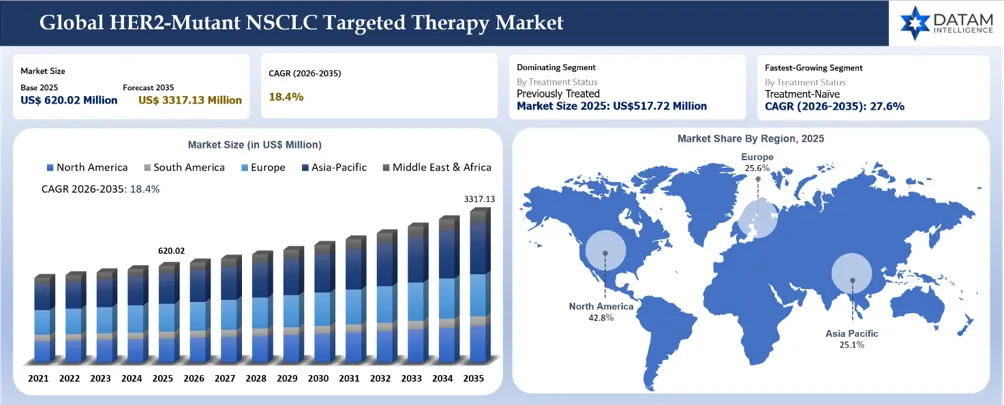
The global HER2-mutant NSCLC targeted therapy market reached US$620.02 million in 2025 and is expected to reach US$3317.13 million by 2035, growing with a CAGR of 18.4% during the forecast period 2026-2035.
Market growth is increasingly being driven by the shift from conventional chemotherapy and immunotherapy toward biomarker-defined, mutation-directed treatment. HER2-selective tyrosine kinase inhibitors and HER2-directed antibody-drug conjugates are expanding the treatment landscape, particularly for patients with activating HER2/ERBB2 mutations. Wider use of next-generation sequencing and liquid biopsy is also improving patient identification and enabling earlier treatment matching across advanced NSCLC care pathways.
The market is entering a new phase of competition as targeted therapies move from previously treated populations into first-line settings. Zongertinib, sevabertinib and trastuzumab deruxtecan are strengthening the clinical relevance of HER2-directed treatment, while emerging assets are being differentiated through mutation coverage, intracranial activity, response durability, safety and dosing convenience. Treatment sequencing between oral TKIs and antibody-drug conjugates is becoming an important strategic consideration.
Future market development will depend on broader molecular-testing access, resistance management and generation of comparative clinical evidence. Companies that demonstrate durable systemic and intracranial control, manageable toxicity, strong companion diagnostic integration and favorable reimbursement positioning will be better placed to capture long-term value. Commercial leadership will increasingly depend on earlier-line adoption, geographic expansion and the ability to address post-progression treatment needs.
HER2-Mutant NSCLC Targeted Therapy Market Key Takeaways
- Sustained Market Expansion Through 2035: The global HER2-mutant NSCLC targeted therapy market was valued at US$620.02 million in 2025 and is projected to reach US$3,317.13 million by 2035, registering a CAGR of 18.4% during 2026-2035.
- Previously Treated Patients Maintain Market Leadership: The previously treated segment generated an estimated US$517.72 million in 2025, supported by the historical positioning of HER2-targeted therapies after prior platinum-based chemotherapy, immunotherapy or other systemic treatment.
- Treatment-Naive Patients Become the Primary Growth Engine: The treatment-naïve segment is projected to register an estimated 27.6% CAGR during 2026-2035, driven by expanding first-line approvals, earlier molecular testing and increasing use of mutation-directed treatment at diagnosis.
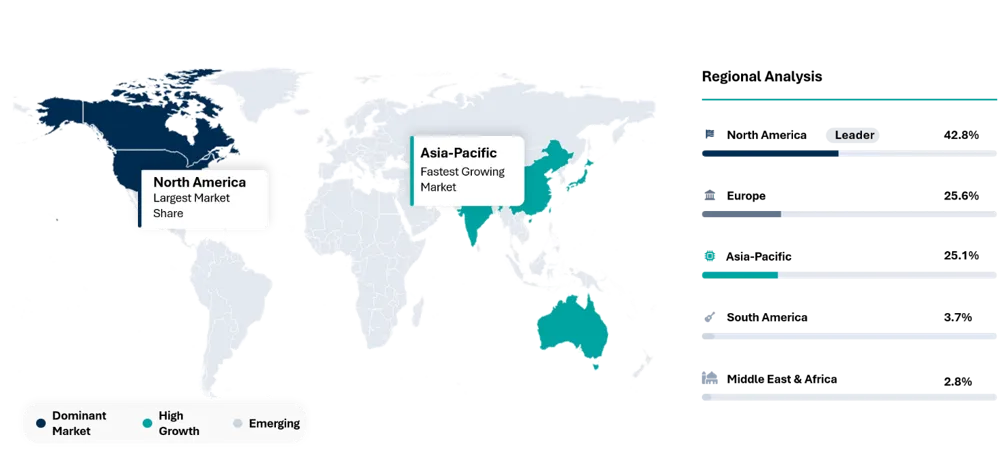
- North America Maintains Regional Dominance: North America accounted for an estimated 42.8% of the global market in 2026, supported by early regulatory approvals, broad genomic testing infrastructure, rapid adoption of HER2-selective therapies and established precision-oncology treatment pathways.
- First-Line Expansion and Treatment Sequencing Reshape Competitive Strategy: Future market leadership will increasingly depend on response durability, intracranial activity, safety differentiation, mutation-subtype coverage, companion diagnostic integration and the ability to establish clear sequencing positions across HER2-selective tyrosine kinase inhibitors and antibody drug conjugates.
HER2-Mutant NSCLC Targeted Therapy Market Industry Trends and Strategic Insights
- The market is transitioning from predominantly later-line treatment toward earlier biomarker-guided intervention, supported by expanding first-line use of HER2-selective tyrosine kinase inhibitors and HER2-directed antibody drug conjugates. Treatment value is increasingly assessed through progression-free survival, response durability, intracranial activity, safety and mutation-specific efficacy.
- Previously treated patients remain the largest commercial segment, reflecting the historical positioning of HER2-targeted therapies after prior systemic treatment. However, treatment-naïve patients are becoming the primary growth opportunity as HER2/ERBB2 testing is integrated earlier into advanced NSCLC diagnostic pathways
- HER2-selective tyrosine kinase inhibitors represent a major growth platform, but commercial adoption will depend on depth and durability of response, CNS penetration, toxicity profile, mutation-subtype coverage, resistance management and positioning relative to antibody drug conjugates
- Next-generation HER2 inhibitors, brain-penetrant molecules and resistance-directed therapies could reshape treatment sequencing by addressing progression after existing HER2-targeted agents. Their market impact will depend on differentiated efficacy, activity across rare HER2 mutations and clinically meaningful performance in previously treated populations
- Sustainable competitive advantage will require more than initial tumor response. Companies demonstrating durable systemic and intracranial control, manageable long-term toxicity, effective companion diagnostic integration, favorable reimbursement and clear sequencing value will be better positioned to secure physician adoption, formulary access and long-term commercial leadership.
HER2-Mutant NSCLC Targeted Therapy Market Scope
| Metrics | Details | |
| 2025 Market Size | US$620.02 Million | |
| 2035 Projected Market Size | US$3317.13 Million | |
| CAGR (2026-2035) | 18.4% | |
| Largest Market | North America | |
| Fastest Growing Market | Asia-Pacific | |
| Therapy Type | HER2-Selective Tyrosine Kinase Inhibitors, HER2-Directed Antibody Drug Conjugates, HER2-Directed Monoclonal Antibodies, Other HER2-Targeted Therapies | |
| HER2 Mutation Type | Tyrosine Kinase Domain Mutations, Extracellular Domain Mutations, Transmembrane Domain Mutations, Other Rare HER2 Activating Mutations | |
| Treatment Status | Treatment-Naïve, Previously Treated | |
| Line of Therapy | First-Line, Second-Line, Third-Line and Later | |
| Treatment Approach | Monotherapy, Combination Therapy | |
| Route of Administration | Oral, Intravenous, Others | |
| Commercial Status | Approved and Commercialized, Regulatory Review, Clinical Development | |
| Distribution Channel | Hospital Pharmacies, Specialty Pharmacies, Retail Pharmacies, Online Pharmacies | |
| By Region | North America | U.S., Canada, Mexico |
| Europe | Germany, UK, France, Spain, Italy, Poland | |
| Asia-Pacific | China, India, Japan, Australia, South Korea, Indonesia, Malaysia, Singapore, Vietnam, Thailand, Philippines, Taiwan | |
| South America | Brazil, Argentina | |
| Middle East and Africa | Israel, Saudi Arabia, UAE, Turkiye, South Africa, Nigeria | |
| Report Insights Covered | Competitive Landscape Analysis, Company Profile Analysis, Market Size, Share, Growth | |
Why does this report matter in 2026?
The global HER2-mutant NSCLC targeted therapy market matters in 2026 because the treatment landscape is shifting from a narrow post-treatment opportunity toward a more competitive, biomarker-defined precision oncology market. Zongertinib established a new HER2-selective TKI option following its 2025 FDA approval for previously treated HER2-mutant NSCLC, while sevabertinib received an expanded U.S. accelerated approval in September 2026 that includes patients with no prior systemic therapy for advanced disease. These developments are moving HER2-mutant NSCLC into earlier treatment lines and increasing strategic importance for therapy sequencing, patient identification, competitive positioning and first-line adoption. U.S.
The report is particularly relevant for assessing how HER2-selective TKIs, antibody drug conjugates and emerging targeted agents could reshape treatment pathways through 2035. Commercial opportunity will increasingly depend on mutation-specific efficacy, intracranial activity, tolerability, treatment durability, companion diagnostic availability and differentiation across HER2 mutation subtypes. Diagnostic infrastructure is also becoming integral to market development: FDA-authorized tissue and plasma assays can identify actionable ERBB2/HER2 mutations and support therapy selection. In 2026, the market therefore requires integrated analysis of drug pipelines, mutation testing, treatment-line migration, competitive entry, regulatory expansion and country-level patient accessibility rather than a conventional drug-sales forecast alone.
HER2-Mutant NSCLC Targeted Therapy Market White Space & Investment Opportunities
- Earlier Molecular Identification and Broader Testing Access: Invest in comprehensive genomic profiling, plasma-based liquid biopsy, rapid next-generation sequencing and reflex testing pathways that identify actionable HER2/ERBB2 mutations earlier in the NSCLC treatment journey and reduce missed treatment opportunities.
- First-Line HER2-Targeted Treatment Expansion: Develop and validate therapies capable of moving HER2-targeted treatment into the first-line setting, with stronger efficacy, manageable toxicity and clear differentiation from platinum-based chemotherapy, immunotherapy and currently available targeted options.
- Broader Coverage Across HER2 Mutation Subtypes: Invest in therapies that demonstrate consistent activity beyond common exon 20 insertions, including other tyrosine kinase domain, extracellular domain and transmembrane domain mutations. Mutation-specific efficacy could become an important source of competitive differentiation as molecular testing becomes more granular.
- Treatment Sequencing and Resistance Management: Generate comparative and longitudinal evidence defining how HER2-selective tyrosine kinase inhibitors, antibody drug conjugates and combination regimens should be sequenced after progression. Investment in resistance-mechanism profiling and post-progression treatment strategies could address a growing unmet need as more patients receive HER2-targeted therapy earlier.
- Biomarker-Guided Combination Strategies: Develop rational combinations involving HER2-targeted agents with chemotherapy, immunotherapy or other precision oncology drugs based on resistance biology and tumor microenvironment characteristics. Combination strategies with clear patient-selection criteria could extend response durability without adding excessive toxicity.
- Companion Diagnostics and Real-World Patient Identification: Expand validated tissue and plasma companion diagnostics, decentralized testing access and real-world mutation registries. Better testing infrastructure can improve eligible-patient capture, accelerate treatment initiation and support country-level commercialization strategies.
- Geographic Access and Outcome-Based Reimbursement: Build access strategies for emerging markets where genomic testing, targeted treatment availability and reimbursement remain uneven. Real-world evidence linking molecularly matched therapy with progression-free survival, treatment durability, hospitalization reduction and quality-of-life improvement can strengthen payer value propositions and support broader reimbursement.
HER2-Mutant NSCLC Targeted Therapy Market Future Transformation
The global HER2-mutant NSCLC targeted therapy market is expected to transform from a relatively narrow later-line treatment segment into a more structured precision-oncology category with increasing competition across first-line and sequential treatment settings. Future market development will be shaped by broader adoption of HER2-selective tyrosine kinase inhibitors, next-generation antibody drug conjugates and mutation-specific therapies designed to improve systemic and intracranial disease control. Competitive differentiation will increasingly depend on depth and durability of response, activity across diverse HER2 mutation subtypes, central nervous system penetration, tolerability and effectiveness after prior HER2-directed treatment. As molecular testing becomes more standardized, earlier identification of eligible patients should expand the addressable treated population.
The next phase of transformation will also be driven by improved treatment sequencing, resistance profiling and biomarker-guided combination strategies. Developers are likely to focus on overcoming acquired resistance, reducing treatment-related toxicity and extending response duration through rational combinations or next-generation selective inhibitors. Tissue and plasma-based genomic testing will become increasingly integrated into treatment pathways, while real-world evidence will play a larger role in demonstrating outcomes outside controlled trials. Commercial success will therefore depend not only on drug efficacy, but also on companion diagnostic access, reimbursement, physician adoption, geographic testing infrastructure and the ability to position therapies within increasingly complex HER2-mutant NSCLC treatment algorithms.
HER2-Mutant NSCLC Targeted Therapy Market Buyer Decision-Making Criteria
Major Buyer Decision-Making Criteria:
- Magnitude and Durability of Tumor Response
- Progression-Free and Overall Survival Benefit
- Intracranial Activity in Patients With Brain Metastases
- Speed and Depth of Treatment Response
- Effectiveness Across HER2 Mutation Subtypes
- Activity Across First-Line and Later-Line Treatment Settings
- Safety, Tolerability and Long-Term Clinical Evidence
- Risk of Interstitial Lung Disease, Cardiac Toxicity and Other Serious Adverse Events
- Route of Administration, Dosing Convenience and Treatment Burden
- Biomarker Testing and Companion Diagnostic Requirements
- Resistance Profile and Effectiveness After Prior HER2-Targeted Therapy
- Suitability for Combination and Sequential Treatment Strategies
- Quality-of-Life Improvement and Symptom Control
- Pricing, Reimbursement and Total Treatment Cost
- Guideline Positioning, Regulatory Approval and Physician Experience
- Availability of Patient-Support, Diagnostic and Treatment-Access Programs
HER2-Mutant NSCLC Targeted Therapy Market Investment Trends
- Capital allocation is increasing toward HER2-selective targeted therapies, next-generation antibody-drug conjugates and first-line treatment expansion, as companies seek to differentiate through stronger response durability, improved tolerability and broader activity across HER2 mutation subtypes.
- Investment is accelerating in brain-penetrant HER2 inhibitors designed to improve intracranial disease control in patients with central nervous system involvement, an area that remains strategically important for advanced NSCLC drug development.
- Companies are directing greater R&D funding toward resistance mechanisms and treatment sequencing, including therapies that can retain activity after prior HER2-directed treatment and support more effective transitions between tyrosine kinase inhibitors, antibody-drug conjugates and combination regimens.
- Biomarker-driven development is attracting investment across tissue and plasma-based genomic testing, companion diagnostics and comprehensive molecular profiling platforms that enable earlier identification of actionable HER2/ERBB2 mutations and improve patient selection.
- Investors increasingly favor assets with potential across first-line and later-line treatment settings, particularly therapies offering oral administration, selective HER2 inhibition, manageable safety profiles, durable systemic control and activity across less common HER2 mutation variants.
- Pharmaceutical companies are allocating greater resources to real-world evidence, patient registries and health-economic studies that demonstrate treatment durability, reduced disease progression, lower hospitalization burden and improved quality of life, while supporting reimbursement, physician adoption and broader geographic access.
Strategic Indicators for Global HER2-Mutant NSCLC Targeted Therapy Market
High Regulation Impact
The HER2-mutant NSCLC targeted therapy market faces high regulatory scrutiny because approvals depend on biomarker-defined populations, companion diagnostics, durable clinical benefit and safety performance in advanced disease. Regulators increasingly assess objective response, progression-free survival, intracranial activity, duration of response, interstitial lung disease, cardiac risk and treatment-emergent toxicities. In February 2026, the FDA expanded zongertinib into previously untreated HER2/ERBB2 TKD-mutant advanced NSCLC, while confirmatory studies remain required under the accelerated approval pathway. Developers must align drug and diagnostic development, generate mutation-specific evidence and maintain robust pharmacovigilance systems, increasing development complexity but favoring companies with strong precision-oncology infrastructure.
High Investment Activity
Investment activity is increasing across HER2-selective tyrosine kinase inhibitors, antibody-drug conjugates, brain-penetrant molecules and next-generation mutation-directed therapies. Capital is increasingly directed toward assets capable of moving into first-line treatment, overcoming acquired resistance and demonstrating efficacy across broader HER2 mutation subtypes. Positive first-line data are strengthening investor interest: in September 2026, ENHERTU delivered a median progression-free survival of 14.3 months in DESTINY-Lung04, approximately six months longer than pembrolizumab plus chemotherapy. Investment priorities are also shifting toward companion diagnostics, liquid biopsy, real-world evidence and commercial infrastructure that can improve patient identification and accelerate adoption.
High New Drug-Class Adoption
The market is experiencing rapid adoption of new HER2-directed treatment classes as oral HER2-selective inhibitors and antibody drug conjugates gain stronger clinical positioning. Zongertinib and sevabertinib introduced mutation-selective oral treatment options, while ENHERTU remains a major HER2-directed ADC competitor. Adoption will increasingly depend on treatment-line positioning, mutation coverage, intracranial activity, toxicity profile, administration convenience and durability of response. Competition is expected to intensify as HER2-directed therapies migrate from previously treated populations toward first-line use. New entrants will need to demonstrate clear differentiation in efficacy, CNS control, resistance management or safety rather than relying on HER2 targeting alone.
Regional Expansion Opportunity
Regional expansion potential is substantial because HER2-mutant NSCLC is increasingly recognized across major oncology markets while access to molecular testing and targeted treatment remains uneven. North America currently benefits from early regulatory approvals, broad precision-oncology infrastructure and expanding companion diagnostic availability. Europe offers strong commercialization potential through established genomic testing and specialty oncology networks, although country-level reimbursement requirements vary. Asia-Pacific is becoming strategically important because of large NSCLC populations, expanding molecular testing and increasing clinical development activity across Japan, China and South Korea. Successful expansion will depend on local regulatory approval, diagnostic penetration, payer access, treatment affordability and integration into national oncology pathways.
Government Policy Support
Government influence is delivered through expedited oncology review pathways, companion diagnostic regulation, public reimbursement systems and national precision-medicine initiatives. The FDA’s accelerated approval pathway has supported earlier availability of zongertinib and sevabertinib for HER2-mutant NSCLC while requiring confirmatory evidence to verify longer-term clinical benefit. Regulatory authorities are also supporting biomarker-linked treatment selection through authorized companion diagnostics. In 2026, Guardant360 CDx received an expanded NSCLC indication for detection of ERBB2/HER2 activating mutations associated with zongertinib eligibility. Policy support therefore increasingly links therapeutic access with molecular testing capacity, making diagnostic infrastructure a critical component of market development.
Value-Based Pricing Intelligence
Value-based pricing in HER2-mutant NSCLC will increasingly depend on progression-free survival, duration of response, intracranial disease control, treatment tolerability and the ability to delay progression into subsequent therapy lines. Payers are likely to compare oral HER2-selective TKIs, antibody-drug conjugates and standard systemic regimens on total treatment cost, monitoring burden, hospitalization risk and sequencing value rather than response rate alone. Pricing potential will differ across first-line and previously treated populations, as well as by mutation subtype and CNS involvement. Manufacturers that demonstrate durable benefit, manageable toxicity, convenient administration, and reduced downstream treatment burden will be better positioned to secure favorable reimbursement and premium positioning.
AI Impact Analysis of HER2-Mutant NSCLC Targeted Therapy Market
Artificial intelligence is increasingly influencing the HER2-Mutant NSCLC Targeted Therapy Market by improving molecular diagnosis, patient stratification and clinical-development efficiency. AI-enabled genomic interpretation can help identify actionable HER2/ERBB2 mutations from complex sequencing datasets, distinguish clinically relevant variants and support faster treatment matching. In drug development, machine-learning models are being used to prioritize compounds, predict binding characteristics, evaluate resistance pathways and identify biomarkers associated with response or toxicity. These capabilities can shorten early discovery cycles and improve trial design by enriching studies with patients most likely to benefit from HER2-selective tyrosine kinase inhibitors, antibody drug conjugates and emerging combination strategies.
AI is also expected to strengthen treatment monitoring and commercialization by integrating genomic, imaging and real-world clinical data. Predictive models can support earlier detection of disease progression, estimate resistance risk and identify patients who may require treatment switching or additional molecular testing. Digital pathology and radiomics may further improve assessment of tumor characteristics and treatment response. For pharmaceutical companies, AI can enhance site selection, patient recruitment, pharmacovigilance and evidence generation, while supporting more precise market-access strategies. Its long-term impact will depend on data quality, clinical validation, regulatory acceptance and integration into oncology workflows.
Disruption Analysis of HER2-Mutant NSCLC Targeted Therapy Market
The HER2-mutant NSCLC targeted therapy market is undergoing a significant shift as treatment strategies move away from broadly applied chemotherapy and immunotherapy toward more precise, mutation-directed approaches. HER2-selective tyrosine kinase inhibitors and HER2-directed antibody-drug conjugates are intensifying competition around first-line positioning, response durability, intracranial activity, tolerability and efficacy across different HER2 mutation subtypes. This changing treatment landscape is also increasing the importance of early molecular testing, comprehensive genomic profiling and liquid biopsy to identify eligible patients before treatment decisions are made.
Future market development will increasingly depend on resistance management, diagnostic integration and treatment personalization. As HER2-targeted therapies move into earlier treatment lines, acquired resistance will become a critical factor shaping next-generation drug development and treatment sequencing. Companies are expected to focus on therapies that retain activity after prior HER2-directed treatment, biomarker-guided combinations and more selective inhibitors with improved safety profiles. Companion diagnostics, real-world evidence and payer requirements will also have greater influence on commercialization. Competitive differentiation will therefore depend on combining clinical efficacy with testing access, sequencing evidence, reimbursement support and measurable long-term patient outcomes.
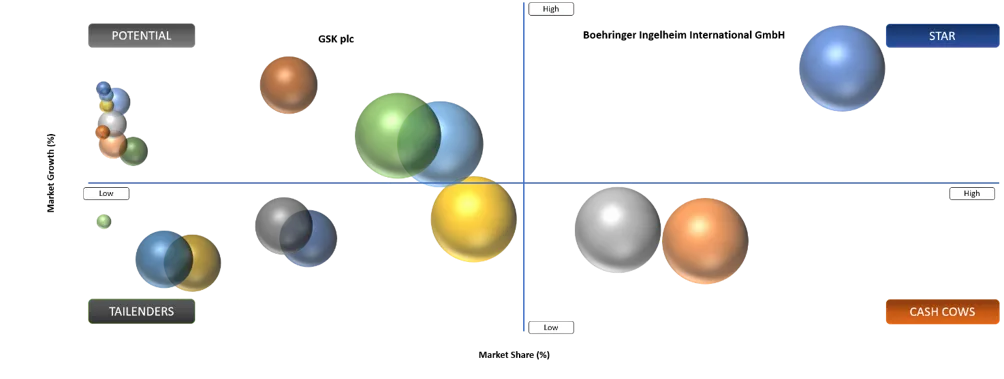
HER2-Mutant NSCLC Targeted Therapy Market BCG Matrix: Company Evaluation
STAR
Boehringer Ingelheim International GmbH, Bayer AG, AstraZeneca PLC, Daiichi Sankyo Company, Limited, and Jiangsu Hengrui Pharmaceuticals Co., Ltd. are positioned in the Star category based on their approved or commercially established HER2-mutant NSCLC therapies, expanding first-line positioning and strong clinical-development programs. Boehringer Ingelheim has strengthened its position through HERNEXEOS (zongertinib), while Bayer expanded HYRNUO (sevabertinib) into first-line HER2/ERBB2-mutant NSCLC in the United States in September 2026. AstraZeneca and Daiichi Sankyo remain major competitors through ENHERTU (trastuzumab deruxtecan), which achieved median progression-free survival of 14.3 months in the first-line DESTINY-Lung04 Phase III trial.
Jiangsu Hengrui Pharmaceuticals strengthens the competitive landscape through trastuzumab rezetecan, particularly in China and broader Asian markets. Future leadership within this category will increasingly depend on first-line penetration, intracranial activity, mutation-subtype coverage, safety differentiation, treatment durability and companion diagnostic integration. Competitive advantage will also be shaped by the ability to establish clear sequencing positions between oral HER2-selective TKIs and antibody-drug conjugates as targeted therapy moves earlier in the treatment pathway.
POTENTIAL
GSK plc, Pierre Fabre Laboratories, Iambic Therapeutics, Inc., BlossomHill Therapeutics, Inc., and Taiho Oncology, Inc. are positioned in the Potential category because of their emerging HER2-directed or mutation-selective NSCLC pipelines. GSK entered the HER2-altered NSCLC field through its July 2026 acquisition of Nuvalent, adding NVL-330, a Phase I HER2 inhibitor, to its oncology portfolio. Iambic Therapeutics is advancing IAM1363, an oral, pan-mutant, brain-penetrant HER2 inhibitor explicitly targeting HER2-mutant cancers including NSCLC, while BlossomHill is evaluating BH-30643 in a Phase I/II trial enrolling patients with EGFR- or HER2-mutated NSCLC.
Pierre Fabre's PFL-721 and Taiho Oncology's TAS2940 further broaden the emerging competitive set through HER2 exon 20 and pan-ERBB targeting strategies. Movement toward the Star category will depend on demonstration of clinically meaningful response durability, CNS activity, differentiated safety, activity after prior HER2-directed therapy, successful regulatory progression and the ability to secure commercially competitive positioning against established TKIs and ADCs.
HER2-Mutant NSCLC Targeted Therapy Market Dynamics
Driver Impact Analysis
| Driver | Market Growth Impact (%) | Demand Concentration | Impacted Use Case | Strategic Impact |
Expansion of HER2-Targeted Therapies Into First-Line Treatment | 18.6% | High in the United States and other developed oncology markets; expanding globally | Treatment-naïve patients with locally advanced, unresectable or metastatic HER2/ERBB2-mutant non-squamous NSCLC | Expands the addressable treated population and shifts HER2-targeted therapy from a later-line niche toward earlier treatment sequencing. FDA expanded zongertinib in February 2026 and sevabertinib in September 2026 into patients without prior systemic therapy for advanced disease. |
Increasing Routine Detection of Actionable HER2/ERBB2 Mutations | 16.9% | Strongest across comprehensive genomic profiling centers, academic hospitals and advanced molecular-diagnostics networks | Identification of patients with HER2 tyrosine kinase domain activating mutations who are eligible for mutation-directed therapy | Broadens the diagnosed and treatment-eligible patient pool, improves therapy matching and increases commercial conversion from molecular testing to targeted-treatment initiation. |
Growing Clinical Preference for HER2-Selective Oral Kinase Inhibitors | 15.7% | High among thoracic oncology centers managing molecularly selected NSCLC | Patients requiring mutation-specific systemic therapy with convenient oral administration and differentiated toxicity profiles | Increases competition with antibody drug conjugates and conventional systemic regimens while strengthening demand for therapies that combine selectivity, treatment convenience and durable disease control. |
Rising Need for Effective Treatment After Disease Progression and Resistance | 13.8% | Concentrated among previously treated advanced HER2-mutant NSCLC populations | Patients progressing after chemotherapy, immunotherapy, antibody drug conjugates or prior HER2-directed treatment | Creates sustained demand for next-generation HER2 inhibitors, sequencing strategies and resistance-directed therapies, supporting multiple commercial opportunities across successive lines of treatment. |
Driver: Expansion of HER2-Targeted Therapies Into First-Line Treatment
The expansion of HER2-targeted therapies into the first-line setting is becoming one of the most important growth drivers for the Global HER2-Mutant NSCLC Targeted Therapy Market. Historically, HER2-directed treatment focused on patients who had already received platinum-based chemotherapy or other systemic therapies. The treatment landscape changed materially as zongertinib and sevabertinib received regulatory expansion into patients with previously untreated advanced HER2-mutant NSCLC, creating a larger addressable patient pool and moving mutation-directed therapy earlier in the treatment pathway. Earlier use also increases the strategic importance of rapid molecular testing at diagnosis, because treatment selection increasingly depends on identifying actionable HER2/ERBB2 mutations before systemic therapy begins.
Commercially, first-line penetration can significantly increase treatment duration, eligible patient volumes and lifetime revenue per patient while reshaping sequencing across antibody drug conjugates, HER2-selective tyrosine kinase inhibitors and conventional systemic regimens. Competition is therefore shifting toward comparative efficacy, response durability, intracranial activity, safety and convenience in treatment-naïve populations. Companies able to establish strong first-line evidence and broad diagnostic access are likely to gain earlier physician adoption, strengthen guideline positioning and secure a larger share of the HER2-mutant NSCLC treatment pathway.
Restraint Impact Analysis
| Restraint | Drag on Market Growth (%) | Primary Impact Area | Impacted Use Case | Strategic Impact |
Safety Burden Associated With HER2-Directed Antibody Drug Conjugates | 14.7% | Treatment eligibility, monitoring intensity and therapy persistence | Patients receiving HER2-directed ADCs, particularly those requiring prolonged treatment or with pulmonary risk factors | Interstitial lung disease, pneumonitis and hematologic toxicities can require treatment interruption, dose modification or discontinuation, limiting persistence and increasing monitoring burden. ENHERTU carries a boxed warning for ILD/pneumonitis. |
Restricted Eligibility to Molecularly Confirmed HER2/ERBB2-Mutant Patients | 13.2% | Patient identification and diagnostic access | Patients with advanced non-squamous NSCLC requiring confirmation of HER2/ERBB2 activating mutations before targeted treatment | Dependence on FDA-authorized molecular testing narrows the immediately addressable population and creates treatment-access gaps where next-generation sequencing or comprehensive genomic profiling is not routinely available. Current zongertinib and sevabertinib indications require confirmed HER2/ERBB2 TKD activating mutations. |
Limited Mature Comparative and Long-Term Evidence Across New HER2-Selective TKIs | 11.8% | Prescriber confidence, sequencing decisions and payer assessment | First-line and later-line selection between HER2-selective TKIs, ADCs and established systemic treatment pathways | Several newer HER2-targeted therapies entered through accelerated approval, leaving confirmatory trials important for defining long-term clinical benefit, optimal sequencing and comparative positioning. This can slow broad guideline and payer adoption until additional evidence matures. |
Treatment Resistance and Uncertainty Around Post-Progression Sequencing | 10.6% | Duration of benefit and subsequent-line treatment strategy | Patients progressing after HER2-selective TKIs, ADCs or other HER2-directed therapies | Acquired resistance can shorten effective treatment duration and create uncertainty over whether patients should transition to another HER2 inhibitor, an ADC, chemotherapy or combination treatment. Limited established sequencing standards constrain predictable long-term utilization across successive therapy lines. |
Restraint: Safety Burden Associated With HER2-Directed Antibody Drug Conjugates
The safety profile of HER2-directed antibody drug conjugates represents a meaningful restraint on broader adoption in HER2-mutant NSCLC, particularly as these agents move into earlier treatment lines and longer treatment durations. Key concerns include interstitial lung disease or pneumonitis, hematologic toxicity, gastrointestinal adverse events, fatigue and treatment-related dose interruptions. These risks can increase the need for baseline assessment, close pulmonary monitoring, supportive care and rapid treatment modification, especially in patients with pre-existing respiratory vulnerability or multiple comorbidities. The burden is commercially important because safety management directly affects treatment persistence, physician confidence and the feasibility of using ADCs in broader real-world populations.
The restraint is likely to become more visible as competition intensifies between HER2-directed ADCs and newer oral HER2-selective tyrosine kinase inhibitors. Physicians and payers will increasingly compare not only response rates and progression control, but also toxicity burden, monitoring intensity, hospitalization risk and treatment discontinuation. Developers with next-generation ADCs that deliver similar or better efficacy with lower pulmonary and hematologic toxicity could gain a meaningful advantage. Consequently, safety differentiation is becoming a central factor in sequencing decisions, reimbursement discussions and long-term market share within HER2-mutant NSCLC.
HER2-Mutant NSCLC Targeted Therapy Market Segment Analysis
The global HER2-mutant NSCLC targeted therapy market is segmented based on the therapy type, HER2 mutation type, treatment status, line of therapy, treatment approach, route of administration, commercial status, distribution channel and region.
Previously Treated Patients Anchor Current Market Leadership, While First-Line Expansion Drives the Next Growth Cycle
The global HER2-mutant NSCLC targeted therapy market is currently led by the previously treated segment, which is estimated at approximately US$517.72 million in 2025. This dominance reflects the historical positioning of HER2-targeted therapies in patients whose disease has progressed after platinum-based chemotherapy, immunotherapy or other systemic treatment. Within therapy type, HER2-directed antibody drug conjugates and HER2-selective tyrosine kinase inhibitors represent the principal commercial classes, while tyrosine kinase domain mutations remain the most actionable molecular subgroup. The market is also characterized by distinct oral and intravenous treatment pathways, creating different physician preferences, monitoring requirements and patient-management models across lines of therapy.
The treatment-naïve segment is expected to be the fastest-growing category, with an estimated CAGR of 27.6% during 2026-2035. Growth will be supported by the movement of HER2-targeted therapies into first-line treatment, broader adoption of next-generation sequencing at diagnosis and increasing use of biomarker-guided treatment selection before conventional systemic therapy. This transition is likely to expand the eligible patient pool and intensify competition around response durability, intracranial efficacy, safety, treatment convenience and companion diagnostic integration. Treatment status is therefore expected to remain one of the most strategically important segmentation dimensions through 2035.
HER2-Mutant NSCLC Targeted Therapy Market Geographical Penetration
U.S. HER2-Mutant NSCLC Targeted Therapy Market Landscape
The U.S. HER2-Mutant NSCLC Targeted Therapy Market is moving rapidly toward earlier-line precision treatment as FDA approvals expand beyond previously treated populations. In August 2025, the FDA granted accelerated approval to zongertinib for previously treated HER2/ERBB2 tyrosine kinase domain mutation-positive non-squamous NSCLC, followed by sevabertinib approval in November 2025 for a similar previously treated population. By February 2026, zongertinib received an expanded first-line indication, with the supporting efficacy population including 72 previously untreated patients; the FDA reported that 76% experienced substantial tumor shrinkage.
Commercially, the U.S. market is being strengthened by companion-diagnostic integration, faster molecular identification and growing competition between HER2-selective kinase inhibitors and HER2-directed antibody-drug conjugates. In June 2026, the FDA expanded Guardant360 CDx to identify ERBB2/HER2 activating mutations for zongertinib treatment, while the Oncomine Dx Express Test gained an expanded companion-diagnostic indication for sevabertinib in September 2026. These developments are improving patient capture at diagnosis and supporting movement into first-line therapy. Market growth will increasingly depend on sequencing evidence, intracranial efficacy, toxicity differentiation, reimbursement and adoption of comprehensive genomic profiling across community and academic oncology settings.
Japan HER2-Mutant NSCLC Targeted Therapy Market Outlook
The Japan HER2-Mutant NSCLC Targeted Therapy Market is entering a more competitive precision-oncology phase as HER2-directed therapies move into earlier treatment settings. Japan approved zongertinib in September 2025 for previously treated HER2/ERBB2-mutant unresectable advanced or recurrent NSCLC, followed by commercial launch in November 2025. In the Beamion-LUNG-1 study, previously treated patients achieved an objective response rate of 71%, while disease control was reported in 96% of patients. These outcomes are strengthening physician interest in mutation-selective oral therapy and expanding the role of HER2 testing in routine NSCLC management.
Market momentum accelerated further in August 2026 when Japan approved sevabertinib for HER2/ERBB2 mutation-positive unresectable advanced or recurrent NSCLC across all treatment lines, including first-line use. Competitive intensity is also increasing as ENHERTU demonstrated a median progression-free survival of 14.3 months in the first-line DESTINY-Lung04 Phase III trial reported in September 2026. Going forward, market growth will depend on molecular-testing penetration, first-line adoption, treatment sequencing, intracranial efficacy, safety differentiation and reimbursement across major Japanese oncology centers.
Global HER2-Mutant NSCLC Targeted Therapy Market Competitive Landscape
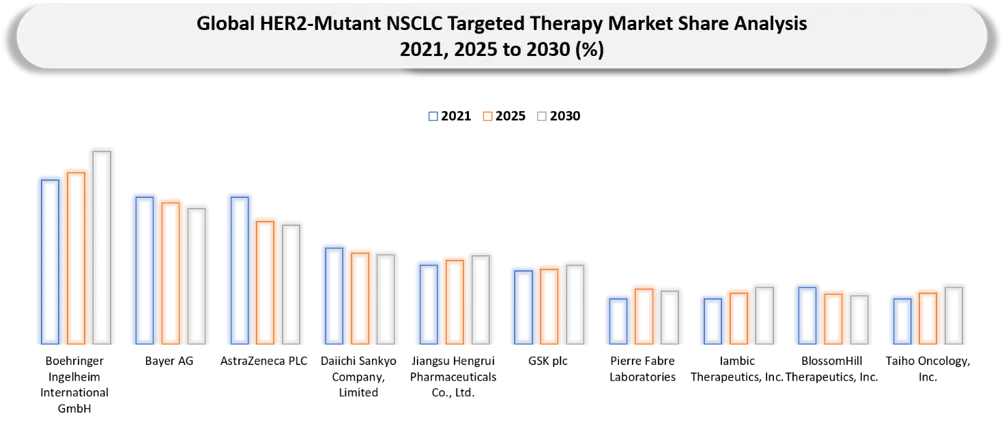
- The global HER2-mutant NSCLC targeted therapy market is becoming increasingly competitive as established oncology companies and emerging precision-medicine developers position differentiated assets across first-line and later-line treatment settings. Boehringer Ingelheim, Bayer, AstraZeneca, Daiichi Sankyo and Jiangsu Hengrui currently represent the most visible commercial and late-stage competitors, supported by HER2-selective tyrosine kinase inhibitors and HER2-directed antibody-drug conjugates. Competitive differentiation is shifting beyond basic HER2 targeting toward response durability, intracranial activity, mutation-subtype coverage, tolerability, oral versus intravenous administration and effectiveness after prior HER2-directed therapy. Companies with strong companion diagnostic strategies and broad molecular-testing integration are also gaining an advantage in patient identification and treatment initiation.
- Pipeline competition is expanding through GSK, Pierre Fabre, Iambic Therapeutics, BlossomHill Therapeutics and Taiho Oncology, which are developing next-generation HER2-selective or mutation-directed assets for HER2-altered NSCLC. The market is therefore evolving toward a multi-class treatment environment where sequencing between selective TKIs, antibody-drug conjugates and emerging targeted agents will determine long-term competitive positioning. Partnerships, licensing transactions, regional approvals and first-line expansion are expected to remain central strategic levers as companies seek broader patient access and stronger lifecycle value.
Key Companies of HER2-Mutant NSCLC Targeted Therapy Market
- Boehringer Ingelheim International GmbH (Germany)
- Bayer AG (Germany)
- AstraZeneca PLC (United Kingdom)
- Daiichi Sankyo Company, Limited (Japan)
- Jiangsu Hengrui Pharmaceuticals Co., Ltd. (China)
- GSK plc (United Kingdom)
- Pierre Fabre Laboratories (France)
- Iambic Therapeutics, Inc. (United States)
- BlossomHill Therapeutics, Inc. (United States)
- Taiho Oncology, Inc. (United States)
HER2-Mutant NSCLC Targeted Therapy Market Major Pain Points
- Delayed Molecular Diagnosis and Incomplete HER2 Testing: HER2/ERBB2 mutations can remain undetected when comprehensive genomic profiling is not performed at diagnosis. Limited access to next-generation sequencing, inconsistent reflex testing and delayed tissue or plasma testing can postpone treatment selection and reduce the number of patients reaching mutation-directed therapy.
- Low Patient Prevalence and Fragmented Eligible Population: HER2-mutant NSCLC represents a relatively small biomarker-defined patient segment, which can complicate clinical trial recruitment, commercial forecasting and country-level patient identification. Variation across mutation subtypes further fragments the addressable population and increases development complexity.
- Heterogeneous Response Across HER2 Mutation Subtypes: Clinical response may differ across exon 20 insertions, other tyrosine kinase domain mutations and rarer extracellular or transmembrane alterations. Limited evidence for less common variants complicates therapy selection and creates uncertainty around broader label expansion.
- Treatment Resistance and Unclear Post-Progression Sequencing: Acquired resistance can reduce durability of benefit from HER2-selective TKIs and other targeted therapies. Evidence remains limited regarding optimal sequencing between TKIs, antibody-drug conjugates, chemotherapy and emerging combination strategies after progression.
- Safety and Long-Term Treatment Burden: HER2-directed therapies can require close monitoring for pulmonary, hematologic, gastrointestinal, hepatic or cardiac toxicities. Dose modifications, treatment interruptions and supportive care can increase treatment burden and reduce persistence in real-world settings.
- Limited Comparative Evidence Between Emerging HER2-Targeted Classes: Direct head-to-head evidence remains scarce across HER2-selective TKIs, antibody-drug conjugates and other mutation-directed agents. Cross-trial differences in patient populations, treatment lines and endpoints make clinical differentiation and payer assessment more difficult.
- Central Nervous System Disease Management Challenges: Brain metastases remain clinically important in advanced NSCLC, while intracranial efficacy varies across therapies. Limited CNS penetration can restrict treatment effectiveness and create continued demand for brain-penetrant HER2-targeted agents.
- Complex Pricing, Reimbursement and Diagnostic Access Requirements: High treatment costs, biomarker-testing requirements, prior authorization and uneven reimbursement can limit adoption. Differences in molecular diagnostic infrastructure, specialty oncology access and payer coverage contribute to unequal uptake across regions and healthcare systems.
HER2-Mutant NSCLC Targeted Therapy Market Recent Developments
- September 2026: Bayer secured U.S. FDA accelerated approval for HYRNUO (sevabertinib) in first-line HER2/ERBB2 tyrosine kinase domain mutation-positive advanced non-squamous NSCLC, strengthening competition in the treatment-naïve setting and accelerating the shift of HER2-targeted therapy into earlier lines of care.
- September 2026: AstraZeneca and Daiichi Sankyo reported Phase III DESTINY-Lung04 results showing ENHERTU (trastuzumab deruxtecan) achieved a median progression-free survival of 14.3 months in first-line HER2-mutant advanced NSCLC, materially raising the efficacy benchmark for HER2-directed treatment.
- August 2026: Bayer received Japanese approval for sevabertinib across treatment lines, including first-line use, expanding its commercial reach in a strategically important Asia-Pacific precision-oncology market and intensifying competition with other HER2-directed therapies.
- June 2026: Guardant Health received U.S. FDA approval for Guardant360 CDx as a blood-based companion diagnostic for zongertinib, improving non-invasive identification of actionable HER2/ERBB2 mutations and supporting faster treatment matching in patients unable to provide adequate tissue samples.
- February 2026: Boehringer Ingelheim obtained expanded U.S. FDA accelerated approval for HERNEXEOS (zongertinib) in previously untreated advanced HER2-mutant NSCLC, broadening the addressable patient population and reinforcing the commercial importance of first-line molecular testing.
- November 2025: Bayer received U.S. FDA accelerated approval for sevabertinib in previously treated HER2/ERBB2-mutant advanced non-squamous NSCLC, establishing a new oral HER2-selective treatment option and increasing competitive pressure in the post-platinum setting.
- November 2025: Boehringer Ingelheim launched HERNEXEOS (zongertinib) in Japan for HER2/ERBB2 mutation-positive advanced or recurrent NSCLC after prior chemotherapy, strengthening its regional commercialization footprint and improving access to mutation-selective oral therapy.
- August 2025: Boehringer Ingelheim received initial U.S. FDA accelerated approval for zongertinib in previously treated HER2/ERBB2 tyrosine kinase domain mutation-positive NSCLC, marking a major market-entry milestone for selective HER2 inhibition.
- June 2025: Pierre Fabre acquired worldwide rights to PFL-721, formerly STX-721, a mutant-selective inhibitor targeting EGFR exon 20 and HER2 exon 20 alterations, strengthening its precision-oncology pipeline and expanding its strategic exposure to HER2-mutant NSCLC.
- May 2025: Jiangsu Hengrui Pharmaceuticals received Chinese NMPA approval for trastuzumab rezetecan (SHR-A1811) in previously treated HER2/ERBB2 activating mutation-positive advanced NSCLC, adding a differentiated HER2-directed ADC option in China and increasing competitive intensity in Asia.
Analyst View / Opinion on HER2-Mutant NSCLC Targeted Therapy Market
- The market is shifting from later-line treatment dependence toward earlier, biomarker-driven intervention, as HER2-selective tyrosine kinase inhibitors and HER2-directed antibody-drug conjugates gain stronger positioning across treatment-naïve and previously treated populations.
- Zongertinib, sevabertinib and trastuzumab deruxtecan are reshaping competitive intensity, with first-line expansion, stronger response durability and improved mutation-specific targeting becoming central to commercial differentiation.
- Treatment selection will increasingly depend on HER2 mutation subtype, line of therapy, prior treatment exposure, intracranial disease status, response durability, safety profile, route of administration and companion diagnostic availability.
- Next-generation brain-penetrant HER2 inhibitors, resistance-directed therapies and broader mutation-selective agents could diversify treatment beyond the current TKI and antibody-drug conjugate-led market, particularly in patients progressing after prior HER2-directed therapy.
- Sustainable market leadership will require evidence demonstrating durable progression control, strong intracranial activity, manageable toxicity, activity across less common HER2 mutations and effective sequencing after treatment resistance.
- Commercial success will depend on broader genomic testing, faster patient identification, physician education, treatment-sequencing evidence, reimbursement support, companion diagnostic integration and real-world data demonstrating clinically meaningful and economically sustainable outcomes.
HER2-Mutant NSCLC Targeted Therapy Market Target Audience
| INDUSTRY | WHO SHOULD BUY THIS REPORT? | REASON TO BUY THIS REPORT |
| Pharmaceutical and Biotechnology Companies | HER2-targeted therapy developers, oncology biotech firms, ADC developers and TKI developers | Assess market potential, treatment-line opportunities, competitive positioning, pipeline benchmarking and commercialization strategies |
| Diagnostic and Molecular Testing Companies | Next-generation sequencing providers, liquid biopsy companies, companion diagnostic developers and genomic testing laboratories | Identify opportunities in HER2/ERBB2 mutation testing, companion diagnostics and tissue- and plasma-based patient identification |
| Healthcare Providers | Thoracic oncologists, medical oncologists, cancer hospitals, specialty oncology clinics and multidisciplinary lung cancer teams | Understand treatment evolution, therapy sequencing, patient selection, mutation testing requirements and first-line adoption |
| Payers and Market Access Organizations | Health insurers, reimbursement agencies, HTA bodies and pharmacy benefit managers | Evaluate comparative clinical value, reimbursement outlook, treatment costs, diagnostic-linked utilization and budget impact |
| Government and Regulatory Bodies | Drug regulators, public health agencies, cancer-control authorities and healthcare policymakers | Support regulatory assessment, companion diagnostic policy, reimbursement frameworks and precision-oncology access strategies |
| Investors and Financial Institutions | Private equity firms, venture capital investors, institutional investors and healthcare-focused funds | Evaluate pipeline quality, clinical differentiation, partnership opportunities, commercialization potential and investment attractiveness |
| Contract Research Organizations and Research Institutions | CROs, cancer institutes, translational research centers, universities and clinical trial networks | Analyze trial activity, biomarker development, patient recruitment potential and HER2 mutation-specific research opportunities |
| Specialty Pharmacies and Distributors | Specialty pharmacies, hospital pharmacies, oncology distributors and treatment-access providers | Assess dispensing pathways, patient-support requirements, reimbursement coordination and access models for precision oncology therapies |
| Market Research and Consulting Firms | Strategy consultancies, competitive intelligence teams, healthcare advisory firms and commercial due diligence teams | Support market-entry strategy, opportunity assessment, competitive benchmarking, portfolio prioritization and commercial due diligence |
| Licensing and Business Development Teams | Corporate strategy teams, alliance-management teams, M&A teams and pharmaceutical business development groups | Identify licensing, co-development, acquisition and strategic partnership opportunities across HER2-selective TKIs, ADCs and companion diagnostics |
Why Choose DATAM?
- Data-Driven Insights: Access granular intelligence on the Global HER2-Mutant NSCLC Targeted Therapy Market, including market size, therapy-class shares, treated patient populations, HER2 mutation subtypes, line-of-therapy dynamics, targeted treatment utilization, clinical pipelines, competitive positioning, companion diagnostic adoption and regional access patterns, supported by primary interviews with oncology stakeholders and industry experts.
- Post-Purchase Support and Expert Analyst Consultations: Engage directly with our healthcare analysts for customized guidance on patient stratification, HER2 mutation segmentation, treatment sequencing, first-line versus later-line positioning, competitor assessment, market-entry strategy, reimbursement planning and commercialization of HER2-selective TKIs, antibody drug conjugates and emerging targeted therapies.
- White Papers and Case Studies: Receive periodic insights on HER2-mutant NSCLC treatment innovation, regulatory approvals, pivotal clinical readouts, next-generation HER2 inhibitors, antibody drug conjugates, resistance mechanisms, companion diagnostics and evolving thoracic-oncology prescribing patterns.
- Annual Updates on Purchased Reports: Stay informed through annual updates covering product approvals, label expansions, Phase II and Phase III readouts, pipeline changes, licensing agreements, partnership activity, pricing developments, reimbursement shifts and competitive movements. Terms and conditions apply.
- Specialized Focus on Emerging Markets: Gain country-level intelligence on HER2 mutation testing penetration, diagnosed and treated patient populations, molecular-testing infrastructure, targeted therapy availability, reimbursement conditions and commercial opportunities across high-growth markets in Asia-Pacific, Latin America and the Middle East.
- Value of DataM Reports: Obtain tailored intelligence addressing specific business questions related to first-line expansion, intracranial activity, treatment resistance, therapy sequencing, mutation-subtype coverage, long-term treatment durability, pipeline disruption, companion diagnostic access, market entry and investment priorities beyond conventional oncology databases.
What DATAM Uniquely Provides
- In-depth segmentation of the HER2-mutant NSCLC targeted therapy market by therapy type, HER2 mutation type, treatment status, line of therapy, treatment approach, route of administration, commercial status, distribution channel and region.
- Competitive analysis of leading HER2-mutant NSCLC companies covering response durability, intracranial activity, mutation-subtype coverage, safety profile, mechanism of action, route of administration, pipeline maturity, companion diagnostic strategy and commercialization positioning.
- Comprehensive assessment of diagnosed and treatment-eligible populations, including treatment-naïve and previously treated patients, HER2 tyrosine kinase domain mutations, extracellular and transmembrane mutations, brain-metastatic populations, resistance patterns, unmet clinical needs and regional testing-access dynamics.
- Actionable intelligence on pricing, reimbursement, regulatory pathways, companion diagnostics, treatment sequencing, molecular testing, market-access barriers, licensing activity, strategic partnerships and investment opportunities across the HER2-mutant NSCLC treatment ecosystem.
- Analyst forecasts highlighting high-growth treatment segments, commercially attractive patient populations, regional expansion opportunities and emerging competitive threats across HER2-selective tyrosine kinase inhibitors, HER2-directed antibody-drug conjugates, monoclonal antibodies, resistance-directed therapies and next-generation mutation-selective agents.


























































