


Glutaminyl Cyclase Inhibitor Therapy Market Size and Overview
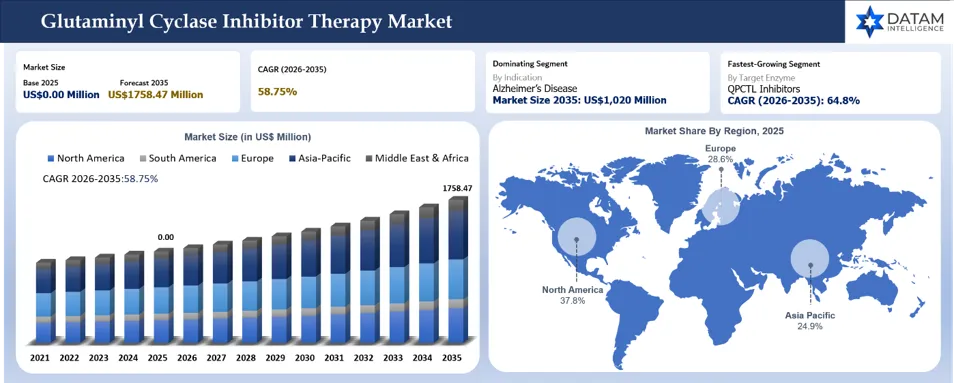
The global glutaminyl cyclase inhibitor therapy market is expected to emerge from a pre-commercial stage in 2025 and reach approximately US$1,758.47 million by 2035, growing at a CAGR of 58.75% during the forecast period 2026-2035.
The Glutaminyl Cyclase Inhibitor Therapy Market is emerging as a highly specialized targeted-therapy segment centered on inhibition of QPCT and QPCTL, enzymes involved in pyroglutamate formation and disease-relevant inflammatory, fibrotic and immune pathways. Development is currently focused on indications such as diabetic kidney disease, chronic kidney disease, oncology and other inflammatory or fibrotic disorders. In kidney disease, QPCTL inhibition is being investigated for its ability to reduce inflammatory and fibrotic signaling and potentially preserve renal function.
Market development is being driven by increasing clinical interest in advanced diabetic kidney disease, rising research into immune-checkpoint modulation, continued development of orally available small-molecule inhibitors and growing investment in first-in-class therapeutic targets. Varoglutamstat remains one of the most advanced dual QPCT/QPCTL inhibitors in renal development, while ISM8207 is advancing in Phase I as an oral QPCTL inhibitor targeting the CD47-SIRPα axis in oncology.
Dual QPCT/QPCTL inhibitors currently represent the most clinically established target-enzyme approach, while selective QPCTL inhibitors are gaining momentum through oncology-focused development and combination strategies. Competitive positioning increasingly depends on target selectivity, oral bioavailability, clinical efficacy, safety, biomarker strategy, indication expansion and the ability to demonstrate meaningful benefit over existing standards of care. Insilico Medicine
The market also offers significant opportunities through renal indication expansion, oncology combinations, next-generation inhibitor development, regional licensing and strategic partnerships. As clinical evidence matures, commercialization potential will increasingly depend on successful late-stage development, regulatory progression, patient selection, reimbursement access and strong differentiation across QPCT- and QPCTL-targeted programs.
Glutaminyl Cyclase Inhibitor Therapy Market Key Takeaways
- The global glutaminyl cyclase inhibitor therapy market is expected to emerge from a pre-commercial stage in 2025 and reach approximately US$1,758.47 million by 2035, expanding at a 58.75% CAGR during 2026-2035.
- Diabetic kidney disease represents the leading indication opportunity, supported by the clinical development of glutaminyl cyclase inhibitors for advanced renal disease and the need for therapies addressing residual inflammation and fibrosis.
- QPCTL inhibitors are expected to be among the fastest-growing target-enzyme segments, driven by expanding oncology research, immune-checkpoint modulation and emerging selective inhibitor pipelines.
- Development is increasingly focused on selective QPCT inhibitors, selective QPCTL inhibitors and dual QPCT/QPCTL inhibitors, with differentiation based on target selectivity, oral bioavailability, safety and clinical efficacy.
- Combination and add-on treatment strategies are gaining importance as developers evaluate glutaminyl cyclase inhibitors alongside established standards of care across renal, oncology and inflammatory indications.
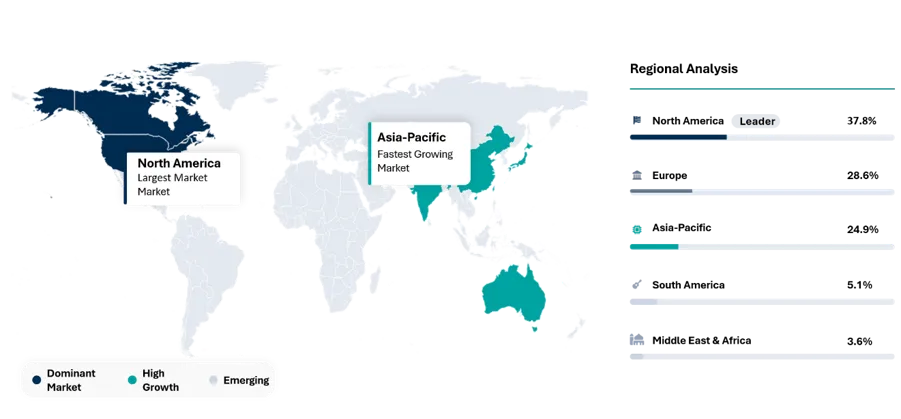
- North America represents the largest regional opportunity, while Asia-Pacific is expected to demonstrate strong growth through expanding clinical activity, pharmaceutical investment and specialty-care infrastructure.
- Competitive differentiation will increasingly depend on clinical validation, target selectivity, biomarker-supported patient selection, indication expansion, intellectual-property strength and successful licensing or commercialization partnerships.
Glutaminyl Cyclase Inhibitor Therapy Industry Trends and Strategic Insights
- Renal Applications Are Becoming the Primary Development Focus: QPCT and dual QPCT/QPCTL inhibition is gaining strategic relevance in diabetic kidney disease and other chronic kidney disorders where residual inflammation, fibrosis and renal-function decline remain important unmet needs.
- Selective QPCTL Inhibition Is Expanding Into Oncology: Developers are increasingly exploring QPCTL as an immune-modulatory target through its role in the CD47-SIRPα pathway, creating opportunities across solid tumors and hematological malignancies.
- Next-Generation Small-Molecule Development Is Accelerating: Competition is shifting toward orally bioavailable inhibitors with improved target selectivity, pharmacokinetics, tolerability and differentiated QPCT, QPCTL or dual-inhibition profiles.
- Combination and Add-On Strategies Are Gaining Importance: Glutaminyl cyclase inhibitors are increasingly positioned alongside established standards of care to address residual disease progression and potentially broaden clinical applicability.
- Strategic Value Is Increasing Around Clinical Validation and Partnerships: Licensing, co-development, regional commercialization agreements and research collaborations are becoming increasingly important as developers seek to advance clinical programs, expand indications and strengthen long-term commercialization potential.
Glutaminyl Cyclase Inhibitor Therapy Market Scope
| Metrics | Details | |
| 2025 Market Size | US0.00 Million | |
| 2035 Projected Market Size | US$1758.47 Million | |
| CAGR (2026-2035) | 58.75% | |
| Largest Market | North America | |
| Fastest Growing Market | Asia-Pacific | |
| Indication | Diabetic Kidney Disease, Non-Diabetic Chronic Kidney Disease, Alzheimer’s Disease (AD), Solid Tumors, Hematological Malignancies, Inflammatory and Fibrotic Disorders, and Others | |
| Target Enzyme | QPCT Inhibitors, QPCTL Inhibitors, Dual QPCT/QPCTL Inhibitors, and Others | |
| Treatment Approach | Monotherapy, Add-On Therapy, Combination Therapy, and Others | |
| Treatment Line | First-Line Therapy, Second-Line Therapy, and Third-Line and Later Therapy | |
| Disease Stage | Early-Stage Disease, Moderate-Stage Disease, and Advanced-Stage Disease | |
| Patient Type | Treatment-Naive Patients, Previously Treated Patients, Relapsed or Refractory Patients, and Others | |
| Route of Administration | Oral, Parenteral, and Others | |
| Therapy Setting | Hospital-Based Treatment, Specialty Outpatient Treatment, Ambulatory Treatment, Home-Based Treatment, and Others | |
| Treatment Duration | Short-Term Therapy and Long-Term Therapy | |
| By Region | North America | U.S., Canada, Mexico |
| Europe | Germany, UK, France, Spain, Italy, Poland | |
| Asia-Pacific | China, India, Japan, Australia, South Korea, Indonesia, Malaysia, Singapore, Vietnam, Thailand, Philippines, Taiwan | |
| South America | Brazil, Argentina | |
| Middle East and Africa | Israel, Saudi Arabia, UAE, Turkiye, South Africa, Nigeria | |
| Report Insights Covered | Competitive Landscape Analysis, Company Profile Analysis, Market Size, Share, Growth | |
Why does this report matter in 2026?
The glutaminyl cyclase inhibitor therapy market is gaining strategic importance in 2026 as QPCT and QPCTL inhibition advances from target-validation research toward clinically relevant therapeutic development. Current activity is increasingly concentrated in diabetic kidney disease, chronic kidney disease, oncology, neurodegenerative disorders and inflammatory or fibrotic diseases, where glutaminyl cyclase biology is being explored to influence inflammation, fibrosis, protein modification and immune regulation.
Competition is increasingly focused on selective QPCT inhibitors, selective QPCTL inhibitors and dual QPCT/QPCTL inhibitors, with differentiation based on clinical efficacy, safety, oral bioavailability, target selectivity, biomarker strategy and indication expansion. Kidney disease is emerging as an important near-term development area, while QPCTL-targeted oncology creates additional long-term potential through immune-checkpoint modulation.
In 2026, understanding clinical pipelines, target-enzyme strategies, addressable patient populations, trial outcomes, licensing activity, regulatory pathways, competitive positioning and future pricing potential is essential for assessing commercialization prospects and identifying companies positioned to shape this emerging targeted-therapy market.
Glutaminyl Cyclase Inhibitor Therapy Market White Space & Investment Opportunities
- Emerging renal and fibrotic disease opportunity: Glutaminyl cyclase inhibition is gaining strategic relevance in diabetic kidney disease, non-diabetic chronic kidney disease and fibrosis-related disorders, where residual disease progression remains a significant unmet need despite established standards of care.
- Expanding QPCTL opportunity in oncology: Selective QPCTL inhibition is creating a differentiated oncology opportunity through modulation of the CD47-SIRPα immune-checkpoint pathway, with potential for monotherapy and combination strategies across solid tumors and hematological malignancies.
- Next-generation inhibitor development: White-space opportunities remain in more selective QPCT inhibitors, QPCTL inhibitors and dual QPCT/QPCTL compounds with improved potency, oral bioavailability, safety and tissue-specific activity.
- Licensing and regional commercialization potential: The limited number of advanced programs creates opportunities for regional licensing, co-development, strategic partnerships and asset acquisition, particularly across North America, Europe and Asia-Pacific.
- Critical commercialization insights: Understanding clinical pipelines, indication-specific patient populations, target biology, trial outcomes, regulatory pathways, intellectual-property strength, pricing and reimbursement will be essential for identifying companies positioned to shape the emerging Glutaminyl Cyclase Inhibitor Therapy Market.
Glutaminyl Cyclase Inhibitor Therapy Market Future Market Transformation
The glutaminyl cyclase inhibitor therapy market is expected to undergo significant transformation as QPCT and QPCTL inhibition progresses from early-stage development toward broader clinical validation and potential commercialization. Future development is likely to increasingly focus on diabetic kidney disease, chronic kidney disease, oncology and fibrotic or inflammatory disorders, with competition centered on target selectivity, clinical efficacy, safety, oral bioavailability, durability of response and indication expansion.
Combination and add-on strategies with established standards of care are expected to become an important area of differentiation, particularly in renal and oncology indications. Advances in biomarker discovery, patient stratification, AI-enabled drug development and translational research may improve identification of responsive patient populations and accelerate clinical development. Over time, successful late-stage trials, regulatory approvals, regional licensing partnerships and stronger reimbursement pathways could shift the market from a niche investigational field toward a more established targeted-therapy class.
Glutaminyl Cyclase Inhibitor Therapy Market Buyer Decision-Making Criteria
- Clinical Efficacy and Strength of Supporting Evidence
- Safety and Tolerability Profile
- Target Selectivity for QPCT and QPCTL
- Durability of Treatment Response
- Ability to Slow Disease Progression
- Monotherapy, Add-On and Combination Therapy Potential
- Oral Bioavailability and Dosing Convenience
- Patient Selection and Biomarker Availability
- Suitability Across Renal, Oncology and Fibrotic Indications
- Off-Target Toxicity and Long-Term Safety
- Compatibility With Existing Standard-of-Care Therapies
- Ease of Treatment Administration and Patient Adherence
- Regulatory Approval Status and Clinical Development Maturity
- Pricing, Reimbursement and Overall Treatment Cost
- Physician Acceptance and Treatment-Pathway Integration
- Intellectual Property Strength and Commercial Supply Reliability
Glutaminyl Cyclase Inhibitor Therapy Market Economic & Investment Analysis
The glutaminyl cyclase inhibitor therapy market presents an emerging investment opportunity as QPCT and QPCTL inhibition advances across diabetic kidney disease, oncology, neurodegenerative and inflammatory or fibrotic disorders. Investment interest is being supported by the potential of selective and dual glutaminyl cyclase inhibitors to address disease pathways involving inflammation, fibrosis, protein modification and immune regulation. The commercial attractiveness of individual programs will increasingly depend on clinical efficacy, safety, target selectivity, oral bioavailability, durability of response and the ability to demonstrate meaningful benefit over established standards of care.
From an investment perspective, opportunities are concentrated across clinical-stage QPCT/QPCTL developers, next-generation small-molecule programs, combination or add-on treatment strategies and regional licensing partnerships. Program valuations are likely to reflect clinical-development progress, probability of regulatory success, addressable patient populations, intellectual-property strength, partnership potential and indication-expansion opportunities. Companies demonstrating differentiated clinical outcomes, strong target validation and scalable development across renal, oncology and fibrotic indications are positioned to attract greater strategic investment, licensing interest and co-development activity.
Glutaminyl Cyclase Inhibitor Therapy Market Trends
- Growing Focus on QPCT/QPCTL Inhibition in Diabetic Kidney Disease as developers increasingly explore glutaminyl cyclase inhibition to address renal inflammation, fibrosis and progressive kidney-function decline.
- Rising Development of Selective QPCTL Inhibitors for Oncology as QPCTL targeting gains attention for modulating the CD47-SIRPα immune-checkpoint pathway and enhancing antitumor immune activity.
- Increasing Development of Dual QPCT/QPCTL Inhibitors as companies pursue broader pathway modulation and potential applicability across renal, inflammatory, fibrotic and neurodegenerative disorders.
- Growing Emphasis on Biomarker-Guided Patient Selection as clinical programs increasingly use renal-function markers, inflammatory biomarkers, target-expression profiles and disease characteristics to identify patients most likely to benefit.
- Advancements in Orally Bioavailable Small-Molecule Inhibitors as developers focus on improving target selectivity, pharmacokinetics, tolerability and convenient long-term administration.
- Expansion of Combination and Add-On Therapy Strategies as glutaminyl cyclase inhibitors are increasingly evaluated alongside established standards of care to address residual disease progression and improve treatment outcomes.
Strategic Indicators for the Glutaminyl Cyclase Inhibitor Therapy Market
High Regulation Impact
The glutaminyl cyclase inhibitor therapy market is highly influenced by regulatory requirements governing clinical development, safety evaluation, target validation, manufacturing quality and marketing authorization. Companies developing QPCT, QPCTL and dual QPCT/QPCTL inhibitors must generate robust evidence on efficacy, dose optimization, pharmacokinetics, toxicity, target engagement and long-term treatment benefit before approval.
Regulatory scrutiny is particularly important because the therapeutic class remains emerging and lacks an established approval pathway specific to glutaminyl cyclase inhibition. Developers must therefore demonstrate clear clinical benefit within each indication, whether diabetic kidney disease, oncology, neurodegenerative disease or fibrotic disorders. Requirements around biomarker validation, clinical endpoint selection, GMP manufacturing, post-approval safety monitoring and risk-benefit assessment can influence development timelines and commercialization costs. Companies that engage regulators early, design indication-specific clinical programs and generate strong translational and clinical evidence will be better positioned to reduce regulatory uncertainty and accelerate market entry.
High Investment Activity
Investment activity in the glutaminyl cyclase inhibitor therapy market is increasing as biotechnology and pharmaceutical companies expand interest in first-in-class QPCT and QPCTL inhibitors, particularly across diabetic kidney disease, oncology, inflammatory disorders and fibrosis-related indications. Capital is increasingly directed toward small-molecule discovery, clinical-stage programs, next-generation selective inhibitors and technologies supporting biomarker-guided patient selection.
Strategic licensing agreements, research collaborations, regional commercialization partnerships and co-development models are becoming increasingly important as companies seek stronger intellectual property, differentiated clinical assets and faster development pathways. Investment priorities are shifting toward programs with convincing target engagement, favorable safety profiles, clinically relevant renal or oncology data and potential applicability across multiple indications. Companies capable of demonstrating durable efficacy, advancing into later-stage trials and securing strong development or commercialization partners are likely to attract greater strategic investment, licensing interest and partnership activity as the therapeutic class matures.
Supply Chain Disruption
The glutaminyl cyclase inhibitor therapy market faces moderate supply chain vulnerability because developers depend on specialized active pharmaceutical ingredients, high-purity chemical intermediates, GMP-compliant manufacturing capacity, clinical-trial supply networks and qualified contract development and manufacturing organizations. Key dependencies include complex small-molecule synthesis, analytical testing, formulation development, packaging, controlled logistics where required and timely distribution to clinical sites.
Supply risk is particularly relevant for early-stage QPCT and QPCTL inhibitor programs with limited manufacturing scale, specialized synthesis requirements and dependence on a relatively small pool of qualified suppliers. Delays in raw-material procurement, batch release, quality testing, technology transfer or scale-up can affect clinical timelines and development costs. As programs progress toward later-stage trials and commercialization, manufacturing consistency and capacity planning will become more critical. Companies with diversified suppliers, validated manufacturing partners, robust quality systems and proactive inventory planning will be better positioned to reduce supply-chain risk.
Pricing Volatility
The glutaminyl cyclase inhibitor therapy market is expected to experience moderate pricing variability as future commercial pricing will depend on clinical efficacy, indication, treatment duration, target selectivity, combination use, competitive intensity and reimbursement conditions. Since QPCT and QPCTL inhibitors are still largely in development, pricing remains highly sensitive to clinical outcomes, regulatory positioning and the level of benefit demonstrated over existing standards of care.
Pricing differences are likely to emerge across renal, oncology, neurodegenerative and fibrotic indications, as well as between monotherapy, add-on therapy and combination regimens. Use alongside established therapies could increase total treatment costs and intensify payer scrutiny around incremental clinical benefit. Manufacturing complexity, biomarker testing, treatment monitoring and regional reimbursement frameworks may also influence overall therapy costs. Developers demonstrating strong efficacy, convenient oral dosing, clear differentiation and measurable improvements in patient outcomes will be better positioned to support premium pricing and favorable reimbursement.
Procurement Pressure
The glutaminyl cyclase inhibitor therapy market faces moderate procurement pressure because developers require reliable access to high-purity active pharmaceutical ingredients, specialized chemical intermediates, analytical reagents, GMP-compliant manufacturing services and clinical-trial supply capabilities. Procurement decisions are increasingly influenced by supplier qualification, material purity, batch consistency, regulatory documentation, lead times, manufacturing scalability and cost stability.
Pressure is particularly relevant for early-stage QPCT and QPCTL inhibitor programs, which depend on complex small-molecule synthesis and a relatively limited pool of qualified contract development and manufacturing organizations. Specialized intermediates, formulation components, assay reagents and analytical testing services can increase procurement complexity and reduce supplier flexibility. As programs progress into larger clinical studies and multiple indications, demand for consistent material volumes and validated manufacturing processes will rise. Companies with dual-sourcing strategies, long-term supplier agreements, qualified manufacturing partners and early scale-up planning will be better positioned to control procurement risk and maintain development timelines.
Regional Expansion Opportunity
The glutaminyl cyclase inhibitor therapy market offers meaningful regional expansion opportunities as clinical development, renal disease management, precision medicine and targeted-therapy infrastructure strengthen across major healthcare markets. North America is expected to remain a key development and commercialization region due to its strong biotechnology ecosystem, advanced clinical-trial networks, high specialty-care spending and concentration of nephrology, oncology and drug-development capabilities.
Europe also represents a significant opportunity, supported by established research institutions, advanced renal and oncology care systems and strong regulatory frameworks for innovative therapies, although country-level reimbursement and health-technology assessment requirements may influence uptake. Asia-Pacific is likely to gain strategic importance as China, Japan and South Korea expand clinical-trial activity, specialty-care access and pharmaceutical investment. Future regional expansion will depend on regulatory approvals, physician adoption, reimbursement pathways, clinical evidence and access to specialized treatment centers. Companies building region-specific clinical, licensing and commercialization partnerships will be better positioned to capture long-term growth opportunities.
Government Policy Support
The glutaminyl cyclase inhibitor therapy market receives moderate policy support through broader government initiatives focused on chronic kidney disease, cancer research, neurodegenerative disorders, precision medicine and development of innovative targeted therapies. Public funding for translational research, biomarker discovery, clinical trials and novel small-molecule therapeutics can indirectly support advancement of QPCT- and QPCTL-targeted programs.
Government support is also reinforced by regulatory pathways designed to accelerate therapies addressing serious diseases with high unmet need. Developers may benefit from expedited review mechanisms, orphan-drug incentives, public-private research collaborations and disease-specific funding programs. At the same time, glutaminyl cyclase inhibitor developers must demonstrate robust clinical efficacy, long-term safety, target validation, manufacturing quality and clear benefit over existing standards of care. Future market development will depend on continued investment in nephrology, oncology and precision-medicine infrastructure, along with efficient clinical-trial networks and regulatory alignment.
AI Impact Analysis of Glutaminyl Cyclase Inhibitor Therapy Market
Artificial intelligence is expected to increasingly influence the glutaminyl cyclase inhibitor therapy market across target validation, molecular discovery, biomarker identification, clinical-trial design and patient selection. AI-enabled drug-discovery platforms can analyze structural, proteomic and disease-pathway datasets to identify QPCT and QPCTL binding opportunities, optimize small-molecule candidates and predict pharmacokinetic, toxicity and off-target characteristics. These capabilities can shorten early discovery timelines and improve prioritization of selective and dual glutaminyl cyclase inhibitors.
AI can also support patient stratification across diabetic kidney disease, oncology, neurodegenerative and fibrotic disorders by integrating clinical biomarkers, disease severity, treatment history and molecular characteristics. In clinical development, machine-learning models can improve trial-site selection, patient recruitment, response prediction, dose optimization and combination-strategy assessment. Longer term, integration of AI with multi-omics data and real-world evidence could strengthen biomarker discovery, accelerate indication expansion and support more efficient development of QPCT- and QPCTL-targeted therapies.
Disruption Analysis of Glutaminyl Cyclase Inhibitor Therapy Market
The glutaminyl cyclase inhibitor therapy market is being disrupted by the transition from broad disease-modifying approaches toward selective QPCT and QPCTL inhibition, creating new therapeutic pathways across diabetic kidney disease, oncology, neurodegenerative diseases and inflammatory or fibrotic disorders. Competitive differentiation is increasingly centered on target selectivity, clinical efficacy, safety, oral bioavailability, indication expansion and identification of patient populations most likely to respond.
The therapeutic landscape is evolving through dual QPCT/QPCTL inhibitors, selective QPCTL inhibitors and next-generation small-molecule programs. In kidney disease, development is increasingly focused on modulating inflammation, fibrosis and tissue remodeling, while oncology programs are exploring QPCTL inhibition through its role in the CD47-SIRPα immune-checkpoint pathway. Combination strategies with established standards of care could further broaden the addressable patient population.
AI-enabled drug discovery, structure-based inhibitor optimization, biomarker development and data-driven clinical-trial design may accelerate future disruption by improving compound selectivity and patient stratification. Competitive advantage is likely to favor developers that can generate strong clinical validation, demonstrate differentiated benefits over existing therapies, expand successfully into multiple indications and secure robust intellectual-property, licensing and regional commercialization partnerships.
Glutaminyl Cyclase Inhibitor Therapy Market BCG Matrix: Company Evaluation
STAR
Vivoryon Therapeutics N.V., Insilico Medicine, Shanghai Fosun Pharmaceutical (Group) Co., Ltd., and Simcere Pharmaceutical Group Limited are positioned as Star companies in the Glutaminyl Cyclase Inhibitor Therapy Market due to their clinical-stage assets, active development programs and commercialization partnerships. Vivoryon has the most advanced QPCT/QPCTL program with varoglutamstat, which is being advanced for diabetic kidney disease following Phase II clinical evidence and a planned dedicated Phase IIb study. Vivoryon Insilico Medicine, together with Fosun Pharma, is progressing ISM8207, an oral QPCTL inhibitor currently in Phase I development for tumors with high CD47-SIRPα pathway engagement. Insilico Medicine Simcere strengthens the commercial landscape through its Greater China development and commercialization rights for varoglutamstat.
POTENTIAL
Scenic Biotech B.V., 858 Therapeutics, Inc., and Boehringer Ingelheim International GmbH are positioned as Potential companies due to their emerging QPCTL/QPCT inhibitor programs and earlier-stage development activity. Scenic Biotech is developing the QPCTL inhibitor SC-2882 for oncology applications, while 858 Therapeutics maintains an active patent portfolio covering QPCTL and QPCT inhibitors for cancer treatment. Google Patents Boehringer Ingelheim also has relevant discovery and intellectual-property activity in QPCT/QPCTL inhibition, indicating longer-term potential to strengthen competition as these programs move toward formal clinical development.
Glutaminyl Cyclase Inhibitor Therapy Market Dynamics
Driver Impact Analysis
| Driver | Market Growth Impact (%) | Demand Concentration | Impacted Use Case | Strategic Impact |
Rising Prevalence of Diabetic Kidney Disease and Chronic Kidney Disease | 26% | Addressable Patient Population | Renal Indications | Expands the pool of treatment-eligible patients and strengthens the commercial case for novel QPCT/QPCTL inhibitors |
Growing Investment in QPCT and QPCTL Inhibitor Development | 21% | Drug Discovery and Clinical Development | Renal, Oncology and Inflammatory Indications | Accelerates pipeline advancement, licensing activity and development of next-generation inhibitor candidates |
Increasing Demand for Novel Targeted Therapies in Difficult-to- Treat Diseases | 18% | Treatment Innovation | Advanced Kidney Disease, Cancer and Neurodegenerative Disorders | Supports adoption of first-in-class therapies where existing treatment options provide inadequate disease control |
Expansion of Precision Medicine Across Renal, Neurological and Oncology Indications | 14% | Patient Selection and Treatment Optimization | Biomarker-Guided Targeted Therapy | Improves identification of responsive patient populations and supports more focused clinical development strategies |
Driver: Rising Prevalence of Diabetic Kidney Disease and Chronic Kidney Disease
The rising prevalence of diabetic kidney disease and chronic kidney disease is expected to support the growth of the glutaminyl cyclase inhibitor therapy market. Patients with progressive kidney disease continue to experience substantial residual risk of renal-function decline despite advances in standard-of-care therapies, creating demand for treatment approaches targeting additional inflammatory and fibrotic pathways. Glutaminyl cyclase inhibitors, particularly dual QPCT/QPCTL inhibitors, are being investigated for their potential to influence mechanisms associated with renal inflammation, fibrosis and tissue remodeling. The expanding population of patients with diabetes, chronic kidney disease and advanced renal impairment increases the addressable pool for emerging therapies that can be used alongside established treatment regimens. This creates a favorable development environment for glutaminyl cyclase inhibitors, particularly in diabetic kidney disease, while also encouraging pharmaceutical companies to evaluate broader renal and fibrotic indications.
Restraint Impact Analysis
| Restraint | Drag on Market Growth (%) | Primary Impact Area | Impacted Use Case | Strategic Impact |
Limited Clinical Validation of Glutaminyl Cyclase Inhibitors | 24% | Clinical Development | Diabetic Kidney Disease, Alzheimer’s Disease, Oncology | Slows physician confidence, regulatory progression and broader therapeutic adoption |
High Clinical Trial and Drug Development Costs | 18% | R&D and Commercialization | Late-Stage Clinical Programs | Increases funding requirements and dependence on licensing or strategic partnerships |
Uncertain Efficacy Across Multiple Indications | 15% | Pipeline Expansion | Neurodegenerative, Renal and Fibrotic Disorders | Restricts indication expansion and raises portfolio prioritization risk |
Small Number of Advanced Pipeline Candidates | 12% | Competitive Landscape | QPCT and QPCTL Targeted Therapies | Limits near-term product availability, market awareness and commercialization depth |
Restraint: Limited Clinical Validation of Glutaminyl Cyclase Inhibitors
Limited clinical validation of glutaminyl cyclase inhibitors is a major restraint for the glutaminyl cyclase inhibitor therapy market. Although QPCT and QPCTL inhibition has demonstrated therapeutic potential across diabetic kidney disease, oncology, neurodegenerative diseases and inflammatory conditions, only a small number of candidates have progressed into human clinical development. This limits the availability of robust efficacy, safety and long-term treatment data needed to support regulatory approvals and physician adoption. The challenge is particularly significant because therapeutic outcomes may vary considerably across indications, requiring indication-specific clinical validation rather than relying on a common mechanism-based rationale. Clinical setbacks in earlier Alzheimer’s disease development have also highlighted the risk of translating glutaminyl cyclase biology into consistent patient benefit. As a result, limited clinical validation increases development uncertainty, extends commercialization timelines and makes pharmaceutical companies more cautious when allocating capital to QPCT and QPCTL inhibitor programs.
Glutaminyl Cyclase Inhibitor Therapy Market Segment Analysis
The global glutaminyl cyclase inhibitor therapy market is segmented based by indication, target enzyme, treatment approach, treatment line, disease stage, patient type, route of administration, therapy setting, end user, distribution channel, development stage, and region.
By Indication
Alzheimer’s Disease
Alzheimer’s disease is closely connected to the glutaminyl cyclase inhibitor therapy market because glutaminyl cyclase activity contributes to the formation of pyroglutamate-modified amyloid-beta peptides, which are associated with amyloid plaque formation and neurodegeneration. Glutaminyl cyclase inhibitors are being investigated as disease-modifying therapies designed to reduce these toxic peptide species and potentially slow cognitive decline. Alzheimer’s disease therefore represents an important therapeutic application for this drug class. Growing use of amyloid and tau biomarkers, earlier diagnosis, increasing development of combination therapies and continued demand for treatments that address underlying disease mechanisms are supporting research and clinical development of glutaminyl cyclase inhibitors for Alzheimer’s disease.
By Target Enzyme
QPCTL Inhibitors
QPCTL inhibitors are expected to emerge as the fastest-growing target-enzyme segment due to expanding research across oncology, immune modulation and inflammatory disease pathways. QPCTL has gained particular attention for its role in regulating the CD47-SIRPα immune-checkpoint axis, creating opportunities for novel cancer immunotherapy strategies and potential combination approaches with existing anticancer treatments. Development activity from companies such as Insilico Medicine, Scenic Biotech and other emerging developers is broadening the pipeline beyond renal applications. Increasing preclinical validation, early clinical progression and growing interest in selective QPCTL targeting are expected to accelerate the segment’s development over the forecast period.
Glutaminyl Cyclase Inhibitor Therapy Market Geographical Penetration
U.S. Glutaminyl Cyclase Inhibitor Therapy Market Landscape
The United States represents a key opportunity for the glutaminyl cyclase inhibitor therapy market, particularly as development shifts toward diabetic kidney disease and other renal inflammatory/fibrotic disorders. According to the CDC’s March 2026 update, an estimated 37 million U.S. adults, or 14% of the adult population, have chronic kidney disease, while approximately 38% of adults with diabetes are estimated to have CKD. CDC This creates a substantial addressable population for emerging therapies targeting residual renal risk beyond current standards of care. Vivoryon is preparing varoglutamstat, a first-in-class oral dual QPCT/QPCTL inhibitor, for a dedicated Phase IIb study in stage 3b/4 diabetic kidney disease, subject to additional funding or partnership. Vivoryon The U.S. also provides a favorable environment for future commercialization due to its strong nephrology clinical-trial infrastructure, biotechnology investment ecosystem and established pathway for premium-priced specialty therapeutics.
Japan Glutaminyl Cyclase Inhibitor Therapy Market Outlook
Japan is an important emerging market for glutaminyl cyclase inhibitor therapy due to its aging population, high burden of diabetes-related kidney disease and strong nephrology research infrastructure. Japan’s Ministry of Health reported in December 2025 that approximately 11 million people were strongly suspected of having diabetes, highlighting a sizeable population potentially at risk of diabetic kidney complications. Ministry of Health, Labour and Welfare Scientific interest in QPCT/QPCTL inhibition was also reinforced in Japan when Vivoryon presented new varoglutamstat analyses at the World Congress of Nephrology 2026 in Yokohama, showing a more pronounced kidney-function treatment effect in elderly participants with diabetes and lower baseline eGFR. Vivoryon Japan therefore offers a relevant future expansion opportunity, particularly for advanced diabetic kidney disease, elderly patient populations and therapies designed to address renal inflammation and fibrosis.
Glutaminyl Cyclase Inhibitor Therapy Market Competitive Landscape
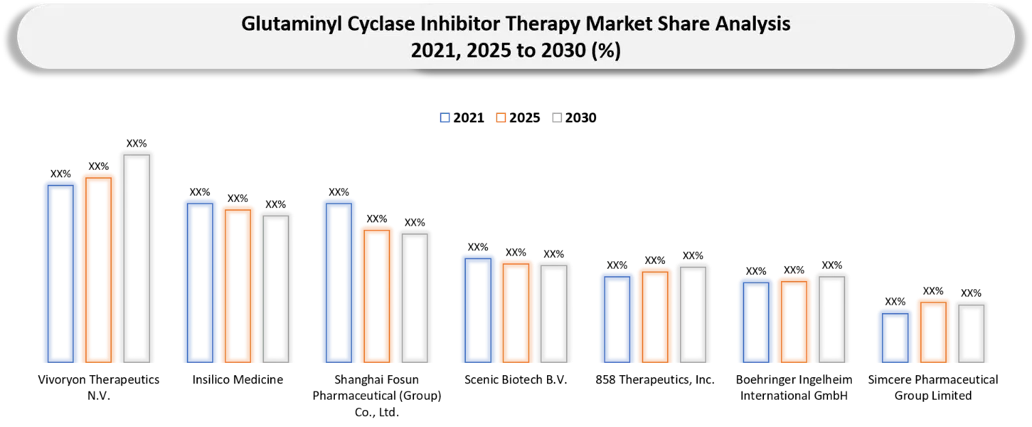
- The glutaminyl cyclase inhibitor therapy market remains highly concentrated, with competition centered on a small group of biotechnology and pharmaceutical companies developing QPCT, QPCTL and dual QPCT/QPCTL inhibitors. The market is characterized more by pipeline strength, clinical progression, intellectual property and licensing partnerships than by commercial product revenues, as most programs remain in clinical or preclinical development.
- Vivoryon Therapeutics N.V. currently holds one of the most advanced positions through varoglutamstat, a dual QPCT/QPCTL inhibitor being developed for diabetic kidney disease, supported by additional next-generation inhibitor programs. Insilico Medicine, together with Shanghai Fosun Pharmaceutical (Group) Co., Ltd., is expanding competition in oncology through ISM8207, an oral QPCTL inhibitor in early clinical development. Simcere Pharmaceutical Group Limited strengthens the regional commercialization landscape through Greater China rights associated with varoglutamstat.
- Competition at the emerging stage includes Scenic Biotech B.V., 858 Therapeutics, Inc., and Boehringer Ingelheim International GmbH, which are building positions through preclinical programs, small-molecule discovery and QPCT/QPCTL-focused patent portfolios. Overall, competitive advantage is expected to depend on clinical validation, indication expansion, selectivity profiles, oral dosing convenience, combination potential, biomarker strategies and successful licensing or co-development partnerships.
Key Companies of Glutaminyl Cyclase Inhibitor Therapy Market
- Vivoryon Therapeutics N.V. (Netherlands)
- Insilico Medicine (United States / Hong Kong)
- Shanghai Fosun Pharmaceutical (Group) Co., Ltd. (China)
- Scenic Biotech B.V. (Netherlands)
- 858 Therapeutics, Inc. (United States)
- Boehringer Ingelheim International GmbH (Germany)
- Simcere Pharmaceutical Group Limited (China)
Glutaminyl Cyclase Inhibitor Therapy Market Major Pain Points
- Limited Clinical Validation and Small Pipeline Base: Most QPCT and QPCTL inhibitor programs remain in preclinical or early clinical development, creating uncertainty around long-term efficacy, safety, optimal dosing and regulatory success.
- Indication-Specific Efficacy Challenges: Therapeutic benefits observed in one disease area may not translate across kidney disease, neurodegeneration, oncology and fibrotic disorders, increasing development risk and requiring indication-specific clinical validation.
- High Dependence on Funding and Strategic Partnerships: The limited number of advanced-stage assets and high cost of late-stage trials increase reliance on licensing agreements, co-development partnerships and external financing to progress glutaminyl cyclase inhibitor programs.
- Complex Target Biology and Patient Selection: Differences between QPCT and QPCTL biology, disease pathways and target expression can complicate patient selection, biomarker development and identification of populations most likely to respond.
- Regulatory and Commercialization Uncertainty: The absence of an established approved glutaminyl cyclase inhibitor class creates uncertainty around regulatory pathways, reimbursement positioning, pricing and future physician adoption.
- Competition From Established Standards of Care: Emerging glutaminyl cyclase inhibitors must demonstrate meaningful incremental benefit over established therapies in chronic kidney disease, oncology and inflammatory disorders to achieve strong clinical and commercial uptake.
Glutaminyl Cyclase Inhibitor Therapy Market Recent Developments
- August 2026: Vivoryon Therapeutics reported continued development of varoglutamstat, its first-in-class oral QPCT/QPCTL inhibitor, for stage 3b/4 diabetic kidney disease, supported by kidney-function data from its Phase II program and plans for a dedicated Phase IIb study. Vivoryon
- March 2026: Vivoryon presented additional evidence at the World Congress of Nephrology supporting glutaminyl cyclases as therapeutic targets in diabetic kidney disease, reinforcing the company’s strategy to advance varoglutamstat in renal indications. Vivoryon
- December 2025: Vivoryon reported new analyses from its Phase II varoglutamstat program showing a pronounced treatment effect in patients with lower baseline eGFR, further supporting development in advanced diabetic kidney disease. Vivoryon
- November 2025: Vivoryon presented Phase II kidney-function and biomarker data for varoglutamstat at ASN Kidney Week 2025, highlighting its potential role in stabilizing kidney function through QPCT/QPCTL inhibition. Vivoryon
- June 2025: Vivoryon presented a meta-analysis of the VIVIAD and VIVA-MIND studies at ERA 2025, reporting consistent kidney-function effects that strengthened the rationale for repositioning varoglutamstat toward diabetic kidney disease. Vivoryon
- May 2025: Vivoryon received a new U.S. composition-of-matter patent covering varoglutamstat, extending intellectual-property protection and supporting the long-term commercial potential of its QPCT/QPCTL inhibitor program. Vivoryon
- February 2025: Boehringer Ingelheim-linked patent applications covering novel QPCT and QPCTL inhibitors for cancer and fibrotic diseases were published, indicating continued industry investment in next-generation glutaminyl cyclase inhibitor chemistry beyond varoglutamstat. American Chemical Society Publications.
Analyst View / Opinion on Glutaminyl Cyclase Inhibitor Therapy Market
- The Glutaminyl Cyclase Inhibitor Therapy Market is emerging as a specialized targeted-therapy opportunity, supported by growing research into QPCT and QPCTL inhibition across renal, oncology, neurodegenerative and fibrotic diseases.
- Diabetic kidney disease is currently the most commercially relevant near-term opportunity, supported by ongoing development of varoglutamstat and increasing focus on residual renal risk despite established standards of care.
- Oncology represents an important longer-term growth avenue, particularly through QPCTL inhibition and its potential role in modulating the CD47-SIRPα immune-checkpoint pathway.
- The market remains highly dependent on clinical validation, funding availability, licensing partnerships and successful progression of a small number of pipeline assets, creating both high development risk and substantial white-space opportunity.
- Future competition is expected to focus on target selectivity, oral small-molecule design, indication expansion, biomarker-supported patient selection, combination strategies and regional commercialization partnerships.
Glutaminyl Cyclase Inhibitor Therapy Market Target Audience
| INDUSTRY | WHO SHOULD BUY THIS REPORT? | REASON TO BUY THIS REPORT |
Pharmaceutical and Biotechnology Companies | R&D Leaders, Pipeline Strategy Heads, Business Development Teams | Assess QPCT/QPCTL pipelines, indication opportunities, competitive positioning and commercialization potential |
Nephrology-Focused Drug Developers | Renal Therapeutics Heads, Clinical Development Teams, Portfolio Managers | Evaluate opportunities in diabetic kidney disease, chronic kidney disease and fibrosis-driven renal indications |
Oncology and Immuno-Oncology Companies | Oncology Strategy Heads, Translational Research Teams, Immunotherapy Leaders | Understand QPCTL-targeted immune modulation, CD47-SIRPα pathway opportunities and combination therapy potential |
Neurology and Neurodegeneration Companies | Neurology R&D Heads, Clinical Strategy Teams, Portfolio Leaders | Track glutaminyl cyclase inhibitor activity in Alzheimer’s disease and other neurodegenerative indications |
Contract Research and Clinical Development Organizations | Clinical Operations Heads, Trial Strategy Teams, Medical Affairs Leaders | Identify emerging clinical programs, trial opportunities and development requirements across QPCT/QPCTL inhibitors |
Why Choose DATAM?
- Pipeline-Level Competitive Intelligence: Gain detailed intelligence on leading QPCT, QPCTL and dual QPCT/QPCTL inhibitor programs, development stages, indications, target selectivity, combination strategies and competitive differentiation.
- Patient and Indication Opportunity Analysis: Assess addressable opportunities across diabetic kidney disease, non-diabetic chronic kidney disease, oncology, neurodegenerative diseases, inflammatory disorders and fibrotic conditions.
- Clinical Development and Trial Tracking: Monitor ongoing preclinical, Phase I and Phase II programs, trial design, patient selection, efficacy signals, safety findings and progression toward later-stage development.
- Target and Mechanism Assessment: Understand differences between QPCT and QPCTL biology, pyroglutamate-related pathways, fibrosis and inflammation modulation, and QPCTL-linked immune-checkpoint mechanisms.
- Commercialization and Partnership Intelligence: Evaluate licensing agreements, regional commercialization rights, co-development opportunities, funding requirements and strategic partnerships shaping the emerging glutaminyl cyclase inhibitor landscape.
- Competitive Benchmarking: Compare Vivoryon Therapeutics, Insilico Medicine, Fosun Pharma, Simcere Pharmaceutical, Scenic Biotech and other emerging developers across assets, indications, clinical maturity and strategic positioning.
- Market Sizing and Forecasting Support: Access indication-based patient modeling, treatment-eligible populations, penetration assumptions and risk-adjusted revenue scenarios to support commercial opportunity assessment.
- Post-Purchase Analyst Support: Engage with DataM analysts for customized discussions on pipeline prioritization, indication selection, competitor assessment, market-entry strategies and commercialization planning.
What DATAM Uniquely Provides
- Deep Glutaminyl Cyclase Inhibitor Therapy Market Segmentation: Detailed analysis across indication, target enzyme, treatment approach, treatment line, disease stage, patient type, route of administration, treatment duration, treatment setting, age group, development stage and geography.
- Pipeline and Competitive Benchmarking: Comparative assessment of leading QPCT, QPCTL and dual QPCT/QPCTL inhibitor programs based on target selectivity, development stage, indication coverage, treatment approach, clinical progress, safety profile and competitive differentiation.
- Patient Opportunity and White-Space Mapping: Identification of high-value opportunities across diabetic kidney disease, non-diabetic chronic kidney disease, oncology, neurodegenerative disorders, inflammatory conditions and fibrotic diseases, with focus on underserved and treatment-refractory patient groups.
- Clinical, Regulatory and Commercial Intelligence: Assessment of clinical-trial activity, development pathways, target validation, addressable patient populations, future pricing potential, reimbursement considerations and commercialization readiness.
- Partnership and Investment Intelligence: Tracking of licensing agreements, regional commercialization rights, co-development partnerships, funding activity and strategic investments involving emerging glutaminyl cyclase inhibitor assets.
- Risk-Adjusted Market Opportunity Assessment: Evaluation of pipeline probability, expected launch timing, indication-specific addressable populations, treatment penetration and potential revenue contribution across emerging QPCT/QPCTL therapies.


























































