


ESR1-Mutated Breast Cancer Therapeutics Market Size and Overview
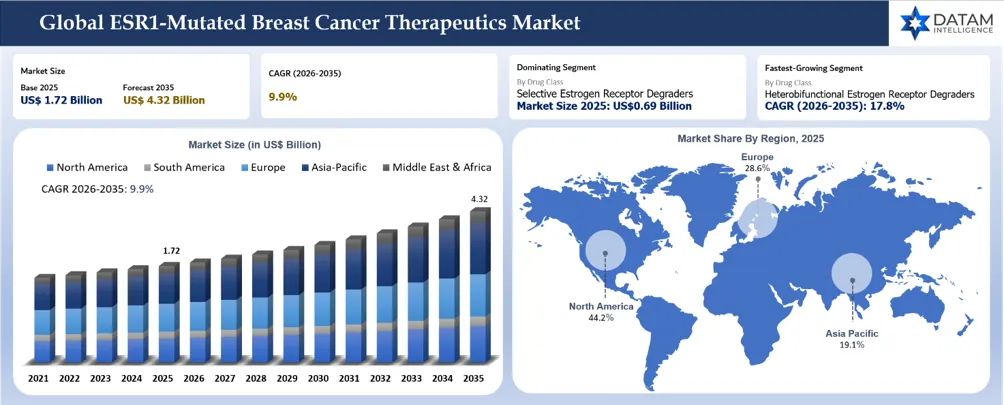
The global ESR1-mutated breast cancer therapeutics market reached US$1.72 billion in 2025 and is expected to reach US$4.32 billion by 2035, growing with a CAGR of 9.9% during the forecast period 2026-2035.
Market growth is being driven by the increasing recognition of ESR1 mutations as a major mechanism of acquired endocrine resistance in hormone receptor-positive, HER2-negative advanced breast cancer. Wider adoption of circulating tumor DNA testing and repeat molecular profiling is improving patient identification and enabling more precise treatment selection. Recent approvals have significantly expanded the therapeutic landscape, including Inluriyo (imlunestrant) from Eli Lilly, Veppanu (vepdegestrant) from Arvinas and Pfizer, and Etcamah (camizestrant) from AstraZeneca, alongside the established Orserdu (elacestrant) from Menarini.
The competitive landscape is shifting toward next-generation estrogen receptor degradation and biomarker-guided treatment sequencing. Selective estrogen receptor degraders remain commercially important, while heterobifunctional estrogen receptor degraders are emerging as a high-growth class. Competitive differentiation increasingly depends on progression-free survival, activity across ESR1 mutation variants, tolerability, oral convenience, combination potential and positioning after CDK4/6 inhibitor exposure.
The next competitive inflection point will involve earlier ESR1 mutation detection, ctDNA-guided treatment switching and movement of ESR1-directed therapies into earlier treatment lines. Commercial leadership will increasingly depend on companion diagnostic access, mutation-specific evidence, reimbursement support and durable disease control.
ESR1-Mutated Breast Cancer Therapeutics Market Key Takeaways
- Sustained Market Expansion Through 2035: The global ESR1-mutated breast cancer therapeutics market was valued at US$1.72 billion in 2025 and is projected to reach US$4.32 billion by 2035, growing at a 9.9% CAGR during 2026-2035, supported by expanding biomarker-guided treatment and broader adoption of next-generation endocrine therapies.
- Selective Estrogen Receptor Degraders Maintain Market Leadership: Selective Estrogen Receptor Degraders generated an estimated US$0.69 billion in 2025, supported by established clinical use, growing uptake of oral SERDs and increasing ESR1 mutation testing across advanced HR-positive, HER2-negative breast cancer.
- Heterobifunctional ER Degraders Become the Primary Growth Engine: Heterobifunctional Estrogen Receptor Degraders are projected to register an estimated 17.8% CAGR during 2026-2035, driven by commercialization of vepdegestrant, deeper receptor degradation and increasing interest in protein-degrader platforms.
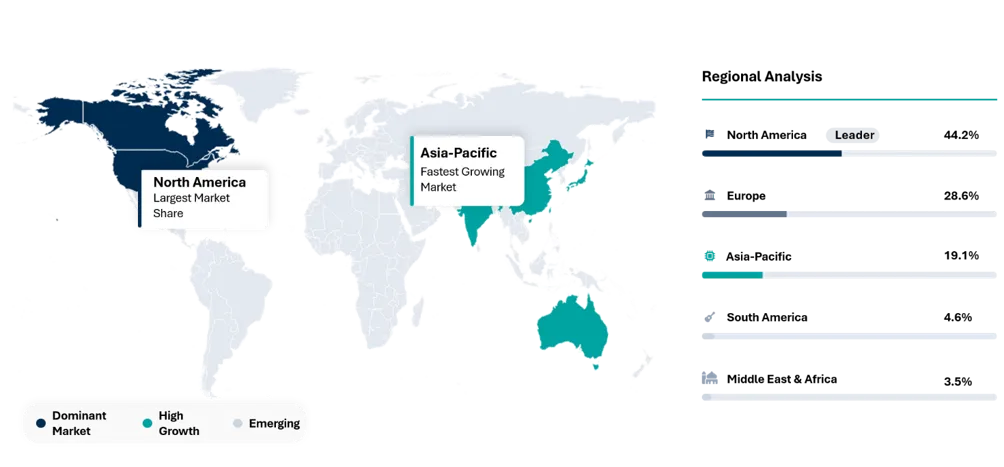
- North America Maintains Regional Dominance: North America accounted for an estimated 44.2% of the global market in 2025, supported by advanced molecular diagnostics, strong oncology infrastructure, early regulatory approvals and higher adoption of biomarker-linked therapies.
- Biomarker-Guided Sequencing Reshapes Competitive Strategy: Future market leadership will increasingly depend on progression-free survival, activity across ESR1 variants, ctDNA-guided treatment switching, combination potential, oral convenience, tolerability and successful positioning across earlier treatment lines.
ESR1-Mutated Breast Cancer Therapeutics Market Industry Trends and Strategic Insights
- The market is transitioning from conventional endocrine sequencing toward biomarker-guided ESR1-directed treatment, with therapy selection increasingly driven by ESR1 mutation status, prior endocrine exposure and resistance evolution. Wider ctDNA testing is enabling earlier identification of acquired ESR1 mutations and supporting more precise treatment switching.
- Selective Estrogen Receptor Degraders remain the leading drug class, supported by established use of fulvestrant and expanding adoption of oral agents such as Orserdu (elacestrant) and Inluriyo (imlunestrant). Their commercial position is being reinforced by growing physician familiarity and broader biomarker-linked treatment eligibility.
- Heterobifunctional Estrogen Receptor Degraders represent the fastest-growing drug class, supported by the 2026 approval of Veppanu (vepdegestrant) and increasing interest in targeted protein-degradation platforms. Future adoption will depend on durability of response, sequencing flexibility, combination potential and differentiation versus conventional SERDs.
- Combination therapy is becoming central to treatment evolution, particularly through ESR1-active agents paired with CDK4/6, PI3K, AKT or mTOR pathway inhibitors. Recent approvals such as Etcamah (camizestrant) with CDK4/6 inhibition illustrate the shift toward earlier molecular intervention and resistance-guided treatment strategies.
- Sustainable competitive advantage will require more than mutation targeting alone. Companies demonstrating strong progression-free survival, broad ESR1 variant activity, manageable safety, oral convenience, companion diagnostic integration, earlier-line positioning and real-world treatment durability will be better positioned to secure oncologist adoption, reimbursement and long-term market share.
ESR1-Mutated Breast Cancer Therapeutics Market Scope
| Metrics | Details | |
| 2025 Market Size | US$1.72 Billion | |
| 2035 Projected Market Size | US$4.32 Billion | |
| CAGR (2026-2035) | 9.9% | |
| Largest Market | North America | |
| Fastest Growing Market | Asia-Pacific | |
| By Drug Class | Selective Estrogen Receptor Degraders, Heterobifunctional Estrogen Receptor Degraders, Selective Estrogen Receptor Modulators, Aromatase Inhibitors, Cyclin-Dependent Kinase 4/6 Inhibitors, PI3K, AKT and mTOR Pathway Inhibitors, Chemotherapy, Antibody-Drug Conjugates, Other Therapeutics | |
| By Treatment Regimen | Monotherapy, Combination Therapy | |
| By Line of Therapy | First-Line, Second-Line, Third-Line, Fourth-Line and Later | |
| By Route of Administration | Oral, Intravenous, Intramuscular, Others | |
| By Age Group | Below 40 Years, 40-49 Years, 50-59 Years, 60-69 Years, 70 Years and Above | |
| By Menopausal Status | Premenopausal, Perimenopausal, Postmenopausal | |
| By ESR1 Mutation Type | D538 Mutations, Y537 Mutations, E380 Mutations, L536 Mutations, Other ESR1 Mutations | |
| By End User | Hospitals, Cancer Treatment Centers, Oncology Clinics, Ambulatory Care Centers, Others | |
| By Distribution Channel | Hospital Pharmacies, Specialty Pharmacies, Retail Pharmacies, Online Pharmacies | |
| By Region | North America | U.S., Canada, Mexico |
| Europe | Germany, UK, France, Spain, Italy, Poland | |
| Asia-Pacific | China, India, Japan, Australia, South Korea, Indonesia, Malaysia, Singapore, Vietnam, Thailand, Philippines, Taiwan | |
| South America | Brazil, Argentina | |
| Middle East and Africa | Israel, Saudi Arabia, UAE, Turkiye, South Africa, Nigeria | |
| Report Insights Covered | Competitive Landscape Analysis, Company Profile Analysis, Market Size, Share, Growth | |
Why does this report matter in 2026?
The global ESR1-mutated breast cancer therapeutics market has become strategically important in 2026 as ESR1 mutation status increasingly influences treatment selection in hormone receptor-positive, HER2-negative advanced breast cancer. ESR1 mutations are a recognized mechanism of acquired endocrine resistance, particularly following aromatase inhibitor exposure, creating demand for therapies capable of overcoming mutant estrogen receptor signaling. The treatment landscape has expanded rapidly, with FDA approvals for vepdegestrant in May 2026 and camizestrant in September 2026, alongside the growing role of imlunestrant-based therapy.
For pharmaceutical companies, investors and healthcare stakeholders, the market now represents a distinct precision-oncology opportunity rather than a narrow subset of conventional endocrine therapy. Companion diagnostics and circulating tumor DNA testing are enabling earlier identification of ESR1 mutations and supporting biomarker-guided treatment switching, as demonstrated by the camizestrant approval framework. Competitive differentiation will increasingly depend on mutation coverage, sequencing strategy, combination potential, progression-free survival, tolerability and access to molecular testing. This report therefore matters in 2026 because it evaluates a rapidly commercializing therapeutic segment where drug innovation, diagnostic adoption and treatment-line migration are simultaneously reshaping revenue opportunities.
ESR1-Mutated Breast Cancer Therapeutics Market White Space & Investment Opportunities
- Earlier ESR1 Mutation Detection and Molecular Monitoring: Invest in broader access to liquid biopsy, circulating tumor DNA testing and repeat molecular profiling to identify emerging ESR1 mutations before or at disease progression. Earlier detection can support faster treatment switching, reduce ineffective endocrine exposure and expand the addressable population for mutation-informed therapies.
- Therapies for Earlier Treatment Lines: Develop ESR1-active therapies that can move beyond later-line use into earlier treatment settings, particularly for patients with emerging endocrine resistance. Strong efficacy, favorable safety and compatibility with established CDK4/6 inhibitors could create significant opportunities as treatment sequencing evolves.
- Next-Generation Estrogen Receptor Degraders and Antagonists: Advance oral SERDs, complete estrogen receptor antagonists and novel protein-degrader platforms with deeper receptor suppression, broader mutation coverage and improved tolerability. Differentiation will increasingly depend on activity across common ESR1 variants, durability of response and effectiveness after prior endocrine therapy.
- Combination Strategies to Delay Resistance: Invest in combinations pairing ESR1-directed therapies with CDK4/6, PI3K, AKT or mTOR pathway inhibitors and other targeted agents. Generating evidence on optimal sequencing and synergistic combinations could extend progression-free survival and delay the emergence of additional resistance mechanisms.
- Mutation-Specific and Resistance-Guided Treatment Evidence: Build clinical and real-world datasets that clarify treatment response across D538G, Y537, E380Q, L536 and multiple ESR1 mutations. Better mutation-level evidence can strengthen patient selection, trial design, biomarker strategy and physician confidence in therapy choice.
- Geographic Access and Biomarker-Linked Reimbursement: Expand access to ESR1 testing and advanced therapeutics across underserved markets while developing reimbursement models that link molecular diagnosis with treatment eligibility. Real-world evidence demonstrating improved outcomes, delayed progression and reduced ineffective therapy use can support payer adoption and broader commercial penetration.
ESR1-Mutated Breast Cancer Therapeutics Market Future Transformation
The global ESR1-mutated breast cancer therapeutics market is expected to transform from a predominantly later-line endocrine-resistance niche into a broader biomarker-guided treatment segment. Future growth will be shaped by earlier ESR1 mutation detection through circulating tumor DNA, wider use of serial molecular monitoring and movement of ESR1-active therapies into earlier treatment lines. Oral selective estrogen receptor degraders, complete estrogen receptor antagonists and novel protein-degrader platforms are likely to compete on depth of receptor suppression, activity across resistant ESR1 variants, tolerability and compatibility with established targeted agents. Combination strategies with CDK4/6, PI3K, AKT and mTOR pathway inhibitors will further reshape treatment sequencing.
Over the longer term, the market is likely to become increasingly personalized, with therapy selection driven by mutation profile, prior endocrine exposure, resistance mechanism and real-time molecular evolution. Commercial success will depend not only on clinical efficacy, but also on companion diagnostic access, reimbursement, treatment convenience and evidence supporting durable disease control. Companies able to integrate therapeutics with biomarker testing, generate mutation-specific real-world evidence and establish clear sequencing advantages will be better positioned as ESR1-directed treatment becomes embedded within precision breast cancer care.
ESR1-Mutated Breast Cancer Therapeutics Market Buyer Decision-Making Criteria
Major Buyer Decision-Making Criteria:
- Magnitude and Durability of Progression-Free Survival Benefit
- Overall Survival and Long-Term Clinical Outcomes
- Activity Across Major ESR1 Mutation Variants
- Effectiveness After Prior Endocrine Therapy
- Performance Across Different Lines of Therapy
- Compatibility With CDK4/6 and Other Targeted Therapies
- Safety, Tolerability and Long-Term Treatment Burden
- Oral Availability, Dosing Convenience and Patient Adherence
- Resistance Profile and Ability to Delay Disease Progression
- Biomarker Testing Requirements and Companion Diagnostic Availability
- Pricing, Reimbursement and Overall Healthcare Budget Impact
- Guideline Positioning, Physician Familiarity and Real-World Clinical Evidence
Global ESR1-Mutated Breast Cancer Therapeutics Market Investment Trends
- Capital allocation is increasing toward commercialization, geographic expansion, biomarker testing infrastructure, reimbursement access and physician education for emerging ESR1-directed therapies such as elacestrant, imlunestrant, camizestrant and vepdegestrant.
- Investment is accelerating in next-generation oral estrogen receptor degraders, complete estrogen receptor antagonists and protein-degrader platforms designed to achieve deeper receptor suppression, broader ESR1 mutation coverage and improved tolerability compared with conventional endocrine therapy.
- Investors are prioritizing combination strategies pairing ESR1-active therapies with CDK4/6, PI3K, AKT and mTOR pathway inhibitors to improve progression-free survival, delay resistance and extend treatment durability across multiple lines of therapy.
- Capital is increasingly directed toward assets that can move ESR1-targeted treatment into earlier disease settings, particularly therapies capable of demonstrating benefit before radiographic progression or immediately after molecular detection of emerging endocrine resistance.
- Diagnostic investment is expanding across circulating tumor DNA, liquid biopsy and serial molecular monitoring platforms that enable earlier ESR1 mutation identification, treatment switching and more precise patient stratification.
- Companies are allocating greater resources to real-world evidence, mutation-specific outcome studies, comparative sequencing research and health-economic analyses linking biomarker-guided therapy selection with longer disease control, reduced ineffective treatment exposure and improved payer acceptance.
Strategic Indicators for Global ESR1-Mutated Breast Cancer Therapeutics Market
High Regulation Impact
The ESR1-mutated breast cancer therapeutics market faces high regulatory scrutiny because targeted therapies must demonstrate clinically meaningful benefit in biomarker-defined patient populations while maintaining acceptable safety across prolonged treatment. Regulators increasingly assess progression-free survival, overall survival, objective response, duration of response, patient-reported outcomes and consistency of benefit across ESR1 mutation variants. Companion diagnostic validation and clear biomarker-selection criteria are also becoming central to approval pathways. Developers must generate robust evidence on sequencing after prior endocrine therapy and CDK4/6 inhibition while addressing resistance patterns and combination-related toxicities. Regulatory requirements increase development complexity but favor companies with strong precision-oncology capabilities, established biomarker strategies, and scalable pharmacovigilance infrastructure.
High Investment Activity
Investment activity is accelerating across next-generation oral SERDs, complete estrogen receptor antagonists, PROTAC-based degraders and combination strategies targeting endocrine resistance. Capital is increasingly directed toward programs capable of demonstrating efficacy in ESR1-mutated disease after prior endocrine exposure while maintaining oral convenience and manageable toxicity. Funding is also expanding into circulating tumor DNA testing, liquid biopsy and serial molecular monitoring that can detect emerging ESR1 mutations before clinical progression. Strategic partnerships, licensing agreements and co-development programs are expected to remain important as companies seek differentiated assets with earlier-line potential. Investors are increasingly prioritizing programs with clear biomarker-defined positioning, scalable commercial opportunity and evidence supporting durable treatment benefit.
High New Drug-Class Adoption
The market is entering a period of rapid therapeutic adoption as newer oral estrogen receptor degraders and protein-degrader platforms compete with established endocrine approaches. Elacestrant established the first biomarker-directed commercial precedent while newer therapies including vepdegestrant, camizestrant and imlunestrant are expanding the treatment landscape. Adoption will depend on comparative efficacy, activity across ESR1 variants, tolerability, sequencing flexibility and compatibility with CDK4/6 inhibitors and other targeted agents. Physicians are likely to differentiate therapies based on progression-free survival, durability of response, treatment burden and resistance profile rather than mechanism novelty alone. Successful new classes must demonstrate measurable clinical advantage and clear positioning within evolving treatment algorithms.
Regional Expansion Opportunity
Regional expansion potential is substantial because ESR1-mutated breast cancer occurs across all major oncology markets while access to routine molecular testing and advanced endocrine therapies remains uneven. The United States is likely to remain a leading commercial market because of broad oncology infrastructure, liquid-biopsy adoption and rapid uptake of new targeted therapies. Europe offers strong opportunity but requires country-specific pricing, reimbursement and health-technology assessment strategies. China, Japan and other Asia-Pacific markets are becoming increasingly important as genomic testing expands and domestic oncology development accelerates. Successful expansion will depend on local diagnostic availability, regulatory approvals, reimbursement pathways, specialist adoption and dependable specialty-pharmacy distribution.
Government Policy Support
Government influence is increasingly important through precision-oncology initiatives, accelerated regulatory pathways, companion diagnostic frameworks and public reimbursement policies. Regulatory agencies are supporting biomarker-driven treatment development by recognizing ESR1 mutation status as a clinically actionable marker for therapy selection. Public healthcare systems also influence adoption through molecular-testing coverage, oncology treatment guidelines, formulary inclusion and reimbursement criteria. Policy support remains uneven across countries because access to circulating tumor DNA testing and newer endocrine therapies varies significantly. Companies should strengthen payer engagement, support biomarker-testing infrastructure and generate real-world evidence demonstrating improved outcomes from earlier ESR1 detection and targeted treatment switching.
Value-Based Pricing Intelligence
Value-based pricing in the ESR1-mutated breast cancer therapeutics market will increasingly depend on measurable improvements in progression-free survival, overall survival, treatment durability and quality of life. Payers will assess whether new therapies provide meaningful benefit over established endocrine options while considering treatment duration, combination costs, biomarker-testing requirements and toxicity management. Pricing potential will be strongest for therapies that demonstrate durable disease control, broad activity across major ESR1 variants and effectiveness after prior endocrine and CDK4/6 exposure. Manufacturers combining strong clinical differentiation, convenient oral administration, manageable safety, clear sequencing advantages and credible real-world evidence will be better positioned to secure favorable reimbursement and formulary access.
AI Impact Analysis of ESR1-Mutated Breast Cancer Therapeutics Market
Artificial intelligence is expected to reshape the ESR1-mutated breast cancer therapeutics market by improving mutation detection, treatment selection and resistance monitoring across the patient journey. AI-enabled genomic interpretation can accelerate identification of clinically relevant ESR1 variants from tissue and circulating tumor DNA data while helping oncologists integrate mutation status with prior endocrine exposure, co-mutations and treatment history. Predictive models may also support earlier recognition of endocrine resistance, enabling more timely switching to ESR1-active therapies before substantial disease progression. In clinical development, AI can improve patient stratification, trial-site selection and biomarker-enriched recruitment for smaller mutation-defined populations.
AI will also influence commercial strategy by strengthening real-world evidence generation, therapy sequencing analysis and comparative effectiveness assessment. Machine-learning models can identify response patterns across ESR1 variants, treatment lines and combination regimens, supporting more precise positioning of oral SERDs, protein degraders and other targeted approaches. Pharmaceutical companies can use AI to prioritize high-value patient subgroups, optimize trial design and improve forecasting of therapy uptake. Long-term differentiation will depend on combining therapeutic innovation with validated AI-supported biomarker interpretation and clinically actionable decision tools.
Disruption Analysis of ESR1-Mutated Breast Cancer Therapeutics Market
The ESR1-mutated breast cancer therapeutics market is being disrupted by the shift from conventional endocrine sequencing toward biomarker-guided treatment selection. Oral SERDs, complete estrogen receptor antagonists and protein-degrader platforms are challenging legacy endocrine approaches by targeting resistant estrogen receptor signaling more directly. At the same time, circulating tumor DNA testing is enabling ESR1 mutations to be identified earlier in the treatment pathway, potentially allowing therapy changes before radiographic progression. This creates pressure on established treatment algorithms, companion diagnostic strategies and payer criteria, while increasing the value of therapies that can demonstrate durable benefit across major ESR1 variants and after prior CDK4/6 inhibitor exposure.
Competitive disruption is also emerging from combination-based development, earlier-line positioning and faster regulatory pathways for biomarker-defined populations. Companies with strong integration across therapeutics, molecular diagnostics and real-world evidence are likely to gain advantage as treatment decisions become more data-driven. Traditional differentiation based only on drug class will weaken; future competition will increasingly center on sequencing flexibility, mutation coverage, tolerability, progression-free survival, oral convenience and compatibility with targeted combinations. These shifts are expected to accelerate portfolio reprioritization, licensing activity and strategic partnerships across precision breast cancer care.
Global ESR1-Mutated Breast Cancer Therapeutics Market BCG Matrix: Company Evaluation
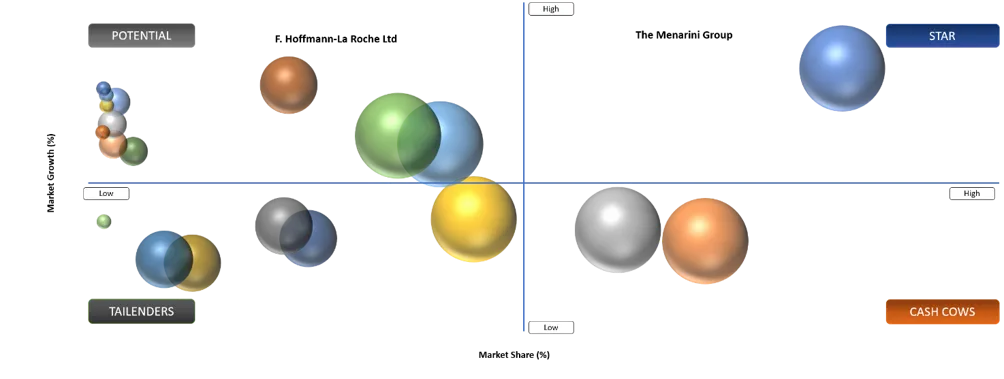
STAR
The Menarini Group, Eli Lilly and Company, AstraZeneca PLC, Arvinas, Inc., Pfizer Inc. and Rigel Pharmaceuticals, Inc. are positioned in the Star category based on their approved ESR1-directed therapies and increasing influence on biomarker-guided treatment sequencing. Menarini established the commercial foundation with elacestrant, while Eli Lilly expanded the market through imlunestrant and its combination with abemaciclib. AstraZeneca strengthened earlier intervention through camizestrant plus CDK4/6 inhibition after ESR1 mutation detection during first-line therapy. Arvinas and Pfizer advanced the category through vepdegestrant, the first approved heterobifunctional estrogen receptor degrader for ESR1-mutated disease, with Rigel holding commercialization and development rights.
Future leadership within this group will depend on progression-free survival, activity across ESR1 variants, sequencing flexibility, combination potential, tolerability and companion diagnostic access. Competitive advantage will increasingly shift toward therapies that can move treatment earlier, extend disease control and integrate effectively with serial ctDNA-based mutation monitoring.
POTENTIAL
F. Hoffmann-La Roche Ltd, Olema Pharmaceuticals, Inc., LeonaBio, Inc. and Sermonix Pharmaceuticals, Inc. are positioned in the Potential category because of their late-stage ESR1-active pipelines and opportunity to broaden therapeutic choice beyond currently approved agents. Roche is advancing giredestrant, including an FDA-reviewed combination with everolimus for ESR1-mutated advanced breast cancer. Olema is developing palazestrant, an oral complete estrogen receptor antagonist and SERD with activity across ESR1-mutant and wild-type disease. LeonaBio and Sermonix are advancing lasofoxifene through the ESR1-mutated metastatic breast cancer development pathway. Roche’s giredestrant program is particularly notable because its development spans advanced and earlier-stage ER-positive breast cancer settings.
Progression toward stronger commercial positioning will depend on successful Phase III outcomes, regulatory approvals, differentiation versus approved oral SERDs and degraders, durable response after prior CDK4/6 therapy, scalable commercialization and clear reimbursement positioning.
ESR1-Mutated Breast Cancer Therapeutics Market Dynamics
Driver Impact Analysis
| Driver | Market Growth Impact (%) | Demand Concentration | Impacted Use Case | Strategic Impact |
Expansion of Biomarker-Guided ESR1 Treatment Eligibility | 18.6% | High across the U.S. and Europe; increasing across Japan and other molecular-testing intensive markets | Treatment of HR-positive, HER2-negative advanced or metastatic breast cancer with confirmed ESR1 mutations | Expands the biomarker-defined addressable population and accelerates uptake of mutation-directed endocrine therapies as ESR1 testing becomes linked directly with treatment eligibility. |
Earlier ctDNA-Based Detection of Endocrine Resistance | 17.4% | Strongest in advanced oncology centers with routine liquid-biopsy access | Detection of emerging ESR1 mutations during aromatase inhibitor and CDK4/6 inhibitor therapy before radiographic progression | Shifts treatment intervention earlier in the disease pathway and creates a new commercial opportunity around molecularly guided treatment switching. FDA’s 2026 camizestrant approval established the first U.S. cancer-treatment precedent based on a resistance mutation detected in ctDNA before imaging-confirmed progression. |
Rapid Commercialization of Next-Generation ER-Directed Therapies | 16.2% | Concentrated initially in the U.S.; expanding as regulatory approvals and reimbursement broaden | Post-endocrine progression treatment with oral ER antagonists, SERDs and heterobifunctional protein degraders | Broadens therapy choice beyond conventional endocrine treatment and intensifies competition on progression-free survival, mutation coverage, tolerability and sequencing. Vepdegestrant and imlunestrant-based therapy received FDA approvals in 2026 for ESR1-mutated disease. |
Rising ESR1 Mutation Burden After Aromatase Inhibitor Exposure | 14.9% | Highest among previously treated metastatic HR-positive, HER2-negative patients | Management of acquired endocrine resistance following aromatase inhibitor-based treatment | Sustains a recurring treatment-eligible population because ESR1 mutations are uncommon at metastatic diagnosis but become substantially more prevalent after aromatase inhibitor progression. FDA briefing materials cite ESR1 mutations in less than 5% at metastatic diagnosis versus approximately 40-50% after progression on aromatase inhibitors. |
Driver: Expansion of Biomarker-Guided ESR1 Treatment Eligibility
Expansion of biomarker-guided treatment eligibility is strengthening demand for ESR1-directed therapies as mutation status increasingly becomes a formal treatment-selection criterion in HR-positive, HER2-negative advanced breast cancer. FDA materials published in 2026 indicate that ESR1 mutations are detected in less than 5% of patients at metastatic diagnosis but in around 40-50% after progression on aromatase inhibitors, illustrating how endocrine pressure creates a sizable treatment-eligible population over time. Wider use of circulating tumor DNA testing is enabling oncologists to identify these acquired resistance mutations without relying solely on repeat tissue biopsies.
The commercial impact became more pronounced in 2026 as biomarker-defined approvals expanded beyond post-progression treatment. In September 2026, FDA approved camizestrant plus a CDK4/6 inhibitor following ESR1 mutation detection before radiographic progression; the SERENA-6 study reported median progression-free survival of 16.0 months versus 9.2 months with continued aromatase inhibitor therapy. This shift broadens the addressable market by moving ESR1 testing and treatment intervention earlier in the care pathway, increasing testing frequency, treatment duration and commercial opportunity for biomarker-linked therapies.
Restraint Impact Analysis
| Restraint | Drag on Market Growth (%) | Primary Impact Area | Impacted Use Case | Strategic Impact |
Uneven Access to ESR1 Mutation Testing and Serial ctDNA Monitoring | 15.8% | Patient identification, treatment eligibility and therapy sequencing | ESR1 mutation detection before or after endocrine progression, particularly where liquid biopsy and repeat molecular profiling remain limited | Requires broader diagnostic access to unlock eligible patient identification and treatment conversion |
High Cost of Novel ESR1-Directed Therapies and Combination Regimens | 14.6% | Reimbursement, formulary access and treatment affordability | Use of oral SERDs, estrogen receptor degraders and combination regimens incorporating CDK4/6 or other targeted therapies | Increases need for reimbursement support, value demonstration and differentiated clinical outcomes |
Limited Comparative Evidence Across Emerging ESR1 Therapies | 13.7% | Physician confidence, treatment sequencing and payer assessment | Selection among expanding ESR1-active therapeutic options across different treatment lines and prior endocrine exposures | Creates demand for comparative evidence and clearer therapy sequencing frameworks |
Therapeutic Resistance and Molecular Heterogeneity Beyond ESR1 | 12.9% | Duration of response, treatment persistence and long-term disease control | Patients carrying ESR1 mutations alongside additional PI3K, AKT, HER2, cell-cycle or other resistance mechanisms | Drives combination strategies and resistance-guided treatment selection to extend disease control |
Restraint: Uneven Access to ESR1 Mutation Testing and Serial ctDNA Monitoring
Uneven access to ESR1 mutation testing remains a material constraint because treatment eligibility increasingly depends on timely identification of acquired resistance mutations. Although blood-based ctDNA testing is preferred in current clinical guidance because of its sensitivity, real-world adoption remains inconsistent. A 2026 U.S. real-world study found that only 22% of patients were tested for ESR1 mutations during first-line therapy in 2022-2024, while approximately 60% of first-line ESR1 tests still relied on tissue and only 40% used liquid biopsy. Limited laboratory infrastructure, reimbursement variability and inconsistent repeat-testing practices can therefore delay identification of treatment-eligible patients.
The strategic challenge is becoming more significant as ESR1 testing moves from post-progression assessment toward active molecular monitoring. In 2026, FDA approved camizestrant-based therapy upon detection of an ESR1 mutation during aromatase inhibitor plus CDK4/6 inhibitor treatment, before conventional radiographic progression. Markets unable to support serial ctDNA testing may consequently underidentify eligible patients, delay treatment switching and restrict uptake of newer ESR1-directed therapies, creating a direct linkage between diagnostic capacity and therapeutic revenue realization.
ESR1-Mutated Breast Cancer Therapeutics Market Segment Analysis
The global ESR1-mutated breast cancer therapeutics market is segmented based on the drug class, treatment regimen, line of therapy, route of administration, age group, menopausal status, esr1 mutation type, end user, distribution channel and region.
SERDs Lead Today as Heterobifunctional ER Degraders Reshape Future Growth
By drug class, Selective Estrogen Receptor Degraders are expected to remain the dominant segment in 2025, with an estimated market value of US$0.69 billion. Their leadership is supported by established use of fulvestrant and expanding adoption of oral SERDs such as elacestrant and imlunestrant in ESR1-mutated, ER-positive, HER2-negative advanced or metastatic breast cancer. The segment benefits from its direct role in overcoming endocrine resistance, growing integration of ESR1 mutation testing and increasing physician familiarity with biomarker-guided treatment selection. Broader use of circulating tumor DNA testing is also improving identification of eligible patients. Combination potential with CDK4/6 and other targeted therapies further supports the commercial relevance of SERD-based treatment strategies across multiple treatment lines.
Heterobifunctional Estrogen Receptor Degraders are expected to be the fastest-growing drug class during 2026-2035, with an estimated CAGR of 17.8%. Growth is being driven by next-generation protein-degradation platforms designed to achieve deeper and more sustained estrogen receptor degradation in ESR1-mutated disease. Commercialization of vepdegestrant in 2026 established the class as a differentiated therapeutic category. Future expansion will depend on earlier-line adoption, combination development, durability of response, tolerability and clear clinical differentiation versus conventional oral SERDs.
ESR1-Mutated Breast Cancer Therapeutics Market Geographical Penetration
U.S. ESR1-Mutated Breast Cancer Therapeutics Market Landscape
The U.S. ESR1-mutated breast cancer therapeutics market is gaining strategic depth as mutation testing becomes more closely tied to treatment selection in ER-positive, HER2-negative advanced breast cancer. The broader clinical base remains substantial, with the American Cancer Society estimating 316,950 new invasive breast cancer cases among U.S. women in 2025, supporting a large downstream population for molecular profiling and endocrine-resistance management. Within ESR1-directed therapy, the September 2025 FDA approval of imlunestrant marked another important commercial expansion, with the EMBER-3 trial showing median progression-free survival of 5.5 months versus 3.8 months with investigator-choice endocrine therapy in the ESR1-mutated population.
Commercially, the U.S. landscape is moving toward a multi-asset competitive structure where oral convenience, mutation-defined eligibility and sequencing after prior endocrine therapy increasingly shape adoption. Companion diagnostic availability is becoming a critical market enabler because treatment uptake depends on timely ESR1 mutation identification. Additional 2026 approvals further broadened treatment choice and intensified competition around progression-free survival, tolerability, combination potential and positioning after CDK4/6 exposure. The U.S. therefore represents a high-value market where strong molecular testing infrastructure, rapid regulatory uptake and specialist oncology access are accelerating commercialization of ESR1-directed therapies.
Japan ESR1-Mutated Breast Cancer Therapeutics Market Outlook
Japan’s ESR1-mutated breast cancer therapeutics market is moving toward a more clearly defined biomarker-driven treatment segment as molecular profiling becomes increasingly linked to therapy selection. A major milestone came in December 2025, when Japan approved imlunestrant for patients with ESR1-mutated, HR-positive, HER2-negative unresectable or recurrent breast cancer progressing after endocrine therapy. Regulatory recognition of ESR1 mutations as an important mechanism of aromatase inhibitor resistance is strengthening the role of mutation testing in treatment sequencing, particularly for clinically relevant variants such as Y537 and D538.
Commercial expansion will depend on broader ESR1 testing and integration of approved companion diagnostics into routine oncology pathways. Japanese prescribing requirements for imlunestrant include confirmation of ESR1 mutation positivity before treatment, directly linking diagnostic access with therapeutic uptake. In the EMBER-3 population referenced in Japanese clinical materials, ESR1 mutations were identified in approximately 42% of patients receiving imlunestrant and 36% of patients receiving investigator-choice endocrine therapy. Japan therefore offers a strong growth pathway supported by advanced oncology infrastructure, high clinical adoption of precision medicine and increasing availability of next-generation oral endocrine therapies, although reimbursement and testing access will remain important adoption factors.
ESR1-Mutated Breast Cancer Therapeutics Market Competitive Landscape
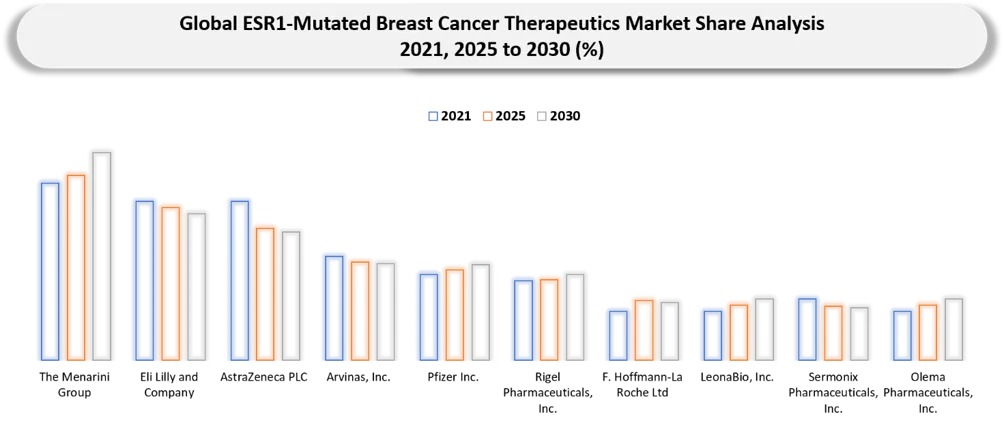
- The global ESR1-mutated breast cancer therapeutics market is becoming increasingly competitive as established oncology companies and emerging biotechnology players pursue differentiated approaches to overcome endocrine resistance. Competition is centered on oral selective estrogen receptor degraders, complete estrogen receptor antagonists, heterobifunctional protein degraders and combination strategies with CDK4/6 inhibitors. The Menarini Group, Eli Lilly and Company, AstraZeneca, Arvinas, Pfizer and Rigel Pharmaceuticals are strengthening the commercial landscape through approved ESR1-directed therapies, while Roche, LeonaBio, Sermonix Pharmaceuticals and Olema Pharmaceuticals are expanding the late-stage pipeline. Product differentiation is increasingly based on progression-free survival, activity across ESR1 variants, tolerability, oral convenience and sequencing after prior endocrine therapy.
- Competitive intensity is expected to increase as developers move beyond later-line monotherapy toward earlier intervention and combination-based treatment. Companies with strong companion diagnostic strategies, ctDNA integration and evidence supporting treatment switching before radiographic progression are gaining strategic relevance. Partnerships and licensing agreements are also becoming important as smaller biotechnology companies seek commercial scale and larger pharmaceutical companies pursue access to differentiated estrogen receptor platforms. Future leadership will depend on clinical durability, mutation coverage, reimbursement access and the ability to establish a clear position within evolving biomarker-guided treatment pathways.
Key Companies of ESR1-Mutated Breast Cancer Therapeutics Market
- The Menarini Group (Italy)
- Eli Lilly and Company (United States)
- AstraZeneca PLC (United Kingdom)
- Arvinas, Inc. (United States)
- Pfizer Inc. (United States)
- Rigel Pharmaceuticals, Inc. (United States)
- F. Hoffmann-La Roche Ltd (Switzerland)
- LeonaBio, Inc. (United States)
- Sermonix Pharmaceuticals, Inc. (United States)
- Olema Pharmaceuticals, Inc. (United States)
ESR1-Mutated Breast Cancer Therapeutics Market Major Pain Points
- Delayed ESR1 Mutation Detection and Uneven Molecular Testing Access: ESR1 mutations often emerge after endocrine therapy, making repeat molecular profiling critical. Limited access to ctDNA testing, inconsistent testing frequency and reimbursement barriers can delay mutation identification and postpone transition to ESR1-directed therapies, particularly outside major oncology centers.
- Acquired Endocrine Resistance and Disease Progression: ESR1 mutations are a key mechanism of resistance to aromatase inhibitors and other endocrine therapies. Continued evolution of resistant clones can shorten treatment durability, complicate sequencing decisions and increase dependence on newer estrogen receptor degraders and combination regimens.
- Heterogeneous Mutation Profiles and Treatment Response: Differences across ESR1 variants such as D538G, Y537S, Y537N and E380Q can influence receptor activity and therapeutic sensitivity. Co-occurring alterations in PI3K, AKT and other pathways further complicate patient selection and reduce the predictability of treatment response.
- Limited Evidence on Optimal Treatment Sequencing: The expanding availability of elacestrant, imlunestrant, camizestrant, vepdegestrant and other emerging therapies creates uncertainty around optimal sequencing after CDK4/6 inhibitors and prior endocrine therapy. Limited direct comparative evidence makes treatment selection increasingly complex for oncologists and payers.
- Resistance Beyond ESR1 and Limited Monotherapy Durability: ESR1-directed treatment does not address all mechanisms of endocrine resistance. Concurrent pathway activation, tumor heterogeneity and clonal evolution can limit monotherapy durability, increasing the need for combination strategies with CDK4/6, PI3K, AKT or mTOR inhibitors.
- High Treatment Cost and Combination Therapy Burden: Novel oral SERDs, protein degraders and targeted combinations can generate substantial treatment costs. Premium pricing, companion diagnostic requirements and prolonged therapy duration increase payer scrutiny and may restrict broader uptake across cost-sensitive healthcare systems.
- Limited Real-World and Mutation-Specific Comparative Evidence: Clinical trials provide strong efficacy data, but evidence remains limited on long-term outcomes across individual ESR1 mutations, sequencing patterns and diverse patient populations. Greater real-world evidence is required to support reimbursement, physician confidence and differentiation among competing therapies.
- Geographic Disparities in Advanced Breast Cancer Care: Access to genomic profiling, specialist oncology centers, liquid biopsy and newer ESR1-directed therapies remains uneven across countries. Differences in regulatory approval, reimbursement, laboratory capacity and physician familiarity can create substantial variation in treatment adoption and commercial penetration.
ESR1-Mutated Breast Cancer Therapeutics Market Recent Developments
- September 2026: Eli Lilly and Company received U.S. FDA approval for Inluriyo (imlunestrant) in combination with Verzenio (abemaciclib) for adults with ER-positive, HER2-negative, ESR1-mutated advanced or metastatic breast cancer following progression after at least one line of endocrine therapy.
- September 2026: AstraZeneca received U.S. FDA accelerated approval for Etcamah (camizestrant) in combination with a CDK4/6 inhibitor for HR-positive, HER2-negative advanced breast cancer following detection of an ESR1 mutation during first-line aromatase inhibitor and CDK4/6 inhibitor treatment.
- July 2026: AstraZeneca received European Commission approval for Etcamah (camizestrant) in combination with a CDK4/6 inhibitor for ER-positive, HER2-negative locally advanced or metastatic breast cancer with an emergent ESR1 mutation during first-line treatment.
- May 2026: Arvinas and Pfizer received U.S. FDA approval for Veppanu (vepdegestrant) for ER-positive, HER2-negative, ESR1-mutated advanced or metastatic breast cancer following at least one prior line of endocrine therapy.
- February 2026: Roche announced U.S. FDA acceptance of the New Drug Application for giredestrant plus everolimus in ER-positive, HER2-negative, ESR1-mutated locally advanced or metastatic breast cancer following prior endocrine-based therapy.
- December 2025: Eli Lilly reported updated EMBER-3 results showing improved overall survival with imlunestrant in ESR1-mutated advanced breast cancer compared with standard endocrine therapy, strengthening its long-term clinical positioning.
- October 2025: Olema Pharmaceuticals reported updated palazestrant plus ribociclib data showing encouraging progression-free survival in previously CDK4/6 inhibitor-treated patients with ESR1-mutant tumors, supporting continued Phase III development.
- September 2025: Eli Lilly received U.S. FDA approval for Inluriyo (imlunestrant) as monotherapy for adults with ER-positive, HER2-negative, ESR1-mutated advanced or metastatic breast cancer following progression after at least one line of endocrine therapy.
Analyst View / Opinion on ESR1-Mutated Breast Cancer Therapeutics Market
- The market is shifting from conventional endocrine sequencing toward biomarker-guided treatment strategies built around ESR1 mutation detection, endocrine resistance and targeted estrogen receptor suppression.
- Orserdu, Inluriyo, Veppanu and Etcamah are broadening the commercial treatment landscape, while emerging assets such as giredestrant, palazestrant and lasofoxifene are increasing competitive pressure across ESR1-directed and ESR1-active therapies.
- Treatment selection will increasingly depend on ESR1 mutation profile, prior aromatase inhibitor exposure, previous CDK4/6 inhibitor use, line of therapy, co-occurring resistance mechanisms, menopausal status, safety profile and patient preference.
- Oral SERDs, complete estrogen receptor antagonists, heterobifunctional estrogen receptor degraders and combination strategies with CDK4/6, PI3K, AKT and mTOR pathway inhibitors are expected to diversify treatment beyond conventional endocrine approaches.
- Sustainable market leadership will require evidence demonstrating durable progression-free survival, activity across major ESR1 variants, manageable toxicity, treatment convenience and effectiveness after prior endocrine and targeted therapy exposure.
- Commercial success will increasingly depend on ctDNA testing access, companion diagnostic integration, treatment-sequencing evidence, reimbursement support, real-world outcomes and physician confidence in biomarker-guided therapy switching.
Global ESR1-Mutated Breast Cancer Therapeutics Market Target Audience
| INDUSTRY | WHO SHOULD BUY THIS REPORT? | REASON TO BUY THIS REPORT |
| Pharmaceutical and Biotechnology Companies | Approved-drug manufacturers, ESR1-focused developers, endocrine therapy companies, oncology biotechnology firms and pipeline-stage innovators | Assess market potential, treatment gaps, competitive positioning, therapy sequencing, pipeline opportunities and commercialization potential across approved and investigational ESR1-directed therapies |
| Diagnostic and Molecular Testing Companies | Liquid biopsy providers, ctDNA testing companies, companion diagnostic developers, genomic profiling laboratories and molecular diagnostic firms | Identify opportunities in ESR1 mutation detection, serial molecular monitoring, companion diagnostics and biomarker-linked treatment selection |
| Healthcare Providers | Medical oncologists, breast cancer specialists, hospitals, comprehensive cancer centers, oncology clinics and multidisciplinary care teams | Understand treatment evolution, patient stratification, ESR1 testing requirements, therapy sequencing, combination strategies and monitoring needs |
| Payers and Market-Access Organizations | Health insurers, pharmacy-benefit managers, health-technology assessment bodies and reimbursement consultants | Evaluate eligible patient populations, comparative clinical value, budget impact, reimbursement pathways and evidence requirements for ESR1-directed therapies |
| Patient Advocacy and Support Organizations | Breast cancer advocacy groups, caregiver organizations, patient-support networks and survivorship organizations | Understand testing access, treatment availability, patient burden, adherence barriers, quality-of-life considerations and disparities in precision oncology access |
| Government and Regulatory Bodies | Regulatory agencies, public-health authorities, reimbursement agencies and healthcare policymakers | Support regulatory assessment, biomarker-guided treatment policy, companion diagnostic oversight, reimbursement planning and equitable access initiatives |
| Investors and Financial Institutions | Private-equity firms, venture-capital investors, institutional investors and investment banks | Evaluate pipeline value, clinical and regulatory risk, licensing opportunities, strategic partnerships, acquisition prospects and commercial scalability |
| Market Research and Consulting Firms | Strategy consultancies, competitive-intelligence teams, healthcare advisory firms and market research companies | Support market-entry planning, portfolio strategy, competitor benchmarking, opportunity assessment, forecasting and commercial due diligence |
| Research Organizations | Clinical research organizations, academic institutions, translational research centers and breast cancer research networks | Analyze clinical-trial activity, ESR1 resistance mechanisms, biomarker development, combination strategies and remaining research gaps |
| Specialty Pharmacies and Distributors | Specialty pharmacies, oncology pharmacy networks, pharmaceutical distributors and patient-access service providers | Assess distribution requirements, patient onboarding, treatment access pathways, adherence support and specialty-drug logistics for oral ESR1-directed therapies |
Why Choose DATAM?
- Data-Driven Insights: Access granular ESR1-mutated breast cancer therapeutics intelligence covering market size, drug-class shares, diagnosed and treatment-eligible populations, ESR1 mutation profiles, line-of-therapy distribution, treatment-regimen adoption, companion diagnostic utilization, clinical pipelines, competitive positioning and country-level access dynamics, supported by primary interviews with oncology stakeholders.
- Post-Purchase Support and Expert Analyst Consultations: Engage directly with our healthcare analysts for customized guidance on patient segmentation, ESR1 testing pathways, treatment sequencing, portfolio positioning, market entry, competitor benchmarking, market-access planning and commercialization strategies.
- White Papers and Case Studies: Receive periodic insights on ESR1-directed therapy innovation, oral SERDs, estrogen receptor degraders, protein-degrader platforms, ctDNA-guided treatment switching, regulatory developments, pipeline readouts, reimbursement strategies and evolving oncologist prescribing behavior.
- Annual Updates on Purchased Reports: Stay informed through annual updates covering regulatory approvals, Phase III readouts, pipeline changes, label expansions, licensing agreements, companion diagnostic developments, pricing changes and competitive shifts. Terms and conditions apply.
- Specialized Focus on Emerging Markets: Gain country-specific intelligence on ESR1 testing availability, treatment-eligible populations, oncology infrastructure, liquid-biopsy adoption, reimbursement conditions, specialty-pharmacy access and commercialization opportunities across high-growth emerging markets.
- Value of DataM Reports: Obtain tailored intelligence addressing specific business questions related to ESR1 mutation detection, endocrine resistance, treatment response, therapy differentiation, sequencing after CDK4/6 inhibitors, combination strategies, treatment durability, pipeline disruption, reimbursement and investment priorities beyond generic databases.
What DATAM Uniquely Provides
- In-depth segmentation of the ESR1-mutated breast cancer therapeutics market by drug class, treatment regimen, line of therapy, route of administration, age group, menopausal status, ESR1 mutation type, end user, distribution channel and region.
- Competitive analysis of leading ESR1-focused and ESR1-active companies covering progression-free survival, activity across ESR1 variants, treatment durability, safety, mechanism of action, oral convenience, combination potential, pipeline maturity, companion diagnostic strategy and commercialization positioning.
- Comprehensive assessment of diagnosed and treatment-eligible populations including ESR1-mutated HR-positive, HER2-negative advanced or metastatic breast cancer patients, prior endocrine exposure, CDK4/6 inhibitor treatment history, mutation profile, menopausal status, treatment line, co-occurring resistance mechanisms, unmet clinical needs and regional access dynamics.
- Actionable intelligence on pricing, reimbursement and market access covering biomarker-linked treatment eligibility, companion diagnostic requirements, therapy sequencing, regulatory pathways, payer evidence needs, licensing activity, strategic partnerships, treatment switching and investment opportunities.
- Analyst forecasts identifying high-growth therapeutic opportunities across oral SERDs, complete estrogen receptor antagonists, heterobifunctional protein degraders, CDK4/6 combinations, PI3K, AKT and mTOR pathway combinations, antibody-drug conjugates and other emerging ESR1-directed treatment strategies.


























































