


Cognitive Health Ingredients Market Size and Overview
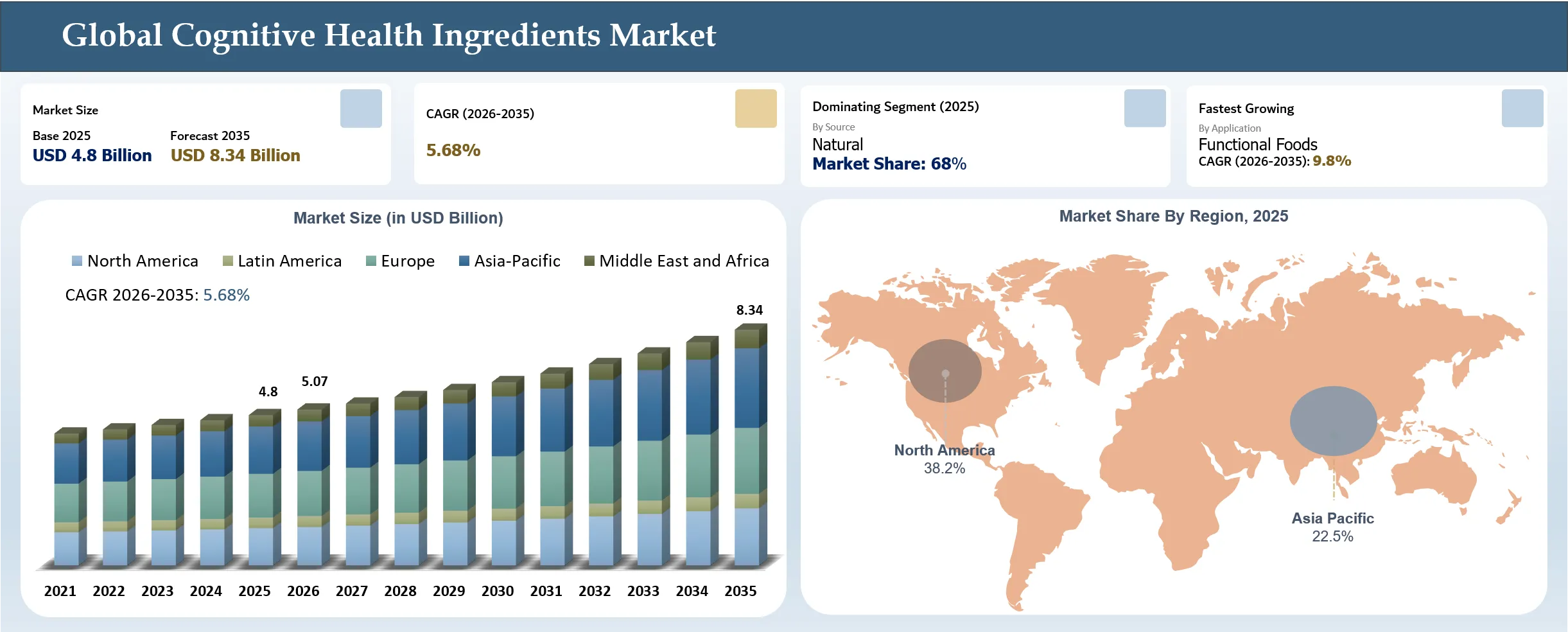
The global cognitive health ingredients market reached USD 4.8 billion in 2025 and is expected to reach USD 8.34 billion by 2035, growing with a CAGR of 5.68% during the forecast period 2026-2035. The market expansion is supported by increasing scientific validation of cognitive-health ingredients, specifically omega-3 fatty acids that are part of brain health supplements. In August 2025, according to Nature, a study conducted a systematic review and dose-response meta-analysis of 58 randomized controlled trials and discovered that an increase in the dosage of omega-3 to 2,000 mg per day led to significant improvements in such functions as attention (SMD 0.98), primary memory (SMD 0.87), visuospatial ability (SMD 0.86), and global cognition (SMD 1.08). However, the authors of the study pointed out that further research with longer duration and better design was needed. The studies analyzed showed that the dosage of omega-3 used ranged from 230 to 4,950 mg per day and the intervention lasted for 4-160 weeks, reinforcing the relevance of dosage and formulation considerations for cognitive-health ingredient development.
With the increasing use of clinically approved components in brain health formulations, there is rising demand for specific cognitive health products. In January 2026, according to Cognizin – Kyowa Hakko USA, Cognizin (citicoline) was listed as a "Functional Ingredient to Watch in 2026" by Mintel and Black Swan Data, emphasizing the importance of this ingredient for brain health. According to the source, 65% of global product launches containing Cognizin reported brain or nervous system benefits. Product launches were concentrated in North America (49%) and Europe (34%). In terms of the type of products, Cognizin was mostly contained in nutrition drinks (36%), energy drinks (32%), and supplements (23%), demonstrating increasing adoption of citicoline across cognitive-health products.
White-Space Opportunities for Evidence-Based Cognitive Health Ingredients and Brain–Gut Health Solutions
In May 2025, the European Commission adopted the Horizon Europe Work Programme 2025 – Health with a strong emphasis on brain health, mental health, disease prevention, healthier diets, and innovative health interventions, creating white-space opportunities for the Cognitive Health Ingredients Market. The highest investment focus is directed toward large-scale collaborative health research and the European Partnership for Brain Health, which supports research and innovation addressing brain-related diseases and disorders, while other priority areas include mental health, nutrition and healthy diets, health promotion and disease prevention, personalised medicine, infectious diseases, and digital health technologies. The programme provides funding through multiple Horizon Europe calls, creating opportunities for companies developing evidence-based nutritional and functional ingredients that target cognition, mental wellbeing, healthy ageing, and the gut–brain axis. This funding environment can particularly benefit ingredient developers such as Kyowa Hakko Bio (Cognizin/citicoline), DSM-Firmenich, Gnosis by Lesaffre, Lonza, and Kerry, as well as companies developing omega-3, botanical, vitamin, probiotic, and other science-backed ingredients for cognitive-health applications.
The investment also creates opportunities across the broader cognitive-health innovation ecosystem, particularly where clinical validation, nutrition science, microbiome research, personalised nutrition, and digital health intersect. Companies such as DSM-Firmenich, Kerry, and BASF can benefit from opportunities in scientifically validated nutritional ingredients, functional formulations, and personalised nutrition; Kyowa Hakko Bio can benefit from growing research and product development around citicoline-based cognitive-health applications; Gnosis by Lesaffre can benefit from microbiome, probiotics, and nutritional-health research; while DSM-Firmenich, ADM, and Ingredion are positioned across nutrition, functional ingredients, and formulation solutions. In the omega-3 and lipid-based cognitive-health area, companies such as Corbion, KD Pharma, and Epax can benefit from research and product development involving DHA/EPA and specialised nutritional lipids. In the botanical and plant-based ingredient area, Indena, Naturex/Givaudan, and Sabinsa can benefit from increasing demand for evidence-backed botanical solutions targeting cognitive performance and healthy ageing. In the microbiome and probiotic area, Chr. Hansen, Novonesis, and ADM can benefit from research connecting gut health, nutrition, and brain health. Meanwhile, pharmaceutical and biotechnology companies such as Sanofi, Roche, Bayer, Biogen, and UCB can participate in neurological and mental-health research, while Siemens Healthineers, Philips, GE HealthCare, and Evidation Health can benefit from opportunities involving biomarkers, diagnostics, digital monitoring, AI, and data-driven health research.
Cognitive Health Ingredients Market Key Takeaways
- North America held the largest global market share at 38.2% in 2025. Its market dominance is reinforced by high consumer awareness and established dietary supplement distribution networks.
- The natural sources segment led the global market, accounting for a 68% share in 2025. This dominance is primarily driven by expanding consumer preference for plant-based, marine-based, and botanical bioactive substances.
- Rising consumer awareness of brain health stands out as the single largest market driver, carrying a 28% growth impact. High demand is concentrated among adult and elderly populations seeking preventive aging solutions.
- In global product launches featuring Cognizin, 65% specified explicit brain or nervous system benefits. Launch volume was highest in North America (49%) and Europe (34%), led by nutrition drinks (36%) and energy drinks (32%).
Cognitive Health Ingredients Market Industry Trends and Strategic Insight
- Ingredient portfolios are moving beyond traditional memory-support positioning toward formulations addressing focus, mental clarity, mood, stress resilience, sleep, metabolic health, and healthy aging through interconnected biological pathways.
- Manufacturers are increasingly prioritizing ingredients with defined biological mechanisms and measurable cognitive endpoints rather than broad “brain health” positioning, strengthening the commercial value of clinically characterized actives.
- Ingredient suppliers are investing in human clinical research, standardized extracts, biomarkers, and cognitive testing to provide stronger substantiation for claims related to memory, attention, focus, and mental performance.
- Differences in permitted cognitive-health claims and ingredient status across markets are encouraging suppliers to build stronger scientific dossiers, carefully define claims, and develop formulations that can meet region-specific regulatory requirements.
- Suppliers are placing greater emphasis on traceable raw materials, responsible cultivation or harvesting, and controlled supply chains to reduce variability and improve the long-term reliability of cognitive ingredient sourcing.
Cognitive Health Ingredients Market Scope
| Metrics | Details | |
| 2025 Market Size | USD 4.8 Billion | |
| 2035 Projected Market Size | USD 8.34 Billion | |
| CAGR (2026-2035) | 5.68% | |
| Largest Market | North America | |
| Fastest Growing Market | Asia-Pacific | |
| By Ingredient | Omega-3 Fatty Acids (DHA/EPA), Phosphatidylserine and Phospholipids, Vitamins and Minerals, Botanical and Herbal Extracts, Amino Acids, Choline-Based Ingredients, Probiotics and Prebiotics, Nootropic Compounds, Other | |
| By Form | Capsules, Tablets, Powders, Liquids, Gummies, Others | |
| By Source | Natural, Synthetic | |
| By Cognitive Function | Memory Enhancement, Focus and Concentration, Cognitive Performance, Mental Clarity and Alertness, Mood and Stress Management, Others | |
| By Application | Dietary Supplements, Functional Foods, Functional Beverages, Pharmaceuticals, Medical Nutrition, Sports Nutrition, Infant and Maternal Nutrition, Others | |
| By End User | Children and Adolescents, Adults, Elderly, Other Age Groups | |
| By Region | North America | U.S., Canada, Mexico |
| Europe | Germany, UK, France, Spain, Italy, Poland | |
| Asia-Pacific | China, India, Japan, Australia, South Korea, Indonesia, Malaysia | |
| Latin America | Brazil, Argentina | |
| Middle East and Africa | UAE, Saudi Arabia, South Africa, Israel, Türkiye | |
| Report Insights Covered | Competitive Landscape Analysis, Company Profile Analysis, Market Size, Share, Growth | |
Cognitive Health Ingredients Market Disruption Analysis
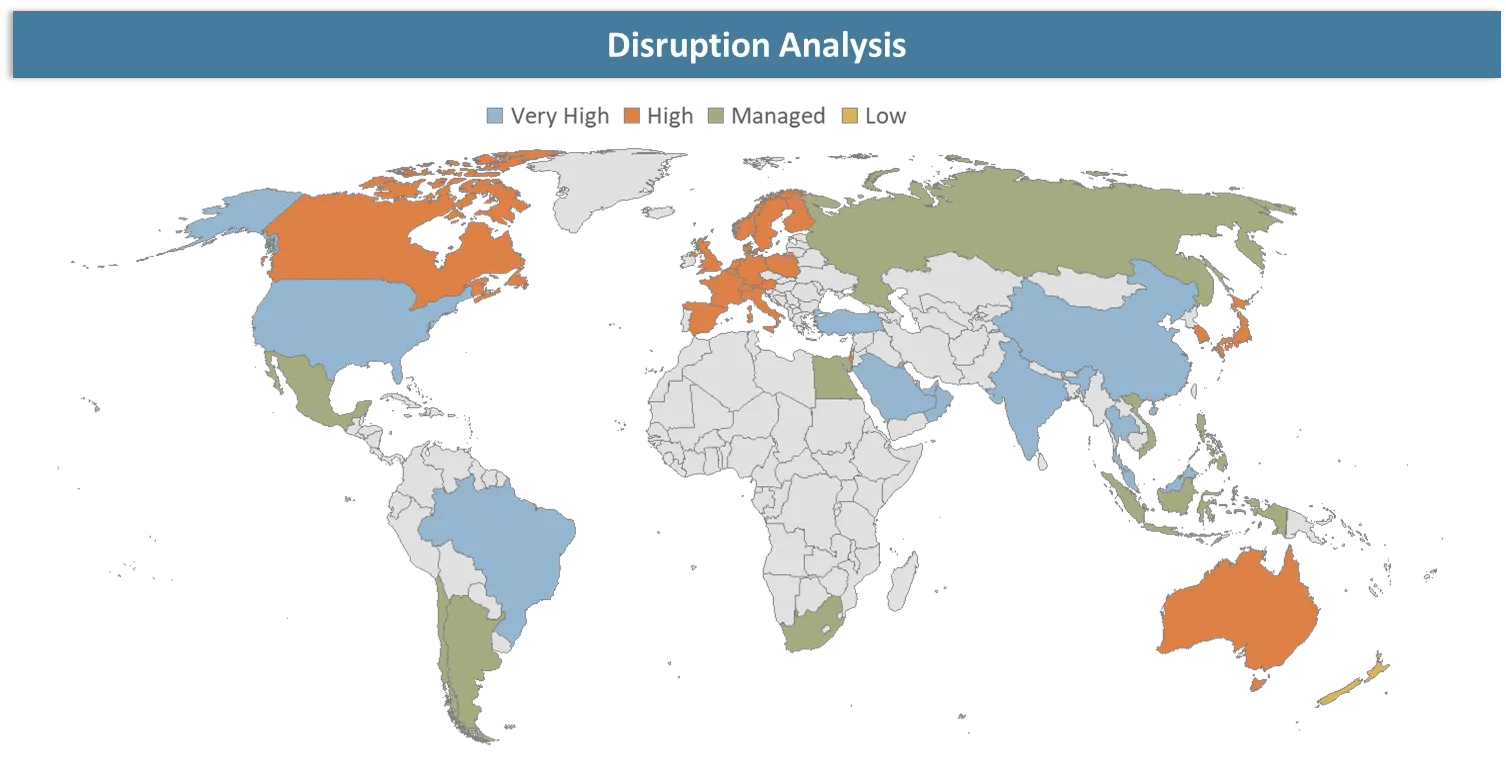
AI- and Data-Driven Personalized Cognitive Nutrition Reshaping the Cognitive Health Ingredients Landscape
The disruption in the cognitive health ingredients market is linked to the adoption of artificial intelligence, nutrition information, health biomarkers, and a personalized interventions approach, moving away from traditional approaches of selecting ingredients based on generalization and towards individualized nutrition approaches. In July 2025, according to PubMed, an analysis of 374 participants between 19 and 82 years of age was conducted using different machine learning models to predict the level of cognitive performance in relation to demographic characteristics, anthropometric factors, dietary habits, physical activity, and blood pressure measures. Based on the random forest algorithm, an average absolute error of 0.78 ms was found in the testing sample, while the age (importance feature value 0.208), diastolic blood pressure (0.169), BMI (0.079), systolic blood pressure (0.069), and Healthy Eating Index score (0.048) were found to be the top predictors.
Furthermore, wearable-based digital biomarkers are bringing in a new layer of disruption by facilitating the gathering of information about physiology, behavior, and environment that may help personalize the intervention for improved cognitive health. In January 2026, according to Nature, a study in npj Digital Medicine tracked 82 cognitively healthy adults for ten months, gathered data on 21 cognitive and mental health outcomes, and recorded over 96% average daily wearables-data coverage. The error rates in AI prediction of the outcomes varied between 3.22% and 25.33%, while attention, cognitive flexibility, and verbal fluency showed significant improvement compared to the naive model; predictors that were more useful included 24-hour heart rate, sleep, pollution, and weather metrics. This innovation is disrupting traditional cognitive-ingredients positioning by creating possibilities for data-driven combinations of omega-3s, vitamins, minerals, plant extracts, choline-containing ingredients, probiotics, and other biologically active substances, customized for individual cognitive and physiological characteristics rather than consumer segments.
Cognitive Health Ingredients Market BCG Matrix: Company Evaluation
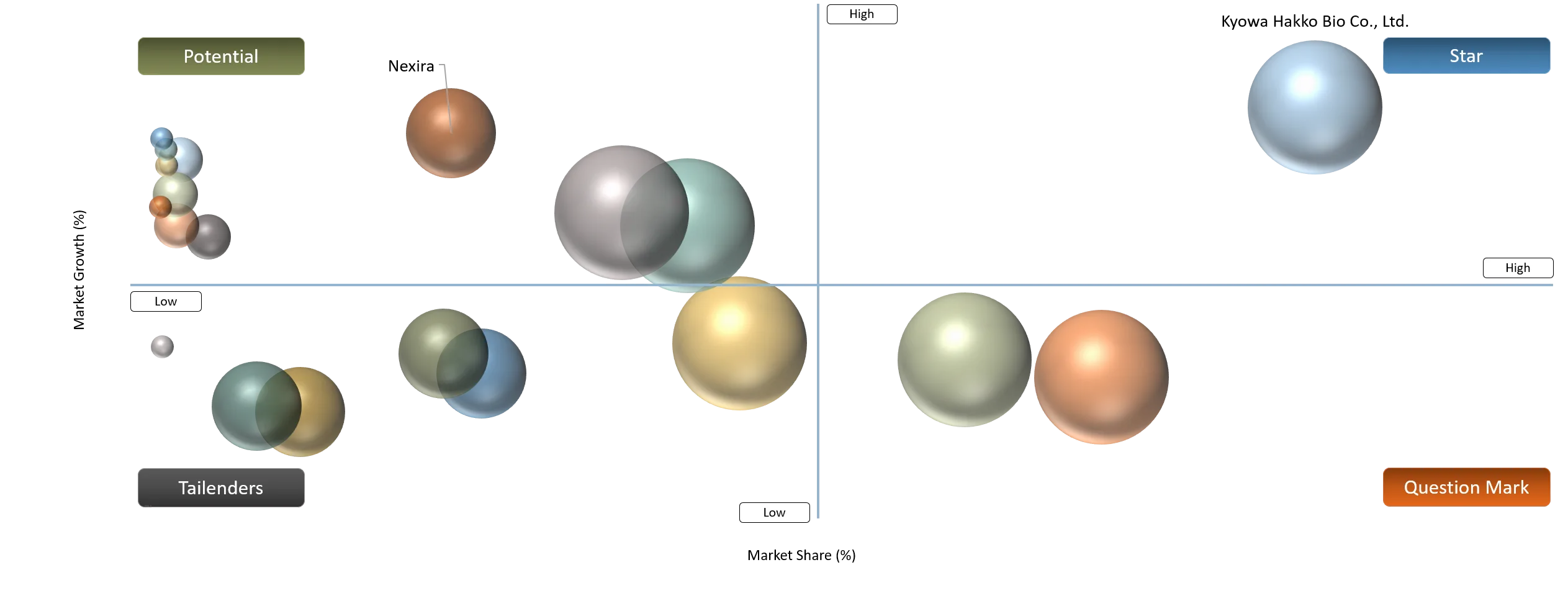
Stars include Kyowa Hakko Bio Co., Ltd., dsm-firmenich AG, Kemin Industries, and IFF Health Sciences, as these companies have strong positions in cognitive-health ingredients through established branded actives, broad ingredient portfolios, clinical research capabilities, and extensive global distribution networks. Their ability to combine ingredient manufacturing, scientific substantiation, formulation expertise, and global customer relationships supports their position in the high-growth cognitive-health ingredient landscape. Question Marks include Sabinsa Corporation, Indena S.p.A., Gnosis by Lesaffre, Balchem Corporation, and Givaudan, which have differentiated cognitive-health ingredients and established nutraceutical capabilities but operate across broader specialty-ingredient portfolios.
Potential includes Nexira, PLT Health Solutions, AIDP, Inc., and Aker BioMarine, which possess specialized ingredients and technologies applicable to cognitive health but have comparatively narrower cognitive-health portfolios or more focused market exposure. Their growth potential is supported by increasing demand for differentiated ingredients, although broader market penetration and stronger positioning against diversified global ingredient suppliers remain important factors. Tailenders are not assigned among the companies provided, because all listed companies have identifiable participation in cognitive-health ingredients or adjacent ingredient categories.
Cognitive Health Ingredients Market Dynamics
Driver Impact Analysis
| Driver | Market Growth Impact (%) | Demand Concentration | Impacted Use Case | Strategic Impact |
Rising Consumer Awareness of Brain Health | 28% | High – Adults and elderly consumers, particularly preventive-health users | Memory support, healthy brain aging, cognitive wellness supplements | Drives demand for clinically substantiated ingredients and expands cognitive nutrition from treatment-oriented products toward preventive daily consumption. |
Growing Demand for Natural Nootropic Ingredients | 24% | High – Natural-product and clean-label consumers | Botanical supplements, stress and focus formulations, natural cognitive products | Increases investment in standardized botanical extracts, sustainable sourcing, active-compound consistency, and clinical validation of natural ingredients. |
Increasing Demand for Memory and Focus Enhancement | 22% | Very High – Working professionals, students, adults, and aging consumers | Focus, concentration, mental alertness, memory, and productivity formulations | Accelerates development of targeted ingredient combinations involving citicoline, omega-3s, phospholipids, amino acids, and botanical bioactives. |
Expansion of Functional Foods and Beverages | 14% | Moderate to High – Younger consumers and convenience-oriented users | Functional beverages, nutrition bars, fortified foods, powders, and ready-to-drink products | Creates demand for ingredients with high solubility, sensory neutrality, processing stability, and compatibility with mainstream food and beverage manufacturing. |
Growing Scientific Research on Cognitive Ingredients | 12% | High – Premium nutraceutical and evidence-focused product manufacturers | Clinically positioned supplements, medical nutrition, healthy-aging formulations | Strengthens the competitive value of human clinical evidence, standardized active compounds, proprietary formulations, and regulatory-compliant cognitive claims. |
Rising Consumer Awareness of Brain Health
The growing focus on brain health and cognitive preservation is strengthening demand for cognitive-health ingredients as consumers increasingly recognize cognitive function as an important component of overall health and healthy aging. In May 2026, according to Drugs.com, based on a special report by the Alzheimer’s Association entitled “Brain Health in America”, 88% of US adults aged 40 years and above find it important to keep their brains healthy as they age. Furthermore, 99% find brain health to be at least as important as physical health. Also, 75% find that lifestyle choices can play a critical role in keeping the brain healthy.
However, Drugs.com highlighted another gap in consumer knowledge: only 9% of consumers said they know a lot about maintaining brain health. This presents a possibility for ingredient suppliers who provide cognitive health ingredients to educate consumers and offer scientific, evidence-based products that contain omega-3 fatty acids, botanicals, vitamins, minerals, phospholipids, choline-containing ingredients, and other cognitive actives. The survey also revealed that only 39% of consumers maintain healthy diets on a daily or near-daily basis, 42% are mentally stimulated daily or near-daily, and 34% are physically active daily or near-daily, highlighting substantial room for preventive nutrition and brain-health interventions.
Restraint Impact Analysis
| Restraint | Drag on Market Growth (%) | Primary Impact Area | Impacted Use Case | Strategic Impact |
Safety and Ingredient Quality Concerns | 28% | Product safety, quality control, and regulatory compliance | Dietary supplements, nootropic formulations, botanical products | Increases requirements for ingredient authentication, contaminant testing, standardized potency, supplier qualification, and batch traceability. |
Inconsistent Efficacy Across Ingredients | 26% | Clinical validation and product credibility | Memory enhancement, focus, cognitive performance, healthy aging | Limits repeat purchases and claim differentiation, increasing pressure on suppliers to generate ingredient-specific human clinical evidence. |
Complexity in Health-Claim Substantiation | 25% | Regulatory approval and scientific substantiation | Dietary supplements, functional foods, functional beverages | Restricts commercialization of aggressive cognitive claims and requires evidence that directly supports the specific ingredient, dosage, population, and claimed cognitive benefit. |
Consumer Misinformation and Skepticism | 21% | Consumer trust and purchase confidence | Brain-health supplements, memory products, online cognitive-health products | Creates demand for transparent labeling, scientifically credible communication, third-party testing, and stronger differentiation between evidence-based and unsupported products. |
Safety and Ingredient Quality Concerns
One of the key factors restraining the cognitive health ingredients market is the risk of ingredient adulteration, inaccurate labeling, inconsistent potency, and the presence of unauthorized compounds in products marketed for cognitive enhancements. In August 2026, according to Ahram Online in reference to the study published in JAMA Internal Medicine, scientists tested five different cognitive health enhancement supplements purchased via online retail sites and detected that four out of them contained piracetam, which was not allowed to be sold in the US for cognitive improvement purposes. There were 10 samples produced by four different manufacturers and containing between 831 mg to 1,542 mg of piracetam per dose recommendation, but the actual levels of the compound varied between 85% and 188% of the ones declared on the labels. Such inconsistencies indicate how poor verification and labeling of ingredients can be detrimental to both consumer trust and risk management within the cognitive health ingredients industry.
In addition, consumer adherence to the dosage recommendations by the manufacturers may result in daily exposure to 831 mg to 11,283 mg of piracetam, depending on the specific product. The results indicate the dangers associated with lack of proper quality control in an area of rapidly growing popularity – the cognitive enhancement segment, where it is hard for consumers to validate the presence of the active ingredient and its purity independently. This creates additional challenges in terms of raw material authentication, contaminant screening, active concentration standardization, batch traceability, testing, and regulatory compliance for manufacturers of cognitive health ingredients.
Cognitive Health Ingredients Market Segmentation Analysis
The global cognitive health ingredients market is segmented based on ingredient, form, source, cognitive function, application, end user, and region.
Growing Preference for Natural Ingredients Driving Dominance in the Cognitive Health Ingredients Market
The natural segment dominates the cognitive health ingredients market, comprising about 68% of the market share in 2025. This is because consumers' preference for natural bioactive substances is growing; hence, cognitive health ingredient producers are relying on the increased demand for plant-based, marine-based, and natural ingredients in their formulations. This implies that there will be more botanical extracts, omega-3 fatty acids, probiotics, and naturally derived phospholipids being incorporated in nutraceutical products designed for improving memory, concentration, and brain health. In July 2025, Nutritional Outlook highlighted botanical nootropics as increasingly important to cognitive-health innovation, with plant- and fungi-derived ingredients such as Bacopa, ashwagandha, lion's mane, ginkgo, and other botanicals gaining greater attention in nutraceutical formulations.
In parallel, growing scientific studies and analysis on natural ingredients are enhancing their business position in both dietary supplement and functional nutrition applications. In June 2026, according to PubMed, a study of Integrative and Complementary Medicine involved a systematic review and meta-analysis of 49 controlled studies based on 20 Ayurvedic botanicals with specific evidence in Bacopa monnieri in cognitive applications and Withania somnifera (ashwagandha) in stress and sleep applications. The combination of increased scientific literature and the requirement of clean label and natural sources of ingredients is further solidifying the position of the Natural Segment. Consequently, the ingredient suppliers are concentrating on standardized botanical extracts, source tracking, controlled concentration of active ingredients, and scientifically validated natural ingredients.
Cognitive Health Ingredients Market Geographical Penetration
Strong Consumer Focus on Brain Health and Product Innovation Driving North American Market Leadership
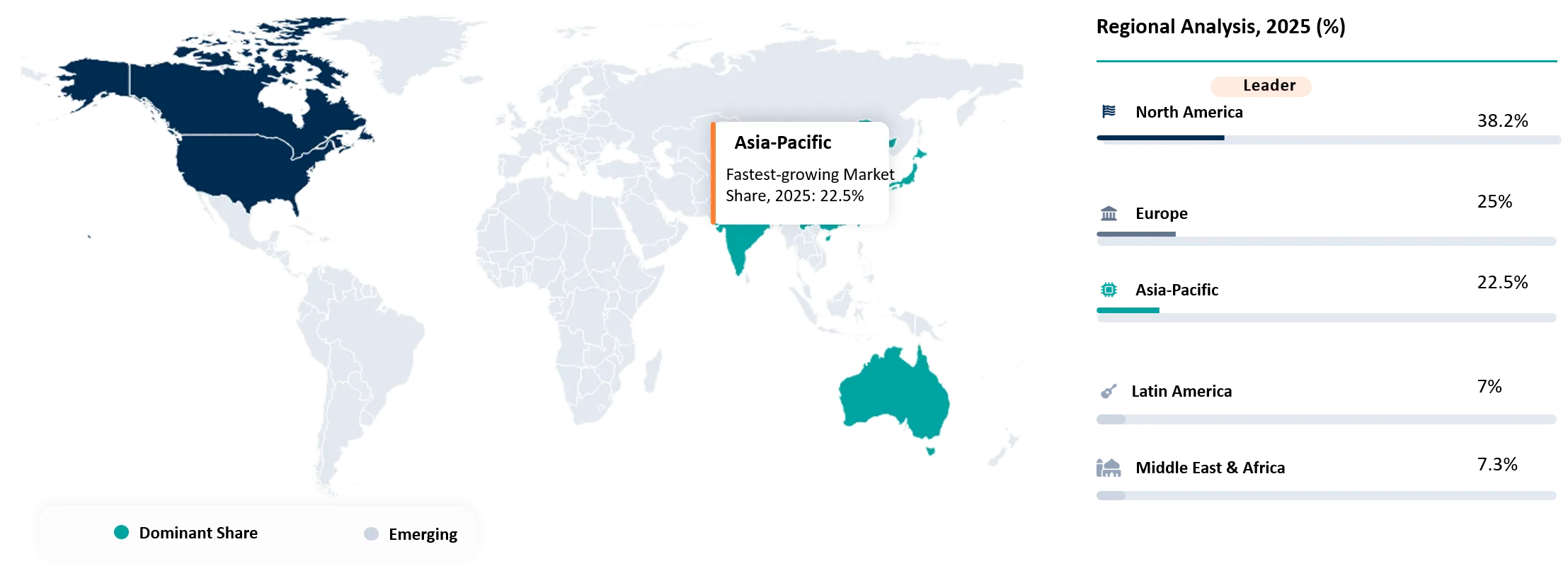
The North American region dominates the cognitive health ingredients market, accounting for an estimated 38.2% market share in 2025, supported by strong consumer awareness of brain health, an established dietary supplement industry, and the presence of major ingredient suppliers and branded cognitive-health products. The region benefits from increasing adoption of preventive approaches to cognitive wellness among adults and aging populations. In April 2026, according to Alzheimer's, based on a survey of more than 3,800 U.S. adults aged 40 and older, 88% considered maintaining brain health as they age very important, while 99% considered brain health equally or more important than physical health. In addition, 75% considered lifestyle behaviors such as diet, physical activity, sleep, and mental stimulation very important for maintaining brain health, creating a strong consumer environment for nutrition-based cognitive-health solutions and ingredients.
The increasing demand for science-backed cognitive wellness solutions is encouraging companies to introduce advanced formulations targeting multiple aspects of brain function. In October 2025, BioAdaptives, Inc., a U.S.-based science-driven natural health and wellness company, commercially launched MyndMed, a cognitive-support dietary supplement, following successful pilot testing. The product combines nutrients targeting key cognitive pathways, including cholinergic function, neuronal energy metabolism, antioxidant defenses, and neuroplasticity. MyndMed is designed to support short-term benefits such as sustained alertness, calm focus, and memory, mid-term improvements in synaptic efficiency and cognitive processing speed, and long-term support for cellular energy, antioxidant balance, and neuroprotection.
U.S. Cognitive Health Ingredients Market Trends
The U.S. holds a dominant position in the cognitive health ingredients market, supported by its well-established dietary supplement ecosystem, advanced nutraceutical product development capabilities, and the presence of major ingredient suppliers and branded cognitive-health product manufacturers. Strong consumer interest in preventive wellness and healthy aging is accelerating the development of ingredients targeting memory, focus, mental clarity, and overall cognitive performance. The country's established research infrastructure and extensive supplement distribution channels also enable faster commercialization of clinically positioned cognitive ingredients across dietary supplements and functional nutrition products.
The expanding retail distribution of brain-health supplements and functional beverages is improving consumer accessibility to cognitive wellness products across major markets. In October 2025, Synergy CHC Corp., a U.S.-based consumer health and wellness company, expanded the distribution of its FOCUSfactor brain-health supplements and FOCUSfactor Focus + Energy functional beverages across the U.S., Canada, and international markets. In the United States, Kroger planned to launch three FOCUSfactor SKUs across 1,600 locations, while Wakefern Food Corp. planned to introduce five Focus + Energy SKUs across 365 locations. Additional distribution included three SKUs across 75 Velocity locations, two SKUs across 41 RL Jordan Oil locations, and three SKUs across 110 Seasons Cobia locations. In Canada, Uniprix planned to launch FOCUSfactor supplements across 300 stores, while Fortinos and Pilot Flying J added distribution across 24 and 56 locations, respectively.
Canada Cognitive Health Ingredients Market Outlook
Canada is an emerging market in the cognitive health ingredients market, supported by its established natural health products sector, consumer preference for preventive nutrition, and regulatory framework for licensed natural health products. The country has a strong ecosystem for botanical extracts, omega-3 fatty acids, phospholipids, vitamins, and other naturally derived ingredients used in cognitive-health formulations. Canada's emphasis on product licensing and ingredient evaluation also supports the commercialization of scientifically positioned cognitive-health products, while domestic nutraceutical companies and international suppliers continue to expand their presence across supplements and specialized brain-health applications.
The growing demand for scientifically standardized and high-potency natural ingredients is driving innovation in cognitive and neurocognitive health formulations. In June 2026, Nammex Mushrooms, a Canada-based functional mushroom ingredient supplier, launched ErinaPrime, a 100% pure freeze-dried Lion’s Mane mycelium ingredient for cognitive and neurocognitive health applications. The ingredient was developed through a partnership with Novelara, a mushroom science and research company, and is manufactured by Grape King Bio, a Taiwan-based biotechnology company specializing in mushroom mycelium technologies. ErinaPrime is standardized to 1% erinacine A, equivalent to 10 mg/g, and contains more than 90 times the erinacine A content of the average Lion’s Mane samples evaluated.
Expanding Nutraceutical Innovation and Growing Brain Health Awareness Strengthening Asia-Pacific Market Development
The Asia-Pacific is one of the major regions in the cognitive health ingredients market, accounting for an estimated 22.5% share of the global market in 2025, supported by the region's expanding nutraceutical manufacturing base, increasing consumer focus on preventive health, and long-standing use of botanical and traditional medicinal ingredients. Countries including Japan, China, South Korea, Australia, and India provide a strong ecosystem for the development and commercialization of omega-3 fatty acids, botanical extracts, probiotics, phospholipids, vitamins, and other cognitive-health ingredients. The combination of established traditional medicine knowledge and modern clinical research is enabling manufacturers to develop differentiated cognitive-health formulations targeting memory, focus, mental clarity, stress management, and healthy aging.
The growing emphasis on clinically validated and scientifically substantiated ingredients is driving innovation in the cognitive health market. In December 2025, Famenity Co., Ltd., a South Korea-based research and development company specializing in functional ingredients for health supplements, highlighted its Brain Factor-7 (BF-7), a low-molecular-weight silk fibroin peptide complex developed for cognitive-health applications. BF-7 is supported by more than 12 independent human studies across different age groups, demonstrating benefits related to memory, learning ability, cognitive performance, focus, and mental resilience. The ingredient is recognized as a New Dietary Ingredient (NDI) in the United States, licensed through Health Canada (NPN), and acknowledged by South Korea's Ministry of Food and Drug Safety (MFDS) as an Individually Recognized Functional Ingredient.
Japan Cognitive Health Ingredients Market Trends
Japan holds a strong position in the Asia-Pacific cognitive health ingredients market, supported by its advanced nutraceutical industry, established healthy-aging ecosystem, and strong capabilities in developing scientifically characterized functional ingredients. The country's aging population and long-standing consumer acceptance of functional foods have created a favorable environment for ingredients targeting memory, attention, mental performance, and age-related cognitive health. Japanese ingredient manufacturers also maintain significant expertise in fermentation-derived bioactives, omega-3 ingredients, phospholipids, probiotics, and botanical extracts, enabling the development of differentiated cognitive-health formulations.
The increasing international commercialization of science-backed cognitive-health ingredients is expanding their application across dietary supplements and brain-health formulations. In July 2026, Kirin Holdings Company, Limited, a Japan-based global food, beverage, health science, and pharmaceutical holding company, partnered with Blackmores Limited, an Australia-based natural health and dietary supplement company and Kirin Group subsidiary, to launch cognitive-support supplements containing Cognizin Citicoline from Kyowa Hakko Bio Co., Ltd., a Japan-based biotechnology and functional ingredient company within the Kirin Group. The products, Blackmores Cognition Ultra in Australia and Blackmores Ultra Brain Care in New Zealand, contain 250 mg of Cognizin Citicoline per tablet, with a recommended intake of two tablets daily.
Cognitive Health Ingredients Market Competitive Landscape
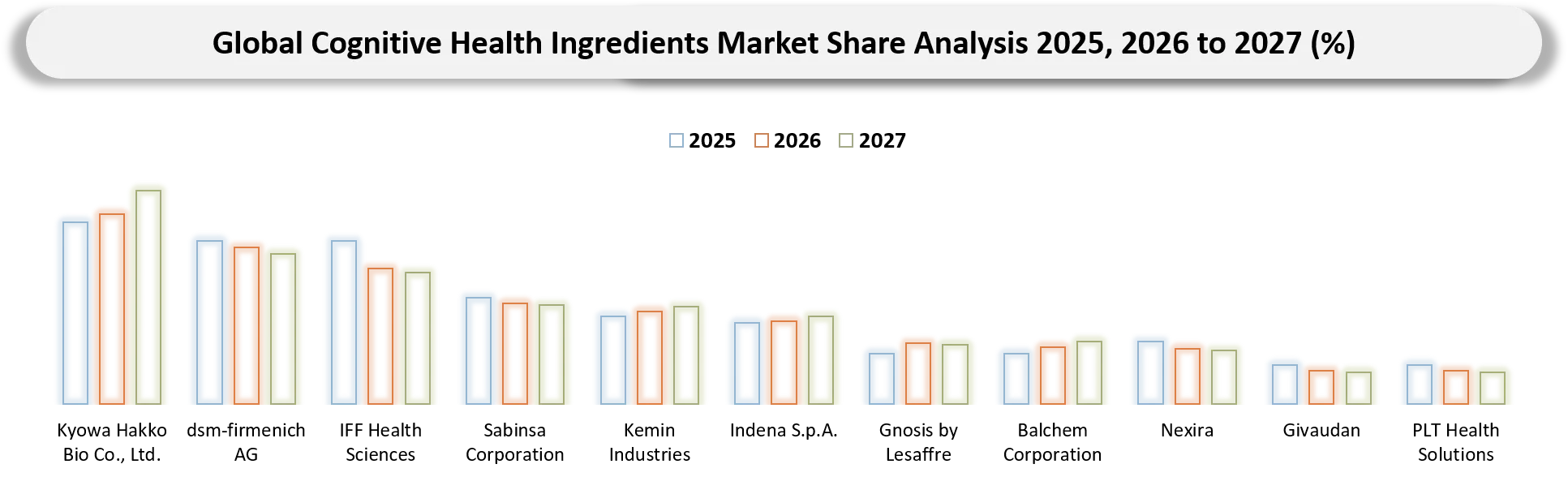
- The cognitive health ingredients market is characterized by three key participant groups: diversified global nutrition and health ingredient suppliers, specialized botanical and natural bioactive manufacturers, and branded cognitive-ingredient developers. Kyowa Hakko Bio Co., Ltd., dsm-firmenich AG, IFF Health Sciences, Kemin Industries, and Aker BioMarine have strong positions through their broad scientific capabilities, proprietary ingredients, clinical research programs, and global distribution networks. Meanwhile, companies such as Sabinsa Corporation, Indena S.p.A., Gnosis by Lesaffre, Balchem Corporation, Nexira, Givaudan, PLT Health Solutions, and AIDP, Inc. focus on differentiated botanical extracts, choline compounds, fermentation-derived ingredients, omega-3s, minerals, and specialized formulation technologies. This creates a science-driven and innovation-focused competitive environment where clinical substantiation, ingredient standardization, intellectual property, and formulation compatibility determine competitiveness.
- Key players include Kyowa Hakko Bio Co., Ltd. (Japan), dsm-firmenich AG (Switzerland), IFF Health Sciences (U.S.), Sabinsa Corporation (U.S.), Kemin Industries (U.S.), Indena S.p.A. (Italy), Gnosis by Lesaffre (France), Balchem Corporation (U.S.), Nexira (France), Givaudan (Switzerland), PLT Health Solutions (U.S.), AIDP, Inc. (U.S.), and Aker BioMarine (Norway).
Key Developments
- July 2026: dsm-firmenich, a Swiss-Dutch nutrition, health, and beauty ingredients company, partnered with Nous, an Italy-based food-tech startup specializing in next-generation functional food ingredients, to accelerate the global commercialization of Koncentra, a botanical functional ingredient designed to support energy, focus, mood, and cognitive performance.
- May 2026: Bel Group, a France-based global dairy, fruit, and vegetable snacking company headquartered in Suresnes, France, acquired Brainiac and Little Brainiac, the brain-health snack brands of Ingenuity Foods, a U.S.-based functional food and nutrition company.
- August 2026: Edible Garden AG Incorporated, a U.S.-based controlled-environment agriculture (CEA) and sustainable food company, partnered with Square Roots, a U.S.-based agricultural innovation and technology company specializing in plant science, precision agriculture, and controlled-environment farming, to develop clean-label functional ready-to-drink (RTD) beverages.
- December 2025: Famenity Co., Ltd., a South Korea-based research and development company specializing in functional ingredients for health supplements, highlighted the growing global commercialization of its Brain Factor-7 (BF-7), a low-molecular-weight silk fibroin peptide complex developed for cognitive health applications.
- March 2026: Tokyo Lifestyle Co., Ltd., a Japan-based retailer and wholesaler of beauty, health, and nutritional products, entered into a three-year strategic cooperation agreement with BrainAurora Medical Technology Limited, a China-based digital therapeutics and medical technology company specializing in cognitive impairment solutions.
Key Procurement Priorities and Buyer Evaluation Criteria
- Organizations investing in the Cognitive Health Ingredients Market are increasingly selecting suppliers based on their ability to provide clinically substantiated, standardized, and high-quality ingredients that can support specific cognitive functions such as memory, focus, mental clarity, alertness, and healthy brain aging.
- Procurement decisions are increasingly influenced by the growing demand for natural nootropics, evidence-based nutrition, personalized cognitive health, multi-functional formulations, and clean-label products, requiring suppliers to offer ingredients that align with changing consumer preferences and product-development strategies.
- Buyers evaluate factors such as clinical evidence, ingredient identity and purity, standardized active concentrations, safety profiles, batch-to-batch consistency, regulatory documentation, and permitted health-claim support when selecting cognitive-health ingredient suppliers.
Why Choose DataM?
- Technological and Ingredient Innovations: Explores advancements in cognitive-health ingredients, including clinically standardized botanical extracts, phospholipids, omega-3 fatty acids, choline-based ingredients, probiotics, and novel bioactives supporting memory, focus, mental clarity, and healthy brain aging.
- Ingredient Performance & Market Positioning: Evaluates how different suppliers differentiate their cognitive-health ingredients based on clinical substantiation, bioavailability, ingredient purity, active-compound standardization, formulation compatibility, and targeted cognitive benefits.
- Real-World Evidence: Highlights the application of cognitive-health ingredients across dietary supplements, functional foods, functional beverages, medical nutrition, and specialized wellness products, demonstrating their role in supporting memory, concentration, alertness, mood, and cognitive performance.
- Market Updates & Industry Changes: Tracks key developments, including new ingredient launches, clinical research, strategic partnerships, acquisitions, regulatory developments, and advances in personalized nutrition and brain-health product development across major global markets.
- Competitive Strategies: Analyzes how leading companies strengthen their market position through proprietary branded ingredients, clinical validation, sustainable sourcing, formulation technologies, strategic partnerships, and expansion into emerging cognitive-health applications.
- Pricing & Market Access: Examines pricing variations based on ingredient type, clinical evidence, purity, extraction or production technology, standardization levels, and proprietary technologies, along with market access through nutraceutical manufacturers, dietary supplement brands, functional food producers, and healthcare distribution channels.
- Market Entry & Expansion: Identifies growth opportunities driven by rising consumer awareness of brain health, demand for natural nootropics, healthy aging, preventive nutrition, personalized cognitive wellness, and functional food innovation, while outlining strategies such as clinical differentiation, regulatory compliance, strategic partnerships, and geographic expansion.
Target Audience
- Cognitive Health Ingredient Manufacturers and Suppliers
- Nutraceutical and Dietary Supplement Manufacturers
- Functional Food and Beverage Manufacturers
- Pharmaceutical and Medical Nutrition Companies
- Research and Development Teams
- Ingredient Procurement and Sourcing Managers
- Investors and Private Equity Firms


























































