


Chronic Rhinosinusitis with Nasal Polyps (CRSwNP) Treatment Market Size and Overview
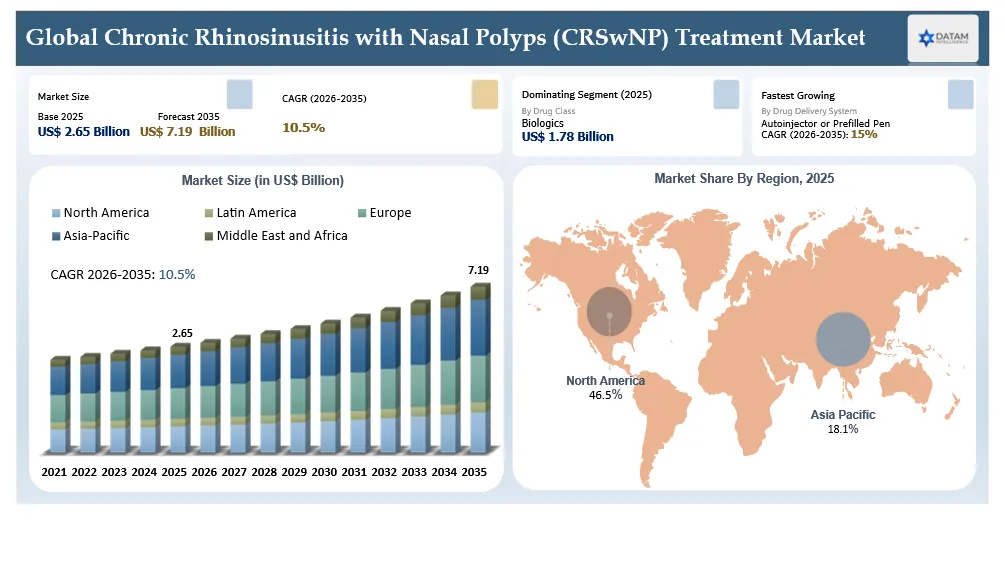
The global chronic rhinosinusitis with nasal polyps (CRSwNP) treatment market reached US$2.65 billion in 2025 and is expected to reach US$7.19 billion by 2035, growing with a CAGR of 10.5% during the forecast period 2026-2035.
Market expansion is increasingly being driven by rising biologic penetration, longer treatment duration and greater recognition of uncontrolled disease among patients experiencing recurrent polyps, persistent loss of smell, systemic corticosteroid dependence or repeated sinus surgery. The treatment paradigm is shifting from repeated corticosteroid courses and surgery toward targeted, long-term biologic management. Dupixent, Xolair and Nucala established IL-4/IL-13, IgE and IL-5 targeting, while the 2025 U.S. and EU approvals of Tezspire introduced TSLP inhibition into CRSwNP treatment. WAYPOINT data also strengthened the commercial focus on surgery avoidance and corticosteroid reduction, with Tezspire reducing the need for surgery by approximately 98% versus placebo.
Competitive intensity accelerated further in 2026 as GSK’s Exdensur (depemokimab) gained CRSwNP approvals in Japan, the European Union and China. Its twice-yearly dosing profile introduces a differentiated proposition around treatment convenience, adherence and reduced administration burden, potentially reshaping biologic switching and sequencing decisions. The next phase of market competition will center on durable disease control, post-surgical recurrence, smell restoration, steroid- and surgery-sparing outcomes, extended dosing intervals and biomarker-guided treatment selection. Commercial leadership will depend on demonstrating differentiated efficacy across overlapping biologic mechanisms while generating real-world and health-economic evidence capable of supporting premium reimbursement and broader payer access
Chronic Rhinosinusitis with Nasal Polyps (CRSwNP) Treatment Market Key Takeaways
- The market is transitioning from repeated corticosteroid use and surgery-led management toward long-term biologic disease control. Treatment value is increasingly assessed through sustained polyp reduction, restoration of smell, reduced systemic corticosteroid exposure, lower revision-surgery requirements and improved quality of life.
- Dupixent, Xolair and Nucala remain established biologic options, while Tezspire and newer extended-interval therapies are increasing competition around mechanism of action, dosing frequency, treatment persistence and suitability for patients with recurrent or inadequately controlled disease.
- TSLP inhibition and long-acting IL-5 targeting are reshaping the therapeutic landscape by broadening biologic choice beyond established IL-4/IL-13, IgE and IL-5 pathways. Commercial uptake will depend on durability, surgery-sparing evidence, safety, reimbursement and differentiation versus incumbent biologics.
- Biomarker-guided treatment selection, eosinophilic phenotyping, comorbid asthma assessment, prior-surgery status and real-world treatment-response data will increasingly influence biologic sequencing and switching decisions, supporting more personalized CRSwNP management.
- Sustainable competitive advantage will require more than nasal-polyp reduction. Companies demonstrating smell restoration, fewer corticosteroid courses, lower revision-surgery rates, convenient self-administration, durable response and compelling pharmacoeconomic outcomes will be better positioned to secure specialist adoption, formulary access and premium reimbursement.
Chronic Rhinosinusitis with Nasal Polyps (CRSwNP) Treatment Market Industry Trends and Strategic Insights
- The market is transitioning from repeated corticosteroid use and surgery-led management toward long-term biologic disease control. Treatment value is increasingly assessed through sustained polyp reduction, restoration of smell, reduced systemic corticosteroid exposure, lower revision-surgery requirements and improved quality of life.
- Dupixent, Xolair and Nucala remain established biologic options, while Tezspire and newer extended-interval therapies are increasing competition around mechanism of action, dosing frequency, treatment persistence and suitability for patients with recurrent or inadequately controlled disease.
- TSLP inhibition and long-acting IL-5 targeting are reshaping the therapeutic landscape by broadening biologic choice beyond established IL-4/IL-13, IgE and IL-5 pathways. Commercial uptake will depend on durability, surgery-sparing evidence, safety, reimbursement and differentiation versus incumbent biologics.
- Biomarker-guided treatment selection, eosinophilic phenotyping, comorbid asthma assessment, prior-surgery status and real-world treatment-response data will increasingly influence biologic sequencing and switching decisions, supporting more personalized CRSwNP management.
- Sustainable competitive advantage will require more than nasal-polyp reduction. Companies demonstrating smell restoration, fewer corticosteroid courses, lower revision-surgery rates, convenient self-administration, durable response and compelling pharmacoeconomic outcomes will be better positioned to secure specialist adoption, formulary access and premium reimbursement.
Chronic Rhinosinusitis with Nasal Polyps (CRSwNP) Treatment Market Scope
| Metrics | Details | |
| 2025 Market Size | US$2.65 Billion | |
| 2035 Projected Market Size | US$7.19 Billion | |
| CAGR (2026-2035) | 10.5% | |
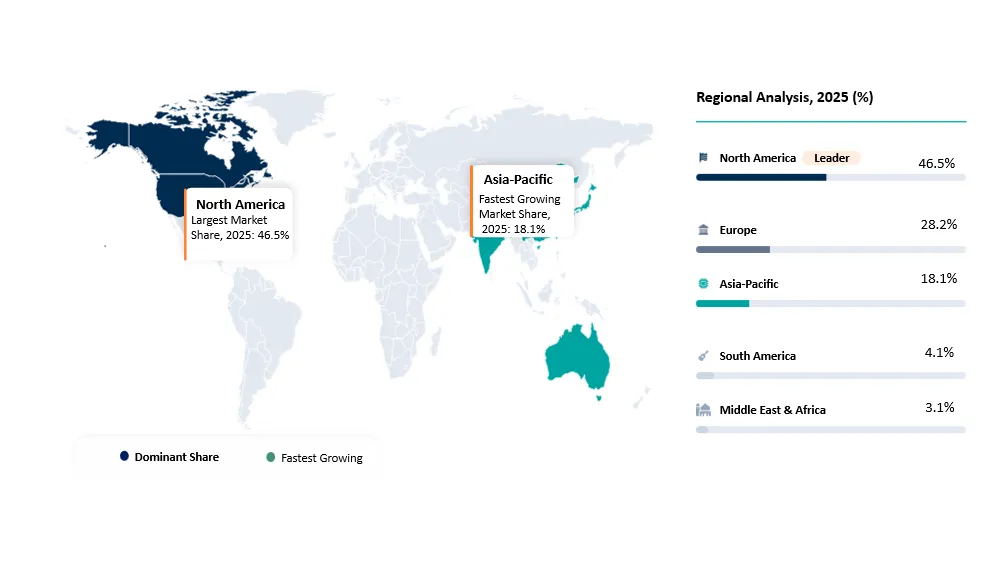
| Largest Market | North America | |
| Fastest Growing Market | Asia-Pacific | |
| By Drug Class | Biologics, Corticosteroids, Leukotriene Modifiers, Other Pharmacological Treatments | |
| By Drug Type | Branded Drugs, Generic Drugs | |
| By Drug Delivery System | Conventional Nasal Spray, Exhalation Delivery System, Nasal Irrigation Delivery, Prefilled Syringe, Autoinjector or Prefilled Pen, Vial-Based Injection, Conventional Oral Delivery, Others | |
| By Route of Administration | Subcutaneous, Intranasal, Oral, Other Routes | |
| By Treatment Approach | Maintenance Therapy, Short-Course or Rescue Therapy | |
| By Age Group | 12-17 Years, 18-44 Years, 45-64 Years, 65 Years and Above | |
| By Therapeutic Setting | Hospital-Based Care, Specialty Clinics, Ambulatory Surgery Centers, Home-Based Care, Others | |
| By Distribution Channel | Hospital Pharmacies, Retail Pharmacies, Specialty Pharmacies, Online Pharmacies, Others | |
| By Region | North America | U.S., Canada, Mexico |
| Europe | Germany, UK, France, Spain, Italy, Poland | |
| Asia-Pacific | China, India, Japan, Australia, South Korea, Indonesia, Malaysia, Singapore, Vietnam, Thailand, Philippines, Taiwan | |
| South America | Brazil, Argentina | |
| Middle East and Africa | Israel, Saudi Arabia, UAE, Turkiye, South Africa, Nigeria | |
| Report Insights Covered | Competitive Landscape Analysis, Company Profile Analysis, Market Size, Share, Growth | |
Why does this report matter in 2026?
The global chronic rhinosinusitis with nasal polyps (CRSwNP) treatment market reached a strategic inflection point in 2026 as biologic competition expanded beyond established therapies such as Dupixent, Xolair and Nucala. Following the U.S. and EU approvals of Tezspire (tezepelumab) for CRSwNP in October 2025, the treatment landscape broadened to include TSLP-targeted therapy, increasing competition around nasal-polyp reduction, symptom control, reduction of systemic corticosteroid use and avoidance of sinus surgery. In 2026, GSK further disrupted the market with Exdensur (depemokimab), an ultra-long-acting anti-IL-5 biologic administered only twice yearly, receiving CRSwNP approvals in Japan, the European Union and China.
Competitive differentiation is increasingly shifting from efficacy alone toward dosing convenience, treatment persistence, biomarker-driven patient selection, steroid-sparing potential, surgery avoidance and durability of disease control. The report helps pharmaceutical companies, investors and market-access teams assess biologic penetration, treatment sequencing, switching dynamics, eligible patient populations, pricing, reimbursement and country-level commercial opportunity. It also benchmarks how mechanism of action, dosing frequency, administration burden, clinical response, recurrence risk, safety and payer evidence will influence future competitive positioning and sustainable value creation.
Chronic Rhinosinusitis with Nasal Polyps (CRSwNP) Treatment Market White Space & Investment Opportunities
- Earlier Identification of Poorly Controlled Patients: Invest in digital symptom tracking, home-based nasal monitoring, predictive analytics and clinical decision-support tools that identify patients with persistent obstruction, smell loss, recurrent corticosteroid use or repeated sinus surgery before disease burden escalates.
- Therapies for Moderate but Persistently Symptomatic Patients: Develop treatment options for patients who remain inadequately controlled on intranasal corticosteroids but do not yet meet conventional thresholds for biologic therapy or repeat surgery, addressing a significant gap between standard medical therapy and advanced treatment.
- Biomarker-Guided and Precision Therapies: Advance biomarker-driven treatment strategies using eosinophils, immunoglobulin E, type 2 inflammatory markers and molecular phenotyping to improve biologic selection, predict treatment response and reduce ineffective trial-and-switch prescribing.
- Steroid- and Surgery-Sparing Treatment Approaches: Invest in therapies capable of providing durable nasal-polyp reduction, restoration of smell and symptom control while reducing systemic corticosteroid exposure, revision endoscopic sinus surgery and long-term treatment burden.
- Treatment-Sequencing and Combination Evidence: Generate comparative evidence defining how intranasal corticosteroids, biologics, short-course systemic corticosteroids and sinus surgery should be sequenced or combined according to disease severity, prior surgery, comorbid asthma, inflammatory phenotype and treatment response.
- Geographic Access and Outcome-Based Reimbursement: Expand specialist access, biologic availability and reimbursement across underserved markets while generating longitudinal evidence linking polyp reduction, improved smell, lower corticosteroid use and surgery avoidance with better quality of life and reduced healthcare utilization.
Chronic Rhinosinusitis with Nasal Polyps (CRSwNP) Treatment Market Future Transformation
The CRSwNP treatment market is entering a multi-mechanism biologic competition phase, moving beyond the established IL-4/IL-13, IgE and IL-5 classes. Tezspire’s 2025 U.S. and EU approvals introduced TSLP blockade, while GSK’s Exdensur gained approvals across Japan, the EU and China in 2026 with twice-yearly dosing, creating a new competitive benchmark around treatment convenience and persistence. In parallel, the arrival of interchangeable omalizumab biosimilar OMLYCLO introduces price pressure within the anti-IgE segment and could broaden payer willingness to reimburse biologic treatment.
Future market leadership will increasingly depend on reducing systemic corticosteroid exposure and repeat sinus surgery, rather than nasal-polyp shrinkage alone. Tezspire’s WAYPOINT program demonstrated a 98% reduction in need for surgery and 89% reduction in systemic corticosteroid treatment versus placebo, strengthening these endpoints as commercial differentiators. Companies will consequently compete through dosing frequency, biologic sequencing, asthma-CRSwNP portfolio synergies, post-surgery positioning, real-world persistence and payer evidence, shifting CRSwNP toward a long-term specialty-biologic management market with increasing price and access competition.
Chronic Rhinosinusitis with Nasal Polyps (CRSwNP) Treatment Market Buyer Decision-Making Criteria
Major Buyer Decision-Making Criteria:
- Magnitude and Durability of Nasal Polyp Reduction
- Improvement in Nasal Obstruction and Congestion
- Restoration and Maintenance of Sense of Smell
- Reduction in Systemic Corticosteroid Requirements
- Ability to Delay or Avoid Endoscopic Sinus Surgery
- Improvement in SNOT-22 and Patient-Reported Outcomes
- Effectiveness in Patients With Comorbid Asthma and Type 2 Inflammation
- Response After Prior Sinus Surgery or Recurrent Disease
- Safety, Tolerability and Long-Term Treatment Persistence
- Dosing Frequency, Self-Administration and Treatment Convenience
- Pricing, Reimbursement, Guideline Positioning and Budget Impact
In the CRSwNP market, prescribing and formulary decisions are increasingly driven by a therapy’s ability to deliver sustained polyp reduction while improving nasal obstruction, smell and disease-specific quality of life. ENT specialists, allergists and payers assess whether treatment can reduce dependence on repeated systemic corticosteroid courses and delay or prevent revision sinus surgery. For biologics, differentiation increasingly depends on response across difficult-to-treat populations, including patients with recurrent polyps after surgery, comorbid asthma, elevated type 2 inflammatory burden and inadequate response to intranasal corticosteroids. Consistent improvement in objective polyp scores and validated patient-reported outcomes strengthens clinical positioning.
Commercial decisions also reflect the long-term burden of biologic therapy. Buyers evaluate dosing interval, home administration, injection burden, safety, treatment persistence and the feasibility of switching between mechanisms such as IL-4/IL-13, IgE, IL-5 and TSLP inhibition. Payers increasingly assess annual therapy cost against avoided corticosteroid use, repeat surgery, specialist visits and disease-related healthcare utilization. Therapies combining durable symptom control, surgery-sparing evidence, convenient administration, broad eligible populations, strong guideline positioning and robust real-world outcomes are therefore better positioned to secure reimbursement and sustained market adoption.
Chronic Rhinosinusitis with Nasal Polyps (CRSwNP) Treatment Market Economic & Investment Analysis
The CRSwNP market is becoming an increasingly attractive specialty-immunology investment segment, supported by long-duration biologic therapy, substantial uncontrolled disease burden and a shift away from repeated systemic corticosteroids and sinus surgery. Tezspire’s 2025 U.S. approval expanded the competitive landscape into TSLP inhibition, while Exdensur (depemokimab) secured CRSwNP approvals in Japan, the EU and China during 2026, introducing twice-yearly biologic dosing as a new commercial differentiator. Investment economics are therefore shifting toward treatment persistence, surgery avoidance, steroid-sparing outcomes and cross-indication respiratory franchises.
Capital is also moving toward next-generation, extended-interval biologics. Upstream Bio held US$261.3 million in cash and investments at Q2 2026 while advancing verekitug toward Phase III CRSwNP development planned for Q1 2027; Phase II data showed clinically meaningful nasal-polyp improvement in approximately 80% of treated participants with quarterly dosing. Future investment value will depend on differentiated efficacy, dosing convenience, biomarker-based positioning, reimbursement breadth and credible evidence of reduced surgery and corticosteroid utilization. Biosimilar competition, high biologic acquisition costs and payer restrictions will increase execution risk, favoring assets that combine durable control with clear healthcare-resource savings.
Chronic Rhinosinusitis with Nasal Polyps (CRSwNP) Treatment Market Investment Trends
- Capital allocation is increasing toward biologic portfolio expansion, specialist engagement, reimbursement infrastructure and patient-support programs for established and newly approved CRSwNP therapies, particularly across ENT, allergy and immunology care networks.
- Investment is accelerating in next-generation biologics and extended-interval dosing, as companies seek to differentiate beyond Dupixent, Xolair and Nucala through newer mechanisms such as TSLP inhibition and longer-acting IL-5 pathway therapies that reduce injection frequency and treatment burden.
- Investors are increasingly prioritizing assets capable of reducing systemic corticosteroid exposure and delaying or avoiding repeat sinus surgery, as these outcomes provide stronger clinical and health-economic differentiation than nasal-polyp reduction alone.
- Capital is shifting toward biomarker-guided patient selection and precision treatment strategies, including eosinophil levels, immunoglobulin E, type 2 inflammatory signatures, comorbid asthma and previous surgery status to improve biologic response rates and treatment sequencing.
- Digital-health investment is targeting remote symptom monitoring, smell-function assessment, adherence tracking and clinical decision-support platforms that can identify uncontrolled patients earlier and support escalation from intranasal corticosteroids to advanced biologic therapy.
- Companies are allocating greater resources to patient registries, real-world evidence and pharmacoeconomic studies linking sustained symptom control, reduced corticosteroid use and surgery avoidance with improved quality of life, lower healthcare utilization and stronger payer justification for long-term biologic reimbursement.
Strategic Indicators for Global Chronic Rhinosinusitis with Nasal Polyps (CRSwNP) Treatment Market
High Regulation Impact
The CRSwNP treatment market faces high regulatory scrutiny as competition shifts toward long-term biologic therapy for patients inadequately controlled with standard treatment. Regulators increasingly evaluate objective and patient-reported outcomes including Nasal Polyp Score, nasal congestion, SNOT-22, loss of smell, systemic corticosteroid use, need for sinus surgery and long-term safety. Tezspire’s U.S. approval in October 2025 was supported by the Phase III WAYPOINT trial, which demonstrated significant improvements in polyp severity and congestion alongside substantial reductions in surgery and systemic corticosteroid requirements. Exdensur’s approvals across Japan, the EU and China in 2026 further demonstrate regulatory acceptance of new mechanisms and extended-interval biologics. Developers increasingly require durable efficacy, clinically meaningful quality-of-life improvement and evidence across heterogeneous CRSwNP phenotypes, raising trial complexity, evidence-generation costs and regulatory execution requirements.
High Investment Activity
Investment activity is accelerating as CRSwNP evolves from a market dominated by intranasal corticosteroids, repeated systemic corticosteroid courses and sinus surgery toward multi-mechanism biologic management. Capital is increasingly directed toward TSLP, IL-5, IL-4/IL-13 and other upstream type 2 inflammatory pathways, alongside extended-interval biologics designed to reduce administration burden. Tezspire established TSLP inhibition as a commercial CRSwNP mechanism in 2025, while Exdensur introduced an ultra-long-acting approach with twice-yearly dosing in multiple markets during 2026. Investors are prioritizing assets capable of addressing patients with recurrent disease after surgery, persistent symptoms despite intranasal corticosteroids, corticosteroid dependence and comorbid asthma. Strong investment potential exists for therapies combining durable polyp control, smell restoration, surgery avoidance, infrequent dosing and differentiated evidence supporting broader reimbursement.
Moderate Pricing Volatility
Pricing dynamics are becoming more complex because CRSwNP combines low-cost generic corticosteroids with premium-priced biologics requiring prolonged treatment. Net biologic pricing varies significantly by geography, payer negotiations, rebates, patient eligibility, treatment duration and specialty-pharmacy arrangements. Competitive intensity is increasing as multiple mechanisms target overlapping severe CRSwNP populations, reducing manufacturers’ ability to differentiate solely through therapeutic novelty. Further pricing pressure is emerging from biosimilars: the FDA approved Omlyclo (omalizumab-igec) in March 2025 as the first interchangeable biosimilar to Xolair, whose indications include CRSwNP. Newer therapies will therefore require stronger economic justification around reduced systemic corticosteroid exposure, avoided sinus surgery, fewer specialist interventions and sustained disease control. Manufacturers with extended dosing intervals, demonstrable resource savings and differentiated clinical outcomes should retain greater pricing resilience.
High Market-Access Pressure
Market-access pressure remains high for biologic CRSwNP therapies because payers must identify which uncontrolled patients justify long-term specialty-drug expenditure relative to inexpensive intranasal corticosteroids and established surgical pathways. Access criteria may consider disease severity, bilateral polyp burden, previous systemic corticosteroid use, history of sinus surgery, symptom burden, comorbid asthma, evidence of type 2 inflammation and inadequate response to standard therapy. The European indication for Tezspire, for example, specifically targets adults with severe CRSwNP inadequately controlled despite systemic corticosteroids and/or surgery. Increasing availability of IL-4/IL-13, IgE, IL-5 and TSLP-directed therapies will intensify formulary comparisons despite limited direct head-to-head evidence. Manufacturers will require robust budget-impact models, treatment-response criteria, real-world persistence data and evidence demonstrating fewer surgeries and systemic corticosteroid courses to secure broad and durable reimbursement.
High New Drug-Class Adoption
CRSwNP is entering a period of accelerated biologic-class diversification. Established biologics targeting IL-4/IL-13, IgE and IL-5 pathways are now being joined by therapies acting further upstream in the inflammatory cascade. Tezspire became the first TSLP-targeted biologic approved for CRSwNP in the U.S. in October 2025, broadening therapeutic choice beyond conventional type 2 downstream targets. Exdensur subsequently expanded the competitive landscape through an ultra-long-acting anti-IL-5 approach, with CRSwNP approvals in Japan, the European Union and China during 2026 and a twice-yearly dosing profile. Adoption will increasingly depend on magnitude and speed of polyp reduction, smell recovery, surgery and corticosteroid avoidance, dosing frequency, comorbid asthma benefits and payer access. New classes will therefore be positioned selectively rather than treated as interchangeable biologics.
Regional Expansion Opportunity
Regional expansion potential is substantial because diagnosis, biologic penetration, specialist availability and reimbursement remain highly uneven across countries. The U.S. offers a mature specialty-biologic environment supported by ENT and allergy/immunology networks, while Europe provides significant opportunity but requires country-specific health-technology assessment and reimbursement strategies. Japan has become increasingly important following approval of extended-interval biologic treatment, while China represents a major emerging value pool as regulatory approvals broaden access to advanced CRSwNP therapies. Exdensur received approvals in Japan in January, the EU in February and China in April 2026, demonstrating increasingly synchronized international development strategies. Future expansion across Asia-Pacific, Latin America and the Middle East will depend on improved specialist referral, diagnostic recognition, biologic reimbursement and evidence demonstrating economic benefit relative to repeated corticosteroids and revision surgery.
Government Policy Support
Government influence on CRSwNP is primarily exercised through drug approval, national reimbursement, health-technology assessment, clinical guidelines and policies governing specialty-biologic access, rather than rare-disease incentives. Regulators are facilitating entry of differentiated biologics and lower-cost competitors where benefit-risk evidence is sufficient. The FDA’s 2025 approval of interchangeable omalizumab biosimilar Omlyclo illustrates how biosimilar policy may progressively increase competition and potentially improve affordability within established biologic classes. Public healthcare systems simultaneously influence adoption through eligibility requirements, specialist authorization and reimbursement decisions that can restrict premium therapies to severe or uncontrolled patients. Policy support therefore varies substantially by country. Manufacturers should align clinical development with payer-relevant endpoints, support real-world registries and demonstrate reductions in systemic corticosteroid exposure, revision surgery and healthcare utilization to translate regulatory approval into sustainable reimbursed access.
Value-Based Pricing Intelligence
Value-based pricing in CRSwNP will increasingly depend on demonstrating benefits beyond reduction in nasal polyp size. Payers will assess whether premium therapies restore smell, relieve nasal obstruction, improve SNOT-22 scores, reduce systemic corticosteroid exposure and prevent or delay revision sinus surgery. This shift is supported by emerging trial evidence: in WAYPOINT, Tezspire reduced the need for nasal-polyp surgery by approximately 98% and systemic corticosteroid treatment by approximately 88% versus placebo, alongside significant improvements in polyp and congestion scores. Pricing potential will differ across biologic-naïve patients, post-surgical recurrence, corticosteroid-dependent disease and patients with overlapping asthma. Manufacturers that connect durable clinical response with fewer surgeries, lower steroid-related burden, convenient dosing and measurable healthcare-resource savings will be better positioned to defend premium pricing, negotiate formulary access and support, and support outcome-oriented reimbursement models.
FDA Drug Approval Timeline
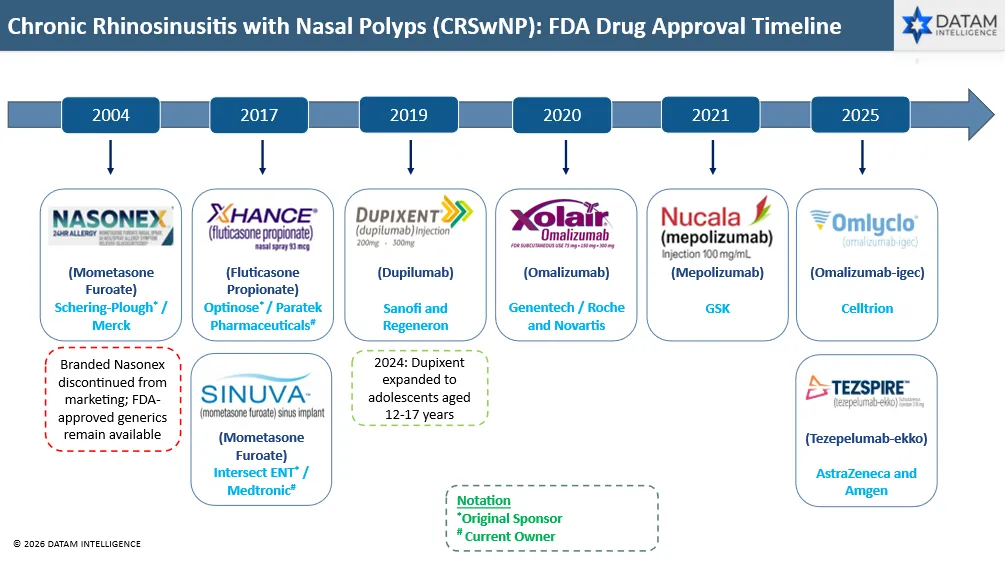
- The FDA approval pathway for CRSwNP has progressed from locally delivered corticosteroids to targeted biologics addressing distinct inflammatory pathways. Nasonex established pharmacological management in 2004, followed by Xhance and Sinuva in 2017, which improved drug delivery through an exhalation system and corticosteroid-eluting sinus implant. Dupixent’s 2019 approval marked a strategic turning point by introducing IL-4 and IL-13 inhibition for inadequately controlled disease. Xolair and Nucala subsequently expanded biologic choice by targeting IgE-mediated and eosinophilic inflammation, respectively.
- Competition intensified in 2025 with FDA approval of Omlyclo, an interchangeable Xolair biosimilar, and Tezspire, the first CRSwNP biologic targeting upstream TSLP signalling. Dupixent’s 2024 expansion to adolescents aged 12-17 years also broadened the treatable population and reinforced its first-mover position. Collectively, the timeline reflects a shift toward phenotype-informed treatment, earlier biologic intervention and stronger payer scrutiny. Future differentiation will increasingly depend on comparative efficacy, surgery and corticosteroid reduction, dosing convenience, adolescent access, formulary positioning and total treatment cost.
Pipeline Analysis
As of July 2026, the therapeutic pipeline for chronic rhinosinusitis with nasal polyps (CRSwNP) is robust, encompassing various modalities aimed at slowing disease progression and preserving vision. Here's an overview of key investigational therapies across different classes:
| Company | Asset | Current Stage | Mechanism | Route | Modality |
| GSK | EXDENSUR, Depemokimab | Approved for CRSwNP in UK, EU, Japan, China and Canada | Long-Acting Anti-IL-5 | SC, Once Every Six Months | Monoclonal Antibody |
| Keymed Biosciences | KANGYUEDA, Stapokibart (CM310) | China NMPA-Approved for CRSwNP | Anti-IL-4Rα; Inhibits IL-4 and IL-13 Signalling | SC | Monoclonal Antibody |
| GSK / Hengrui Pharmaceutical | Felcorekibart (GSK5784283 / SHR-1905) | Phase 3 | Anti-TSLP | SC | Long-Acting Monoclonal Antibody |
| Sanofi / Regeneron | Itepekimab (SAR440340) | Phase 3 | Anti-IL-33 | SC | Monoclonal Antibody |
| Eli Lilly | Lebrikizumab (LY3650150) | Phase 3 | Anti-IL-13 | SC | Monoclonal Antibody |
| Sunshine Guojian Pharmaceutical | SSGJ-611 / 611 | Phase 3 | Anti-IL-4Rα; Inhibits IL-4 and IL-13 Signalling | SC | Monoclonal Antibody |
| Genrix Biopharmaceutical | Telikibart (GR1802) | Phase 3 | Anti-IL-4Rα; Inhibits IL-4 and IL-13 Signalling | SC | Monoclonal Antibody |
| Sino Biopharm / CTTQ / Biosion | Bosakitug (TQC2731 / BSI-045B) | Phase 3 | Anti-TSLP | SC | Monoclonal Antibody |
| CSPC Baike / Keymed Biosciences | Ocankitug (CM326) | Phase 3 | Anti-TSLP | SC | Monoclonal Antibody |
| Sanofi | Lunsekimig (SAR443765) | Phase 2 | Dual TSLP and IL-13 Inhibition | SC | Bispecific Nanobody VHH |
| Upstream Bio | Verekitug (UPB-101) | Phase 2 Completed; Phase 3 Planned | TSLP-Receptor Antagonist | SC | Monoclonal Antibody |
| Keymed Biosciences / Belenos Biosciences | CM512 / BEL512 | Phase 2 Completed; Phase 3 Planned | TSLP × IL-13 Dual Inhibition | SC | Bispecific Antibody |
| Akeso | AK139 | Phase 2 | IL-4Rα × ST2 Dual Inhibition | SC | Bispecific Antibody |
| Longbio Pharma | LP-003 | Phase 2 | High-Affinity Anti-IgE | SC | Monoclonal Antibody |
| Bambusa Therapeutics | BBT002 | Phase 1b/2a | IL-4Rα × IL-5 Dual Inhibition | SC | Long-Acting Bispecific Antibody |
AI Impact Analysis of Chronic Rhinosinusitis with Nasal Polyps (CRSwNP) Treatment Market
Artificial intelligence is beginning to influence CRSwNP management through endotype identification, treatment-response prediction and recurrence-risk stratification. AI-enabled CT analysis can differentiate eosinophilic from non-eosinophilic CRSwNP, supporting more precise identification of type 2 inflammatory disease and potentially improving biologic selection. A 2026 clinical study using CT-based multitask learning achieved an external-test AUC of 0.818 for CRSwNP endotype classification, highlighting the potential for imaging-derived decision support. Machine-learning models are also being tested to predict post-surgical recurrence and identify patients more likely to require earlier treatment escalation, which could reduce repeated corticosteroid exposure and unnecessary revision surgery.
Commercial impact will become more significant as AI shifts from diagnosis toward biologic-response optimization and patient selection. In 2026, machine learning applied to mepolizumab-treated CRSwNP patients achieved an ROC-AUC of 0.766 for predicting two-year super-response, while emerging AI-based histopathology has also demonstrated potential for identifying response-associated tissue signatures. For pharmaceutical companies, AI could improve trial enrichment, responder identification, treatment sequencing and real-world evidence generation. However, limited external validation, fragmented datasets, algorithm interpretability and clinical-integration requirements currently constrain large-scale commercialization.
Disruption Analysis of Chronic Rhinosinusitis with Nasal Polyps (CRSwNP) Treatment Market
The CRSwNP treatment market is being disrupted by a shift from corticosteroid- and surgery-led management toward biologic-driven disease control. Established therapies targeting IL-4/IL-13, IgE and IL-5 are being challenged by newer upstream mechanisms such as TSLP inhibition and extended-interval biologics. This is changing competitive differentiation from simple polyp reduction toward broader outcomes including smell restoration, reduction in systemic corticosteroid exposure, avoidance of revision sinus surgery and sustained control in patients with comorbid asthma. Longer dosing intervals, home administration and improved treatment persistence are also becoming important differentiators, while biosimilar entry is beginning to challenge premium pricing within mature biologic classes.
Market disruption is also being driven by precision treatment selection, payer-led sequencing and increasing reliance on real-world evidence. As more biologics compete for overlapping severe CRSwNP populations, physicians will increasingly use prior-surgery history, eosinophilic status, asthma comorbidity, symptom burden and treatment-response data to guide therapy selection and switching. Payers are expected to tighten eligibility criteria and demand stronger evidence of surgery avoidance, corticosteroid reduction and healthcare-resource savings. Competitive advantage will therefore shift toward companies combining differentiated mechanisms, convenient dosing, strong post-surgical efficacy, scalable patient-support programs and compelling pharmacoeconomic evidence.
Chronic Rhinosinusitis with Nasal Polyps (CRSwNP) Treatment Market BCG Matrix: Company Evaluation
STAR
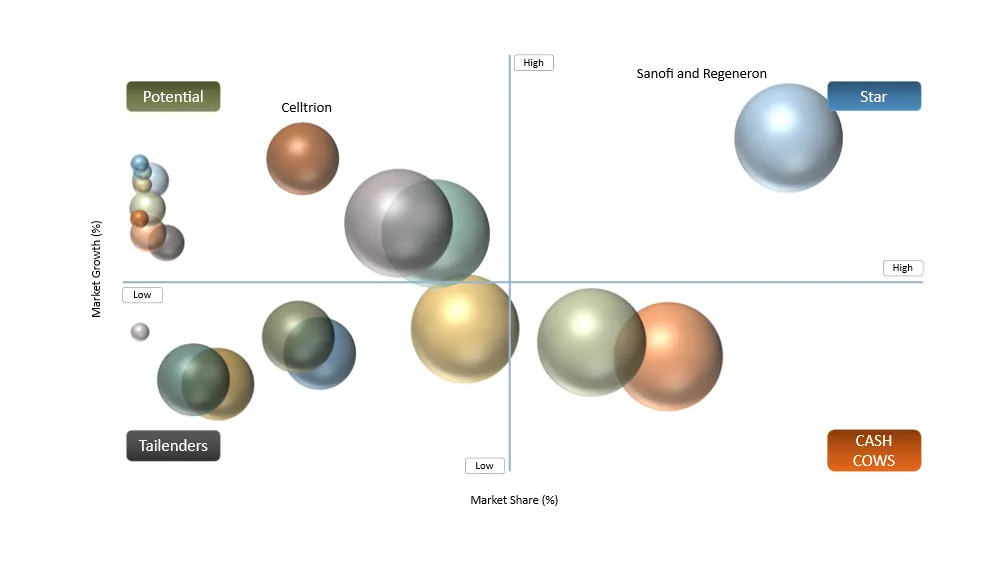
Sanofi and Regeneron, Roche and Novartis, GSK and AstraZeneca and Amgen are positioned in the Star category based on their approved biologic portfolios, established respiratory and immunology infrastructure and influence on CRSwNP treatment sequencing. Sanofi and Regeneron maintain a leading position through DUPIXENT, supported by strong Type 2 inflammation evidence, physician familiarity and eligibility for patients aged 12 years and older. Roche and Novartis compete through XOLAIR, an established anti-IgE treatment for adults with inadequate response to nasal corticosteroids.
GSK strengthens its position through NUCALA and the internationally approved twice-yearly EXDENSUR, while AstraZeneca and Amgen have broadened upstream inflammatory targeting through TEZSPIRE. Future leadership will depend on comparative effectiveness, smell restoration, durable polyp control, corticosteroid and surgery avoidance, adolescent access, convenient dosing and favorable formulary positioning. Strong real-world evidence and integrated engagement across ENT, allergy and respiratory specialists will remain critical.
POTENTIAL
Celltrion, Keymed Biosciences, Eli Lilly, Jiangsu Hengrui Pharmaceuticals, Sino Biopharmaceutical, Upstream Bio, 3SBio, Genrix Bio, LongBio Pharma, Bambusa Therapeutics and Aclaris Therapeutics are positioned in the Potential category based on biosimilar participation, internationally approved products and emerging biologic pipelines.
Celltrion’s OMLYCLO could intensify anti-IgE price competition, while Keymed’s KANGYUEDA strengthens IL-4Rα competition in China. Eli Lilly’s lebrikizumab, Hengrui’s felcorekibart, Sino Biopharmaceutical’s bosakitug and Upstream Bio’s verekitug expand competition across IL-13 and TSLP-related pathways. SSGJ-611, telikibart, LP-003 and BBT002 offer additional IL-4Rα, IgE and bispecific approaches. Progression toward the Star category will depend on pivotal-trial success, regulatory expansion, clinically meaningful differentiation, convenient administration, scalable manufacturing, payer acceptance and evidence demonstrating reduced surgery and healthcare utilization.
Global Chronic Rhinosinusitis with Nasal Polyps (CRSwNP) Treatment Market Dynamics
Driver Impact Analysis
| Driver | Market Growth Impact (%) | Demand Concentration | Impacted Use Case | Strategic Impact |
Expanding Biologic Eligibility Among Uncontrolled and Post-Surgical CRSwNP Patients | 16.2% | High in North America and Europe; accelerating in Japan and China | Biologic initiation, post-surgical recurrence management and escalation after inadequate corticosteroid control | Expands the addressable biologic-treated population and increases long-duration specialty-drug revenue |
Rising Demand for Steroid-Sparing and Revision-Surgery-Avoidance Treatment Strategies | 14.7% | Highest among severe, recurrent and corticosteroid-dependent patients | Reduction of systemic corticosteroid courses, prevention of repeat sinus surgery and sustained symptom control | Shifts treatment value toward therapies demonstrating durable disease control and healthcare-resource savings |
Broadening Competition Across IL-4/IL-13, IgE, IL-5 and TSLP-Targeted Therapies | 13.5% | Concentrated in biologic-accessible markets with established ENT and allergy networks | Mechanism-based biologic selection, therapy switching and treatment sequencing | Expands physician choice while intensifying competition around efficacy, dosing frequency, persistence and reimbursement |
Growing Commercial Value of CRSwNP-Asthma Overlap and Type 2 Inflammation Management | 11.8% | Strong in patients managed across ENT, allergy and pulmonology specialties | Integrated management of nasal polyps, asthma and type 2 inflammatory disease | Strengthens cross-indication biologic positioning and increases lifetime value of patients eligible for multi-disease control |
Driver: Expanding Biologic Eligibility Among Uncontrolled and Post-Surgical CRSwNP Patients
Biologic eligibility is expanding as treatment pathways increasingly recognize patients who remain uncontrolled despite intranasal corticosteroids, systemic corticosteroids and prior sinus surgery. In Europe, AstraZeneca reported in 2025 that nearly 50% of CRSwNP patients remain uncontrolled despite standard treatment, highlighting a sizeable population potentially requiring treatment escalation. Tezspire’s 2025 U.S. approval for inadequately controlled CRSwNP in patients aged 12 years and above, together with its EU approval for severe disease inadequately controlled after systemic corticosteroids and/or surgery, widened the addressable biologic population.
Clinical evidence is also strengthening the case for earlier biologic use in post-surgical and high-burden patients. In the 2025 WAYPOINT Phase III study, Tezspire reduced the need for subsequent nasal-polyp surgery by 98% versus placebo while substantially lowering systemic corticosteroid requirements. In 2026, Exdensur further expanded advanced-treatment choice in Europe and China for patients inadequately controlled by systemic corticosteroids and/or surgery. This broadening eligibility should increase biologic penetration, extend treatment duration and shift revenue toward specialty therapies.
Restraint Impact Analysis
| Restraint | Drag on Market Growth (%) | Primary Impact Area | Impacted Use Case | Strategic Impact |
High Biologic Acquisition Costs and Restrictive Payer Eligibility Criteria | 13.6% | Reimbursement, biologic initiation and treatment persistence | Dupilumab, omalizumab, mepolizumab, tezepelumab and other premium biologics | Limits biologic penetration, delays treatment escalation and concentrates uptake among severe, well-documented patients |
Limited Head-to-Head Evidence Complicating Biologic Selection and Sequencing | 10.8% | Physician prescribing, formulary positioning and therapy switching | Selection across IL-4/IL-13, IgE, IL-5 and TSLP-targeted therapies | Increases uncertainty in comparative positioning and slows switching toward newer mechanisms without differentiated evidence |
Persistent Reliance on Surgery and Corticosteroids Before Advanced Therapy Escalation | 12.1% | Treatment pathway progression and advanced-therapy adoption | Intranasal corticosteroids, systemic corticosteroids, endoscopic sinus surgery and biologic escalation | Delays biologic initiation and maintains lower-cost conventional interventions as gatekeepers to specialty therapy |
Heterogeneous Treatment Response Across Type 2 Inflammatory and Post-Surgical Patient Profiles | 9.7% | Patient selection, treatment persistence and response assessment | Biologic therapy in recurrent, post-surgical, asthma-comorbid and variable inflammatory phenotypes | Reduces predictable response, increases trial-and-switch behavior and strengthens demand for biomarker-guided patient selection |
Restraint: Limited Head-to-Head Evidence Complicating Biologic Selection and Sequencing
The rapid expansion of CRSwNP biologics is outpacing the availability of direct comparative clinical evidence, creating uncertainty around optimal therapy selection and sequencing. A 2025 network meta-analysis evaluating 22 randomized controlled trials noted that direct comparisons between biologic agents remained limited, requiring indirect comparisons across placebo-controlled studies. This challenge became more relevant after Tezspire’s 2025 U.S. approval expanded the competitive set alongside dupilumab, omalizumab and mepolizumab, giving physicians multiple mechanisms without definitive head-to-head evidence identifying the best treatment for specific patient phenotypes.
The evidence gap complicates formulary positioning, biologic switching and payer negotiations because cross-trial differences in baseline severity, prior surgery, asthma prevalence and endpoints limit straightforward efficacy comparisons. Competition intensified further in 2026 as Exdensur gained CRSwNP approvals in Japan, the EU and China, introducing twice-yearly IL-5 pathway targeting. Without comparative trials or validated sequencing algorithms, adoption may remain dependent on physician experience, comorbidity profiles, dosing convenience and payer restrictions, slowing differentiation and potentially increasing trial-and-switch behavior.
Chronic Rhinosinusitis with Nasal Polyps (CRSwNP) Treatment Market Segment Analysis
The global chronic rhinosinusitis with nasal polyps (CRSwNP) treatment market is segmented based on the drug class, drug type, drug delivery system, route of administration, treatment approach, age group, therapeutic setting, distribution channel and region.
Biologics Sustain Revenue Leadership While Self-Administration Formats Reshape CRSwNP Treatment Growth
Biologics represent the dominant drug-class segment in the global CRSwNP treatment market, accounting for an estimated US$1.78 billion in 2025, or roughly 67.2% of total market revenue. Their leadership reflects premium pricing, chronic treatment duration and increasing use among patients inadequately controlled by intranasal corticosteroids, systemic corticosteroids or prior sinus surgery. Demand is concentrated around IL-4/IL-13, IgE, IL-5 and TSLP-targeted therapies, with competitive differentiation increasingly based on polyp reduction, smell restoration, corticosteroid-sparing benefit, surgery avoidance and durability of response. Biologics are therefore expected to remain the principal revenue pool through 2035 despite reimbursement controls and growing price pressure.
By drug delivery system, autoinjector or prefilled pen formats are expected to be the fastest-growing segment, with an estimated CAGR of approximately 15.0% during 2026-2035. Growth is being supported by greater self-administration, lower clinic dependence, improved treatment convenience and higher persistence among long-term biologic users. As manufacturers increasingly prioritize home-use formats and extended dosing intervals, delivery-device differentiation will become an important commercial lever alongside efficacy and mechanism of action.
Chronic Rhinosinusitis with Nasal Polyps (CRSwNP) Treatment Market Geographical Penetration
U.S. Chronic Rhinosinusitis with Nasal Polyps (CRSwNP) Treatment Market Landscape
The U.S. CRSwNP treatment landscape is transitioning from repeated corticosteroid and endoscopic sinus surgery cycles toward earlier biologic intervention in uncontrolled and recurrent disease. A 2025 U.S. real-world study covering 74,480 CRSwNP patients found that 12% received biologic therapy, indicating meaningful adoption but substantial remaining penetration potential. Uptake is concentrated among patients with higher disease burden, previous surgery, systemic corticosteroid exposure and type 2 inflammatory comorbidities. The October 2025 FDA approval of Tezspire for patients aged 12 years and older with inadequately controlled CRSwNP further expanded the competitive landscape beyond Dupixent, Xolair and Nucala.
Commercial competition is consequently shifting toward surgery avoidance, corticosteroid reduction, dosing convenience and cross-indication respiratory positioning. A 2026 U.S. claims analysis involving 59,953 CRSwNP patients found biologic prescribing increased substantially while annual endoscopic sinus surgery utilization declined, with dupilumab remaining the dominant biologic. Future U.S. growth will therefore depend on broader payer access, biologic sequencing evidence, post-surgical positioning and demonstration of healthcare-resource savings.
Canada Chronic Rhinosinusitis with Nasal Polyps (CRSwNP) Treatment Market Outlook
Canada’s CRSwNP treatment market is becoming increasingly biologic-driven but remains tightly shaped by public reimbursement and specialist eligibility criteria. In August 2025, Canada’s Drug Agency recommended public-plan reimbursement of Dupixent for adults with severe CRSwNP inadequately controlled by optimized intranasal corticosteroids and systemic corticosteroids and/or surgery. However, its economic assessment indicated that approximately a 50% price reduction would be required for dupilumab to reach an ICER of C$50,000 (US$36,231) per QALY, highlighting the pricing pressure surrounding broader biologic access.
Competition strengthened further in June 2026 when Health Canada approved Exdensur (depemokimab) for severe CRSwNP inadequately controlled by systemic corticosteroids and/or surgery. Exdensur became Canada’s first long-acting CRSwNP biologic with twice-yearly dosing, introducing a differentiated convenience proposition versus more frequent injections. Commercial growth will therefore depend on provincial formulary uptake, price negotiations, specialist prescribing, post-surgical patient identification and evidence demonstrating durable symptom control, reduced corticosteroid exposure and lower need for repeat sinus surgery.
Japan Chronic Rhinosinusitis with Nasal Polyps (CRSwNP) Treatment Market Outlook
Japan represents a strategically important CRSwNP market because of its sizeable surgical burden and growing shift toward biologic management for inadequately controlled disease. GSK estimated in 2025 that approximately 2 million people in Japan have chronic sinusitis, with around 200,000 patients undergoing surgery because of nasal polyps, indicating a meaningful pool of patients at risk of recurrent disease and treatment escalation. Increasing recognition of type 2 inflammation, alongside established ENT specialist infrastructure, is supporting greater use of targeted biologics among patients inadequately controlled with intranasal corticosteroids, systemic steroids or surgery.
Competitive intensity increased materially in 2026 with the Japanese launch of Exdensur (depemokimab) on April 15 following its December 2025 approval. The therapy is administered once every 26 weeks, establishing a differentiated twice-yearly biologic option for adults with CRSwNP inadequately controlled by existing treatment. This dosing advantage could improve persistence and reduce administration burden, placing greater competitive pressure on established biologics. Future market growth will depend on reimbursement access, post-surgical positioning, specialist adoption and evidence demonstrating durable symptom control and reduced repeat surgery.
Germany Chronic Rhinosinusitis with Nasal Polyps (CRSwNP) Treatment Market Trends
Germany’s CRSwNP treatment market is shifting toward structured biologic escalation within a tightly controlled reimbursement environment. AstraZeneca’s 2025 German reimbursement dossier estimated approximately 195,028 adults with CRSwNP, of whom around 11,638 statutory-insurance patients represented the severe, inadequately controlled target population relevant to advanced biologic treatment. This comparatively concentrated eligible population makes patient identification, prior corticosteroid exposure, surgery history and specialist documentation critical commercial levers. Established biologics including dupilumab, mepolizumab and omalizumab therefore compete primarily within severe disease rather than the broader diagnosed population.
Competition intensified in 2026 as Germany’s G-BA completed the Tezspire CRSwNP benefit-assessment process on May 7, 2026, while depemokimab entered assessment from April 2026. Notably, the G-BA identified dupilumab, mepolizumab or omalizumab plus intranasal corticosteroids as appropriate comparators for depemokimab, signaling increasingly direct economic and clinical scrutiny across biologics. Germany’s future growth will therefore depend less on epidemiological expansion and more on biologic switching, differentiated dosing, corticosteroid and surgery avoidance, and evidence strong enough to support reimbursement negotiations.
Chronic Rhinosinusitis with Nasal Polyps (CRSwNP) Treatment Market Competitive Landscape
- The CRSwNP treatment market is led by Sanofi and Regeneron through DUPIXENT, supported by strong physician familiarity, extensive Type 2 inflammation evidence and adolescent eligibility. Roche and Novartis compete through XOLAIR, while GSK’s NUCALA, AstraZeneca and Amgen’s TEZSPIRE and Celltrion’s OMLYCLO broaden competition across IL-5, TSLP and anti-IgE pathways. Paratek’s XHANCE and Medtronic’s SINUVA maintain differentiated positions in topical and localized drug delivery. Competition increasingly focuses on polyp reduction, smell restoration, corticosteroid avoidance, surgery reduction, dosing convenience and payer-supported affordability.
- Pipeline activity is expanding across IL-4Rα, IL-13, IL-33, TSLP and bispecific mechanisms. Keymed’s KANGYUEDA strengthens China’s biologic landscape, while GSK’s twice-yearly EXDENSUR establishes a differentiated convenience benchmark across several international markets. Eli Lilly, Hengrui, Sino Biopharmaceutical, Upstream Bio, 3SBio, Genrix Bio, LongBio, Bambusa and Aclaris represent important clinical-stage challengers. Future market leadership will depend less on mechanism novelty alone and more on comparative efficacy, durable response, broad phenotype coverage, convenient self-administration and demonstrated reductions in surgery and healthcare utilization. Companies combining strong clinical outcomes with biomarker-guided patient selection and effective market-access execution will be best positioned for sustained growth.
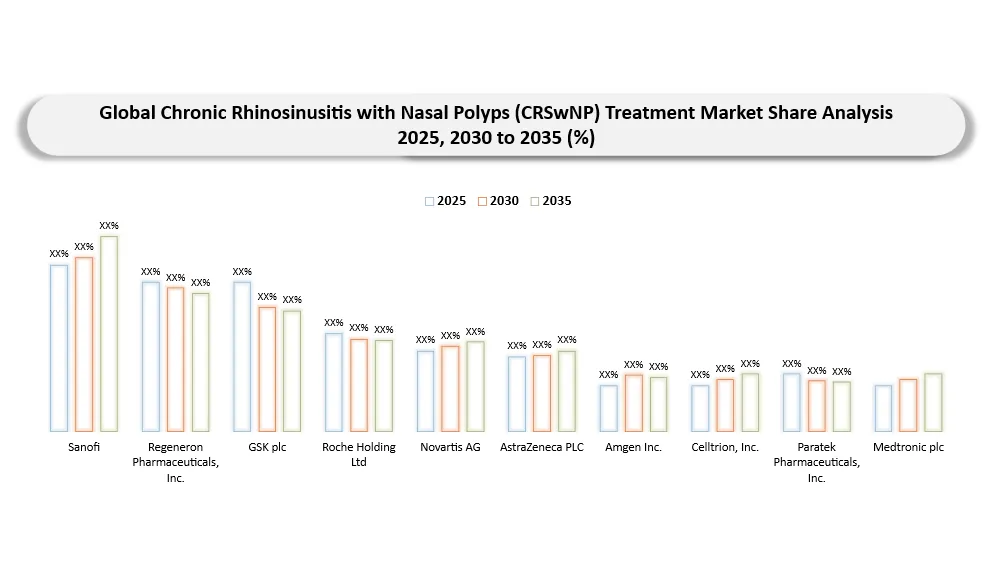
Key Companies of Chronic Rhinosinusitis with Nasal Polyps (CRSwNP) Treatment Market
- Sanofi (France)
- Regeneron Pharmaceuticals, Inc. (United States)
- GSK plc (United Kingdom)
- Roche Holding Ltd (Switzerland)
- Novartis AG (Switzerland)
- AstraZeneca PLC (United Kingdom)
- Amgen Inc. (United States)
- Celltrion, Inc. (South Korea)
- Paratek Pharmaceuticals, Inc. (United States)
- Medtronic plc (Ireland)
- Keymed Biosciences Inc. (China)
- Eli Lilly and Company (United States)
- Jiangsu Hengrui Pharmaceuticals Co., Ltd. (China)
- Sino Biopharmaceutical Limited (Hong Kong)
- Upstream Bio, Inc. (United States)
- 3SBio Inc. (China)
- Chongqing Genrix Biopharmaceutical Co., Ltd. (China)
- LongBio Pharma (Suzhou) Co., Ltd. (China)
- Bambusa Therapeutics, Inc. (United States)
- Aclaris Therapeutics, Inc. (United States)
Chronic Rhinosinusitis with Nasal Polyps (CRSwNP) Treatment Market Major Pain Points
- Delayed Diagnosis and Fragmented Patient Referral: CRSwNP may remain underdiagnosed because nasal congestion, discharge, facial pressure and smell impairment overlap with allergic rhinitis and recurrent infections. Limited access to endoscopy, computed tomography and specialist evaluation can delay accurate diagnosis and treatment escalation.
- Persistent Symptoms Despite Standard Therapy: A substantial patient segment remains inadequately controlled with intranasal corticosteroids, saline irrigation and intermittent systemic corticosteroids. Persistent nasal obstruction, anosmia and inflammation create continued demand for effective targeted treatment options.
- Heterogeneous Disease and Treatment Response: Differences in type 2 inflammation, eosinophilia, allergic status, comorbid asthma and NSAID-exacerbated respiratory disease complicate biologic selection. The absence of validated predictive biomarkers restricts personalized treatment sequencing and reliable response forecasting.
- High Recurrence and Long-Term Treatment Burden: Nasal polyps frequently recur following endoscopic sinus surgery. Repeated surgery, chronic topical treatment, systemic corticosteroid exposure, biologic injections and specialist monitoring increase clinical, financial and adherence burdens.
- Limited Comparative and Long-Term Evidence: Direct head-to-head evidence across biologics remains limited. Important evidence gaps persist regarding optimal treatment duration, switching, discontinuation, sustained postsurgical prevention, long-term safety and comparative effects on smell, surgery avoidance and quality of life.
- Complex Pricing, Reimbursement and Access Requirements: Premium biologic pricing, prior authorization, variable eligibility criteria and inconsistent reimbursement constrain treatment access. Differences in specialist availability, diagnostic infrastructure and national coverage policies create unequal adoption across countries and patient populations.
Chronic Rhinosinusitis with Nasal Polyps (CRSwNP) Treatment Market Recent Developments
- June 2026: Health Canada approved GSK’s Exdensur (depemokimab) as add-on maintenance therapy for adults with severe CRSwNP inadequately controlled by systemic corticosteroids and/or surgery, introducing a differentiated twice-yearly biologic option.
- June 2026: Upstream Bio presented new Phase II VIBRANT analyses showing clinically meaningful nasal-polyp improvement in approximately 79% of participants receiving verekitug quarterly, compared with 24% receiving placebo.
- May 2026: Bambusa Therapeutics dosed the first CRSwNP patient in a Phase Ib/IIa trial of BBT002, a long-acting IL-4Rα×IL-5 bispecific antibody designed to provide broader type 2 inflammatory control.
- April 2026: China’s NMPA approved GSK’s Exdensur as add-on therapy with intranasal corticosteroids for adults whose CRSwNP remained inadequately controlled by systemic corticosteroids and/or surgery.
- February 2026: The European Commission approved GSK’s Exdensur for adults with severe, inadequately controlled CRSwNP, establishing the first ultra-long-acting biologic with twice-yearly dosing in the European market.
- January 2026: Japan’s Ministry of Health, Labour and Welfare approved Exdensur for CRSwNP inadequately controlled by standard treatment, expanding access to ultra-long-acting IL-5 inhibition.
- October 2025: The European Commission approved AstraZeneca and Amgen’s Tezspire (tezepelumab) for adults with severe CRSwNP inadequately controlled by systemic corticosteroids and/or surgery.
- October 2025: The FDA approved Tezspire as add-on maintenance treatment for patients aged 12 years and older with inadequately controlled CRSwNP, introducing the first TSLP-targeting biologic for this indication in the United States.
- June 2025: Sanofi and Regeneron reported that Dupixent outperformed Xolair across all primary and secondary CRSwNP efficacy endpoints in the Phase IV EVEREST head-to-head trial involving adults with coexisting asthma.
Analyst View / Opinion on Chronic Rhinosinusitis with Nasal Polyps (CRSwNP) Treatment Market
- The market is shifting from repeated corticosteroid use and surgery-led disease control toward long-term targeted therapy, with biologics increasingly used to reduce polyp burden, restore smell and prevent recurrent treatment escalation.
- Dupixent, Xolair and Nucala remain important established biologic options, while Tezspire and newer extended-interval agents are increasing competitive pressure around mechanism differentiation, dosing convenience and durability of response.
- Treatment selection will increasingly depend on prior sinus surgery, systemic corticosteroid exposure, comorbid asthma, eosinophilic inflammation, symptom severity, smell impairment, treatment response and patient preference.
- TSLP inhibition, long-acting IL-5 targeting and other next-generation biologics could reshape treatment sequencing by expanding options for patients inadequately controlled with existing biologics or conventional therapy.
- Sustainable market leadership will require evidence demonstrating sustained nasal polyp reduction, restoration of smell, lower systemic corticosteroid use, reduced revision surgery and improved quality of life.
- Commercial success will increasingly depend on specialist education, biologic sequencing evidence, payer access, patient-support programs, self-administration convenience and real-world data demonstrating reduced healthcare utilization and long-term treatment value.
Chronic Rhinosinusitis with Nasal Polyps (CRSwNP) Treatment Market Target Audience
| INDUSTRY | WHO SHOULD BUY THIS REPORT? | REASON TO BUY THIS REPORT |
| Pharmaceutical and Biotechnology Companies | CRSwNP drug developers, biologic manufacturers, specialty-pharma companies and respiratory/immunology biotechnology firms | Assess market potential, unmet treatment gaps, biologic positioning, pipeline competition, treatment sequencing and commercialization opportunities across approved and investigational CRSwNP therapies. |
| Diagnostic and Biomarker Companies | Biomarker developers, molecular-diagnostic companies, eosinophil-testing providers and clinical decision-support companies | Identify opportunities in patient phenotyping, type 2 inflammation assessment, biologic eligibility, treatment-response prediction and precision-treatment selection. |
| Healthcare Providers | ENT specialists, allergists, immunologists, pulmonologists, hospitals, specialty clinics and sinus treatment centers | Understand evolving treatment pathways, biologic selection, corticosteroid use, surgery timing, post-surgical recurrence management and treatment-response assessment. |
| Payers and Market-Access Organizations | Health insurers, pharmacy-benefit managers, health-technology assessment bodies and reimbursement consultants | Evaluate biologic eligibility, reimbursement requirements, budget impact, prior-authorization criteria and economic evidence supporting reduced corticosteroid use and sinus surgery. |
| Patient Advocacy and Support Organizations | Chronic sinusitis associations, respiratory-disease organizations, caregiver groups and patient-support networks | Assess unmet needs related to nasal obstruction, loss of smell, recurrent disease, treatment burden, quality of life, biologic access and patient adherence. |
| Government and Regulatory Bodies | Regulatory agencies, public-health authorities, national reimbursement bodies and healthcare policymakers | Support regulatory assessment, treatment-access frameworks, clinical guidance, biologic adoption monitoring and national strategies for management of uncontrolled CRSwNP. |
| Investors and Financial Services | Private-equity firms, venture-capital investors, institutional investors and investment banks | Evaluate market attractiveness, pipeline value, biologic differentiation, licensing potential, commercial scalability and acquisition opportunities across emerging CRSwNP assets. |
| Market Research and Consulting Firms | Strategy consultancies, competitive-intelligence teams and healthcare market-research firms | Support market-entry planning, portfolio strategy, competitive benchmarking, patient segmentation, opportunity assessment and commercial due diligence. |
| Research Organizations | Clinical research organizations, academic institutions, universities and translational research centers | Analyze clinical-trial activity, patient recruitment, biomarker development, type 2 inflammatory pathways, biologic response and remaining clinical research gaps. |
| Distributors and Specialty Pharmacy Networks | Specialty pharmacies, hospital pharmacies, pharmaceutical distributors and biologic supply-chain providers | Assess biologic distribution models, specialty-pharmacy demand, cold-chain requirements, patient-support infrastructure and geographic expansion opportunities. |
Why Choose DATAM?
- Data-Driven Insights: Access granular CRSwNP intelligence covering market size, drug-class shares, biologic penetration, pricing, diagnosed and treated populations, prior-surgery status, treatment approaches, clinical pipelines, competitive positioning and regional reimbursement dynamics, supported by primary interviews with healthcare and industry experts.
- Post-Purchase Support and Expert Analyst Consultations: Engage directly with our healthcare analysts for customized guidance on patient segmentation, biologic sequencing, product positioning, market entry, competitor benchmarking, payer strategy and commercialization planning across ENT and allergy/immunology treatment pathways.
- White Papers and Case Studies: Receive periodic insights on CRSwNP biologic innovation, regulatory developments, label expansions, extended-interval therapies, steroid- and surgery-sparing strategies, reimbursement models and evolving ENT and allergist prescribing behavior.
- Annual Updates on Purchased Reports: Stay informed through annual updates covering regulatory approvals, Phase II and Phase III readouts, pipeline transitions, new biologic mechanisms, biosimilar entry, pricing developments, licensing activity and competitive shifts. Terms and conditions apply.
- Specialized Focus on Emerging Markets: Gain country-specific intelligence on diagnosed CRSwNP populations, ENT and allergy specialist access, biologic eligibility, prior sinus surgery burden, corticosteroid utilization, reimbursement coverage and commercial opportunities across high-growth emerging markets.
- Value of DataM Reports: Obtain tailored intelligence addressing specific business questions around uncontrolled CRSwNP, post-surgical recurrence, biologic-eligible populations, treatment switching, corticosteroid dependence, surgery avoidance, dosing convenience, pipeline disruption, payer restrictions, market-access strategy and investment priorities beyond generic healthcare databases.
What DATAM Uniquely Provides
- In-Depth Market Segmentation: Detailed assessment of the CRSwNP treatment market by drug class, drug type, drug delivery system, route of administration, treatment approach, age group, therapeutic setting, distribution channel and region, enabling granular and commercially actionable market sizing.
- Competitive and Product Benchmarking: Comparative analysis of leading CRSwNP therapies covering nasal polyp reduction, improvement in nasal obstruction, restoration of smell, corticosteroid-sparing potential, surgery avoidance, mechanism of action, dosing frequency, administration convenience, safety, persistence, pipeline maturity and commercialization strategy.
- Patient Population and Treatment-Eligibility Intelligence: Comprehensive evaluation of diagnosed and treatment-eligible populations, biologic-eligible patients, surgery-naïve and post-surgical patients, recurrent disease, patients with comorbid asthma, type 2 inflammatory phenotypes, corticosteroid-dependent populations, symptom burden, uncontrolled disease and regional access gaps.
- Market Access and Commercial Strategy Insights: Actionable intelligence on biologic pricing, reimbursement criteria, payer restrictions, treatment-response assessment, therapy sequencing, specialist prescribing behavior, patient-support programs, regulatory pathways, biosimilar impact, licensing activity, strategic partnerships and market-entry opportunities.
- Forward-Looking Opportunity Assessment: Analyst forecasts identifying high-growth biologic mechanisms, commercially attractive patient segments, regional expansion opportunities and emerging competitive threats across IL-4/IL-13, IgE, IL-5 and TSLP-targeted therapies, extended-interval biologics, biosimilars and next-generation precision-treatment approaches.


























































