


Cholinergic Drugs Market Size and Overview
The global cholinergic drugs market reached US$ 10.84 billion in 2025 and is expected to reach US$ 18.41 billion by 2035, growing at a CAGR of 5.4% during the forecast period 2026-2035.
The market is entering a new phase as cholinergic pharmacology expands beyond established dementia, ophthalmic and autonomic indications into next-generation neuropsychiatric treatment. The approval of xanomeline and trospium for adult schizophrenia validated a non-dopaminergic antipsychotic mechanism and increased strategic interest in M1 and M4 receptor modulation. At the same time, long-standing acetylcholinesterase inhibitors continue to support a large treated population in Alzheimer’s disease and related dementias, while antimuscarinic and cholinomimetic products remain embedded in urology, gastroenterology, ophthalmology and perioperative care.
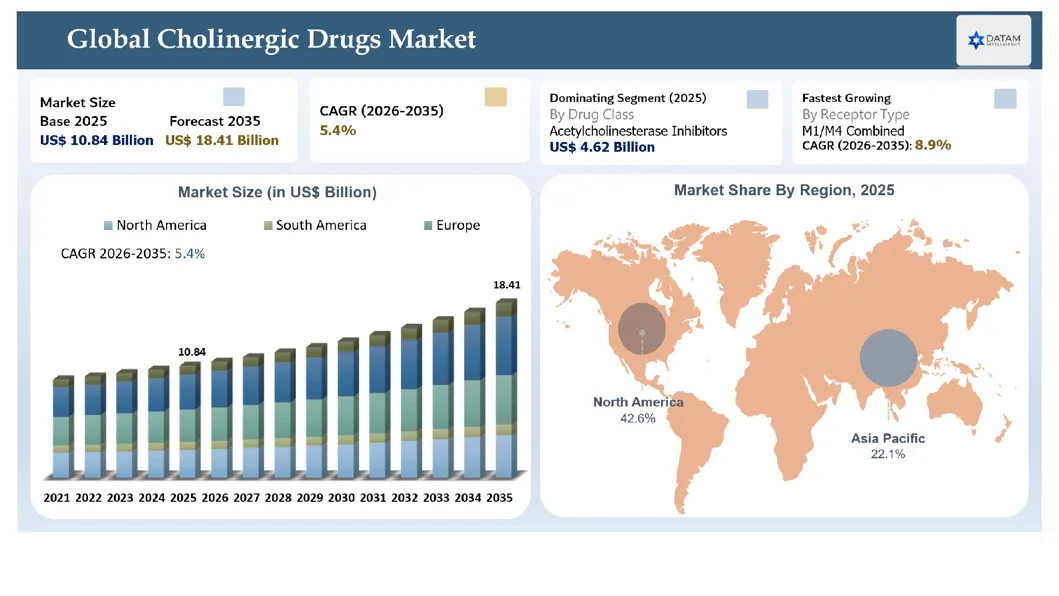
Commercial opportunity is concentrated in therapies that can separate central efficacy from peripheral cholinergic adverse effects. Developers are using receptor selectivity, positive allosteric modulation, peripherally restricted antagonists, extended-release delivery and biomarker-led patient selection to improve tolerability. The pipeline is therefore becoming more differentiated by receptor subtype and clinical context rather than by broad cholinergic activity alone.
| Metric | Value |
|---|---|
| 2025 Market Size | US$ 10.84 Billion |
| 2035 Projected Market Size | US$ 18.41 Billion |
| CAGR 2026-2035 | 5.4% |
| Largest Region | North America |
| Fastest-Growing Region | Asia-Pacific |
| Largest Drug Class | Acetylcholinesterase Inhibitors |
| Fastest-Growing Strategic Area | M1/M4 receptor-directed therapies |
Cholinergic Drugs Pipeline Analysis
| Asset | Company | Mechanism | Indication | Stage / Status in 2026 | Strategic Relevance |
|---|---|---|---|---|---|
| COBENFY | Bristol Myers Squibb | Xanomeline M1/M4-preferring agonist plus peripheral muscarinic antagonist trospium | Schizophrenia | Approved in the U.S. for adults, lifecycle and real-world evidence programs ongoing | First approved antipsychotic centered on cholinergic receptors, establishing commercial validation for the class. |
| ML-007C-MA | MapLight Therapeutics | M1/M4 muscarinic agonist combined with a peripheral anticholinergic | Schizophrenia | Phase 2 ZEPHYR enrollment completed, topline results expected in August 2026 | Potential second-generation approach designed to balance central efficacy and peripheral tolerability. |
| ML-007C-MA | MapLight Therapeutics | M1/M4 muscarinic agonist platform | Alzheimer’s disease psychosis | Phase 2 VISTA ongoing, topline expected in the second half of 2027 | Extends muscarinic modulation into a high-unmet-need dementia-associated psychosis population. |
| ML-055 | MapLight Therapeutics | Next-generation M1/M4 muscarinic agonist | Neuropsychiatric disorders | Preclinical candidate nomination targeted during 2026 | Signals continued platform investment beyond first-generation agonist combinations. |
| Emraclidine | AbbVie | M4-selective positive allosteric modulator | Schizophrenia | Phase 2 EMPOWER-1 and EMPOWER-2 missed primary endpoints, strategic status under evaluation | Illustrates the clinical risk of receptor-selective programs and the need for dose, population and endpoint optimization. |
| NBI-1117568 | Neurocrine Biosciences / Nxera Pharma | M4-preferring muscarinic agonist | Schizophrenia | Clinical development program following positive mid-stage signal, next-stage strategy under evaluation | A key test of whether selective M4 activation can reproduce antipsychotic efficacy without broad muscarinic effects. |
| NS-136 | Neurocrine Biosciences / Nxera Pharma | M4 positive allosteric modulator | Schizophrenia and neuropsychiatric disorders | Early clinical development | Represents a distinct allosteric approach intended to preserve endogenous signaling patterns. |
| Alpha-7 nAChR programs | Multiple biotechnology developers | Alpha-7 nicotinic receptor agonism or positive allosteric modulation | Cognitive impairment and neuropsychiatric symptoms | Early to mid-stage, fragmented pipeline | Remains scientifically attractive but commercially challenged by inconsistent efficacy and target engagement. |
Pipeline assessment indicates that the highest-value activity is shifting toward muscarinic receptor subtypes associated with cognition and psychosis. The class has gained credibility from regulatory approval, but the failure of emraclidine’s two Phase 2 studies demonstrates that class validation does not remove molecule-specific risk. Investors and development teams are therefore placing greater emphasis on exposure-response analysis, target engagement, peripheral side-effect control and trial designs that can distinguish true drug effect from high placebo response.
Cholinergic Drugs Market Key Takeaways
- North America accounted for an estimated 42.6% of global revenue in 2025, supported by high dementia treatment utilization, broad access to branded and generic products and early adoption of newly approved neuropsychiatric therapies.
- Acetylcholinesterase inhibitors represented the largest drug-class share due to sustained use of donepezil, rivastigmine and galantamine across Alzheimer’s disease and related dementias.
- M1/M4 muscarinic therapies are projected to produce the fastest strategic growth as companies pursue schizophrenia, Alzheimer’s disease psychosis and cognitive symptom indications.
- Oral formulations dominate treatment volume, while transdermal delivery retains relevance in dementia patients who require simplified administration or improved gastrointestinal tolerability.
- Safety differentiation is central to value creation because nausea, vomiting, diarrhea, bradycardia, urinary retention, dry mouth, blurred vision and cognitive effects can limit adherence depending on whether a product is agonistic or antagonistic.
- Pipeline value is highly concentrated around a limited number of receptor-selective programs, making clinical readouts capable of materially changing licensing values and competitive expectations.
Cholinergic Drugs Industry Trends and Strategic Insights
- Commercial success is moving toward mechanism-specific positioning, with muscarinic and nicotinic subtypes evaluated separately rather than as one broad cholinergic category.
- Developers are pairing centrally active agonists with peripherally restricted antagonists to preserve brain activity while reducing gastrointestinal and autonomic adverse effects.
- Psychiatry is becoming a major growth area after the first cholinergic-receptor-based schizophrenia approval, creating demand for physician education and comparative outcomes evidence.
- Dementia treatment remains volume-driven, but differentiation increasingly depends on adherence, delivery format, caregiver convenience and use alongside disease-modifying therapies.
- Clinical programs are incorporating digital symptom measurement, pharmacokinetic modeling and translational biomarkers to improve dose selection and reduce late-stage failure risk.
- Generic competition is intense in mature cholinesterase inhibitor and antimuscarinic categories, shifting branded investment toward novel receptor pharmacology and lifecycle management.
Cholinergic Drugs Market Scope
| Metrics | Details |
|---|---|
| By Drug Class | Acetylcholinesterase inhibitors, muscarinic agonists, muscarinic antagonists, nicotinic receptor modulators, combination cholinergic therapies and others |
| By Receptor Target | M1, M4, combined M1/M4, alpha-7 nicotinic, other nicotinic subtypes and non-selective cholinergic targets |
| By Indication | Alzheimer’s disease and dementia, schizophrenia and psychosis, Parkinson’s disease, myasthenia gravis, ophthalmic disorders, gastrointestinal and urologic disorders, addiction and others |
| By Route | Oral, transdermal, injectable, ophthalmic, inhaled or intranasal and others |
| By Patient Population | Adults, geriatric patients, pediatric patients and institutionalized or high-acuity patients |
| By Distribution Channel | Hospital pharmacies, retail pharmacies, online pharmacies and specialty pharmacies or clinics |
| Study Period | 2021-2035, with 2025 as base year and 2026-2035 as forecast period |
Why does this report matter in 2026?
In 2026, the cholinergic drugs market is strategically important because the category is being redefined by the commercial entry of receptor-directed neuropsychiatric therapy. For decades, cholinergic medicines were associated mainly with dementia, glaucoma, myasthenia gravis, bladder disorders and perioperative reversal. The emergence of muscarinic antipsychotic development changes the addressable opportunity and introduces a new competitive axis against dopamine-focused treatment.
The report matters to pharmaceutical companies and investors because the pipeline contains both strong validation and visible risk. COBENFY has confirmed that cholinergic modulation can gain regulatory approval in schizophrenia, while emraclidine’s Phase 2 results show that selectivity alone does not guarantee efficacy. Upcoming clinical milestones for ML-007C-MA and other programs will influence asset valuations, partnering appetite and the design of follow-on molecules.
The report also provides practical intelligence for commercial teams managing mature products. Generic erosion, treatment switching, payer controls, adverse-effect management and regional differences in dementia diagnosis continue to shape revenue. The analysis connects these established markets with new receptor-selective opportunities, allowing stakeholders to assess where investment should focus across discovery, clinical development, launch preparation and lifecycle expansion.
Cholinergic Drugs Market White Space & Investment Opportunities
- M1/M4 agonist combinations for schizophrenia patients who experience metabolic, prolactin or extrapyramidal burdens with dopamine-blocking antipsychotics.
- Muscarinic therapies for Alzheimer’s disease psychosis and behavioral symptoms, where treatment options remain limited and safety concerns constrain existing antipsychotic use.
- Next-generation dementia medicines with improved gastrointestinal tolerability, simplified dosing or combination compatibility with anti-amyloid therapies.
- Biomarker and digital phenotyping tools that identify patients most likely to respond to receptor-selective cholinergic modulation.
- Peripheral anticholinergic strategies that reduce adverse effects without crossing the blood-brain barrier or reducing central efficacy.
- Country-specific launch models for Asia-Pacific markets where aging populations are expanding demand for cognitive and autonomic therapies.
Cholinergic Drugs Future Market Transformation
The market is expected to transform from a portfolio dominated by broad cholinergic mechanisms into one increasingly organized around receptor subtype, brain-region selectivity and clinical phenotype. The central question will shift from whether acetylcholine signaling can be modified to whether a product can produce sufficient target engagement in the relevant circuit without causing peripheral toxicity.
During the forecast period, successful products are likely to combine receptor pharmacology with improved formulation, digital monitoring and evidence from real-world treatment settings. In schizophrenia, commercial differentiation will depend on symptom control, metabolic profile, movement-disorder burden, cognition, adherence and compatibility with existing antipsychotics. In dementia, the role of symptomatic cholinergic therapy will evolve as disease-modifying treatments expand, requiring clearer evidence on combination use and patient selection.
Cholinergic Drugs Market Buyer Decision-Making Criteria
Prescribers assess cholinergic drugs according to efficacy in the target symptom domain, adverse-effect profile, titration requirements, drug-drug interactions and the patient’s ability to adhere. In neuropsychiatry, clinicians compare the risk of cholinergic gastrointestinal effects with the metabolic, endocrine and movement-related risks of dopamine antagonists. In dementia, caregivers and physicians place greater weight on once-daily dosing, transdermal options and practical tolerability.
Payers evaluate comparative effectiveness, hospitalization avoidance, caregiver burden and total cost of care. Manufacturers seeking formulary access require evidence that a novel cholinergic mechanism delivers clinically meaningful differentiation rather than only mechanistic novelty. Procurement decisions for hospitals and specialty pharmacies also consider supply continuity, monitoring burden, packaging and patient-support requirements.
Cholinergic Drugs Market Economic & Investment Analysis
Investment activity is being redirected toward differentiated central nervous system assets after years of limited innovation in cholinergic pharmacology. The acquisition of Karuna Therapeutics and subsequent launch of COBENFY demonstrated the strategic value that can be attached to validated muscarinic programs. However, the later emraclidine trial outcome reinforced the need for portfolio diversification and disciplined probability-adjusted valuation.
Economic returns vary sharply between mature generic categories and protected innovative assets. Cholinesterase inhibitors and many antimuscarinics generate stable volume but face price compression. Novel muscarinic therapies can support premium pricing when they address major unmet need, yet they require substantial spending on physician education, payer evidence, safety monitoring and long-term comparative studies. Investors therefore favor platforms with multiple indications, clear intellectual property and the ability to generate follow-on compounds.
Cholinergic Drugs Investment Trends in the Market
- Increased capital allocation to receptor-selective muscarinic platforms after regulatory validation in schizophrenia.
- Greater scrutiny of translational pharmacology, dose selection and placebo response after mixed clinical outcomes across M4-focused programs.
- Funding for peripheral side-effect mitigation, including combination products and tissue-restricted antagonists.
- Licensing interest in early-stage M1 and M4 assets that can extend into psychosis, cognition and neurodegenerative indications.
- Continued consolidation in mature generic portfolios to gain scale in dementia, urology and ophthalmology channels.
- Expansion of patient-support and market-access infrastructure for high-value psychiatric launches.
Strategic Indicators for Cholinergic Drugs Market
High Regulation Impact
Central nervous system products face rigorous efficacy, suicidality, cardiovascular, hepatic, renal and drug-interaction review. Regulators also require careful characterization of cholinergic and anticholinergic adverse events. Combination products add complexity because each component must be justified and manufacturing controls must support fixed-dose consistency.
High Investment Activity
The category has attracted renewed investment through acquisitions, licensing and public-market financing. Capital is concentrated in companies with receptor-selective platforms, clinical evidence and multiple indication opportunities rather than in undifferentiated cholinergic compounds.
Supply Chain Disruption
Most active ingredients are chemically established, but specialty products depend on qualified manufacturing, controlled release technologies and consistent global distribution. Psychiatric launches require inventory planning that can accommodate uncertain early uptake and payer authorization.
Pricing Volatility
Generic cholinesterase inhibitors and antimuscarinics experience substantial price competition, while novel patented therapies are priced according to clinical differentiation and unmet need. Net pricing can vary materially due to rebates, formulary placement and patient assistance.
Procurement Pressure
Hospital and retail channels increasingly demand reliable supply, competitive contracts and clear handling requirements. Specialty products also require prior authorization support and rapid benefit verification to prevent abandonment.
New Technology Adoption
Allosteric modulators, receptor-biased agonists, peripherally restricted antagonists, extended-release delivery and AI-supported molecule design are reshaping discovery and development.
Regional Expansion Opportunity
North America leads innovation, Europe offers broad dementia and psychiatric demand, and Asia-Pacific provides long-term growth through aging populations and improving access to specialist care.
Government Policy Support
Public investment in dementia care, mental health services and neurodegenerative research supports treatment demand, though reimbursement decisions remain sensitive to comparative value.
Pricing Intelligence
Pricing strategy must reflect indication severity, existing generic alternatives, monitoring burden and total cost offsets. Novel psychiatric products need evidence beyond symptom scales to support durable premium positioning.
AI Impact Analysis of Cholinergic Drugs Market
AI is increasingly used to model receptor-ligand interactions, predict subtype selectivity and screen molecules for central penetration or peripheral restriction. These capabilities are valuable because small differences in receptor activity can materially change efficacy and tolerability. Machine learning can also integrate medicinal chemistry, receptor signaling and safety data to prioritize compounds with a better therapeutic window.
In clinical development, AI-supported analytics can identify symptom trajectories, predict dropout risk and improve site selection. Digital phenotyping may help distinguish cognitive, negative and psychotic symptom patterns that respond differently to cholinergic modulation. The most credible applications will be those validated prospectively and integrated into regulatory-grade data workflows.
Disruption Analysis of Cholinergic Drugs Market
The primary disruption is the entry of cholinergic receptor modulation into mainstream antipsychotic treatment. This challenges the assumption that effective schizophrenia therapy must directly block dopamine D2 receptors and may create a new class of combination, adjunctive and switch strategies. A second disruption is the separation of central and peripheral pharmacology through tissue-restricted companion agents.
The market is also being disrupted by the coexistence of mature generics and high-value innovation within the same mechanism family. Companies must manage very different commercial models, from high-volume retail products to specialty psychiatric launches. Clinical setbacks can rapidly alter expectations because only a small number of pipeline programs define the future competitive landscape.
Cholinergic Drugs Market BCG Matrix: Company Evaluation
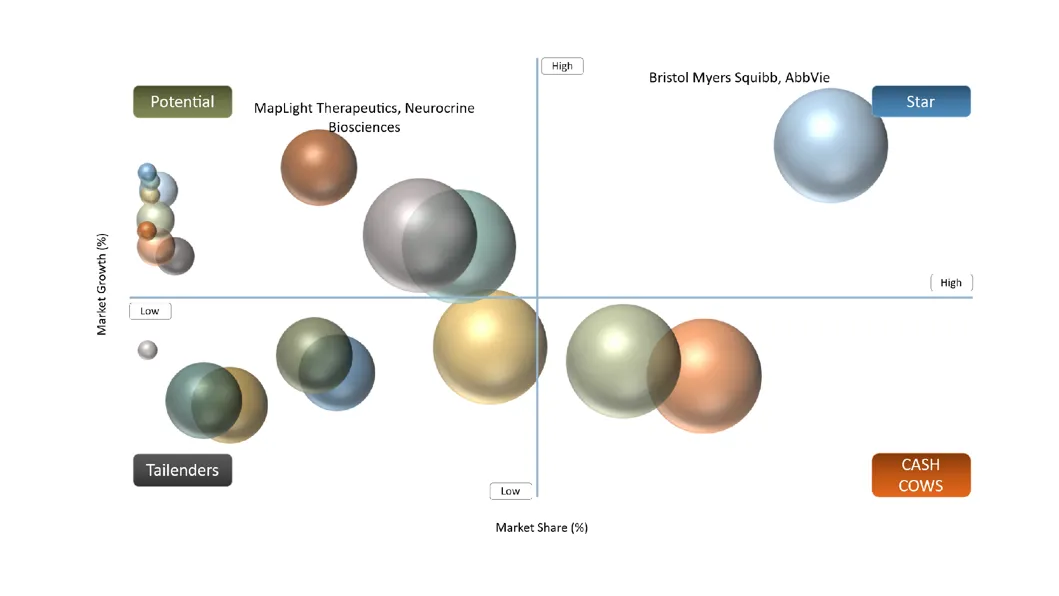
STAR companies include Bristol Myers Squibb, AbbVie, Eisai and Johnson & Johnson because they combine strong neuroscience portfolios, commercialization infrastructure and the ability to invest in receptor-directed innovation.
POTENTIAL companies include MapLight Therapeutics, Neurocrine Biosciences and other focused developers advancing M1, M4 or nicotinic programs.
CASH COW participants include diversified generic manufacturers with stable cholinesterase inhibitor and antimuscarinic portfolios.
TAILENDERS include small undifferentiated suppliers with limited geographic reach or weak pipeline depth.
Cholinergic Drugs Market Dynamics
Driver Impact Analysis
| Driver | Market Growth Impact | Demand Concentration | Impacted Use Case | Strategic Impact |
|---|---|---|---|---|
Commercial validation of muscarinic receptor modulation | 25% | North America and Europe | Schizophrenia and psychosis | Supports launch investment and raises partnering interest in M1/M4 assets. |
Aging population and dementia burden | 22% | Global | Alzheimer’s disease and related dementias | Sustains large treatment volume for symptomatic cholinergic therapies. |
Need for non-dopaminergic psychiatric therapy | 18% | Developed markets | Patients with metabolic or movement-related treatment burdens | Creates differentiation opportunities for novel mechanisms. |
Receptor-selective drug design | 15% | Global R&D centers | Next-generation CNS programs | Improves the probability of separating efficacy from peripheral adverse effects. |
Driver: Commercial Validation of Muscarinic Receptor Modulation
The approval of xanomeline and trospium for adult schizophrenia is a defining growth driver because it demonstrates that a cholinergic mechanism can achieve regulatory acceptance in a major psychiatric indication. The product is the first approved antipsychotic centered on cholinergic receptors rather than direct dopamine receptor blockade. This changes development priorities across neuroscience and provides a commercial benchmark for follow-on M1 and M4 programs.
The impact extends beyond one product. Pharmaceutical companies can now design trials, market-access strategies and physician education around an established mechanistic precedent. The approval also encourages investment in peripheral side-effect control and combination approaches. Nevertheless, follow-on programs must prove molecule-specific efficacy, because later trial failures show that the class cannot be valued as uniformly de-risked.
Restraint Impact Analysis
| Restraint | Drag on Market Growth | Primary Impact Area | Impacted Use Case | Strategic Impact |
|---|---|---|---|---|
Cholinergic and anticholinergic adverse effects | 23% | Safety and adherence | Broad market utilization | Limits dose intensity and can increase discontinuation or monitoring. |
High late-stage clinical failure risk | 19% | Pipeline valuation | Schizophrenia and cognition programs | Raises capital costs and reduces confidence in mechanistic extrapolation. |
Generic competition in mature categories | 16% | Pricing and margins | Dementia, urology and ophthalmology | Constrains revenue growth for established products. |
| Limited predictive biomarkers | 12% | Patient selection | Neuropsychiatric indications | Makes response heterogeneity harder to manage in trials and practice. |
Restraint: Cholinergic Safety and Tolerability Burden
Cholinergic pharmacology can produce nausea, vomiting, diarrhea, sweating, salivation, bradycardia and urinary effects, while antimuscarinic activity can produce dry mouth, constipation, blurred vision, urinary retention and cognitive impairment. These adverse effects are especially relevant in older adults with multimorbidity and polypharmacy. Tolerability can limit titration, reduce adherence and complicate use in patients with renal, hepatic, cardiovascular or gastrointestinal conditions.
Developers are responding with receptor selectivity, slow titration, modified-release formulations and peripherally restricted companion agents. Even so, the therapeutic window remains a central risk. Products that cannot demonstrate a clear balance between symptom improvement and autonomic burden may struggle against established therapies, particularly when payer access requires evidence of practical clinical advantage.
Cholinergic Drugs Market Segment Analysis
The global cholinergic drugs market is segmented based on drug class, receptor target, indication, route of administration, patient population, distribution channel and region.
By Drug Class
Acetylcholinesterase Inhibitors Will Continue to Anchor Market Revenue
Acetylcholinesterase inhibitors remain the largest drug-class segment because they are widely used for symptomatic management of Alzheimer’s disease and related dementias. Donepezil, rivastigmine and galantamine are supported by established prescribing pathways, extensive generic availability and long clinical familiarity. Growth is moderate because the category is mature, but aging populations and improved diagnosis sustain treatment volume. Commercial differentiation increasingly depends on formulation, adherence support and compatibility with newer disease-modifying therapies.
By Receptor Target
M1/M4 Combined Modulation Will Generate the Strongest Strategic Interest
Combined M1/M4 modulation is expected to attract the highest strategic interest due to its relevance in cognition, psychosis and cortical-striatal signaling. The commercial success of xanomeline plus trospium has created a benchmark for centrally active agonism paired with peripheral adverse-effect control. Pipeline competition will focus on whether new molecules can simplify dosing, reduce gastrointestinal burden and extend efficacy into negative symptoms, cognition or dementia-related psychosis.
By Indication
Schizophrenia and Psychosis Will Be the Fastest-Growing Innovation Segment
Schizophrenia and psychosis are projected to become the fastest-growing innovation segment as cholinergic mechanisms enter a market historically dominated by dopamine receptor antagonists. Growth will depend on adoption among patients with inadequate response or adverse effects on existing therapies, payer willingness to reimburse premium products and the ability of new entrants to demonstrate durable efficacy in real-world settings.
By Route of Administration
Oral Products Will Retain Dominance Through Broad Treatment Convenience
Oral products account for most revenue and prescription volume because they cover dementia, psychiatry, urology, gastrointestinal and neuromuscular indications. Tablets and capsules support flexible dosing and broad retail distribution. Transdermal delivery remains important for selected dementia patients, while ophthalmic and injectable routes serve narrower clinical contexts. Future innovation will focus on once-daily regimens and formulations that reduce peak-related adverse effects.
By Patient Population
Geriatric Patients Will Remain the Largest Treated Population
Geriatric patients represent the largest population because dementia, Parkinsonian disorders, glaucoma and autonomic conditions increase with age. This segment requires careful management of bradycardia, urinary retention, constipation, cognitive burden and drug interactions. Products that simplify administration and reduce caregiver burden are well positioned, while highly anticholinergic therapies face increasing scrutiny in older adults.
By Distribution Channel
Retail Pharmacies Will Lead While Specialty Channels Gain Strategic Importance
Retail pharmacies lead volume for chronic oral cholinergic medicines and generic products. Specialty pharmacies and hospital-linked channels are gaining importance for high-value psychiatric launches that require prior authorization, patient education and adherence monitoring. Manufacturers increasingly integrate benefit verification, copay support and digital onboarding to reduce prescription abandonment.
Cholinergic Drugs Market Geographical Penetration
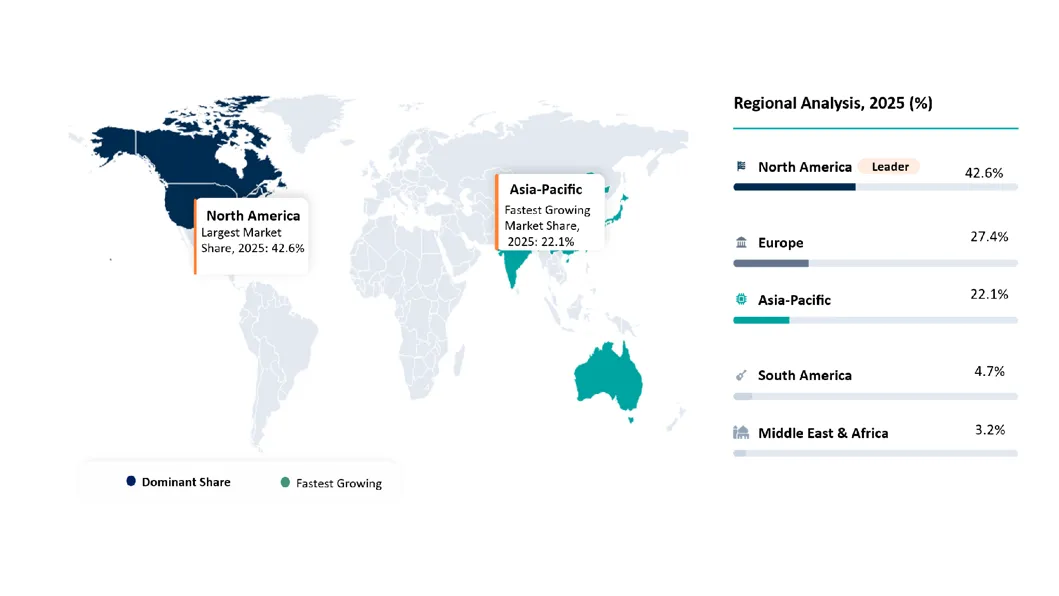
| Region | 2025 Share | Strategic Position |
|---|---|---|
| North America | 42.6% | Largest market, led by U.S. innovation, high dementia treatment use and early launch adoption. |
| Europe | 27.4% | Strong dementia demand, established reimbursement systems and active neuroscience research. |
| Asia-Pacific | 22.1% | Fastest growth from aging populations, expanding diagnosis and improving specialist access. |
| South America | 4.7% | Growth led by Brazil and urban specialist centers, with affordability constraints. |
| Middle East and Africa | 3.2% | Selective growth in GCC, Israel, Turkiye and South Africa. |
U.S. Cholinergic Drugs Market Landscape
The U.S. is the largest national market due to broad access to dementia therapies, a large schizophrenia population, specialist prescribing and strong commercial infrastructure. The approval of COBENFY has made the country the primary launch market for a new cholinergic antipsychotic class. Adoption will be shaped by formulary access, prior authorization, prescriber education and real-world evidence comparing metabolic and movement-related outcomes with established antipsychotics.
The U.S. also hosts most high-value clinical development and venture financing for muscarinic receptor programs. Generic competition remains intense in donepezil, rivastigmine, galantamine, bladder antimuscarinics and ophthalmic products. Companies therefore need separate strategies for premium innovation and mature portfolio management.
Germany Cholinergic Drugs Market Outlook
Germany is one of Europe’s largest markets for dementia and neuropsychiatric treatment, supported by broad insurance coverage, specialist care and an aging population. Reimbursement assessment places strong emphasis on added clinical benefit, making comparative evidence important for novel cholinergic products. Established generic use supports stable volume, while new psychiatric mechanisms will require clear positioning in treatment guidelines and evidence on patient-relevant outcomes.
Japan Cholinergic Drugs Market Trends
Japan represents a major opportunity due to its advanced aging profile, high dementia burden and strong domestic pharmaceutical capabilities. Cholinesterase inhibitors are deeply established in clinical practice, and the market is receptive to formulations that improve adherence and caregiver convenience. New muscarinic therapies may gain interest in psychosis and cognition, but local clinical evidence, dose optimization and safety in older patients will be critical.
China Cholinergic Drugs Market Trends
China offers long-term growth through expanding diagnosis of dementia, mental illness and movement disorders. Urban tertiary hospitals lead adoption of branded therapies, while generics dominate broader access. Domestic manufacturers are increasing neuroscience R&D, yet reimbursement, affordability and uneven specialist capacity remain constraints. Partnerships with local companies can accelerate trial execution and commercialization.
Cholinergic Drugs Market Competitive Landscape
- Competition is divided between mature generic portfolios and high-value receptor-selective innovation, requiring different operating models and capital allocation.
- Bristol Myers Squibb has first-mover advantage in muscarinic antipsychotic commercialization through COBENFY and associated lifecycle programs.
- Focused biotechnology companies compete through M1/M4 platforms, while larger pharmaceutical companies provide global development and launch infrastructure.
- Clinical differentiation depends on efficacy, autonomic tolerability, metabolic outcomes, cognition, dosing simplicity and compatibility with existing therapy.
- Mergers, licensing and platform acquisitions remain likely because the number of validated cholinergic neuroscience assets is limited.
- Generic manufacturers compete on supply reliability, cost and geographic reach across dementia, urology, ophthalmology and neuromuscular categories.
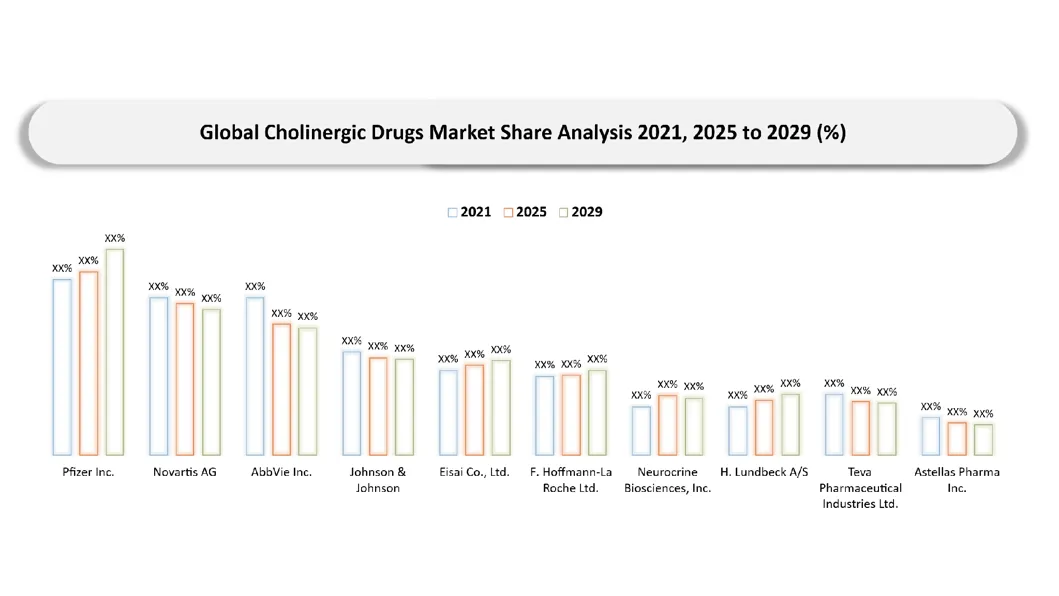
Key Companies of Cholinergic Drugs Market
- Bristol Myers Squibb
- AbbVie
- Eisai
- Johnson & Johnson
- Novartis
- Pfizer
- Roche
- Neurocrine Biosciences
- MapLight Therapeutics
- Lundbeck
- Teva Pharmaceutical
- Organon
- Astellas Pharma
- Viatris
- Sun Pharmaceutical
- Amneal Pharmaceuticals
- Alvogen
- Zydus Lifesciences
- Hikma Pharmaceuticals
- Dr. Reddy’s Laboratories
Selected Company Profile Analysis
Bristol Myers Squibb
Bristol Myers Squibb holds the most strategically important position in innovative cholinergic psychiatry through COBENFY. The company gained the asset through its acquisition of Karuna Therapeutics and has the commercial infrastructure to build a new antipsychotic class. Its priorities include launch execution, payer access, physician education, real-world evidence and lifecycle expansion. The company’s advantage is first-mover status, but it must establish durable differentiation on efficacy, tolerability and patient selection while managing the gastrointestinal and autonomic profile associated with the combination.
AbbVie
AbbVie participates through a broad neuroscience portfolio and the emraclidine program acquired with Cerevel Therapeutics. The negative Phase 2 EMPOWER results reduced near-term expectations for emraclidine and highlighted the risk of extrapolating class validation to an individual M4 modulator. AbbVie retains strong capabilities in psychiatry, movement disorders and global commercialization. Its future cholinergic strategy will depend on data review, portfolio prioritization and whether alternative indications, doses or development paths justify further investment.
MapLight Therapeutics
MapLight Therapeutics is a focused clinical-stage company advancing ML-007C-MA, an M1/M4 agonist paired with a peripheral anticholinergic. The company completed enrollment in the Phase 2 ZEPHYR schizophrenia trial and expects a major 2026 readout. It is also evaluating the platform in Alzheimer’s disease psychosis and developing a next-generation program, ML-055. MapLight’s value is highly sensitive to clinical outcomes, but its multi-indication platform and substantial financing provide the ability to pursue follow-on development if efficacy and tolerability are confirmed.
Neurocrine Biosciences
Neurocrine Biosciences has built a strong commercial neuroscience organization and is advancing muscarinic programs with partners including Nxera Pharma. Its M4-focused candidates provide exposure to schizophrenia and related neuropsychiatric indications. The company’s advantage is experience launching specialized CNS therapies and managing long-term physician relationships. Development success will depend on demonstrating that selective M4 modulation produces consistent efficacy with a favorable adverse-effect profile. Positive clinical data could make Neurocrine an important second-wave competitor in cholinergic psychiatry.
Eisai
Eisai is a leading participant in dementia care with extensive knowledge of Alzheimer’s disease treatment pathways, neurology networks and caregiver needs. Its established presence gives it strategic relevance even where individual products are mature or partnered. Cholinergic symptomatic therapies remain part of the broader dementia treatment ecosystem, particularly as disease-modifying medicines expand. Eisai is well positioned to study sequencing and combination use, though commercial growth in mature cholinesterase inhibitor categories is constrained by generic competition.
Johnson & Johnson
Johnson & Johnson has a major psychiatry and neuroscience footprint, including antipsychotic experience and global hospital relationships. Although its core schizophrenia products are not primarily cholinergic, the company is an important competitive benchmark for any new muscarinic antipsychotic. It can influence treatment algorithms, payer comparisons and physician expectations. Strategic participation could occur through internal research, licensing or acquisition if cholinergic mechanisms demonstrate broader utility across psychosis, cognition or mood-related symptoms.
Novartis
Novartis maintains broad neuroscience capabilities and a global commercial presence that could support receptor-selective CNS assets. In the current market, the company is relevant through established pharmaceutical operations and potential partnering capacity rather than a single dominant cholinergic franchise. Its strength lies in translational science, clinical execution and access across developed and emerging markets. Any future entry would likely focus on differentiated patented therapies rather than mature generic cholinergic categories.
Teva Pharmaceutical
Teva is an important participant in mature cholinergic categories through generic manufacturing, broad retail distribution and experience in central nervous system medicines. The company competes on cost, supply reliability and channel access across established products. Generic portfolio economics are sensitive to price erosion and manufacturing efficiency, but scale provides resilience. Teva’s CNS commercial capabilities also make it a potential partner for differentiated regional products or complex formulations.
Viatris
Viatris participates through a diversified global generics platform and access to retail and institutional channels. Its role is strongest in mature therapies used for dementia, urology, ophthalmology and related indications. The company benefits from geographic breadth and manufacturing scale, while facing the same margin pressure that affects generic cholinergic drugs. Portfolio optimization, dependable supply and selective complex-dosage opportunities are central to its competitive strategy.
Sun Pharmaceutical
Sun Pharmaceutical has a large generic and specialty presence across the U.S., India and other international markets. It can capture demand for established cholinergic medicines through cost-efficient manufacturing and broad distribution. The company also has the resources to pursue differentiated formulations or regional specialty opportunities. Growth depends on balancing high-volume generics with higher-value products that avoid direct commodity competition.
Dr. Reddy’s Laboratories
Dr. Reddy’s Laboratories is positioned in the market through generic development, active ingredient capabilities and access to major regulated markets. It competes in mature treatment categories where consistent quality, regulatory compliance and launch timing determine share. The company’s integrated model can support supply resilience and competitive pricing. Future opportunities include complex formulations and geographic expansion in aging markets with growing dementia treatment demand.
Hikma Pharmaceuticals
Hikma Pharmaceuticals contributes through generic and injectable capabilities, hospital relationships and a broad regional footprint. Its relevance is strongest in established cholinergic products used in acute care, neuromuscular management and chronic therapy. Hospital procurement emphasizes dependable supply and competitive contracts, areas where Hikma has experience. The company could also benefit from regional demand growth across the Middle East, North Africa and selected European markets.
Astellas Pharma
Astellas Pharma has long-standing experience in urology and other specialty therapeutic areas where antimuscarinic pharmacology has commercial relevance. Its knowledge of bladder treatment pathways, specialist engagement and regional reimbursement provides a useful platform for lifecycle products and differentiated formulations. The company’s opportunity lies in combining established channel strength with innovation that improves cognitive safety, adherence or dosing convenience in older adults.
Organon
Organon participates through a broad portfolio of established medicines and global commercial capabilities. In cholinergic categories, its strategic role is tied to lifecycle management, access in diverse markets and efficient portfolio operations. The company can benefit from stable demand in mature indications, although generic competition limits pricing power. Partnerships or regional rights could expand its presence in differentiated products without requiring full early-stage development risk.
Zydus Lifesciences
Zydus Lifesciences is positioned through integrated generic development, active ingredient production and distribution across India, the U.S. and other markets. Cholinergic medicines fit its strength in chronic therapies and cost-efficient supply. The company can pursue volume growth in dementia and autonomic indications while exploring complex dosage forms that provide better margins. Regulatory execution and consistent product availability remain central to competitiveness.
Amneal Pharmaceuticals
Amneal Pharmaceuticals competes through a diversified generic portfolio and increasing focus on complex products. It can serve mature cholinergic segments through retail and institutional channels, where procurement decisions emphasize price, service levels and supply continuity. The company’s development capabilities may also support transdermal, extended-release or combination products that are harder to replicate than standard tablets. This creates a path to selective differentiation within otherwise commoditized categories.
Alvogen
Alvogen has a commercially relevant position in specialty generics and can participate in established cholinergic treatment categories through efficient development, manufacturing partnerships and regional distribution. Its opportunity is strongest where branded products have lost exclusivity but supply reliability and formulation quality still influence purchasing. Selective investment in extended-release, transdermal or combination formats could provide better differentiation than conventional oral generics.
Roche
Roche remains strategically relevant through its global neuroscience research, diagnostics capabilities and ability to integrate biomarkers with drug development. Although it does not currently lead the commercial cholinergic market, the company could influence future competition through internal discovery, partnerships or precision-medicine tools that improve patient selection. Its strength in diagnostics may become increasingly valuable if receptor-directed therapies require biological or digital markers to identify responders and monitor treatment effects.
Cholinergic Drugs Market Major Pain Points
- Peripheral cholinergic adverse effects can limit titration and adherence.
- Antimuscarinic burden can worsen cognition, constipation, urinary retention and visual symptoms in vulnerable patients.
- Clinical efficacy may not transfer consistently across molecules targeting the same receptor subtype.
- High placebo response and heterogeneous symptom profiles complicate psychiatric trials.
- Mature drug classes face strong generic price erosion and limited product differentiation.
- Reimbursement for novel CNS drugs requires evidence of meaningful functional and economic benefit.
- Older patients often have polypharmacy and comorbidities that narrow the therapeutic window.
- Long development timelines and uncertain biomarkers increase capital intensity.
Cholinergic Drugs Market Recent Developments
- September 2024: The U.S. FDA approved COBENFY, the first antipsychotic approved for schizophrenia that targets cholinergic receptors rather than dopamine receptors.
- November 2024: AbbVie reported that the Phase 2 EMPOWER-1 and EMPOWER-2 studies of emraclidine did not meet their primary endpoints in acute schizophrenia.
- July 2025: MapLight Therapeutics initiated the Phase 2 ZEPHYR trial of ML-007C-MA in schizophrenia after an extensive Phase 1 program.
- May 2026: MapLight Therapeutics reported completion of enrollment in ZEPHYR, with topline results expected by mid-August 2026.
- March 2026: MapLight highlighted expansion of its next-generation M1/M4 program, ML-055, and continued development of ML-007C-MA in Alzheimer’s disease psychosis.
Analyst View / Opinion on Cholinergic Drugs Market
- The market has moved from theoretical cholinergic promise to commercial validation, but molecule-specific clinical risk remains high.
- M1/M4 therapies represent the strongest source of premium growth, while acetylcholinesterase inhibitors continue to provide the largest stable revenue base.
- The next competitive phase will focus on tolerability, dosing simplicity and proof that benefits extend beyond positive psychotic symptoms.
- Pipeline readouts during 2026 and 2027 will influence whether the market develops into a multi-product class or remains concentrated around one approved platform.
- Companies with both receptor science and global market-access capability are best positioned to capture value.
- Long-term leadership will require disciplined lifecycle expansion, real-world outcomes evidence and careful management of autonomic adverse effects.
Cholinergic Drugs Market Target Audience
| Industry | Who Should Buy This Report? | Reason to Buy This Report |
|---|---|---|
| Pharmaceutical Companies | R&D leaders, portfolio strategists, commercial teams | Assess receptor targets, indication attractiveness and competitive positioning. |
| Biotechnology Companies | Founders, clinical development teams, business development leaders | Benchmark pipeline assets and identify partnering opportunities. |
| Hospitals and Healthcare Providers | Neurologists, psychiatrists, geriatricians, pharmacists | Understand treatment shifts, safety trade-offs and likely adoption pathways. |
| CROs and Clinical Service Providers | Trial operators, biomarker groups, site networks | Identify upcoming study demand and protocol complexity. |
| Payers and HTA Bodies | Formulary teams, health economists, medical directors | Evaluate comparative value, budget impact and evidence needs. |
| Investors and Consulting Firms | Venture capital, private equity, public-market investors, advisors | Assess pipeline risk, commercial catalysts and market-entry opportunities. |
| Generic Manufacturers | Portfolio, sourcing and business development teams | Monitor mature category economics and regional growth opportunities. |
| Regulatory and Public Health Bodies | Regulators, standards groups, mental health agencies | Track therapeutic innovation, safety issues and access implications. |
Why Choose DATAM?
- Data-Driven insights: Detailed analyses of market shares, pricing, pipeline assets, value chains and regional growth, supported by interviews with industry participants.
- Post-Purchase Support and Expert Analyst Consultations: Direct access to analysts for clarification, strategic guidance and customized follow-up.
- White Papers and Case Studies: Supporting studies related to purchased titles that help clients refine operational and commercial strategies.
- Annual Updates on Purchased Reports: Ongoing access to refreshed market intelligence and major pipeline developments, subject to applicable terms.
- Specialized Focus on Emerging Markets: Country-level intelligence for high-growth regions rather than generalized regional summaries.
- Value of DataM Reports: Tailored analysis that connects market sizing with pipeline, regulation, investment and commercialization questions.
What DATAM Uniquely Provides
- Detailed 10-year market forecasts by drug class, receptor target, indication, route, patient population, distribution channel and region.
- A dedicated cholinergic drug pipeline table covering approved, mid-stage and early-stage assets with strategic interpretation.
- Competitive analysis spanning global pharmaceutical companies, focused biotechnology developers and generic manufacturers.
- Regulatory, pricing, AI, disruption, BCG, investment and trade intelligence integrated into one market assessment.
- Country-level recommendations for launch planning, partnering, licensing and portfolio prioritization.
- Actionable white-space analysis focused on muscarinic psychiatry, dementia-related psychosis and peripheral adverse-effect mitigation.
Questions This Report Answers
- How will commercial adoption of cholinergic receptor-based antipsychotics reshape the market through 2035?
- Which drug classes, receptor targets and indications offer the greatest revenue growth?
- What are the leading clinical-stage cholinergic assets and their most important development milestones?
- How do safety, tolerability and biomarker limitations affect pipeline probability?
- Which regions offer the strongest launch and licensing opportunities?
- Which companies are best positioned across innovative and mature cholinergic portfolios?


























































