


BCMA Bispecific Antibody Market Size and overview
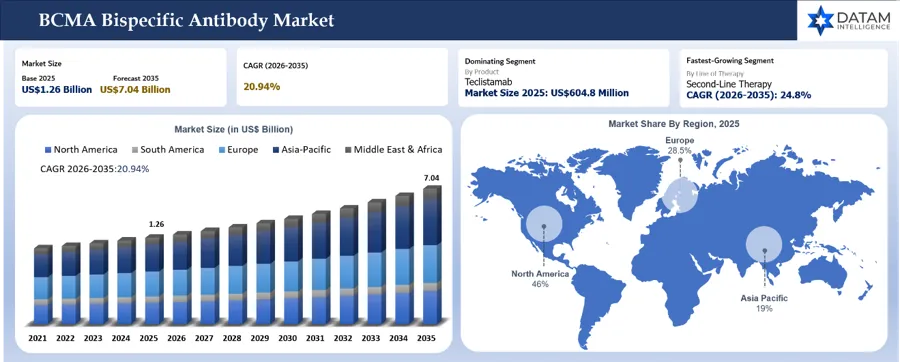
The global BCMA bispecific antibody market reached US$1.26 billion in 2025 and is expected to reach US$7.04 billion by 2035, growing with a CAGR of 20.94% during the forecast period 2026-2035.
Market growth is being driven by increasing adoption of BCMA-directed T-cell engagers in relapsed or refractory multiple myeloma, expansion into earlier treatment lines and growing use of combination regimens. Commercial products such as TECVAYLI (teclistamab), ELREXFIO (elranatamab) and LYNOZYFIC (linvoseltamab) have established BCMA bispecific antibodies as an important off-the-shelf treatment class capable of delivering deep responses without the manufacturing lead time associated with autologous CAR T-cell therapy.
The competitive landscape is shifting from heavily pretreated late-line populations toward broader multiple myeloma treatment settings. Earlier-line use, combinations with anti-CD38 antibodies and other established myeloma therapies, and development of next-generation molecules are increasing the addressable patient population. Product differentiation is increasingly centered on progression-free survival, response durability, minimal residual disease negativity, infection burden, cytokine release syndrome management, step-up dosing requirements, dosing frequency and outpatient feasibility.
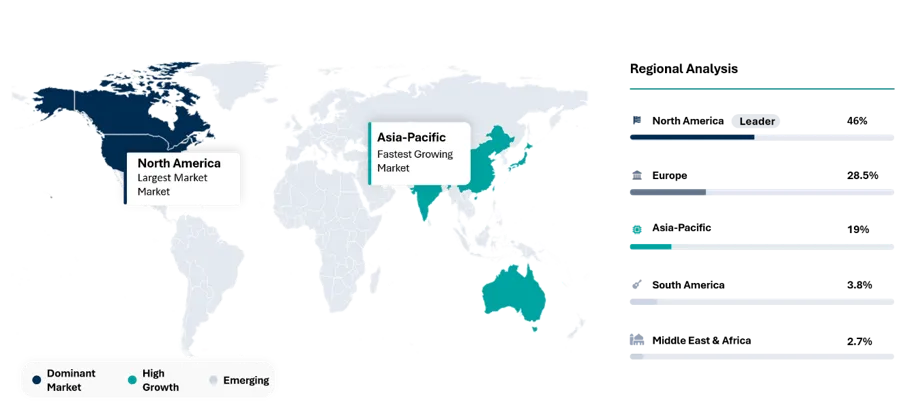
North America currently represents the leading regional market, supported by early regulatory approvals, advanced hematology infrastructure, high oncology expenditure and rapid adoption of innovative therapies. Europe remains an important commercial market, while Asia-Pacific is emerging as a significant growth opportunity due to expanding multiple myeloma diagnosis, increasing clinical development and improving access to advanced biologics. Future market growth will depend on successful earlier-line expansion, improved safety profiles, longer dosing intervals, community-based administration, favorable reimbursement and clear positioning relative to CAR T-cell therapy and other advanced multiple myeloma treatments.
BCMA Bispecific Antibody Market Key Takeaways
- Sustained Market Expansion Through 2035: The global BCMA bispecific antibody market was valued at US$1.26 billion in 2025 and is projected to reach US$7.04 billion by 2035, registering a CAGR of 20.94% during 2026-2035, supported by earlier-line expansion, combination regimens and broader adoption of BCMA-directed T-cell engagers.
- Teclistamab Maintains Commercial Leadership: TECVAYLI (teclistamab) remains a leading commercial BCMA bispecific antibody, supported by established physician experience, broad geographic availability and expansion from heavily pretreated multiple myeloma into earlier treatment settings through combination therapy.
- Earlier-Line Therapy Becomes the Primary Growth Engine: Second-line and earlier treatment expansion is expected to become a major growth driver as BCMA bispecific antibodies move beyond late-line relapsed or refractory multiple myeloma and address substantially larger eligible patient population.
- North America Maintains Regional Dominance: North America is estimated to account for approximately 46% of the global BCMA bispecific antibody market in 2026, supported by early regulatory approvals, advanced hematology infrastructure, high oncology expenditure and strong adoption of innovative multiple myeloma therapies.
- Safety, Durability and Dosing Convenience Reshape Competitive Strategy: Future market leadership will depend on durable disease control, progression-free survival, manageable infection and cytokine release syndrome risk, simplified step-up dosing, longer dosing intervals and outpatient feasibility. Next-generation BCMA bispecifics and combination regimens could materially reshape treatment sequencing relative to CAR T-cell therapy.
BCMA Bispecific Antibody Market Industry Trends and Strategic Insights
- The market is transitioning from predominantly late-line treatment of heavily pretreated relapsed or refractory multiple myeloma toward earlier-line use, combination regimens and broader integration of BCMA-directed bispecific antibodies into standard treatment pathways.
- TECVAYLI, ELREXFIO and LYNOZYFIC have established BCMA × CD3 bispecific antibodies as a distinct commercial therapy class, supported by off-the-shelf availability, deep response potential and shorter treatment initiation compared with autologous CAR T-cell therapy
- Earlier-line expansion represents a major industry trend as BCMA bispecifics move beyond fourth-line and later use. Commercial differentiation will increasingly center on progression-free survival, response durability, minimal residual disease negativity, infection burden, dosing frequency and outpatient administration.
- Next-generation BCMA bispecific antibodies are being designed to improve the therapeutic window through simplified step-up dosing, longer dosing intervals, improved T-cell engagement and reduced treatment burden. Combination strategies with anti-CD38 antibodies, immunomodulatory drugs and other myeloma therapies could further reshape treatment sequencin
- Sustainable competitive advantage will require more than high response rates. Companies demonstrating durable disease control, manageable cytokine release syndrome and infection risk, convenient administration, community oncology feasibility, strong sequencing evidence versus CAR T-cell therapy and credible real-world outcomes will be better positioned to secure physician adoption, reimbursement and long-term market share.
BCMA Bispecific Antibody Market Scope
| Metrics | Details | |
| 2025 Market Size | US$1.26 Billion | |
| 2035 Projected Market Size | US$7.04 Billion | |
| CAGR (2026-2035) | 20.94% | |
| Largest Market | North America | |
| Fastest Growing Market | Asia-Pacific | |
| By Product | Teclistamab, Elranatamab, Linvoseltamab and Others | |
| By Therapy Regimen | Monotherapy and Combination Therapy | |
| By Combination Therapy | With Anti-CD38 Antibodies, With Immunomodulatory Drugs, With Proteasome Inhibitors, With Other Antimyeloma Therapies and Others | |
| By Line of Therapy | Second-Line Therapy, Third-Line Therapy, Fourth-Line Therapy and Fifth-Line and Later Therapy | |
| By Treatment Status | Newly Diagnosed Multiple Myeloma, Relapsed Multiple Myeloma, Refractory Multiple Myeloma and Relapsed or Refractory Multiple Myeloma | |
| By Route of Administration | Subcutaneous, Intravenous and Others | |
| By Dosing Frequency | Weekly, Every Two Weeks, Every Four Weeks and Other Extended-Interval Dosing | |
| By End User | Hospitals, Comprehensive Cancer Centers, Specialty Hematology and Oncology Centers and Others | |
| By Distribution Channel | Hospital Pharmacies, Specialty Pharmacies, Direct Institutional Supply and Others | |
| By Region | North America | U.S., Canada, Mexico |
| Europe | Germany, UK, France, Spain, Italy, Poland | |
| Asia-Pacific | China, India, Japan, Australia, South Korea, Indonesia, Malaysia, Singapore, Vietnam, Thailand, Philippines, Taiwan | |
| South America | Brazil, Argentina | |
| Middle East and Africa | Israel, Saudi Arabia, UAE, Turkiye, South Africa, Nigeria | |
| Report Insights Covered | Competitive Landscape Analysis, Company Profile Analysis, Market Size, Share, Growth | |
Why does this report matter in 2026?
The global BCMA bispecific antibody market reached a major strategic inflection point in 2026 as competition moved beyond late-line relapsed or refractory multiple myeloma and into earlier treatment settings. In March 2026, the U.S. FDA approved TECVAYLI (teclistamab) in combination with DARZALEX FASPRO for adults with relapsed or refractory multiple myeloma who had received at least one prior line of therapy, making it the first bispecific antibody-based combination regimen approved in this setting. The approval also converted teclistamab monotherapy from accelerated to traditional approval for heavily pretreated patients, reinforcing BCMA bispecific antibodies as an increasingly established component of multiple myeloma treatment.
Competitive intensity is increasing as marketed products such as teclistamab, elranatamab and linvoseltamab are joined by next-generation clinical candidates designed to improve efficacy, dosing convenience, safety and community-based administration. Linvoseltamab received U.S. FDA accelerated approval in July 2025 for patients with relapsed or refractory multiple myeloma after at least four prior lines of therapy, further expanding the commercial BCMA × CD3 bispecific class. In September 2026, AbbVie reported positive Phase III CERVINO results for etentamig, with a 74% objective response rate and a 60% reduction in the risk of disease progression or death versus standard available therapies in triple-class exposed relapsed or refractory multiple myeloma. Its once-monthly dosing following a single step-up dose also highlights growing competition around dosing convenience and outpatient or community-based treatment.
The report helps pharmaceutical companies, investors, business-development teams and market-access stakeholders evaluate eligible multiple myeloma populations, treatment-line expansion, patient sequencing, combination strategies, dosing frequency, treatment duration, hospital versus outpatient administration, pricing, reimbursement and pipeline readiness. It also assesses how deeper responses, progression-free survival, infection risk, cytokine release syndrome management, step-up dosing requirements, treatment convenience, earlier-line adoption, community oncology access and competition from CAR T-cell therapies and other targeted approaches will influence future market positioning and sustainable value creation.
BCMA Bispecific Antibody Market White Space & Investment Opportunities
- Earlier-Line Treatment Expansion: Advance BCMA bispecific antibodies into second-line and earlier multiple myeloma settings to access larger eligible patient populations and extend treatment duration.
- Lower-Burden Dosing and Community Administration: Develop regimens with fewer step-up doses, longer dosing intervals and simplified monitoring to support outpatient and community oncology use.
- Improved Safety and Infection Management: Invest in next-generation molecules and supportive-care strategies that reduce cytokine release syndrome, infections, cytopenias and prolonged immune suppression.
- Combination and Sequencing Strategies: Build differentiated combinations with anti-CD38 antibodies, immunomodulatory drugs, proteasome inhibitors and other targeted therapies while optimizing sequencing before and after CAR T-cell therapy.
- Resistance and Biomarker-Guided Treatment: Develop biomarker, minimal residual disease and resistance-monitoring approaches to address BCMA loss, T-cell exhaustion, immune escape and variable treatment response.
BCMA Bispecific Antibody Market Future Transformation
Over the next decade, the global BCMA bispecific antibody market will shift from predominantly late-line treatment of heavily pretreated relapsed or refractory multiple myeloma toward earlier-line, combination-based and more individualized treatment strategies. Clinical positioning will increasingly consider prior therapy exposure, cytogenetic risk, disease burden, transplant status, depth of response, minimal residual disease, treatment tolerance and access to CAR T-cell therapy. Broader adoption will reinforce demand for deeper and more durable responses, simplified step-up dosing, longer dosing intervals and treatment models that can move safely from academic centers into outpatient and community oncology settings.
Market transformation will accelerate as next-generation BCMA bispecific antibodies compete on response durability, progression-free survival, infection burden, cytokine release syndrome management, dosing convenience and activity after prior BCMA-directed therapies. Competition will also expand around combinations with anti-CD38 antibodies, immunomodulatory drugs, proteasome inhibitors and other targeted approaches. Commercial success will increasingly depend on demonstrating value in earlier treatment lines, high-risk multiple myeloma, post-CAR T relapse, community-based administration and response-adapted or fixed-duration therapy. Companies that combine durable clinical outcomes with manageable safety, less frequent dosing, biomarker-guided patient selection, strong reimbursement evidence and broad geographic access will be better positioned to capture the next phase of market growth.
BCMA Bispecific Antibody Market Buyer Decision-Making Criteria
Major Buyer Decision-Making Criteria:
- Depth and Durability of Clinical Response
- Progression-Free Survival and Overall Survival Benefit
- Speed of Response
- Minimal Residual Disease Negativity
- Activity in High-Risk and Heavily Pretreated Patients
- Efficacy After Prior BCMA-Directed Therapy
- Cytokine Release Syndrome and Neurotoxicity Profile
- Infection Risk and Hematologic Toxicity
- Step-Up Dosing and Monitoring Requirements
- Dosing Frequency and Treatment Convenience
- Inpatient versus Outpatient Administration Feasibility
- Treatment Sequencing versus CAR T-Cell Therapy
- Pricing, Reimbursement and Total Cost of Care
- Guideline Positioning and Physician Experience
- Supply Reliability and Patient-Support Services
In the BCMA bispecific antibody market, prescribing, purchasing and formulary decisions are primarily driven by a therapy’s ability to deliver deep, durable and clinically meaningful responses in multiple myeloma. Hematologists, cancer centers and payers evaluate overall response rate, complete response, minimal residual disease negativity, progression-free survival, response durability and activity in patients with high-risk cytogenetics or extensive prior treatment. Effectiveness in earlier treatment lines, after CAR T-cell therapy and in combination regimens is also becoming increasingly important for product differentiation.
Safety and treatment burden remain central because BCMA bispecific antibodies can require step-up dosing, close monitoring and prolonged treatment. Buyers assess cytokine release syndrome, neurotoxicity, severe infections, cytopenias, immunoglobulin suppression, hospitalization requirements and the feasibility of outpatient or community-based administration. Payers additionally consider acquisition cost, treatment duration, hospitalization burden, supportive-care costs, retreatment requirements and comparative value versus CAR T-cell therapy and other multiple myeloma regimens. Therapies supported by durable efficacy, manageable safety, less frequent dosing, community-use potential, guideline inclusion and strong reimbursement evidence will be better positioned for sustained adoption.
BCMA Bispecific Antibody Market Economic & Investment Analysis
The BCMA bispecific antibody market is becoming an increasingly attractive hematologic-oncology and immunology investment segment, supported by premium biologic pricing, expanding use in multiple myeloma and growing interest in BCMA × CD3 T-cell engagers beyond oncology. Commercial value is being strengthened by the presence of marketed therapies such as teclistamab, elranatamab and linvoseltamab, while earlier-line combinations and next-generation candidates are increasing competitive pressure around response durability, progression-free survival, infection burden, dosing frequency and outpatient administration.
Investment activity accelerated materially in 2026. UCB completed its acquisition of Candid Therapeutics for up to US$2.2 billion, gaining cizutamig, a clinical-stage BCMA × CD3 bispecific antibody being advanced across autoimmune diseases. Gilead Sciences also completed the acquisition of Ouro Medicines for US$1.675 billion upfront plus up to US$500 million in milestones, adding gamgertamig, another clinical-stage BCMA × CD3 T-cell engager, with Lakefront Biotherapeutics participating in development and Keymed retaining rights in Greater China. These transactions indicate that strategic value is expanding from multiple myeloma toward antibody-mediated autoimmune diseases and potential immune-reset applications.
Future investment value will depend on movement into earlier treatment lines, differentiated safety, longer dosing intervals, community-based administration, combination regimens and evidence supporting sequencing before or after CAR T-cell therapy. Additional upside may emerge from autoimmune indications where short-course BCMA-directed plasma-cell depletion could support durable disease control without continuous immunosuppression. However, infection risk, cytokine release syndrome, high biologic manufacturing costs, competitive pressure from CAR T-cell therapies and other myeloma agents, reimbursement scrutiny and uncertain long-term differentiation remain key execution risks. Assets combining strong efficacy, convenient subcutaneous administration, manageable safety and broad indication potential are likely to remain important targets for licensing, partnership and acquisition activity.
BCMA Bispecific Antibody Market Investment Trends
- Capital allocation is increasing toward earlier-line expansion, combination regimens, geographic commercialization and outpatient delivery infrastructure for teclistamab, elranatamab, linvoseltamab and emerging BCMA bispecific therapies.
- Investment is accelerating in next-generation BCMA × CD3 antibodies designed to improve response durability, reduce infection burden, simplify step-up dosing and enable less frequent maintenance administration.
- Strategic interest is expanding beyond oncology into autoimmune disease applications, where BCMA-directed plasma-cell depletion is being evaluated as a potential immune-reset strategy with differentiated durability.
- Investors increasingly prioritize assets capable of addressing high-risk multiple myeloma, post-CAR T relapse, earlier treatment lines and patients unsuitable for cellular therapy, while supporting broader community oncology use
- Capital is also shifting toward biomarker-guided treatment, minimal residual disease monitoring, real-world evidence, scalable biologic manufacturing and patient-support programs that can strengthen reimbursement, treatment sequencing and long-term commercial adoption.
Strategic Indicators for Global BCMA Bispecific Antibody Market
High Regulation Impact
The BCMA bispecific antibody market faces high regulatory scrutiny because these therapies redirect T cells toward BCMA-expressing plasma cells and can cause clinically significant immune-mediated toxicities. Regulators closely evaluate cytokine release syndrome, neurologic toxicity, severe and opportunistic infections, cytopenias, hypogammaglobulinemia, treatment-related mortality, step-up dosing requirements and long-term safety. Development programs must demonstrate robust response durability, progression-free survival, appropriate risk-mitigation protocols and manageable administration pathways across heavily pretreated and earlier-line multiple myeloma populations. As BCMA bispecifics expand into earlier treatment lines and autoimmune indications, regulatory expectations around patient selection, infection prophylaxis, outpatient administration and long-term immune recovery are likely to become increasingly important.
High Investment Activity
Investment activity is high as pharmaceutical companies increasingly view BCMA × CD3 bispecific antibodies as strategic assets across both multiple myeloma and immune-mediated diseases. In June 2026, UCB completed its acquisition of Candid Therapeutics for up to US$2.2 billion, adding cizutamig, a BCMA × CD3 bispecific being evaluated across autoimmune diseases. Gilead Sciences and Lakefront Biotherapeutics also completed the acquisition of Ouro Medicines in June 2026, adding gamgertamig, with US$1.675 billion upfront consideration and up to US$500 million in contingent milestone payments. These transactions demonstrate growing strategic interest in BCMA T-cell engagers not only for oncology but also for potential immune-reset applications. Future investment is expected to focus on earlier-line expansion, differentiated safety, less frequent dosing, outpatient administration, combination strategies, scalable manufacturing and broader autoimmune development.
High New Drug-Class Adoption
The BCMA bispecific antibody market is experiencing strong adoption as off-the-shelf T-cell redirecting therapies become established treatment options for relapsed or refractory multiple myeloma. Uptake is supported by commercially available products such as teclistamab, elranatamab and linvoseltamab, particularly among patients who have exhausted multiple prior treatment classes or are unsuitable for CAR T-cell therapy. Adoption is expected to broaden as BCMA bispecifics move into earlier treatment lines and combination regimens. Hematologists will increasingly differentiate therapies based on depth and durability of response, progression-free survival, infection risk, cytokine release syndrome, dosing frequency, outpatient feasibility and activity after prior BCMA-directed treatment. New entrants will need clinically meaningful advantages rather than target novelty alone.
Regional Expansion Opportunity
Regional expansion potential is substantial because multiple myeloma incidence, specialist access, reimbursement, biologic availability and advanced treatment infrastructure remain uneven across countries. North America and major European markets currently provide the strongest commercial foundation due to earlier regulatory approvals, established hematology networks and broader access to premium oncology therapies. Future growth opportunities are expected across China, Japan, South Korea and other Asia-Pacific markets as diagnosis improves, local clinical development accelerates and reimbursement coverage expands. Commercial success in emerging markets will depend on regulatory localization, pricing flexibility, physician education, infection-management infrastructure, outpatient administration capability and reliable biologic supply.
Government Policy Support
Government influence in the BCMA bispecific antibody market is delivered through expedited oncology regulatory pathways, orphan-drug frameworks, pharmacovigilance requirements, public reimbursement systems and national cancer-treatment policies. Regulators increasingly support therapies addressing unmet need in relapsed or refractory multiple myeloma while requiring robust evidence around cytokine release syndrome, infections, neurologic toxicity, cytopenias and long-term immune suppression. Public healthcare systems also shape adoption through hematology referral pathways, treatment guidelines, prior-authorization criteria and reimbursement decisions. Policy support remains uneven across regions because access to high-cost biologics, infection-management infrastructure and advanced hematology care varies considerably. Companies should strengthen health-economic evidence, real-world registries and outcomes data demonstrating improved survival, reduced hospitalization burden and feasible outpatient administration.
Value-Based Pricing Intelligence
Value-based pricing in the BCMA bispecific antibody market will increasingly depend on depth and durability of response, progression-free survival, overall survival, minimal residual disease negativity and total treatment burden rather than response rate alone. Pricing potential will vary by treatment line, prior therapy exposure, high-risk disease status, dosing frequency and the extent to which a therapy can reduce hospitalization, monitoring and supportive-care requirements. Payers will also assess treatment duration, infection-related costs, step-up dosing requirements, comparative value versus CAR T-cell therapy and other multiple myeloma regimens, and the feasibility of outpatient administration. Manufacturers combining durable efficacy, manageable safety, less frequent dosing, broad treatment-line applicability and credible real-world evidence will be better positioned to support premium pricing and favorable reimbursement.
AI Impact Analysis of BCMA Bispecific Antibody Market
Artificial intelligence is increasingly supporting BCMA bispecific antibody development by improving patient identification, clinical-trial design, biomarker analysis and treatment-response prediction in multiple myeloma. Machine-learning models can integrate genomic profiles, BCMA expression, cytogenetic risk, prior treatment history, minimal residual disease data and immune-cell characteristics to identify patients more likely to benefit from BCMA-directed bispecific therapy. AI-enabled trial analytics can also improve patient stratification, site selection, recruitment and early identification of response or resistance patterns.
AI is also expected to strengthen safety monitoring and treatment optimization. Predictive models using laboratory values, cytokine profiles, electronic health records and real-world data may help identify patients at increased risk of cytokine release syndrome, infections, cytopenias or treatment discontinuation. In drug discovery, AI can support antibody engineering, binding optimization, developability assessment and next-generation bispecific design. Wider adoption will depend on clinically validated datasets, model transparency, interoperability with hospital systems and regulatory acceptance of AI-supported decision tools.
Disruption Analysis of BCMA Bispecific Antibody Market
The BCMA bispecific antibody market is being disrupted by the shift from conventional late-line multiple myeloma treatment toward off-the-shelf T-cell redirecting therapies capable of producing deep and durable responses without the manufacturing lead time associated with autologous CAR T-cell therapy. Commercial products such as teclistamab, elranatamab and linvoseltamab have established BCMA bispecific antibodies as an important treatment class in relapsed or refractory multiple myeloma, while movement into earlier treatment lines and combination regimens is expanding the addressable patient population. Competition is increasingly focused on progression-free survival, minimal residual disease negativity, infection burden, cytokine release syndrome management, dosing frequency and outpatient feasibility.
The next disruption wave will come from next-generation BCMA bispecifics, improved treatment sequencing and expansion beyond heavily pretreated disease. Emerging programs are targeting less frequent dosing, simplified step-up schedules, improved safety and stronger activity in high-risk patients and those previously exposed to BCMA-directed therapies. Combination approaches with anti-CD38 antibodies, immunomodulatory drugs, proteasome inhibitors and other targeted agents could further shift treatment algorithms, while autoimmune applications may broaden the strategic value of BCMA-directed T-cell engagers beyond oncology. Biomarker-guided patient selection, minimal residual disease monitoring, real-world evidence and AI-supported response prediction will also influence clinical adoption and reimbursement. Market leadership will increasingly depend on durable efficacy, manageable toxicity, community-based administration, competitive treatment cost and strong positioning relative to CAR T-cell therapy and other emerging multiple myeloma treatments.
BCMA Bispecific Antibody Market BCG Matrix: Company Evaluation
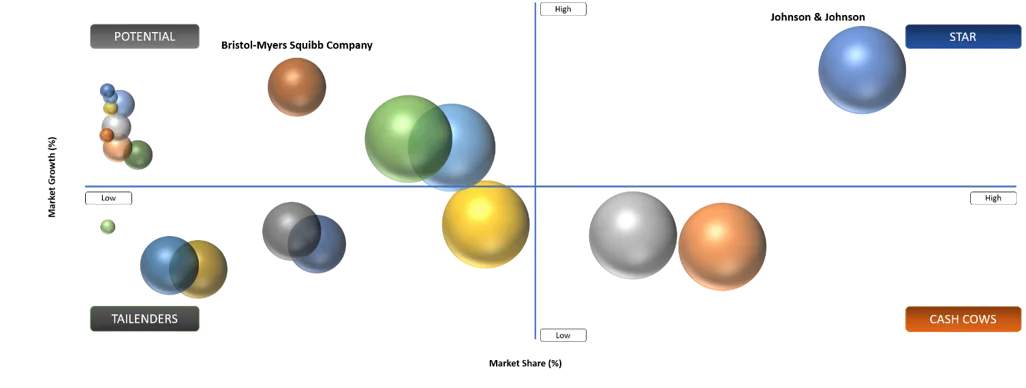
STAR
Johnson & Johnson, Pfizer Inc., Regeneron Pharmaceuticals, Inc. and AbbVie Inc. are positioned in the Star category based on commercialized or late-stage BCMA bispecific portfolios, regulatory progress and strong positioning in multiple myeloma treatment sequencing. Johnson & Johnson leads through TECVAYLI (teclistamab), which expanded into earlier relapsed or refractory multiple myeloma in 2026 through combination treatment with daratumumab after at least one prior line. JNJ.com Pfizer is strengthening its position through ELREXFIO (elranatamab), supported by positive Phase III development in patients treated after at least one prior line. Pfizer Regeneron has established LYNOZYFIC (linvoseltamab) as a commercial BCMA bispecific platform with additional expansion opportunities. regeneron.com AbbVie is emerging as an important late-stage competitor through etentamig, with competition increasingly centered on response durability, progression-free survival, infection burden, dosing convenience and outpatient feasibility.
POTENTIAL
Bristol-Myers Squibb Company, UCB S.A., EpimAb Biotherapeutics Inc., Keymed Biosciences Inc., Chongqing Genrix Biopharmaceutical Co., Ltd., Cullinan Therapeutics, Inc., Jiangsu Hengrui Pharmaceuticals Co., Ltd., Sino Biopharmaceutical Limited, HBM Holdings Limited, Otsuka Pharmaceutical Co., Ltd., Gilead Sciences, Inc. and Lakefront Biotherapeutics NV are positioned in the Potential category based on clinical-stage BCMA bispecific programs, licensing activity and emerging development across multiple myeloma and autoimmune indications.
Future movement from Potential to Star will depend on successful late-stage clinical development, regulatory approvals, earlier-line expansion, differentiated safety, less frequent dosing and strong commercial execution. Companies able to demonstrate durable disease control, manageable cytokine release syndrome and infection risk, convenient subcutaneous administration and clear differentiation versus established BCMA bispecifics and CAR T-cell therapies are likely to strengthen their competitive position.
BCMA Bispecific Antibody Market Dynamics
Driver Impact Analysis
| Driver | Market Growth Impact (%) | Demand Concentration | Impacted Use Case | Strategic Impact |
Expansion of BCMA Bispecific Antibodies into Earlier Treatment Lines | 16.8% | High across North America and Europe; increasing across Asia-Pacific | Second-line and earlier relapsed or refractory multiple myeloma treatment | Expands the addressable patient pool beyond heavily pretreated disease and materially increases potential treatment volumes. The March 2026 U.S. approval of teclistamab plus daratumumab after at least one prior line illustrates this shift. |
Growing Adoption of Off-the-Shelf T-Cell Redirecting Therapies | 14.6% | High in major myeloma treatment centers | Patients requiring rapid treatment without autologous cell-manufacturing delays | Strengthens BCMA bispecific positioning as an immediately available alternative within advanced multiple myeloma treatment pathways. |
Increasing Use of BCMA Bispecific Combination Regimens | 12.9% | Highest in the United States and major European markets | Combination with anti-CD38 antibodies and other established myeloma therapies | Improves clinical positioning through deeper responses and supports movement into broader treatment settings. |
Rising Multiple Myeloma Treatment Population and Longer Patient Survival | 11.3% | Global, with strongest diagnosed populations in developed oncology markets | Relapsed and refractory multiple myeloma across successive treatment lines | Expands the pool of patients progressing through multiple therapies and eligible for advanced targeted treatment. |
Driver: Expansion of BCMA Bispecific Antibodies into Earlier Treatment Lines
Expansion into earlier treatment lines is becoming one of the strongest growth drivers for the BCMA bispecific antibody market. Historically, BCMA-directed bispecifics were concentrated in heavily pretreated relapsed or refractory multiple myeloma, limiting their addressable patient pool. That positioning is now changing as clinical programs move these therapies into second-line and earlier settings, including combination use with established myeloma agents. Earlier use can substantially increase eligible patient numbers, treatment duration and cumulative commercial value per patient. It also allows physicians to deploy off-the-shelf T-cell redirection before patients become too frail for intensive therapy or experience repeated relapse. Strategic competition will increasingly focus on whether BCMA bispecifics can deliver durable progression control, deep responses and manageable safety in less heavily treated populations. Companies that generate strong earlier-line evidence and secure broader regulatory labels will be better positioned to reshape treatment sequencing and capture a larger share of the multiple myeloma market.
Restraint Impact Analysis
| Restraint | Drag on Market Growth (%) | Primary Impact Area | Impacted Use Case | Strategic Impact |
High Risk of Infections and Immune Suppression | 15.7% | High across heavily pretreated and immunocompromised multiple myeloma populations | Long-term BCMA bispecific treatment | Increases monitoring, prophylaxis and treatment-interruption requirements and may limit adoption in infection-prone patients. |
Cytokine Release Syndrome and Acute Toxicity Management Requirements | 13.8% | Highest during step-up dosing and early treatment cycles | Treatment initiation and dose escalation | Creates hospitalization and monitoring burden and can restrict administration to experienced treatment centers. |
High Treatment and Supportive-Care Costs | 12.4% | High in markets with restrictive reimbursement systems | Long-duration BCMA bispecific therapy | Increases payer scrutiny and may delay reimbursement or restrict treatment eligibility. |
Competition from CAR T-Cell Therapy and Other Advanced Multiple Myeloma Treatments | 11.1% | High in major academic and tertiary hematology centers | Patients eligible for multiple BCMA-directed options | Complicates treatment sequencing and reduces potential market share where CAR T-cell access is strong. |
Restraint: High Risk of Infections and Immune Suppression
High infection risk and treatment-associated immune suppression represent one of the most significant restraints for the BCMA bispecific antibody market. BCMA-directed therapies can reduce normal plasma cells and immunoglobulin levels while heavily pretreated multiple myeloma patients often already have compromised immune function from prior therapies and underlying disease. This increases vulnerability to bacterial, viral and opportunistic infections and may require antimicrobial prophylaxis, immunoglobulin replacement, vaccination planning and frequent laboratory monitoring. Severe infections can lead to treatment interruption, hospitalization, dose delays or discontinuation, reducing treatment persistence and increasing total healthcare costs. The burden becomes particularly important as BCMA bispecifics move into earlier treatment lines, where regulators, physicians and payers may expect a more favorable long-term safety profile. Developers able to reduce infection incidence, preserve immune function or establish practical risk-management protocols will gain a meaningful competitive advantage, particularly for outpatient and community-based administration.
BCMA Bispecific Antibody Market Segment Analysis
The global BCMA bispecific antibody market is segmented based on the product, therapy regimen, line of therapy, treatment status, route of administration, dosing frequency, end user, distribution channel and region.
Teclistamab Maintains Dominance in the Global BCMA Bispecific Antibody Market Through Established Commercial Adoption, Earlier-Line Expansion and Strong Physician Familiarity
Teclistamab remains the dominant product in the global BCMA bispecific antibody market, with an estimated 2025 market size of approximately US$604.8 million. Its leadership is supported by early commercialization, strong physician familiarity, broad availability across major multiple myeloma treatment centers and growing use beyond heavily pretreated patients. Expansion into earlier treatment lines, particularly through combination therapy, is expected to strengthen its revenue base further. Teclistamab also benefits from established clinical evidence, subcutaneous administration and positioning as an off-the-shelf alternative to CAR T-cell therapy. Future growth will depend on durability, safety management, reimbursement and broader outpatient adoption.
Global BCMA Bispecific Antibody Market Geographical Penetration
U.S. BCMA Bispecific Antibody Market Landscape
The United States represents the largest country-level opportunity in the BCMA bispecific antibody market, supported by early regulatory adoption, high multiple myeloma treatment intensity, broad access to academic hematology centers and strong uptake of advanced biologic therapies. Commercial availability of teclistamab, elranatamab and linvoseltamab has established BCMA-directed bispecific antibodies as an important option for relapsed or refractory multiple myeloma. Market expansion accelerated further in March 2026 when the U.S. FDA approved teclistamab in combination with daratumumab after at least one prior line of therapy, broadening use beyond heavily pretreated patients. Future growth will be driven by earlier-line adoption, combination regimens, outpatient administration and increasing physician familiarity with step-up dosing and toxicity management. Competition with CAR T-cell therapy remains significant, but the off-the-shelf availability and shorter treatment initiation time of bispecific antibodies provide an important commercial advantage.
Japan BCMA Bispecific Antibody Market Outlook
Japan represents a high-value Asia-Pacific market for BCMA bispecific antibodies due to its aging population, established multiple myeloma treatment infrastructure and strong adoption of innovative hematology therapies. Demand is concentrated in major university hospitals and specialized cancer centers, where clinicians have experience with advanced biologics, cellular therapies and intensive toxicity monitoring. Market growth will depend on regulatory expansion of approved BCMA bispecifics, reimbursement coverage, physician confidence in infection and cytokine release syndrome management and the ability to shift treatment from inpatient initiation toward more efficient outpatient models. Japan also offers attractive potential for earlier-line use as clinical evidence matures and treatment sequencing with proteasome inhibitors, immunomodulatory drugs, anti-CD38 antibodies and CAR T-cell therapies becomes more standardized. Companies that provide strong local clinical evidence, reliable supply, convenient dosing and robust post-marketing safety support will be best positioned to expand adoption.
BCMA Bispecific Antibody Market Competitive Landscape
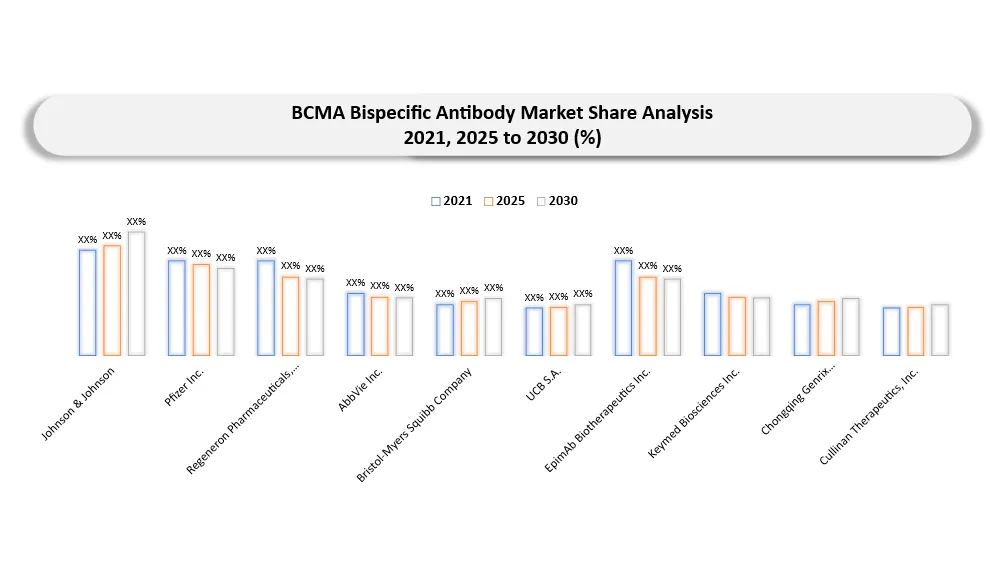
- The global BCMA bispecific antibody market is led by Johnson & Johnson, Pfizer Inc. and Regeneron Pharmaceuticals, Inc. through TECVAYLI (teclistamab), ELREXFIO (elranatamab) and LYNOZYFIC (linvoseltamab), respectively. AbbVie Inc. is strengthening late-stage competition with etentamig, while Bristol-Myers Squibb Company continues development of alnuctamab. Chinese and Asia-focused developers including Keymed Biosciences Inc., Sino Biopharmaceutical Limited, Jiangsu Hengrui Pharmaceuticals Co., Ltd., Chongqing Genrix Biopharmaceutical Co., Ltd. and EpimAb Biotherapeutics Inc. are expanding the global pipeline and increasing competitive intensity around next-generation BCMA × CD3 programs.
- Competitive differentiation is shifting from response rate alone toward earlier-line positioning, durability, progression-free survival, infection burden, dosing frequency, step-up requirements and outpatient feasibility. Cullinan Therapeutics, Inc., UCB S.A., HBM Holdings Limited, Otsuka Pharmaceutical Co., Ltd., Gilead Sciences, Inc. and Lakefront Biotherapeutics NV add further pipeline and partnership depth across oncology and emerging autoimmune applications. Future market leadership will depend on achieving broader treatment-line access, differentiated safety, less frequent dosing, strong combination data, community-based administration and clear positioning relative to CAR T-cell therapy and other advanced multiple myeloma treatments.
Key Companies of BCMA Bispecific Antibody Market
- Johnson & Johnson (United States)
- Pfizer Inc. (United States)
- Regeneron Pharmaceuticals, Inc. (United States)
- AbbVie Inc. (United States)
- Bristol-Myers Squibb Company (United States)
- UCB S.A. (Belgium)
- EpimAb Biotherapeutics Inc. (China)
- Keymed Biosciences Inc. (China)
- Chongqing Genrix Biopharmaceutical Co., Ltd. (China)
- Cullinan Therapeutics, Inc. (United States)
- Jiangsu Hengrui Pharmaceuticals Co., Ltd. (China)
- Sino Biopharmaceutical Limited (Hong Kong)
- Excyte Biopharma Ltd. (China)
- Shandong New Time Pharmaceutical Co., Ltd. (China)
- Ningbo Shengjian Biotechnology Co., Ltd. (China)
- Hualan Biological Engineering Inc. (China)
- HBM Holdings Limited (Cayman Islands)
- Otsuka Pharmaceutical Co., Ltd. (Japan)
- Gilead Sciences, Inc. (United States)
- Lakefront Biotherapeutics NV (Belgium)
Global BCMA Bispecific Antibody Market Major Pain Points
- High Infection Risk and Immune Suppression: BCMA-directed bispecific antibodies can significantly reduce normal plasma cells and immunoglobulin levels, increasing susceptibility to bacterial, viral and opportunistic infections. Infection prophylaxis, immunoglobulin replacement and frequent monitoring add complexity and cost to long-term treatment.
- Cytokine Release Syndrome and Early Treatment Toxicity: Step-up dosing is commonly required to reduce the risk of cytokine release syndrome, creating monitoring requirements during treatment initiation. Severe reactions, fever, hypotension and hospitalization risk can limit rapid expansion into community oncology settings.
- Complex Treatment Sequencing: Physicians must determine the optimal position of BCMA bispecific antibodies relative to CAR T-cell therapy, anti-CD38 antibodies, proteasome inhibitors, immunomodulatory drugs and other targeted treatments. Limited direct comparative evidence makes sequencing decisions increasingly complex.
- Resistance and Loss of Treatment Response: BCMA antigen loss, reduced target expression, T-cell exhaustion and other immune-escape mechanisms can contribute to relapse after an initial response. Patients previously exposed to BCMA-directed therapies may also demonstrate variable response to subsequent BCMA-targeted treatment.
- High Treatment and Supportive-Care Burden: Premium drug costs, continuous or prolonged dosing, infection management, laboratory monitoring and supportive therapy contribute to substantial total treatment costs. These requirements can create reimbursement barriers and limit accessibility outside high-resource healthcare systems.
- Limited Community-Based Administration: BCMA bispecific initiation remains concentrated in specialized hematology and academic treatment centers because of step-up dosing, cytokine release syndrome monitoring and infection-management requirements. Limited infrastructure can delay broader geographic adoption.
- Heterogeneous Patient Response: Clinical outcomes vary according to prior treatment exposure, disease burden, cytogenetic risk, immune status and previous BCMA-directed therapy. This variability makes patient selection and treatment-response prediction difficult.
- Competition from CAR T-Cell and Other Emerging Therapies: BCMA bispecific antibodies compete directly with CAR T-cell therapies and newer targeted approaches for similar relapsed or refractory multiple myeloma populations. Differentiation increasingly requires stronger evidence around convenience, durability, safety and total cost of care.
Global BCMA Bispecific Antibody Market Recent Developments
- September 2026: AbbVie reported positive Phase III CERVINO results for etentamig, a BCMA × CD3 bispecific T-cell engager, demonstrating a 74% objective response rate and significantly improved progression-free survival versus standard available therapies in triple-class exposed relapsed or refractory multiple myeloma.
- June 2026: UCB completed its acquisition of Candid Therapeutics for up to US$2.2 billion, adding cizutamig, a clinical-stage BCMA × CD3 bispecific antibody being developed across multiple autoimmune diseases.
- March 2026: The U.S. FDA approved TECVAYLI (teclistamab) plus DARZALEX FASPRO for adults with relapsed or refractory multiple myeloma after at least one prior line of therapy, expanding BCMA bispecific use into an earlier treatment setting.
- April 2025: The European Commission granted conditional marketing authorization to LYNOZYFIC (linvoseltamab) for adults with relapsed or refractory multiple myeloma after at least three prior therapies, adding another commercial BCMA × CD3 bispecific option in Europe.
Analyst View / Opinion on BCMA Bispecific Antibody Market
- The market is shifting from heavily pretreated late-line use toward earlier treatment lines, combination regimens and broader integration of BCMA bispecific antibodies into multiple myeloma treatment pathways.
- TECVAYLI, ELREXFIO and LYNOZYFIC have established BCMA × CD3 bispecific antibodies as a distinct commercial class, while etentamig and other late-stage candidates are increasing competitive pressure around efficacy, safety and dosing convenience.
- Treatment selection will increasingly depend on line of therapy, prior treatment exposure, cytogenetic risk, disease burden, response depth, infection risk, dosing schedule, outpatient feasibility and access to CAR T-cell therapy.
- Next-generation BCMA bispecifics are expected to differentiate through less frequent dosing, simplified step-up schedules, improved infection profiles, stronger durability and activity in patients previously exposed to BCMA-directed therapies.
- Sustainable market leadership will require evidence demonstrating deep and durable responses, progression-free survival benefit, manageable cytokine release syndrome, reduced treatment burden and practical community-based administration.
- Commercial success will depend on strong treatment-sequencing evidence, physician education, reimbursement support, scalable manufacturing, reliable supply and clear value differentiation versus CAR T-cell therapy and other advanced multiple myeloma treatments.
Global BCMA Bispecific Antibody Market Target Audience
| INDUSTRY | WHO SHOULD BUY THIS REPORT? | REASON TO BUY THIS REPORT |
| Pharmaceutical and Biotechnology Companies | Chief Strategy Officers, Oncology Business Heads, Portfolio Strategy Teams, Commercial Directors | Assess market size, competitive intensity, treatment-line expansion, product positioning and commercialization opportunities for BCMA bispecific antibodies. |
| Bispecific Antibody Developers | R&D Heads, Translational Medicine Teams, Clinical Development Leaders, Pipeline Strategy Teams | Benchmark clinical pipelines, molecule differentiation, dosing strategies, safety profiles and unmet needs across existing and emerging BCMA programs. |
| Multiple Myeloma Drug Manufacturers | Hematology Franchise Heads, Brand Teams, Medical Affairs Directors, Market Access Teams | Evaluate how BCMA bispecifics may reshape treatment sequencing relative to anti-CD38 antibodies, immunomodulatory drugs, proteasome inhibitors and other myeloma therapies. |
| CAR T-Cell Therapy Companies | Cell Therapy Strategy Heads, Commercial Planning Teams, Clinical Development Teams | Understand competitive positioning, sequencing dynamics and patient-selection trade-offs between BCMA bispecific antibodies and CAR T-cell therapies. |
| Contract Development and Manufacturing Organizations | Business Development Heads, Biologics Manufacturing Teams, Commercial Strategy Leaders | Identify demand for antibody development, cell-line development, process optimization, fill-finish, scale-up and commercial biologics manufacturing services. |
| Contract Research Organizations | Oncology Practice Heads, Clinical Operations Teams, Regulatory Strategy Teams | Track trial activity, patient recruitment opportunities, geographic study expansion and late-stage development requirements for BCMA bispecific programs. |
| Hospitals and Academic Medical Centers | Hematologists, Multiple Myeloma Specialists, Pharmacy Directors, Treatment Center Administrators | Evaluate treatment adoption, step-up dosing, toxicity management, outpatient transition and resource requirements for BCMA bispecific administration. |
| Comprehensive Cancer Centers | Clinical Directors, Oncology Pharmacists, Hematology Teams, Formulary Committees | Compare efficacy, safety, dosing convenience, treatment burden and sequencing options across available and pipeline BCMA bispecific therapies. |
| Hospital and Specialty Pharmacies | Pharmacy Directors, Specialty Pharmacy Heads, Procurement Managers | Assess expected utilization, distribution requirements, supportive-care burden, reimbursement and product availability across treatment centers. |
| Health Insurers and Payers | Oncology Medical Directors, Formulary Managers, Health Economics Teams, Reimbursement Leaders | Evaluate clinical value, eligible patient populations, treatment duration, total cost of care and comparative economics versus CAR T-cell and other advanced therapies. |
Why Choose DATAM?
- Data-Driven Insights: Access granular intelligence covering market size, product shares, treatment-line adoption, eligible patient populations, clinical pipelines, competitive positioning and regional access dynamics.
- Primary Research Validation: Benefit from insights supported by interviews with hematologists, oncologists, industry executives, market-access professionals and other key stakeholders.
- Expert Analyst Consultations: Engage directly with healthcare analysts for customized guidance on treatment sequencing, competitor assessment, portfolio positioning, market entry and commercialization strategy.
- Customized Market Intelligence: Receive tailored analysis covering country-level opportunities, pricing and reimbursement, partnership potential, pipeline benchmarking and emerging white-space opportunities.
- White Papers and Case Studies: Leverage focused case studies on BCMA bispecific adoption, earlier-line expansion, combination strategies, CAR T-cell sequencing, outpatient administration and competitive differentiation.


























































