


BAFF/APRIL Dual Inhibitor Therapy Market Size and Overview
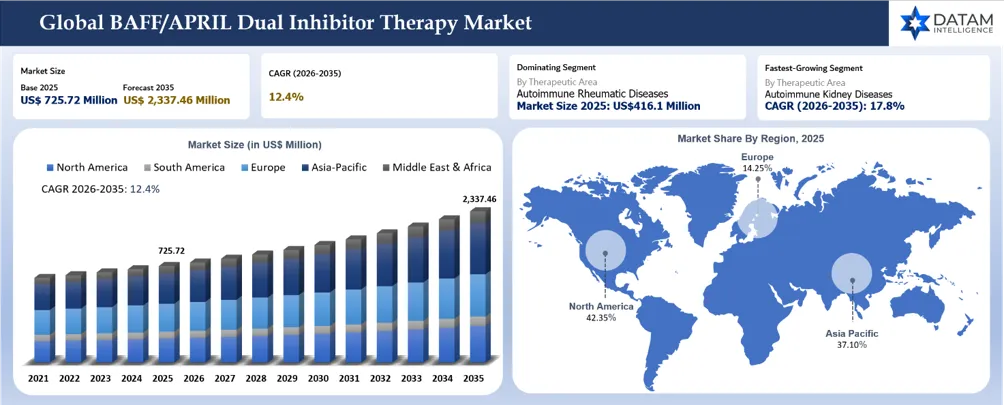
The global BAFF/APRIL dual inhibitor therapy market reached US$725.72 million in 2025 and is expected to reach US$2,337.46 million by 2035, growing with a CAGR of 12.4% during the forecast period 2026-2035.
Market expansion is being supported by increasing clinical validation of dual BAFF/APRIL inhibition, broader development across autoimmune indications and rising demand for targeted therapies capable of reducing pathogenic B-cell and plasma-cell activity. Commercial momentum is strengthening as telitacicept expands across multiple approved autoimmune indications in China, while atacicept entered the U.S. market in 2026 for primary immunoglobulin A nephropathy. These developments are shifting the category from a predominantly pipeline-led opportunity toward an increasingly commercial therapeutic class.
Competition is increasingly centered on telitacicept, atacicept and povetacicept, supported by expanding Phase III programs, regulatory submissions and regional licensing agreements. Developers are differentiating assets through proteinuria reduction, preservation of kidney function, steroid-sparing potential, dosing convenience, long-term safety and the ability to address multiple autoimmune diseases through a common mechanism.
Future market transformation will depend on movement into earlier therapy lines, broader geographic commercialization and successful indication expansion across nephrology, rheumatology and neurology. Next-generation dual inhibitors with longer dosing intervals, improved pharmacokinetics and potentially more convenient administration could further reshape competition. Market leadership will increasingly depend on durable organ protection, biomarker-led patient selection, payer-supported value and evidence demonstrating reduced disease progression and long-term healthcare burden.
BAFF/APRIL Dual Inhibitor Therapy Market Key Takeaways
- Sustained Market Expansion Through 2035: The global BAFF/APRIL dual inhibitor therapy market was valued at US$725.72 million in 2025 and is projected to reach US$2,337.46 million by 2035, registering a CAGR of 12.4% during 2026–2035, supported by expanding autoimmune indications, regulatory progress and increasing adoption of targeted B-cell therapies.
- Autoimmune Rheumatic Diseases Maintain Market Leadership: Autoimmune rheumatic diseases generated an estimated US$416.10 million in 2025, accounting for approximately 57.34% of the global market, supported by established use and development of BAFF/APRIL dual inhibitors across systemic lupus erythematosus, rheumatoid arthritis and Sjögren’s disease.
- Autoimmune Kidney Diseases Become the Primary Growth Engine: Autoimmune kidney diseases are projected to register an estimated 17.8% CAGR during 2026–2035, driven by expanding use in IgA nephropathy, lupus nephritis and membranous nephropathy and increasing clinical progress of atacicept, povetacicept and telitacicept.
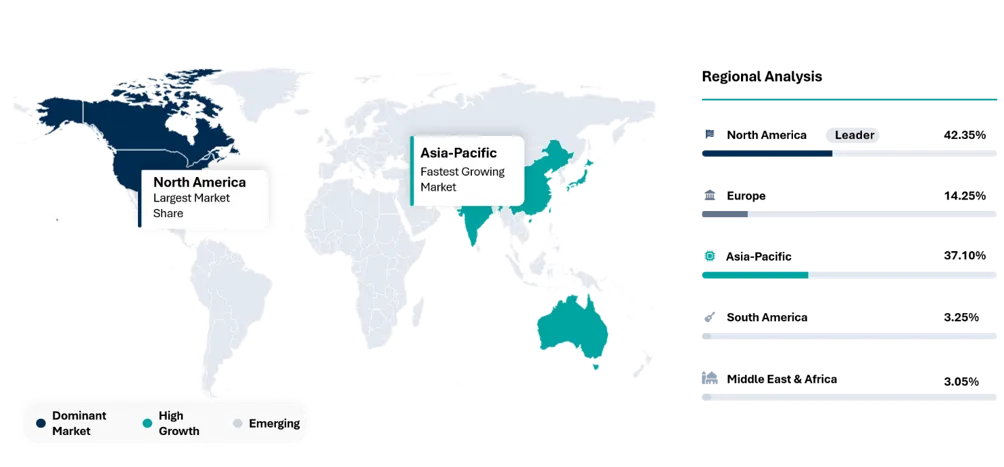
- North America Strengthens Regional Leadership: North America is expected to remain a major revenue-generating region, supported by premium biologic pricing, specialist nephrology and rheumatology infrastructure, strong reimbursement capabilities and the 2026 U.S. commercialization of TRUTAKNA for primary IgA nephropathy.
- Multi-Indication Expansion Reshapes Competitive Strategy: Future market leadership will increasingly depend on broad indication coverage, durable organ protection, steroid-sparing benefits, convenient administration and successful geographic commercialization. Telitacicept, atacicept, povetacicept and next-generation dual BAFF/APRIL programs are expected to intensify competition across nephrology, rheumatology and neurology.
BAFF/APRIL Dual Inhibitor Therapy Market Industry Trends and Strategic Insights
- The market is transitioning from broad immunosuppression toward targeted B-cell and plasma-cell pathway modulation, with treatment value increasingly assessed through durable disease control, organ preservation, steroid-sparing potential and reduction in relapse or disease progression.
- Telitacicept, atacicept and povetacicept are shaping the competitive landscape as developers expand across immunoglobulin A nephropathy, systemic lupus erythematosus, Sjögren’s disease, myasthenia gravis and other antibody-mediated autoimmune conditions, supporting a multi-indication franchise model.
- Autoimmune kidney diseases are emerging as the strongest growth engine, supported by clinical and regulatory progress in IgA nephropathy, lupus nephritis and membranous nephropathy. Competitive differentiation will increasingly depend on proteinuria reduction, preservation of kidney function and long-term organ-protection evidence.
- The next phase of innovation is expected to focus on longer dosing intervals, improved pharmacokinetics, biomarker-led patient selection and potentially more convenient administration formats, helping reduce treatment burden and improve adherence in chronic autoimmune disease management.
- Sustainable competitive advantage will require more than short-term efficacy. Companies demonstrating durable response, manageable long-term safety, earlier-line treatment potential, broad indication coverage and credible real-world economic value will be better positioned to secure specialist adoption, reimbursement access and premium market positioning.
BAFF/APRIL Dual Inhibitor Therapy Market Scope
| Metrics | Details | |
| 2025 Market Size | US$725.72 Million | |
| 2035 Projected Market Size | US$2,337.46 Million | |
| CAGR (2026-2035) | 12.4% | |
| Largest Market | North America | |
| Fastest Growing Market | Asia-Pacific | |
| By Therapy | Telitacicept, Povetacicept, Atacicept, Others | |
| By Therapeutic Area | Autoimmune Rheumatic Diseases, Autoimmune Kidney Diseases, Autoimmune Neurological Diseases, Autoimmune Hematological Diseases, Others | |
| By Route of Administration | Oral, Subcutaneous, Intravenous, Others | |
| By Age Group | Pediatric, Adult, Geriatric | |
| By Disease Severity | Mild, Moderate, Severe, Refractory | |
| By Therapy Line | First-Line Therapy, Second-Line Therapy, Third-Line Therapy, Later-Line Therapy | |
| By End Users | Hospitals, Specialty Clinics, Ambulatory Care Centers, Academic And Research Institutes, Others | |
| By Distribution Channel | Hospital Pharmacies, Specialty Pharmacies, Retail Pharmacies, Online Pharmacies, Others | |
| By Region | North America | U.S., Canada, Mexico |
| Europe | Germany, UK, France, Spain, Italy, Poland | |
| Asia-Pacific | China, India, Japan, Australia, South Korea, Indonesia, Malaysia, Singapore, Vietnam, Thailand, Philippines, Taiwan | |
| South America | Brazil, Argentina | |
| Middle East and Africa | Israel, Saudi Arabia, UAE, Turkiye, South Africa, Nigeria | |
| Report Insights Covered | Competitive Landscape Analysis, Company Profile Analysis, Market Size, Share, Growth | |
Why does this report matter in 2026?
The global BAFF/APRIL dual inhibitor therapy market matters in 2026 because the category has transitioned from a predominantly clinical-stage opportunity into a commercially validated therapeutic class. A major inflection point occurred in July 2026, when the U.S. Food and Drug Administration granted accelerated approval to TRUTAKNA (atacicept-vymj) for reducing proteinuria in adults with primary immunoglobulin A nephropathy at risk for disease progression. TRUTAKNA became the first FDA-approved medicine targeting both B-cell activating factor and a proliferation-inducing ligand, providing important regulatory validation for dual-pathway inhibition. This milestone strengthens the commercial rationale for competing assets targeting systemic lupus erythematosus, Sjögren’s disease, myasthenia gravis and other B-cell-driven autoimmune disorders.
The report is particularly relevant as competition increasingly shifts toward indication expansion, treatment sequencing, geographic licensing and next-generation BAFF/APRIL inhibitors. Understanding differences across therapeutic areas, disease severity, patient populations, therapy lines and administration routes is becoming critical for forecasting addressable revenue and identifying where dual inhibitors may displace conventional immunosuppressants or competing biologics. The report therefore enables pharmaceutical companies, investors and licensing teams to benchmark pipeline maturity, commercialization strategies, pricing potential and white-space opportunities as the category enters a new growth phase.
Global BAFF/APRIL Dual Inhibitor Therapy Market White Space & Investment Opportunities
- Earlier Patient Identification and Biomarker-Led Stratification: Invest in biomarker panels, immune profiling, autoantibody assessment and disease-activity algorithms that identify patients with BAFF/APRIL-driven B-cell and plasma-cell dysregulation before irreversible organ damage develops. Earlier stratification could improve patient selection across IgA nephropathy, systemic lupus erythematosus, Sjögren’s disease and other autoimmune indications.
- Expansion Into Earlier Therapy Lines: Develop evidence supporting BAFF/APRIL dual inhibitors in earlier treatment settings rather than restricting use to refractory or heavily pretreated populations. Demonstrating superior disease control, steroid-sparing benefits and organ protection could materially expand the eligible patient pool and increase lifetime treatment value.
- Next-Generation Oral And Long-Acting Therapies: Invest in orally available, extended-interval and next-generation dual-pathway inhibitors that improve convenience, adherence and persistence compared with frequent injectable biologics. Differentiated delivery formats represent a major opportunity as competition increases within chronic autoimmune treatment.
- Multi-Indication Development Strategies: Prioritize assets with potential across multiple B-cell-mediated diseases, including lupus nephritis, IgA nephropathy, Sjögren’s disease, myasthenia gravis, immune thrombocytopenia and other autoimmune disorders. Broad indication portfolios can improve development economics and create stronger lifecycle-management opportunities.
- Treatment-Sequencing And Combination Evidence: Generate comparative data defining how BAFF/APRIL dual inhibitors should be positioned relative to corticosteroids, conventional immunosuppressants, B-cell-depleting therapies, complement inhibitors and other targeted biologics. Clear sequencing evidence will be critical for physician adoption and payer acceptance.
- Durable Disease Control And Steroid Reduction: Invest in therapies capable of maintaining remission, reducing relapse frequency and lowering chronic corticosteroid dependence. Long-term disease modification and organ-protection evidence could become important differentiators beyond short-term symptom or biomarker improvement.
- Geographic Expansion And Outcome-Based Reimbursement: Expand access beyond initial launch markets through regional licensing, local regulatory strategies and evidence-based reimbursement models. Real-world data linking biomarker improvement, reduced flare frequency, preservation of organ function and lower healthcare utilization can strengthen pricing and reimbursement negotiations.
Global BAFF/APRIL Dual Inhibitor Therapy Market Future Transformation
The global BAFF/APRIL dual inhibitor therapy market is expected to transform from a relatively concentrated biologics category into a broader autoimmune treatment platform supported by multi-indication development, earlier-line positioning and next-generation product formats. Future growth will depend less on simply demonstrating pathway suppression and more on proving durable disease control, steroid-sparing benefits, organ protection and superior outcomes versus established immunosuppressants and competing B-cell-directed therapies. Expansion across IgA nephropathy, systemic lupus erythematosus, Sjögren’s disease, myasthenia gravis and other antibody-mediated disorders will increase the commercial value of assets capable of addressing multiple indications through a common mechanism.
The next phase of transformation will also be shaped by improved patient stratification, biomarker-led prescribing, longer dosing intervals and potential oral or more convenient delivery approaches. Companies that combine strong efficacy with simplified administration, lower monitoring burden and broader geographic access will be better positioned to capture market share. Competitive advantage will increasingly depend on lifecycle management, geographic licensing, real-world evidence and treatment-sequencing data rather than clinical efficacy alone. As more dual BAFF/APRIL programs enter late-stage development, the market is likely to shift toward differentiated portfolios built around indication breadth, patient convenience, durable response and payer-supported value.
Global BAFF/APRIL Dual Inhibitor Therapy Market Buyer Decision-Making Criteria
Major Buyer Decision-Making Criteria:
- Magnitude and Durability of Clinical Response
- Reduction in Disease Activity and Flare Frequency
- Improvement in Organ-Specific Clinical Outcomes
- Speed of Treatment Response
- Ability to Reduce Corticosteroid and Immunosuppressant Dependence
- Effectiveness Across Disease Severity Levels
- Efficacy in Treatment-Refractory and Previously Treated Patients
- Safety, Tolerability and Long-Term Clinical Evidence
- Suitability Across Age Groups and Therapy Lines
- Route of Administration, Dosing Frequency and Treatment Convenience
- Monitoring Requirements and Risk of Immunosuppression-Related Complications
- Durability of Response After Dose Reduction or Treatment Discontinuation
- Evidence Across Multiple Autoimmune Indications
- Pricing, Reimbursement and Overall Healthcare Budget Impact
- Guideline Positioning, Physician Experience and Real-World Evidence
- Patient-Support Programs, Treatment Adherence and Access Services
Global BAFF/APRIL Dual Inhibitor Therapy Market Investment Trends
- Capital allocation is increasing toward late-stage clinical development, regulatory expansion and commercialization of dual BAFF/APRIL inhibitors across IgA nephropathy, systemic lupus erythematosus, Sjögren’s disease, myasthenia gravis and other B-cell-mediated autoimmune disorders.
- Investors are increasingly prioritizing multi-indication assets that can leverage the same BAFF/APRIL mechanism across nephrology, rheumatology, neurology and hematology, improving development economics and creating broader lifecycle-management opportunities.
- Investment is accelerating toward next-generation dual inhibitors with longer dosing intervals, improved pharmacokinetics, greater target selectivity and potentially more convenient administration formats designed to reduce treatment burden and strengthen patient adherence.
- Pharmaceutical companies are allocating greater resources to geographic licensing, regional partnerships and market-access strategies that extend promising BAFF/APRIL therapies beyond initial launch markets while reducing commercialization risk and development costs.
- Capital is increasingly directed toward biomarker development, immune profiling and precision-patient-selection strategies capable of identifying BAFF/APRIL-driven disease activity and improving clinical-trial enrichment, treatment response and therapeutic differentiation.
- Investors are placing greater emphasis on assets capable of demonstrating steroid-sparing effects, durable remission, reduced flare frequency and preservation of organ function, as these outcomes can support stronger payer value propositions and earlier-line treatment positioning.
- Companies are expanding investment in real-world evidence, patient registries and health-economic studies connecting clinical response, reduced hospitalization, lower corticosteroid exposure and delayed disease progression with improved long-term healthcare economics.
Strategic Indicators for Global BAFF/APRIL Dual Inhibitor Therapy Market
High Regulation Impact
The BAFF/APRIL Dual Inhibitor Therapy Market faces high regulatory scrutiny because these therapies directly modulate B-cell and plasma-cell survival pathways and may require long-term administration across chronic autoimmune diseases. Regulators evaluate disease-specific efficacy endpoints alongside infection risk, immunoglobulin changes, immunogenicity, laboratory abnormalities and long-term safety. The 2026 U.S. approval of atacicept for primary immunoglobulin A nephropathy provides important regulatory validation for dual BAFF/APRIL inhibition while raising the evidence threshold for subsequent entrants. Developers must demonstrate clinically meaningful benefit, acceptable immunosuppression risk, indication-specific efficacy and durable outcomes through controlled trials and long-term follow-up. Regulatory complexity is further increased by multi-indication development across nephrology, rheumatology and neurology, where endpoints and patient populations differ materially. Companies with strong immunology development capabilities, pharmacovigilance infrastructure and indication-specific regulatory strategies are therefore better positioned to accelerate approvals and expand labels.
High Investment Activity
Investment activity is increasing as pharmaceutical and biotechnology companies recognize the potential of dual BAFF/APRIL inhibition across multiple antibody-mediated diseases. Capital is being directed toward late-stage clinical programs, next-generation molecules, geographic licensing, indication expansion and biomarker-led patient selection. Investors increasingly favor assets capable of addressing multiple therapeutic areas because the same mechanism can potentially support development across immunoglobulin A nephropathy, systemic lupus erythematosus, Sjögren’s disease, myasthenia gravis and other autoimmune conditions. Funding priorities are also shifting toward improved pharmacokinetics, longer dosing intervals and differentiated delivery formats that may increase adherence and strengthen commercial positioning. Strategic partnerships and regional licensing agreements are becoming important mechanisms for sharing development costs and accelerating market entry. Investment attractiveness will increasingly depend on clinical differentiation, probability of label expansion, competitive positioning and the ability to establish a scalable multi-indication franchise rather than a single-disease product.
High New Drug-Class Adoption
Adoption of BAFF/APRIL dual inhibitors is expected to increase as clinical validation strengthens and physicians gain greater confidence in targeting both pathways simultaneously. The class offers a differentiated approach by reducing complementary survival signals that support autoreactive B cells and antibody-producing plasma cells. Uptake is likely to be strongest in diseases with persistent autoantibody activity, inadequate response to conventional immunosuppression or substantial risk of progressive organ damage. Recent regulatory progress in immunoglobulin A nephropathy is likely to improve awareness of the mechanism and encourage evaluation across additional autoimmune indications. Future adoption will depend on how dual inhibitors perform against established biologics, B-cell-depleting therapies and other emerging targeted treatments. Physicians and payers will differentiate products based on clinical response, durability, steroid-sparing potential, safety, dosing convenience and organ-protection evidence. Mechanistic novelty alone will be insufficient without clear therapeutic and economic advantages.
Regional Expansion Opportunity
Regional expansion potential is substantial because autoimmune diseases associated with BAFF/APRIL dysregulation occur across major global markets while access to targeted biologic therapies remains uneven. North America offers strong commercial potential through specialist treatment networks, established biologic reimbursement pathways and increasing adoption of precision immunology therapies. Europe represents an important opportunity but requires country-specific pricing, health-technology assessment and reimbursement strategies. China is strategically significant because of domestic development activity, existing commercialization experience with dual BAFF/APRIL therapies and expanding treatment access across autoimmune indications. Japan and other Asia-Pacific markets provide opportunities through regional licensing and specialist-driven adoption. Emerging markets offer longer-term growth as diagnostic capability, reimbursement and biologic-treatment infrastructure improve. Successful geographic expansion will require localized clinical evidence, payer engagement, regulatory sequencing and reliable specialty distribution rather than a uniform global commercialization strategy.
Government Policy Support
Government influence on the BAFF/APRIL Dual Inhibitor Therapy Market is primarily exercised through regulatory pathways, public reimbursement, clinical guidelines, pharmacovigilance requirements and support for rare or high-burden autoimmune diseases. Accelerated or priority regulatory mechanisms can improve development timelines when therapies demonstrate meaningful benefit in populations with substantial unmet need. Public health systems also shape adoption through specialist referral pathways, reimbursement criteria and requirements for prior treatment failure or disease-severity documentation. Policy support is particularly important in chronic autoimmune diseases where long-term biologic treatment can create significant healthcare expenditure. Companies will need to demonstrate not only clinical efficacy but also reduced disease progression, lower corticosteroid exposure, fewer hospitalizations and improved long-term outcomes. Strong real-world evidence, patient registries and health-economic data can therefore improve payer confidence and support broader access across publicly funded healthcare systems.
Value-Based Pricing Intelligence
Value-based pricing for BAFF/APRIL dual inhibitors will increasingly depend on durable clinical outcomes, reduction in disease progression and the ability to lower long-term healthcare burden. Payers are likely to assess whether therapy reduces flare frequency, preserves organ function, decreases corticosteroid dependence and delays the need for more intensive treatment. Pricing potential will differ by indication because the economic consequences of uncontrolled disease vary considerably across immunoglobulin A nephropathy, systemic lupus erythematosus, myasthenia gravis and other autoimmune disorders. Treatment duration, dosing frequency, monitoring requirements and comparative effectiveness against established biologics will also influence reimbursement decisions. Manufacturers that combine broad indication coverage, convenient administration, durable response, manageable safety and credible real-world evidence will be better positioned to justify premium pricing. Performance-based contracting and indication-specific pricing may become increasingly relevant as the class expands across diseases with different treatment costs and clinical value profiles.
AI Impact Analysis of BAFF/APRIL Dual Inhibitor Therapy Market
Artificial intelligence is expected to influence the BAFF/APRIL dual inhibitor therapy market primarily through faster target validation, biomarker discovery and more precise patient selection across heterogeneous autoimmune diseases. Machine-learning models can integrate genomics, proteomics, autoantibody profiles, disease activity scores and longitudinal clinical data to identify patients with stronger BAFF/APRIL pathway dependence and higher probability of response. This can improve trial enrichment, reduce development risk and support indication prioritization across IgA nephropathy, systemic lupus erythematosus, Sjögren’s disease, myasthenia gravis and other B-cell-mediated disorders. Artificial intelligence can also accelerate molecule optimization by supporting protein engineering, pharmacokinetic prediction and comparative assessment of next-generation dual inhibitors.
Commercially, artificial intelligence is likely to strengthen forecasting, treatment sequencing and real-world evidence generation rather than directly replace physician-led therapeutic decisions. Predictive models can identify patients at risk of flare, organ deterioration or inadequate response to conventional immunosuppressants, enabling earlier escalation to targeted therapies. Artificial intelligence-enabled evidence platforms can also connect clinical outcomes, corticosteroid reduction, treatment persistence and healthcare utilization to support pricing and reimbursement discussions. Over time, companies combining strong clinical assets with data-driven patient stratification, trial design and post-launch evidence generation should gain an advantage in portfolio expansion and market access.
Disruption Analysis of BAFF/APRIL Dual Inhibitor Therapy Market
The BAFF/APRIL dual inhibitor therapy market is being reshaped by the transition from broad immunosuppression toward pathway-specific control of B-cell and plasma-cell activity across multiple autoimmune diseases. Dual inhibition offers the potential to suppress two complementary survival signals within the humoral immune system, creating differentiation from conventional immunosuppressants, single-pathway biologics and selected B-cell-depleting therapies. The strongest market impact is expected from assets that demonstrate durable disease control, reduced corticosteroid dependence and measurable organ protection across indications such as IgA nephropathy, systemic lupus erythematosus and Sjögren’s disease. Successful clinical outcomes could support earlier treatment positioning and expand the addressable population beyond refractory patients.
Portfolio strategies are also evolving as developers pursue the same BAFF/APRIL asset across nephrology, rheumatology, neurology and other autoimmune indications. This multi-indication approach can improve development economics, strengthen lifecycle value and intensify competition for licensing rights and regional commercialization. Next-generation molecules with longer dosing intervals, improved pharmacokinetics and more convenient administration may further challenge established injectable therapies. Competitive advantage will increasingly depend on clinical differentiation, biomarker-led patient selection, treatment-sequencing evidence, geographic access and payer-recognized value rather than mechanism of action alone.
Global BAFF/APRIL Dual Inhibitor Therapy Market BCG Matrix: Company Evaluation
STAR
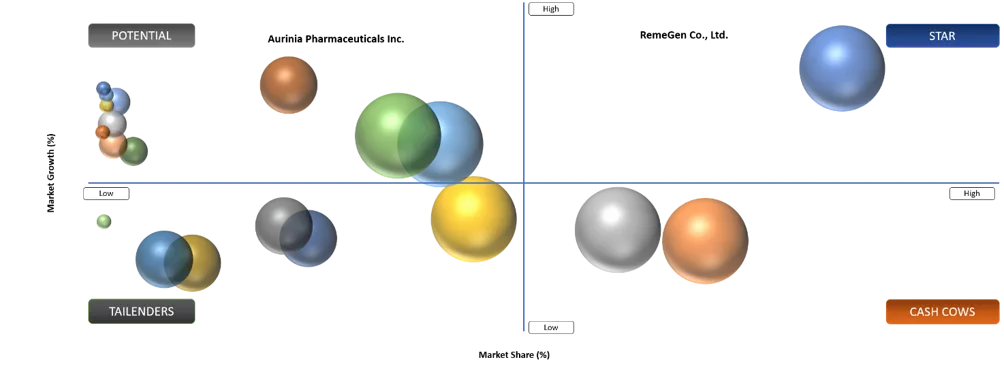
RemeGen Co., Ltd., Vera Therapeutics, Inc., Vertex Pharmaceuticals Incorporated and Vor Bio, Inc. are positioned in the Star category based on commercial validation, late-stage clinical development, regulatory progress and multi-indication expansion within direct BAFF/APRIL dual inhibition. RemeGen holds a strong position through telitacicept, which has established commercial presence in China and expanded across systemic lupus erythematosus, rheumatoid arthritis, generalized myasthenia gravis, Sjögren’s disease and immunoglobulin A nephropathy. Vera Therapeutics strengthened the category through the 2026 U.S. approval and commercialization of TRUTAKNA (atacicept-vymj) for primary immunoglobulin A nephropathy.
Vertex Pharmaceuticals is emerging as a major competitive force through povetacicept, supported by positive Phase III development and regulatory advancement in immunoglobulin A nephropathy. Vor Bio is building a broader international telitacicept franchise outside Greater China through late-stage programs in Sjögren’s disease and myasthenia gravis. Future leadership will depend on additional label expansion, earlier-line positioning, durable organ-protection evidence, reimbursement penetration, geographic commercialization and differentiation against competing B-cell-directed therapies.
POTENTIAL
Aurinia Pharmaceuticals Inc., Ono Pharmaceutical Co., Ltd., Zai Lab Limited, Dianthus Therapeutics, Inc., Nanjing Leads Biolabs Co., Ltd., Changchun GeneScience Pharmaceutical Co., Ltd., Transcenta Holding Limited, CStone Pharmaceuticals, Shanghai Henlius Biotech, Inc., Boulevard Bio, Inc. and Shanghai Jeyou Pharmaceutical Technology Co., Ltd. are positioned in the Potential category because of emerging clinical programs, regional commercialization rights and next-generation BAFF/APRIL-targeted platforms.
Aurinia is advancing aritinercept, while Dianthus Therapeutics and Nanjing Leads Biolabs are developing DNTH212/LBL-047 for multiple autoimmune indications. Changchun GeneScience is progressing GenSci136, while Transcenta, CStone, Henlius, Boulevard Bio and Jeyou are broadening the early-stage competitive pipeline through differentiated dual-target architectures. Ono Pharmaceutical and Zai Lab add strategic value through regional rights to povetacicept in key Asian markets. Progression toward the Star category will depend on successful Phase II/III readouts, regulatory approvals, clinical differentiation, scalable manufacturing, multi-indication expansion, payer acceptance and successful geographic commercialization.
Global BAFF/APRIL Dual Inhibitor Therapy Market Dynamics
Driver Impact Analysis
| Driver | Market Growth Impact (%) | Demand Concentration | Impacted Use Case | Strategic Impact |
Regulatory Validation Of Dual BAFF/APRIL Inhibition Following Recent Drug Approval | 15.2% | High across the United States, China and major European markets; increasing in Japan and other developed Asia-Pacific markets | Use of dual BAFF/APRIL inhibitors in immunoglobulin A nephropathy and expansion into additional autoimmune indications | Validates the mechanism of action, reduces market-entry skepticism, improves physician confidence and strengthens licensing, partnership and valuation activity across the category. |
Rising Need For Steroid-Sparing And Organ-Protective Therapies In Chronic Autoimmune Diseases | 14.4% | High across nephrology, rheumatology and immunology centers in North America and Europe; rising in China | Treatment of patients with systemic lupus erythematosus, lupus nephritis, Sjögren’s disease and immunoglobulin A nephropathy requiring long-term disease control | Expands adoption beyond symptom management toward durable disease modification, supports premium pricing and positions dual inhibitors as a higher-value alternative to prolonged corticosteroid use. |
Multi-Indication Development Across B-Cell And Plasma-Cell Driven Diseases | 13.7% | High among specialty centers managing autoimmune kidney, rheumatic and neurological diseases; strongest in the United States, China and Europe | Use of the same asset across immunoglobulin A nephropathy, systemic lupus erythematosus, myasthenia gravis and related autoimmune disorders | Improves development economics, broadens addressable revenue pools, enhances lifecycle management and increases commercial attractiveness for companies building platform-style autoimmune franchises. |
Growing Demand For Targeted Options In Refractory Or Biologic-Inadequate-Response Patients | 12.9% | High in tertiary hospitals and specialist biologic-prescribing centers across North America, Europe and China | Treatment of patients inadequately controlled on corticosteroids, immunosuppressants or other targeted biologics | Creates a high-value initial adoption segment, accelerates physician uptake in difficult-to-treat populations and provides a practical commercial entry point before movement into earlier therapy lines. |
Driver: Rising Need For Steroid-Sparing And Organ-Protective Therapies In Chronic Autoimmune Diseases
The rising need for steroid-sparing and organ-protective therapies is expected to support growth of the BAFF/APRIL dual inhibitor therapy market as clinicians seek treatment strategies that provide durable disease control without prolonged dependence on corticosteroids and broad immunosuppressants. Chronic autoimmune diseases such as systemic lupus erythematosus, lupus nephritis, immunoglobulin A nephropathy and Sjögren’s disease can require years of treatment, increasing cumulative exposure to therapies associated with infection risk, metabolic complications, bone loss and other long-term safety concerns. Dual inhibition of BAFF and APRIL offers a targeted approach to reducing pathogenic B-cell and plasma-cell activity, creating potential to suppress autoantibody production while preserving a more focused therapeutic profile.
Demand is likely to strengthen where clinical evidence demonstrates reduced flare frequency, slower organ deterioration and lower corticosteroid requirements. These outcomes are particularly valuable in nephrology and rheumatology, where prevention of irreversible kidney or systemic damage can materially improve long-term patient outcomes and healthcare economics. Therapies that combine measurable organ protection with sustained disease control could therefore gain earlier positioning in treatment algorithms, improve payer acceptance and capture higher-value patient segments.
Restraint Impact Analysis
| Restraint | Drag on Market Growth (%) | Primary Impact Area | Impacted Use Case | Strategic Impact |
Long-Term Immunosuppression And Infection-Risk Concerns With Dual B-Cell Pathway Suppression | 13.8% | Prescribing confidence, patient eligibility and long-term treatment persistence | Chronic use of BAFF/APRIL dual inhibitors in systemic lupus erythematosus, immunoglobulin A nephropathy, Sjögren’s disease and other autoimmune disorders | Restricts adoption in infection-prone or immunocompromised patients and increases requirements for screening, laboratory monitoring and long-term pharmacovigilance. |
Limited Head-To-Head Evidence Against Established B-Cell And Autoimmune Therapies | 12.6% | Treatment sequencing, formulary positioning and physician confidence | Selection between dual BAFF/APRIL inhibitors, conventional immunosuppressants, B-cell-depleting therapies and other targeted biologics | Slows earlier-line adoption, strengthens payer demands for comparative evidence and may confine new entrants initially to refractory or high-risk patient groups. |
High Development Complexity Across Multiple Autoimmune Indications And Endpoints | 11.9% | Clinical development timelines, trial cost and regulatory execution | Multi-indication development across nephrology, rheumatology, neurology and hematology | Raises capital requirements, creates indication-specific regulatory risk and forces developers to prioritize diseases with clearer endpoints and stronger commercial return potential. |
Premium Biologic Pricing And Uneven Reimbursement Across Healthcare Systems | 11.2% | Patient access, geographic penetration and treatment continuity | Long-term therapy requiring specialty prescribing, repeated dosing and chronic reimbursement support | Constrains uptake outside well-funded markets, increases prior-authorization barriers and places greater pressure on manufacturers to demonstrate steroid-sparing, organ-protection and healthcare-cost benefits. |
Restraint: Long-Term Immunosuppression And Infection-Risk Concerns With Dual B-Cell Pathway Suppression
Long-term immunosuppression and infection-risk concerns are expected to restrain adoption of BAFF/APRIL dual inhibitor therapies because simultaneous suppression of two key B-cell survival pathways can alter humoral immune function over extended treatment periods. Patients with systemic lupus erythematosus, immunoglobulin A nephropathy, Sjögren’s disease and other chronic autoimmune disorders may require sustained therapy, making cumulative safety increasingly important. Clinicians must balance disease-control benefits against potential reductions in immunoglobulin levels, impaired antibody responses and increased susceptibility to infections. These concerns can narrow the eligible population, particularly among older patients, those with recurrent infections, multiple comorbidities or concomitant immunosuppressive therapy.
The commercial impact extends beyond clinical safety into prescribing behavior, monitoring intensity and payer acceptance. Greater requirements for baseline screening, laboratory surveillance, vaccination planning and post-marketing pharmacovigilance can increase treatment complexity and total cost of care. Safety uncertainty may also delay movement into earlier therapy lines and encourage physicians to reserve dual inhibitors for patients with higher disease burden or inadequate response to established treatments. Companies that generate robust long-term safety evidence and clear risk-mitigation protocols will therefore have an advantage in expanding adoption.
BAFF/APRIL Dual Inhibitor Therapy Market Segment Analysis
The global BAFF/APRIL dual inhibitor therapy market is segmented based on the therapy, therapeutic area, route of administration, age group, disease severity, therapy line, end users, distribution channel and region.
Autoimmune Rheumatic Diseases Lead Current Market Value While Autoimmune Kidney Diseases Emerge as the Primary Growth Engine
The autoimmune rheumatic diseases segment dominated the global BAFF/APRIL dual inhibitor therapy market in 2025, accounting for an estimated 57.34% share, equivalent to approximately US$416.1 million. This leadership reflects the relatively mature clinical use and development of BAFF/APRIL-targeted therapies across systemic lupus erythematosus, rheumatoid arthritis and Sjögren’s disease, where persistent B-cell and plasma-cell activity contributes materially to disease progression. Established specialist-care pathways, stronger physician familiarity with biologic therapy and broader availability of immunology treatment infrastructure continue to support adoption. The segment also benefits from multi-indication development strategies that allow companies to extend the commercial value of existing assets across closely related autoimmune conditions.
The autoimmune kidney diseases segment is expected to register the fastest growth, with an estimated 17.8% CAGR during 2026-2035. Expansion will be driven by increasing clinical and regulatory activity in immunoglobulin A nephropathy, lupus nephritis and membranous nephropathy, supported by assets such as atacicept, povetacicept and telitacicept. Greater emphasis on proteinuria reduction, preservation of kidney function, steroid-sparing benefits and delayed progression to advanced renal disease is strengthening the clinical value proposition. As nephrology becomes a major development priority for BAFF/APRIL inhibitors, this segment is expected to capture a growing share of incremental market revenue through 2035.
BAFF/APRIL Dual Inhibitor Therapy Market Geographical Penetration
U.S. BAFF/APRIL Dual Inhibitor Therapy Market Landscape
The U.S. BAFF/APRIL dual inhibitor therapy market entered a commercially significant phase in 2026 as regulatory validation moved the class beyond a pipeline-driven opportunity. In July 2026, the U.S. Food and Drug Administration granted accelerated approval to TRUTAKNA (atacicept-vymj) for reducing proteinuria in adults with primary immunoglobulin A nephropathy at risk of disease progression, making it the first FDA-approved therapy targeting both BAFF and APRIL. This approval establishes an important commercial benchmark for the mechanism and strengthens development confidence for competing dual inhibitors across nephrology, rheumatology and other antibody-mediated autoimmune diseases.
Commercial uptake has shown encouraging early momentum. By September 2026, Vera Therapeutics reported more than 350 patient start forms within the first ten weeks following TRUTAKNA’s U.S. launch, indicating meaningful nephrologist interest despite an increasingly competitive immunoglobulin A nephropathy treatment landscape. Future U.S. growth will depend on broader reimbursement, expansion into earlier therapy lines, physician familiarity and evidence of durable organ protection. Additional upside could come from label expansion, next-generation BAFF/APRIL assets and more convenient dosing approaches that extend adoption beyond nephrology.
Japan BAFF/APRIL Dual Inhibitor Therapy Market Outlook
The Japan BAFF/APRIL dual inhibitor therapy market is moving from an early clinical-stage opportunity toward a more strategically relevant autoimmune treatment segment, supported by local development partnerships and rising interest in targeted B-cell therapies. In June 2025, Ono Pharmaceutical secured exclusive rights from Vertex Pharmaceuticals to develop and commercialize povetacicept in Japan and South Korea, strengthening Japan’s late-stage pipeline for immunoglobulin A nephropathy and primary membranous nephropathy. Povetacicept is being evaluated in the global Phase III RAINIER study, which includes Japanese patients, positioning Japan for potential early adoption if regulatory and reimbursement milestones are achieved.
Clinical evidence strengthened materially in 2026. At Week 36, povetacicept produced a 52.0% reduction from baseline in proteinuria and a 49.8% reduction versus placebo in the RAINIER Phase III interim analysis. Japan’s established nephrology infrastructure, specialist-driven prescribing and universal reimbursement framework could support adoption, although pricing negotiations and comparative-value requirements will remain important. Longer term, expansion into membranous nephropathy and other B-cell-mediated diseases could broaden the addressable market and establish BAFF/APRIL inhibition as a differentiated autoimmune platform.
Global BAFF/APRIL Dual Inhibitor Therapy Market Competitive Landscape
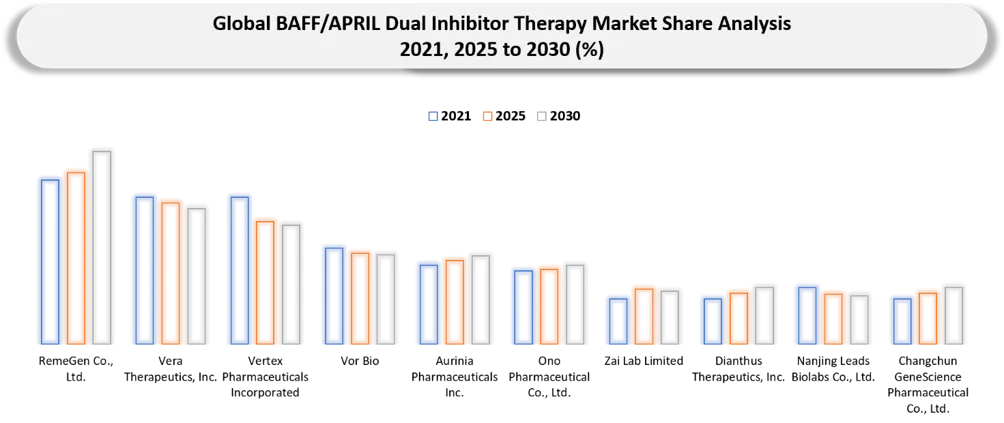
- The global BAFF/APRIL dual inhibitor therapy market is characterized by a concentrated but rapidly expanding competitive landscape led by companies with clinically validated assets, multi-indication development strategies and regional commercialization partnerships. RemeGen, Vera Therapeutics, Vertex Pharmaceuticals and Vor Bio currently represent the most strategically advanced participants, supported by telitacicept, atacicept and povetacicept programs across immunoglobulin A nephropathy, systemic lupus erythematosus, Sjögren’s disease and myasthenia gravis. Competition is increasingly determined by regulatory progress, breadth of indication coverage, durability of clinical response, dosing convenience and the ability to demonstrate organ-protective and steroid-sparing benefits rather than by mechanism alone.
- Pipeline competition is broadening through Aurinia Pharmaceuticals, Dianthus Therapeutics, Nanjing Leads Biolabs, Changchun GeneScience Pharmaceutical, Transcenta Holding, CStone Pharmaceuticals and other emerging developers pursuing next-generation BAFF/APRIL approaches. Regional licensing arrangements are also shaping market structure, with Ono Pharmaceutical and Zai Lab supporting povetacicept commercialization in selected Asian markets. Competitive advantage will increasingly depend on lifecycle expansion, biomarker-led patient selection, geographic access, manufacturing scalability and payer-recognized value. Companies able to convert single-asset programs into multi-indication autoimmune franchises are likely to achieve stronger long-term positioning.
Key Companies of BAFF/APRIL Dual Inhibitor Therapy Market
- RemeGen Co., Ltd. (China)
- Vera Therapeutics, Inc. (United States)
- Vertex Pharmaceuticals Incorporated (United States)
- Vor Bio, Inc. (United States)
- Aurinia Pharmaceuticals Inc. (United States)
- Ono Pharmaceutical Co., Ltd. (Japan)
- Zai Lab Limited (China / United States)
- Dianthus Therapeutics, Inc. (United States)
- Nanjing Leads Biolabs Co., Ltd. (China)
- Changchun GeneScience Pharmaceutical Co., Ltd. (China)
- Transcenta Holding Limited (China)
- CStone Pharmaceuticals (China)
- Shanghai Henlius Biotech, Inc. (China)
- Boulevard Bio, Inc. (United States)
- Shanghai Jeyou Pharmaceutical Technology Co., Ltd. (China)
BAFF/APRIL Dual Inhibitor Therapy Market Major Pain Points
- Heterogeneous BAFF/APRIL Pathway Dependence Across Autoimmune Diseases: Clinical benefit can vary substantially across immunoglobulin A nephropathy, systemic lupus erythematosus, Sjögren’s disease, myasthenia gravis and other autoimmune disorders because BAFF and APRIL pathway activity differs by disease biology, stage and patient phenotype. Limited predictive biomarkers complicate identification of patients most likely to respond.
- Long-Term Immunosuppression And Infection-Risk Concerns: Sustained suppression of B-cell and plasma-cell survival pathways may reduce immunoglobulin levels and increase susceptibility to infections. Chronic administration therefore requires careful screening, laboratory monitoring, vaccination planning and long-term pharmacovigilance, which can increase treatment burden and restrict use in higher-risk patients.
- Limited Head-To-Head Comparative Evidence: Direct comparisons between BAFF/APRIL dual inhibitors and established immunosuppressants, B-cell-depleting therapies, complement inhibitors and other targeted biologics remain limited. Differences in trial populations, endpoints and follow-up periods make treatment sequencing and comparative-value assessment difficult for clinicians and payers.
- Complex Multi-Indication Clinical Development: Developers must demonstrate efficacy across diseases with substantially different endpoints, patient characteristics and regulatory requirements. Proteinuria reduction may drive evaluation in kidney disease, while disease-activity scores, relapse rates or functional outcomes may be required in rheumatology and neurology, increasing development cost and execution complexity.
- Uncertain Earlier-Line Positioning: Initial adoption is likely to concentrate among patients with inadequate response to conventional therapies or high disease burden. Moving BAFF/APRIL dual inhibitors into earlier treatment lines will require stronger evidence for durable disease control, steroid reduction, organ protection and long-term superiority over established standards of care.
- High Biologic Pricing And Reimbursement Barriers: Premium treatment costs, prior authorization, specialist prescribing requirements and country-specific reimbursement criteria can limit patient access. Payers increasingly require evidence of reduced disease progression, fewer hospitalizations, lower corticosteroid use and measurable long-term healthcare savings before supporting broader coverage.
- Treatment Persistence And Administration Burden: Many current BAFF/APRIL therapies rely on repeated injectable administration over prolonged periods. Dosing frequency, injection burden, monitoring requirements and treatment interruptions can affect adherence, particularly in chronic diseases where patients may require therapy for several years.
- Fragmented Geographic Commercialization And Licensing Rights: Regional licensing agreements can divide development and commercialization responsibilities for the same molecule across multiple companies. Differences in regulatory timing, pricing, reimbursement and local clinical development can create uneven global availability and complicate coordinated lifecycle management, market forecasting and competitive positioning.
BAFF/APRIL Dual Inhibitor Therapy Market Recent Developments
- September 2026: Vera Therapeutics reported final ORIGIN 3 results for TRUTAKNA (atacicept-vymj) in primary immunoglobulin A nephropathy, demonstrating sustained kidney-function stabilization through two years and a 76% reduction in the risk of composite kidney-disease progression versus placebo, reinforcing the therapy’s long-term clinical value proposition.
- September 2026: Vor Bio completed enrollment in the global Phase III UPSTREAM MG trial evaluating telitacicept in generalized myasthenia gravis and outlined plans to expand development into ocular myasthenia gravis, broadening the asset’s potential neurological autoimmune franchise.
- July 2026: Vera Therapeutics received U.S. FDA accelerated approval for TRUTAKNA (atacicept-vymj) to reduce proteinuria in adults with primary immunoglobulin A nephropathy at risk of disease progression, establishing a major commercial milestone for the BAFF/APRIL dual-inhibition class in the United States.
- June 2026: RemeGen received China NMPA approvals for telitacicept in Sjögren’s disease and immunoglobulin A nephropathy, expanding the product to five approved indications in China and strengthening its multi-indication commercialization strategy.
- June 2026: Vertex Pharmaceuticals received U.S. FDA acceptance of the Biologics License Application for povetacicept for accelerated approval in adults with immunoglobulin A nephropathy, supported by positive Phase III RAINIER data and advancing the asset toward potential U.S. market entry.
- May 2026: Vor Bio and RemeGen reported Phase III TELIGAN interim results for telitacicept in immunoglobulin A nephropathy, with a 55.0% relative reduction in proteinuria versus placebo at Week 39 and stable kidney function, strengthening the therapy’s competitive positioning in renal autoimmune disease.
- February 2026: Changchun GeneScience Pharmaceutical received regulatory clearance in China to advance GenSci136 into clinical development for immunoglobulin A nephropathy, adding another direct BAFF/APRIL-targeted candidate to the competitive pipeline.
- January 2026: Vera Therapeutics received U.S. FDA Priority Review for the Biologics License Application for atacicept in adults with immunoglobulin A nephropathy, shortening the regulatory pathway toward potential commercialization and strengthening first-mover positioning.
- September 2025: Vertex Pharmaceuticals received U.S. FDA Breakthrough Therapy Designation for povetacicept in immunoglobulin A nephropathy, enhancing regulatory momentum for the program and supporting accelerated development of the asset.
- June 2025: Ono Pharmaceutical entered an exclusive agreement with Vertex Pharmaceuticals to develop and commercialize povetacicept in Japan and South Korea, expanding the asset’s regional commercialization footprint and providing local development capabilities in two strategically important Asian markets.
- January 2025: Zai Lab entered an exclusive agreement with Vertex Pharmaceuticals to develop and commercialize povetacicept across mainland China, Hong Kong, Macau, Taiwan and Singapore, extending the therapy’s Asia-Pacific reach and strengthening its regional market-access pathway.
Analyst View / Opinion on BAFF/APRIL Dual Inhibitor Therapy Market
- The market is shifting from broad immunosuppression toward targeted dual-pathway modulation of B-cell and plasma-cell activity, with greater emphasis on durable disease control, organ protection and reduction in long-term corticosteroid dependence.
- Telitacicept, atacicept and povetacicept are becoming the core competitive assets, with commercial and late-stage development activity expanding across immunoglobulin A nephropathy, systemic lupus erythematosus, Sjögren’s disease, myasthenia gravis and other antibody-mediated autoimmune disorders.
- Treatment selection will increasingly depend on disease severity, therapeutic area, prior treatment response, organ involvement, relapse risk, infection susceptibility, comorbidities, dosing preference and long-term safety profile rather than mechanism of action alone.
- Next-generation BAFF/APRIL programs with longer dosing intervals, improved pharmacokinetics, biomarker-led patient selection and more convenient administration formats could broaden adoption beyond the current injectable-biologic framework.
- Sustainable market leadership will require evidence demonstrating durable remission, reduced flare frequency, steroid-sparing benefit, preservation of organ function, manageable immunosuppression risk and improved long-term clinical outcomes across multiple indications.
- Commercial success will depend on specialist education, treatment-sequencing evidence, regional licensing, payer-focused health-economic data, reliable biologic supply, patient-support infrastructure and successful movement into earlier therapy lines.
BAFF/APRIL Dual Inhibitor Therapy Market Target Audience
| INDUSTRY | WHO SHOULD BUY THIS REPORT? | REASON TO BUY THIS REPORT |
| Pharmaceutical And Biotechnology Companies | Approved-drug manufacturers, clinical-stage biotechnology companies, autoimmune-disease developers and biologics manufacturers | Assess market potential, indication-expansion opportunities, competitive positioning, pipeline intensity, licensing strategies and commercialization potential across approved and investigational BAFF/APRIL dual inhibitors. |
| Diagnostic And Precision-Medicine Companies | Biomarker developers, immunodiagnostic companies, molecular-diagnostic providers and clinical decision-support companies | Identify opportunities in BAFF/APRIL pathway profiling, patient stratification, treatment-response monitoring, disease-activity assessment and biomarker-led therapy selection. |
| Healthcare Providers | Nephrologists, rheumatologists, neurologists, immunologists, hospitals, specialty clinics and multidisciplinary autoimmune-care teams | Understand treatment evolution, patient selection, therapy sequencing, disease-specific positioning, monitoring requirements and referral pathways for dual BAFF/APRIL therapies. |
| Payers And Market-Access Organizations | Health insurers, pharmacy-benefit managers, health-technology assessment bodies and reimbursement consultants | Evaluate eligible patient populations, comparative clinical value, biologic treatment costs, budget impact, prior-authorization requirements and reimbursement strategies. |
| Patient Advocacy And Support Organizations | Autoimmune-disease associations, kidney-disease organizations, patient-support networks and caregiver groups | Understand treatment access, long-term therapy burden, adherence challenges, quality-of-life needs and geographic disparities in access to targeted therapies. |
| Government And Regulatory Bodies | Regulatory agencies, public-health authorities, reimbursement agencies and healthcare policymakers | Support assessment of clinical evidence, benefit-risk profiles, pharmacovigilance requirements, accelerated approval pathways and public-reimbursement policies. |
| Investors And Financial Institutions | Private-equity firms, venture-capital investors, institutional investors, investment banks and life-sciences funds | Evaluate pipeline value, probability of clinical success, regulatory milestones, licensing opportunities, multi-indication potential, partnership activity and acquisition prospects. |
| Market Research And Consulting Firms | Strategy consultancies, competitive-intelligence teams, healthcare research firms and commercial advisory companies | Support market-entry planning, portfolio prioritization, competitive benchmarking, indication attractiveness assessment, white-space analysis and commercial due diligence. |
| Research Organizations | Clinical research organizations, academic institutions, universities, immunology laboratories and translational-research centers | Analyze clinical-trial activity, biomarker development, patient recruitment, BAFF/APRIL biology, treatment response and remaining evidence gaps across autoimmune diseases. |
| Specialty Pharmacies And Distributors | Specialty pharmacies, hospital pharmacies, pharmaceutical distributors and biologic supply-chain providers | Assess specialty-distribution models, cold-chain requirements, patient onboarding, reimbursement support, treatment persistence and access pathways for injectable biologic therapies. |
| Licensing And Business Development Teams | Pharmaceutical business-development teams, regional licensing specialists, alliance-management teams and corporate strategy groups | Identify in-licensing and out-licensing opportunities, regional-rights strategies, indication expansion potential and partnership opportunities across emerging BAFF/APRIL assets. |
| Contract Development And Manufacturing Organizations | Biologics manufacturers, fill-finish providers, analytical-service providers and contract development organizations | Assess future manufacturing demand, biologic scale-up requirements, formulation opportunities and supply-chain needs as more BAFF/APRIL assets progress toward commercialization. |
Why Choose DATAM?
- Data-Driven Insights: Access granular intelligence on the Global BAFF/APRIL Dual Inhibitor Therapy Market covering market size, therapy shares, therapeutic-area opportunities, patient segmentation, disease severity, treatment lines, route of administration, clinical pipelines, competitive positioning and regional commercialization dynamics, supported by primary interviews and secondary validation.
- Post-Purchase Support and Expert Analyst Consultations: Engage directly with our healthcare analysts for customized guidance on indication prioritization, patient targeting, therapy sequencing, portfolio positioning, licensing strategy, market entry, competitor benchmarking, reimbursement planning and commercialization of BAFF/APRIL dual inhibitors.
- White Papers and Case Studies: Receive periodic insights on BAFF/APRIL pathway innovation, clinical trial developments, regulatory approvals, next-generation dual inhibitors, multi-indication strategies, biomarker-led patient selection, treatment-sequencing trends and evolving specialist prescribing behavior.
- Annual Updates on Purchased Reports: Stay informed through annual updates covering new approvals, Phase II and Phase III readouts, label expansions, licensing agreements, geographic rights transactions, pricing developments, reimbursement changes and shifts in the competitive landscape. Terms and conditions apply.
- Specialized Focus on Emerging Markets: Gain country-specific intelligence on diagnosed and treatment-eligible populations, specialist infrastructure, biologic adoption, reimbursement conditions, local clinical-development activity and commercialization opportunities across high-growth emerging markets.
- Value of DataM Reports: Obtain tailored intelligence addressing specific business questions related to refractory patients, steroid-sparing potential, organ protection, therapy differentiation, treatment persistence, multi-indication expansion, pipeline disruption, market access, white-space opportunities and investment priorities beyond generic market databases.


























































