


B7-H3 Targeted ADC Market Size and Overview
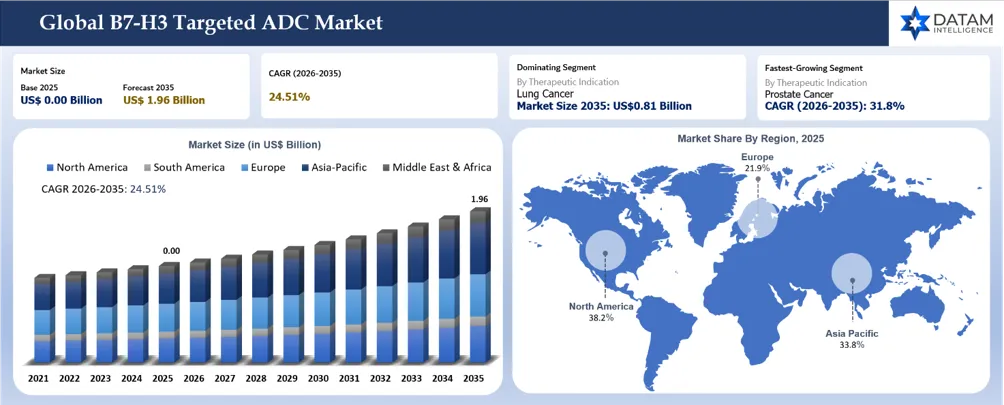
The global B7-H3 targeted ADC market is transitioning from clinical-stage development toward potential commercialization and is expected to reach US$1.96 billion by 2035, reflecting a projected CAGR of 24.51% during the forecast period 2026-2035. With no established commercial revenue base in 2025, future growth is expected to depend on successful regulatory approvals, clinical pipeline advancement and increasing demand for precision oncology treatments across multiple solid tumor indications.
Market development is increasingly driven by the advancement of B7-H3 targeted ADC for treatment-resistant malignancies, particularly small cell lung cancer, metastatic castration-resistant prostate cancer and other advanced solid tumors. B7-H3 (CD276) is frequently overexpressed in several cancer types, making it an attractive therapeutic target for selective cytotoxic drug delivery. Investigational candidates, including risvutatug rezetecan, ifinatamab deruxtecan, tambotatug pelitecan and elfetabart drozuntecan, are strengthening the clinical pipeline. Encouraging late-stage clinical outcomes are supporting potential commercialization, although regulatory uncertainties and payload-related toxicities remain important development challenges.
Strategic licensing agreements and cross-border development partnerships are reshaping the competitive landscape. Collaborations involving Daiichi Sankyo and Merck, Hansoh Pharmaceutical and GSK, MediLink Therapeutics and Roche, and DualityBio and BioNTech are strengthening global clinical development capabilities, regulatory readiness and commercialization opportunities. Investment is increasingly directed toward next-generation linker-payload technologies, biomarker-guided patient selection, optimized drug-to-antibody ratios and scalable manufacturing infrastructure. These developments could accelerate therapeutic differentiation and support expansion into additional cancer indications and earlier treatment lines.
The next competitive inflection point will depend on demonstrating meaningful overall survival improvements, durable treatment responses and favorable benefit-risk profiles compared with existing oncology therapies. North America is expected to lead future revenue generation, while Asia-Pacific offers substantial commercialization opportunities through China's expanding ADC development pipeline and regulatory progress. Future market leadership will be determined by successful Phase III outcomes, timely regulatory approvals, indication-specific reimbursement strategies and efficient commercial execution. Companies combining differentiated clinical efficacy, manageable toxicity, manufacturing scalability and strong geographic partnerships will be better positioned to capture long-term growth opportunities in the evolving B7-H3 targeted ADC landscape.
B7-H3 Targeted ADC Market Key Takeaways
- Strong Commercialization Potential Through 2035: The global B7-H3 targeted ADC market is transitioning from clinical development toward potential commercialization, with limited commercial activity in 2025 and a projected market valuation of USD 1.96 billion by 2035, reflecting an estimated 24.51% CAGR during 2026-2035. Growth is expected to be driven by advancing clinical pipelines, anticipated regulatory approvals, expanding therapeutic indications and increasing demand for precision oncology treatments.
- Lung Cancer Maintains Market Leadership: Lung cancer is projected to emerge as the dominant therapeutic indication, reaching approximately USD 0.81 billion by 2035, supported by advanced clinical development of risvutatug rezetecan, ifinatamab deruxtecan and tambotatug pelitecan. Growing demand for effective treatments in relapsed small cell lung cancer and other treatment-resistant lung malignancies is expected to strengthen its long-term commercial potential.
- Prostate Cancer Emerges as the Fastest-Growing Opportunity: Prostate cancer is projected to register an estimated 31.8% CAGR during 2026-2035, driven by expanding clinical development of B7-H3 targeted ADC candidates, including elfetabart drozuntecan (DB-1311/BNT324), for metastatic castration-resistant prostate cancer. Potential expansion into earlier treatment lines, biomarker-guided patient selection and combination therapies could accelerate future adoption.
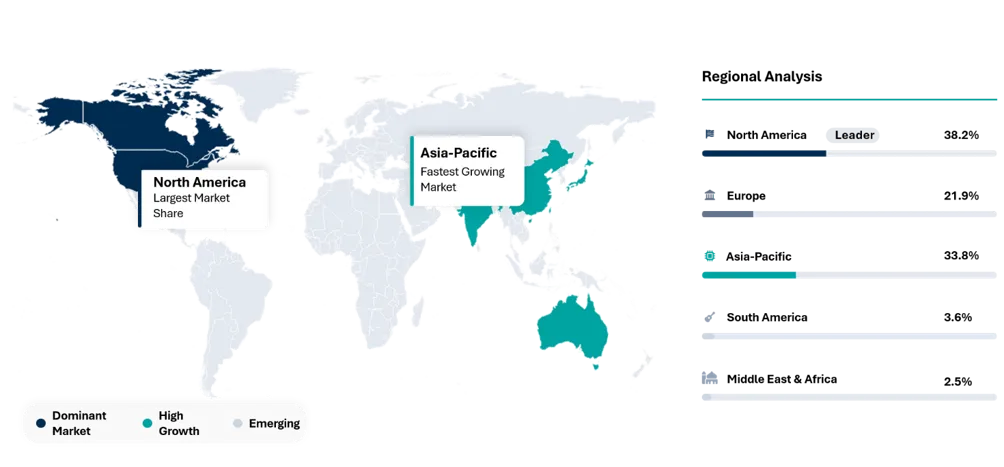
- North America Leads Regional Revenue Potential: North America is projected to account for approximately 38.2% of global market revenue by 2035, supported by advanced oncology infrastructure, strong pharmaceutical research capabilities, established clinical trial networks and specialty oncology reimbursement systems. Asia-Pacific is expected to represent a significant growth opportunity, supported by China's expanding B7-H3 ADC clinical pipeline, regulatory progress and domestic biopharmaceutical innovation.
- Clinical Differentiation and Regulatory Success Reshape Competitive Strategy: Future market leadership will depend on demonstrated overall survival benefits, durable treatment responses, manageable hematological and pulmonary toxicities, successful regulatory approvals and scalable ADC manufacturing. Advances in linker-payload technologies, biomarker-guided treatment selection, strategic licensing partnerships and combination therapy development are expected to reshape competitive positioning, commercialization strategies and long-term investment priorities.
Global B7-H3 Targeted ADC Market Industry Trends and Strategic Insights
- The market is transitioning from investigational oncology pipelines toward potential commercial adoption, driven by advancing Phase III clinical trials, regulatory submissions and growing demand for precision therapies targeting treatment-resistant solid tumors. Competitive differentiation is increasingly centered on overall survival, progression-free survival, duration of response and manageable treatment-related toxicities.
- Topoisomerase I inhibitor-based ADCs are emerging as a prominent technology platform, supported by clinical development of risvutatug rezetecan, ifinatamab deruxtecan and tambotatug pelitecan. Advances in linker-payload engineering, drug-to-antibody ratio optimization and tumor-selective delivery are strengthening therapeutic potential, although hematological toxicity, interstitial lung disease and manufacturing complexity remain significant challenges.
- Indication expansion is becoming a critical commercial growth strategy, with lung cancer emerging as the primary near-term commercialization opportunity and prostate cancer presenting substantial future growth potential. Clinical development is increasingly extending across small cell lung cancer, metastatic castration-resistant prostate cancer, nasopharyngeal carcinoma and other advanced solid tumors, supporting broader patient eligibility and indication-specific revenue diversification.
- Strategic licensing agreements and cross-border development partnerships are reshaping competitive positioning, with Daiichi Sankyo-Merck, Hansoh Pharmaceutical-GSK, MediLink Therapeutics-Roche and DualityBio-BioNTech strengthening global clinical development capabilities. Investment priorities are shifting toward differentiated ADC platforms, late-stage trial execution, biomarker-driven patient selection, commercial manufacturing readiness and geographic expansion.
- Regulatory execution and clinical differentiation will determine future market leadership, as developers seek to establish meaningful survival benefits and favorable safety profiles against existing oncology treatment standards. Companies demonstrating durable therapeutic responses, manageable toxicity, scalable manufacturing, expanded indication coverage and compelling health-economic evidence will be better positioned to secure regulatory approvals, oncologist adoption, reimbursement access and sustainable competitive advantages.
Global B7-H3 Targeted ADC Market Scope
| Metrics | Details | |
| 2025 Market Size | US$0 Billion | |
| 2035 Projected Market Size | US$1.96 Billion | |
| CAGR (2026-2035) | 24.51% | |
| Largest Market | North America | |
| Fastest Growing Market | Asia-Pacific | |
| By Drug | Ifinatamab Deruxtecan (DS-7300a, I-DXd), Risvutatug Rezetecan (HS-20093, GSK5764227), Tambotatug Pelitecan (YL201), MHB088C, Elfetabart Drozuntecan (DB-1311, BNT324), MGC026, BAT8009, 7MW3711, Others | |
| By Payload Type | Topoisomerase I Inhibitors, DNA Alkylating Agents, Microtubule Inhibitors, Other Cytotoxic Payloads | |
| By Antibody Type | Humanized Monoclonal Antibodies, Fully Human Monoclonal Antibodies, Others | |
| By Drug-to-Antibody Ratio | Low DAR (Below 4), Medium DAR (4 to Below 6), High DAR (6 and Above) | |
| By B7-H3 Expression Level | High B7-H3 Expression, Low B7-H3 Expression, Intermediate Expression, Unknown/Not Assessed | |
| By Treatment Line | First-Line Treatment, Second-Line Treatment, Third-Line and Later Treatment | |
| By Development Stage | Preclinical Development, Phase I, Phase II, Phase III, Regulatory Review, Approved and Commercialized Products | |
| By Treatment Regimen | Monotherapy, Combination Therapy | |
| By Therapeutic Indication | Lung Cancer, Prostate Cancer, Esophageal Cancer, Breast Cancer, Head and Neck Cancer, Nasopharyngeal Cancer, Ovarian Cancer, Bladder Cancer, Osteosarcoma, Colorectal Cancer, Gastric Cancer, Pancreatic Cancer, Cervical Cancer, Others | |
| By End User | Hospitals, Specialty Oncology Clinics, Cancer Treatment Centers, Others | |
| By Region | North America | U.S., Canada, Mexico |
| Europe | Germany, UK, France, Spain, Italy, Poland | |
| Asia-Pacific | China, India, Japan, Australia, South Korea, Indonesia, Malaysia, Singapore, Vietnam, Thailand, Philippines, Taiwan | |
| South America | Brazil, Argentina | |
| Middle East and Africa | Israel, Saudi Arabia, UAE, Turkiye, South Africa, Nigeria | |
| Report Insights Covered | Competitive Landscape Analysis, Company Profile Analysis, Market Size, Share, Growth | |
Why does this report matter in 2026?
The global B7-H3 targeted ADC landscape is entering a pivotal phase in 2026, as clinical advancements, regulatory submissions and strategic licensing agreements accelerate the transition from investigational therapies toward potential commercialization. Positive Phase III results for risvutatug rezetecan (HS-20093) and tambotatug pelitecan (YL201), alongside regulatory application acceptances in China, demonstrate growing therapeutic potential across small cell lung cancer, nasopharyngeal carcinoma and other difficult-to-treat solid tumors. However, the September 2026 withdrawal of the U.S. application for ifinatamab deruxtecan highlights persistent regulatory uncertainty and the importance of evidence-based commercial forecasting.
For pharmaceutical manufacturers, biotechnology developers, investors and commercialization partners, this report provides strategic intelligence to evaluate competitive positioning, clinical pipeline maturity and future revenue opportunities. It examines indication-specific patient populations, treatment-line opportunities, regulatory pathways, geographic launch scenarios and probability-adjusted market forecasts. By assessing emerging clinical differentiation, licensing strategies, pricing potential and commercialization risks, the study enables stakeholders to prioritize investment decisions, identify partnership opportunities and develop market-entry strategies ahead of anticipated product launches, while distinguishing clinically validated opportunities from speculative pipeline valuations.
Global B7-H3 Targeted ADC Market White Space & Investment Opportunities
- Biomarker-Driven Patient Identification and Selection: Invest in standardized B7-H3 expression assays, immunohistochemistry-based diagnostics, tumor profiling and companion diagnostic development to identify patients most likely to benefit from targeted ADC treatment. Establish clinically validated expression thresholds and predictive biomarkers to improve patient selection, treatment response and clinical trial efficiency.
- Expansion into High-Unmet-Need Solid Tumor Indications: Accelerate clinical development across small cell lung cancer, metastatic castration-resistant prostate cancer, triple-negative breast cancer, non-small cell lung cancer, esophageal cancer and other treatment-resistant solid tumors. Prioritize indications with limited therapeutic alternatives, strong B7-H3 expression, substantial eligible patient populations and commercially viable regulatory pathways.
- Next-Generation ADC Engineering and Therapeutic Differentiation: Invest in tumor-selective antibody engineering, optimized drug-to-antibody ratios, site-specific conjugation, advanced cleavable linkers and novel cytotoxic payloads to enhance therapeutic efficacy while minimizing systemic toxicity. Address resistance mechanisms, heterogeneous antigen expression and payload-related adverse events to establish differentiation from existing clinical-stage B7-H3 ADC candidates.
- Earlier-Line Treatment and Combination Therapy Development: Generate clinical evidence supporting the advancement of B7-H3 ADCs beyond heavily pretreated patients into second-line and potentially first-line treatment settings. Evaluate combinations with immune checkpoint inhibitors, platinum-based chemotherapy and other targeted therapies to improve response durability, progression-free survival and overall survival while establishing manageable safety profiles.
- Clinical Pipeline Licensing and Strategic Commercialization Partnerships: Identify investment opportunities in emerging B7-H3 ADC developers through regional licensing, co-development agreements, manufacturing partnerships and milestone-based acquisitions. Prioritize differentiated clinical assets with encouraging efficacy, manageable safety profiles, scalable manufacturing processes and credible regulatory strategies, while accounting for clinical failure risk and competitive pipeline concentration.
- Geographic Market Access and Value-Based Reimbursement: Develop commercialization strategies targeting the United States, China, Japan and major European oncology markets through region-specific regulatory submissions, localized clinical evidence and oncology distribution partnerships. Invest in cost-effective ADC manufacturing, real-world outcomes research, health economic evaluations and innovative reimbursement models linking treatment expenditure to survival benefits, response durability and patient quality of life.
Global B7-H3 Targeted ADC Market Future Transformation
The global B7-H3 targeted ADC market is poised for significant transformation as advances in precision oncology, biomarker-driven patient selection and next-generation ADC engineering reshape cancer treatment strategies. Over the forecast period, development priorities will increasingly shift from demonstrating clinical activity in heavily pretreated patients toward establishing durable survival benefits, improved safety profiles and broader therapeutic applicability. Innovations in tumor-selective antibody design, optimized linker-payload combinations and site-specific conjugation are expected to strengthen therapeutic differentiation. Meanwhile, expansion into earlier treatment lines and combination regimens involving immune checkpoint inhibitors and chemotherapy could substantially increase the addressable patient population, subject to successful clinical validation and regulatory approvals.
The next phase of market transformation will be shaped by regulatory execution, competitive pipeline differentiation and sustainable commercialization models. Encouraging late-stage clinical outcomes across multiple solid tumor indications strengthen the therapeutic potential of B7-H3 targeting, while regulatory setbacks underscore persistent development and commercialization risks. Strategic licensing agreements, regional partnerships and manufacturing scale-up will become increasingly important as developers prepare for potential product launches. Companies demonstrating meaningful survival improvements, biomarker-informed treatment strategies, reliable supply chains and favorable cost-effectiveness profiles will be better positioned to secure regulatory approvals, reimbursement access and long-term competitive advantages within the evolving precision oncology landscape.
B7-H3 Targeted ADC Market Buyer Decision-Making Criteria
Major Buyer Decision-Making Criteria:
- Objective Response Rate and Depth of Tumor Response
- Progression-Free Survival and Overall Survival Benefits
- Duration of Response and Long-Term Treatment Effectiveness
- B7-H3 Expression Levels and Biomarker-Based Patient Eligibility
- Efficacy Across Solid Tumor Types and Disease Stages
- Safety, Tolerability and Treatment-Related Adverse Events
- Effectiveness in Heavily Pretreated and Drug-Resistant Patients
- Suitability Across Treatment Lines and Combination Regimens
- Dosing Frequency, Intravenous Administration and Treatment Burden
- Toxicity Monitoring Requirements and Dose Modification Frequency
- Pricing, Reimbursement Coverage and Healthcare Budget Impact
- Regulatory Approval Status, Clinical Guideline Positioning and Physician Confidence
B7-H3 Targeted ADC Market Investment Trends
- Capital allocation is increasingly directed toward late-stage clinical development, regulatory submissions, manufacturing scale-up and commercialization readiness for B7-H3 targeted ADC candidates, including ifinatamab deruxtecan, risvutatug rezetecan, tambotatug pelitecan and elfetabart drozuntecan.
- Strategic licensing agreements, co-development partnerships and milestone-based investments are gaining importance as pharmaceutical companies seek access to differentiated B7-H3 ADC pipelines, proprietary linker-payload technologies and regional commercialization rights across major oncology markets.
- Investment is accelerating in next-generation ADC platforms incorporating tumor-selective antibodies, site-specific conjugation, optimized drug-to-antibody ratios and novel cytotoxic payloads to improve therapeutic efficacy, overcome drug resistance and reduce treatment-related toxicities.
- Investors are increasingly prioritizing B7-H3 ADC candidates targeting high-unmet-need indications, including small cell lung cancer, metastatic castration-resistant prostate cancer, non-small cell lung cancer and triple-negative breast cancer, with emphasis on survival benefits, regulatory differentiation and expansion into earlier treatment lines.
- Precision oncology investment is expanding toward B7-H3 expression profiling, companion diagnostic development, predictive biomarker discovery and AI-enabled patient stratification to improve clinical trial enrollment, identify treatment-responsive populations and support biomarker-informed commercialization strategies.
- Pharmaceutical and biotechnology companies are allocating greater resources to combination therapy trials, real-world evidence generation, health-economic assessments and scalable ADC manufacturing infrastructure to demonstrate long-term clinical value, strengthen reimbursement negotiations and support sustainable global market penetration.
Strategic Indicators for Global B7-H3 Targeted ADC Market
High Regulation Impact
The global B7-H3 targeted ADC market faces substantial regulatory scrutiny due to the complexity of oncology drug development, cytotoxic payload-related safety risks and the need to demonstrate meaningful clinical benefits in patients with advanced solid tumors. Regulatory authorities, including the FDA, EMA and NMPA, evaluate objective response rate, progression-free survival, overall survival, duration of response and treatment-related adverse events. Particular attention is directed toward hematological toxicity, interstitial lung disease, hepatic complications and treatment discontinuation rates, depending on the candidate's payload and safety profile. The advancement of risvutatug rezetecan and other B7-H3 ADC candidates into late-stage development highlights growing regulatory engagement, while setbacks involving ifinatamab deruxtecan reinforce the importance of robust clinical evidence, manufacturing consistency and benefit-risk assessment. Developers must prioritize confirmatory trials, pharmacovigilance, chemistry, manufacturing and controls compliance, and indication-specific regulatory strategies to support commercialization.
High Investment Activity
Investment activity in the B7-H3 targeted ADC market is intensifying as pharmaceutical manufacturers and biotechnology companies pursue differentiated oncology assets with potential applications across multiple solid tumors. Strategic collaborations involving Daiichi Sankyo and Merck, Hansoh Pharmaceutical and GSK, and DualityBio and BioNTech demonstrate the commercial importance of licensing agreements, co-development arrangements and geographically differentiated commercialization rights. Capital deployment is increasingly concentrated on Phase II and Phase III clinical trials, next-generation linker-payload platforms, scalable ADC manufacturing and regulatory readiness. Investors are prioritizing candidates with strong antitumor activity, manageable toxicity, defensible intellectual property and opportunities for expansion into earlier treatment lines. However, elevated clinical attrition risk, substantial development expenditure and uncertainty surrounding regulatory approval require disciplined capital allocation. Probability-adjusted pipeline valuation, indication-specific commercial forecasts and milestone-based partnership structures are becoming essential for investment decisions.
High New Drug-Class Adoption Potential
B7-H3 targeted ADCs represent an emerging therapeutic approach within precision oncology, with the potential to address treatment-resistant malignancies through targeted delivery of potent cytotoxic payloads. Clinical development is particularly active in small cell lung cancer, prostate cancer, lung cancer and other difficult-to-treat solid tumors. Unlike established oncology drug classes, B7-H3 ADCs remain at a pre-commercial stage, making future adoption dependent on successful regulatory approvals, demonstrated survival benefits and acceptable safety profiles. Initial clinical adoption is likely to concentrate on patients with advanced or metastatic disease who have limited treatment alternatives. Subsequent expansion may involve earlier treatment lines, biomarker-selected populations and combination regimens with chemotherapy or immune checkpoint inhibitors. Oncologists will increasingly differentiate competing candidates based on treatment efficacy, response durability, toxicity management, patient eligibility and clinical guideline positioning. Commercial penetration will depend on comparative clinical value rather than target novelty alone.
Regional Expansion Opportunity
Regional expansion represents a significant long-term opportunity as B7-H3 targeted ADC development progresses across North America, Europe and Asia-Pacific. China is emerging as an important clinical development and potential commercialization hub, supported by domestic ADC innovation, extensive oncology trial activity and the September 2026 acceptance of risvutatug rezetecan's biologics license application for small cell lung cancer. The United States offers substantial commercial potential through established oncology treatment infrastructure, specialty cancer centers and premium biologic reimbursement frameworks, although regulatory approval and payer acceptance remain critical requirements. Europe presents opportunities through centralized regulatory assessment and country-specific oncology reimbursement systems. Japan, South Korea and selected emerging markets could support subsequent geographic expansion as local clinical evidence and regulatory submissions advance. Successful international commercialization will require region-specific patient-population assessments, regulatory alignment, oncology distribution capabilities and sustainable pricing strategies.
Government Policy Support
Government policy plays an important role in shaping B7-H3 targeted ADC development through oncology research funding, expedited regulatory pathways, clinical trial frameworks and pharmaceutical manufacturing policies. Regulatory mechanisms such as Breakthrough Therapy Designation, Priority Review and conditional or accelerated approval pathways may support qualifying treatments that demonstrate meaningful benefits in serious cancers with substantial unmet medical needs. China's acceptance of the risvutatug rezetecan application in September 2026 illustrates progress toward regulatory evaluation of B7-H3 ADC therapies. Public investment in precision oncology infrastructure, biomarker testing and clinical research networks can further strengthen development opportunities. However, supportive policies do not eliminate requirements for confirmatory evidence, comprehensive safety evaluation and manufacturing quality assurance. Developers must align clinical endpoints, patient selection strategies, regulatory submissions and post-approval evidence generation with regional requirements to improve approval prospects and accelerate eligible patient access.
Value-Based Pricing Intelligence
Value-based pricing will become a critical commercialization determinant as B7-H3 targeted ADC candidates progress toward potential regulatory approvals. Pricing strategies are expected to reflect improvements in overall survival, progression-free survival, response durability, toxicity management and patient quality of life relative to existing oncology treatment standards. Commercial value will differ across therapeutic indications, treatment lines, patient populations and geographic markets, requiring indication-specific pricing and reimbursement assessments. Healthcare payers will evaluate incremental clinical benefits alongside acquisition costs, infusion requirements, adverse-event management and total treatment expenditure. Manufacturers demonstrating substantial survival benefits, manageable toxicity and reduced downstream healthcare utilization may strengthen their negotiating position with public and private payers. Outcomes-based agreements, patient access programs and real-world evidence generation could further support market access. Long-term commercial success will depend on aligning treatment pricing with demonstrable clinical differentiation, health-economic value and healthcare system affordability.
AI Impact Analysis of B7-H3 Targeted ADC Market
Artificial intelligence is emerging as a strategic enabler in the global B7-H3 targeted ADC market, accelerating drug discovery, molecular optimization and biomarker-driven clinical development. AI-powered computational platforms can support antibody engineering, antigen-binding affinity prediction, linker-payload optimization and drug-to-antibody ratio assessment, helping developers identify promising therapeutic candidates and reduce experimental inefficiencies. Machine learning models integrating genomic, transcriptomic, proteomic and digital pathology data may improve understanding of B7-H3 expression heterogeneity and identify tumor populations with greater treatment-response potential. Furthermore, AI-assisted toxicity prediction and pharmacokinetic modeling could support early safety assessment, candidate prioritization and more efficient preclinical development. These applications have the potential to reduce development costs while strengthening therapeutic differentiation.
AI integration is also expected to transform clinical trial execution, regulatory evidence generation and commercial decision-making across the B7-H3 ADC development pipeline. Predictive analytics can improve patient recruitment, optimize trial-site selection, identify potential treatment resistance and support adaptive study designs, particularly across heterogeneous solid tumor populations. AI-enabled analysis of clinical outcomes and real-world oncology datasets may strengthen comparative effectiveness assessments, indication prioritization and probability-adjusted revenue forecasting. For pharmaceutical manufacturers and biotechnology investors, these capabilities could improve capital allocation, licensing evaluations and commercialization planning. However, limited B7-H3-specific training datasets, algorithm validation requirements and regulatory expectations remain significant implementation challenges, making clinically validated AI applications a key competitive differentiator rather than an established source of commercial advantage.
Disruption Analysis of B7-H3 Targeted ADC Market
The global B7-H3 targeted ADC market is experiencing structural disruption as emerging precision oncology platforms challenge conventional chemotherapy and established targeted treatment approaches across difficult-to-treat solid tumors. Advances in antibody engineering, novel cytotoxic payloads, optimized linker technologies and site-specific conjugation are enabling developers to pursue improved tumor selectivity, therapeutic efficacy and safety profiles. Late-stage clinical progress involving risvutatug rezetecan, ifinatamab deruxtecan and other investigational candidates is intensifying competition around survival outcomes, treatment durability and regulatory differentiation. However, heterogeneous B7-H3 expression, payload-related toxicity and uncertain biomarker thresholds remain significant barriers. Emerging bispecific ADC architectures and alternative B7-H3-directed modalities could further reshape competitive dynamics by introducing differentiated mechanisms of action and treatment opportunities.
The next phase of disruption will be driven by clinical validation, regulatory competition and strategic consolidation across the ADC development ecosystem. Encouraging late-stage clinical outcomes demonstrate the potential to challenge existing oncology treatment standards, while regulatory uncertainty reinforces the importance of differentiated clinical evidence. Licensing agreements, co-development partnerships and acquisitions may accelerate access to proprietary ADC platforms and commercialization capabilities. Simultaneously, biomarker-guided patient selection, earlier-line treatment expansion and combination therapies could redefine addressable markets and treatment pathways. Companies capable of demonstrating superior survival benefits, manageable toxicity, scalable manufacturing and compelling health-economic value will be best positioned to capture future market opportunities, potentially shifting competitive advantage from broad oncology portfolios toward clinically differentiated, indication-specific ADC assets.
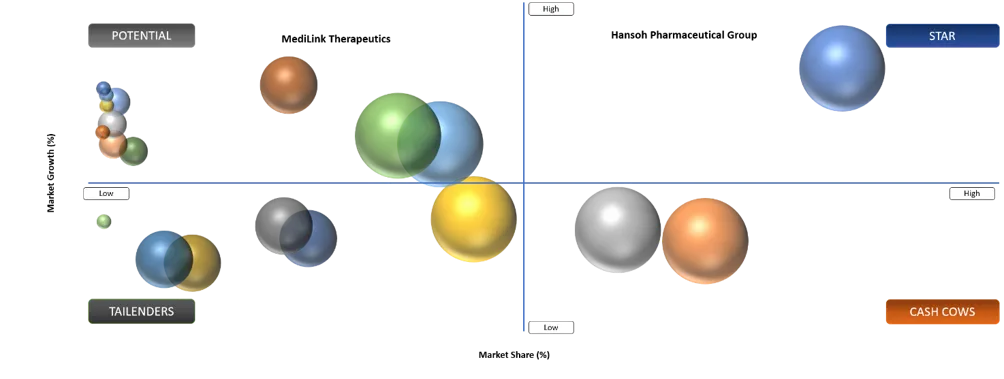
Global B7-H3 Targeted ADC Market BCG Matrix: Company Evaluation
STAR
Hansoh Pharmaceutical Group, GSK, Daiichi Sankyo and Merck & Co. are positioned in the Star category based on their advanced clinical pipelines, extensive oncology development capabilities, strategic commercialization partnerships and potential to establish leadership in the emerging B7-H3 targeted ADC market. Hansoh and GSK have strengthened their competitive positioning through risvutatug rezetecan (HS-20093), which demonstrated significant overall survival improvement in Phase III small cell lung cancer trials and progression-free survival benefits in osteosarcoma. The acceptance of its biologics license application in China in September 2026 further reinforces its commercialization potential.
Daiichi Sankyo and Merck remain strategically important through ifinatamab deruxtecan (DS-7300a), supported by extensive ADC development expertise and ongoing Phase III programs across multiple solid tumor indications. However, the September 2026 withdrawal of its U.S. regulatory application highlights the importance of confirmatory clinical evidence and regulatory execution. Future leadership will depend on successful approvals, demonstrated survival benefits, differentiated safety profiles, manufacturing scalability, reimbursement access and expansion into earlier treatment lines.
POTENTIAL
MediLink Therapeutics, Roche, Duality Biotherapeutics, BioNTech, MacroGenics, Mabwell Bioscience, InnoCare Pharma, Akeso, Bio-Thera Solutions, Innovent Biologics, NEOK Bio and CSPC Pharmaceutical Group are positioned in the Potential category based on their involvement in emerging B7-H3 targeted ADC pipelines, proprietary drug-conjugation platforms, clinical development programs and strategic oncology partnerships. These companies are pursuing differentiated antibody constructs, cytotoxic payloads, linker technologies and therapeutic applications across lung cancer, prostate cancer, breast cancer and other difficult-to-treat solid tumors.
MediLink and Roche are advancing tambotatug pelitecan (YL201), while DualityBio and BioNTech are developing elfetabart drozuntecan (DB-1311/BNT324). MacroGenics is progressing MGC026, while Mabwell, InnoCare, Akeso, Bio-Thera Solutions, Innovent, NEOK Bio and CSPC contribute additional pipeline diversity through investigational ADC candidates, including selected bispecific approaches. Progression toward the Star category will depend on positive late-stage clinical outcomes, regulatory approvals, meaningful therapeutic differentiation, biomarker-guided patient selection and commercially viable manufacturing. Strategic licensing, combination therapy development and geographic expansion will further influence their competitive positioning and long-term revenue potential.
Global B7-H3 Targeted ADC Market Dynamics
Driver Impact Analysis
| Driver | Market Growth Impact (%) | Demand Concentration | Impacted Use Case | Strategic Impact |
Phase III Survival Benefits Accelerating Regulatory and Commercialization Readiness | 16.8% | High in China and North America; expanding across Europe and Japan | Relapsed Small Cell Lung Cancer (SCLC) Following Platinum-Based Chemotherapy | Positive late-stage survival outcomes strengthen regulatory submissions, support future product launches and improve physician confidence in B7-H3 ADC therapies. |
Expansion of B7-H3 ADC Development Across Multiple Treatment-Resistant Solid Tumors | 14.6% | High across North America, China, Japan and major European oncology markets | Metastatic Castration-Resistant Prostate Cancer, Non-Small Cell Lung Cancer, Nasopharyngeal Cancer and Other Advanced Solid Tumors | Broadens the addressable patient population, diversifies indication-specific revenue opportunities and reduces dependence on a single cancer indication. |
Global Licensing Partnerships Accelerating Late-Stage Clinical Development and Market Entry | 12.9% | High in North America, Europe and Asia-Pacific, particularly China | Global Clinical Trials, Regulatory Submissions and Commercialization of HS-20093, YL201 and DB-1311 | Enables access to development capital, multinational clinical trial networks, ADC manufacturing infrastructure and established oncology commercialization capabilities. |
Next-Generation Linker-Payload Engineering Improving Therapeutic Differentiation | 11.7% | High among ADC developers and specialized oncology research centers in North America, China and Europe | B7-H3-Expressing Tumors Requiring Improved Payload Delivery, Tumor Selectivity and Toxicity Management | Supports differentiated drug profiles, potentially improves therapeutic index, strengthens intellectual property positioning and creates opportunities for next-generation ADC development. |
Driver: Expansion of B7-H3 ADC Development Across Multiple Treatment-Resistant Solid Tumors
The expansion of B7-H3-targeted ADC across multiple treatment-resistant solid tumors is emerging as a significant growth driver, supported by the target's expression in several aggressive malignancies and growing demand for therapies that address unmet clinical needs. Clinical development is progressing beyond small cell lung cancer into metastatic castration-resistant prostate cancer, non-small cell lung cancer, nasopharyngeal carcinoma and other advanced solid tumors. Investigational candidates, including risvutatug rezetecan, ifinatamab deruxtecan, tambotatug pelitecan and elfetabart drozuntecan, are broadening the therapeutic pipeline. This indication diversification creates opportunities to expand eligible patient populations, strengthen clinical differentiation and reduce dependence on individual cancer indications.
Clinical expansion across multiple tumor types is expected to reshape competitive positioning and long-term commercialization strategies within the B7-H3 ADC market. Successful progression into additional indications could enable manufacturers to leverage existing development platforms, expand geographic launch opportunities and improve returns on research investments. In 2026, Phase III studies of risvutatug rezetecan and tambotatug pelitecan demonstrated survival advantages in relapsed small cell lung cancer, strengthening confidence in the therapeutic approach. Nevertheless, differences in antigen expression, tumor biology and treatment resistance require indication-specific validation. Companies demonstrating consistent efficacy, manageable toxicity and meaningful survival improvements across diverse patient populations will be better positioned to secure regulatory approvals, establish differentiated treatment portfolios and capture future commercial opportunities.
Restraint Impact Analysis
| Restraint | Drag on Market Growth (%) | Primary Impact Area | Impacted Use Case | Strategic Impact |
Payload-Related Hematological Toxicity and Interstitial Lung Disease Risks | 14.2% | Patient eligibility, dose intensity, treatment persistence and clinical safety monitoring | B7-H3 ADC treatment in relapsed SCLC and other advanced solid tumors, particularly patients with limited bone marrow reserve or pulmonary complications | Increases dose modifications, treatment interruptions and safety-management costs, potentially restricting adoption and weakening differentiation against existing oncology therapies. |
Regulatory Evidence Gaps and Dependence on Confirmatory Survival Outcomes | 12.8% | Regulatory approval timelines, clinical development costs and commercialization certainty | Accelerated approval applications and Phase III confirmatory trials for ifinatamab deruxtecan and other investigational B7-H3 ADCs | Delays potential market entry, increases investment requirements and exposes developers to application withdrawals or additional trial obligations when available evidence is insufficient. |
Heterogeneous B7-H3 Expression and Absence of Validated Patient-Selection Thresholds | 11.6% | Biomarker-based patient selection, clinical trial enrichment and response predictability | Treatment of B7-H3-expressing lung, prostate, breast and other solid tumors with variable antigen expression | Complicates identification of responsive patient populations, limits precision targeting and increases uncertainty in indication-specific commercial forecasts. |
Complex ADC Manufacturing and High Cost of Linker-Payload Production | 10.4% | Manufacturing scalability, product consistency, production costs and commercial supply readiness | Clinical-to-commercial scale-up of B7-H3 ADCs requiring controlled conjugation, payload handling and specialized sterile manufacturing | Raises capital requirements, increases production and supply-chain risks and may constrain pricing flexibility and geographic commercialization. |
Restraint: Payload-Related Hematological Toxicity and Interstitial Lung Disease Risks
Payload-related hematological toxicity and interstitial lung disease (ILD) represent significant clinical restraints in the global B7-H3 targeted ADC market, potentially limiting treatment eligibility, dose intensity and therapeutic adoption. Investigational B7-H3 ADCs incorporating potent topoisomerase I inhibitor payloads can cause adverse events, including neutropenia, anemia, thrombocytopenia and pulmonary complications. These risks are particularly relevant among heavily pretreated patients with advanced solid tumors, who frequently exhibit compromised bone marrow reserve and pre-existing respiratory conditions. Severe hematological toxicities may necessitate dose reductions, treatment interruptions, supportive care or permanent discontinuation, while suspected ILD requires prompt clinical assessment and management. Consequently, toxicity-related challenges can undermine treatment continuity, increase healthcare expenditure and complicate regulatory benefit-risk evaluations.
Clinical evidence from 2026 reinforces the commercial significance of these safety challenges. The Phase III ARTEMIS-008 trial reported Grade 3 or higher treatment-related adverse events in 60.9% of patients receiving risvutatug rezetecan, although this was lower than the 78.2% observed with topotecan. Separately, the Phase III TAISHAN-302 trial reported treatment-emergent ILD or pneumonitis in 4.9% of patients receiving tambotatug pelitecan. These findings highlight the need for candidate-specific safety differentiation rather than assuming uniform toxicity across B7-H3 ADCs. Developers must prioritize optimized payload exposure, early pulmonary monitoring, hematological risk management and effective dose-modification strategies. Failure to establish favorable benefit-risk profiles could delay regulatory approvals, constrain reimbursement and limit expansion into earlier treatment lines, particularly where safer alternatives exist.
B7-H3 Targeted ADC Market Segment Analysis
The global B7-H3 targeted ADC market is segmented based on the drug, payload type, antibody type, drug-to-antibody ratio, B7-H3 expression level, treatment line, development stage, treatment regimen, therapeutic indication, end user and region.
Lung Cancer to Anchor B7-H3 Targeted ADC Market Leadership, While Prostate Cancer Emerges as the Fastest-Growing Therapeutic Opportunity
The lung cancer segment is expected to dominate the global B7-H3 targeted antibody-drug conjugate (ADC) market, reaching USD 0.81 billion by 2035, supported by advanced clinical development, substantial unmet treatment needs and increasing demand for precision oncology therapies. Small cell lung cancer represents a particularly attractive commercial opportunity due to its aggressive disease progression, high recurrence rates and limited treatment options following platinum-based chemotherapy. Investigational candidates, including risvutatug rezetecan, ifinatamab deruxtecan and tambotatug pelitecan, are strengthening the therapeutic pipeline through late-stage clinical evaluation. Encouraging survival outcomes, ongoing regulatory submissions and potential commercialization are expected to support treatment adoption across specialized oncology centers. Furthermore, expansion into non-small cell lung cancer could broaden the addressable patient population and reinforce the segment's long-term revenue leadership.
The prostate cancer segment is projected to register the fastest growth, with an estimated CAGR of 31.8% during 2026-2035, driven by expanding clinical investigation of B7-H3 ADCs in metastatic castration-resistant prostate cancer. Investigational candidates such as elfetabart drozuntecan (DB-1311/BNT324) are advancing therapeutic opportunities for heavily pretreated patients with limited treatment alternatives. Increasing emphasis on biomarker-guided patient selection, combination treatment strategies and potential expansion into earlier treatment lines could accelerate future adoption. Strategic licensing partnerships, successful late-stage trials and favorable reimbursement decisions will remain critical determinants of commercial penetration and sustained segment growth.
B7-H3 Targeted ADC Market Geographical Penetration
U.S. B7-H3 Targeted ADC Market Landscape
The United States represents a strategically important market for B7-H3 targeted ADC, supported by advanced oncology infrastructure, substantial pharmaceutical investment and increasing demand for precision cancer therapies. According to the American Cancer Society, approximately 2.11 million new cancer cases are projected in the United States in 2026, highlighting the broader oncology burden and potential demand for innovative treatments. B7-H3 ADC development is gaining momentum across small cell lung cancer, metastatic castration-resistant prostate cancer and other treatment-resistant solid tumors. In September 2025, the Phase II IDeate-Lung01 trial reported a 48.2% objective response rate for ifinatamab deruxtecan among patients receiving the evaluated 12 mg/kg dose, demonstrating promising antitumor activity.
The U.S. competitive landscape is shaped by Daiichi Sankyo, Merck, GSK, BioNTech and emerging biotechnology developers pursuing clinical differentiation and regulatory advancement. However, the September 2026 withdrawal of ifinatamab deruxtecan's U.S. regulatory application underscores persistent approval risks. Future growth opportunities will depend on successful Phase III outcomes, biomarker-driven patient selection, expanded therapeutic indications and favorable reimbursement decisions. Strategic licensing, combination therapy development and scalable ADC manufacturing will further influence commercialization readiness and long-term competitive positioning.
Japan B7-H3 Targeted ADC Market Outlook
Japan represents a strategically important market for B7-H3 targeted ADC, supported by its advanced oncology infrastructure, strong pharmaceutical research capabilities and growing demand for precision cancer treatments. According to Japan's National Cancer Center, approximately 1.02 million new cancer cases were projected for 2025, including 130,100 lung cancer cases, highlighting the substantial oncology burden and potential demand for innovative therapies. Daiichi Sankyo is strengthening Japan's position in the global B7-H3 ADC development landscape through ifinatamab deruxtecan (DS-7300a), an investigational therapy targeting difficult-to-treat solid tumors. Its ongoing Phase III IDeate-Lung02 trial reflects continued investment in evaluating clinical efficacy and safety among patients with relapsed small cell lung cancer.
Japan's future market outlook will be influenced by clinical trial outcomes, regulatory approvals, reimbursement policies and increasing adoption of biomarker-guided oncology treatments. The Pharmaceuticals and Medical Devices Agency's rigorous evaluation framework will shape commercialization timelines, while Japan's universal healthcare system and established cancer treatment networks could support adoption following approval. Strategic collaborations involving domestic pharmaceutical manufacturers and international biotechnology developers may accelerate technology transfer, clinical research and manufacturing capabilities. Looking ahead, opportunities in earlier-line treatment, combination therapies and additional solid tumor indications could expand the addressable patient population. However, clinical uncertainties, pricing negotiations and competition from established oncology therapies will remain important considerations for long-term market development.
B7-H3 Targeted ADC Market Competitive Landscape
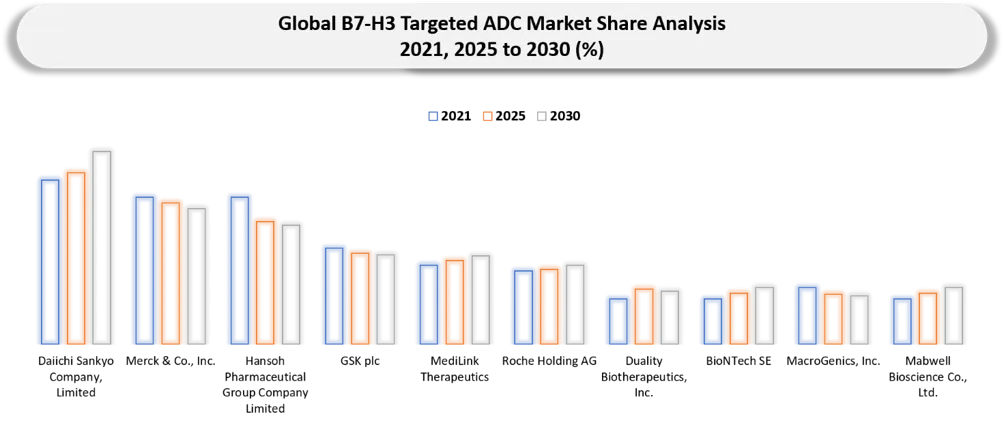
- The global B7-H3 targeted ADC market features an evolving competitive landscape characterized by clinical pipeline advancement, strategic licensing agreements and increasing participation from multinational pharmaceutical companies and specialized biotechnology developers. Daiichi Sankyo, Merck, Hansoh Pharmaceutical, GSK, MediLink Therapeutics, Roche, DualityBio and BioNTech represent important participants, supported by differentiated ADC candidates and global development partnerships. Competition is intensifying around therapeutic efficacy, survival outcomes, payload innovation, safety differentiation and regulatory progression across high-unmet-need solid tumors. Emerging developers, including MacroGenics, Mabwell Bioscience, InnoCare Pharma, Akeso and Bio-Thera Solutions, are strengthening pipeline diversity through novel antibody constructs and proprietary conjugation technologies. However, commercialization remains dependent on successful clinical validation and regulatory approvals.
- Competitive positioning is increasingly determined by clinical trial execution, regulatory readiness, geographic commercialization rights and access to advanced ADC manufacturing capabilities. Partnerships are enabling developers to share development costs, accelerate global trials and strengthen market-entry strategies. However, the September 2026 withdrawal of ifinatamab deruxtecan's U.S. regulatory application highlights the risks associated with regulatory approval pathways and confirmatory evidence requirements. Looking ahead, companies demonstrating meaningful overall survival improvements, manageable toxicity and successful expansion into earlier treatment lines are likely to secure stronger competitive positions. Biomarker-guided patient selection, combination therapy development and indication-specific reimbursement strategies will further influence future market share, with commercial leadership ultimately dependent on regulatory success and differentiated patient outcomes.
Key Companies of B7-H3 Targeted ADC Market
- Daiichi Sankyo Company, Limited (Japan)
- Merck & Co., Inc. (United States)
- Hansoh Pharmaceutical Group Company Limited (China)
- GSK plc (United Kingdom)
- MediLink Therapeutics (China)
- Roche Holding AG (Switzerland)
- Duality Biotherapeutics, Inc. (China)
- BioNTech SE (Germany)
- MacroGenics, Inc. (United States)
- Mabwell Bioscience Co., Ltd. (China)
- InnoCare Pharma Limited (China)
- Akeso, Inc. (China)
- Bio-Thera Solutions, Ltd. (China)
- Innovent Biologics, Inc. (China)
- NEOK Bio, Inc. (United States)
- CSPC Pharmaceutical Group Limited (China)
Global B7-H3 Targeted ADC Market Major Pain Points
- Uncertain Regulatory Approval and Commercialization Timelines: B7-H3 targeted ADC candidates face stringent regulatory evaluation requiring robust evidence of clinical efficacy, survival benefits, safety and manufacturing consistency. Regulatory setbacks, including the withdrawal of ifinatamab deruxtecan's U.S. application in September 2026, highlight uncertainties surrounding approval timelines, clinical development costs and future commercialization.
- Heterogeneous B7-H3 Expression and Inconsistent Patient Selection: B7-H3 expression varies across tumor types, disease stages and individual patients, complicating identification of treatment-responsive populations. The absence of universally validated expression thresholds and predictive biomarkers creates challenges for clinical trial enrollment, patient stratification and indication-specific treatment optimization.
- Variable Clinical Efficacy Across Solid Tumor Indications: Differences in tumor biology, antigen density, prior treatment exposure and resistance mechanisms can influence B7-H3 ADC treatment outcomes. Clinical responses observed in small cell lung cancer may not translate consistently into prostate cancer, breast cancer or other solid tumors, requiring extensive indication-specific validation and differentiated development strategies.
- Limited Approved Treatment Options and High Clinical Development Risk: B7-H3 targeted ADCs remain investigational, with commercial adoption dependent on successful late-stage clinical trials and regulatory approvals. Despite encouraging results for risvutatug rezetecan and tambotatug pelitecan, developers face substantial clinical attrition risks, lengthy development timelines and significant investment requirements before establishing sustainable commercial revenue.
- Payload-Related Toxicity and Treatment Management Complexity: Potent cytotoxic payloads can cause hematological adverse events, including neutropenia, anemia and thrombocytopenia, alongside gastrointestinal complications and potential interstitial lung disease. These risks may require intensive monitoring, dose modifications, treatment interruptions and supportive care, particularly among heavily pretreated patients with compromised organ function.
- Limited Comparative Evidence and Uncertain Long-Term Survival Benefits: Differences in clinical trial populations, treatment lines, comparator therapies and efficacy endpoints complicate direct evaluation of competing B7-H3 ADC candidates. Limited head-to-head evidence and evolving long-term survival datasets create uncertainty around therapeutic differentiation, treatment sequencing, clinical guideline positioning and future reimbursement decisions.
- Complex ADC Manufacturing and Commercial Supply Constraints: B7-H3 targeted ADC manufacturing requires specialized antibody production, high-potency payload synthesis, controlled conjugation processes and rigorous quality assurance. Maintaining consistent drug-to-antibody ratios, product stability, batch reproducibility and scalable manufacturing capacity increases production complexity, capital expenditure and supply-chain risks during clinical-to-commercial expansion.
- High Treatment Costs, Reimbursement Uncertainty and Uneven Geographic Access: The anticipated premium pricing of B7-H3 ADC therapies, combined with infusion administration, toxicity monitoring and supportive care expenses, could create substantial healthcare budget pressures. Differences in regulatory approvals, oncology infrastructure, reimbursement frameworks and treatment affordability may restrict patient access and delay commercial adoption across emerging markets.
Global B7-H3 Targeted ADC Market Recent Developments
- September 2026: Daiichi Sankyo and Merck voluntarily withdrew the U.S. Biologics License Application (BLA) for ifinatamab deruxtecan (DS-7300a) in previously treated extensive-stage small cell lung cancer following regulatory discussions, while continuing Phase III clinical development.
- September 2026: MediLink Therapeutics announced positive Phase III results for tambotatug pelitecan (YL201) in relapsed small cell lung cancer, demonstrating significant improvements in overall survival and progression-free survival compared with topotecan.
- September 2026: Hansoh Pharmaceutical announced that China's National Medical Products Administration (NMPA) accepted the Biologics License Application for risvutatug rezetecan (HS-20093) in previously treated small cell lung cancer, advancing the investigational B7-H3 ADC toward potential commercialization.
- July 2026: Duality Biotherapeutics and BioNTech received Breakthrough Therapy Designation from China's NMPA for elfetabart drozuntecan (DB-1311/BNT324) in previously treated metastatic castration-resistant prostate cancer, supporting accelerated clinical development.
- July 2026: MediLink Therapeutics announced Chinese regulatory acceptance of its New Drug Application for tambotatug pelitecan (YL201) in recurrent or metastatic nasopharyngeal carcinoma, strengthening its commercialization prospects across multiple solid tumor indications.
- May 2026: Duality Biotherapeutics and BioNTech initiated global Phase III clinical development of elfetabart drozuntecan (DB-1311/BNT324) for metastatic castration-resistant prostate cancer, advancing the investigational ADC toward pivotal clinical evaluation.
- January 2026: MediLink Therapeutics entered into an exclusive licensing agreement with Roche for the development, manufacturing and commercialization of tambotatug pelitecan (YL201) outside specified Chinese territories, strengthening its global commercialization capabilities.
- September 2025: Daiichi Sankyo and Merck presented Phase II IDeate-Lung01 clinical results for ifinatamab deruxtecan in previously treated extensive-stage small cell lung cancer, reporting an objective response rate of 48.2%.
- June 2025: MediLink Therapeutics received U.S. FDA Breakthrough Therapy Designation for tambotatug pelitecan (YL201) in small cell lung cancer, recognizing its potential to address significant unmet medical needs.
- May 2025: Minghui Pharmaceutical entered into an exclusive licensing and collaboration agreement with Qilu Pharmaceutical for the B7-H3 targeted ADC MHB088C, granting Qilu development and commercialization rights across Greater China.
Analyst View / Opinion on B7-H3 Targeted ADC Market
- The market is transitioning from early-stage clinical validation toward potential commercialization, with B7-H3 targeted ADCs emerging as promising therapeutic alternatives for treatment-resistant solid tumors, particularly small cell lung cancer, metastatic castration-resistant prostate cancer and nasopharyngeal carcinoma.
- Risvutatug rezetecan, ifinatamab deruxtecan, tambotatug pelitecan and elfetabart drozuntecan are shaping the competitive landscape through advancing clinical programs, survival-related endpoints and regulatory milestones. However, regulatory setbacks highlight the importance of robust confirmatory evidence and disciplined commercialization planning.
- Treatment adoption will increasingly depend on overall survival, progression-free survival, objective response rates, duration of response, B7-H3 expression patterns, prior treatment exposure and manageable safety profiles. Hematological toxicity, interstitial lung disease and treatment discontinuation risks will remain critical determinants of clinical differentiation.
- Next-generation linker-payload engineering, site-specific conjugation, bispecific ADC platforms and biomarker-guided patient selection could enhance therapeutic precision and expand treatment opportunities. Combination strategies involving immune checkpoint inhibitors and chemotherapy may further support development across additional solid tumor indications and earlier treatment lines.
- Sustainable market leadership will require clinically meaningful survival improvements, durable antitumor responses, favorable benefit-risk profiles and successful regulatory approvals. Companies demonstrating differentiated efficacy across multiple indications while maintaining manufacturing consistency and competitive treatment economics will be better positioned for long-term commercialization.
- Commercial success will increasingly depend on strategic licensing partnerships, scalable ADC manufacturing, oncology specialist engagement, geographic market access and reimbursement evidence. Developers aligning clinical differentiation with indication-specific pricing, regulatory execution and patient-centered outcomes are expected to secure stronger competitive positions as the B7-H3 targeted ADC market evolves.
Global B7-H3 Targeted ADC Market Target Audience
| INDUSTRY | WHO SHOULD BUY THIS REPORT? | REASON TO BUY THIS REPORT |
| Pharmaceutical and Biotechnology Companies | Oncology drug manufacturers, ADC developers, clinical-stage biotechnology companies and pharmaceutical licensing teams | Assess pipeline potential, clinical differentiation, therapeutic indication opportunities, competitive positioning and commercialization strategies for B7-H3 targeted ADC candidates. |
| Diagnostic and Precision Medicine Companies | Companion diagnostic developers, molecular diagnostic companies, pathology laboratories, biomarker testing providers and AI-driven oncology diagnostic firms | Identify opportunities in B7-H3 expression testing, patient stratification, predictive biomarker development, companion diagnostics and precision oncology applications. |
| Healthcare Providers | Medical oncologists, oncology hospitals, comprehensive cancer centers, specialty oncology clinics and multidisciplinary cancer care teams | Understand emerging treatment options, clinical efficacy, safety profiles, patient eligibility, treatment sequencing and potential integration of B7-H3 ADCs into oncology care pathways. |
| Payers and Market-Access Organizations | Health insurers, pharmacy benefit managers, health technology assessment agencies, oncology reimbursement specialists and market-access consultants | Evaluate eligible patient populations, comparative clinical value, anticipated treatment costs, budget impact, reimbursement strategies and evidence requirements for emerging ADC therapies. |
| Patient Advocacy and Support Organizations | Cancer advocacy associations, oncology patient networks, rare cancer foundations, caregiver organizations and patient-support groups | Understand emerging therapeutic opportunities, clinical trial accessibility, treatment-related toxicities, patient-reported outcomes, affordability challenges and geographic treatment-access disparities. |
| Government and Regulatory Bodies | Regulatory agencies, public health authorities, national cancer institutes, reimbursement agencies and healthcare policymakers | Support clinical evidence assessment, regulatory planning, oncology treatment-access frameworks, pharmacovigilance requirements and evidence-based reimbursement policies. |
| Investors and Financial Institutions | Private equity firms, venture capital investors, institutional investors, healthcare investment banks and pharmaceutical investment funds | Evaluate risk-adjusted pipeline valuations, regulatory and clinical development risks, licensing opportunities, acquisition prospects and long-term commercial potential across emerging B7-H3 ADC assets. |
| Market Research and Consulting Firms | Healthcare strategy consultancies, competitive intelligence teams, pharmaceutical advisory firms and oncology market research organizations | Support market-entry strategies, indication prioritization, competitive benchmarking, portfolio optimization, opportunity assessment and commercial due diligence. |
| Research Organizations | Contract research organizations, academic medical centers, oncology research institutes, clinical trial networks and translational research laboratories | Analyze clinical trial activity, patient recruitment opportunities, biomarker development, tumor-specific treatment responses and research gaps affecting B7-H3 ADC development. |
| Contract Development and Manufacturing Organizations (CDMOs) | ADC contract manufacturers, biologics manufacturing specialists, cytotoxic payload manufacturers, linker technology providers and pharmaceutical formulation companies | Assess ADC manufacturing demand, technology requirements, conjugation opportunities, clinical-to-commercial scale-up, production capacity and strategic outsourcing opportunities. |
Why Choose DATAM?
- Data-Driven Insights: Access granular B7-H3 targeted ADC market intelligence covering risk-adjusted market forecasts, drug candidate pipelines, therapeutic indication opportunities, eligible patient populations, treatment-line segmentation, clinical trial outcomes, regulatory milestones, competitive positioning and geographic commercialization potential, supported by primary interviews with oncology specialists, pharmaceutical executives and industry experts.
- Post-Purchase Support and Expert Analyst Consultations: Engage directly with our healthcare analysts for customized guidance on clinical pipeline evaluation, indication prioritization, patient-based market sizing, portfolio positioning, competitive benchmarking, licensing opportunities, regulatory strategies and commercialization planning across major oncology markets.
- White Papers and Case Studies: Receive periodic insights on B7-H3 ADC clinical advancements, Phase III trial outcomes, regulatory submissions, strategic licensing agreements, next-generation linker-payload technologies, biomarker-guided patient selection, combination therapy development and emerging competitive dynamics within precision oncology.
- Annual Updates on Purchased Reports: Stay informed through annual updates covering clinical trial readouts, regulatory approvals, pipeline discontinuations, therapeutic indication expansions, licensing partnerships, manufacturing developments, reimbursement changes and competitive landscape shifts. Terms and conditions apply.
- Specialized Focus on Emerging Markets: Gain country-specific intelligence on eligible oncology patient populations, B7-H3 ADC clinical development activity, regulatory pathways, treatment accessibility, reimbursement frameworks and commercialization opportunities across China, India, South Korea, Brazil and other emerging pharmaceutical markets.
- Value of DataM Reports: Obtain customized strategic intelligence addressing critical business questions related to risk-adjusted pipeline valuations, drug candidate differentiation, unmet clinical needs, treatment sequencing, probability of regulatory success, pricing potential, market-entry timing, competitive disruption and investment prioritization beyond conventional market databases.
What DATAM Uniquely Provides
- Comprehensive segmentation of the B7-H3 targeted ADC market by drug candidate, payload type, antibody type, drug-to-antibody ratio, B7-H3 expression level, treatment line, development stage, treatment regimen, therapeutic indication, end user and geography, supported by indication-specific revenue forecasts and commercialization scenarios.
- Detailed competitive analysis of leading B7-H3 ADC developers, including Daiichi Sankyo, Merck, Hansoh Pharmaceutical, GSK, MediLink Therapeutics, Roche, DualityBio and BioNTech, covering objective response rates, overall survival, progression-free survival, response durability, hematological toxicity, interstitial lung disease risks, molecular differentiation, pipeline maturity and commercialization strategies.
- Comprehensive assessment of diagnosed and treatment-eligible patient populations across small cell lung cancer, metastatic castration-resistant prostate cancer, nasopharyngeal carcinoma and other solid tumors, incorporating B7-H3 expression patterns, disease stage, prior treatment exposure, treatment resistance, unmet clinical needs and country-specific patient access dynamics.
- Actionable intelligence on clinical trial milestones, regulatory approval pathways, probability-adjusted pipeline valuations, ADC pricing potential, reimbursement frameworks, biomarker testing requirements, manufacturing scalability, licensing agreements, strategic partnerships and competitive market-entry opportunities across major oncology markets.
- Risk-adjusted market forecasts identifying high-potential therapeutic indications, emerging ADC candidates, earlier-line treatment opportunities, combination therapy strategies and regional commercialization prospects, alongside insights into next-generation linker-payload technologies, bispecific ADC platforms, biomarker-guided patient selection and competitive threats from alternative B7-H3-directed therapies.


























































