


Ataxia Market Overview
The global Ataxia market reached an estimated US$ 2.38 billion in 2025 and is expected to reach US$ 6.71 billion by 2035, growing with a CAGR of 10.9% during the forecast period 2026-2035. The market includes disease-modifying medicines, symptomatic pharmacotherapy, genetic and molecular treatments, rehabilitation, diagnostic testing, monitoring and coordinated specialist care for hereditary, degenerative and acquired ataxias. Commercial development has accelerated following the first approval of a disease-modifying treatment for Friedreich ataxia, which established a premium rare-neurology category and increased the value of earlier genetic diagnosis, specialist referral and longitudinal functional assessment.
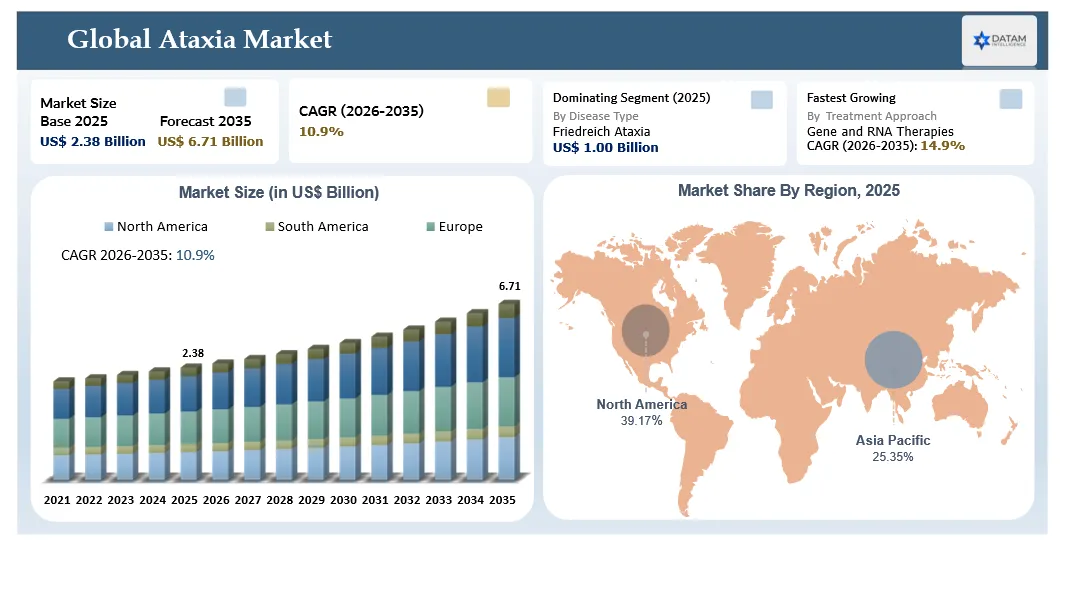
Friedreich ataxia currently represents the most developed disease-specific segment because it combines an approved branded therapy, organized patient registries, specialist centers and an advanced pipeline. The broader market remains highly underserved across spinocerebellar ataxias, episodic ataxias, ataxia-telangiectasia and other inherited or degenerative forms. Most patients continue to depend on symptomatic medicines, physical therapy, speech and swallowing support, mobility devices and management of cardiac, metabolic or autonomic complications. This treatment gap is supporting investment in frataxin restoration, gene replacement, antisense and RNA-lowering platforms, mitochondrial protection and digital endpoints.
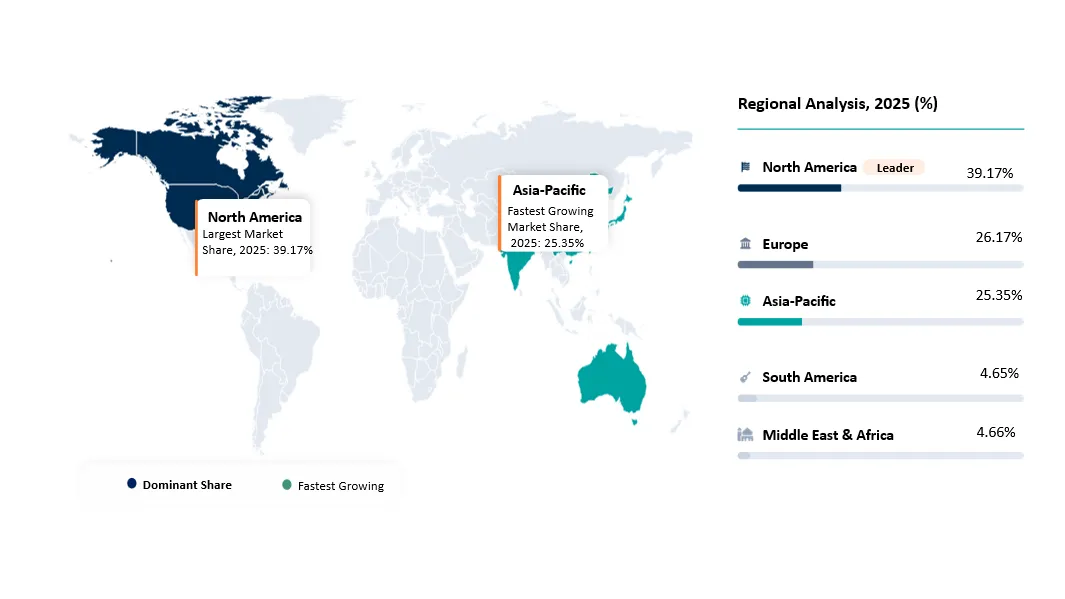
Market growth through 2035 will depend on the conversion of undiagnosed or genetically unclassified patients into treatment-ready populations. Repeat-expansion testing, long-read sequencing, family screening and specialist referral pathways are becoming commercial infrastructure rather than purely diagnostic services. North America leads through treatment access, trial density and orphan-drug commercialization, while Europe has strong natural-history networks and reimbursement systems. Asia-Pacific is expected to grow fastest as genomic testing, rare-disease policy, clinical trial participation and access to specialty medicines expand.
Ataxia Drug Pipeline Analysis
| Drug / Program | Company | Target Indication | Modality | Development Status | Strategic Relevance |
| Nomlabofusp | Larimar Therapeutics | Friedreich ataxia | Frataxin protein replacement | Rolling BLA / confirmatory Phase 3 planned | Daily subcutaneous therapy designed to increase intracellular frataxin and address the root protein deficiency. |
Omaveloxolone pediatric expansion | Biogen | Pediatric Friedreich ataxia | Nrf2 pathway activator | Phase 3 BRAVE | Evaluates efficacy and safety in children aged 2 to under 16, extending the approved franchise into earlier disease. |
| SGT-212 | Solid Biosciences | Friedreich ataxia | AAV gene replacement | Phase 1b FALCON | Dual intradentate nucleus and intravenous administration intended to restore frataxin in neurological and systemic tissues. |
NBI-1065844 / FXN gene therapy program | Neurocrine Biosciences | Friedreich ataxia | AAV frataxin gene delivery | Preclinical / IND-enabling | Orphan-designated gene therapy designed for durable expression of human frataxin. |
| VO659 | Vico Therapeutics | SCA1 and SCA3 | Antisense oligonucleotide | Phase 1/2 | Targets expanded CAG repeat transcripts across genetically defined polyglutamine disorders. |
| Troriluzole | Biohaven | Spinocerebellar ataxia | Glutamate modulation | Late-stage development | Oral therapy evaluated for functional benefit across hereditary spinocerebellar ataxias. |
4-Aminopyridine / fampridine | Academic and investigator-led programs | SCA27B and episodic ataxia | Potassium channel modulation | Phase 2 / investigator studies | Repurposed symptomatic approach focused on episodic symptoms, gait and oculomotor dysfunction. |
| Elamipretide | Stealth BioTherapeutics | Friedreich ataxia | Mitochondrial cardiolipin modulator | Clinical development / orphan designated | Targets mitochondrial dysfunction and energy failure associated with Friedreich ataxia. |
Ataxia Market Key Takeaways
- Friedreich ataxia is the largest commercial disease segment because it has an approved disease-modifying medicine and an advanced pipeline of protein replacement and gene therapies.
- North America held the largest share in 2025, supported by early approval access, specialist centers, genetic testing capacity, patient registries and specialty-pharmacy infrastructure.
- Gene, RNA and protein replacement therapies are expected to record the fastest growth from a small base as development shifts from symptom control toward correction of disease biology.
- Diagnostic delay remains a central constraint because many patients move through vestibular, orthopedic, psychiatric or general neurology pathways before receiving genetic confirmation.
- Rehabilitation remains a recurring and essential revenue pool because disease-modifying treatment does not eliminate gait, speech, swallowing, cardiac or daily-living support needs.
- Pediatric expansion is strategically important because earlier onset is associated with faster progression and treatment before irreversible neuronal loss may provide greater functional value.
- Digital gait, speech, eye-movement and upper-limb measures are becoming important for trial efficiency, remote monitoring and evidence generation between specialist visits.
- Future market leadership will depend on functional benefit, durability, safety, administration burden, genotype coverage, biomarker evidence and the ability to build patient-identification networks.
Ataxia Industry Trends and Strategic Insights
- The market is moving from broad symptomatic management toward genetically defined treatment pathways in which diagnosis, treatment eligibility and longitudinal monitoring are linked.
- Natural-history cohorts and disease registries are becoming strategic assets because they support trial design, external controls, progression modeling and payer evidence in small patient populations.
- Frataxin restoration has become a central innovation theme in Friedreich ataxia, while toxic-gene lowering and repeat-expansion biology are shaping spinocerebellar ataxia pipelines.
- Developers are combining conventional clinical scales with wearable gait, speech, eye-movement and upper-limb measures to improve sensitivity and reduce the burden of frequent site visits.
- Center-of-excellence commercialization models are gaining importance because diagnosis, prescribing, safety monitoring, rehabilitation and advanced-therapy administration are concentrated in specialist networks.
- Patient organizations increasingly influence awareness, registry development, trial recruitment, endpoint selection and reimbursement discussions, making sustained community engagement commercially important.
Ataxia Market Scope
| Metrics | Details |
| 2025 Market Size | US$ 2.38 Billion |
| 2035 Projected Market Size | US$ 6.71 Billion |
| CAGR (2026-2035) | 10.9% |
| Largest Market | North America |
| Fastest Growing Market | Asia-Pacific |
| By Disease Type | Friedreich Ataxia, Spinocerebellar Ataxias, Episodic Ataxias, Ataxia-Telangiectasia, MSA-C, Acquired and Other Ataxias |
| By Treatment Approach | Disease-Modifying Small Molecules, Gene and RNA Therapies, Protein Replacement, Symptomatic Pharmacotherapy, Rehabilitation and Supportive Care |
| By Route | Oral, Intravenous, Subcutaneous, Intrathecal/Intracisternal and Non-Pharmacological |
| By Patient Age | Pediatric, Adolescent, Adult and Older Adult |
| By Care Setting | Specialist Hospitals, Neurology and Rare-Disease Clinics, Rehabilitation Centers, Home-Based Care and Clinical Research Centers |
| By Distribution Channel | Hospital Pharmacy, Specialty Pharmacy, Retail Pharmacy and Direct/Limited Distribution |
| Report Insights Covered | Market Size, Share, Growth, Pipeline, Competitive Landscape, Company Profiles and Country-Level Opportunity |
Why does this report matter in 2026?
The year 2026 represents an important transition point for the Ataxia market. The first approved Friedreich ataxia treatment has demonstrated that a rare hereditary movement disorder can support global commercialization, while nomlabofusp has advanced into a rolling U.S. biologics application and confirmatory development. Pediatric omaveloxolone development is expanding attention toward earlier intervention, and new gene therapy studies are testing whether frataxin restoration can produce durable neurological and systemic benefit. These developments increase the strategic value of genetic diagnosis, patient registries, specialist centers and validated functional endpoints.
The report matters because ataxia is not one homogeneous disease. Commercial opportunity differs sharply by genotype, onset, progression, organ involvement and treatment feasibility. The study separates approved and near-term Friedreich ataxia demand from longer-term opportunities in spinocerebellar ataxias, episodic ataxias, ataxia-telangiectasia, MSA-C and acquired forms. It also evaluates the supporting markets for rehabilitation, specialty pharmacy, genetic testing, digital monitoring and coordinated multidisciplinary care. This structure helps pharmaceutical companies, biotechnology developers, investors, providers and policy stakeholders identify where patient populations are sufficiently defined for investment and where diagnostic or evidence gaps still limit adoption.
The timing is also important for strategic planning. Decisions made in 2026 on licensing, trial-site investment, biomarker validation and manufacturing capacity will influence competitive position for the remainder of the decade. The market is still early enough for new entrants to build differentiated programs, but it is mature enough to require credible clinical and commercial execution. This report therefore supports both portfolio prioritization and operational planning across discovery, development, market access and launch readiness.
Ataxia Market White Space & Investment Opportunities
- Pediatric and earlier-stage Friedreich ataxia offers a major white space because treatment before substantial functional loss may generate greater lifetime value and stronger health-economic outcomes.
- Spinocerebellar ataxias provide a platform opportunity for antisense, RNA interference and gene-silencing technologies that can be extended across several genetically defined subtypes.
- Frataxin restoration through protein replacement, gene transfer or transcriptional activation creates potential for combination or sequencing strategies that address neurological and systemic disease.
- Digital endpoints and home monitoring can reduce trial burden, improve measurement frequency and support real-world evidence for gait, speech, balance and upper-limb function.
- Ataxia-specific rehabilitation networks remain underdeveloped despite persistent demand for physical therapy, occupational therapy, speech support, swallowing care and mobility planning.
- Expanded repeat-expansion testing, long-read sequencing and family screening can shorten diagnostic journeys and create larger treatment-ready populations for clinical trials and commercial launches.
Ataxia Future Market Transformation
The market is expected to transform from a fragmented supportive-care category into a set of biology-directed treatment ecosystems. Friedreich ataxia will lead this transition as approved small molecules, protein replacement and gene therapy create distinct choices across age, stage and administration burden. Spinocerebellar ataxias will follow as subtype-specific RNA and gene-lowering programs mature. Treatment selection will increasingly begin with molecular confirmation and include biomarkers, functional staging, cardiac or systemic assessment and longitudinal digital monitoring.
Care delivery will also become more integrated. Specialist centers will coordinate pharmacotherapy, genetic counseling, cardiology, rehabilitation, speech and swallowing services and patient support. Advanced therapies may require certified administration, immunological monitoring and long-term registries, while chronic oral or injectable treatments will depend on specialty distribution and adherence support. The market will therefore reward companies that combine therapeutic innovation with diagnostic access, center activation, evidence generation and practical care navigation.
By 2035, competitive portfolios are likely to combine therapies with companion diagnostic pathways, digital monitoring and coordinated support. Companies may sponsor repeat-expansion testing, provide remote functional assessments and use registries to track durability. This creates recurring value outside the medicine itself and helps manage evidence requirements after launch. It also changes partnership strategy, because laboratory networks, patient organizations, rehabilitation providers and digital-health firms become part of the commercial ecosystem. The strongest franchises will own the full path from symptom recognition to diagnosis, treatment and long-term outcome documentation.
Ataxia Market Buyer Decision-Making Criteria
Neurologists, patients and payers prioritize preservation of walking, balance, speech, upper-limb function and daily independence. Biomarker improvement is valuable when it demonstrates target engagement, but purchasing and reimbursement decisions ultimately depend on clinically meaningful function, durability and safety. Eligibility must be clear across genotype, age, disease stage, ambulatory status and comorbid cardiac or systemic disease. Buyers also assess monitoring requirements, treatment frequency, travel burden, caregiver time and compatibility with rehabilitation.
For advanced therapies, administration feasibility and manufacturing reliability become decisive. Hospitals evaluate procedure complexity, specialist capacity, vector or biologic handling, emergency preparedness and long-term follow-up. Payers consider whether one-time or high-cost treatment can delay wheelchair dependence, preserve education or employment and reduce caregiver burden. Products supported by registries, transparent response criteria, patient assistance and outcomes-based evidence will be better positioned for sustained adoption.
Ataxia Market Economic & Investment Analysis
Commercial planning should also distinguish prevalent patients from annually diagnosed and treatment-eligible patients. Prevalence estimates include individuals with advanced disease, uncertain genetic classification, contraindications or limited access to specialist care. A realistic forecast therefore applies diagnosis, referral, eligibility, reimbursement and persistence filters before estimating treated volume. This is particularly important for advanced therapies, where center capacity and manufacturing slots may constrain uptake even after approval. Companies should model launch sequencing by country, age group and disease stage, then connect these assumptions to testing investments and patient-support requirements. The same framework supports partnership valuation because it identifies which capabilities create the greatest incremental value. A developer with a strong molecule but limited diagnostic reach may benefit from a laboratory or patient-organization partnership, while a company with broad commercial infrastructure may prioritize acquisition of a late-stage asset. Longitudinal registries will be important for measuring real-world progression, treatment durability and health-resource use. These data can support label expansion, reimbursement renewal and outcomes-based agreements. They can also reveal differences between ambulatory and non-ambulatory patients, pediatric and adult populations and distinct genetic subtypes. As competition increases, evidence quality will become a durable commercial asset. Products supported by transparent functional data, consistent monitoring and well-defined response criteria will be easier for clinicians to position and for payers to fund. This reinforces the need to invest in evidence infrastructure before launch rather than treating it as a post-commercial activity.
Ataxia is becoming an investable rare-neurology category because the first disease-modifying approval has validated commercial demand and created a benchmark for pricing, diagnosis and specialist adoption. Investment is concentrated in Friedreich ataxia, frataxin restoration, repeat-expansion biology, RNA therapeutics, gene delivery and digital measurement. The market remains attractive because treatment penetration is still limited, most hereditary subtypes lack approved disease-modifying options and patient identification can expand through genomic testing and family screening.
Investment risk remains substantial. Small heterogeneous populations create recruitment and endpoint uncertainty, while advanced therapies face manufacturing, delivery and long-term safety requirements. Successful programs need strong natural-history data, genotype-confirmed cohorts, sensitive measures and a credible route to specialist commercialization. Strategic value is highest for platforms that can address multiple ataxia subtypes, reuse delivery or manufacturing capabilities and create a portfolio rather than a single isolated asset.
From an investment perspective, the market should be evaluated through milestone-adjusted scenarios rather than a single prevalence forecast. Near-term value is concentrated in approved and filing-stage Friedreich ataxia programs, while later value depends on successful translation of gene and RNA platforms into spinocerebellar ataxias. Investors should separately model diagnostic expansion, treatment eligibility, discontinuation, center capacity and reimbursement timing. This approach avoids overstating revenue from prevalent but undiagnosed or clinically unsuitable patients and provides a clearer view of capital requirements before commercialization.
Ataxia Investment Trends in the Market
- Capital is moving toward frataxin replacement and gene delivery programs that seek to address the root biological deficiency in Friedreich ataxia.
- RNA and antisense platforms are attracting interest for dominant spinocerebellar ataxias where toxic expanded transcripts can be selectively lowered.
- Companies are investing in pediatric studies, earlier-stage cohorts and biomarker strategies to demonstrate intervention before irreversible neurological decline.
- Natural-history registries, digital endpoints and decentralized assessments are receiving funding because they can improve trial feasibility and external-control quality.
- Licensing and partnership activity increasingly links biotechnology assets with larger rare-disease commercial organizations, manufacturing networks and global specialty distribution.
- Patient-identification programs, sponsored genetic testing and center activation are becoming part of launch investment rather than secondary medical-affairs activities.
Strategic Indicators for Ataxia Market
High Regulation Impact
Orphan-drug incentives, breakthrough and fast-track pathways, pediatric research obligations and accelerated approval mechanisms strongly shape development. Sponsors must align biomarkers and natural-history evidence with clinically meaningful outcomes, while advanced therapies require long-term follow-up, manufacturing comparability and post-marketing commitments. Regulatory flexibility can shorten development, but evidence expectations remain high because progression is variable and endpoints may change slowly.
High Investment Activity
Investment has accelerated around Friedreich ataxia, gene therapy, RNA therapeutics and protein replacement. The first approval created a commercial benchmark, and late-stage or filing-stage programs have attracted greater strategic attention. Capital remains selective, favoring assets with clear molecular rationale, validated patient populations, measurable target engagement and reusable platforms.
Supply Chain Disruption
Specialty medicines depend on limited manufacturing sites, cold-chain or controlled distribution and specialized raw materials. Gene therapies add vector capacity, plasmids, fill-finish and release-testing constraints. Disruption can delay trials or launches because replacement batches require long lead times. Companies are qualifying alternate suppliers, reserving capacity and strengthening inventory planning for critical inputs.
Pricing Volatility
Pricing varies widely between generic symptomatic medicines, chronic branded orphan drugs, biologics and potential one-time gene therapies. Payers assess disease severity, duration of benefit, functional preservation and budget impact. Uncertainty increases when evidence relies on small trials or external controls. Long-term extension data and outcomes-based agreements can reduce pricing risk.
Procurement Pressure
Hospitals and specialty pharmacies must manage limited-distribution products, genetic eligibility, monitoring and prior authorization. Advanced therapies require site certification and coordinated procurement. Buyers increasingly seek predictable supply, patient support, clear monitoring protocols and rapid reimbursement assistance rather than purchasing on price alone.
New Technology Adoption
Long-read sequencing, repeat-expansion panels, digital gait and speech assessment, AAV engineering, antisense chemistry and protein delivery are changing the market. Adoption is fastest where technologies reduce diagnostic delay or improve sensitivity to functional change. Integration into routine care will depend on validation, interoperability and reimbursement.
Regional Expansion Opportunity
North America remains the largest commercial market, while Europe offers strong specialist networks and natural-history cohorts. Japan, Australia and selected Asia-Pacific markets provide growth through genomic programs and rare-disease policy. Expansion requires country-specific testing access, reimbursement evidence and partnerships with centers of excellence.
Government Policy Support
National genomic initiatives, orphan incentives, rare-disease plans and newborn or family screening policies can expand diagnosed populations. Public funding for registries and specialist networks also improves trial readiness. Policy support is strongest when treatment availability converts diagnosis into actionable care.
Pricing Intelligence
Commercial models will differ by modality. Chronic oral therapy supports annual specialty-drug pricing, protein replacement may use recurring biologic pricing and gene therapy may require high upfront payment with milestone or outcomes-based structures. Value arguments should quantify delayed disability, preserved independence and reduced caregiver burden.
AI Impact Analysis of Ataxia Market
AI can improve ataxia diagnosis by integrating gait video, speech, eye movements, imaging, clinical history and genetic results. Pattern-recognition systems may help distinguish cerebellar ataxia from vestibular, neuromuscular or functional disorders and identify patients who need repeat-expansion or sequencing tests. In clinical development, AI can support site selection, progression modeling, patient matching and construction of external-control cohorts from natural-history databases.
AI-enabled analysis of wearable and smartphone data can increase measurement frequency and identify subtle change between clinic visits. Algorithms can quantify stride variability, turning, tremor, dysarthria and upper-limb coordination while reducing rater variability. Adoption will depend on clinical validation, transparent models, privacy protection and evidence that digital changes correspond to outcomes meaningful to patients and regulators.
Disruption Analysis of Ataxia Market
Disease-modifying and genetic therapies are disrupting a market historically dominated by rehabilitation and symptomatic care. Earlier treatment may shift spending toward high-value intervention before severe disability, while long-term supportive services remain necessary. Gene or protein replacement may also change the value chain by increasing dependence on specialized manufacturing, certified centers, specialty distribution and long-term monitoring.
Digital assessment is disrupting trial and care delivery by moving part of functional monitoring into the home. Remote gait, speech and upper-limb measures can reduce travel burden and enable more frequent data collection. At the same time, improved genetic testing is fragmenting the market into molecular subtypes, allowing smaller but more precise development programs and creating opportunities for platform companies that can address multiple related mutations.
Ataxia Market BCG Matrix: Company Evaluation
STAR
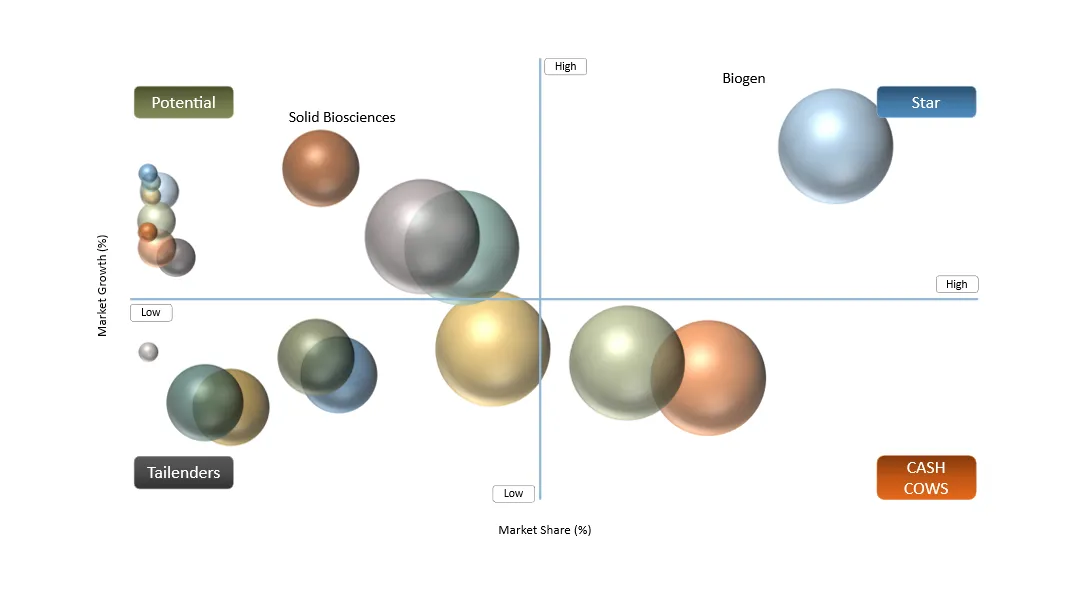
Biogen is positioned as a Star because Skyclarys provides the established commercial anchor in Friedreich ataxia and the company is expanding development into pediatric patients. Larimar Therapeutics is also positioned in the Star category based on nomlabofusp’s advanced regulatory pathway, biomarker-driven development and potential to address the underlying frataxin deficiency. These companies combine near-term commercial relevance with continued market growth potential.
POTENTIAL
Solid Biosciences, Neurocrine Biosciences, Vico Therapeutics, Biohaven and other genetic or molecular developers represent Potential players. Their programs target durable frataxin restoration, toxic-gene lowering, glutamate modulation or subtype-specific biology. Market position will depend on safety, functional efficacy, delivery feasibility, endpoint performance and the ability to recruit genetically confirmed populations.
Ataxia Market Dynamics
Driver Impact Analysis
| Driver | Market Growth Impact | Demand Concentration | Impacted Use Case | Strategic Impact |
| First disease-modifying approval | High | Friedreich ataxia | Genetic diagnosis and branded treatment | Creates a commercial benchmark and increases treatment-seeking behavior. |
| Expansion of genetic pipelines | High | Hereditary ataxias | Gene, RNA and protein therapies | Broadens investment beyond supportive care and enables subtype portfolios. |
| Improved genetic testing | Medium-High | Global specialist centers | Repeat-expansion and sequencing pathways | Converts undiagnosed patients into trial-ready and treatment-eligible cohorts. |
| Growth of rare-disease networks | Medium | North America and Europe | Centers, registries and rehabilitation | Improve referral, evidence generation and launch execution. |
Driver: First Disease-Modifying Approval Creates a Commercial Anchor
The approval of Skyclarys transformed Friedreich ataxia from a supportive-care category into a recognized specialty pharmaceutical market. Treatment availability raises the value of diagnosis because genetic confirmation can now lead to a disease-specific intervention. It also stimulates physician education, patient registry participation, specialist referrals and payer policy development. Commercial impact extends beyond one product because each new therapy can enter an ecosystem with established centers, patient organizations, monitoring practices and specialty distribution.
Restraint Impact Analysis
| Restraint | Drag on Market Growth | Primary Impact Area | Impacted Use Case | Strategic Impact |
Diagnostic delay and incomplete genetic confirmation | High | Patient identification | Trial recruitment and treatment initiation | Limits the number of treatment-ready patients despite underlying prevalence. |
| Small heterogeneous populations | High | Clinical development | Endpoints and statistical power | Raises failure risk and increases dependence on registries and natural history. |
| High therapy cost | Medium-High | Reimbursement | Access to orphan and advanced therapies | Increases prior authorization and demands stronger long-term value evidence. |
| Limited specialist capacity | Medium | Care delivery | Monitoring and rehabilitation | Creates geographic inequity and slows adoption outside major centers. |
Restraint: Diagnostic Delay and Fragmented Patient Identification
Ataxia symptoms overlap with vestibular disorders, neuropathies, metabolic disease, stroke, toxicity and functional conditions. Patients may consult several providers before reaching a specialist and receiving appropriate repeat-expansion or sequencing tests. Negative standard panels can also delay diagnosis when newer repeat expansions or structural variants are not covered. Commercial programs therefore need sponsored testing, referral mapping, laboratory partnerships and clear pathways from symptom recognition to genetic counseling and specialist treatment.
Ataxia Market Segment Analysis
The global ataxia market is segmented based on disease type, treatment approach, route of administration, patient age, care setting, distribution channel, and region.
By Disease Type
Friedreich Ataxia Will Continue to Lead Commercial Value
Friedreich ataxia is expected to remain the largest disease-specific segment through 2035 because it combines an approved disease-modifying therapy, a well-defined genetic cause, organized registries and an advanced pipeline. The segment benefits from established diagnostic pathways and concentration of patients at specialist centers. Pediatric expansion, protein replacement and gene therapy can further increase treated prevalence and average value per patient. Spinocerebellar ataxias offer larger long-term platform potential, but commercial development is divided across many subtypes and remains constrained by endpoint and recruitment complexity.
By Treatment Approach
Gene, RNA and Protein Replacement Therapies Will Record the Fastest Growth
Advanced molecular therapies are expected to grow fastest as development shifts toward replacing frataxin, lowering toxic expanded transcripts or delivering corrective genes. These approaches may provide greater disease modification than symptomatic medicines, but they require specialized manufacturing, administration and long-term evidence. Disease-modifying small molecules will remain the largest near-term branded category because oral administration supports broader adoption. Rehabilitation and symptomatic pharmacotherapy continue to generate recurring demand across all disease stages and subtypes.
By Route of Administration
Oral Therapy Will Remain the Largest Route
Oral treatment leads because it combines patient convenience, chronic use and lower delivery burden. Skyclarys established the commercial importance of once-daily oral therapy in Friedreich ataxia. Subcutaneous administration may gain value through protein replacement, while intravenous and intracranial or intrathecal routes are associated with advanced biologic and gene therapies. These specialized routes can command high value but depend on certified centers, procedure capacity and careful monitoring. Non-pharmacological care remains important through rehabilitation and home-based support.
By Patient Age
Pediatric Patients Will Represent the Fastest-Growing Population
Pediatric demand is expected to grow fastest because many hereditary ataxias begin in childhood and earlier onset is associated with faster progression. The BRAVE pediatric omaveloxolone study and development of genetic therapies increase focus on intervention before substantial functional loss. Pediatric treatment requires age-appropriate endpoints, dosing, long-term safety monitoring and coordination with schools and caregivers. Adults remain the largest treated population because current approvals and specialist practice are concentrated in adolescent and adult patients.
By Care Setting
Neurology and Rare-Disease Centers Will Control Treatment Initiation
Specialist hospitals and rare-disease clinics will remain central because genetic diagnosis, treatment selection, cardiac assessment, advanced-therapy administration and functional monitoring require multidisciplinary expertise. Rehabilitation centers provide recurring physical, occupational, speech and swallowing services. Home-based care will expand through digital monitoring, tele-neurology and supported therapy programs, but complex treatment initiation will remain concentrated at centers of excellence. Clinical research centers are strategically important for pipeline recruitment and natural-history studies.
By Distribution Channel
Specialty Pharmacy Will Gain Share With Branded Orphan Therapies
Specialty pharmacy is expected to gain share as branded oral and injectable therapies require prior authorization, patient education, adherence support and limited distribution. Hospital pharmacies remain important for infusions, advanced therapies and inpatient management. Direct distribution may be used for gene therapies or products with highly controlled logistics. Retail pharmacies mainly serve generic symptomatic medicines. Channel selection will increasingly reflect monitoring needs, reimbursement complexity and the level of patient support required.
Ataxia Market Geographical Penetration
U.S. Ataxia Market Landscape
The U.S. is the largest national market because it combines the first regulatory approval, premium orphan-drug pricing, genetic testing capacity, major ataxia centers and active patient organizations. The FDA approved Skyclarys for adults and adolescents aged 16 years and older, establishing a treatment pathway that has increased diagnosis and specialist referrals. The country also hosts advanced protein replacement and gene therapy development. Growth will depend on pediatric expansion, payer access, sponsored testing and wider referral from community neurology into centers of excellence.
Germany Ataxia Market Outlook
Germany is a leading European market supported by university neurology centers, genetic laboratories and access to EU-authorized orphan medicines. The market benefits from structured reimbursement and cross-border trial participation, although evidence and price negotiation can delay broad access. German centers contribute to natural-history research and hereditary ataxia diagnosis. Opportunity is strongest in earlier genetic identification, multidisciplinary care and participation in advanced molecular therapy programs.
Japan Ataxia Market Trends
Japan has a substantial diagnosed population across spinocerebellar degeneration and multiple system atrophy, supported by specialist neurology and national rare-disease frameworks. The country offers opportunity for symptomatic medicines, rehabilitation, genetic testing and future subtype-specific therapies. Regulatory requirements and local clinical evidence can influence launch timing. Partnerships with academic centers and patient registries are important for identifying genetically defined cohorts.
China Ataxia Market Outlook
China is an emerging market with expanding genomic testing, tertiary neurology capacity and a large potential hereditary ataxia population. Diagnosis remains concentrated in major cities, and access to premium orphan medicines is uneven. Domestic sequencing and gene-therapy capabilities can support future research. Growth will require physician education, broader reimbursement, referral pathways and collaboration with leading hospitals.
Brazil Ataxia Market Outlook
Brazil has specialist neurological centers and a meaningful hereditary ataxia burden, but access to genetic testing and high-cost medicines is variable. Public and private systems create different treatment pathways. Opportunities include sponsored testing, tele-neurology, rehabilitation networks and clinical research partnerships. Reimbursement evidence and local patient support will be important for premium therapy adoption.
Middle East and Africa Ataxia Market Outlook
The region contains genetically diverse populations and areas with higher consanguinity, creating potential demand for hereditary ataxia diagnosis. Access is concentrated in Gulf countries, Israel, South Africa and selected tertiary centers. Expansion opportunities include genetic counseling, cross-border testing, specialist referral and partnerships with rare-disease programs. Affordability, limited local expertise and fragmented reimbursement remain major constraints.
Ataxia Market Competitive Landscape
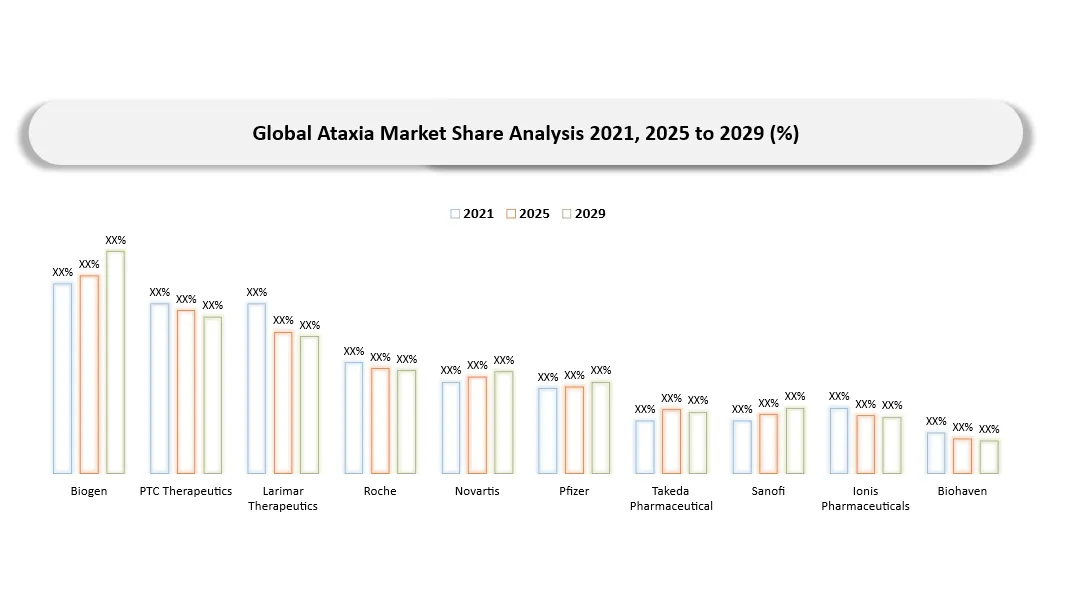
- Competition is concentrated in Friedreich ataxia because it has the clearest commercial pathway, while spinocerebellar ataxias remain divided across genetically defined development programs.
- Biogen holds the established commercial position through Skyclarys and is expanding into pediatric patients, while Larimar is building a differentiated frataxin replacement strategy.
Competitive intensity will increase unevenly. Friedreich ataxia may support several modalities because treatment can target oxidative stress, frataxin replacement and gene restoration, while individual SCAs may support fewer products because populations are smaller. Market share will therefore depend on age coverage, functional evidence, treatment burden and sequencing with other therapies. Companies that establish early relationships with centers and registries can build data and referral advantages that are difficult for later entrants to replicate. Manufacturing reliability and patient-support quality will also become visible differentiators as advanced therapies reach clinical practice.
- Gene therapy competition is increasing as companies pursue durable frataxin expression through systemic and central nervous system delivery.
- RNA and antisense developers are targeting dominant spinocerebellar ataxias, creating opportunities to reuse chemistry and delivery platforms across several subtypes.
- Differentiation increasingly depends on functional outcomes, biomarker evidence, administration burden, safety, durability and the ability to activate specialist centers and testing networks.
- Partnerships with patient organizations, academic consortia, genetic laboratories and rehabilitation networks are central to recruitment, launch readiness and long-term evidence generation.
Key Companies of Ataxia Market
- Biogen
- Larimar Therapeutics
- Neurocrine Biosciences
- Biohaven
- Vico Therapeutics
- Solid Biosciences
- Lexeo Therapeutics
- PTC Therapeutics
- Ionis Pharmaceuticals
- Wave Life Sciences
- uniQure
- Voyager Therapeutics
- Ultragenyx Pharmaceutical
- Roche
- Novartis
- Pfizer
- Sanofi
- Takeda Pharmaceutical
- Astellas Pharma
- Stealth BioTherapeutics
Company Profiles
Biogen
Biogen is the leading commercial company in the Ataxia market through Skyclarys, the first approved disease-modifying treatment for Friedreich ataxia. Its competitive priorities include global market expansion, pediatric development, long-term evidence and specialist-center activation. The company benefits from rare-neurology commercialization infrastructure and an established safety and monitoring framework.
Its commercialization model is built around neurologist education, genetic confirmation, specialty distribution, liver monitoring and patient-support services. The pediatric BRAVE study could materially expand the addressable population if efficacy and safety are demonstrated in younger patients. Biogen also benefits from global regulatory and market-access capabilities, allowing it to shape treatment standards, collect long-term evidence and defend the franchise as protein replacement and gene therapies approach the market.
Larimar Therapeutics
Larimar is developing nomlabofusp, a cell-penetrating frataxin replacement therapy for Friedreich ataxia. The program has used skin frataxin as a pharmacodynamic marker and advanced into a rolling U.S. biologics application in 2026. Its value proposition is direct replacement of the deficient protein, with commercial potential across adolescent and adult patients and possible pediatric use.
The company’s strategy combines biomarker evidence, open-label functional observations and an accelerated regulatory pathway. Nomlabofusp could differentiate through direct restoration of frataxin rather than downstream pathway modulation. Commercial execution will require reliable biologic manufacturing, management of injection burden and hypersensitivity risk, strong patient education and specialist support. A successful approval would create a second major disease-modifying class and broaden treatment choice across disease stages.
Neurocrine Biosciences
Neurocrine is relevant through development of an AAV-based frataxin gene therapy program. The company combines neuroscience development experience with growing interest in genetic medicine. Competitive success will depend on delivery, systemic and neurological expression, safety and the ability to demonstrate durable functional benefit.
The company’s established neuroscience infrastructure could support clinical development, specialist engagement and eventual commercialization if its gene therapy reaches the clinic successfully. Key development questions include distribution of expression across the central nervous system and peripheral organs, dose selection, immunogenicity and durability. Neurocrine’s position may strengthen through partnerships with ataxia centers, vector specialists and natural-history networks that reduce execution risk in a small population.
Biohaven
Biohaven has pursued troriluzole for spinocerebellar ataxia, positioning the company in one of the largest genetically diverse opportunity areas beyond Friedreich ataxia. Its program illustrates the potential and difficulty of developing a therapy across multiple SCA subtypes. Differentiation depends on subgroup evidence and clinically meaningful functional outcomes.
The company’s approach is commercially relevant because an oral therapy could be deployed through existing neurology channels without the manufacturing and procedural complexity of gene therapy. However, hereditary ataxias progress slowly and vary by genotype, making endpoint selection and subgroup consistency essential. A clearly responsive SCA population could create a meaningful franchise, while mixed results across subtypes would limit broad labeling and payer confidence.
Vico Therapeutics
Vico is developing antisense oligonucleotide approaches for repeat-expansion neurological disorders, including SCA1 and SCA3. Its platform is designed to lower toxic transcripts and may support a portfolio across several polyglutamine diseases. Trial recruitment, central nervous system delivery and subtype-specific endpoints are key considerations.
Its mutation-directed strategy fits the movement toward precision neurology and may generate a platform across SCA1, SCA3 and related repeat-expansion diseases. The company must demonstrate adequate central nervous system exposure, target knockdown and a functional effect within feasible study durations. Partnerships with genetic laboratories and international SCA consortia will be important because eligible populations are dispersed and require subtype-specific confirmation.
Solid Biosciences
Solid Biosciences is advancing SGT-212, an AAV gene therapy for Friedreich ataxia delivered through combined central nervous system and systemic administration. The strategy aims to address neurological and cardiac manifestations through broader frataxin restoration. Manufacturing, procedural feasibility and long-term safety will shape competitive positioning.
The FALCON study is strategically important because it tests a dual-delivery approach intended to reach cerebellar targets and systemic tissues affected by Friedreich ataxia. The program could offer infrequent or one-time treatment, but procedural complexity and long-term safety will influence adoption. Success would increase competition for advanced-therapy center capacity and create demand for new reimbursement models tied to durable outcomes.
Lexeo Therapeutics
Lexeo Therapeutics is profiled for its relevance to hereditary ataxia, rare-neurology development, genetic medicine, symptomatic treatment or enabling capabilities. The company’s competitive position depends on pipeline maturity, platform differentiation, partnerships, manufacturing capacity and ability to generate clinically meaningful functional evidence in small genetically defined populations.
The company may contribute through rare-disease development capabilities, neurological research, genetic-medicine platforms, manufacturing expertise or future partnerships. Competitive relevance will depend on selecting a clearly defined ataxia population, securing robust natural-history data and choosing endpoints that capture meaningful change. Companies entering this field also need patient-identification programs, specialist-center relationships and a practical access strategy because strong laboratory science alone does not create a treatment-ready commercial population.
PTC Therapeutics
PTC Therapeutics is profiled for its relevance to hereditary ataxia, rare-neurology development, genetic medicine, symptomatic treatment or enabling capabilities. The company’s competitive position depends on pipeline maturity, platform differentiation, partnerships, manufacturing capacity and ability to generate clinically meaningful functional evidence in small genetically defined populations.
The company may contribute through rare-disease development capabilities, neurological research, genetic-medicine platforms, manufacturing expertise or future partnerships. Competitive relevance will depend on selecting a clearly defined ataxia population, securing robust natural-history data and choosing endpoints that capture meaningful change. Companies entering this field also need patient-identification programs, specialist-center relationships and a practical access strategy because strong laboratory science alone does not create a treatment-ready commercial population.
Ionis Pharmaceuticals
Ionis Pharmaceuticals is profiled for its relevance to hereditary ataxia, rare-neurology development, genetic medicine, symptomatic treatment or enabling capabilities. The company’s competitive position depends on pipeline maturity, platform differentiation, partnerships, manufacturing capacity and ability to generate clinically meaningful functional evidence in small genetically defined populations.
The company may contribute through rare-disease development capabilities, neurological research, genetic-medicine platforms, manufacturing expertise or future partnerships. Competitive relevance will depend on selecting a clearly defined ataxia population, securing robust natural-history data and choosing endpoints that capture meaningful change. Companies entering this field also need patient-identification programs, specialist-center relationships and a practical access strategy because strong laboratory science alone does not create a treatment-ready commercial population.
Wave Life Sciences
Wave Life Sciences is profiled for its relevance to hereditary ataxia, rare-neurology development, genetic medicine, symptomatic treatment or enabling capabilities. The company’s competitive position depends on pipeline maturity, platform differentiation, partnerships, manufacturing capacity and ability to generate clinically meaningful functional evidence in small genetically defined populations.
The company may contribute through rare-disease development capabilities, neurological research, genetic-medicine platforms, manufacturing expertise or future partnerships. Competitive relevance will depend on selecting a clearly defined ataxia population, securing robust natural-history data and choosing endpoints that capture meaningful change. Companies entering this field also need patient-identification programs, specialist-center relationships and a practical access strategy because strong laboratory science alone does not create a treatment-ready commercial population.
uniQure
uniQure is profiled for its relevance to hereditary ataxia, rare-neurology development, genetic medicine, symptomatic treatment or enabling capabilities. The company’s competitive position depends on pipeline maturity, platform differentiation, partnerships, manufacturing capacity and ability to generate clinically meaningful functional evidence in small genetically defined populations.
The company may contribute through rare-disease development capabilities, neurological research, genetic-medicine platforms, manufacturing expertise or future partnerships. Competitive relevance will depend on selecting a clearly defined ataxia population, securing robust natural-history data and choosing endpoints that capture meaningful change. Companies entering this field also need patient-identification programs, specialist-center relationships and a practical access strategy because strong laboratory science alone does not create a treatment-ready commercial population.
Voyager Therapeutics
Voyager Therapeutics is profiled for its relevance to hereditary ataxia, rare-neurology development, genetic medicine, symptomatic treatment or enabling capabilities. The company’s competitive position depends on pipeline maturity, platform differentiation, partnerships, manufacturing capacity and ability to generate clinically meaningful functional evidence in small genetically defined populations.
The company may contribute through rare-disease development capabilities, neurological research, genetic-medicine platforms, manufacturing expertise or future partnerships. Competitive relevance will depend on selecting a clearly defined ataxia population, securing robust natural-history data and choosing endpoints that capture meaningful change. Companies entering this field also need patient-identification programs, specialist-center relationships and a practical access strategy because strong laboratory science alone does not create a treatment-ready commercial population.
Ultragenyx Pharmaceutical
Ultragenyx Pharmaceutical is profiled for its relevance to hereditary ataxia, rare-neurology development, genetic medicine, symptomatic treatment or enabling capabilities. The company’s competitive position depends on pipeline maturity, platform differentiation, partnerships, manufacturing capacity and ability to generate clinically meaningful functional evidence in small genetically defined populations.
The company may contribute through rare-disease development capabilities, neurological research, genetic-medicine platforms, manufacturing expertise or future partnerships. Competitive relevance will depend on selecting a clearly defined ataxia population, securing robust natural-history data and choosing endpoints that capture meaningful change. Companies entering this field also need patient-identification programs, specialist-center relationships and a practical access strategy because strong laboratory science alone does not create a treatment-ready commercial population.
Roche
Roche is profiled for its relevance to hereditary ataxia, rare-neurology development, genetic medicine, symptomatic treatment or enabling capabilities. The company’s competitive position depends on pipeline maturity, platform differentiation, partnerships, manufacturing capacity and ability to generate clinically meaningful functional evidence in small genetically defined populations.
The company may contribute through rare-disease development capabilities, neurological research, genetic-medicine platforms, manufacturing expertise or future partnerships. Competitive relevance will depend on selecting a clearly defined ataxia population, securing robust natural-history data and choosing endpoints that capture meaningful change. Companies entering this field also need patient-identification programs, specialist-center relationships and a practical access strategy because strong laboratory science alone does not create a treatment-ready commercial population.
Novartis
Novartis is profiled for its relevance to hereditary ataxia, rare-neurology development, genetic medicine, symptomatic treatment or enabling capabilities. The company’s competitive position depends on pipeline maturity, platform differentiation, partnerships, manufacturing capacity and ability to generate clinically meaningful functional evidence in small genetically defined populations.
The company may contribute through rare-disease development capabilities, neurological research, genetic-medicine platforms, manufacturing expertise or future partnerships. Competitive relevance will depend on selecting a clearly defined ataxia population, securing robust natural-history data and choosing endpoints that capture meaningful change. Companies entering this field also need patient-identification programs, specialist-center relationships and a practical access strategy because strong laboratory science alone does not create a treatment-ready commercial population.
Pfizer
Pfizer is profiled for its relevance to hereditary ataxia, rare-neurology development, genetic medicine, symptomatic treatment or enabling capabilities. The company’s competitive position depends on pipeline maturity, platform differentiation, partnerships, manufacturing capacity and ability to generate clinically meaningful functional evidence in small genetically defined populations.
The company may contribute through rare-disease development capabilities, neurological research, genetic-medicine platforms, manufacturing expertise or future partnerships. Competitive relevance will depend on selecting a clearly defined ataxia population, securing robust natural-history data and choosing endpoints that capture meaningful change. Companies entering this field also need patient-identification programs, specialist-center relationships and a practical access strategy because strong laboratory science alone does not create a treatment-ready commercial population.
Sanofi
Sanofi is profiled for its relevance to hereditary ataxia, rare-neurology development, genetic medicine, symptomatic treatment or enabling capabilities. The company’s competitive position depends on pipeline maturity, platform differentiation, partnerships, manufacturing capacity and ability to generate clinically meaningful functional evidence in small genetically defined populations.
The company may contribute through rare-disease development capabilities, neurological research, genetic-medicine platforms, manufacturing expertise or future partnerships. Competitive relevance will depend on selecting a clearly defined ataxia population, securing robust natural-history data and choosing endpoints that capture meaningful change. Companies entering this field also need patient-identification programs, specialist-center relationships and a practical access strategy because strong laboratory science alone does not create a treatment-ready commercial population.
Takeda Pharmaceutical
Takeda Pharmaceutical is profiled for its relevance to hereditary ataxia, rare-neurology development, genetic medicine, symptomatic treatment or enabling capabilities. The company’s competitive position depends on pipeline maturity, platform differentiation, partnerships, manufacturing capacity and ability to generate clinically meaningful functional evidence in small genetically defined populations.
The company may contribute through rare-disease development capabilities, neurological research, genetic-medicine platforms, manufacturing expertise or future partnerships. Competitive relevance will depend on selecting a clearly defined ataxia population, securing robust natural-history data and choosing endpoints that capture meaningful change. Companies entering this field also need patient-identification programs, specialist-center relationships and a practical access strategy because strong laboratory science alone does not create a treatment-ready commercial population.
Astellas Pharma
Astellas Pharma is profiled for its relevance to hereditary ataxia, rare-neurology development, genetic medicine, symptomatic treatment or enabling capabilities. The company’s competitive position depends on pipeline maturity, platform differentiation, partnerships, manufacturing capacity and ability to generate clinically meaningful functional evidence in small genetically defined populations.
The company may contribute through rare-disease development capabilities, neurological research, genetic-medicine platforms, manufacturing expertise or future partnerships. Competitive relevance will depend on selecting a clearly defined ataxia population, securing robust natural-history data and choosing endpoints that capture meaningful change. Companies entering this field also need patient-identification programs, specialist-center relationships and a practical access strategy because strong laboratory science alone does not create a treatment-ready commercial population.
Stealth BioTherapeutics
Stealth BioTherapeutics is profiled for its relevance to hereditary ataxia, rare-neurology development, genetic medicine, symptomatic treatment or enabling capabilities. The company’s competitive position depends on pipeline maturity, platform differentiation, partnerships, manufacturing capacity and ability to generate clinically meaningful functional evidence in small genetically defined populations.
The company may contribute through rare-disease development capabilities, neurological research, genetic-medicine platforms, manufacturing expertise or future partnerships. Competitive relevance will depend on selecting a clearly defined ataxia population, securing robust natural-history data and choosing endpoints that capture meaningful change. Companies entering this field also need patient-identification programs, specialist-center relationships and a practical access strategy because strong laboratory science alone does not create a treatment-ready commercial population.
Ataxia Market Major Pain Points
- Long diagnostic journeys and incomplete genetic confirmation.
- Few approved disease-modifying therapies outside Friedreich ataxia.
- Small heterogeneous trial populations and variable progression.
- High travel burden for specialist care and study participation.
- Limited validated endpoints for speech, gait and daily function.
- Unequal access to genetic testing, rehabilitation and specialty medicines.
- Manufacturing and delivery complexity for gene, RNA and protein therapies.
- Need for long-term evidence on durability, safety and functional outcomes.
Ataxia Market Recent Developments
- June 2026: Larimar Therapeutics reported submission of the first module of a rolling BLA for nomlabofusp and outlined plans to complete remaining modules during the second half of 2026.
- June 2026: Updated long-term nomlabofusp data showed sustained increases in skin frataxin and continued functional observations from the open-label study, while confirmatory Phase 3 dosing was planned.
- May 2026: The FDA granted orphan-drug designation to Neurocrine Biosciences’ AAV vector encoding human frataxin for treatment of Friedreich ataxia.
- June 2025: Biogen initiated dosing in the global Phase 3 BRAVE study of omaveloxolone in children aged 2 to under 16 with Friedreich ataxia.
- October 2025: Solid Biosciences began the first-in-human FALCON study of SGT-212, using combined intradentate nucleus and intravenous administration for Friedreich ataxia.
Analyst View / Opinion on Ataxia Market
The report also evaluates how competitive intensity may change when multiple modalities reach the same patient population. Oral medicines may be favored for convenience, protein replacement may appeal through direct target restoration and gene therapy may offer infrequent dosing. Treatment sequencing, combination use and switching criteria will therefore become important commercial questions. Companies should prepare comparative evidence that explains the role of each modality across age, stage, cardiac involvement, ambulatory status and patient preference.
- The Ataxia market has entered a durable expansion phase because the first disease-modifying approval changed diagnosis, investment and commercial expectations.
- Friedreich ataxia will remain the near-term revenue center, while spinocerebellar ataxias represent the larger long-term platform opportunity for RNA and gene-lowering technologies.
- Earlier treatment and pediatric expansion can generate the greatest functional and economic value, provided safety and age-appropriate endpoints are established.
- Patient identification is as important as product efficacy because undiagnosed or genetically unclassified patients cannot enter trials or receive subtype-specific therapy.
- Companies that integrate treatment with testing, center activation, rehabilitation support and real-world evidence will have stronger launch performance than product-only competitors.
- Long-term leadership will depend on durable functional outcomes, practical administration and payer confidence that treatment delays disability and preserves independence.
Ataxia Market Target Audience
| Industry | Who Should Buy This Report? | Reason to Buy This Report |
| Pharmaceuticals & Biotechnology | Rare-disease leaders, portfolio teams, clinical development and business development | Assess disease segments, pipeline risk, launch potential and licensing opportunities. |
| Neurology Providers | Neurologists, ataxia centers, hospital administrators and rehabilitation leaders | Understand treatment evolution, referral pathways and care-delivery requirements. |
| Genetic Testing | Laboratories, genomics companies and genetic counselors | Identify demand for repeat-expansion testing, sequencing and family screening. |
| Specialty Pharmacy | Specialty distributors, pharmacy directors and patient-support providers | Evaluate limited distribution, prior authorization and adherence opportunities. |
| Clinical Research | CROs, trial sites, registry operators and digital endpoint developers | Assess trial demand, recruitment barriers and measurement requirements. |
| Investors & Consulting | Private equity, venture capital, institutional investors and strategy consultants | Evaluate market size, pipeline milestones, competition and investment white spaces. |
| Government & Payers | Health authorities, reimbursement bodies and rare-disease programs | Understand access, evidence, economic burden and policy implications. |
Why Choose DATAM?
- Data-driven insights combining market sizing, epidemiology, pipeline probability, treatment economics and country-level access.
- Post-purchase analyst consultations for licensing, launch planning, patient identification and custom market modeling.
- Annual report updates covering approvals, trial readouts, regulatory designations, partnerships and competitive changes.
- Specialized focus on emerging markets and rare-disease infrastructure rather than generalized regional summaries.
- Actionable analysis that connects therapeutic innovation with diagnostic pathways, specialist capacity and payer evidence.
What DATAM Uniquely Provides
- Ten-year forecasts across disease type, treatment approach, route, age, care setting, distribution channel and region.
- Disease-specific analysis separating Friedreich ataxia, spinocerebellar ataxias and other forms.
- Pipeline assessment covering small molecules, protein replacement, RNA therapeutics and gene therapy.
- Buyer-focused analysis of endpoints, diagnosis, rehabilitation, specialty distribution and access.
- Country-level views linking specialist capacity, genetic testing, reimbursement and trial activity.
- Strategic recommendations for partnerships, patient identification, center activation and market entry.
Questions This Report Answers
- How will the global Ataxia market evolve from 2025 through 2035?
- Which disease types and treatment approaches offer the strongest commercial opportunity?
- How will Skyclarys, nomlabofusp and gene therapies reshape Friedreich ataxia competition?
- Which diagnostic and endpoint gaps constrain clinical development and adoption?
- Where are the strongest opportunities in spinocerebellar ataxias and advanced therapies?
- How should companies build center-of-excellence and patient-identification networks?
- Which regions offer the best balance of diagnosis, treatment access and growth?


























































