


Alopecia Areata Market Size and Overview
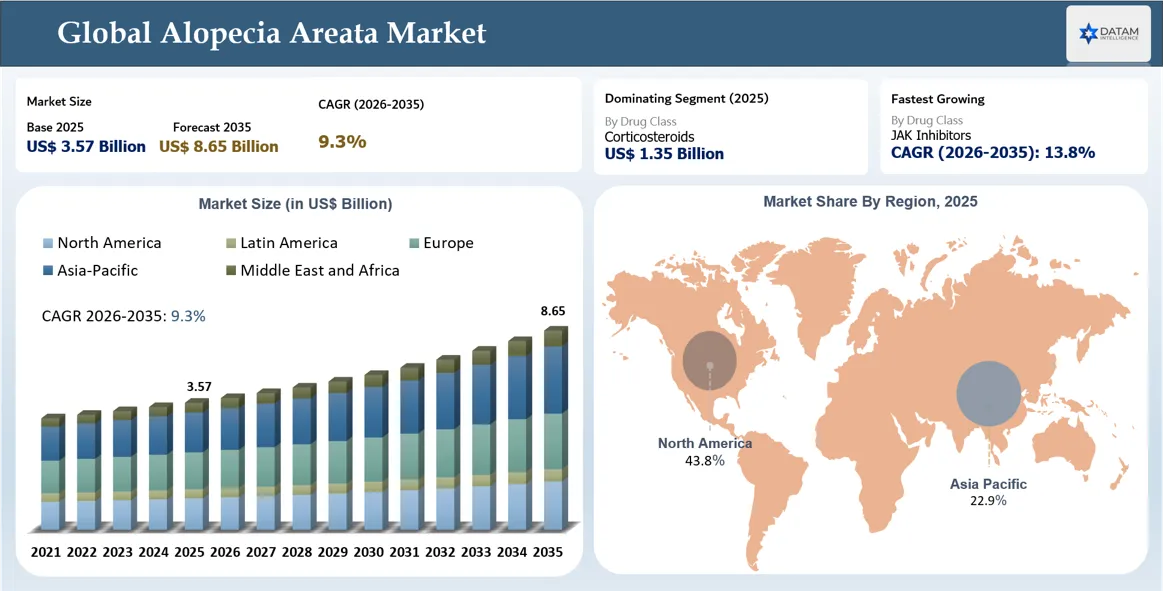
The global alopecia areata market reached US$3.57 billion in 2025 and is expected to reach US$8.65 billion by 2035, growing with a CAGR of 9.3% during the forecast period 2026-2035.
Market growth is moving beyond greater disease awareness toward higher treatment intensity and longer use of branded systemic therapies. Corticosteroids remain widely prescribed because of their affordability and availability across topical, intralesional and oral formulations. However, inconsistent response durability, recurrence and adverse effects associated with prolonged systemic use create treatment-escalation opportunities for targeted immunotherapies.
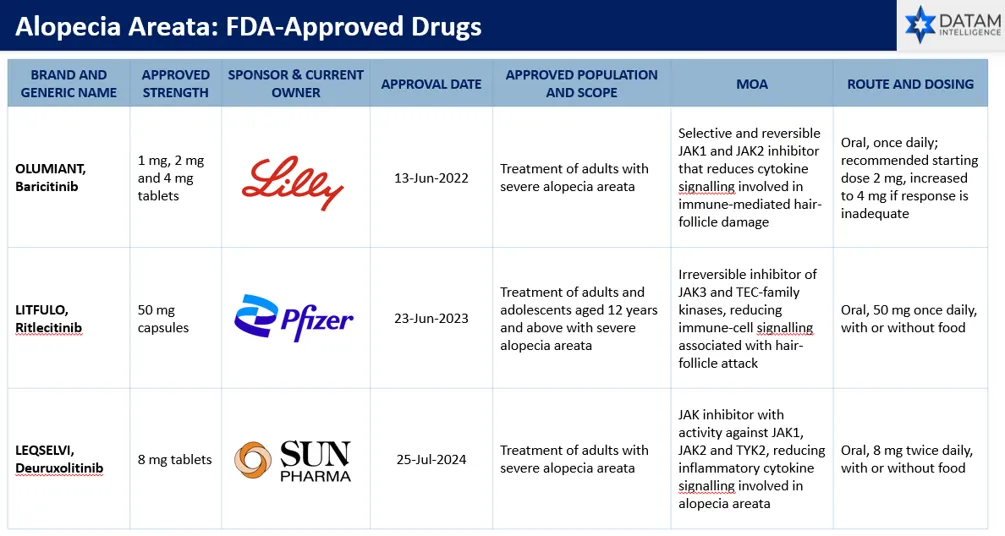
The approvals of Olumiant, Litfulo and Leqselvi established systemic JAK inhibition as a major treatment approach for severe alopecia areata. Adoption is being supported by clinically meaningful scalp-hair regrowth and expanding treatment options across eligible adult and adolescent populations. Competitive differentiation increasingly depends on age eligibility, kinase selectivity, dosing convenience, safety monitoring and evidence supporting eyebrow and eyelash regrowth.
The next competitive inflection point will involve therapies capable of delivering durable regrowth while reducing continuous immunosuppression. Regulatory T-cell stimulators, targeted biologics and next-generation oral therapies could broaden future treatment options. Commercial leadership will depend on sustained SALT-score improvement, relapse prevention, manageable long-term safety, patient-reported outcomes and payer evidence demonstrating improved quality of life and reduced healthcare utilization.
Alopecia Areata Market Key Takeaways
- Sustained Market Expansion Through 2035: The global alopecia areata market was valued at US$3.57 billion in 2025 and is projected to reach US$8.65 billion by 2035, registering a CAGR of 9.3% during 2026-2035.
- Corticosteroids Maintain Market Leadership: Corticosteroids generated an estimated US$1.35 billion in 2025, supported by affordability, established clinical use and availability across topical, intralesional and systemic formulations.
- JAK Inhibitors Become the Primary Growth Engine: JAK inhibitors are projected to register an estimated 13.8% CAGR during 2026-2035, driven by the increasing adoption of Olumiant, Litfulo and Leqselvi among eligible patients with severe alopecia areata.
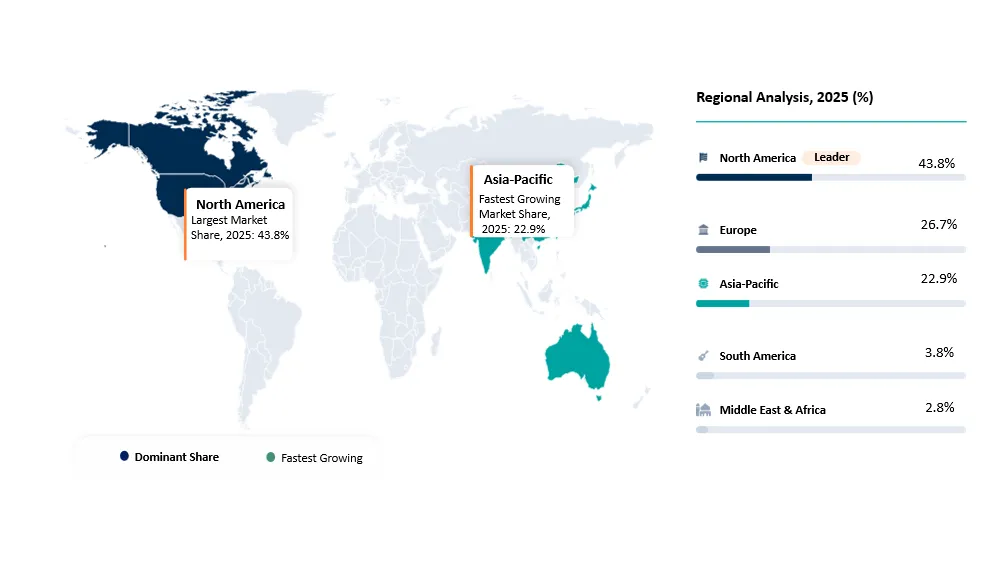
- North America Maintains Regional Dominance: North America accounted for 43.8% of the global alopecia areata market in 2025, equivalent to approximately US$1.56 billion, supported by established dermatology networks, higher diagnosis rates, specialty-pharmacy infrastructure and strong adoption of branded systemic therapies.
- Durable Hair Regrowth Reshapes Competitive Strategy: Future market leadership will depend on sustained scalp, eyebrow and eyelash regrowth, relapse prevention, manageable long-term safety and quality-of-life improvement. Regulatory T-cell stimulators, targeted biologics and next-generation JAK inhibitors could materially reshape treatment sequencing.
Alopecia Areata Market Industry Trends and Strategic Insights
- The market is transitioning from localized corticosteroid-led management toward targeted systemic therapies capable of producing substantial and durable hair regrowth. Treatment value is increasingly assessed through SALT-score improvement, eyebrow and eyelash regrowth, relapse prevention and quality-of-life outcomes.
- Corticosteroids remain the principal treatment for localized and moderate disease because of affordability, physician familiarity and availability across topical, intralesional and oral formulations. However, Olumiant, Litfulo and Leqselvi are accelerating JAK-inhibitor adoption among eligible patients with severe alopecia areata.
- JAK inhibitors represent the fastest-growing drug class, but commercial adoption will depend on long-term safety, laboratory-monitoring requirements, treatment persistence, reimbursement and physician confidence. Differentiation will increasingly center on age eligibility, kinase selectivity, dosing convenience and durability after treatment discontinuation.
- Regulatory T-cell stimulators, targeted biologics and next-generation immune-modulating therapies could reshape the treatment pathway by restoring immune tolerance around hair follicles. Their market impact will depend on clinically meaningful regrowth, relapse reduction, manageable safety and differentiation from established systemic JAK inhibitors.
- Sustainable competitive advantage will require more than short-term scalp-hair improvement. Companies demonstrating durable response, eyebrow and eyelash recovery, reduced psychosocial burden, convenient administration, pediatric applicability and credible real-world outcomes will be better positioned to secure specialist adoption, formulary access and premium reimbursement.
Global Alopecia Areata Market Scope
| Metrics | Details | |
| 2025 Market Size | US$3.57 Billion | |
| 2035 Projected Market Size | US$8.65 Billion | |
| CAGR (2026-2035) | 9.3% | |
| Largest Market | North America | |
| Fastest Growing Market | Asia-Pacific | |
| By Disease Type | Patchy Alopecia Areata, Alopecia Totalis, Alopecia Universalis, Diffuse Alopecia Areata, Ophiasis Alopecia Areata, Other Clinical Variants | |
| By Drug Class | Corticosteroids, JAK Inhibitors, Contact Immunotherapy Agents, Conventional Immunosuppressants, Hair-Growth Promoters, Other Treatments | |
| By Route of Administration | Oral, Topical, Intralesional, Parenteral, Others | |
| By Age Group | Below 12 Years, 12-17 Years, 18-50 Years, Above 50 Years | |
| By Gender | Male, Female | |
| By Disease Severity | Mild (SALT Score 20 or Below), Moderate (SALT Score 21-49), Severe (SALT Score 50 or Above) | |
| By Modality | Small Molecules, Biologics and Recombinant Protein Therapies, Others | |
| By Disease Duration | Less Than 1 Year, 1-5 Years, More Than 5 Years | |
| By Treatment Setting | Hospitals, Dermatology Clinics, Specialty Alopecia Clinics, Homecare Settings, Others | |
| By Distribution Channel | Hospital Pharmacies, Retail Pharmacies, Specialty Pharmacies, Online Pharmacies, Others | |
| By Region | North America | U.S., Canada, Mexico |
| Europe | Germany, UK, France, Spain, Italy, Poland | |
| Asia-Pacific | China, India, Japan, Australia, South Korea, Indonesia, Malaysia, Singapore, Vietnam, Thailand, Philippines, Taiwan | |
| South America | Brazil, Argentina | |
| Middle East and Africa | Israel, Saudi Arabia, UAE, Turkiye, South Africa, Nigeria | |
| Report Insights Covered | Competitive Landscape Analysis, Company Profile Analysis, Market Size, Share, Growth | |
Why does this report matter in 2026?
The global alopecia areata market reached a strategic inflection point in 2026 as competition expanded beyond the established systemic JAK inhibitors OLUMIANT, LITFULO and LEQSELVI. In July 2026, the European Commission approved RINVOQ (upadacitinib) for adults and adolescents aged 12 years and older with severe alopecia areata, supported by results from the Phase III UP-AA clinical program. AbbVie also submitted upadacitinib for U.S. FDA review, strengthening competition around scalp, eyebrow and eyelash regrowth, response speed, treatment durability and adolescent access.
Competitive disruption is accelerating as biologic and immune-restorative therapies advance beyond conventional JAK inhibition. In April 2026, Nektar Therapeutics reported supportive 52-week results from the Phase IIb REZOLVE-AA study of rezpegaldesleukin, a regulatory T-cell-directed IL-2 pathway agonist, and subsequently confirmed plans to initiate a registrational Phase III alopecia areata study in early 2027. In July 2026, Q32 Bio reported positive 36-week Phase IIa results for bempikibart, an anti-IL-7Rα monoclonal antibody, and announced its intention to advance a registration-directed program in 2027.
The report helps pharmaceutical companies, investors and market-access teams assess diagnosed and treated populations, disease severity, systemic-therapy eligibility, treatment sequencing, switching patterns, pricing, reimbursement and pipeline readiness. It also evaluates how complete hair regrowth, relapse following treatment discontinuation, long-term safety, administration burden, pediatric expansion, treatment durability and payer evidence will influence future competitive positioning and sustainable value creation.
Alopecia Areata Market White Space & Investment Opportunities
- Earlier Identification and Severity Assessment: Invest in digital scalp imaging, standardized SALT scoring, teledermatology and predictive tools that identify progressive hair loss, eyebrow and eyelash involvement and patients at risk of developing severe or persistent alopecia areata.
- Treatments for Mild-to-Moderate but Active Disease: Develop effective therapies for patients with patchy or moderate alopecia areata who are generally excluded from systemic-treatment eligibility but experience rapid progression, frequent relapse, visible facial-hair loss or substantial psychosocial burden.
- Durable Non-JAK and Immune-Restorative Therapies: Advance treatments targeting regulatory T cells, IL-2, IL-7Rα, IL-15, CD94 and other disease-driving pathways to deliver durable hair regrowth while reducing the safety concerns and continuous-treatment dependence associated with systemic JAK inhibition.
- Relapse-Free Hair Regrowth: Invest in therapies capable of maintaining scalp, eyebrow and eyelash regrowth after treatment reduction or discontinuation. Long-term disease control represents a significant opportunity because relapse remains common when existing systemic therapies are stopped.
- Treatment-Sequencing and Combination Evidence: Generate comparative evidence defining how corticosteroids, contact immunotherapy, OLUMIANT, LITFULO, LEQSELVI, RINVOQ and emerging biologics should be sequenced or combined according to disease severity, age, previous treatment, relapse pattern and safety profile.
- Geographic Access and Outcome-Based Reimbursement: Expand dermatologist access, standardized diagnosis and reimbursement across underserved countries while generating real-world evidence connecting SALT improvement, complete hair regrowth, treatment durability and psychosocial recovery with improved quality of life and reduced healthcare utilization.
Alopecia Areata Market Future Transformation
Over the next decade, the global alopecia areata market will move from episodic management of visible hair loss toward earlier, severity-based and potentially durable immune-modifying care. Corticosteroids, topical therapies and contact immunotherapy will remain important for localized disease, while systemic treatment decisions will increasingly consider SALT score, eyebrow and eyelash involvement, disease progression, relapse frequency, treatment history, age and psychosocial burden. Growing adoption of oral JAK inhibitors will reinforce demand for rapid hair regrowth, convenient administration and broader access across adult and adolescent populations.
Market transformation will accelerate as regulatory T-cell therapies, cytokine-targeted biologics and next-generation immune modulators advance beyond conventional JAK inhibition. Competition will shift from scalp-hair regrowth alone toward differentiated evidence covering complete regrowth, eyebrow and eyelash recovery, relapse prevention, long-term safety, treatment-free durability and quality-of-life improvement. Commercial success will depend on demonstrating value across moderate disease, severe and very severe disease, pediatric populations, JAK-inhibitor-inadequate responders and patients requiring long-term systemic treatment. Companies combining durable clinical outcomes with convenient administration, strong payer evidence, biomarker-led patient selection and broad geographic access will be positioned to capture the next phase of market growth.
Alopecia Areata Market Buyer Decision-Making Criteria
Major Buyer Decision-Making Criteria:
- Magnitude and Durability of Scalp Hair Regrowth
- Eyebrow and Eyelash Regrowth
- Speed of Treatment Response
- Relapse Risk After Treatment Discontinuation
- Effectiveness Across Disease Severity Levels
- Safety, Tolerability and Long-Term Clinical Evidence
- Suitability Across Age Groups and Treatment Lines
- Route, Dosing Convenience and Treatment Burden
- Monitoring Requirements and Drug Interaction Risk
- Improvement in Psychosocial Health and Quality of Life
- Pricing, Reimbursement and Healthcare Budget Impact
- Guideline Positioning, Physician Experience and Patient-Support Services
In the alopecia areata market, prescribing, purchasing and formulary decisions are primarily driven by a therapy’s ability to deliver clinically meaningful and durable scalp hair regrowth. Dermatologists, treatment centres and payers evaluate SALT score improvement, achievement of SALT 20 or complete scalp regrowth, eyebrow and eyelash recovery, response speed and effectiveness across moderate, severe and very severe disease. Suitability for adults, adolescents, children, relapsing patients and individuals with inadequate responses to previous therapies also influences product differentiation.
Safety and treatment burden remain central because many patients require prolonged systemic therapy to maintain hair regrowth. Buyers assess serious infection risk, malignancy and cardiovascular warnings, laboratory-monitoring requirements, injection-related reactions, drug interactions, dosing frequency and administration route. Payers additionally examine acquisition cost, eligible-patient numbers, treatment duration, discontinuation rates, relapse-related retreatment and improvements in quality of life. Therapies supported by comparative evidence, durable regrowth, manageable safety, convenient administration, guideline inclusion, reliable supply and comprehensive patient-support services will be best positioned to secure reimbursement and sustained adoption.
Alopecia Areata Market Economic & Investment Analysis
The alopecia areata market is becoming an increasingly attractive immunodermatology investment segment, supported by chronic treatment demand, premium-priced systemic therapies and growing recognition of the disease’s psychosocial burden. Commercial competition has expanded beyond OLUMIANT, LITFULO and LEQSELVI following the European Commission’s July 2026 approval of RINVOQ for severe alopecia areata. Expanding treatment options are increasing competitive pressure around rapid and complete scalp-hair regrowth, eyebrow and eyelash recovery, long-term safety, durable response, pediatric eligibility and treatment convenience.
Investment is shifting toward non-JAK mechanisms capable of restoring immune balance and sustaining hair regrowth. Argenx’s announced acquisition of Forte Biosciences for approximately US$2.2 billion highlighted the strategic value of FB102, an anti-CD122 antibody targeting IL-2 and IL-15-mediated immune activity. Nektar Therapeutics is preparing late-stage development of the regulatory T-cell therapy rezpegaldesleukin, while Q32 Bio plans registration-directed development of the anti-IL-7Rα antibody bempikibart. Future value creation will depend on relapse prevention, treatment-free durability, broader age eligibility, convenient delivery, scalable biologic manufacturing and payer evidence. However, long development timelines, high systemic-therapy costs, safety-monitoring requirements and reimbursement variability elevate execution risk. Assets combining durable regrowth, differentiated safety and applicability beyond severe disease should attract stronger licensing, partnership and acquisition interest.
Alopecia Areata Market Investment Trends
- Capital allocation is increasing toward geographic expansion, dermatologist engagement, reimbursement and patient-support infrastructure for OLUMIANT, LITFULO, LEQSELVI, RINVOQ and other systemic alopecia areata therapies.
- Regulatory T-cell therapies are attracting investment because rezpegaldesleukin, HCW9302, VIS171 and LAD603 could restore immune balance and potentially provide durable hair regrowth beyond conventional JAK inhibition.
- Investment is accelerating across IL-7Rα, IL-15, CD94, CD122 and S1P-targeted approaches seeking improved safety, relapse prevention and sustained scalp, eyebrow and eyelash regrowth.
- Investors increasingly prioritize assets capable of serving moderate-to-severe patients, pediatric populations, JAK-inhibitor-inadequate responders and individuals requiring long-term systemic treatment while improving convenience, adherence and quality of life.
- Digital-health investment is targeting standardized SALT assessment, smartphone-based scalp imaging, symptom tracking, teledermatology and predictive tools designed to identify rapid disease progression and support earlier treatment escalation.
- Companies are allocating greater resources to patient registries, real-world evidence and health-economic studies connecting durable hair regrowth, relapse reduction and psychosocial recovery with improved treatment persistence and lower long-term healthcare utilization.
Strategic Indicators for the Alopecia Areata Market
High Regulation Impact
The alopecia areata market faces high regulatory scrutiny because systemic therapies may require prolonged administration in otherwise healthy adults and adolescents. Regulators evaluate scalp-hair regrowth using SALT-based endpoints alongside eyebrow and eyelash recovery, response durability, relapse, infections, malignancy, cardiovascular events, thrombosis and laboratory abnormalities. The European Commission’s 2026 approval of RINVOQ for severe alopecia areata in patients aged 12 years and older demonstrates a pathway for expanding systemic JAK-inhibitor eligibility. Developers must provide sufficiently powered controlled trials, long-term extensions, age-specific evidence and post-marketing surveillance. Regulatory requirements increase clinical-development costs while favoring companies with established immunology safety databases and pharmacovigilance infrastructure.
High Investment Activity
Market-access pressure remains high because payers frequently restrict premium systemic therapies to patients meeting defined disease-severity and prior-treatment criteria. Coverage decisions may consider SALT score, scalp involvement, eyebrow and eyelash loss, disease duration, previous corticosteroid use, age, comorbidities and specialist documentation. Prior authorization, laboratory requirements and periodic response reassessment can delay initiation or interrupt treatment. Limited head-to-head evidence increases reliance on indirect comparisons across trials using different populations and endpoints. Strong health-economic models, standardized response criteria, patient-support services and real-world evidence linking regrowth with improved psychosocial outcomes will be essential for sustained reimbursement.
High New Drug-Class Adoption
Alopecia areata is experiencing rapid adoption of systemic JAK-pathway therapies following the introduction of baricitinib, ritlecitinib and deuruxolitinib in the United States and upadacitinib in Europe. Adoption is strongest among patients with severe scalp involvement who previously relied on off-label or inconsistently effective treatments. Future competition may extend beyond JAK inhibition through regulatory T-cell stimulation, IL-7 receptor blockade and CD122-targeted therapies. Dermatologists will differentiate these classes based on regrowth magnitude, time to response, durability, relapse after withdrawal, safety and monitoring burden. New mechanisms will need clear advantages rather than mechanism novelty alone.
Regional Expansion Opportunity
Regional expansion potential is substantial because alopecia areata occurs worldwide while diagnosis, specialist availability, systemic treatment access and reimbursement remain uneven. The United States provides strong commercial potential through dermatology networks, specialty pharmacies and multiple branded therapies. Europe offers an important opportunity following broader JAK-inhibitor approvals but requires country-specific health-technology assessment and pricing strategies. China is becoming strategically important through domestic JAK development and expanding clinical activity. Latin America, the Middle East and other Asian markets provide longer-term opportunities as dermatologist capacity, insurance coverage and awareness improve. Successful expansion requires local epidemiology, regulatory planning, payer engagement and dependable specialty distribution.
Government Policy Support
Government influence is delivered through expedited regulatory pathways, pediatric-development frameworks, pharmacovigilance requirements, public reimbursement and mental-health support policies. The FDA’s Fast Track designation for rezpegaldesleukin in 2025 illustrates regulatory support for therapies addressing unmet need in severe alopecia areata. Public healthcare systems also influence adoption through specialist referral pathways, treatment guidelines, prior-authorization criteria and reimbursement decisions. Policy support remains uneven because alopecia areata may still be viewed as cosmetic rather than a clinically and psychologically burdensome autoimmune disease. Companies should generate patient-reported outcomes, support registries and demonstrate measurable clinical and economic value.
Value-Based Pricing Intelligence
Value-based pricing in alopecia areata will increasingly depend on patient-relevant outcomes rather than SALT improvement alone. Therapies must demonstrate meaningful scalp coverage, eyebrow and eyelash recovery, durable response, reduced relapse and improvement in psychosocial functioning. Pricing potential will vary across adolescents, adults with severe disease, longstanding alopecia totalis or universalis and patients failing previous treatment. Payers will also assess continuous-treatment requirements, safety monitoring, treatment discontinuation and total annual cost. Manufacturers combining broad eligibility, convenient administration, durable regrowth, manageable safety and credible real-world evidence will be better positioned to negotiate favorable formulary access and performance-based reimbursement.
FDA-Approved Drugs
- The alopecia areata market currently includes three FDA-approved systemic therapies, OLUMIANT, LITFULO and LEQSELVI, all targeting intracellular immune-signalling pathways responsible for hair-follicle attack.
- OLUMIANT (baricitinib) established the market in June 2022 as the first systemic treatment approved for adults with severe alopecia areata, validating JAK inhibition commercially.
- LITFULO (ritlecitinib) expanded the addressable population in June 2023 by becoming the first approved treatment covering both adults and adolescents aged 12 years and older.
- LEQSELVI (deuruxolitinib) entered the adult severe-disease segment in July 2024, increasing competition through twice-daily oral dosing and differentiated JAK1 and JAK2 inhibition.
- Competition increasingly centers on SALT response, complete scalp coverage, eyebrow and eyelash recovery, speed of regrowth, durability, safety, monitoring burden and treatment persistence.
- All three therapies carry boxed safety warnings, requiring careful patient selection and ongoing monitoring. Future market leadership will depend on broader eligibility, sustained real-world outcomes, payer access and differentiation from emerging non-JAK immunotherapies.
Pipeline Analysis
As of July 2026, the therapeutic pipeline for alopecia areata is robust, encompassing various modalities aimed at slowing disease progression and preserving vision. Here's an overview of key investigational therapies across different classes:
| SPONSOR | INTERVENTION | CURRENT STAGE | MECHANISM OF ACTION | ROUTE OF ADMINISTRATION | MODALITY |
| AbbVie Inc. | Upadacitinib, RINVOQ | Phase III; regulatory review in the U.S. | Selective JAK1 inhibitor | Oral | Small molecule |
| Nektar Therapeutics | Rezpegaldesleukin, REZPEG | Phase IIb; Phase III planned | IL-2 pathway agonist; preferential regulatory T-cell expansion | Subcutaneous | Recombinant protein |
| Q32 Bio Inc. | Bempikibart, ADX-914 | Phase IIa; Phase III planned | Anti-IL-7Rα antibody; inhibits IL-7 and TSLP signalling | Subcutaneous | Monoclonal antibody |
| Almirall, S.A. | LAD603 | Phase II | IL-2 Fc fusion protein; regulatory T-cell-directed immunomodulation | Subcutaneous | Fusion protein |
| CSPC Ouyi Pharmaceutical Co., Ltd. | SYHX1901 | Phase II | Dual JAK and SYK inhibitor | Oral | Small molecule |
Jiangsu Vcare Pharmaceutical Technology Co., Ltd. | VC005 | Phase II | Selective JAK1 inhibitor | Oral | Small molecule |
NEXTGEN Bioscience Co., Ltd. | NXC736 | Phase II | Sphingosine-1-phosphate receptor modulator | Oral | Small molecule |
| Aldena Therapeutics, Inc. | ALD-102 | Phase Ib/IIa | RNA interference-based immunomodulation; target undisclosed | Intradermal | siRNA therapy |
| Dren Bio, Inc. | DR-01, Dibotatug | Phase Ib | Anti-CD94 antibody; depletion of pathogenic cytotoxic immune cells | Intravenous | Monoclonal antibody |
Forte Biosciences, Inc. / argenx SE | FB102 | Phase I | Anti-CD122 antibody; modulates IL-2 and IL-15-driven pathogenic T and NK cells | Parenteral | Monoclonal antibody |
| HCW Biologics Inc. | HCW9302 | Phase I | IL-2Rα-biased IL-2 fusion; preferential Treg activation and expansion | Subcutaneous | Fusion protein |
Otsuka Pharmaceutical Co., Ltd. / Visterra, Inc. | VIS171 | Phase I | Long-acting IL-2 mutein; preferential regulatory T-cell expansion | Subcutaneous | Cytokine biologic |
AI Impact Analysis of Alopecia Areata Market
Artificial intelligence is improving alopecia areata diagnosis, severity assessment and treatment monitoring by converting standardized scalp, eyebrow and eyelash images into consistent clinical measurements. Computer-vision platforms can support automated SALT scoring, quantify hair density and detect subtle progression that may be missed during periodic examination. When combined with electronic health records, laboratory findings and patient-reported outcomes, predictive models could identify rapidly progressing disease, relapse risk and patients likely to require systemic therapy. Teledermatology platforms incorporating AI-supported image assessment may also shorten referral timelines and expand specialist access across underserved countries. However, performance must be validated across different hair colours, textures, skin tones, disease patterns and imaging conditions to avoid biased treatment decisions.
Commercially, AI will strengthen clinical development, patient segmentation and evidence generation rather than replace dermatologists. Pharmaceutical companies can use machine learning to optimize trial recruitment, standardize imaging endpoints, identify treatment-response patterns and detect safety signals across clinical and real-world datasets. Payers may apply AI-enabled evidence to evaluate response durability, treatment continuation and economic value. Competitive advantage will favour companies combining therapies with validated digital biomarkers, remote monitoring and patient-support platforms. Adoption will depend on regulatory acceptance, explainable algorithms, data privacy, workflow integration and proof that AI improves outcomes without creating unnecessary testing or inequitable access.
Disruption Analysis of Alopecia Areata Market
The alopecia areata market is being disrupted by the transition from episodic corticosteroid treatment toward targeted systemic therapies capable of producing substantial scalp, eyebrow and eyelash regrowth. Oral JAK inhibitors have established measurable efficacy standards based on SALT outcomes, accelerated specialist adoption and expanded treatment possibilities for severe disease. Competition is intensifying as upadacitinib extends JAK-class choice, while geographic approvals for newer therapies broaden the commercial landscape. Greater recognition of alopecia areata as a serious autoimmune disease is also improving diagnosis, referral and reimbursement, shifting purchasing decisions toward clinical durability and quality-of-life improvement.
The next disruption wave will come from biologics and immune-restorative therapies designed to provide durable control without continuous broad pathway inhibition. Rezpegaldesleukin, bempikibart, FB102, HCW9302 and other emerging assets target regulatory T cells, IL-7Rα, CD122 and related immune pathways. Successful development could reduce dependence on JAK inhibitors and create differentiated treatment sequences for inadequate responders or safety-constrained patients. Digital SALT assessment, remote imaging and real-world monitoring will further reshape trials and reimbursement. Market leadership will depend on durable regrowth, relapse prevention, manageable safety, convenient dosing, pediatric access and compelling payer evidence.
Alopecia Areata Market BCG Matrix: Company Evaluation
STAR
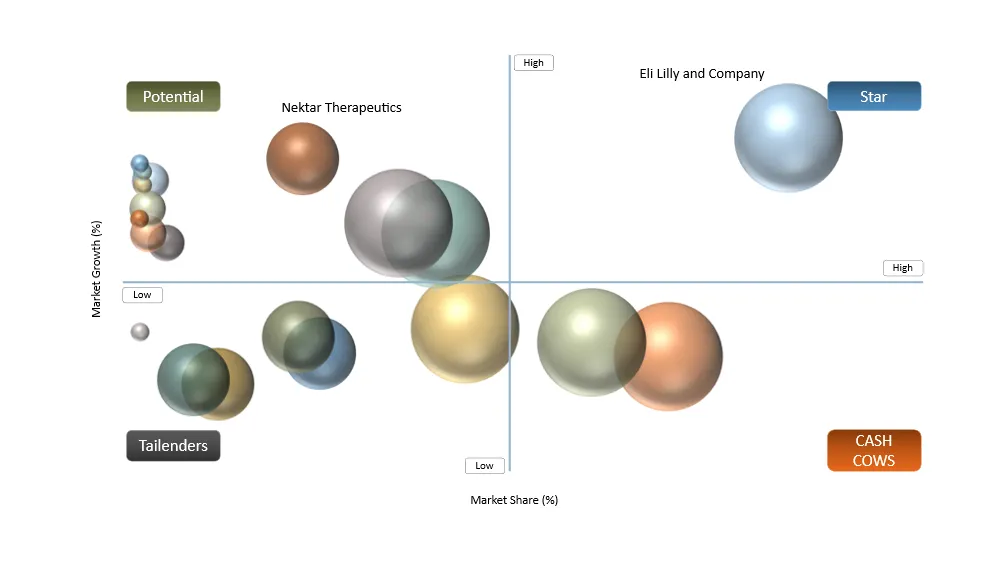
Eli Lilly and Company, Pfizer Inc., Sun Pharmaceutical Industries Limited and AbbVie Inc. are positioned in the Star category based on their approved systemic therapies, extensive immunology infrastructure and influence on alopecia areata treatment sequencing. Eli Lilly leads through OLUMIANT, the first systemic therapy approved by the U.S. FDA for severe alopecia areata in adults. Pfizer strengthened competition through LITFULO, which expanded targeted systemic treatment to adults and adolescents aged 12 years and older.
Sun Pharmaceutical Industries reinforced the market through LEQSELVI, an oral JAK1 and JAK2 inhibitor for adults with severe alopecia areata. AbbVie strengthened its competitive position following the July 2026 European Commission approval of RINVOQ for adults and adolescents with severe disease. Future leadership will depend on reimbursement, treatment persistence, pediatric expansion and real-world evidence demonstrating complete scalp, eyebrow and eyelash regrowth, manageable long-term safety and durable responses.
POTENTIAL
Nektar Therapeutics, Q32 Bio Inc., Almirall, S.A., argenx SE, HCW Biologics Inc., Innovent Biologics, Inc., NEXTGEN Bioscience Co., Ltd., Jiangsu Hengrui Pharmaceuticals Co., Ltd. and Suzhou Zelgen Biopharmaceuticals Co., Ltd. are positioned in the Potential category because of their involvement in emerging JAK, cytokine-targeted, regulatory T-cell and immune-restorative treatment platforms.
Nektar’s rezpegaldesleukin could establish regulatory T-cell stimulation as a differentiated therapeutic approach, while Q32 Bio’s bempikibart targets IL-7Rα-mediated immune activity. Almirall is advancing LAD603, argenx is gaining FB102 through its announced acquisition of Forte Biosciences and HCW Biologics is developing HCW9302. Innovent, NEXTGEN, Hengrui and Zelgen broaden competition through IL-15, S1P and next-generation JAK pathways. Progression toward the Star category will depend on regulatory approvals, durable hair regrowth, relapse prevention, differentiated safety, manufacturing scalability, payer acceptance and geographic commercialization.
Alopecia Areata Market Dynamics
Driver Impact Analysis
| Driver | Market Growth Impact (%) | Demand Concentration | Impacted Use Case | Strategic Impact |
Expansion of Systemic JAK Inhibitor Eligibility Across Age Groups | 14.8% | High across North America and Europe; increasing across Asia-Pacific | Treatment of severe alopecia areata in eligible adults and adolescents | Expands the addressable systemic-treatment population and accelerates branded therapy adoption |
Conversion of Severe Untreated Patients Into Long-Term Therapy Users | 13.6% | High among patients with extensive scalp, eyebrow or eyelash involvement | Long-term systemic treatment, response monitoring and relapse management | Converts episodic treatment demand into recurring pharmaceutical revenue |
Improved Dermatologist Adoption of Standardized SALT-Based Treatment Thresholds | 12.4% | Strong in specialist dermatology clinics and developed healthcare markets | Disease-severity assessment, treatment eligibility and response evaluation | Improves patient identification and supports consistent treatment initiation and escalation |
Pipeline Diversification Toward Durable Non-JAK Immune-Modulating Therapies | 11.3% | Concentrated in North America, Europe and China-led clinical development hubs | Regulatory T-cell therapies, monoclonal antibodies and targeted immunomodulators | Broadens future treatment choice and reduces market dependence on JAK inhibitors |
Driver: Expansion of Systemic JAK Inhibitor Eligibility Across Age Groups
Systemic JAK inhibitors are expanding alopecia areata treatment beyond adult-only populations by creating evidence-based options for adolescents with severe disease. In July 2026, the European Commission approved AbbVie’s RINVOQ for patients aged 12 years and older, adding another adolescent-eligible systemic therapy alongside LITFULO. The supporting UP-AA program enrolled 1,399 patients aged 12-64 years across 248 sites, demonstrating the scale and geographic breadth of clinical validation.
Broader age eligibility enlarges the addressable treated population by enabling intervention before extensive hair loss becomes longstanding and psychologically disruptive. Commercial impact will extend beyond prescription volumes to earlier dermatologist referral, standardized SALT assessment, laboratory monitoring and sustained treatment management. Manufacturers can strengthen adoption through adolescent-specific evidence, caregiver education and reimbursement support. Market expansion will nevertheless depend on benefit-risk assessment, long-term safety evidence and payer willingness to fund continuous therapy. Companies demonstrating durable scalp, eyebrow and eyelash regrowth across age groups should gain stronger formulary positioning and treatment persistence.
Restraint Impact Analysis
| Restraint | Drag on Market Growth (%) | Primary Impact Area | Impacted Use Case | Strategic Impact |
Safety Warnings and Monitoring Requirements for Systemic JAK Inhibitors | 13.2% | Prescribing confidence, patient eligibility and long-term treatment persistence | JAK inhibitors used in patients with severe alopecia areata, particularly those with infection, cardiovascular, malignancy or thromboembolic risks | Narrows the eligible population and increases screening, laboratory monitoring and pharmacovigilance requirements |
High Cost and Restrictive Reimbursement for Branded Systemic Therapies | 12.6% | Treatment initiation, affordability and geographic access | Patients requiring long-term treatment with OLUMIANT, LITFULO, LEQSELVI or RINVOQ where approved | Delays treatment initiation, increases abandonment risk and concentrates uptake in markets with stronger reimbursement |
Hair-Loss Recurrence Following Treatment Interruption or Discontinuation | 11.8% | Response durability, adherence and payer value assessment | Responding patients requiring continued systemic therapy to preserve scalp, eyebrow and eyelash regrowth | Creates dependence on continuous treatment while raising lifetime cost and cost-effectiveness concerns |
Lower and Less Predictable Response in Longstanding Extensive Disease | 10.9% | Patient selection, clinical outcomes and treatment expectations | Patients with longstanding alopecia totalis, alopecia universalis or previous systemic-treatment failure | Reduces the commercially addressable responder population and strengthens demand for biomarkers and alternative mechanisms |
Restraint: Safety Warnings and Monitoring Requirements for Systemic JAK Inhibitors
Safety requirements constrain systemic JAK inhibitor uptake despite their ability to deliver clinically meaningful hair regrowth. As of 2026, all three FDA-approved oral JAK pathway therapies for alopecia areata, OLUMIANT, LITFULO and LEQSELVI, carry boxed warnings addressing serious infections, mortality, malignancy, major cardiovascular events and thrombosis. Updated 2026 prescribing information also requires screening for tuberculosis, infections, hematologic abnormalities and relevant cardiovascular or malignancy risks before treatment.
Ongoing laboratory and safety monitoring increases the operational burden for dermatologists, patients and payers. OLUMIANT labeling recommends lipid assessment approximately 12 weeks after treatment initiation, alongside blood-count and liver-enzyme monitoring. Treatment interruption may be required when predefined hematologic thresholds are crossed or serious infection develops. Commercially, these requirements narrow eligible populations, lengthen initiation pathways and can increase discontinuation or prescription abandonment. Companies must therefore support risk stratification, laboratory coordination, patient education and pharmacovigilance. Therapies demonstrating comparable efficacy with fewer monitoring requirements could secure stronger long-term differentiation.
Alopecia Areata Market Segmentation Analysis
The global alopecia areata market is segmented based on the disease type, drug class, route of administration, age group, gender, disease severity, modality, disease duration, treatment setting, distribution channel and region.
Corticosteroids Sustain Market Leadership as JAK Inhibitors Reshape the Alopecia Areata Treatment Landscape
Corticosteroids dominated the global alopecia areata market in 2025, generating an estimated US$1.35 billion, equivalent to approximately 37.8% of the US$3.57 billion market. Their leadership reflects extensive physician familiarity, relatively low treatment costs and availability across topical, intralesional and systemic formulations. Corticosteroids remain widely used for patchy, mild and moderate disease, particularly through dermatology clinics and outpatient settings. However, variable response durability, recurrence following discontinuation and adverse effects associated with prolonged systemic exposure limit their ability to address severe and chronic alopecia areata. Hospital and retail pharmacies retain substantial corticosteroid distribution, while specialty pharmacies are becoming increasingly important for advanced therapies.
JAK inhibitors represent the fastest-growing segment and are projected to expand at an estimated 13.8% CAGR during 2026-2035. Growth is supported by the commercialization of Olumiant, Litfulo and Leqselvi, expanding systemic-treatment eligibility across adult and adolescent populations and stronger evidence for clinically meaningful scalp-hair regrowth. Severe disease, defined by a SALT score of 50 or above, provides the most commercially attractive treated population because of greater unmet need and willingness to adopt advanced systemic therapy. Market leadership will increasingly depend on durable response, safety management, reimbursement access, treatment persistence and evidence supporting eyebrow and eyelash regrowth.
Alopecia Areata Market Geographical Penetration
U.S. Alopecia Areata Market Landscape
The United States represents the largest commercial market for alopecia areata therapies, supported by premium pharmaceutical pricing, established dermatology networks, specialty-pharmacy infrastructure and rapid adoption of targeted systemic treatments. The National Alopecia Areata Foundation estimates that nearly 7 million Americans are affected over their lifetime, including approximately 700,000 people currently living with the condition. Growing recognition of alopecia areata as an autoimmune disease with substantial psychological consequences is improving diagnosis, dermatologist referral and treatment initiation.
Competition is concentrated around three FDA-approved oral JAK-pathway therapies: OLUMIANT, LITFULO and LEQSELVI. Sun Pharma’s July 2025 U.S. launch of LEQSELVI increased competition for adults with severe disease, while LITFULO maintains differentiated eligibility for adolescents aged 12 years and older. Market growth will depend on converting untreated severe patients, improving insurance coverage and sustaining response over long-term therapy. Prior authorization, boxed safety warnings, laboratory monitoring and relapse following discontinuation remain important adoption barriers. Companies offering strong patient-support programs, durable outcomes and compelling payer evidence should achieve stronger treatment persistence and formulary access.
Canada Alopecia Areata Market Outlook
Canada’s alopecia areata market is transitioning from predominantly off-label corticosteroid management toward targeted systemic therapy. The Canadian Dermatology Association estimates that approximately 2% of the population experiences alopecia areata during their lifetime, creating a meaningful patient pool across adult and pediatric groups. By 2026, Health Canada had authorized two oral targeted treatments for severe disease: LITFULO for adults and adolescents aged 12 years and older and OLUMIANT for adults. Commercial growth will depend less on regulatory availability and more on provincial reimbursement, formulary inclusion and dermatologist capacity. Canada’s decentralized public drug plans can produce uneven launch timing, eligibility criteria and patient access across provinces. CDA-AMC reimbursement reviews for baricitinib and ritlecitinib indicate increasing payer engagement, although clinical conditions and negotiated pricing may restrict uptake. Manufacturers should prioritize province-level access strategies, standardized SALT documentation, patient-support programs and evidence demonstrating durable regrowth and psychosocial benefit. Adolescent eligibility offers differentiation, while safety monitoring and continuous-treatment costs remain important barriers.
Japan Alopecia Areata Market Outlook
Japan represents an important Asia-Pacific market for alopecia areata treatment, supported by universal health insurance, strong dermatology infrastructure and early adoption of targeted immunology therapies. As of 2026, Japan had two approved systemic JAK-pathway treatments for severe alopecia areata, OLUMIANT for adults and LITFULO for adults and adolescents aged 12 years and older. A 2026 epidemiological review reported Japanese alopecia areata prevalence at approximately 154.6 per 100,000 people, indicating a sizeable clinically identified population requiring improved treatment access.
Market expansion will be driven by conversion from corticosteroids and other conventional treatments toward evidence-based oral therapies, particularly among severe, longstanding and adolescent patients. National reimbursement can support broad access, but specialist prescribing, safety screening and monitoring requirements may moderate uptake. Japanese physicians are likely to prioritize long-term safety, response durability and evidence applicable to local populations. Companies should invest in local real-world evidence, dermatologist education, relapse-management protocols and patient-support services. Future non-JAK therapies could gain traction by offering durable regrowth with reduced monitoring burdens.
Germany Alopecia Areata Market Trends
Germany is moving toward targeted systemic treatment, supported by a large insured population, specialist dermatology infrastructure and European authorization of JAK inhibitors. By 2026, three systemic JAK-pathway therapies had European approval for severe alopecia areata: OLUMIANT, LITFULO and RINVOQ. RINVOQ’s approval for adults and adolescents aged 12 years and older should increase competition around response speed, dosing and age eligibility. Adoption will increasingly follow standardized SALT assessment and documented failure of conventional therapy.
Reimbursement remains the decisive market constraint. A 2025 German study found that 57.5% of identified patients received at least one drug prescription, primarily topical treatments, while access to approved systemic medicines remained very limited. Germany’s statutory health-insurance framework and AMNOG assessment process place significant pressure on manufacturers to demonstrate added clinical benefit and justify premium pricing. Companies should prioritize German comparative evidence, real-world response durability and psychosocial outcomes. Commercial differentiation will depend on securing reimbursement, supporting dermatologist documentation and demonstrating meaningful scalp, eyebrow and eyelash regrowth with manageable long-term monitoring.
Alopecia Areata Market Competitive Landscape
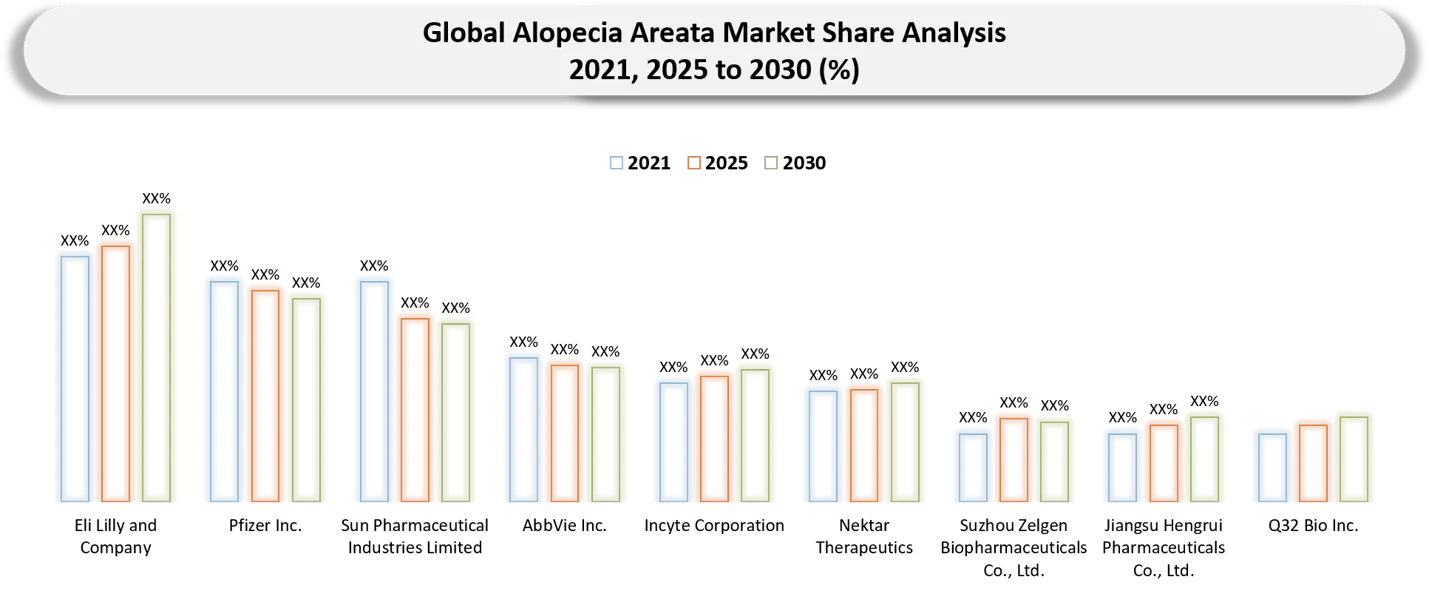
- The global alopecia areata market is led by Eli Lilly and Company, Pfizer Inc. and Sun Pharmaceutical Industries Limited through OLUMIANT, LITFULO and LEQSELVI, respectively. AbbVie Inc. is strengthening competition with RINVOQ, while Jiangsu Hengrui Pharmaceuticals Co., Ltd. and Suzhou Zelgen Biopharmaceuticals Co., Ltd. reinforce China’s growing role through locally developed JAK inhibitors. Incyte Corporation, Aclaris Therapeutics, Inc., Equillium, Inc. and Legacy Healthcare SA contribute additional clinical experience, intellectual property and pipeline diversity across JAK inhibition, immune modulation and localized treatment approaches.
- Competitive differentiation is increasingly shifting toward non-JAK mechanisms, durability and improved long-term safety. Nektar Therapeutics, Q32 Bio Inc., Almirall, S.A. and HCW Biologics Inc. are advancing regulatory T-cell, IL-7Rα and IL-2-directed therapies, potentially creating biologic alternatives for severe disease and inadequate JAK-inhibitor responders. Regeneron Pharmaceuticals, Inc. and Sanofi provide broader immunodermatology capabilities and biologic-development infrastructure. Meanwhile, Teva Pharmaceutical Industries Ltd., Viatris Inc., Sandoz Group AG and Dr. Reddy’s Laboratories Ltd. support access through established dermatology portfolios and lower-cost medicines. Market leadership will depend on durable regrowth, manageable safety, pediatric expansion, reimbursement and geographic reach.
Key Companies of Alopecia Areata Market
- Eli Lilly and Company (United States)
- Pfizer Inc. (United States)
- Sun Pharmaceutical Industries Limited (India)
- AbbVie Inc. (United States)
- Incyte Corporation (United States)
- Nektar Therapeutics (United States)
- Suzhou Zelgen Biopharmaceuticals Co., Ltd. (China)
- Jiangsu Hengrui Pharmaceuticals Co., Ltd. (China)
- Legacy Healthcare SA (Switzerland)
- Q32 Bio Inc. (United States)
- Equillium, Inc. (United States)
- Almirall, S.A. (Spain)
- HCW Biologics Inc. (United States)
- Aclaris Therapeutics, Inc. (United States)
- Regeneron Pharmaceuticals, Inc. (United States)
- Sanofi (France)
- Teva Pharmaceutical Industries Ltd. (Israel)
- Viatris Inc. (United States)
- Sandoz Group AG (Switzerland)
- Dr. Reddy’s Laboratories Ltd. (India)
Alopecia Areata Market Major Pain Points
- Delayed Diagnosis and Uneven Patient Referral: Alopecia areata may initially be mistaken for other hair-loss disorders. Limited dermatologist access, inconsistent severity assessment and delayed referral can postpone diagnosis and appropriate treatment, particularly in underserved markets.
- Unpredictable Disease Course and Frequent Relapse: Hair loss can progress, stabilize or recur unpredictably. Spontaneous regrowth and subsequent relapse complicate treatment evaluation, patient counselling and long-term disease management.
- Heterogeneous Treatment Response: Differences in disease severity, duration, age of onset, scalp involvement, eyebrow and eyelash loss and comorbid autoimmune conditions complicate therapy selection. Responses to corticosteroids, JAK inhibitors and other immunomodulatory treatments vary considerably.
- Limited Options for Extensive and Refractory Disease: Patients with alopecia totalis, alopecia universalis or longstanding disease may respond less consistently to available therapies. Additional systemic treatments with differentiated mechanisms, durable efficacy and acceptable long-term safety remain necessary.
- Safety and Long-Term Treatment Burden: Systemic therapies may require laboratory monitoring and continued administration to maintain hair regrowth. Infection risk, laboratory abnormalities, treatment interruptions and relapse after discontinuation can reduce adherence and persistence.
- Inconsistent Endpoints and Limited Comparative Evidence: SALT-score improvement remains the principal clinical endpoint, but direct comparative evidence across treatments is limited. Evidence gaps concerning sustained remission, eyebrow and eyelash recovery, quality of life and post-treatment relapse complicate clinical differentiation.
- Substantial Psychological and Social Burden: Visible hair loss can contribute to anxiety, depression, reduced self-confidence, social withdrawal and workplace difficulties. Clinical management does not always adequately incorporate mental-health support and patient-reported outcomes.
- Complex Pricing, Reimbursement and Access Requirements: Premium pricing, prior authorization, step-therapy requirements and inconsistent insurance coverage restrict access to systemic therapies. Differences in reimbursement and specialist availability contribute to unequal treatment adoption across countries.
Alopecia Areata Market Recent Developments
- July 2026: AbbVie received European Commission approval for RINVOQ (upadacitinib) to treat adults and adolescents aged 12 years and older with severe alopecia areata, expanding systemic treatment options in Europe.
- July 2026: argenx agreed to acquire Forte Biosciences for approximately US$2.2 billion, adding FB102, an investigational anti-CD122 monoclonal antibody with potential application in alopecia areata.
- July 2026: Q32 Bio announced positive 36-week topline results from the Phase IIa SIGNAL-AA trial of bempikibart, supporting progression toward a registration-directed alopecia areata program.
- June 2026: HCW Biologics reported preliminary Phase I clinical data for HCW9302, demonstrating acceptable early tolerability and preliminary improvements in SALT scores among patients with alopecia areata.
- May 2026: Jiangsu Vcare Pharmatech enrolled the first participant in a Phase II trial of VC005, an oral selective JAK1 inhibitor being evaluated for alopecia areata.
- April 2026: Nektar Therapeutics announced positive 52-week topline results from the Phase IIb REZOLVE-AA study of rezpegaldesleukin, strengthening its potential as a regulatory T-cell-directed therapy.
- August 2025: AbbVie reported positive topline results from its second Phase III UP-AA trial of upadacitinib, completing an important component of its global regulatory evidence package.
- July 2025: The FDA granted Fast Track designation to Nektar Therapeutics’ rezpegaldesleukin for severe-to-very severe alopecia areata in eligible adults and adolescents.
- April 2025: Q32 Bio commenced dosing in the open-label extension and Part B of the Phase IIa SIGNAL-AA trial, expanding the evaluation of bempikibart’s efficacy and response durability.
Analyst View / Opinion on Alopecia Areata Market
- The market is shifting from episodic corticosteroid treatment and cosmetic management toward targeted systemic therapies that deliver measurable scalp, eyebrow and eyelash regrowth.
- OLUMIANT, LITFULO and LEQSELVI are strengthening JAK-inhibitor adoption in the United States, while RINVOQ’s 2026 European approval further intensifies competition across severe disease populations.
- Treatment selection will increasingly depend on SALT score, age, disease duration, scalp involvement, eyebrow and eyelash loss, previous treatment response, comorbidities, safety risks and patient preference.
- Regulatory T-cell stimulators, IL-7 receptor antibodies, CD122-targeted therapies and next-generation JAK inhibitors could diversify treatment beyond the current oral JAK-dominated systemic market.
- Sustainable market leadership will require evidence demonstrating rapid and durable hair regrowth, reduced relapse after treatment interruption, improved quality of life and manageable long-term safety.
- Commercial success will depend on dermatologist education, standardized severity assessment, treatment-sequencing evidence, reliable supply, patient-support services and payer-focused data demonstrating meaningful clinical and psychosocial value.
Alopecia Areata Market Target Audience
| INDUSTRY | WHO SHOULD BUY THIS REPORT? | REASON TO BUY THIS REPORT |
| Pharmaceutical and Biotechnology Companies | Approved-drug manufacturers, pipeline developers, immunology companies and dermatology-focused biotechnology firms | Assess market potential, treatment gaps, competitive positioning and commercialization opportunities across approved and investigational therapies. |
| Diagnostic and Digital-Health Companies | Trichoscopy providers, imaging-platform developers, AI diagnostic companies and clinical decision-support providers | Identify opportunities in differential diagnosis, SALT-score assessment, treatment-response monitoring and relapse prediction. |
| Healthcare Providers | Dermatologists, pediatric dermatologists, hospitals, specialty clinics and multidisciplinary care teams | Understand treatment evolution, patient stratification, therapy sequencing, monitoring requirements and referral pathways. |
| Payers and Market-Access Organizations | Health insurers, pharmacy-benefit managers, health-technology assessment bodies and reimbursement consultants | Evaluate eligible populations, comparative clinical value, budget impact, prior authorization and reimbursement requirements. |
| Patient Advocacy and Support Organizations | Alopecia associations, mental-health organizations, caregiver groups and patient-support networks | Understand psychological burden, treatment access, adherence barriers, quality-of-life needs and geographic care disparities. |
| Government and Regulatory Bodies | Regulatory agencies, public-health authorities, reimbursement agencies and healthcare policymakers | Support regulatory assessment, treatment-access frameworks, clinical guidance, pharmacovigilance and equitable-care policies. |
| Investors and Financial Institutions | Private-equity firms, venture-capital investors, institutional investors and investment banks | Evaluate pipeline value, clinical and regulatory risks, licensing opportunities, partnerships and acquisition prospects. |
| Market Research and Consulting Firms | Strategy consultancies, competitive-intelligence teams and healthcare research firms | Support market-entry planning, portfolio strategy, competitive benchmarking, opportunity assessment and commercial due diligence. |
| Research Organizations | Clinical research organizations, academic institutions, universities and translational research centres | Analyze clinical-trial activity, patient recruitment, biomarker development, disease mechanisms and remaining research gaps. |
| Specialty Pharmacies and Distributors | Specialty pharmacies, hospital pharmacies, pharmaceutical distributors and home-delivery providers | Assess distribution models, supply requirements, patient onboarding, adherence support and access pathways for systemic therapies. |
Why Choose DATAM?
- Data-Driven Insights: Access granular alopecia areata intelligence covering market size, drug-class shares, treatment rates, diagnosed populations, disease-severity segmentation, systemic therapy utilization, clinical pipelines, competitive positioning and regional access dynamics, supported by primary interviews with industry experts.
- Post-Purchase Support and Expert Analyst Consultations: Engage directly with our healthcare analysts for customized guidance on patient segmentation, treatment sequencing, portfolio positioning, market entry, competitor assessment, market-access planning and commercialization strategies.
- White Papers and Case Studies: Receive periodic insights on alopecia areata treatment innovation, regulatory developments, product launches, JAK inhibitors, emerging immunomodulators, reimbursement strategies and evolving dermatologist prescribing patterns.
- Annual Updates on Purchased Reports: Stay informed through annual updates covering regulatory approvals, clinical readouts, pipeline changes, label expansions, licensing agreements, pricing developments and competitive shifts. Terms and conditions apply.
- Specialized Focus on Emerging Markets: Gain country-specific intelligence on diagnosed and treated populations, dermatologist availability, disease-severity assessment, systemic therapy adoption, reimbursement conditions and commercial opportunities across high-growth emerging markets.
- Value of DataM Reports: Obtain tailored intelligence addressing specific business questions related to severe and refractory patients, treatment response, relapse, therapy differentiation, switching patterns, long-term treatment burden, pipeline disruption, market access and investment priorities beyond generic databases.
What DATAM Uniquely Provides
- In-depth segmentation of the alopecia areata market by disease type, drug class, route of administration, age group, gender, disease severity, modality, disease duration, treatment setting, distribution channel and region.
- Competitive analysis of leading alopecia areata companies covering scalp-hair regrowth, eyebrow and eyelash recovery, response durability, relapse prevention, safety, mechanism of action, dosing convenience, pipeline maturity and commercialization strategy.
- Comprehensive assessment of diagnosed and treatment-eligible populations, moderate-to-severe patients, alopecia totalis and alopecia universalis patients, refractory populations, prior-treatment status, disease duration, SALT-score categories, comorbidities, unmet clinical needs and regional access dynamics.
- Actionable intelligence on pharmaceutical pricing, reimbursement, regulatory pathways, treatment-response assessment, therapy sequencing, patient-support programs, market-access barriers, licensing activity, strategic partnerships and investment opportunities.
- Analyst forecasts highlighting high-growth drug classes, commercially attractive patient populations, regional expansion opportunities and emerging competitive threats across JAK inhibitors, corticosteroids, immunotherapies, regulatory T-cell therapies, biologics and other targeted immunomodulatory approaches.


























































